
Eating well does not have to mean giving up your favorite foods or following strict rules. Small changes, made one at a time, can add up to big results for your energy, mood, and health.
The best part is that most of these habits take just a few minutes a day. Pick one or two to try this week and see how good they feel.
1. Start Your Day With Breakfast
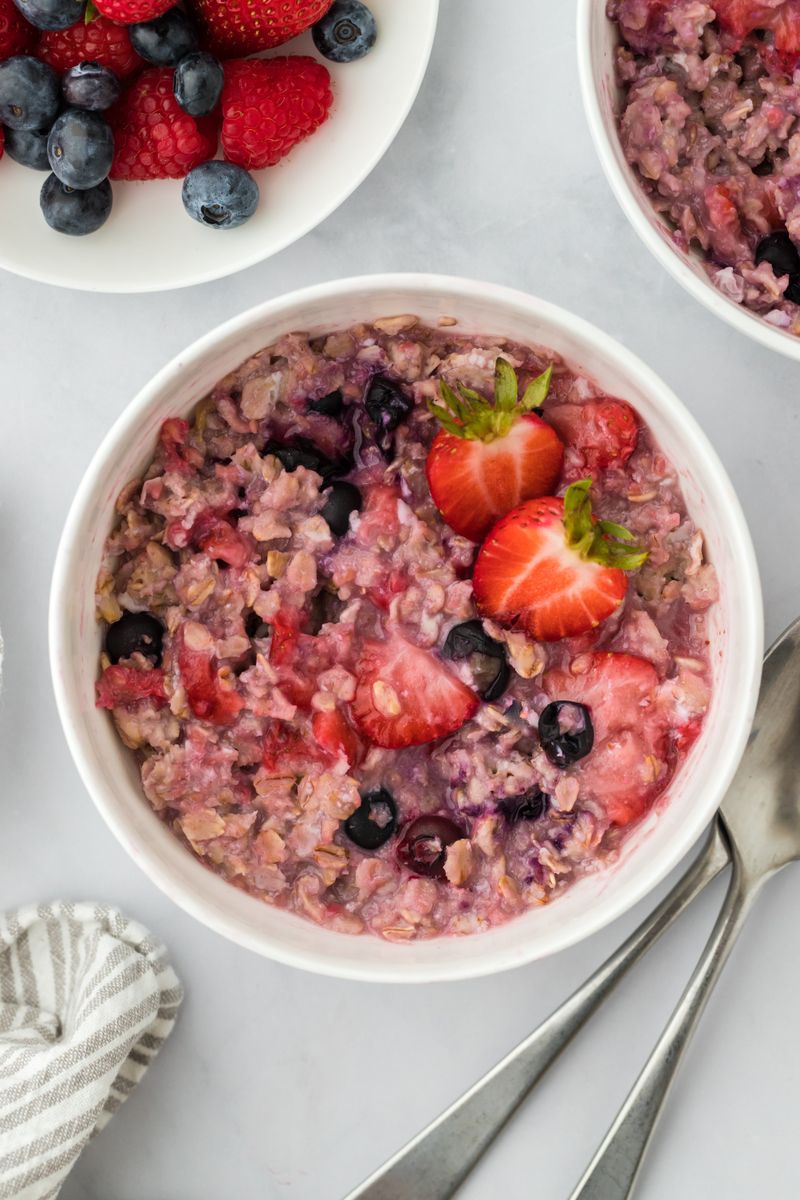
Picture a car trying to run on an empty tank. Your body feels the same way when you skip the morning meal.
A simple breakfast gives you fuel for school, work, or play.
You do not need anything fancy. Oatmeal with fruit, yogurt with nuts, or whole grain toast with peanut butter all work great.
People who eat breakfast often snack less later and feel more focused through the morning hours.
2. Fill Half Your Plate With Veggies
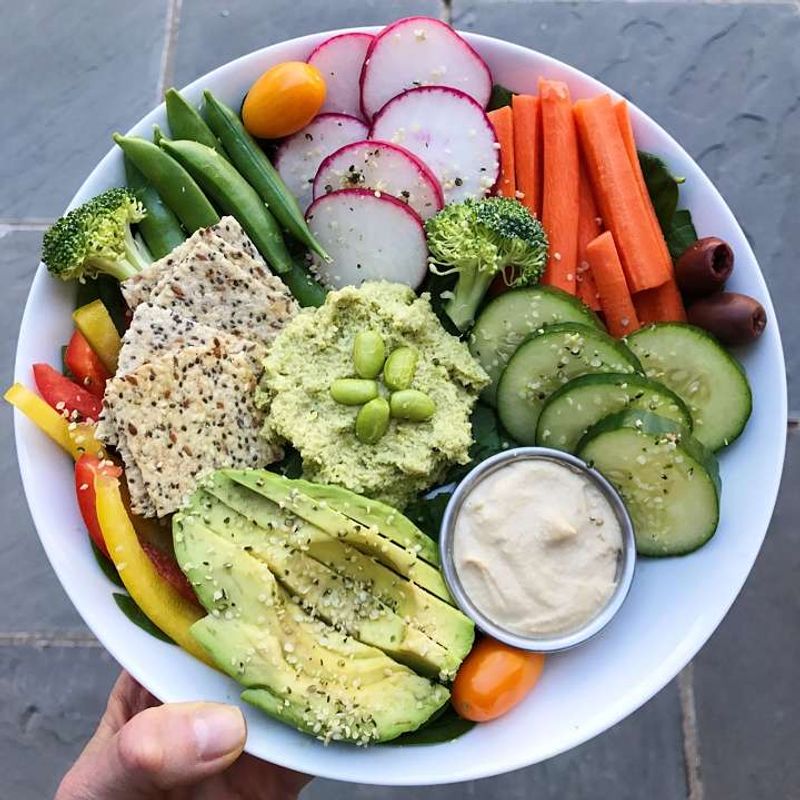
Here is a trick that nutrition experts love because it is so easy to remember. Look at your plate and imagine a line down the middle.
Make one half vegetables and fruits.
The other half can be split between protein, like chicken or beans, and grains, like rice or pasta.
You get more vitamins and fiber without counting a single calorie. Your plate also looks brighter and more fun to eat.
3. Drink Water Before Every Meal

Sometimes your stomach growls, but you are actually just thirsty. It happens more than you might think, since thirst and hunger feel very similar.
Try drinking a full glass of water about ten minutes before you eat. It helps your body stay hydrated and can keep you from overeating.
Bonus tip: add a slice of lemon, cucumber, or a few berries if plain water feels boring to you.
4. Slow Down and Chew
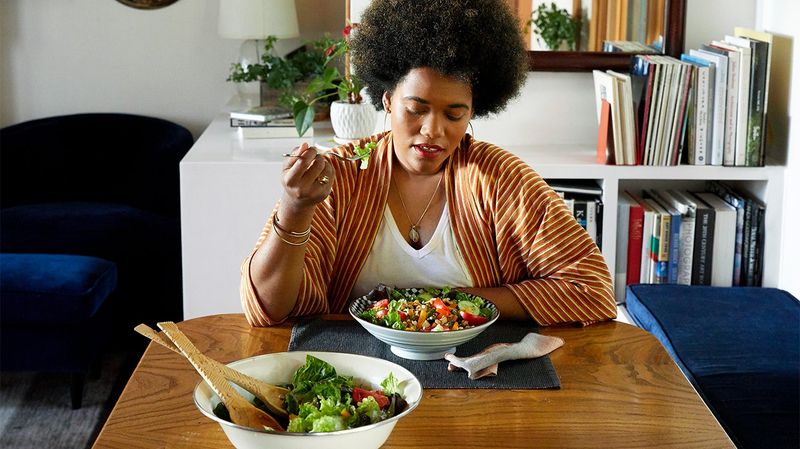
Did you know your brain needs about twenty minutes to realize your stomach is full? Gobbling food fast means you might eat way more than you need before that signal arrives.
Put your fork down between bites. Chew each mouthful well and actually taste the flavors.
Eating slowly also helps your stomach digest food more easily. Meals become calmer, more enjoyable moments instead of a race to the finish line.
5. Keep Fruit Where You Can See It
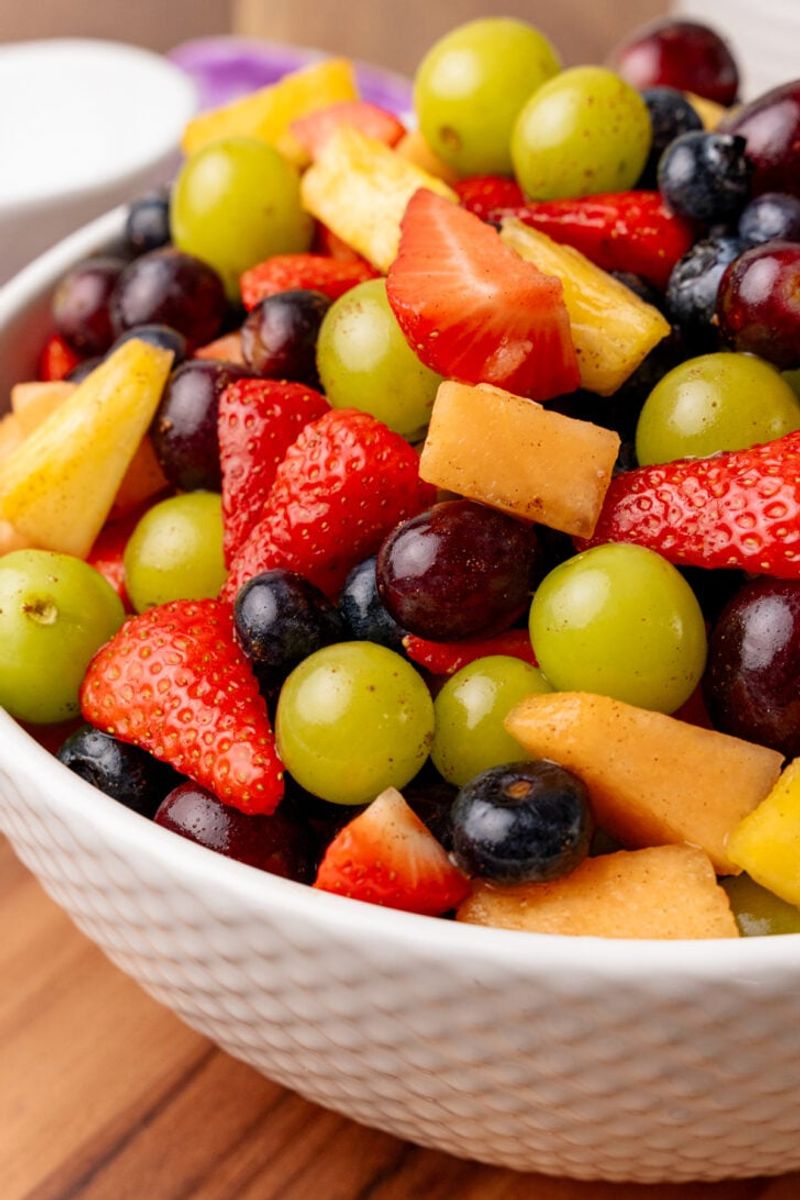
Out of sight, out of mind. That old saying is very true when it comes to snacks.
Set a bowl of apples, bananas, or oranges right on your kitchen counter. When hunger hits, the fruit will be the first thing you spot.
Studies show people tend to grab whatever food is easiest to reach.
Meanwhile, tuck chips and cookies into a high cabinet. A little extra effort makes those treats less tempting.
6. Swap White Grains for Whole Grains
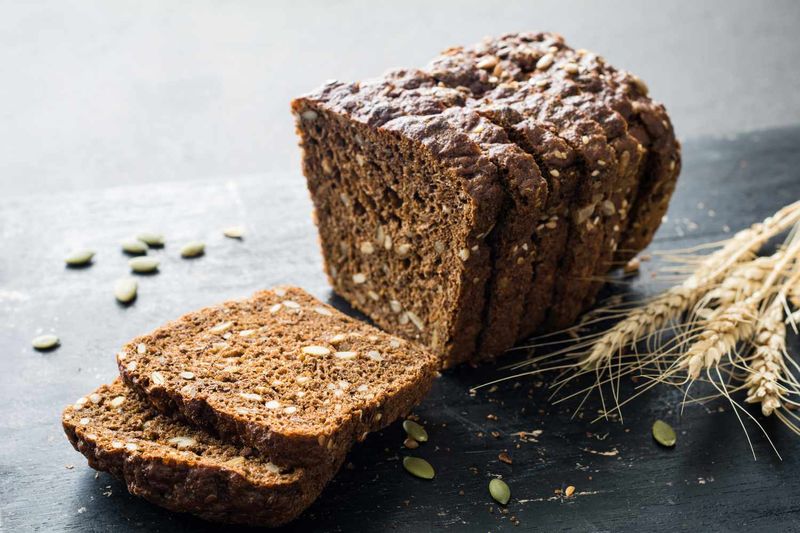
White bread and brown bread might look like cousins, but they act very differently inside your body.
Whole grains keep the outer layer of the grain, which is packed with fiber and nutrients. That fiber helps you feel full longer and keeps your energy steady.
Start small by switching to whole wheat bread or brown rice. Mixing half white and half brown pasta is a sneaky way to ease into the change.
7. Add Protein to Every Meal
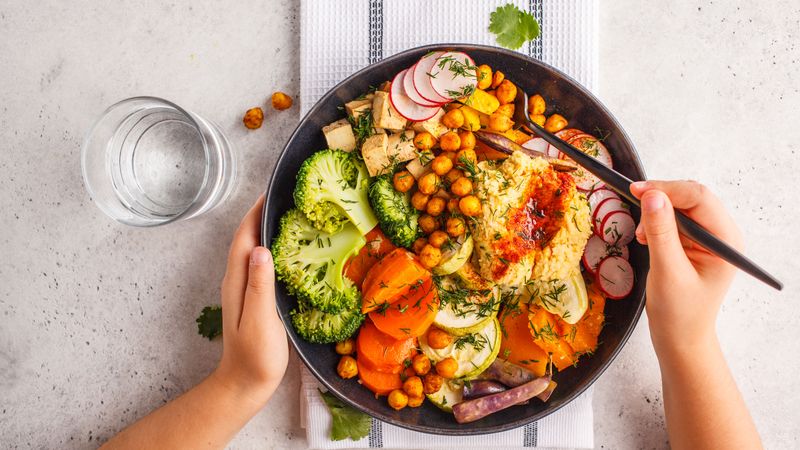
Think of protein as the builder crew for your muscles, skin, and hair. Your body uses it every day to repair and grow.
Adding some protein to each meal also keeps hunger away for hours. Eggs at breakfast, beans in your lunch salad, and fish at dinner are easy choices.
Plant fans can reach for tofu, lentils, nuts, and seeds. There are tasty options for every kind of eater out there.
8. Eat the Rainbow
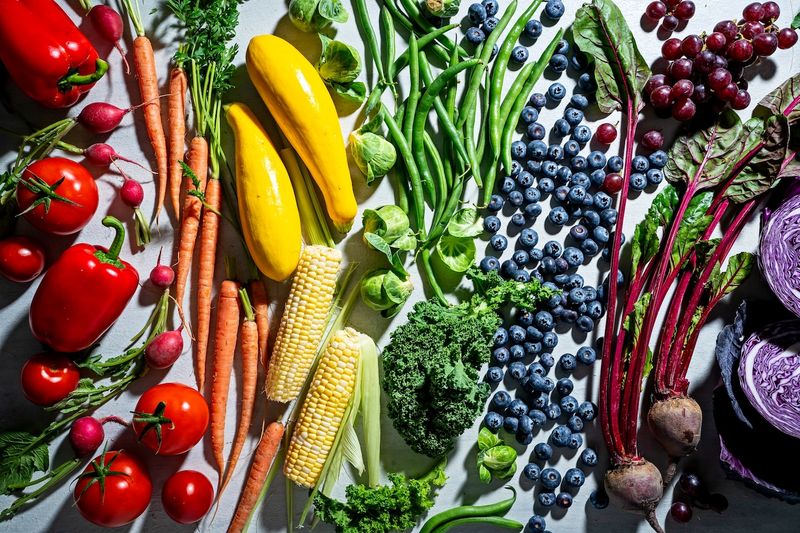
Red tomatoes, orange carrots, yellow peppers, green spinach, purple grapes. Each color tells you something cool about the food.
Different colors come from different natural plant chemicals, and each one helps your body in its own special way. Red foods may help your heart, while orange ones support your eyes.
Make it a fun game with your family. Try to eat at least three colors at every meal and see who wins.
9. Plan Your Meals Ahead
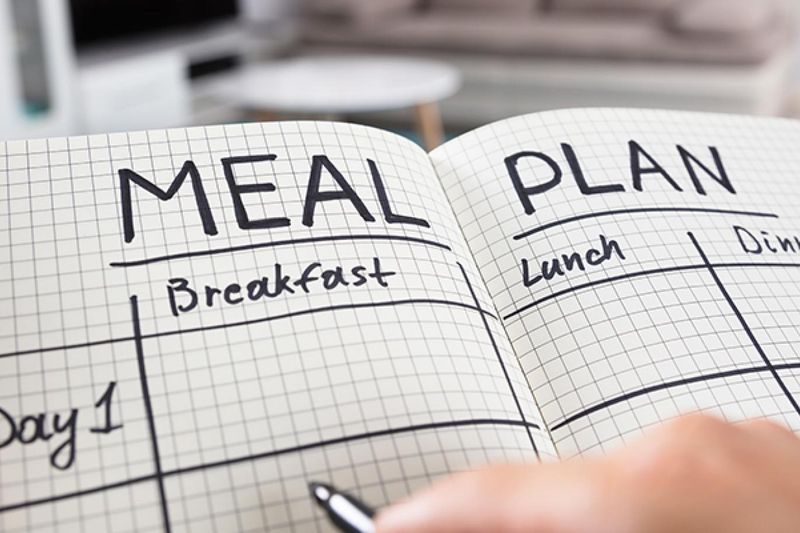
Ever stood in front of the fridge at 7 p.m. with no idea what to make? That is usually when the pizza delivery app gets opened.
Taking just fifteen minutes on Sunday to plan your meals can fix that. Write down dinners for the week and build a shopping list from it.
You will save money, waste less food, and make healthier choices because the thinking is already done for you.
10. Use Smaller Plates
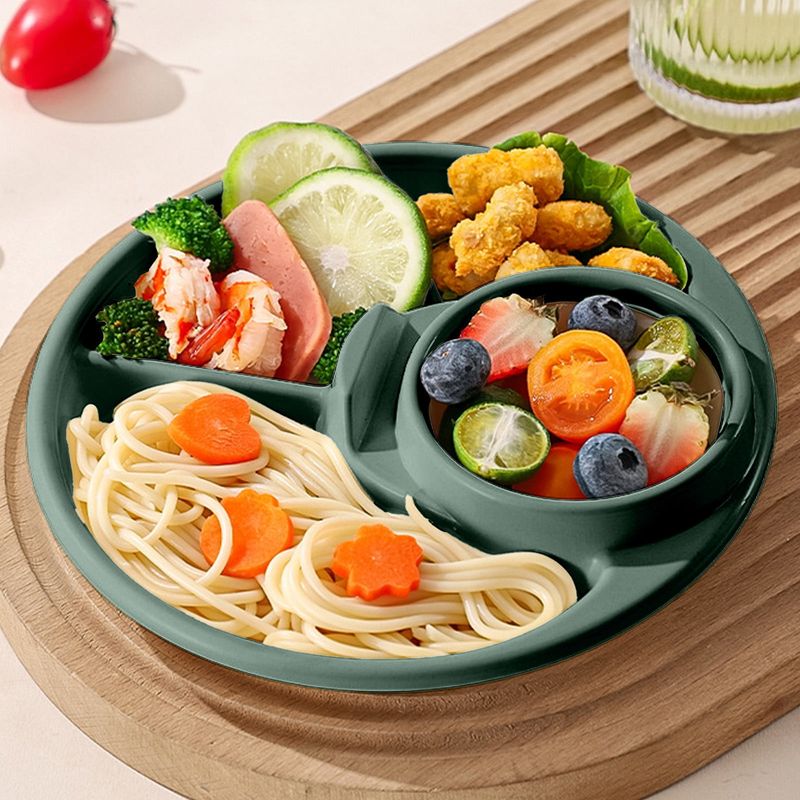
Our eyes can play funny tricks on us. A normal serving looks tiny on a giant plate, so we pile on more.
Switching to a smaller plate makes the same amount of food look generous and satisfying. Researchers have found this simple swap can help people eat less without feeling hungry.
Fun fact: average dinner plates have grown several inches wider since the 1960s. Grandma’s dishes might be worth borrowing!
11. Pack Healthy Snacks
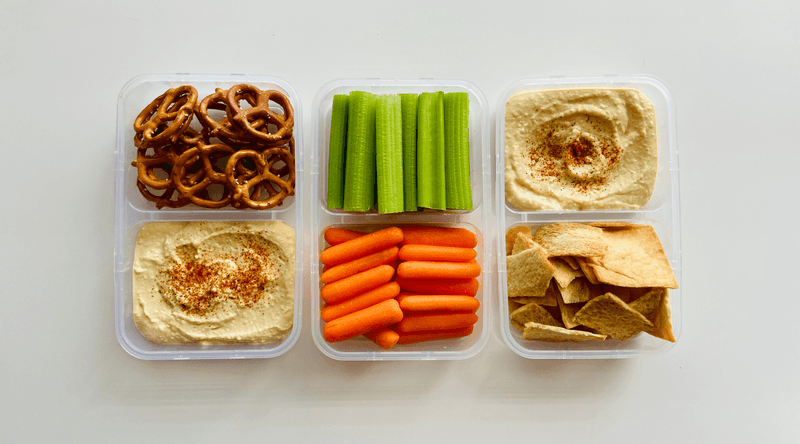
Hunger loves to sneak up when you are far from home. Without a plan, vending machines and drive-thrus start calling your name.
Keep a few smart snacks in your backpack, car, or desk. Nuts, cheese sticks, apple slices, and carrot sticks with hummus travel well.
Mixing protein with fiber keeps you full the longest. A small baggie of trail mix can rescue a long afternoon in a pinch.
12. Cut Back on Sugary Drinks

One can of regular soda holds about ten teaspoons of sugar. Imagine scooping that much into your cereal!
Sugary drinks like soda, sweet tea, and many juices add lots of sugar without making you feel full. Swapping even one a day makes a real difference.
Try sparkling water with a splash of juice, or unsweetened iced tea. Your teeth and your energy levels will both thank you for the change.
13. Cook More Meals at Home

Restaurants are fun, but their meals often hide extra salt, butter, and sugar. Cooking at home puts you in charge of every ingredient.
You do not have to be a chef. Simple dishes like stir-fries, tacos, or sheet pan chicken with veggies take about thirty minutes.
Cooking together is also a wonderful way to spend time with family. Kids who help in the kitchen are more likely to try new foods.
14. Read Food Labels
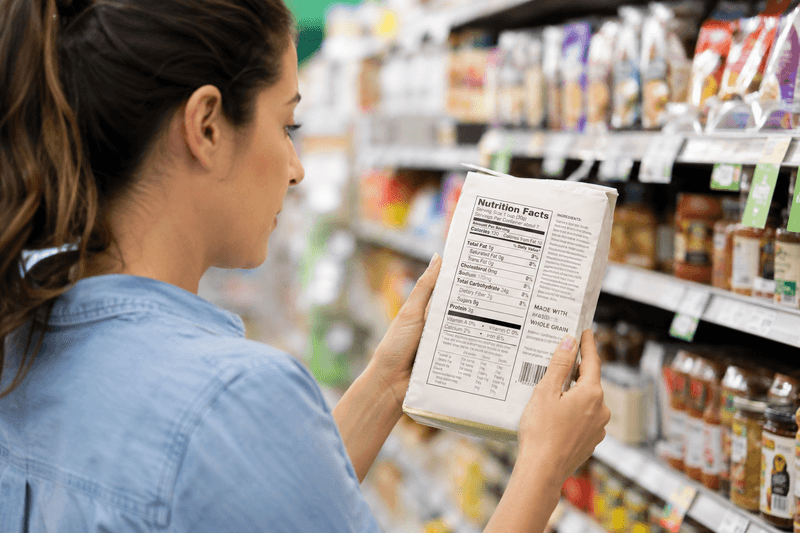
That little black and white box on food packages is like a secret map. It shows exactly what is inside.
Start by checking the serving size, since many packages hold more than one. Then look at added sugars, sodium, and fiber.
A quick tip: the ingredient list goes from most to least. If sugar shows up in the first three spots, you might want to choose another option instead.
15. Turn Off Screens While Eating

Ever looked down at an empty chip bag and wondered where it all went? Screens are often to blame.
When you eat in front of the TV or phone, your brain is busy and forgets to notice how much food you are eating. That can lead to overeating without even enjoying it.
Set the phone aside during meals. You might be surprised how much better your food tastes when you pay attention.
16. Include Healthy Fats
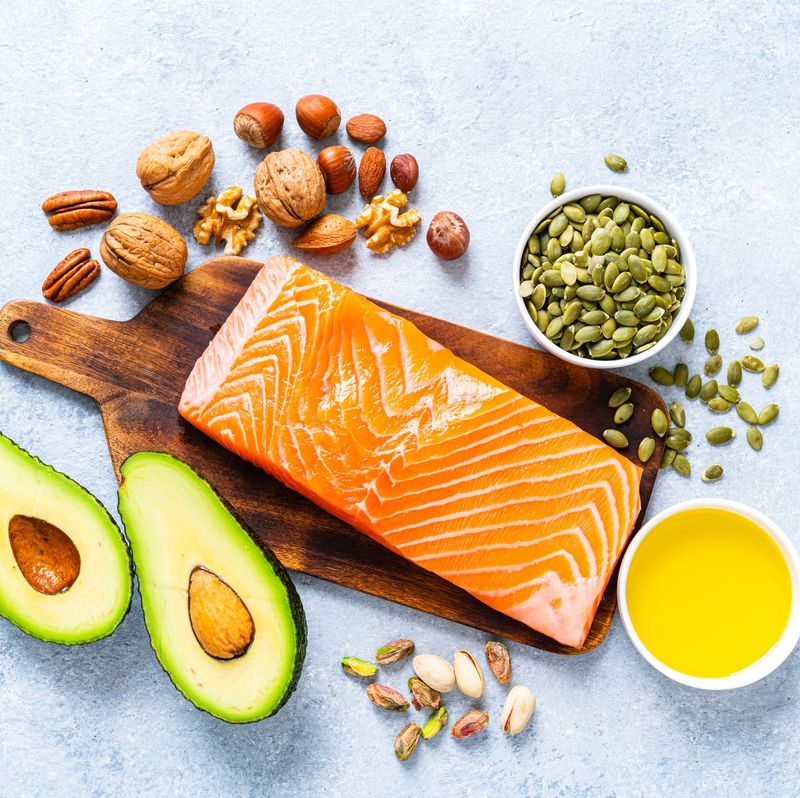
Fat used to have a bad reputation, but not all fats are villains. Some are actually heroes for your brain and heart.
Avocados, olive oil, nuts, seeds, and fish like salmon contain helpful fats your body needs. They also help you absorb certain vitamins from vegetables.
Drizzle olive oil on salads or toss some walnuts into oatmeal. Just keep portions modest, since these foods are rich in calories.
17. Listen to Your Hunger Cues
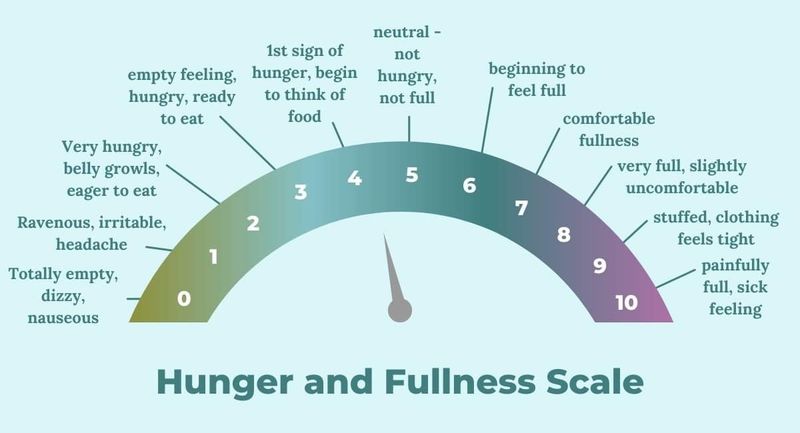
Your body is pretty smart. It sends signals when it needs food and when it has had enough.
Before eating, ask yourself a quick question. Am I truly hungry, or am I bored, tired, or stressed?
Rate your hunger from one to ten.
Try to eat when you feel around a three or four and stop when you reach a comfortable six or seven. Practice makes these signals easier to hear.
18. Prep Veggies in Advance
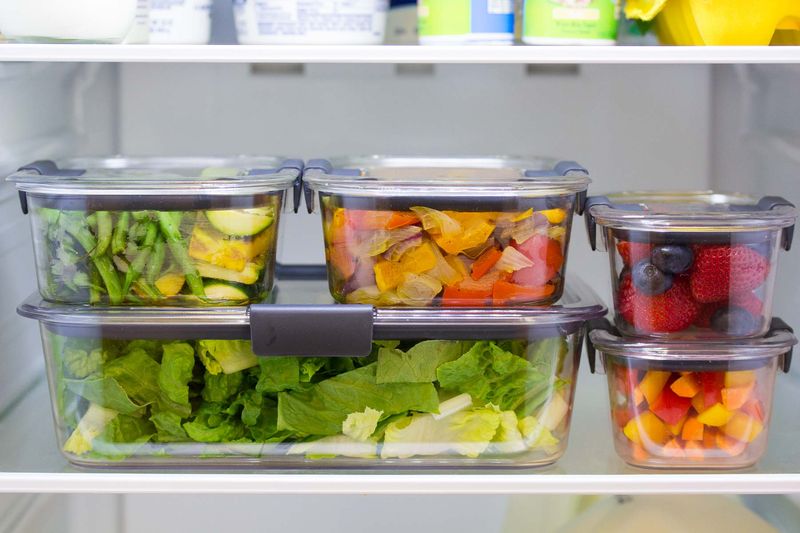
Let’s be honest. Washing and chopping vegetables on a busy weeknight feels like a chore nobody wants.
So do it once and enjoy the rewards all week. After grocery shopping, spend twenty minutes cutting peppers, carrots, broccoli, and cucumbers.
Store them in clear containers in the fridge.
When veggies are ready to grab, you will toss them into lunches, omelets, and dinners much more often. Future you will be grateful.
19. Enjoy Treats Without Guilt

A balanced diet has room for birthday cake, ice cream on a hot day, and your grandma’s cookies.
Banning favorite foods often backfires. When something feels forbidden, we tend to want it even more and may end up eating too much later.
Instead, enjoy treats in reasonable portions and savor every bite. Many dietitians follow an eighty-twenty idea: nourishing foods most of the time, fun foods sometimes.
20. Try One New Food Each Week

Eating the same five meals on repeat gets dull fast. It also limits the nutrients your body receives.
Challenge yourself to try one new food every week. Maybe it is a fruit you have never tasted, like dragon fruit, or a grain like quinoa.
Here is a neat fact: it can take ten or more tries before someone starts liking a new flavor. So give that broccoli another chance!
21. Add Beans and Lentils to Dishes
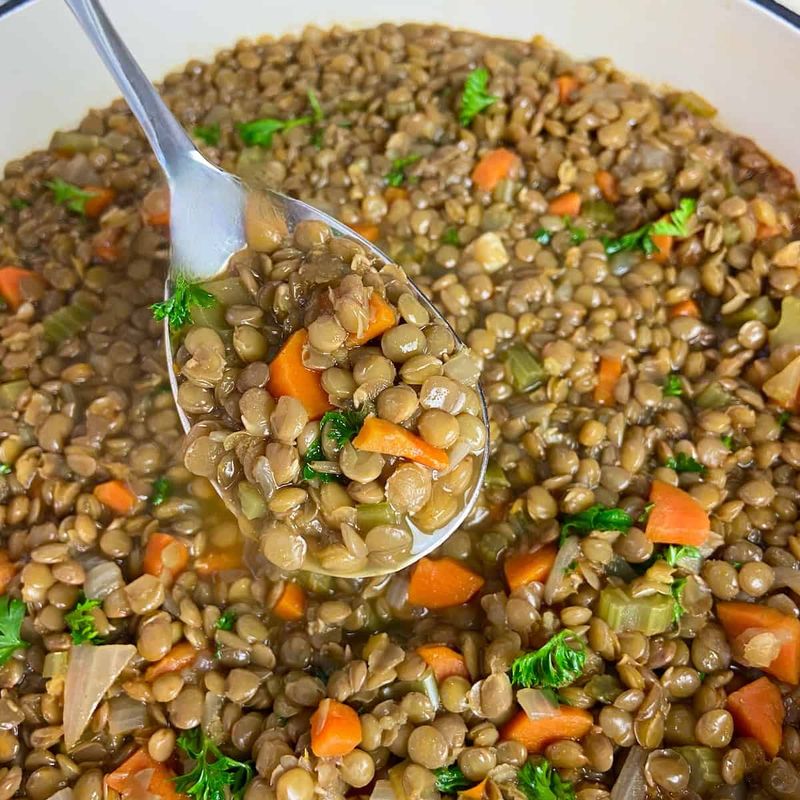
Small, cheap, and mighty. Beans and lentils might be the most underrated foods in the grocery store.
They are loaded with protein, fiber, iron, and potassium, yet usually cost less than a dollar per serving. That makes them a budget-friendly superstar.
Toss chickpeas into salads, stir black beans into tacos, or simmer lentils in soup. Canned versions work perfectly, just rinse them first to wash away extra salt.