
Most people know about pizza, schnitzel, and maybe a good French stew. But Europe is packed with hearty meat dishes that rarely make it onto restaurant menus outside their home countries.
These recipes tell stories about farmers, holidays, cold winters, and clever cooks who wasted nothing. Get ready to discover some delicious meals you might want to try in your own kitchen.
1. Cevapi From the Balkans
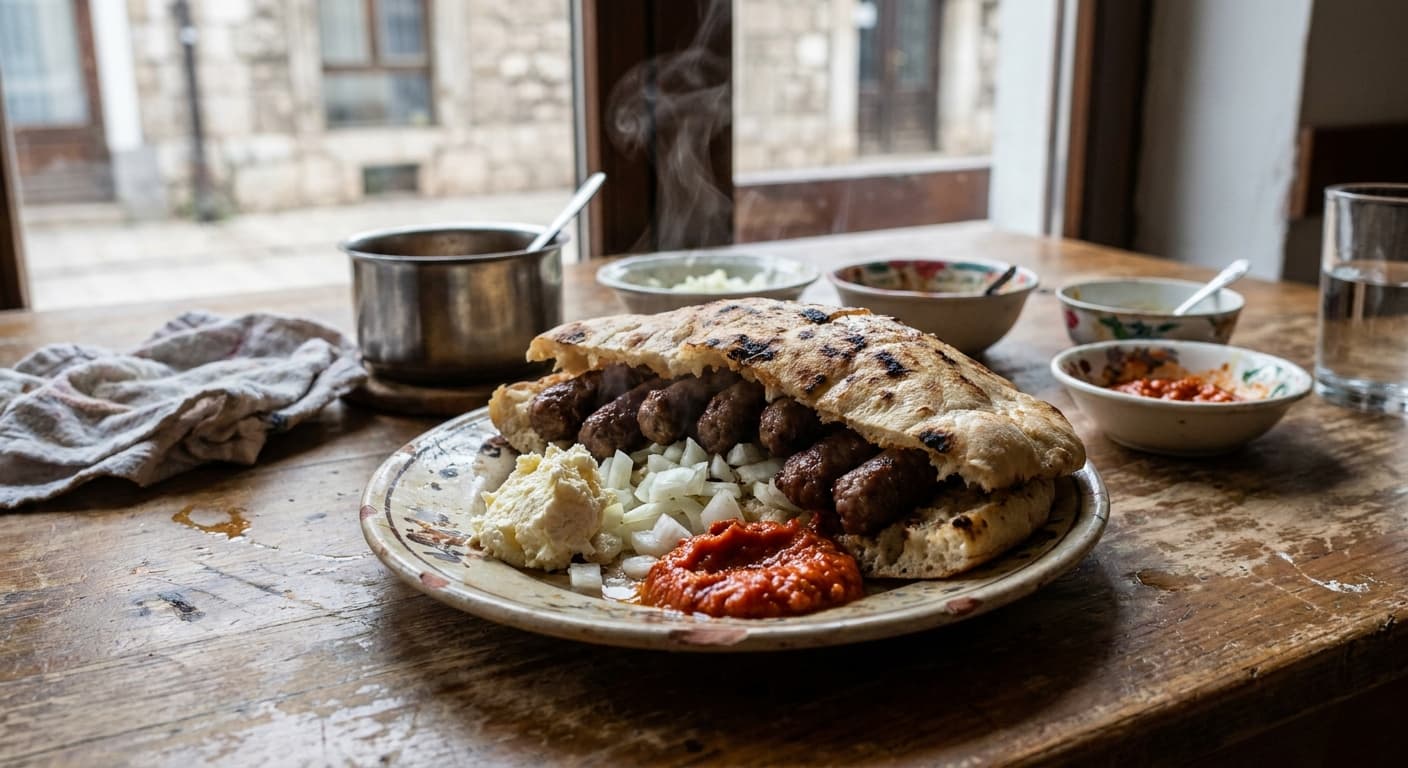
Walk through old Sarajevo and the smell of grilling meat will find you before you find the restaurant. Cevapi are small, skinless sausages made from minced beef and lamb, grilled over charcoal.
They are served tucked inside soft, puffy flatbread called somun, with raw onions and a smoky red pepper spread named ajvar.
Want to try them at home? Mix the meat with a pinch of baking soda for that classic springy bite.
2. Sarmale From Romania
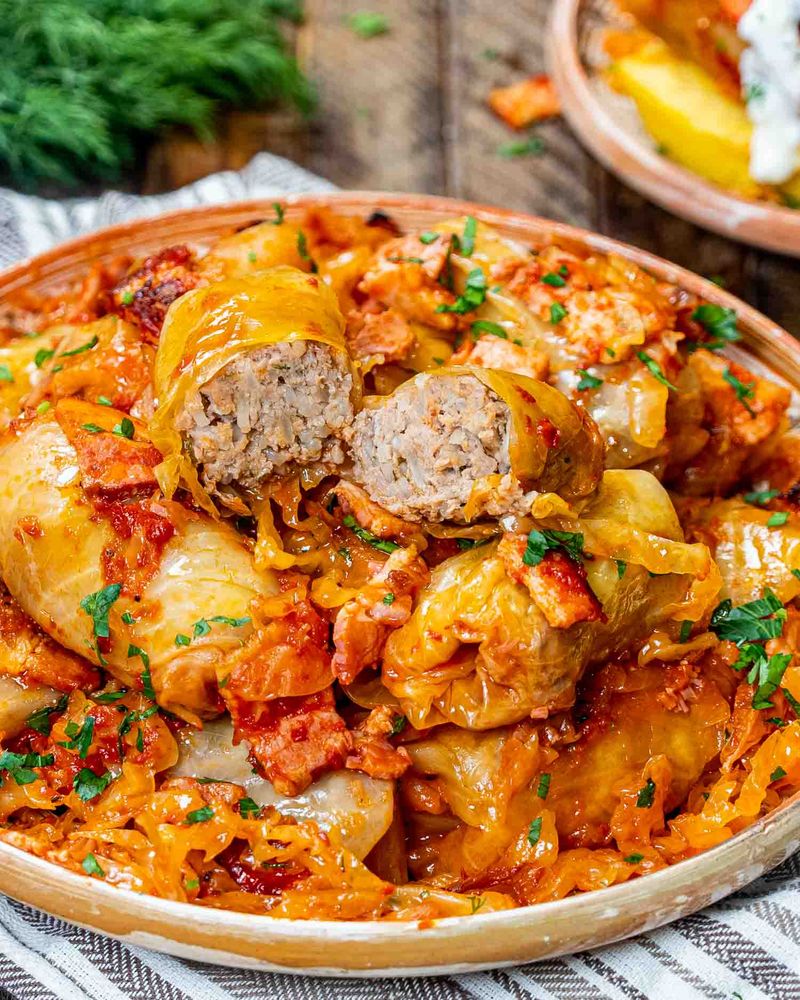
Ask any Romanian grandmother about Christmas, and sarmale will come up within seconds. These are cabbage leaves wrapped around seasoned pork and rice, then slowly simmered for hours.
The secret is fermented cabbage, which gives the rolls a pleasant tangy flavor. Families often cook huge batches because leftovers taste even better the next day.
Serve them with a scoop of polenta and a spoonful of sour cream for the full experience.
3. Bigos, Poland’s Hunter’s Stew
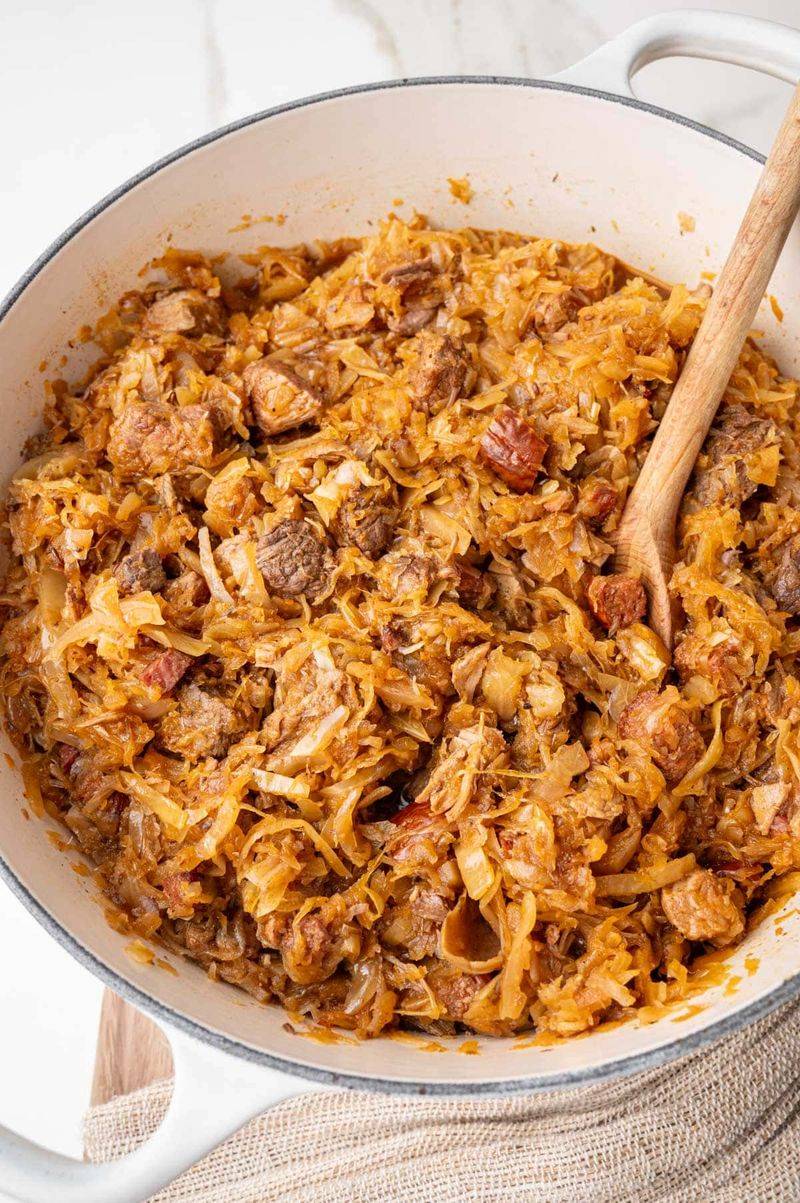
Here is a stew that gets better the longer you ignore it. Bigos mixes sauerkraut, fresh cabbage, mushrooms, sausage, and several kinds of meat into one rich pot.
Polish hunters once carried it on long trips because it stayed good for days. Many cooks reheat it over three days before serving.
Fun fact: no two families make it the same way, so arguments about the best recipe are almost a national tradition.
4. Haggis With Neeps and Tatties
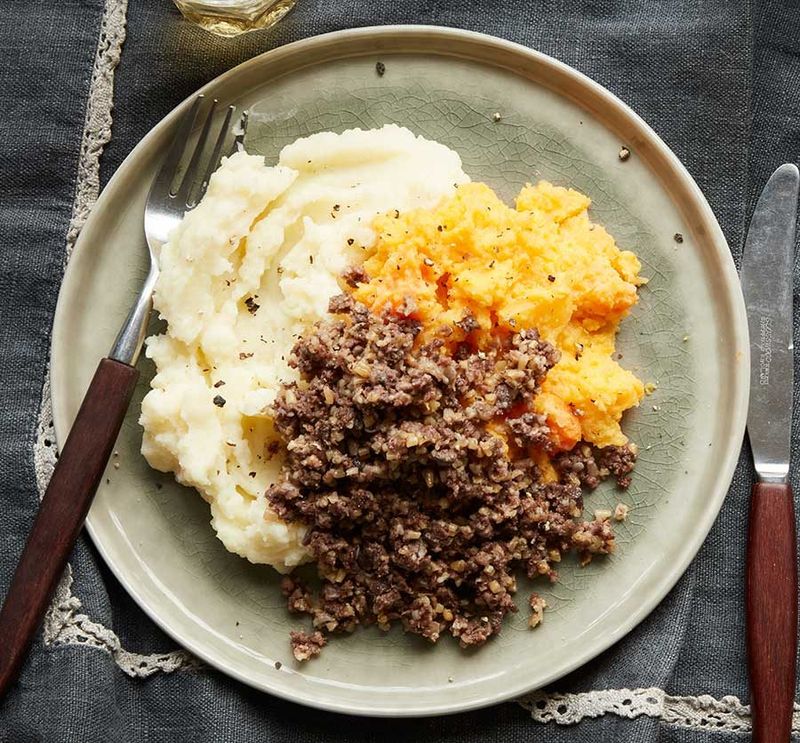
Okay, the ingredient list might make you nervous. Haggis is made from sheep heart, liver, and lungs, mixed with oats, onions, and warm spices.
But give it a chance. The flavor is peppery, nutty, and surprisingly comforting, a lot like a crumbly sausage.
Scots celebrate it every January on Burns Night, reading a poem to the haggis before cutting it open. Pair it with mashed turnips and potatoes, called neeps and tatties.
5. Kleftiko, the Outlaw’s Lamb
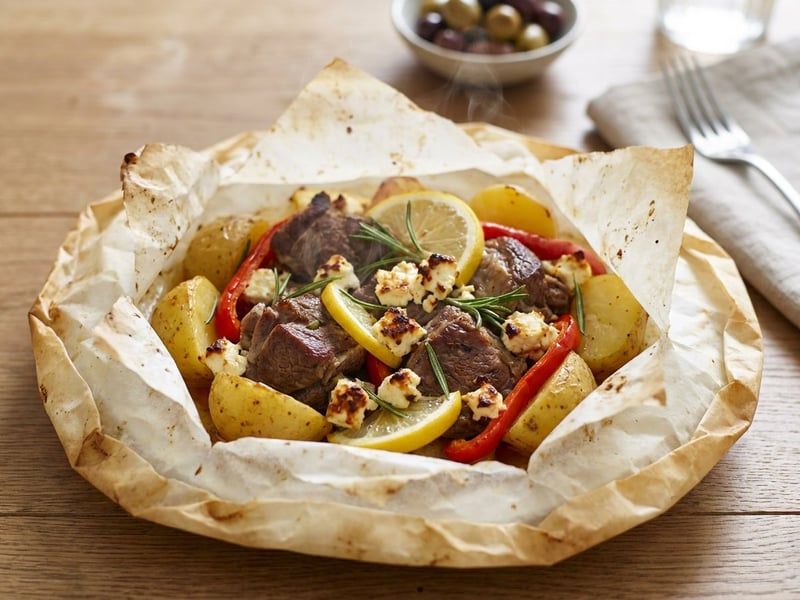
Legend says Greek rebels called klephts stole sheep and cooked them in sealed pits so the smoke would not give away their hiding spots.
Today, kleftiko is lamb slow-baked with garlic, lemon, oregano, and potatoes, usually wrapped in parchment paper. The meat becomes so tender it falls off the bone with a fork.
Tip for home cooks: keep the package tightly sealed, because trapped steam is the whole trick here.
6. Goulash, the Real Hungarian Version
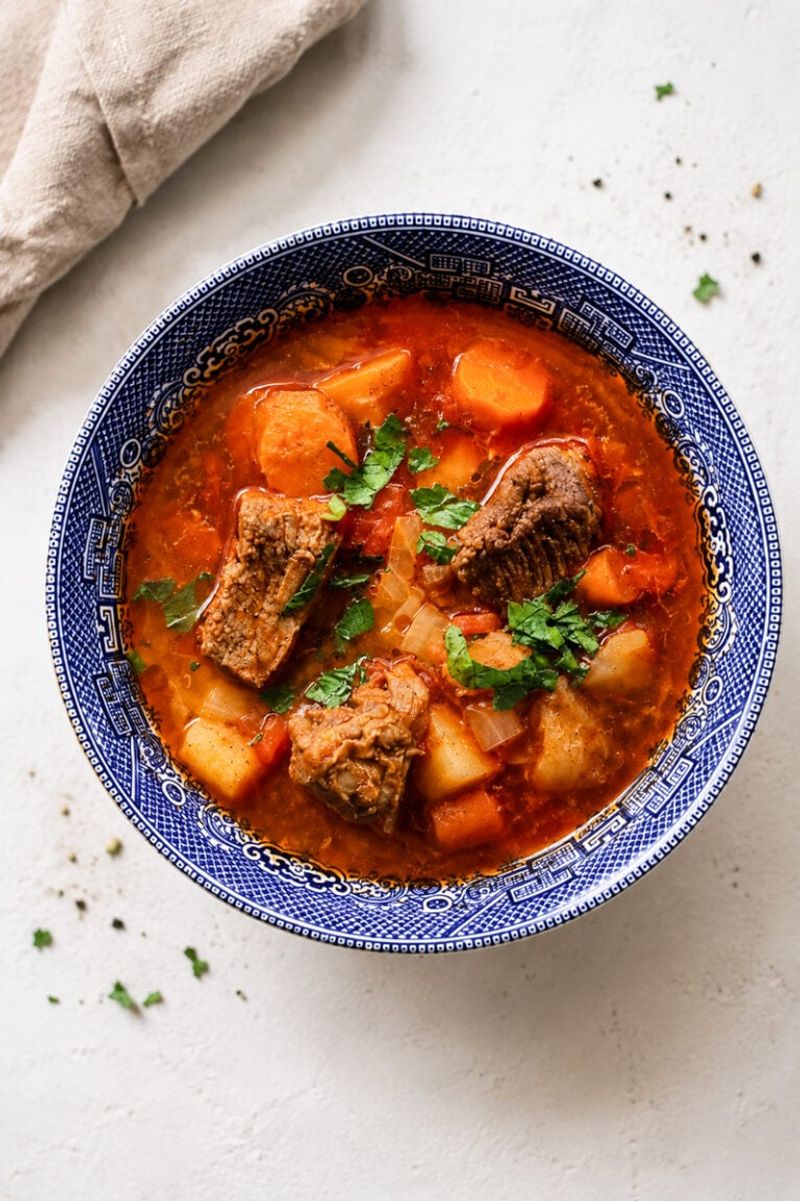
Forget the thick, noodle-heavy dish you might know from school lunches. Real Hungarian gulyas is actually a soup, rich with beef, potatoes, carrots, and plenty of sweet paprika.
Cattle herders on the Great Hungarian Plain cooked it in big kettles over open fires. The name even comes from the word for herdsman.
For the best color and taste, buy real Hungarian paprika and add it off the heat so it never burns.
7. Cassoulet From Southern France
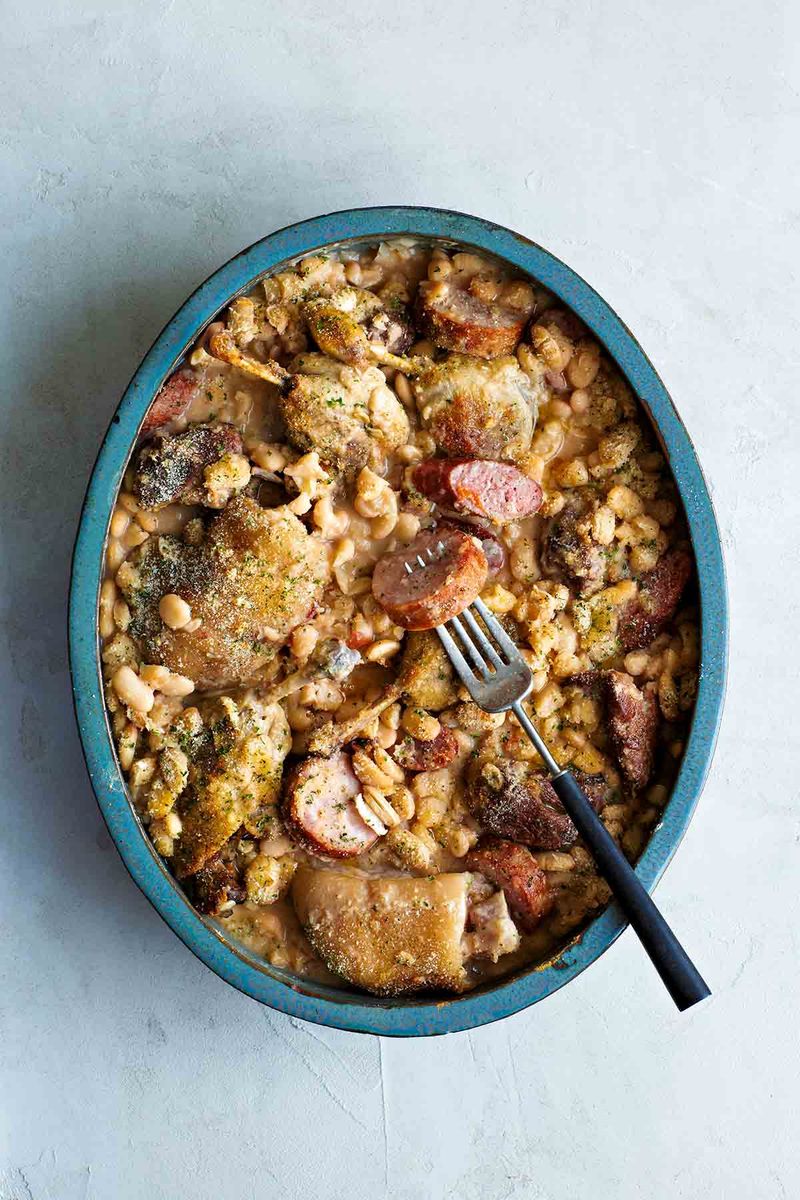
Three French towns still argue over who makes the best cassoulet. Castelnaudary, Carcassonne, and Toulouse each claim the crown.
The dish layers white beans with duck confit, pork sausage, and sometimes lamb, then bakes slowly until a golden crust forms on top. Some cooks break that crust and push it down several times.
Plan ahead, since a proper cassoulet can take two days. It is a perfect project for a chilly weekend.
8. Svickova, Czech Sunday Comfort
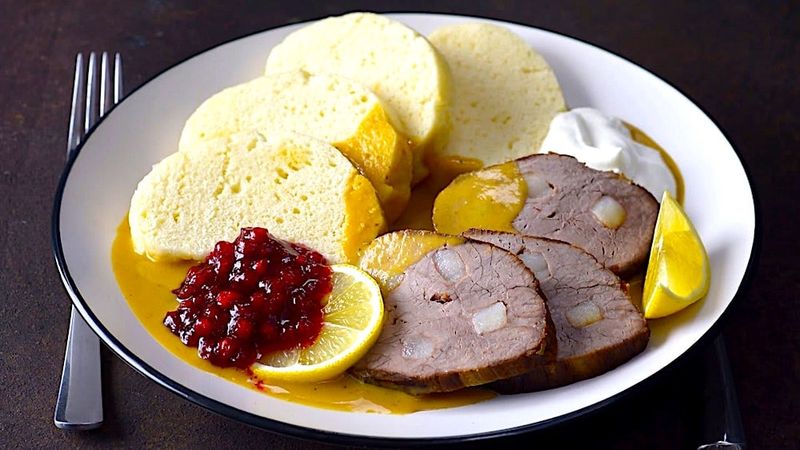
Picture tender beef covered in a creamy sauce made from carrots, celery root, and parsley root. Then add fluffy bread dumplings, a spoon of cranberry sauce, and even a little whipped cream.
Sounds strange? Czech families have loved this mix for generations, especially at weddings and Sunday dinners.
The beef soaks in a vinegar marinade for a day or two first. Patience pays off with a sweet, tangy, unforgettable plate.
9. Pastitsada of Corfu
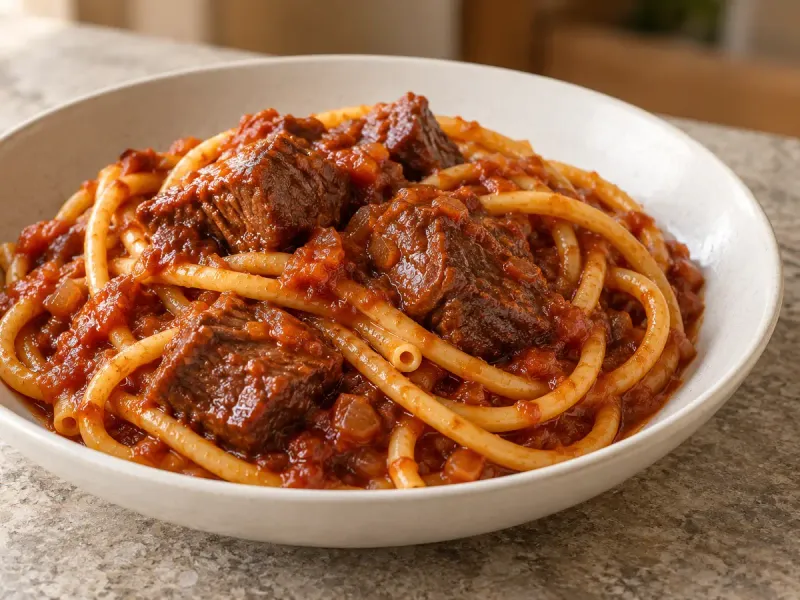
Venetian rulers left more than old buildings on the Greek island of Corfu. They also inspired pastitsada, a spiced meat dish served over thick pasta.
Rooster or beef simmers in tomato sauce flavored with cinnamon, cloves, allspice, and a splash of wine. The spices smell almost like a holiday bakery.
Locals traditionally eat it on Sundays. Try sprinkling grated hard cheese on top, just like they do in island tavernas.
10. Fabada Asturiana
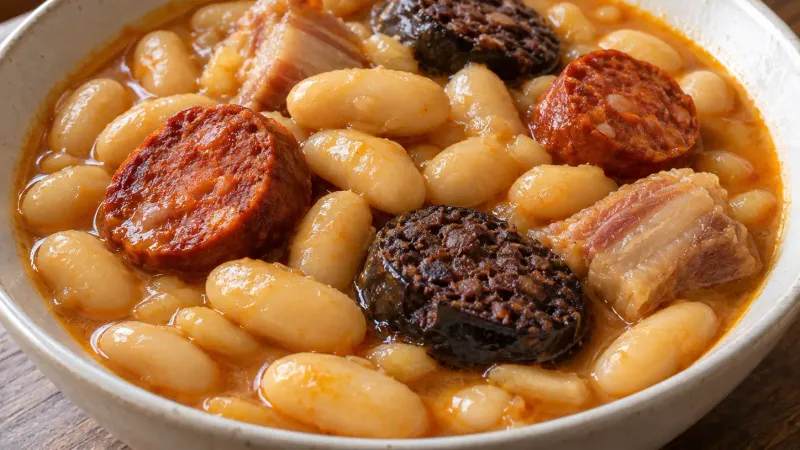
Rainy northern Spain needed a meal that could warm people from the inside, and fabada delivers.
Big buttery white beans called fabes cook slowly with chorizo, blood sausage, and smoky pork belly. The sausages release their color, turning the broth a deep orange.
Asturian cooks have one golden rule: never stir with a spoon, or the beans will break. Gently shake the pot instead.
It is a small trick that makes a huge difference.
11. Kalakukko From Finland
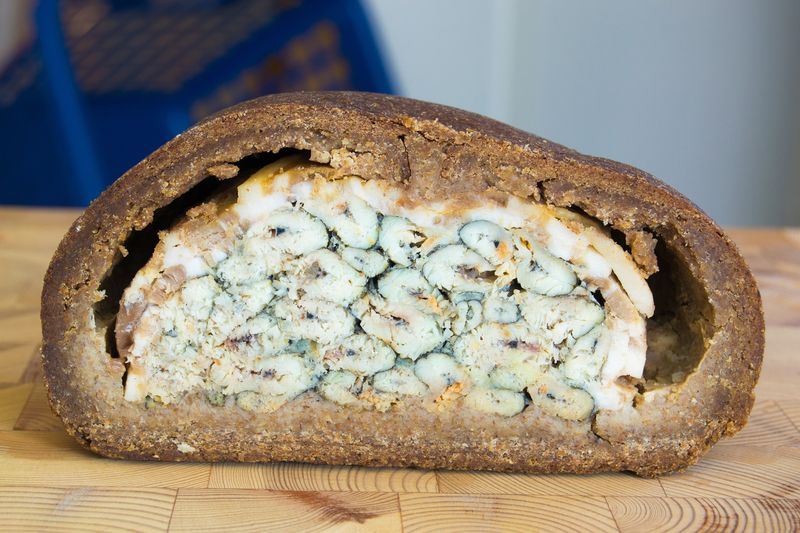
Imagine a loaf of rye bread that hides a full meal inside. Kalakukko comes from Kuopio in eastern Finland and is stuffed with small fish and fatty pork bacon.
It bakes for many hours until the bones soften completely. Workers once carried it as a lunch that stayed fresh for days.
To eat it, cut a lid off the top and scoop out the filling, then enjoy the crust last.
12. Stamppot With Rookworst
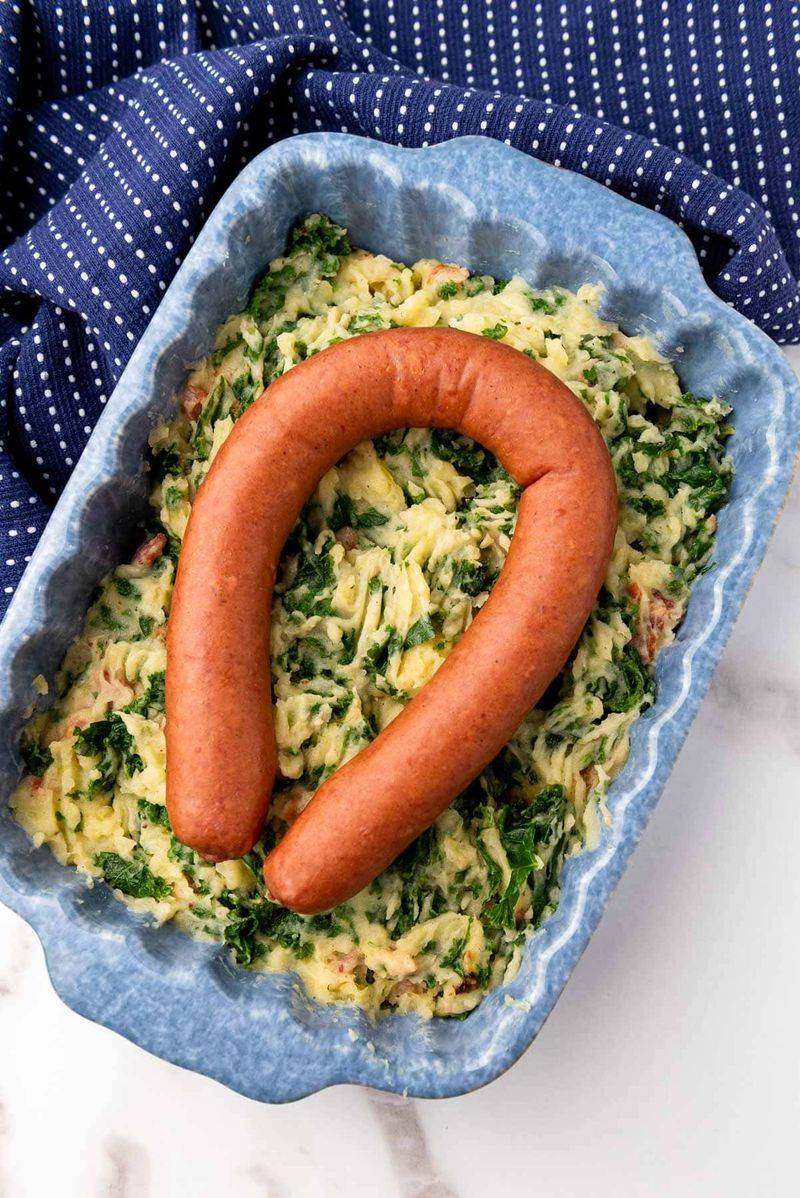
When winter wind blows across the Netherlands, Dutch kitchens turn to stamppot. Potatoes get mashed together with kale, sauerkraut, or carrots and onions.
On top sits a juicy smoked sausage called rookworst. Many people press a little well into the mash and fill it with gravy, like a tiny lake.
It is cheap, filling, and ready in about thirty minutes, making it great for busy school nights.
13. Ossobuco alla Milanese
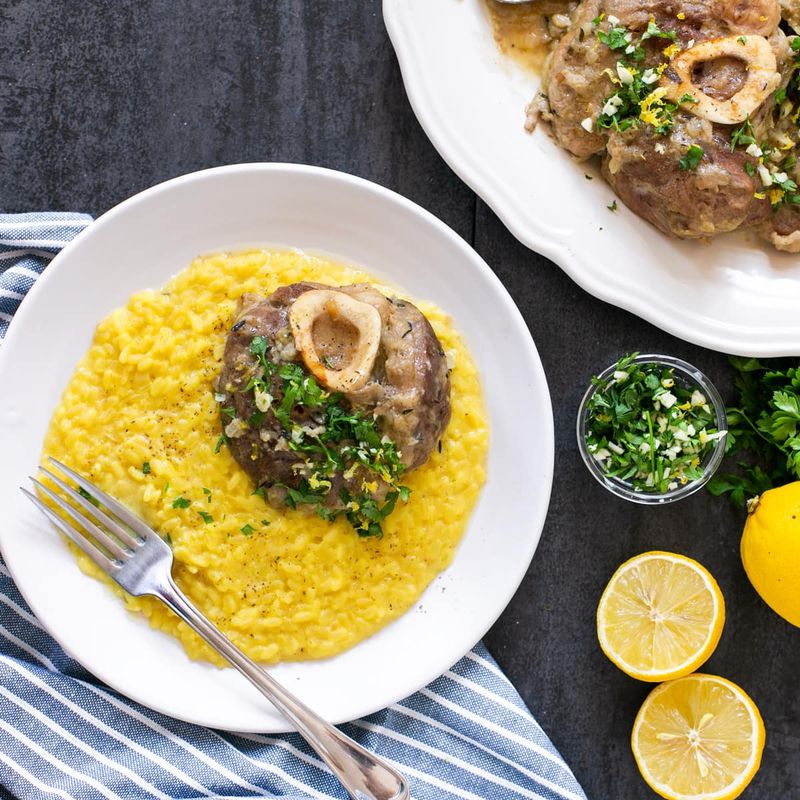
The name means bone with a hole, and that hole holds the best part. Ossobuco is a thick slice of veal shank braised in white wine and broth until soft.
The marrow in the center melts into the sauce, adding rich flavor. Cooks sprinkle gremolata, a bright mix of lemon zest, garlic, and parsley, on top.
In Milan, it usually arrives beside golden saffron risotto. Ask for a tiny spoon to scoop the marrow.
14. Fårikål, Norway’s Favorite
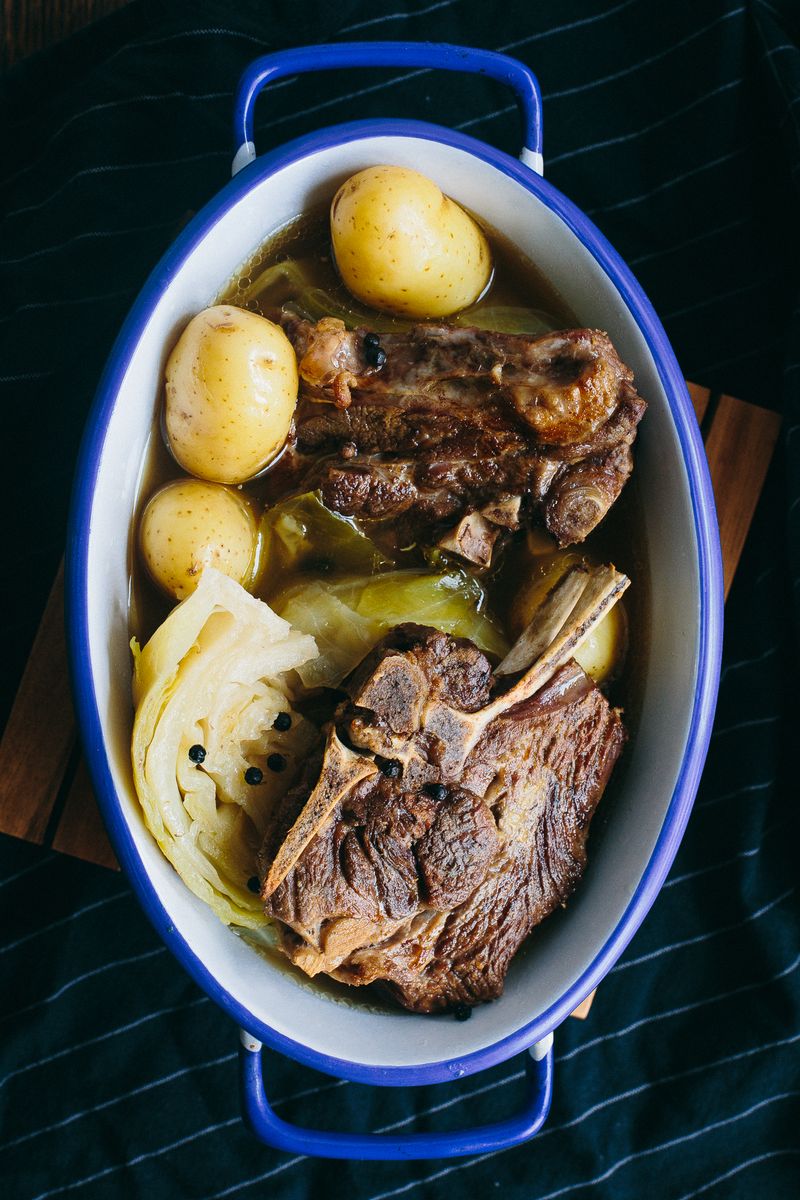
Norway officially voted this simple stew its national dish, and it has only four main ingredients. Fårikål combines lamb, cabbage, salt, and whole black peppercorns.
Everything is layered in a pot and cooked slowly until the lamb turns tender and the cabbage goes silky.
Norwegians even celebrate Fårikål Day on the last Thursday of September. Serve it with boiled potatoes, and watch out for those peppercorns when you bite.
15. Cepelinai From Lithuania
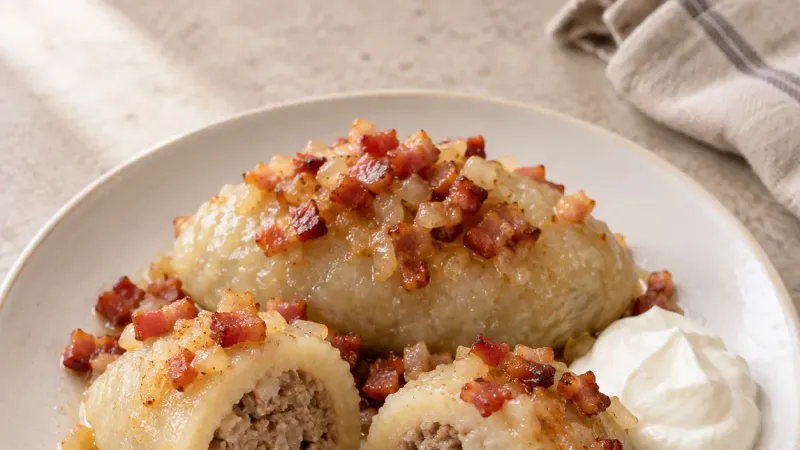
Shaped like old airships, these chunky dumplings got their name from the famous zeppelin. Cepelinai are made from grated potatoes wrapped around seasoned ground pork.
After boiling, they are topped with sour cream and crispy bacon bits called spirgai. One or two will fill you up for hours.
Making them takes practice, since the potato dough can be sticky. Wet your hands with cold water to shape them more easily.
16. Carbonnade Flamande
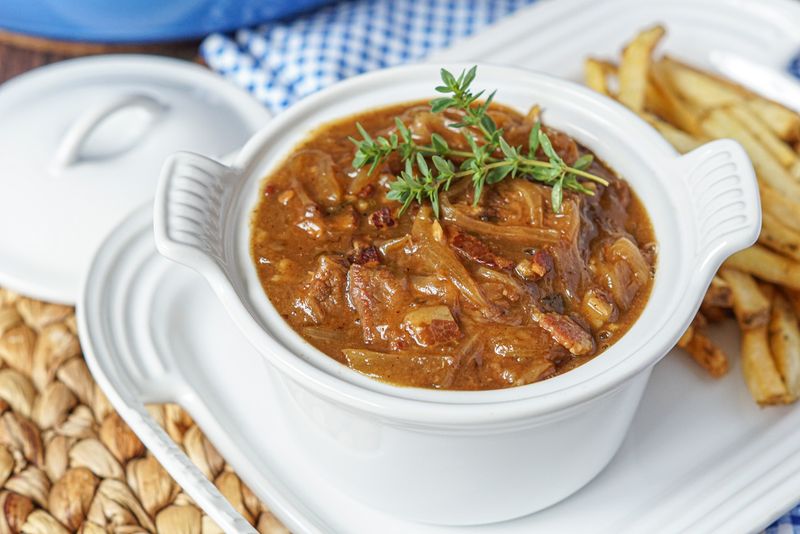
Belgians had a clever idea: why not use bread smeared with mustard to thicken a stew? Carbonnade flamande is beef slowly cooked with caramelized onions and a dark, malty broth.
Brown sugar and a splash of vinegar balance the sweet and sour notes. The mustard bread melts away completely.
Of course, this is Belgium, so fries are the usual side. Dip them right into the thick sauce for the best bites.
17. Pljeskavica, the Balkan Burger
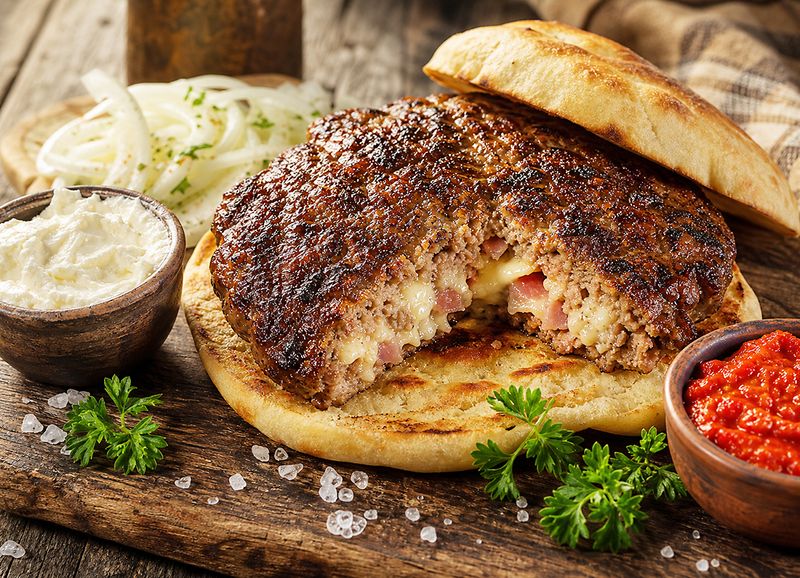
Think of a burger, then make it twice as wide and twice as flavorful. Pljeskavica is a large grilled patty of mixed beef, pork, and lamb popular across Serbia.
It often comes stuffed with cheese or topped with kajmak, a creamy dairy spread. Street stands serve it in soft bread with onions and peppers.
Serbia even hosts a grill festival in Leskovac where cooks make record-breaking giant patties.
18. Cocido Madrileño
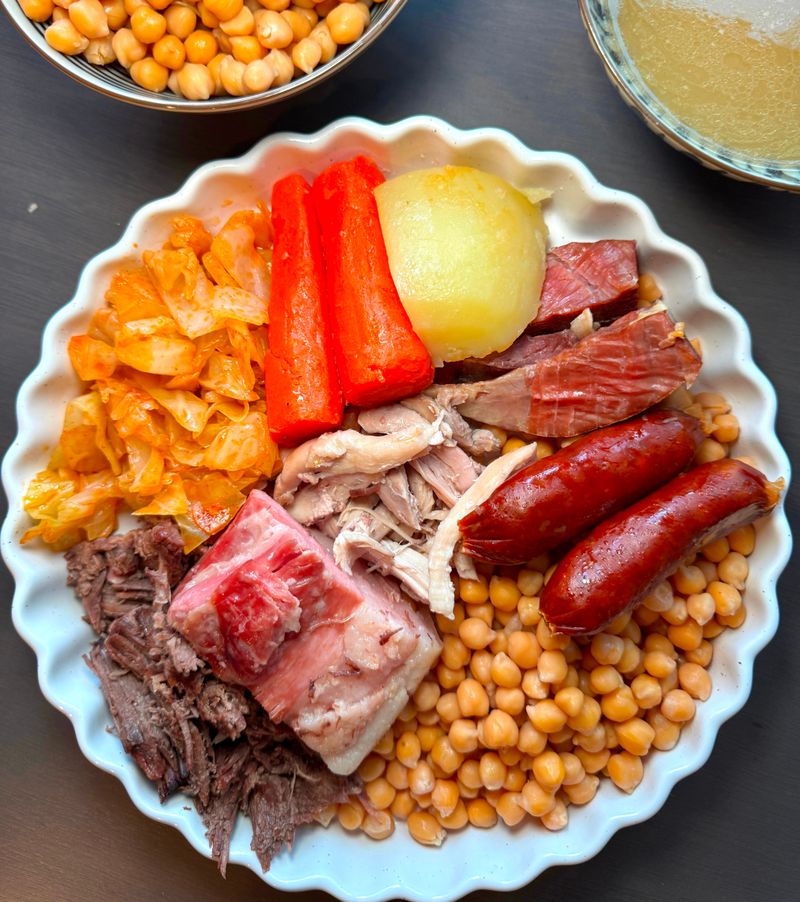
One pot, three courses. Cocido madrileño is Madrid’s hearty chickpea stew packed with beef, chicken, chorizo, and pork.
First, the broth is served as a noodle soup. Next come the chickpeas and vegetables.
Finally, the platter of meats arrives.
Locals love it on cold winter afternoons, often followed by a long, lazy nap. If you cook it at home, soak the chickpeas overnight so they turn perfectly creamy.
19. Pörkölt, Paprika’s Thicker Cousin
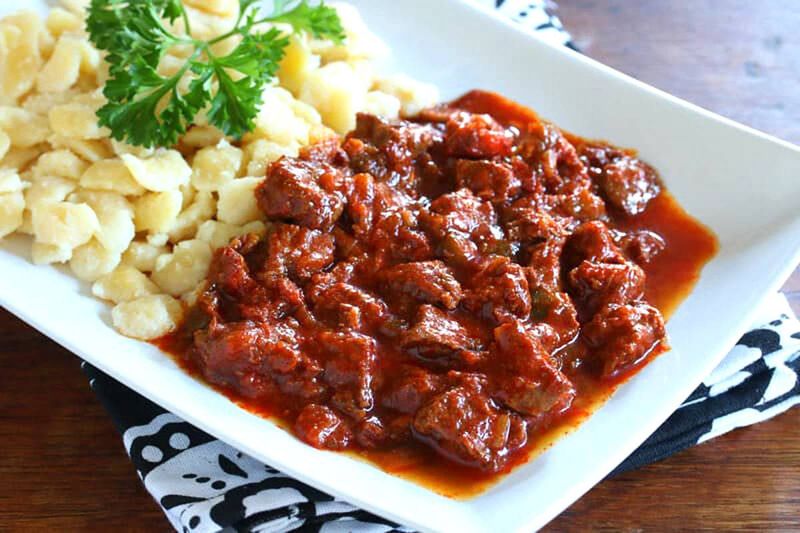
Hungarians actually call this the dish most foreigners mistake for goulash. Pörkölt is a thick meat stew with almost no extra liquid, just onions, paprika, and lots of slow cooking.
The onions practically melt to make the sauce. Pork, beef, or chicken all work well.
Serve it with nokedli, tiny egg dumplings, plus a side of pickles to cut the richness. It is simple food that tastes like real comfort.
20. Cawl, Wales in a Bowl
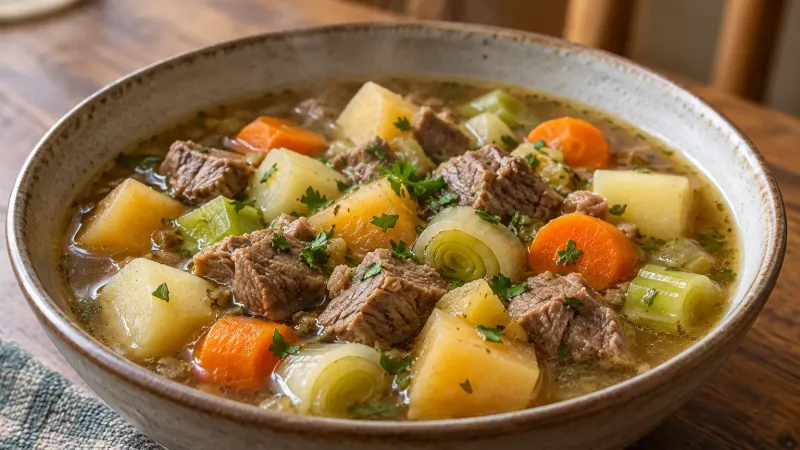
Welsh farmers knew how to stretch a little meat into a big meal. Cawl is a gentle stew of lamb, leeks, potatoes, carrots, and swede.
Many families cook it a day early, then reheat it so the flavors blend. Some eat the broth first and the meat afterward.
On St David’s Day in March, cawl appears in homes all over Wales. Enjoy it with crusty bread and a chunk of Caerphilly cheese.
21. Rinderrouladen From Germany
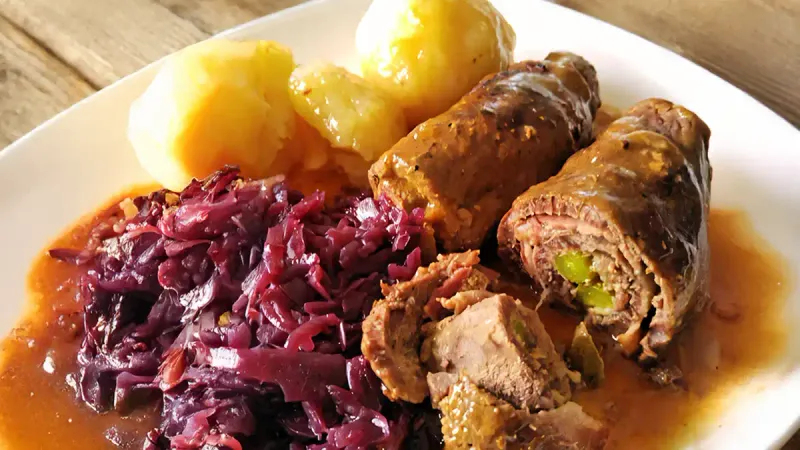
Open up one of these rolls and you will find a surprise inside. Rinderrouladen are thin slices of beef spread with mustard, then wrapped around bacon, onions, and a pickle.
The rolls brown in a pan and braise for hours in a deep, savory gravy. German families often save them for holidays.
Use toothpicks or kitchen string to keep them closed. Red cabbage and potato dumplings make perfect partners.
22. Francesinha, Porto’s Monster Sandwich
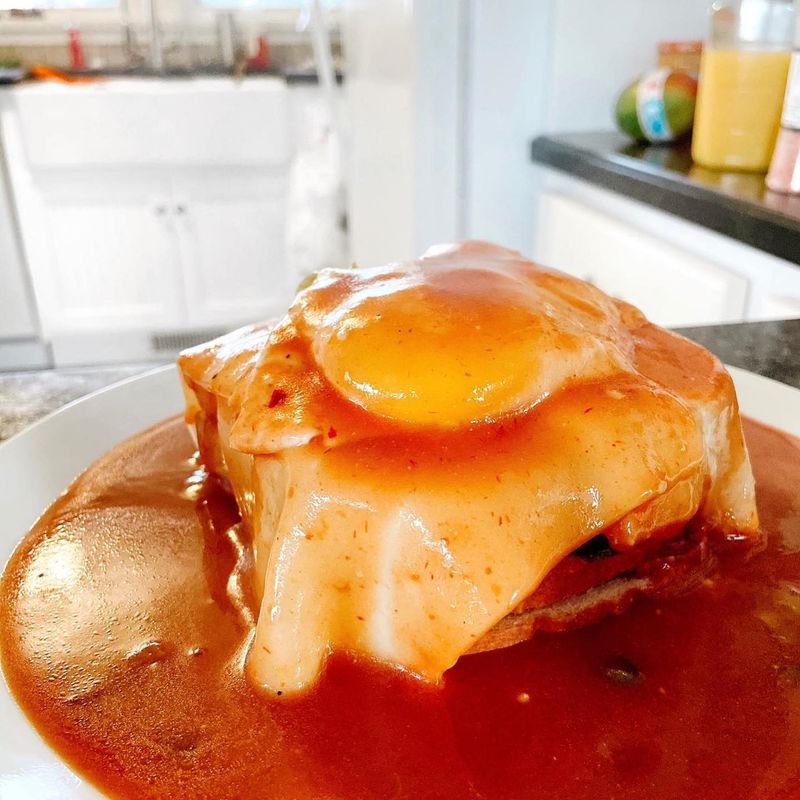
Not every traditional dish is a slow stew. Francesinha is a towering sandwich from Porto, Portugal, layered with ham, sausage, and steak.
Melted cheese covers the whole thing, and a fried egg sits on top. Then a spicy tomato sauce gets poured all around it.
The name means little French girl, inspired by the French croque monsieur. Bring a big appetite, or plan to share with a friend.
23. Karelian Hot Pot
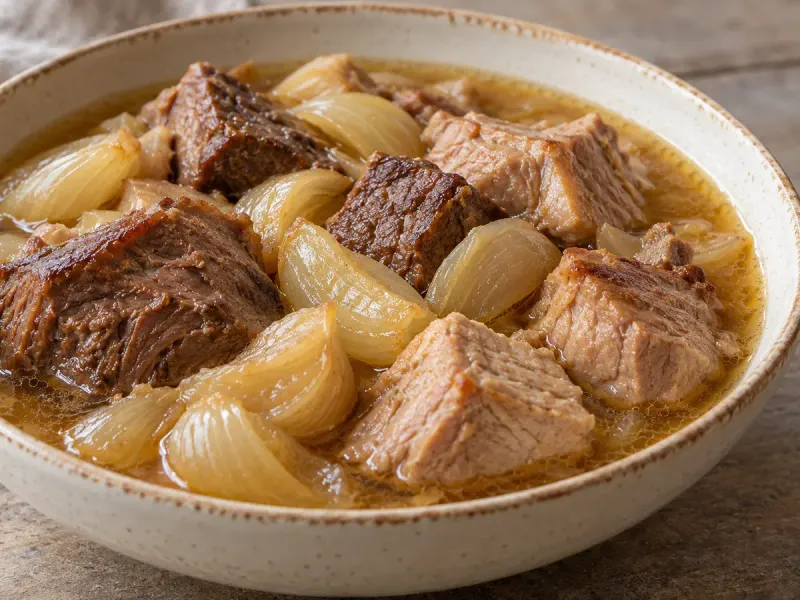
Finnish cooks prove that great food can be wonderfully lazy. Karelian hot pot mixes chunks of beef, pork, and sometimes lamb in a pot with onions, salt, and allspice.
No browning, no fuss. It simply bakes in the oven for several hours until the meat falls apart.
Spoon it over mashed potatoes and add tart lingonberry jam. That sweet and savory combo is what makes Finns smile at dinner time.