
Some of America’s most rewarding island trips begin far from busy beach resorts. Along quiet coasts and across vast lakes, you can find forest trails, small villages, and shores where wildlife steals the show.
These islands offer a chance to slow down and see a different side of the country. A little planning can help you enjoy their beauty while protecting the places and communities that make them special.
1. Cumberland Island, Georgia: Wild Shores and Mansion Ruins
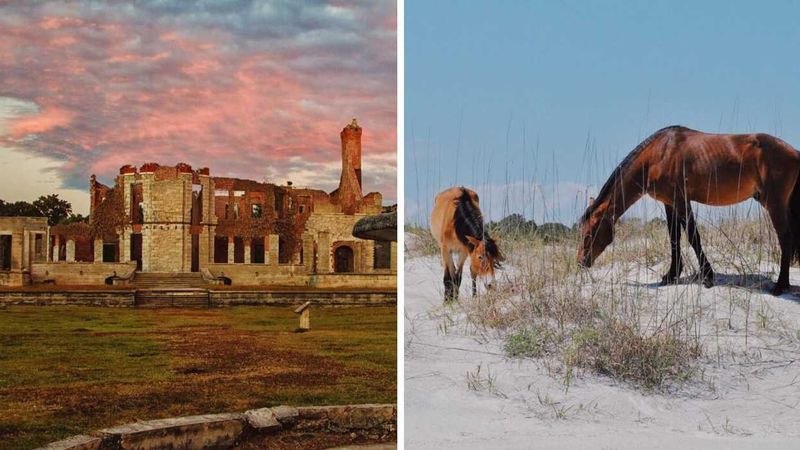
Wild horses wander past dunes while old mansion walls peek through the trees. Georgia’s largest barrier island pairs long Atlantic beaches with shaded trails and the striking ruins of Dungeness, a former Carnegie family estate.
Book the passenger ferry from St. Marys ahead of time, and bring drinking water, lunch, and sun protection. Services are limited, so prepare for plenty of walking.
Watch horses from a safe distance, and never offer them food during your visit.
2. Ocracoke Island, North Carolina: A Village Beyond the Ferry
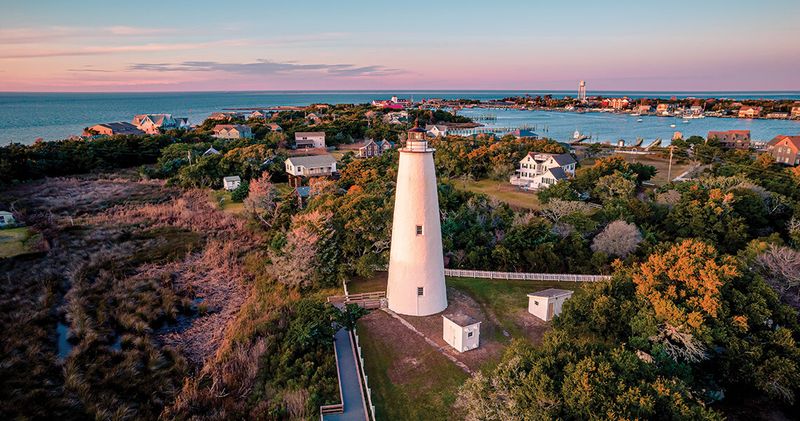
The ferry ride feels like a doorway into a slower coastal world. Beyond Ocracoke’s small village, broad beaches stretch along Cape Hatteras National Seashore, offering room for shell hunting, bird watching, and quiet walks beside the surf.
Explore village streets by bicycle, then stop near the historic lighthouse. Check ferry schedules and weather before traveling, since wind can affect service.
Summer brings visitors, so consider spring or fall for a less crowded island getaway with flexibility.
3. Anna Maria Island, Florida: Barefoot Days on the Gulf
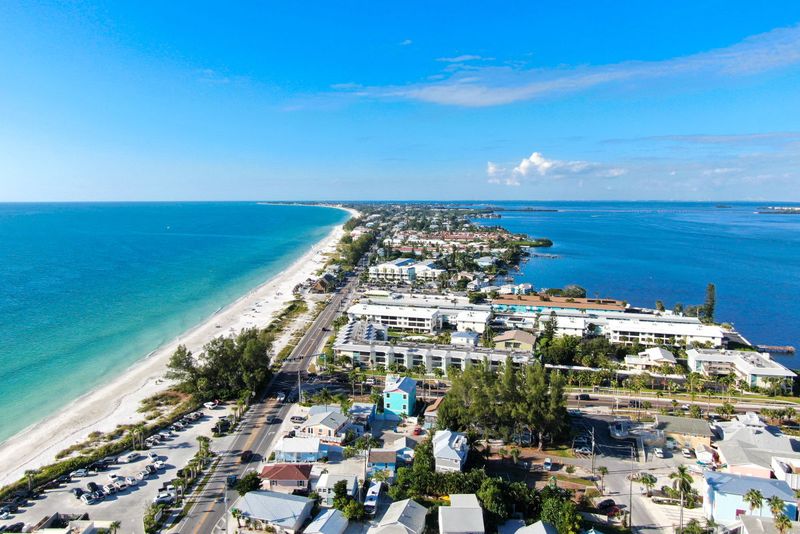
Leave the packed sightseeing schedule behind and make room for sunset. Near the mouth of Tampa Bay, this narrow barrier island mixes soft beaches, colorful cottages, and casual seafood spots without a skyline of towering hotels.
Use the island trolley when practical, because beach parking can fill quickly. Follow posted swimming guidance, protect nesting shorebirds, and keep lights away from turtle nesting areas.
Although hardly unknown, quieter mornings can still deliver that lovely small island feeling.
4. Daufuskie Island, South Carolina: Gullah Heritage Along Sandy Roads
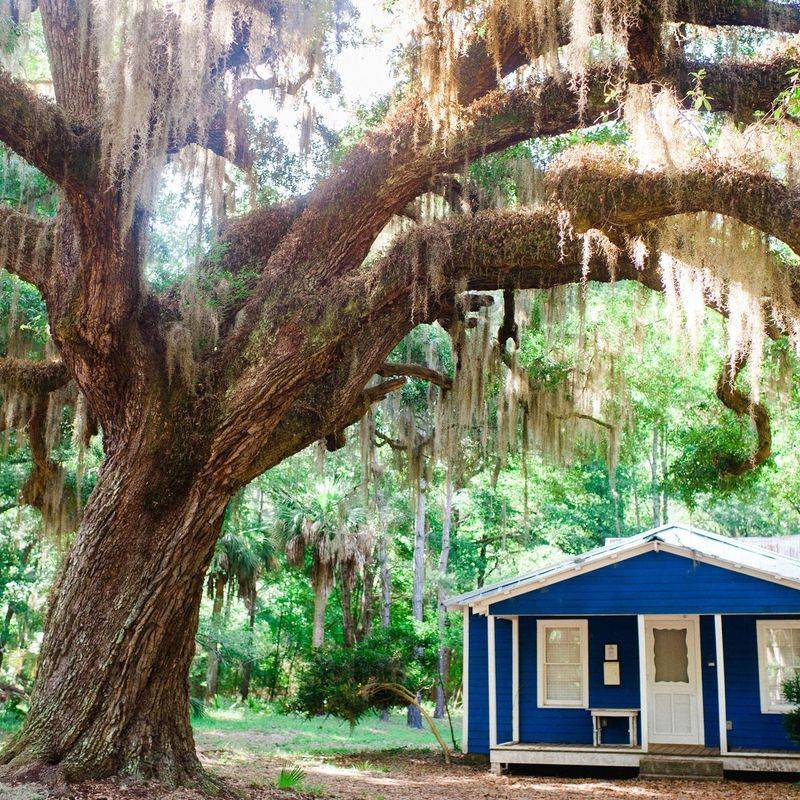
Golf carts roll beneath mossy oaks where busy mainland roads feel far away. Just across the water from Hilton Head, Daufuskie holds a rich Gullah history shaped by generations of African American island families.
Arrange boat transportation and local travel before arriving, since there is no road bridge. A guided history tour can add meaning to churches, schoolhouses, and community landmarks.
Support resident artists, respect private property, and leave time for an unhurried beach walk afterward.
5. Lummi Island, Washington: A Quiet Corner of the Salish Sea
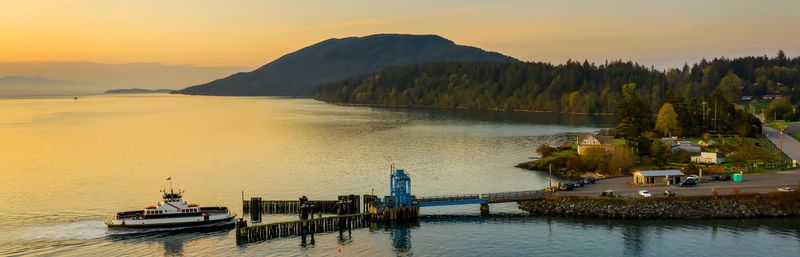
Clouds drift over the Salish Sea while forested slopes rise behind rocky beaches. Near Bellingham, Lummi Island rewards travelers who enjoy simple pleasures: a shoreline picnic, a woodland walk, or an afternoon watching changing light across the water.
Confirm ferry service before setting out, and arrange lodging early when choices are limited. Kayaking requires attention to currents and weather, so beginners should seek local guidance.
Use public shoreline access, and leave cultural objects and wildlife completely undisturbed.
6. Block Island, Rhode Island: Bluffs Made for Big Views
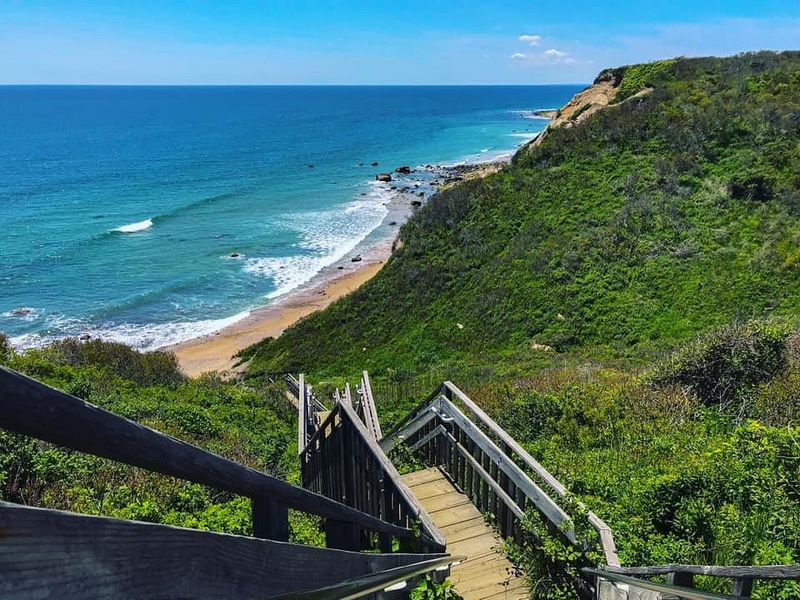
Stand above the Mohegan Bluffs and the Atlantic seems to stretch forever. Offshore from mainland Rhode Island, this getaway blends dramatic coastal views with lighthouses, small shops, and lanes that invite exploration on two wheels.
Rent a bicycle if you are comfortable with hills, or choose shorter walks near town. Beach stairs can be steep, so wear sturdy shoes.
Book ferries and rooms early for summer weekends; quieter weekdays often leave more breathing room around popular viewpoints.
7. Great Diamond Island, Maine: Portland’s Nearby Escape
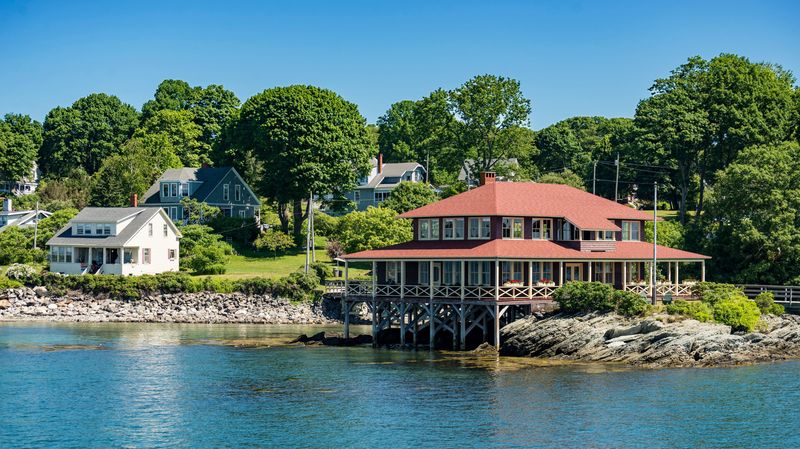
A short boat trip from Portland swaps city traffic for salt air and shaded lanes. In Casco Bay, Great Diamond Island combines small shoreline views with historic buildings linked to the former military post at Fort McKinley.
Check which ferry stop serves your destination, as island landings are not interchangeable. Much of the land is private, and visitor access varies by area.
Confirm dining and lodging arrangements ahead, then enjoy permitted paths without wandering through residential grounds.
8. Rabbit Island, Michigan: Art at the Edge of Superior
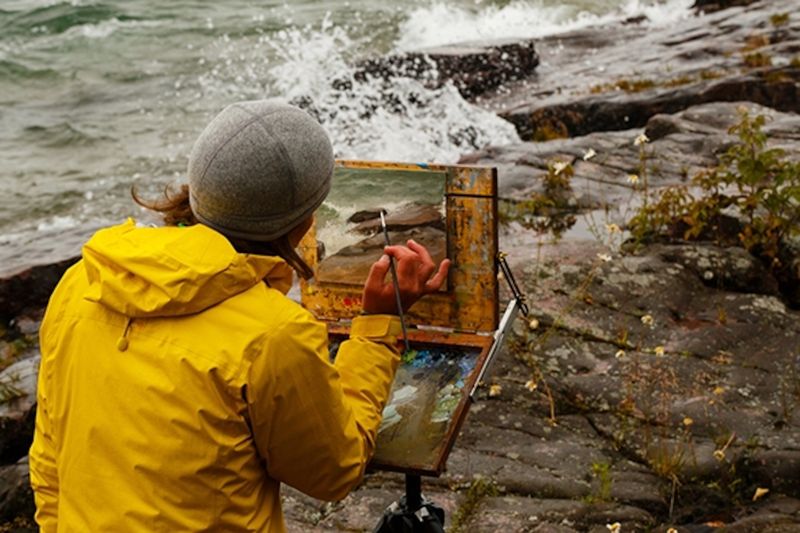
Imagine making art with Lake Superior as your nearest noisy neighbor. Off Michigan’s Keweenaw Peninsula, this small wooded island supports an artist residency focused on creativity, conservation, and a close relationship with the natural world.
Unlike a public beach destination, Rabbit Island is private and does not offer casual tourist access. Check the organization’s official information for approved opportunities rather than arriving unannounced.
Its story also offers inspiration for exploring publicly accessible mainland shores with a sketchbook.
9. Cuttyhunk, Massachusetts: A Small Harbor With Little Hurry
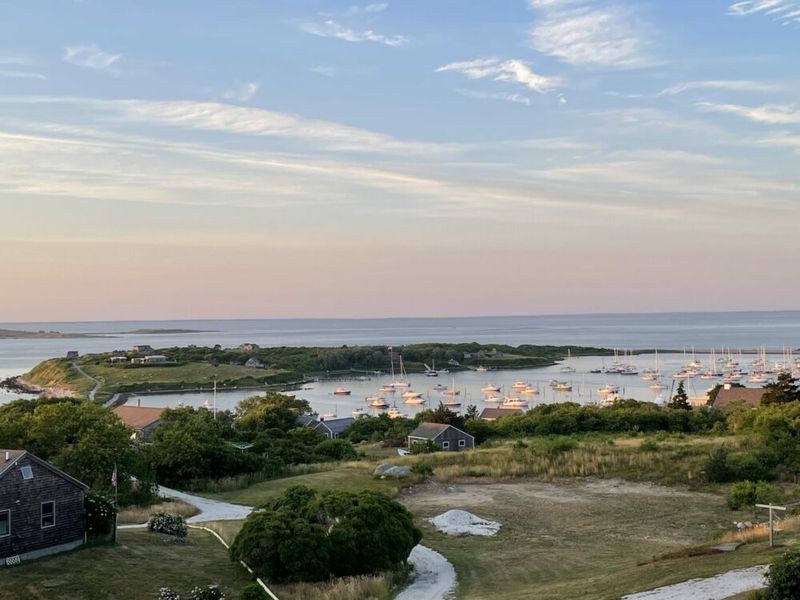
Some places make doing very little feel like a fine achievement. At the outer end of Massachusetts’ Elizabeth Islands, Cuttyhunk offers harbor views, fishing traditions, and hilltop walks without the bustle of its better known island neighbors.
Passenger ferry service connects it with New Bedford, though schedules vary by season. Bring essentials and check business hours, because shopping and dining choices are limited.
Walk slowly, respect local homes, and save time for watching boats cross the harbor.
10. Admiralty Island, Alaska: Bear Country on a Grand Scale
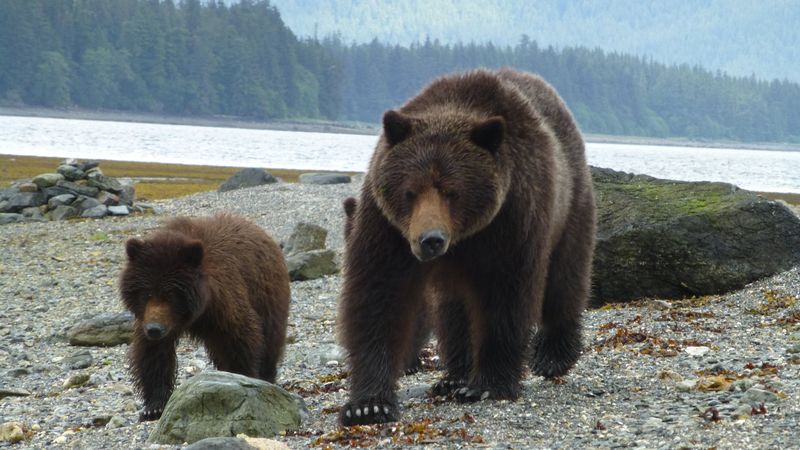
Brown bears outnumber people across much of this vast Southeast Alaska landscape. Old forests, salmon streams, and sheltered bays make Admiralty a remarkable wildlife destination, with much of the island protected within a national monument and wilderness.
Travel usually requires a boat or floatplane, plus careful preparation. For bear viewing, consider an authorized guide and check permit requirements for Pack Creek.
Follow bear safety advice, carry suitable rain gear, and never treat remote travel as a casual outing.
11. Isle au Haut, Maine: Acadia’s Less Traveled Trails
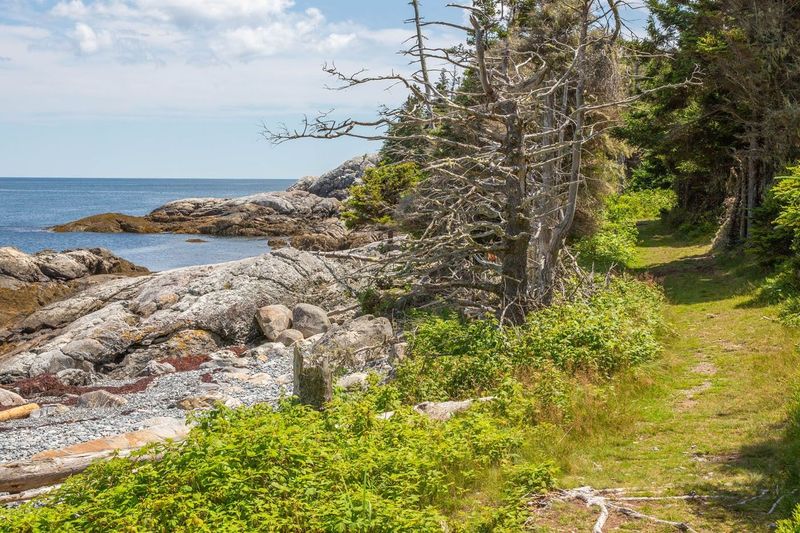
Granite ledges and spruce trees give this offshore corner of Acadia a wonderfully rugged mood. A small year round community shares Isle au Haut with protected parkland, where trails lead toward rocky coves and open ocean views.
Take the mail boat from Stonington, checking seasonal stops and return times carefully. Carry food, water, and layers, since services are scarce.
Camping at Duck Harbor requires advance planning, and hikers should expect uneven footing rather than easy seaside sidewalks.
12. St. John, U.S. Virgin Islands: Forest Trails Above Blue Bays
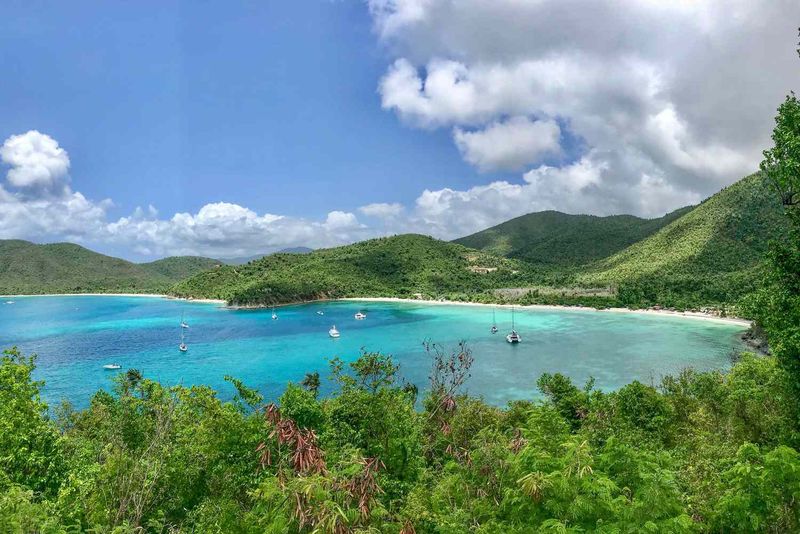
Clear bays may grab your attention first, but the hills deserve a look too. Much of St. John lies within Virgin Islands National Park, where forest paths and historic plantation remains add depth to a beach focused visit.
Arrive by ferry from St. Thomas and plan transportation around steep roads. For quieter outings, try early starts and less busy trails.
Keep fins away from coral, follow park rules, and remember that tropical heat makes drinking water essential.
13. Isle Royale, Michigan: Wilderness That Takes Some Work
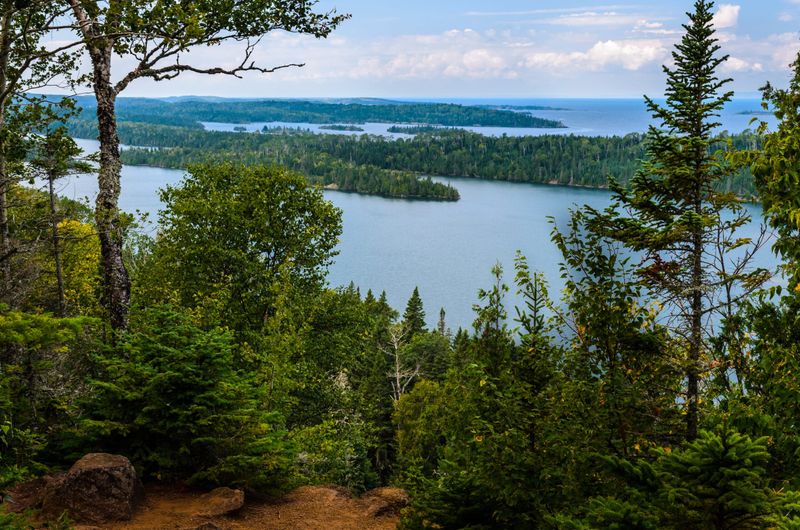
No road leads to this long, forested island in Lake Superior. Reaching Isle Royale takes a boat or seaplane, and that extra effort helps preserve the quiet that backpackers and paddlers come so far to find.
Reserve transportation early and review park opening dates, camping rules, and drinking water guidance. Trails can be rough, while lake conditions change quickly.
Leave space for weather delays, pack reliable rain protection, and watch wildlife without approaching or feeding any animals.
14. St. Croix, U.S. Virgin Islands: History With a Caribbean Breeze
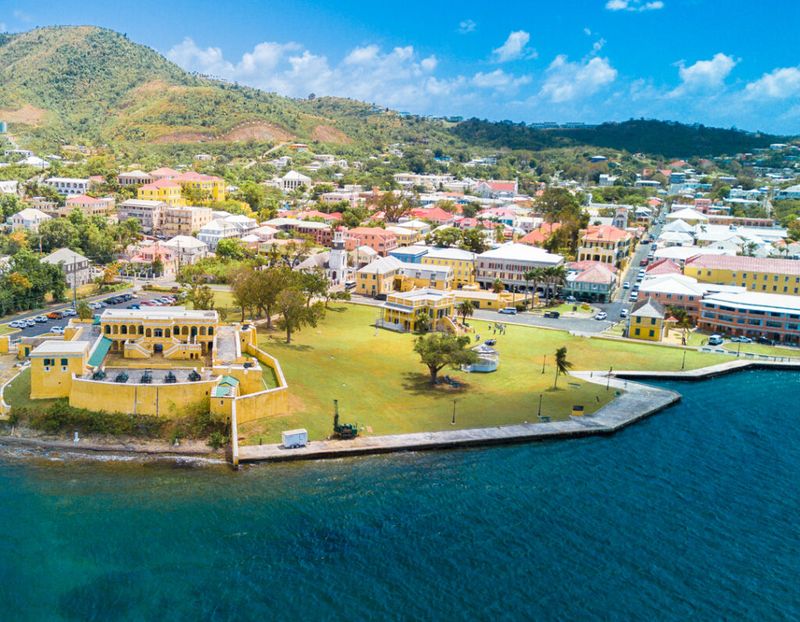
Pastel waterfront buildings tell only part of the story here. St. Croix combines Caribbean beaches with Danish colonial landmarks, African Caribbean heritage, and landscapes that range from dry coastal hills to greener western stretches.
Spend time in Christiansted or Frederiksted before heading out for swimming or a guided snorkeling trip. Buck Island visits require authorized boat operators.
Choose reef friendly habits, check sea conditions, and seek local museums or guides for a fuller understanding of island history.
15. Edisto Island, South Carolina: Oak Shade and Open Marsh
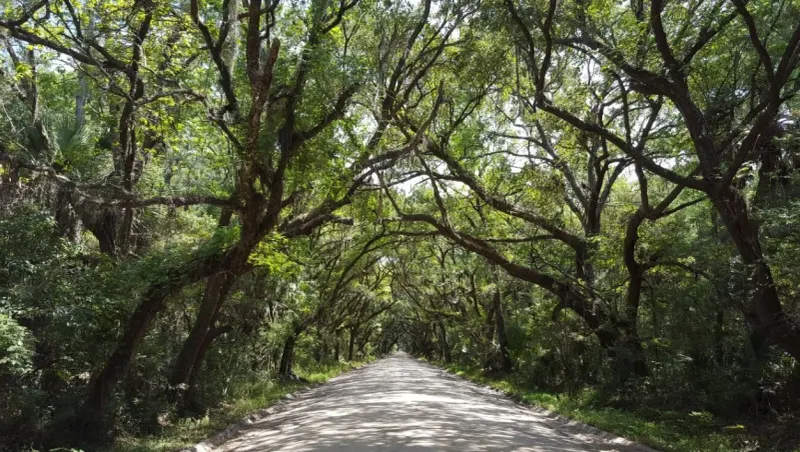
Spanish moss hangs over roads that seem built for taking your time. South of Charleston, Edisto pairs salt marsh scenery with beach days and stretches of protected land, offering a softer pace than larger coastal resort towns.
Walk designated trails at Edisto Beach State Park, or check access rules before visiting Botany Bay. Closures and tide levels can shape your plans.
Leave shells and natural objects where required, bring insect repellent, and give nesting wildlife plenty of space.
16. Drummond Island, Michigan: Back Roads and Limestone Shores
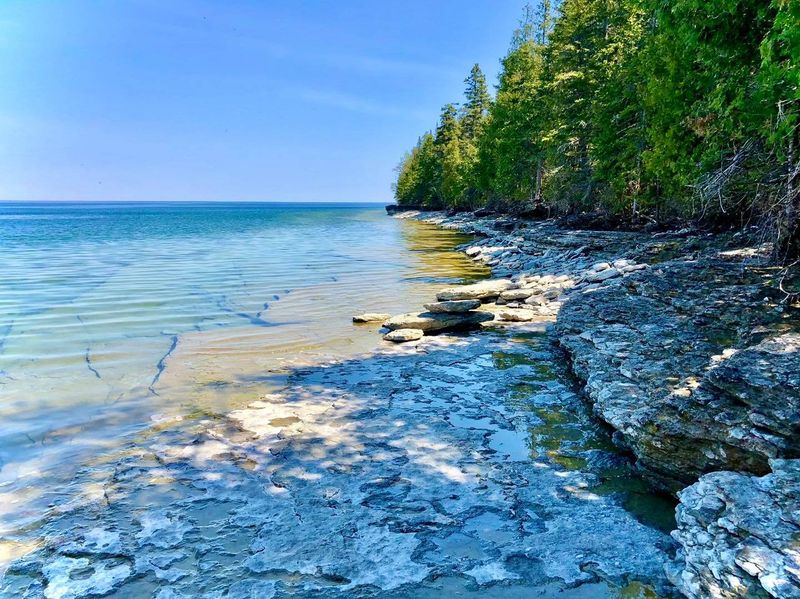
Mud on your tires can be part of the fun here. In northern Lake Huron, Drummond draws outdoor travelers with wooded trails, sheltered bays, and unusual limestone landscapes, including rare open habitats known as alvars.
A vehicle ferry from DeTour Village provides access. Check trail permits and vehicle rules before off roading, and stay on approved routes to protect fragile ground.
Paddlers should study wind forecasts, while hikers can enjoy quieter paths with sturdy shoes and insect protection.
17. Molokai, Hawaii: A Visit Best Taken Slowly
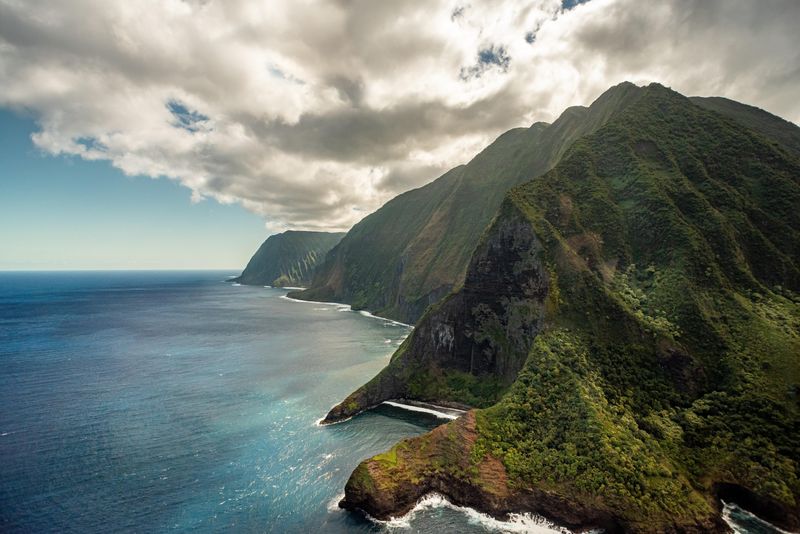
The strongest reason to visit may be the chance to listen. Molokai’s rural communities, Native Hawaiian traditions, and striking coast invite a thoughtful trip rather than a race through attractions or a search for resort entertainment.
Support locally owned businesses and ask permission before entering private land or photographing people. Ocean conditions can be dangerous even beside empty beaches.
Access to Kalaupapa is restricted, so never assume tours are available; confirm current rules through official sources before planning.
18. Dry Tortugas, Florida: A Brick Fort in Open Water
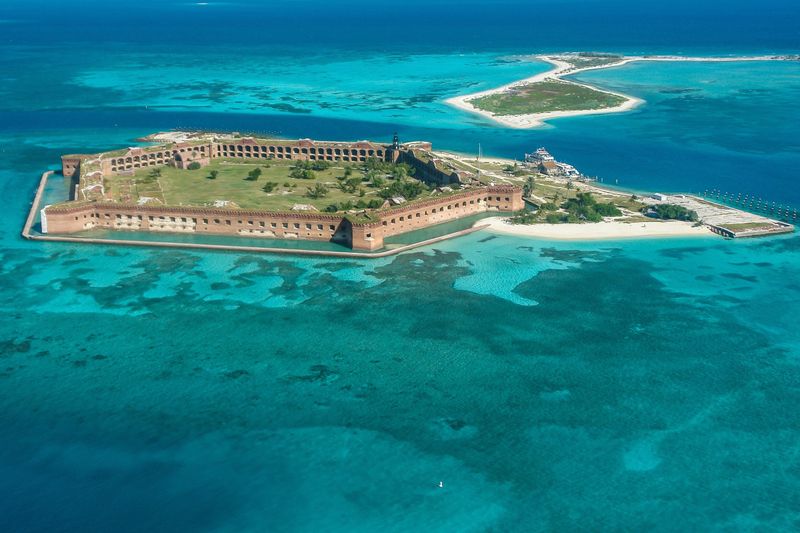
A huge brick fort rising from turquoise water looks almost unreal. Roughly seventy miles west of Key West, Dry Tortugas National Park protects seven small islands, rich marine habitats, and the historic walls of Fort Jefferson.
Book the ferry or seaplane well ahead, and review what your operator provides. There are no shops for forgotten supplies.
Bring sun protection, follow snorkeling safety guidance, and keep clear of coral. Overnight campers must prepare carefully for a remote, exposed setting.