
Europe is famous for pizza, croissants, and pasta, but its vegetable dishes often get overlooked. Across the continent, home cooks have been turning simple beans, greens, and roots into comforting meals for hundreds of years.
Many of these recipes are cheap, healthy, and surprisingly easy to make at home. Get ready to discover some tasty plates you may never have heard of, and maybe find a new family favorite.
1. Pisto Manchego from Spain
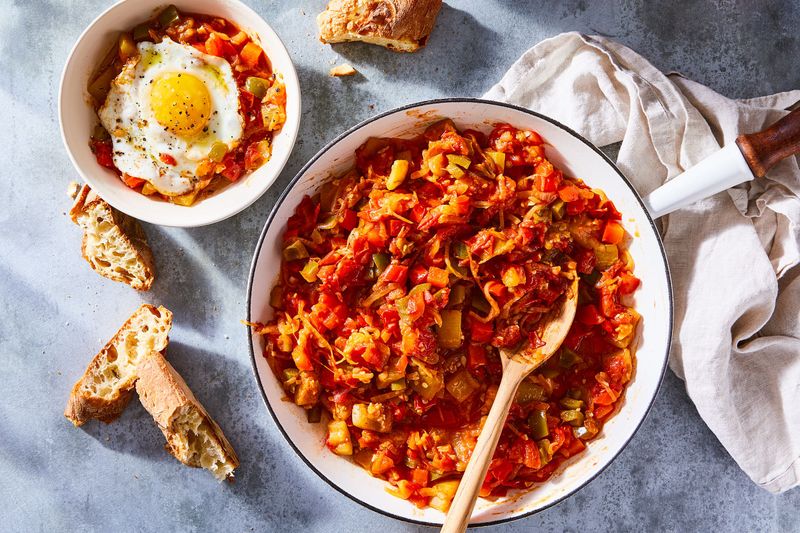
Picture a hot summer evening in La Mancha, where gardens overflow with tomatoes, peppers, and zucchini. Spanish grandmothers toss them all into one pan and let them simmer slowly in olive oil.
The result tastes a bit like ratatouille, only chunkier and saucier. Locals often crown it with a runny fried egg.
Scoop it up with crusty bread for a cheap, filling dinner that uses up extra garden vegetables before they spoil.
2. Ribollita, Tuscany’s Reboiled Soup
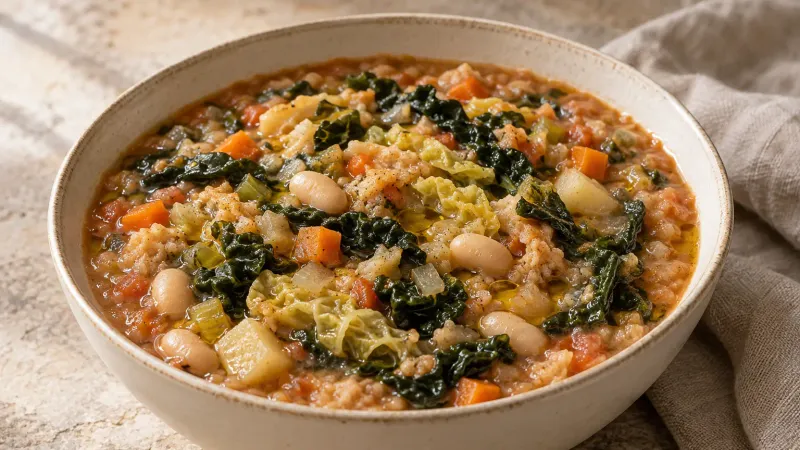
Did you know the name ribollita literally means reboiled? Tuscan peasants made this thick soup from leftover beans, black kale, and stale bread, then heated it again the next day.
Strangely enough, it tastes even better on day two. The bread melts into the broth and turns everything wonderfully creamy.
Try making a big pot on Sunday. Drizzle good olive oil over each bowl before serving.
3. Colcannon, Ireland’s Cozy Mash
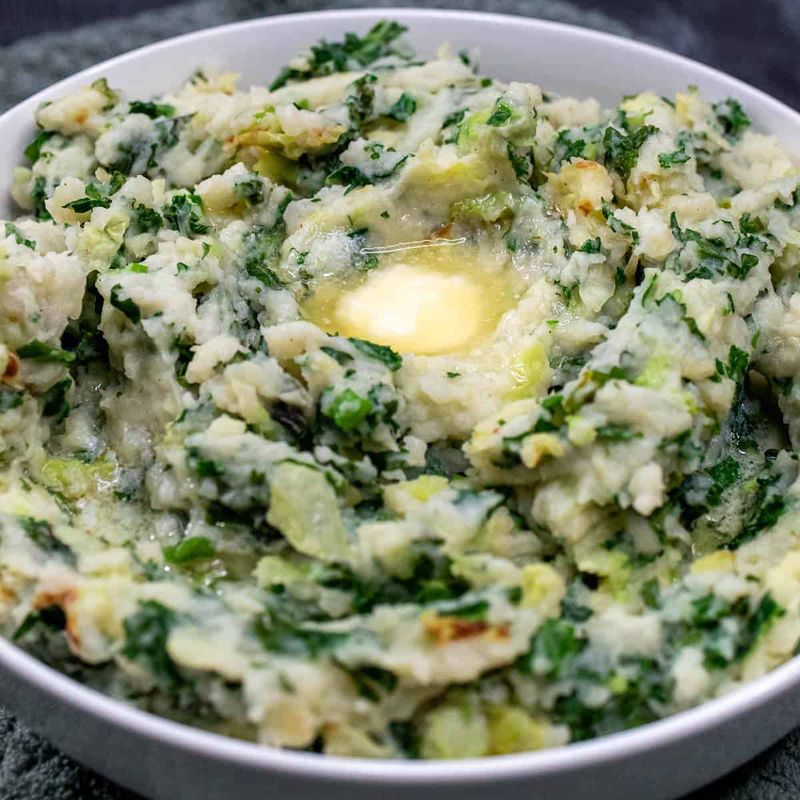
Irish kids once searched their colcannon for hidden coins on Halloween night. Finding one meant good luck was coming.
At heart, it is simply fluffy mashed potatoes stirred with buttery cabbage or kale and green onions. A little well of melted butter sits right in the middle.
Serve it next to sausages, or eat a big bowl by itself on a rainy day. It costs very little to make.
4. Briam, the Greek Oven Bake
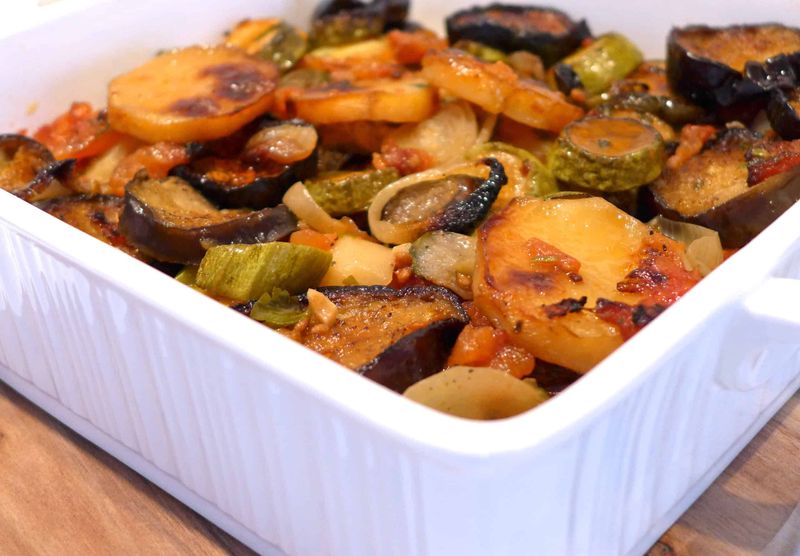
Greek families have a clever trick for hot days. They slice potatoes, zucchini, eggplant, and tomatoes, splash on lots of olive oil, and let the oven do the work.
Briam comes out soft, sweet, and slightly caramelized on top. Many people say it tastes best warm, not piping hot.
Add a block of feta and some bread on the side. Leftovers make a lovely lunch the next day.
5. Lecsó from Hungary
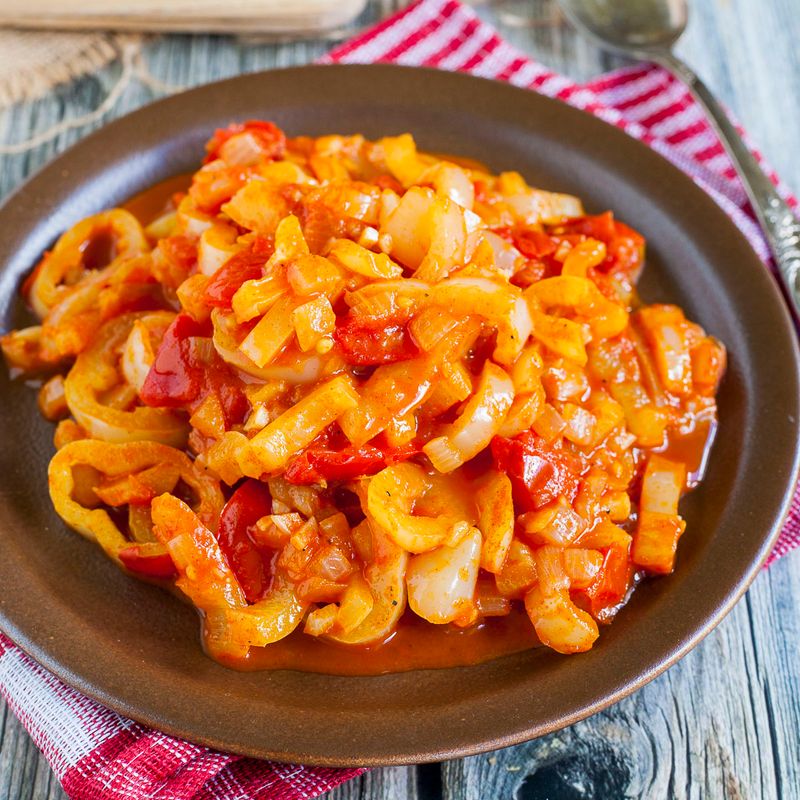
Ask any Hungarian about late summer, and lecsó will probably come up. Yellow peppers, ripe tomatoes, and onions cook down with sweet paprika into a bright, silky stew.
Some cooks crack eggs into it, while others add smoky sausage or rice. Every family swears their version is the right one.
Make extra and freeze it. Come winter, you will have a jar of sunshine ready to warm you up.
6. Stamppot, Dutch Comfort Food
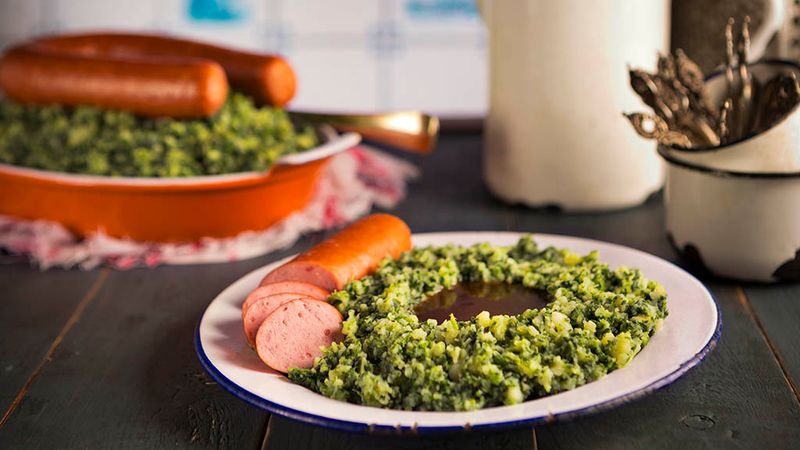
When cold winds blow across the Netherlands, Dutch tables fill with stamppot. The word means mashed pot, and that is exactly what it is.
Potatoes get mashed together with curly kale, carrots, or sauerkraut. A smoked sausage and a puddle of gravy usually sit on top.
Honestly, it might be the simplest dinner in Europe. Kids love squishing a little hole in the middle for the gravy.
7. Caponata, Sicily’s Sweet and Sour Treat
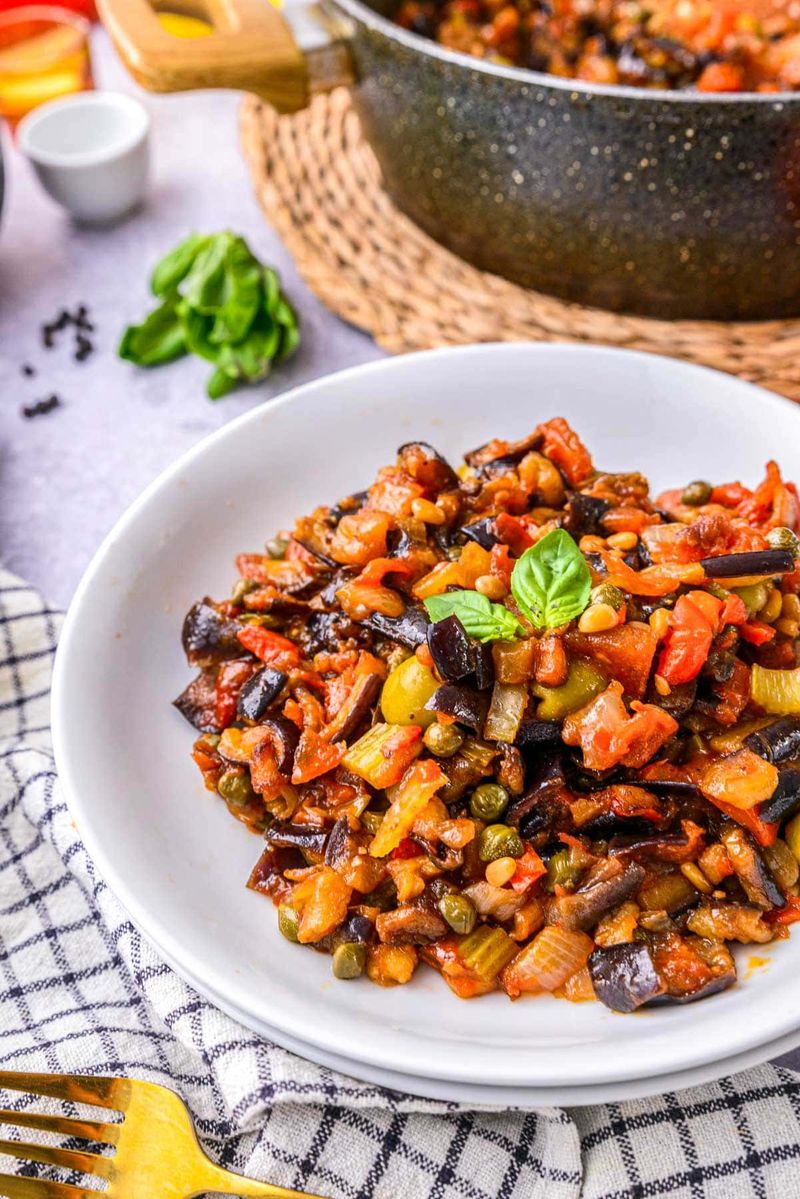
Sweet, salty, and tangy all at once, caponata wakes up your taste buds. Sicilians fry cubes of eggplant, then mix them with celery, olives, capers, tomatoes, vinegar, and a pinch of sugar.
Arab traders brought the sweet and sour idea to Sicily centuries ago.
Serve it at room temperature on toast or beside grilled fish. It keeps for days in the fridge and gets tastier over time.
8. Ajvar, the Balkan Pepper Spread
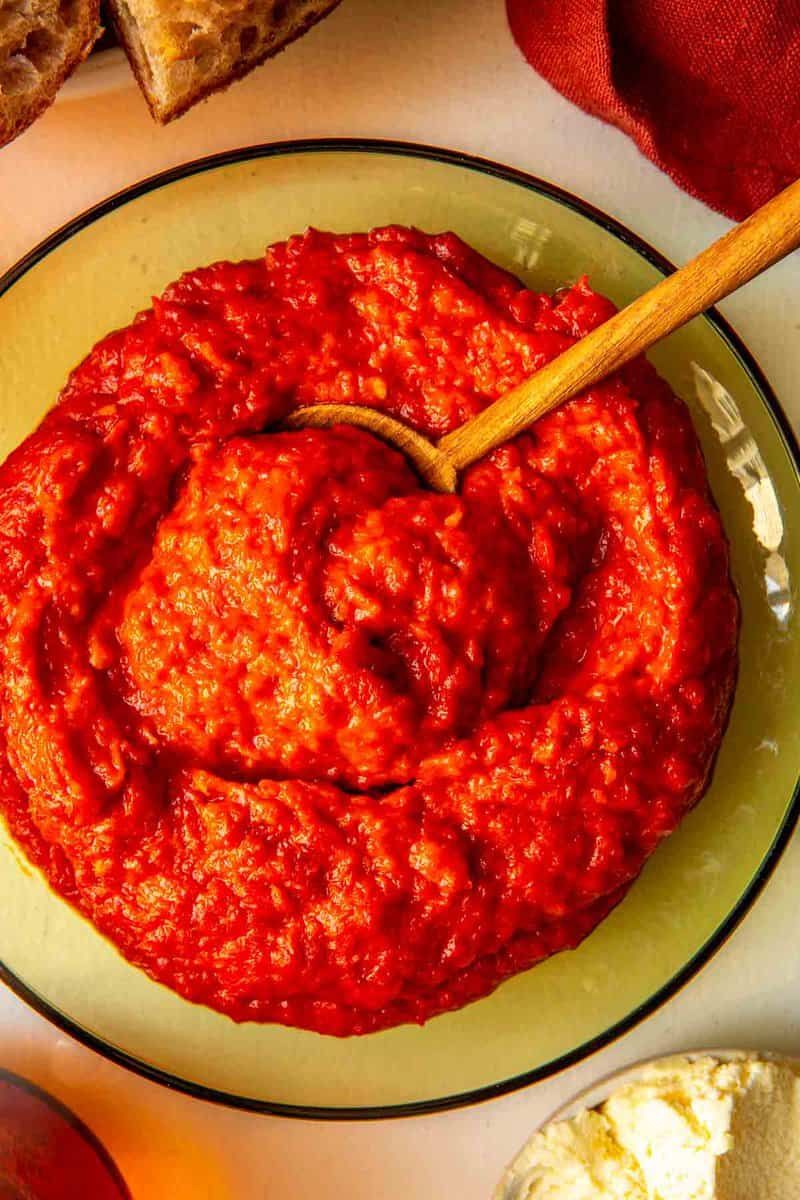
Every autumn, Balkan neighborhoods smell of roasting red peppers. Families gather outside to char huge piles of them for ajvar.
After peeling, the peppers are cooked slowly with eggplant, garlic, and oil until thick and smoky. People spread it on bread, burgers, or eggs.
Store-bought jars work fine, but homemade tastes richer. Think of it as a friendlier, veggie-packed cousin of ketchup that everyone at the table will enjoy.
9. Bubble and Squeak from Britain
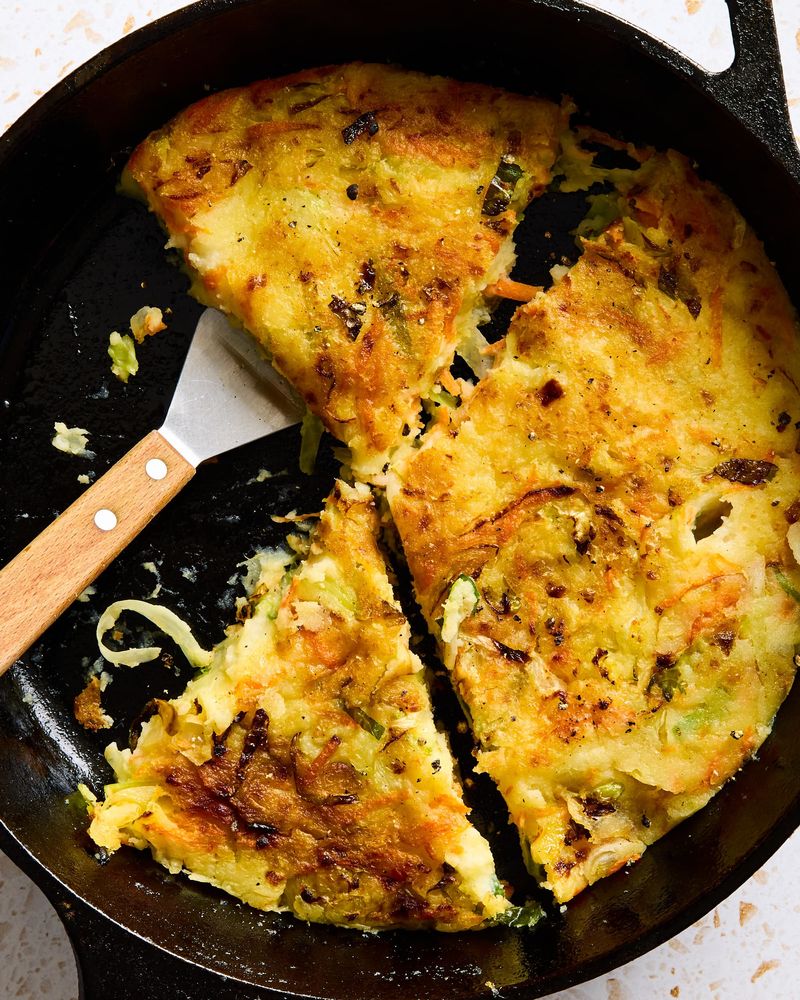
What a funny name! It comes from the bubbling and squeaking noises the leftovers make while frying in the pan.
British families mix yesterday’s mashed potatoes with cabbage, Brussels sprouts, or carrots. Then they press it flat and fry until a crunchy brown crust forms.
It is a perfect answer to the day after a big holiday meal. Top yours with an egg for a hearty breakfast.
10. Fasolada, Greek Bean Soup
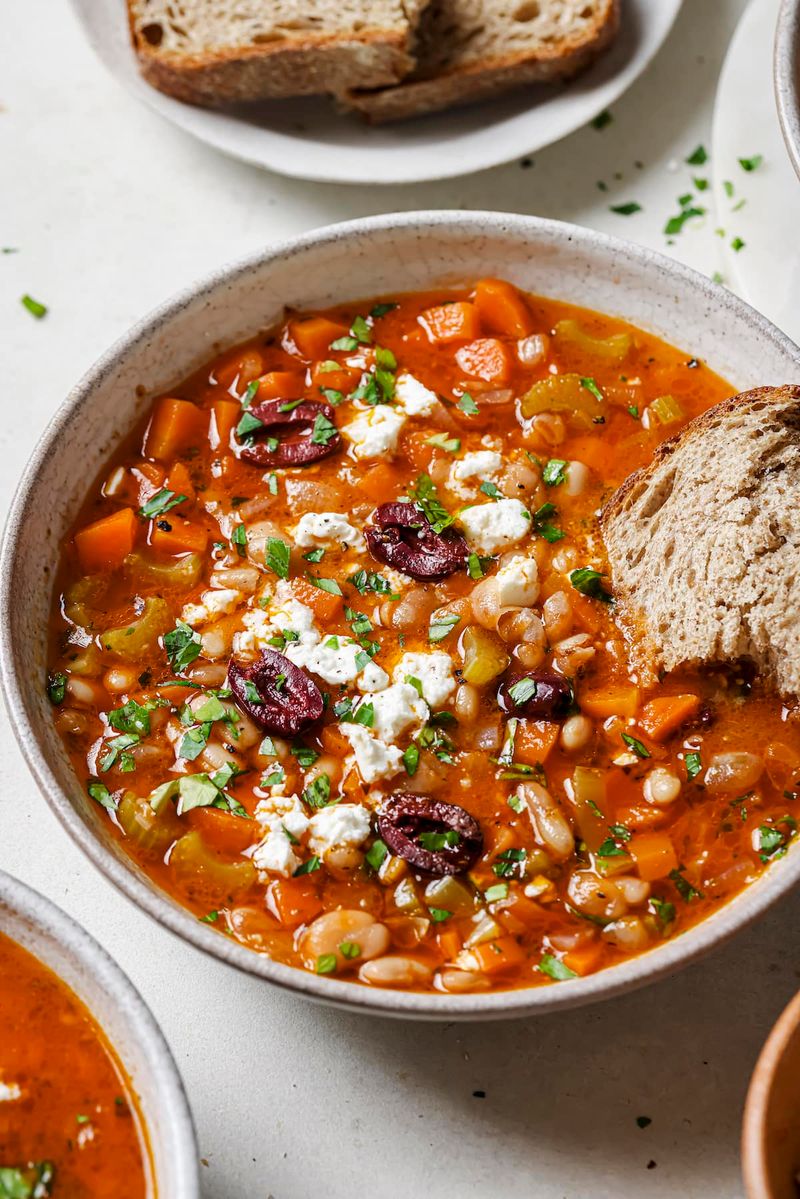
Some Greeks call fasolada their national dish, yet few visitors ever order it. That is a real shame.
White beans simmer with tomatoes, carrots, celery, and plenty of olive oil until thick and hearty. It is packed with protein and fiber, so it keeps you full for hours.
Serve with olives, crusty bread, and maybe a little feta. A pot costs only a few dollars to make.
11. Gazpacho’s Cousin, Salmorejo
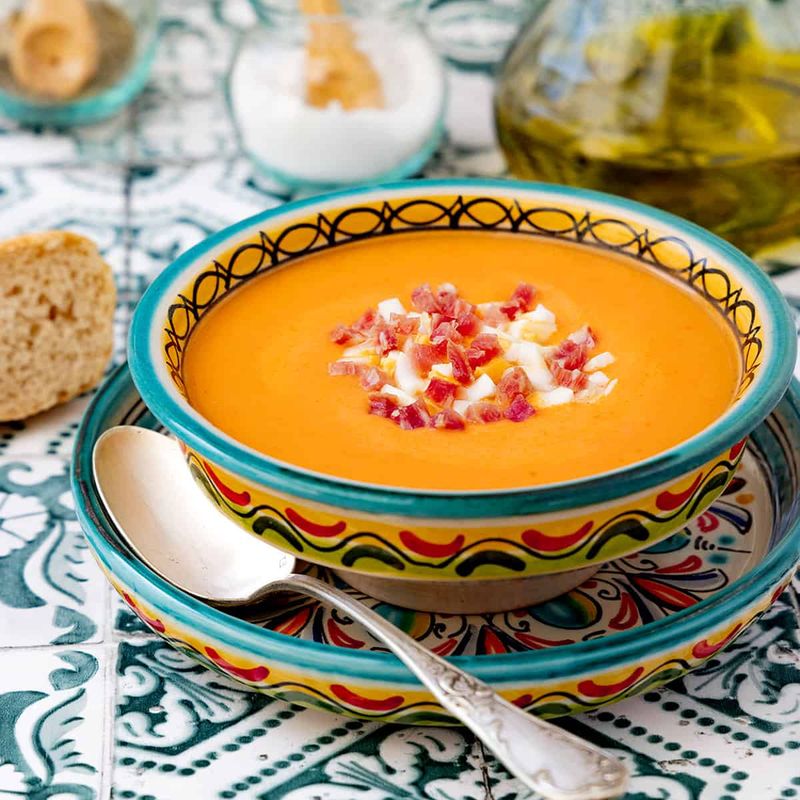
Everyone knows gazpacho, but folks in Córdoba prefer salmorejo. It is a cold, velvety tomato soup thickened with bread and olive oil.
The texture feels almost like a smoothie. Toppings usually include chopped boiled egg and bits of cured ham.
All you need is a blender, ripe tomatoes, garlic, and day-old bread. On a sweaty August afternoon, a chilled bowl feels like air conditioning for your stomach.
12. Rösti, Switzerland’s Golden Potato Cake
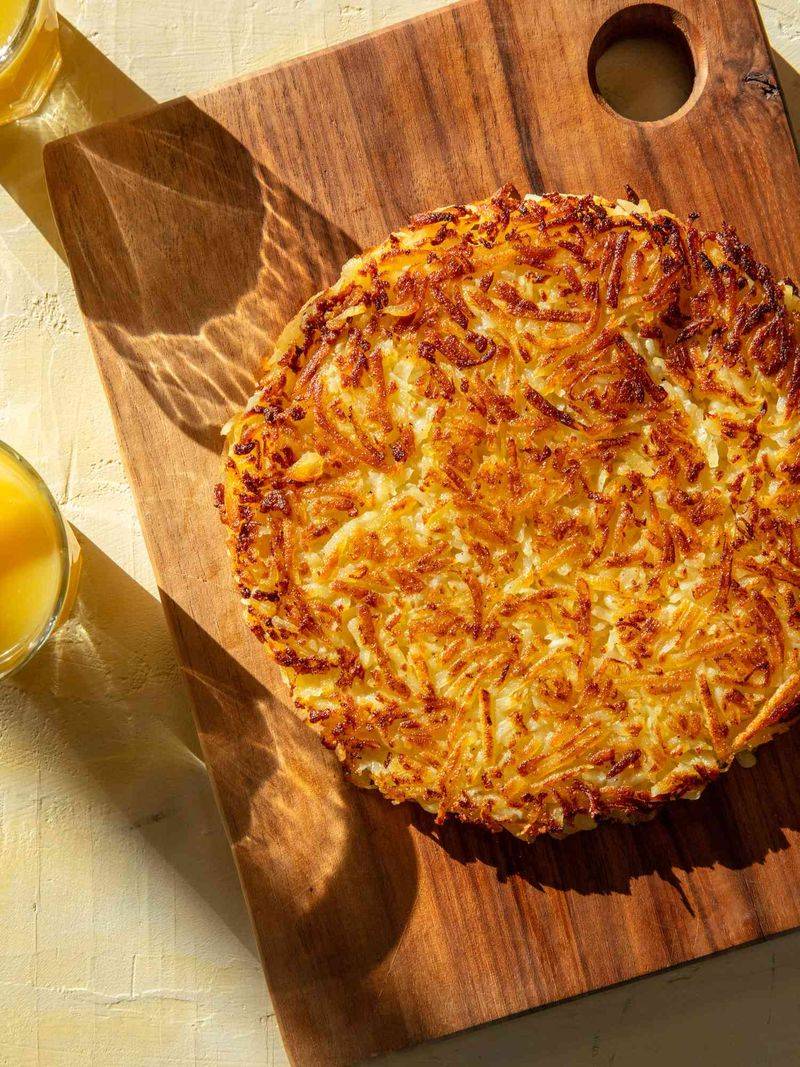
Swiss farmers once ate rösti for breakfast before heading out to milk cows. Today, people enjoy it any time of day.
Grated potatoes are pressed into a hot buttery pan and fried into one big crispy cake. The outside crunches while the inside stays soft.
Flipping it takes a little courage. Slide it onto a plate, then turn it back into the pan.
Add melted cheese for extra Alpine flavor.
13. Imam Bayildi in the Balkans and Turkey
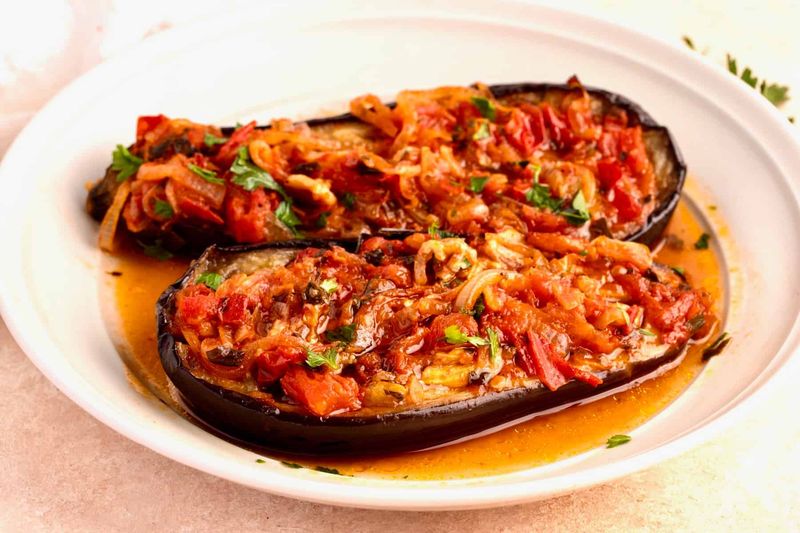
Legend says a priest fainted with joy after tasting this dish, giving it a name meaning the imam fainted.
Whole eggplants are split open and stuffed with onions, garlic, and tomatoes, then baked in olive oil until meltingly soft. It is loved in Turkey, Greece, and the Balkans.
Serve it cool with yogurt and bread. You might not faint, but you will probably ask for seconds.
14. Bigos-Style Polish Sauerkraut Pierogi
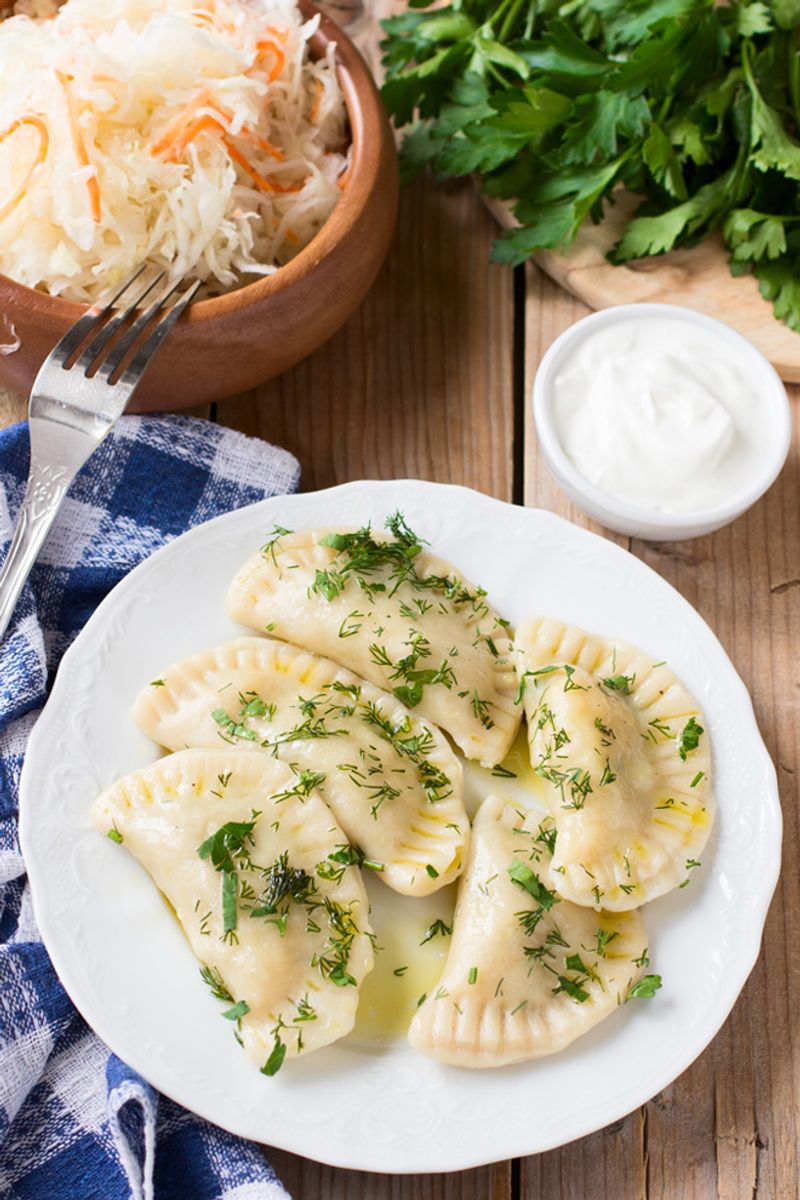
Potato and cheese pierogi get all the fame, but Polish families have a secret favorite. At Christmas Eve, tables feature dumplings stuffed with tangy sauerkraut and wild mushrooms.
The sour, earthy filling pairs beautifully with golden fried onions on top.
Making them is a fun group project. Gather friends, roll the dough, pinch the edges, and boil a batch together.
Freeze extras for quick dinners later.
15. Gratin Dauphinois from the French Alps
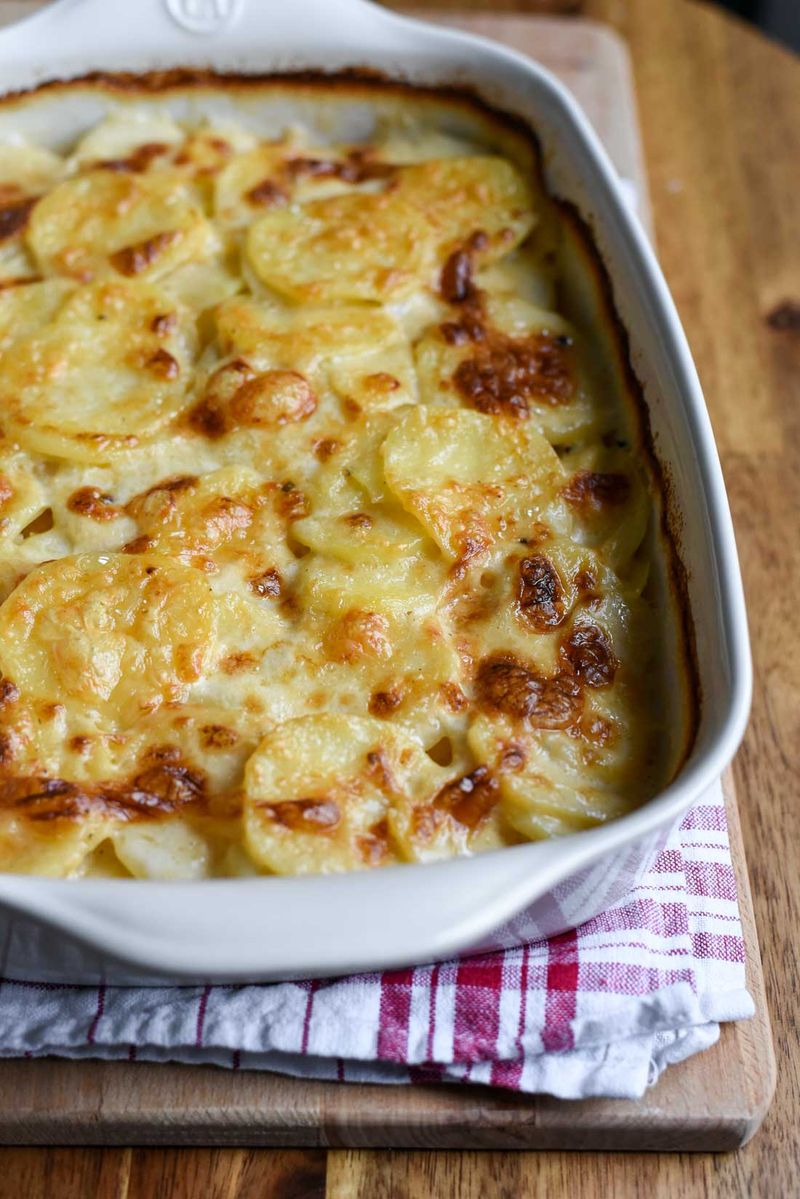
Here is a fun fact: a true gratin dauphinois has no cheese at all. Cooks in the Dauphiné region rely only on potatoes, cream, milk, and garlic.
Thin potato slices bake slowly until tender and wrapped in silky sauce. The top turns golden and bubbly.
Rub your baking dish with a cut garlic clove first. That tiny step adds gentle flavor without overpowering anything.
16. Shopska Salad from Bulgaria
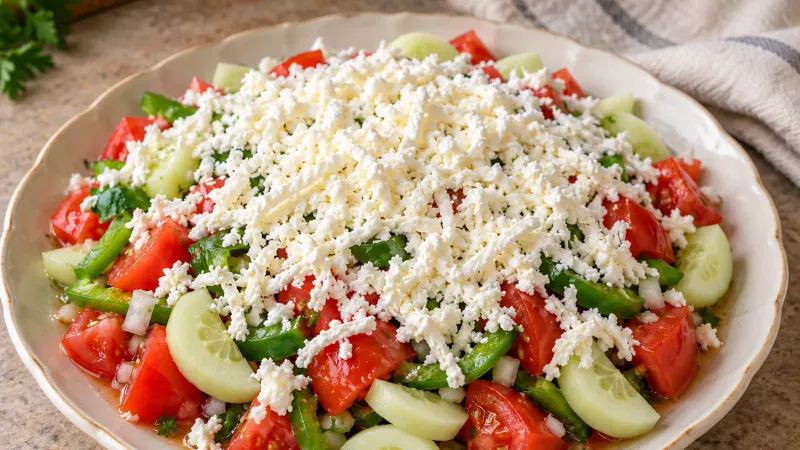
Bulgarians proudly point out that shopska salad wears their flag colors. Red tomatoes, green cucumbers and peppers, and a snowy pile of white sirene cheese on top.
No fancy dressing needed, just a little oil and vinegar.
It is crunchy, salty, and refreshing on hot days. If you cannot find sirene, crumbled feta works nicely.
Grate it finely so it covers the vegetables like fresh snowfall.
17. Himmel und Erde from Germany
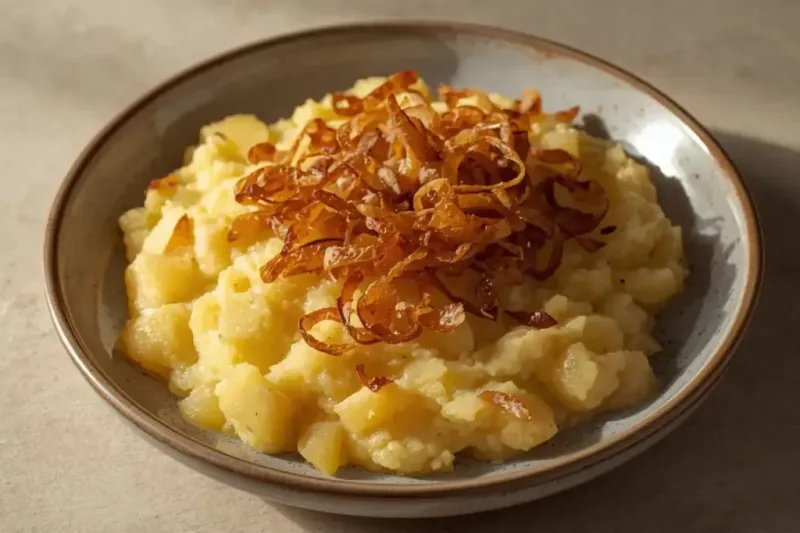
Heaven and earth sounds poetic for mashed potatoes, right? Germans in the Rhineland named it for apples from the trees above and potatoes from the ground below.
Sweet apples and buttery potatoes are mashed together, then topped with crispy fried onions. Some people add blood sausage.
The sweet and savory mix surprises many first-timers. Give it a try in autumn, when apples are crisp and cheap.