
Doing well after 55 can look like paying bills without worry, feeling supported, or having energy for things you enjoy. Many American women face real money, health, and caregiving pressures at this age.
These clues highlight strengths worth noticing, not a proven ranking or a measure of your worth. You may find that your everyday life holds more signs of progress than you realized.
1. Everyday Bills Leave You Breathing Room

The grocery receipt no longer sends your stomach into knots. Covering food, utilities, transportation, and medicine without borrowing is a meaningful sign of financial stability, especially when prices stretch many household budgets.
Look at what remains after those basics, rather than comparing salaries alone. A smaller income can go further with lower expenses.
Track spending for one month, then set aside a little breathing room for the costs that never seem to arrive on schedule.
2. Retirement Savings Have a Place in Your Budget

Future you deserves a seat at the kitchen table. Regular retirement contributions show that tomorrow’s needs are getting attention alongside today’s bills, even if your balance does not look impressive yet.
Comparisons can mislead because household savings, individual accounts, averages, and medians measure different things. Focus on your expected expenses and available income.
If your employer offers a retirement match, learn its rules and consider contributing enough to receive the full amount when your budget allows.
3. Surprise Expenses Have a Backup Plan

A broken water heater is annoying enough without becoming a money crisis. Having accessible emergency savings gives you choices when repairs, medical bills, or a sudden loss of income interrupt your plans.
Start with an amount that feels possible, then build toward several months of essential expenses as circumstances allow. Keep this money separate from everyday spending and risky investments.
Even a modest cushion can reduce the need to use expensive credit when life gets messy.
4. Credit Card Balances Are Shrinking

Watching a balance fall can feel better than finding a sale. Paying down costly debt protects more of your income from interest and makes retirement spending easier to manage.
List each balance, interest rate, and minimum payment. Paying extra toward the highest rate usually saves the most interest, while clearing small balances first may help motivation.
Keep making required payments on every account, and avoid draining all your emergency savings just to reach zero faster today.
5. Housing Costs Fit Your Income

Home should offer comfort, not a monthly financial cliff. Whether you rent or own, manageable housing costs leave money for food, healthcare, savings, and a little enjoyment.
Housing researchers often describe spending more than 30 percent of income on housing as a burden, though individual needs vary. Add utilities, taxes, insurance, maintenance, and association fees before judging affordability.
A smaller place or shared arrangement can be a smart choice, not a step backward in your life.
6. Your Mortgage Is Gone or Manageable
That final mortgage payment can mark a wonderful milestone. Owning a home without a loan removes one major expense, although it does not make housing free.
Property taxes, insurance, repairs, and upkeep still need space in your budget. If you have a mortgage, an affordable payment can also support a stable life.
Before making extra payments, weigh your interest rate, emergency savings, and other debts. Renting comfortably can be financially healthy too, depending on your circumstances.
7. Social Security Is Part of a Thoughtful Plan

A benefit estimate is more useful than a neighbor’s retirement story. Knowing what Social Security may pay helps you see how much income your savings or work must provide.
Review your earnings record through the official Social Security website and compare claiming ages. Starting early generally lowers monthly retirement benefits, while delaying can increase them up to age 70.
Health, work, marital history, and cash needs all matter, so the best choice depends on your circumstances.
8. Medical Care Is Within Reach

Having someone to call about a new symptom is a quiet advantage. A regular healthcare provider and usable insurance can make it easier to address problems before they disrupt daily life.
Keep a current medication list and ask which screenings fit your age, history, and preferences. If cost blocks care, ask about community clinics, payment assistance, or covered preventive services.
Reliable access matters more than collecting appointments or ordering every available test without a clear reason.
9. Health Conditions Do Not Run Your Whole Day

A diagnosis does not cancel out a good life. Being able to manage symptoms, follow a workable treatment plan, and enjoy daily activities can signal that your health needs are being supported.
Track changes that affect sleep, movement, or appetite, and discuss them with your clinician. Ask for clear instructions if medicines become confusing.
Good management is a shared effort, not a character test, and needing extra care never means you have failed at aging well.
10. Walking Is a Regular Date With Yourself

Your sneakers do not need a gym membership to earn their keep. Brisk walking, swimming, dancing, and cycling can all help build the aerobic activity recommended for adults.
Federal guidelines call for at least 150 minutes of moderate activity weekly, with adjustments for ability and health. You can spread movement across the week in manageable chunks.
Start where you are, choose something enjoyable, and ask a clinician about symptoms or conditions that might affect your plans.
11. Strong Muscles Help With Ordinary Tasks

Carrying groceries is its own kind of victory. Strength training supports muscles used for lifting, climbing stairs, and getting out of a chair, making everyday independence easier to protect.
Adult activity guidelines recommend muscle strengthening on at least two days each week. Resistance bands, weights, and suitable bodyweight exercises can all count.
Begin with manageable resistance and good form rather than chasing heavy numbers. A qualified trainer or physical therapist can help adapt exercises to your needs.
12. Balance Gets Some Practice
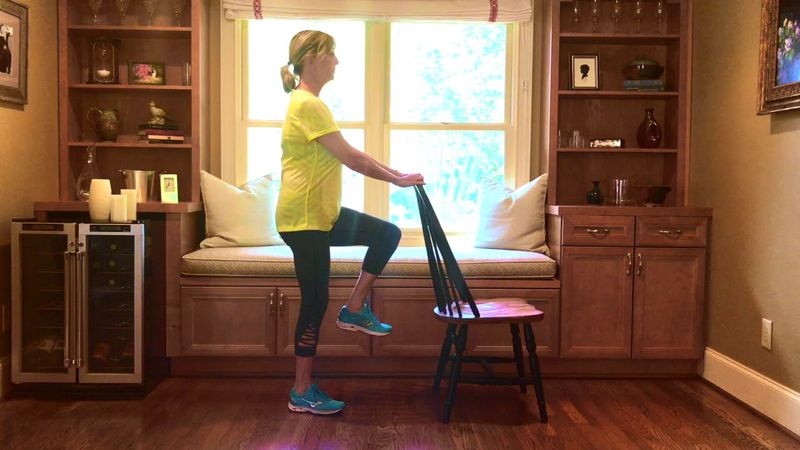
Feeling steady on your feet can make the whole day feel easier. Balance exercises help older adults maintain useful movement skills and can be part of a broader plan to reduce falls.
Practice near a sturdy counter, and choose movements suited to your abilities. Clear loose rugs, improve lighting, and review dizziness or medication concerns with a professional.
If you have fallen or feel unsteady, ask about physical therapy rather than trying difficult exercises alone at home.
13. Emotional Support Is on Your Side

Some days call for more than a brave face. Recognizing stress, grief, or anxiety and reaching for support shows awareness, not weakness.
A trusted friend can offer comfort, while a licensed mental health professional can provide treatment when symptoms persist or interfere with life. Ask about affordable options if cost is a barrier.
Sleep, movement, and enjoyable routines may help, but they do not replace needed care. You deserve support before everything feels unbearable or completely overwhelming.
14. Someone Would Notice Your Absence

A friend checking in can be worth more than a crowded calendar. Having people who know your routines and care about your wellbeing creates a practical and emotional safety net.
Living alone does not automatically mean being lonely, and living with others does not guarantee connection. Make room for regular calls, shared meals, or a walking partner.
If your circle has shrunk, start small with one familiar activity where you can meet the same people regularly.
15. Home Life Matches Your Preferences

Peace can mean a quiet apartment or a lively shared kitchen. A living arrangement that feels safe, affordable, and welcome matters more than whether it matches someone else’s idea of success.
Think about privacy, transportation, nearby help, and how easily you can manage daily tasks. If something no longer works, explore changes before a crisis forces them.
Better lighting, a housemate, or moving closer to family may improve life without following any single formula for aging well.
16. Helping Family Does Not Erase Your Needs

Love does not create extra hours in the day. Caring for a parent, partner, or grandchild can be meaningful, but protecting your own health and finances matters too.
Clear limits, shared tasks, and planned breaks are signs of a more sustainable arrangement. Ask relatives for specific help instead of waiting for offers.
Local aging services may connect families with respite options. Having support is an advantage, not proof that you care less about the people needing you.
17. Purpose Has a Spot on Your Calendar

Tuesday feels different when someone is glad you showed up. Volunteering, mentoring, paid work, or helping a neighbor can add purpose and connection beyond household duties.
The best commitment fits your energy, interests, and budget rather than leaving you drained. Try a short shift or occasional project before agreeing to a larger role.
Meaningful contribution does not require an official title, and unpaid service should never come at the expense of essential rest or your financial security.
18. Curiosity Still Opens Doors

Learning something new keeps life from feeling like reruns. A class, library workshop, craft project, or unfamiliar recipe can bring fresh interests and useful skills into your week.
A college degree may open some doors, but formal education is not the only measure of growth. Choose learning that supports your goals, whether that means understanding online banking or speaking another language.
Affordable community programs offer places to begin, and progress counts even when it happens slowly over time.
19. Your Future Has More Than a Wish List
Planning ahead is a gift to yourself and the people you trust. Clear records and shared wishes can reduce confusion if illness or an emergency changes what you can handle.
Review beneficiaries, organize essential documents, and consider legal guidance for a will, healthcare directive, and powers of attorney. Rules differ by state, so use reliable local help.
Then leave room for enjoyable plans too. A secure future should support living today, not turn every moment into another obligation.