
A great movie twist can turn everything you thought you knew upside down. Suddenly, a small clue or a strange line takes on a whole new meaning.
These famous films show how a surprising ending can make a story stay with us for years. Major spoilers follow for every movie, so save any titles you still want to watch without knowing their secrets.
1. The Sixth Sense (1999): A Ghost Hidden in Plain Sight
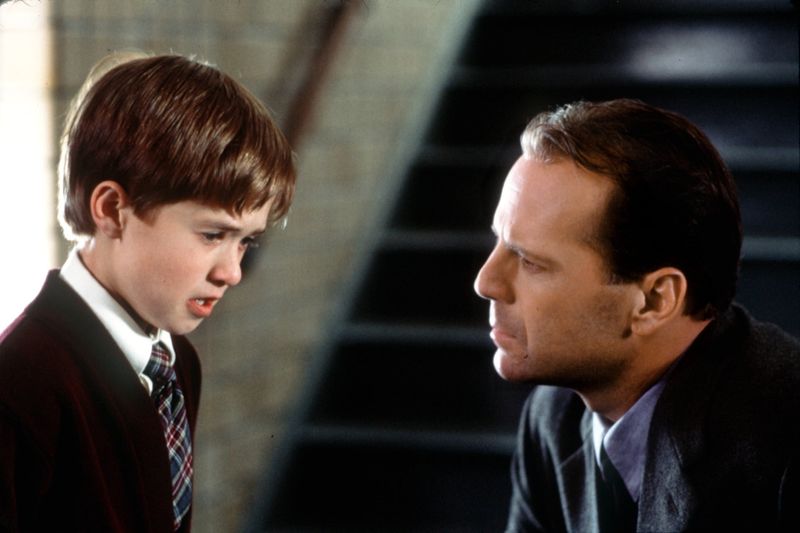
A quiet conversation becomes something entirely different once you know who is really speaking. Child psychologist Malcolm Crowe spends the film helping Cole, a boy who sees dead people, before discovering that he is dead himself.
The reveal makes earlier scenes feel fresh, especially moments involving Malcolm’s wife. Watch how carefully the film handles his contact with others.
Beneath the scares, the ending offers a moving goodbye about love, grief, and finally finding lasting peace.
2. Psycho (1960): The Truth Behind Mother
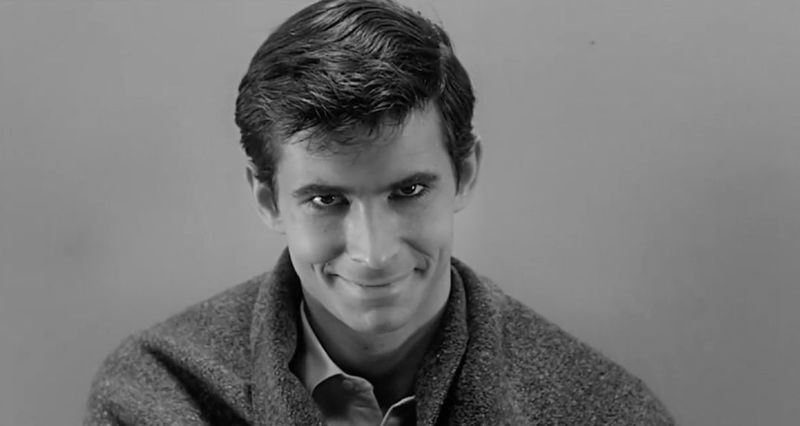
Few roadside stops have ever felt so wrong. After steering viewers toward the mysterious Mrs. Bates, Alfred Hitchcock reveals that Norman Bates has been committing murders while taking on his dead mother’s identity.
The discovery turns a creepy family mystery into a disturbing portrait of a divided mind. Notice how voices, shadows, and camera angles hide the truth.
Its famous shower scene gets attention, but that final smile leaves an equally chilling impression long afterward.
3. The Usual Suspects (1995): A Story Built from Lies
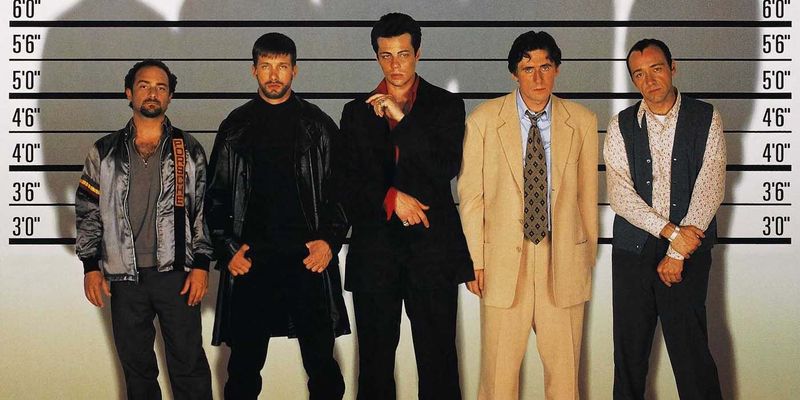
Never underestimate the person telling the story. Verbal Kint seems like a frightened witness describing the crimes of the feared Keyser Söze, until a detective notices details borrowed from objects around the interview room.
Outside, Verbal’s limp disappears, exposing the harmless act and pointing to his true identity. The pleasure comes from realizing how easily a confident story can fool us.
Pay attention to background objects, but remember that much of his account remains deeply uncertain.
4. Fight Club (1999): One Man, Two Identities
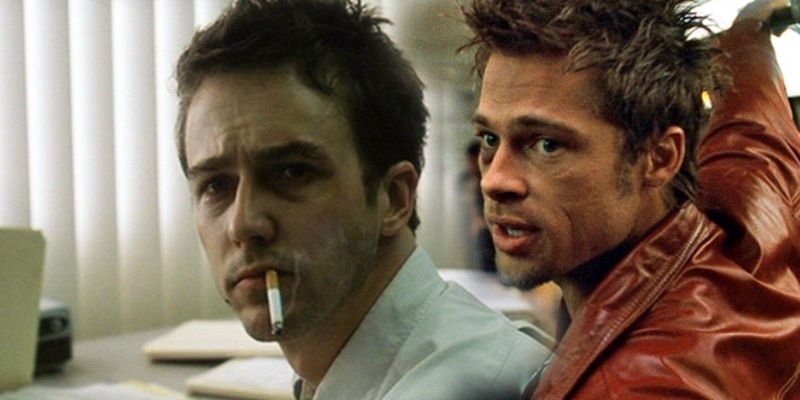
Imagine discovering that your boldest friend exists inside your own mind. The unnamed Narrator learns that Tyler Durden is another identity sharing his body, changing the meaning of their friendship and the chaos they created.
Earlier scenes contain quick hints, odd reactions, and gaps that become clearer afterward. A second viewing works like checking a puzzle against its answer.
Beyond the shock, the film questions consumer culture, wounded pride, and the danger of following charismatic leaders.
5. Planet of the Apes (1968): A Familiar World in Ruins
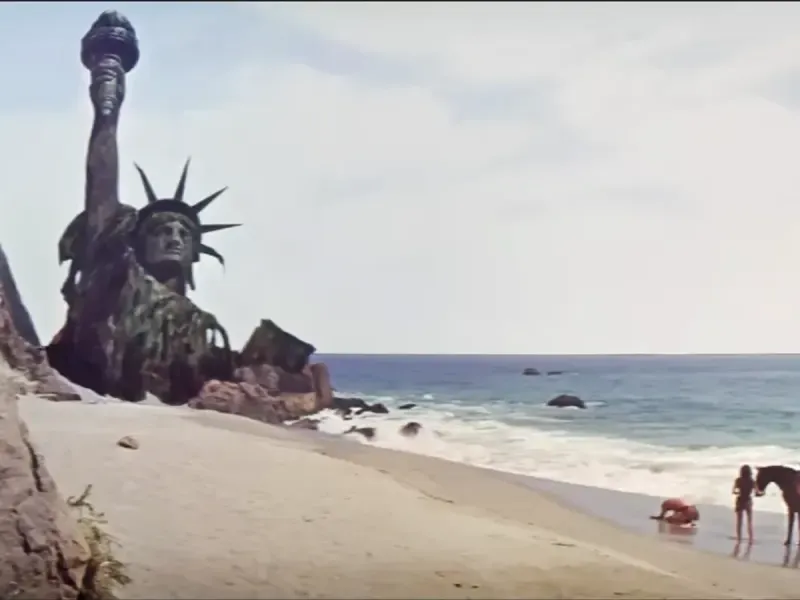
One broken landmark changes an entire adventure. Astronaut George Taylor believes he has landed on a distant planet ruled by apes, but the ruined Statue of Liberty reveals that he has been on Earth all along.
Human civilization destroyed itself, leaving the world he barely recognizes. The image delivers its message without needing a long explanation.
Look at how the strange setting hides familiar fears about war, power, and what people might leave behind someday.
6. Se7en (1995): The Killer’s Final Trap
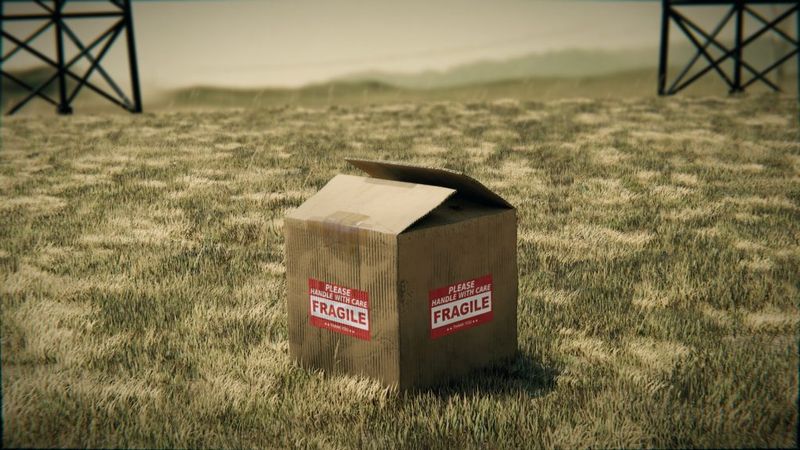
A delivery box turns a police chase into a terrible moral trap. John Doe reveals that he killed Detective Mills’ wife, making himself envy and pushing the grieving detective toward wrath to complete his seven sins plan.
Mills shoots Doe, giving the killer the ending he wanted. The horror comes from helplessness rather than a clever escape.
Be prepared for upsetting themes; the film asks whether knowing a trap exists can stop someone from entering it.
7. Soylent Green (1973): Dinner Hides a Dark Secret

That ordinary food ration suddenly looks horrifying. In a crowded future struggling with shortages, Detective Thorn discovers that Soylent Green is made from human remains, not the ocean life its makers claim.
His desperate warning turns a murder investigation into a much larger story about people treated as supplies. The imagined future reflects real worries about hunger, pollution, and unchecked power.
Although its famous line often spoils the surprise, the bleak setting still gives it force.
8. Primal Fear (1996): The Innocent Act Falls Away
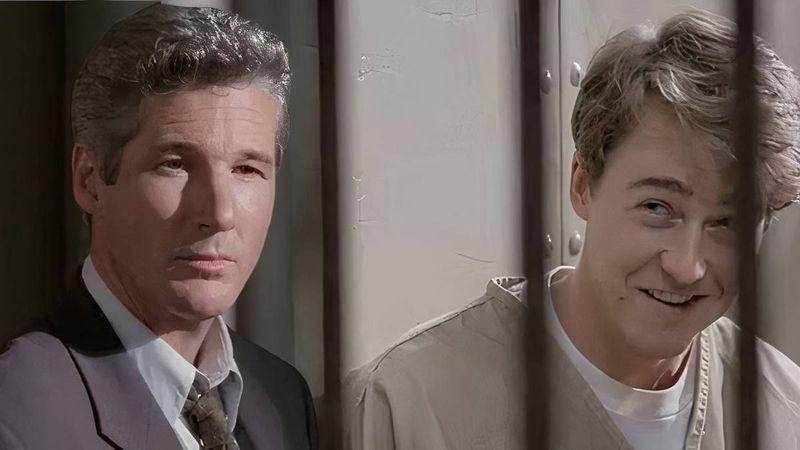
A nervous smile can be a powerful disguise. Defense lawyer Martin Vail believes his young client, Aaron Stampler, has a separate violent identity named Roy, helping him avoid a standard murder conviction.
Then the defendant drops his shy manner and reveals that the innocent Aaron was the performance. The lawyer’s proud victory becomes a private defeat.
Watch Edward Norton’s shifts in posture and speech; they show how acting can become the central trick within a story.
9. Memento (2000): Revenge Without a Reliable Memory
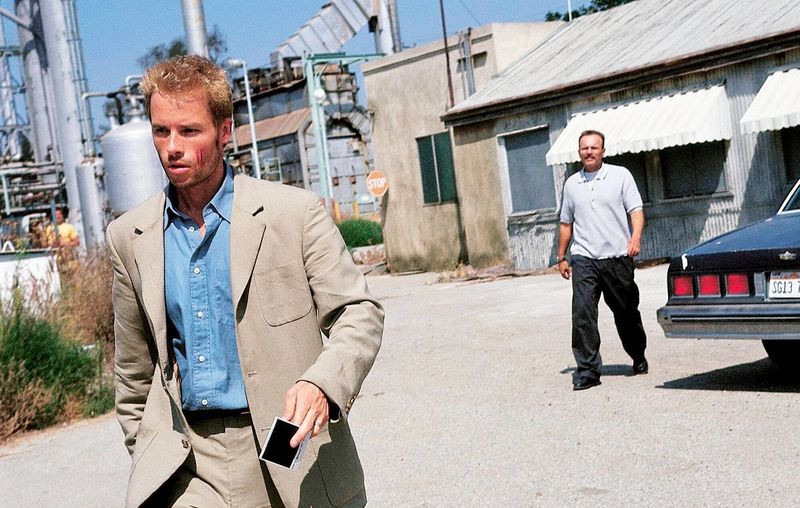
Clues usually lead toward answers, but Leonard can turn them into lies. Unable to form lasting new memories, he relies on notes and tattoos while hunting his wife’s killer.
Teddy claims that revenge already happened, and Leonard deliberately creates misleading evidence to make Teddy his next target. Because Teddy is unreliable, parts remain uncertain.
The clearer shock is Leonard’s choice to deceive his future self. Follow the changing order carefully: memory is not the only problem.
10. Shutter Island (2010): The Investigator Is the Patient
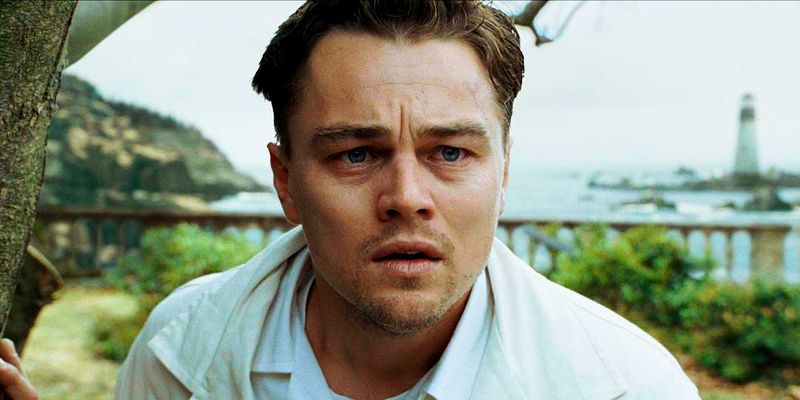
The badge feels solid, but the identity behind it does not. Teddy Daniels arrives at an island hospital as a marshal investigating a disappearance, only to learn that he is patient Andrew Laeddis.
The investigation is a treatment exercise meant to help him face killing his wife after she drowned their children. His closing words leave room to debate what he understands.
Revisit the staff’s uneasy reactions for clues to the painful truth surrounding his mission.
11. Oldboy (2003): Revenge Reaches Beyond the Prison

Freedom turns out to be another part of the punishment. After years of unexplained imprisonment, Oh Dae-su searches for his captor and begins a romance with Mi-do, unaware that she is his daughter.
Their meeting was arranged as part of an elaborate revenge scheme. That discovery changes his search for justice into unbearable personal horror.
Choose the original Korean film from 2003, and check content warnings first; its disturbing family secret arrives alongside violence and sexual themes.
12. Saw (2004): The Body Was Never Just Scenery
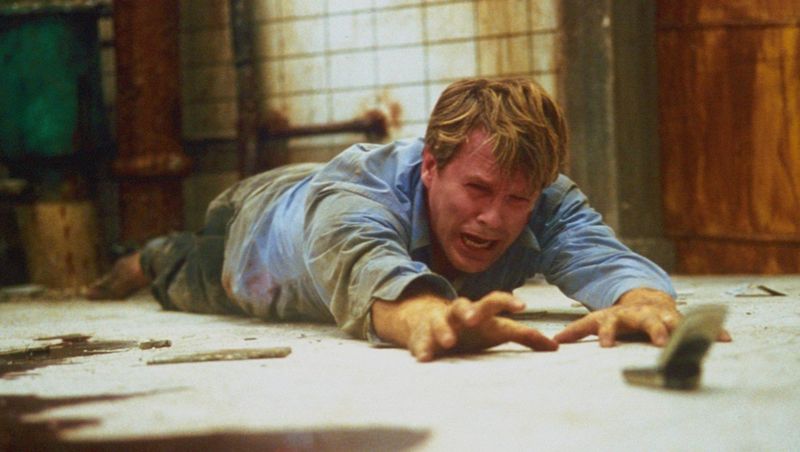
The answer has been lying on the floor the whole time. Two trapped men spend much of the film beside what appears to be a dead body, while trying to understand the deadly game controlling them.
At the end, that supposed corpse stands up: he is John Kramer, the Jigsaw killer. The reveal rewards attention to the room rather than events elsewhere.
Expect graphic horror, but notice how the final surprise depends on stillness, patience, and assumption.
13. Citizen Kane (1941): A Small Sled Explains a Giant Life
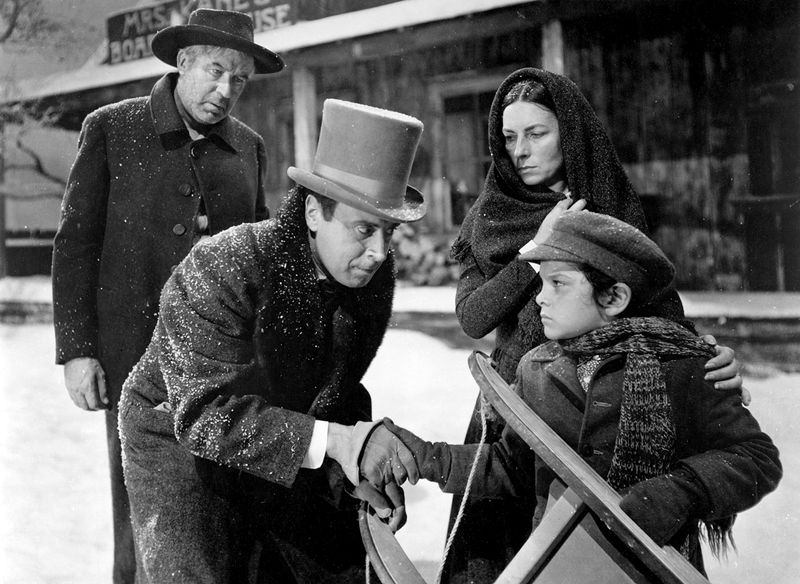
For all his wealth, one childhood object holds the missing answer. Reporters try to explain newspaper tycoon Charles Foster Kane through his final word, Rosebud, but never discover what it means.
Viewers learn that it names the sled he owned before being separated from his family. The reveal suggests a longing that money could not satisfy, rather than solving every part of his personality.
Watch the opening snow scene closely; its emotional importance grows after the ending.
14. The Prestige (2006): Two Brothers Share One Life
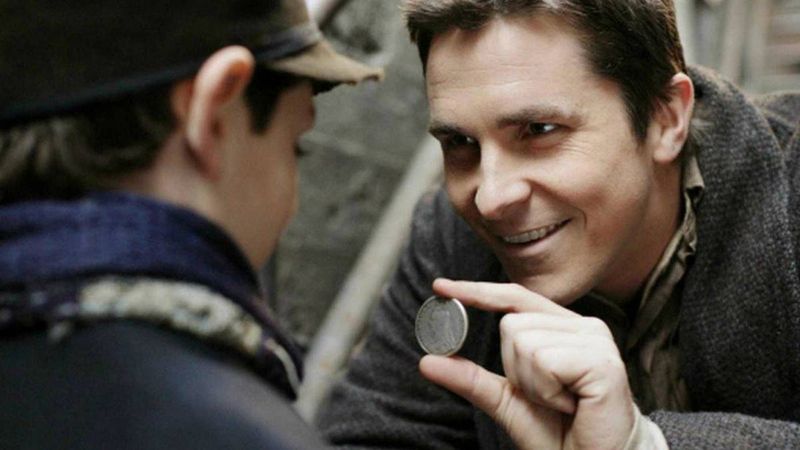
A perfect illusion can demand an awful price. Rival magicians chase the secret of a transportation trick, but Alfred Borden’s solution is startlingly human: identical twins share one public identity and take turns living his life.
Meanwhile, Robert Angier uses a machine that creates duplicates, with deadly results. Both secrets turn applause into something tragic.
Track Borden’s changing behavior toward the women he loves; those shifts reveal the personal cost hidden beneath the stagecraft and fierce competition.
15. The Empire Strikes Back (1980): A Villain Becomes Family
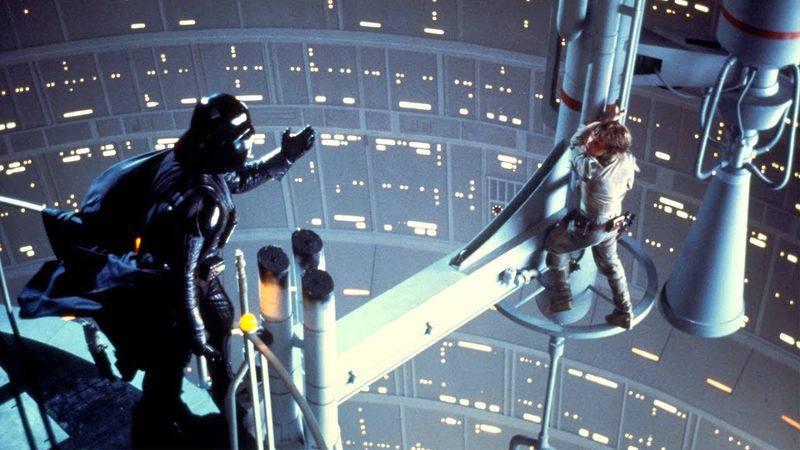
Saving the galaxy gets much harder when the enemy is your father. During their duel in Cloud City, Darth Vader tells Luke Skywalker that they are family, overturning Luke’s understanding of his past.
The revelation gives their conflict a personal weight that carries into the next film. It also leaves viewers sharing Luke’s disbelief rather than offering an easy victory.
Listen for the actual line, ‘No, I am your father,’ which is often quoted incorrectly in conversation.