
Eastern Europe has some of the coziest, most creative sweets you have probably never tasted. Many of these treats were born in grandmothers’ kitchens, using simple things like apples, poppy seeds, honey, and farmer’s cheese.
They tell stories about holidays, harvests, and family traditions passed down for hundreds of years. Grab a snack and get ready to find your next favorite dessert.
1. Poppy Seed Roll (Makowiec)

Slice into a makowiec and you get a beautiful spiral of dark poppy seed filling wrapped in soft, sweet dough. Polish families bake it for Christmas and Easter, and the smell fills the whole house.
The filling mixes ground poppy seeds with honey, raisins, and orange zest. Some bakers add walnuts for crunch.
Tip: grind the seeds well, or the filling turns gritty instead of smooth and rich.
2. Medovik Honey Cake
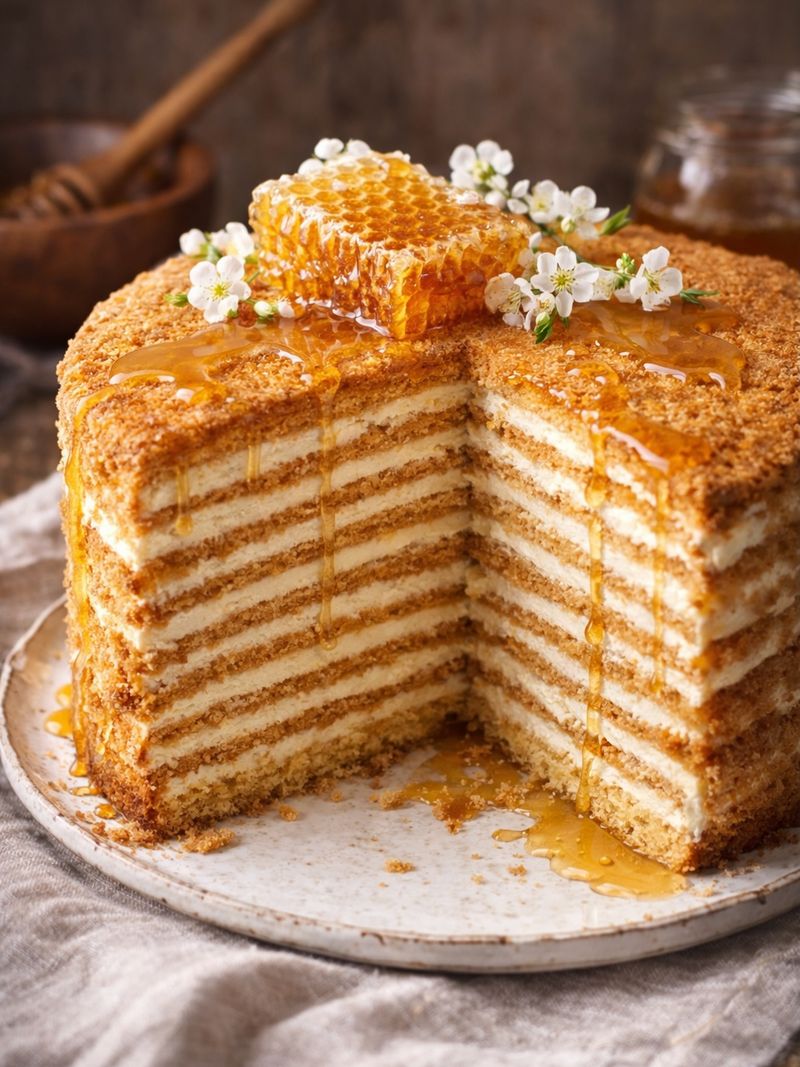
Legend says a clever chef in the 1800s created medovik to win over a Russian empress who disliked honey. It worked, and people have loved it ever since.
Up to ten thin honey layers get stacked with tangy sour cream frosting. After resting overnight, the layers soak up the cream and turn melt-in-your-mouth soft.
Patience matters here. Cut it too early and you miss the magic.
3. Kremówka Cream Slice
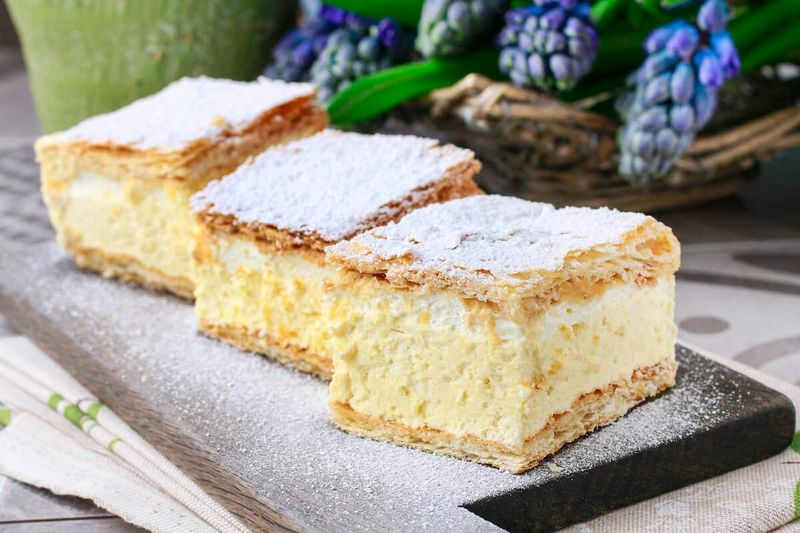
Pope John Paul II once shared a happy memory of eating kremówka after school in his hometown of Wadowice. After that, bakeries across Poland could barely keep up with orders.
Two sheets of flaky puff pastry hold a thick layer of vanilla custard. A snowy dusting of powdered sugar finishes it off.
Eat it with a fork and a napkin nearby, because it gets wonderfully messy.
4. Kürtőskalács Chimney Cake
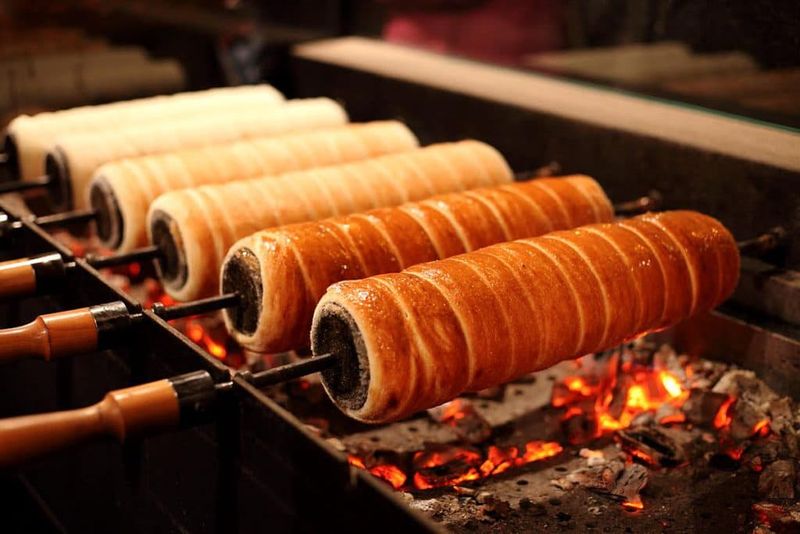
Picture a spiral of dough wrapped around a wooden spit, slowly turning over hot coals. That is how Hungarians make kürtőskalács, and watching it bake is half the fun.
As it cooks, sugar on the outside melts into a crackly, caramel shell. Then it gets rolled in cinnamon, walnuts, or cocoa.
Pull it apart in ribbons while it is warm. Steam rises out like a tiny chimney.
5. Syrniki Cheese Pancakes
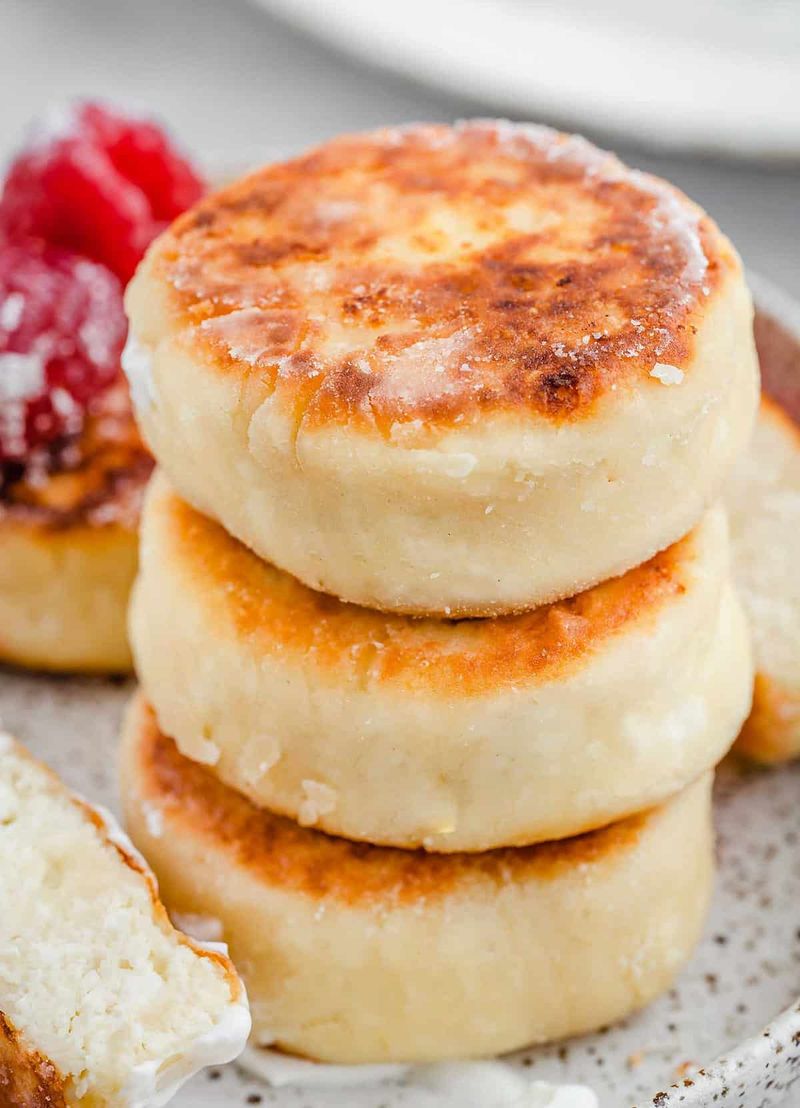
Breakfast or dessert? With syrniki, you never have to choose.
These little Ukrainian pancakes are made from farmer’s cheese, egg, and a bit of flour.
They fry up golden outside and stay creamy and slightly tangy inside. Most families serve them with sour cream, honey, or berry jam.
Kitchen hint: squeeze extra liquid from the cheese first. Drier cheese keeps them from falling apart in the pan.
6. Pączki Filled Doughnuts
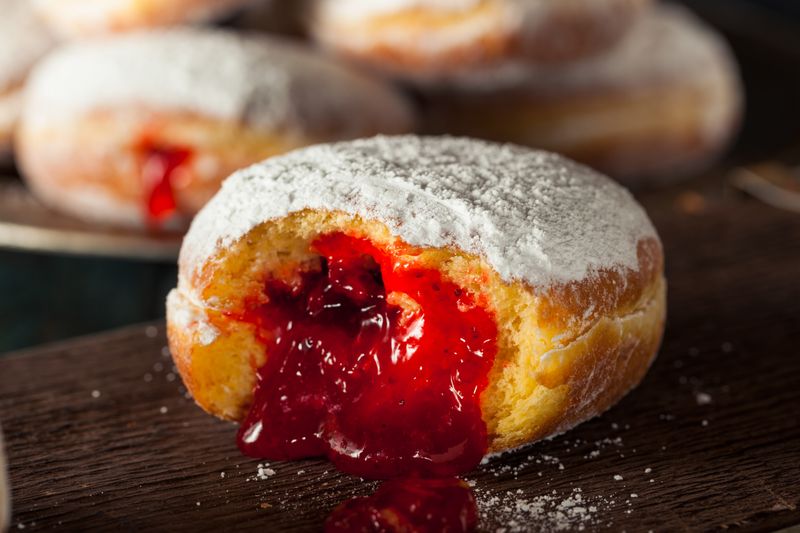
Every year on Fat Thursday, Poles eat millions of pączki before Lent begins. Lines outside bakeries can stretch around the block.
Fluffier and richer than regular doughnuts, pączki usually hold rose petal jam, plum butter, or custard. A splash of alcohol in the dough helps them absorb less oil while frying.
Look for one with a pale ring around the middle. Bakers say that stripe means a perfect fry.
7. Dobos Torte
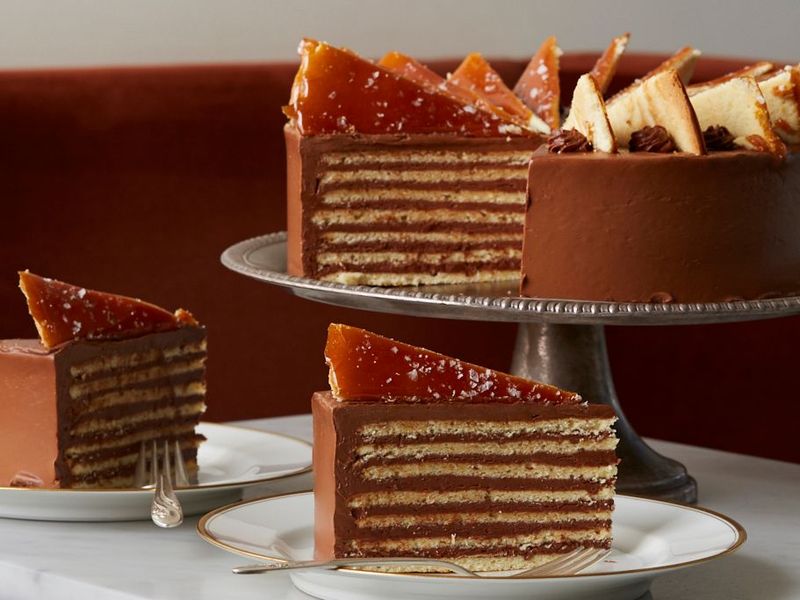
Back in 1885, Budapest baker József Dobos wanted a cake that could travel without spoiling. His clever answer became one of Hungary’s most famous desserts.
Six thin sponge layers alternate with chocolate buttercream. On top sits a hard, glassy caramel layer cut into fan-shaped wedges.
That caramel lid sealed in moisture long before refrigerators were common. Smart, tasty, and pretty enough for any birthday table.
8. Trdelník Spit Cake
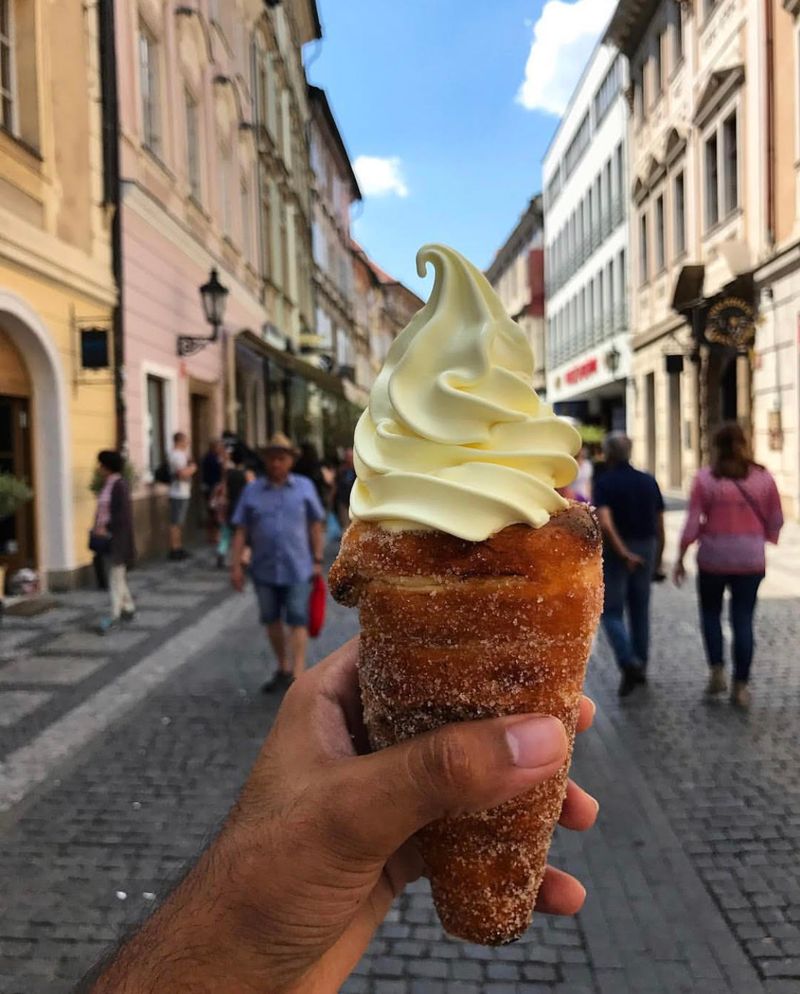
Walk through Prague’s Old Town and the sweet scent of trdelník will find you before you find it. Street stands roast dough on rotating rods right in front of you.
Its roots actually trace to Slovakia and Hungary, but Czech vendors made it famous. Today many fill it with ice cream, chocolate, or fruit.
Go simple first. The plain sugar-and-walnut version shows off its true flavor.
9. Papanași Romanian Doughnuts

Ask any Romanian about their favorite dessert, and papanași will likely come up fast. These fried cheese doughnuts are pure comfort.
Each serving includes a large ring with a small ball perched on top like a hat. Thick sour cream and sour cherry jam pour over everything.
The sweet, tangy, and creamy mix is hard to beat. Share one if you can, since portions are famously huge.
10. Kremšnita Custard Slice
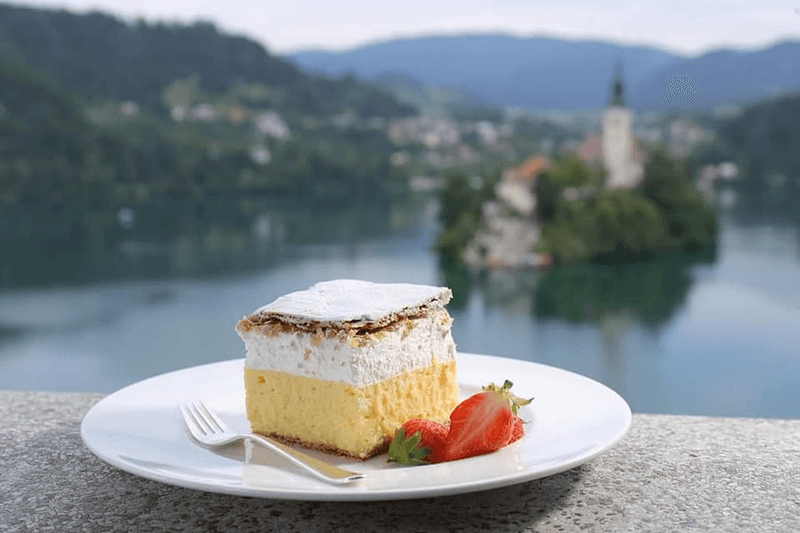
Near the fairy-tale shores of Lake Bled in Slovenia, one hotel has sold over 15 million slices of kremšnita since 1953. Visitors treat it like a must-see sight.
A thin pastry base holds a tall layer of wobbly vanilla custard, topped with whipped cream and crisp pastry.
Croatia has its own version too. Either way, enjoy it fresh, because the pastry softens quickly.
11. Ptichye Moloko Bird’s Milk Cake
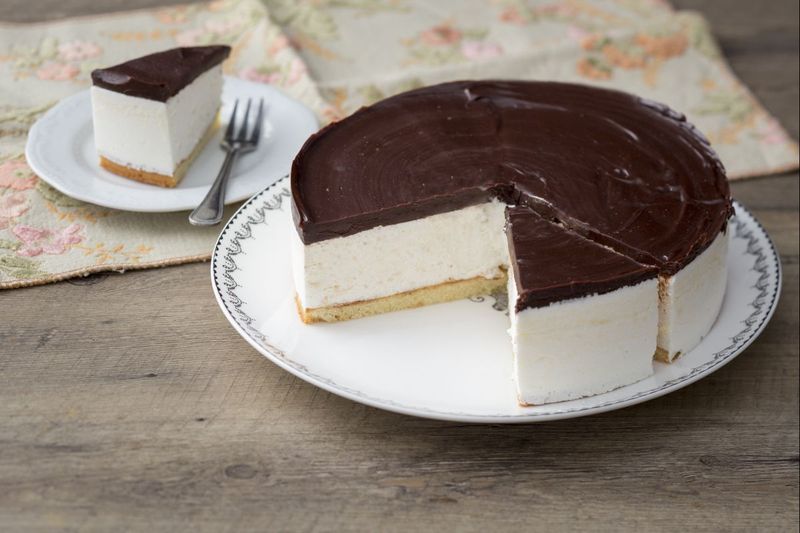
Bird’s milk does not exist, and that is the joke. Russians use the phrase for something so wonderful it seems impossible.
The cake lives up to its name with fluffy, airy soufflé layers set on a thin sponge base. Smooth dark chocolate glaze covers the top.
In Soviet times, people waited in long lines just to buy one. Every bite feels like eating a chocolate-dipped cloud.
12. Kutia Wheat Pudding
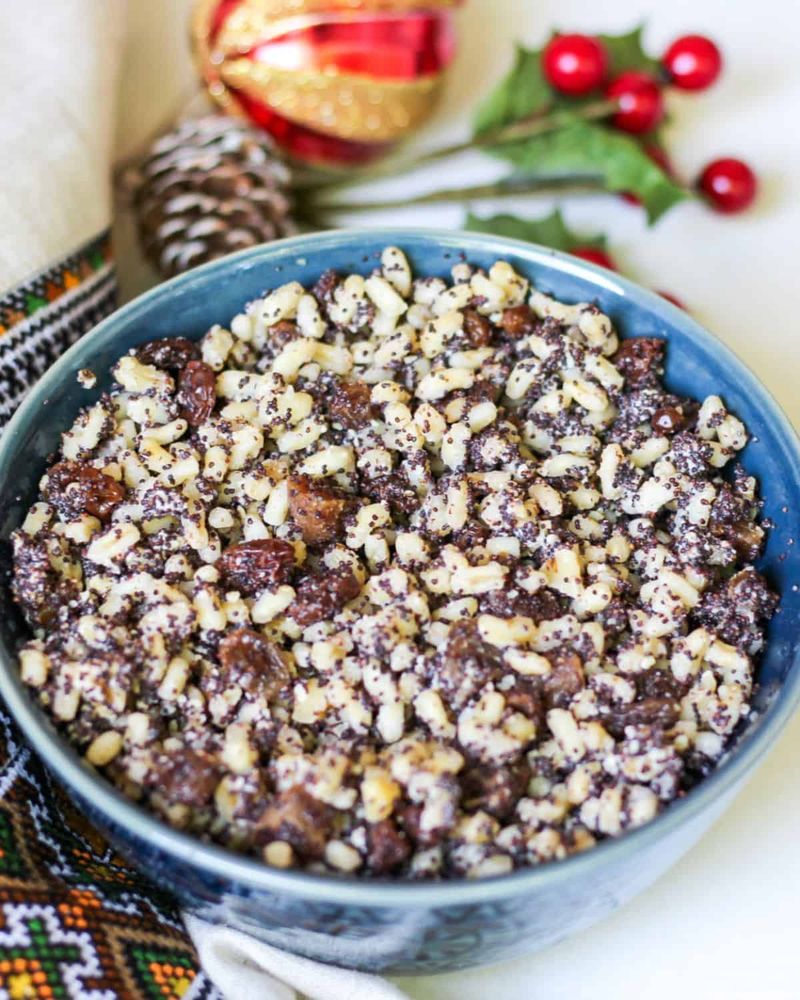
On Ukrainian Christmas Eve, kutia is the very first dish served. Some families even toss a spoonful at the ceiling, hoping it sticks for good luck.
Cooked wheat berries mix with poppy seeds, honey, walnuts, and dried fruit. The result is chewy, nutty, and gently sweet.
It is one of the world’s oldest desserts, dating back thousands of years. Every spoonful carries centuries of meaning.
13. Szarlotka Apple Cake
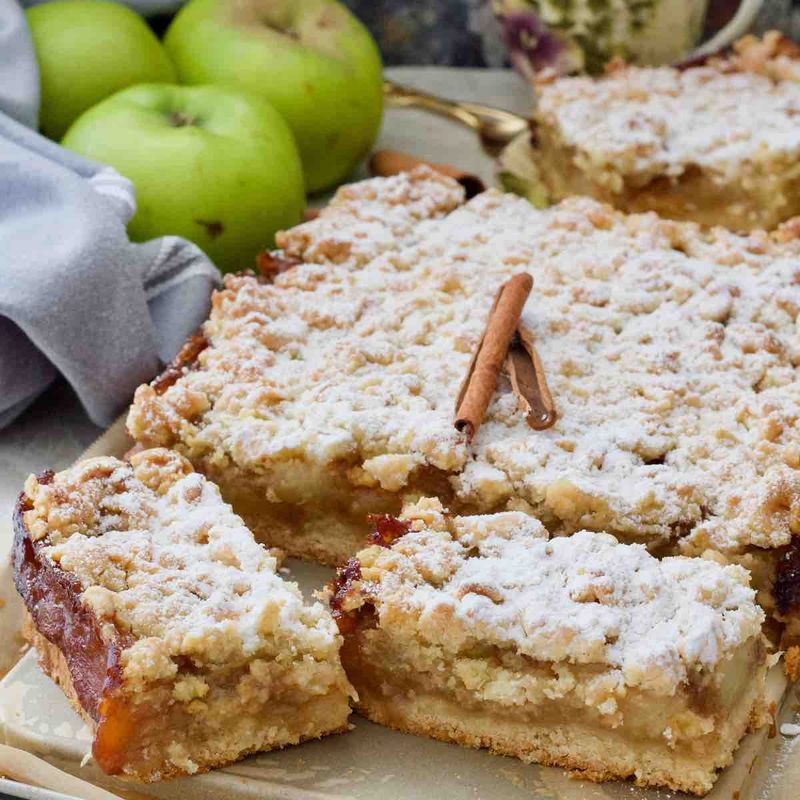
Autumn in Poland smells like cinnamon and baked apples, thanks to szarlotka. Nearly every family has its own treasured recipe.
A buttery, crumbly crust hugs a thick layer of tart apples. Some versions add a crumble topping, while others keep it simple with powdered sugar.
Use sour apples like Granny Smith for the best taste. Serve it warm with whipped cream or vanilla ice cream.
14. Gibanica Prekmurje Layer Cake
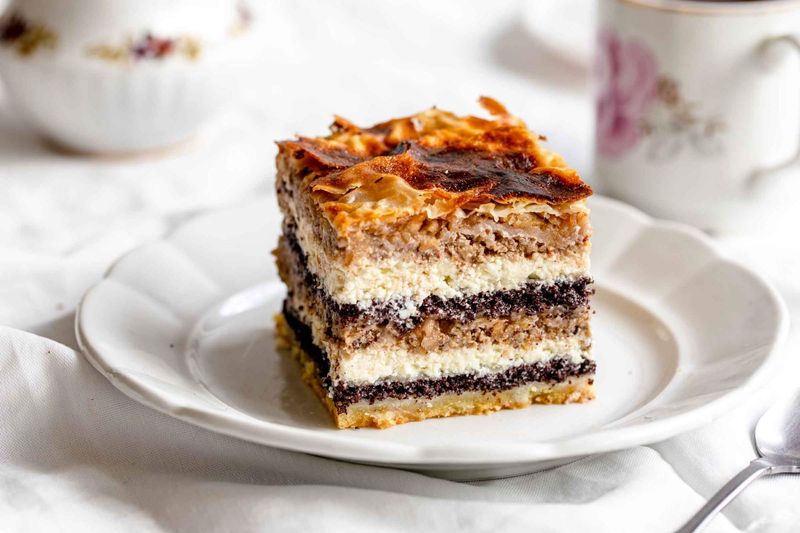
Count the layers in prekmurska gibanica and you will find four fillings stacked twice. Poppy seeds, cottage cheese, walnuts, and apples all take a turn.
Thin pastry sheets separate each layer, and cream with butter soaks through as it bakes.
Slovenia even protects the recipe by law, so only properly made versions can use the name. One slice offers a full tour of regional flavors.
15. Vatrushka Cheese Buns
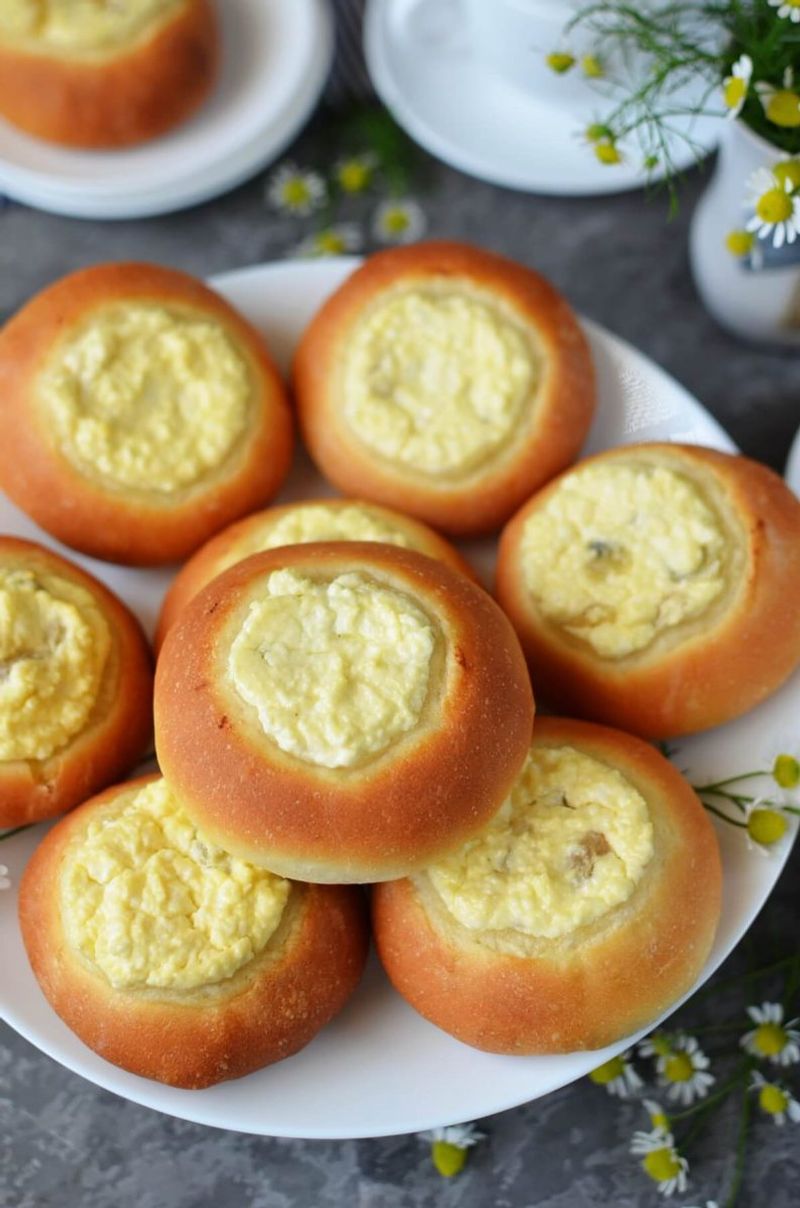
Shaped like little suns, vatrushka buns have sweet farmer’s cheese tucked into a soft bread nest. Their name may come from an old word for fire or hearth.
Russian kids often find them in lunchboxes or on the table after school. The bread stays fluffy while the center turns creamy and golden.
Add raisins or lemon zest to the filling for a bright, cheerful twist.
16. Rigó Jancsi Chocolate Cube
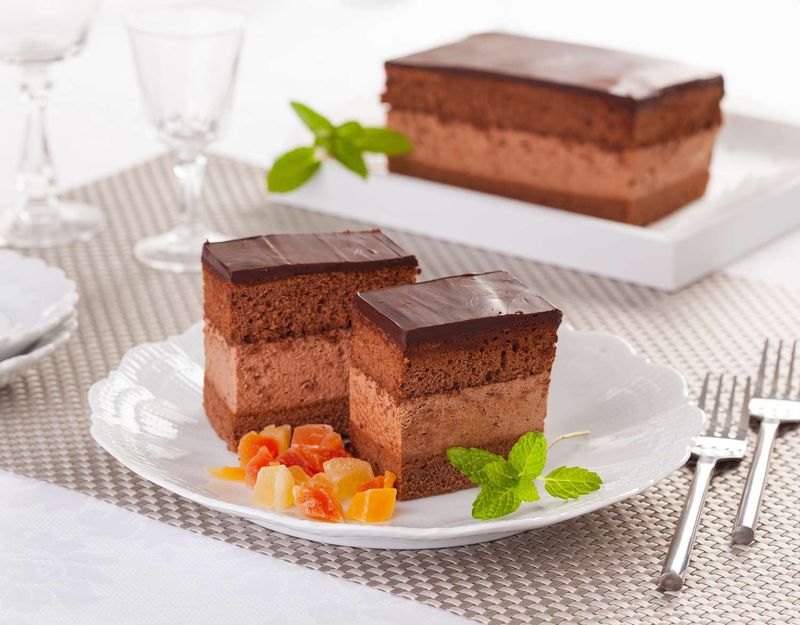
Here is a dessert with a love story. Rigó Jancsi was a Hungarian violinist who stole a princess’s heart in the 1890s, and a baker named this cake after him.
Chocolate sponge layers sandwich a thick, fluffy chocolate mousse. A shiny chocolate glaze finishes each square.
Chocolate fans, this one is for you. Keep it chilled so the mousse holds its neat cube shape.
17. Baklava Balkan Style
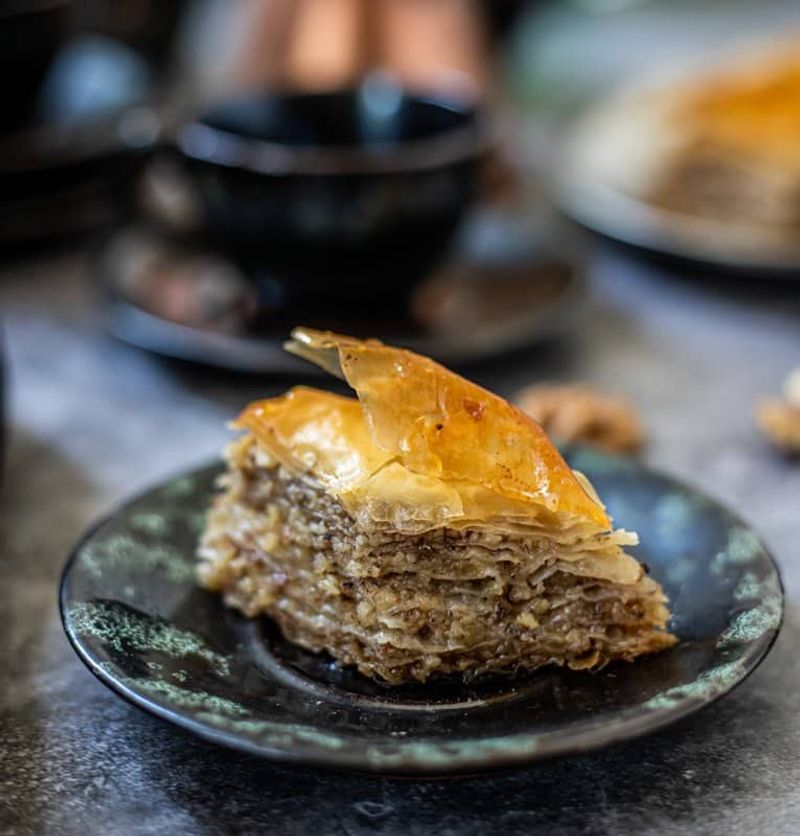
Across Bosnia, Serbia, and North Macedonia, baklava shows up at weddings, holidays, and family visits. Hosts proudly serve it with strong coffee.
Paper-thin dough layers get brushed with butter and filled with chopped walnuts. After baking, a sweet syrup with lemon soaks in.
Balkan versions often use walnuts rather than pistachios. Small pieces go a long way, since each bite is wonderfully rich.
18. Šakotis Tree Cake
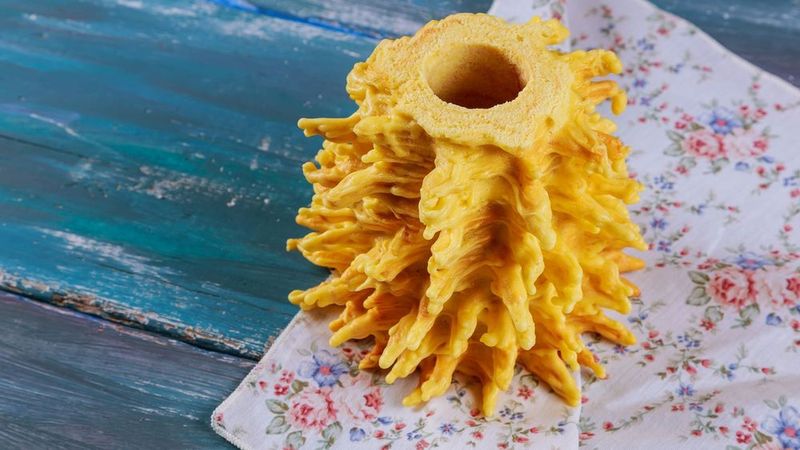
Spiky, tall, and a little bit wild, šakotis looks like a tree made of cake. Lithuanians call it a showstopper for weddings and big parties.
Bakers drip batter onto a rotating spit over an open flame. Layer after layer builds up, forming crispy branches.
Making one can take hours of careful work. Snap off a spike and you will see rings inside, just like a real tree trunk.
19. Buchty Sweet Buns
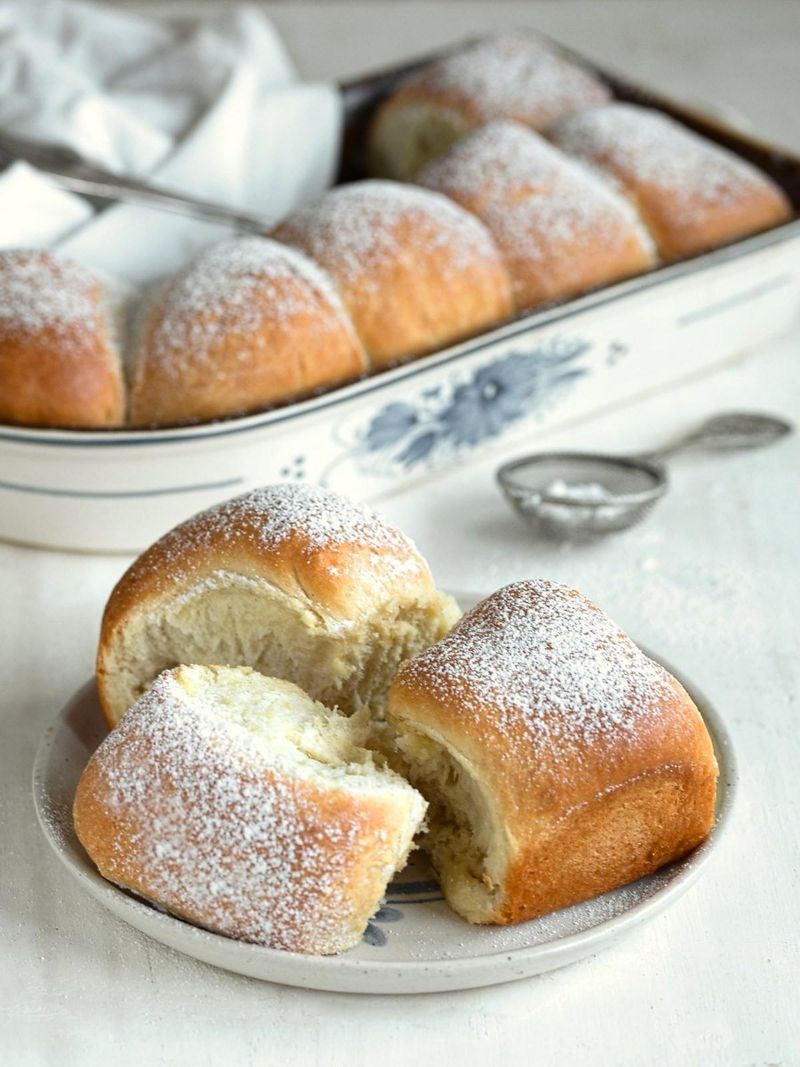
Grandma’s baking pan, golden buns pressed tightly together, and a dusting of sugar. That is buchty, a classic Czech treat.
Soft yeast dough wraps around fillings like plum jam, poppy seeds, or sweet cheese. They bake side by side, so you tear them apart to serve.
Fairy tales even mention them as travel food for heroes. Pack a few for a picnic and feel like one.
20. Kyiv Cake
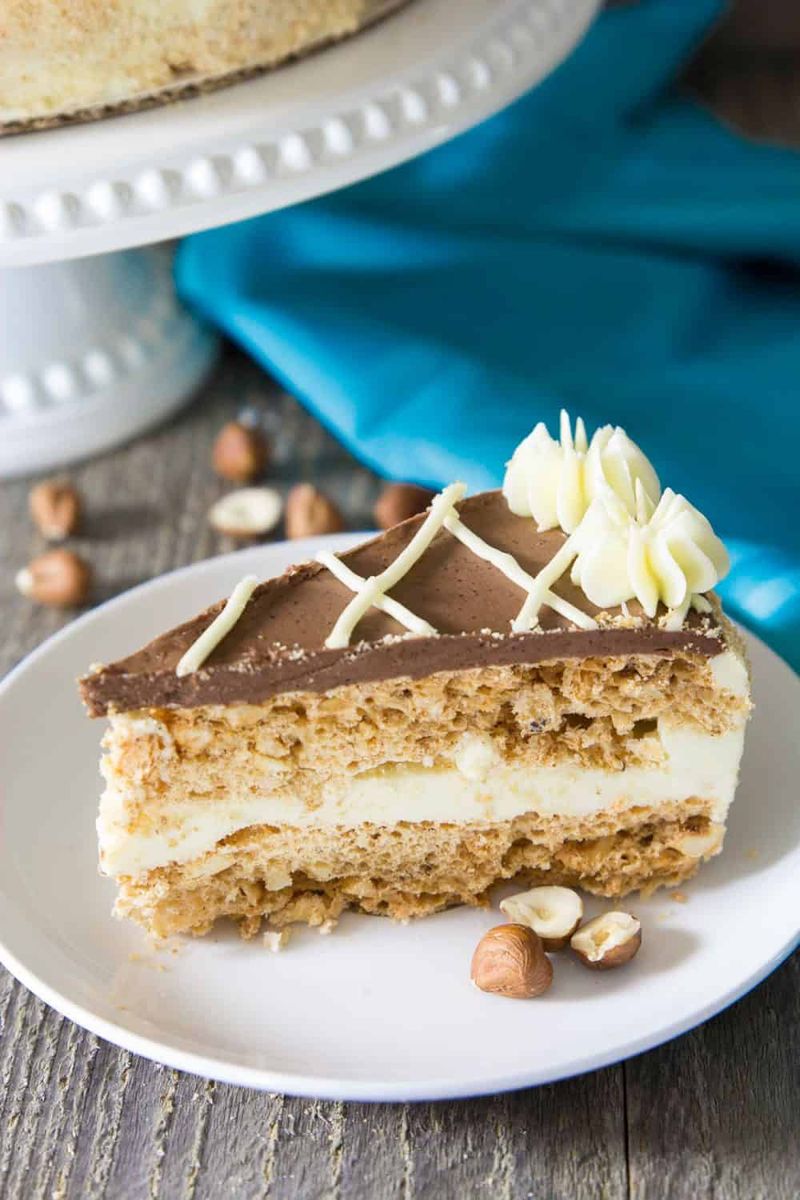
A happy kitchen mistake in 1956 created Kyiv cake. Workers forgot to chill some egg whites, which dried overnight into crisp meringue.
Instead of tossing them, the bakers layered the meringue with hazelnuts and buttercream. The result became a national favorite.
It used to come in a round box decorated with chestnut leaves, a symbol of the city. Crunchy, nutty, and sweet in every bite.
21. Cozonac Sweet Bread
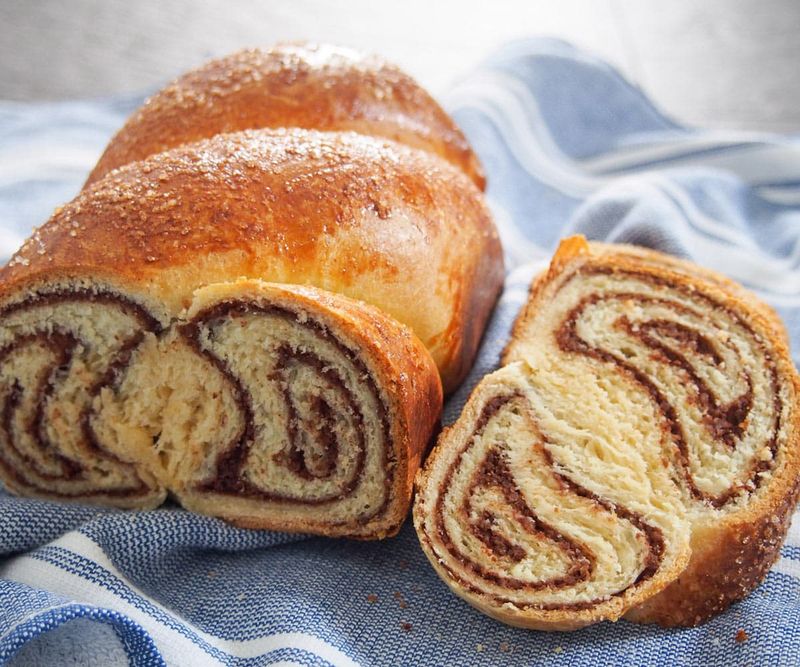
Romanian holidays would not feel complete without cozonac on the table. Families bake it for Christmas and Easter, often staying up late to watch the dough rise.
The rich bread has a swirl of walnuts, cocoa, and sometimes Turkish delight. Each slice shows a pretty marbled pattern.
Leftovers make amazing French toast. Toast a slice with butter the next morning for an easy treat.
22. Pyrizhky with Cherries
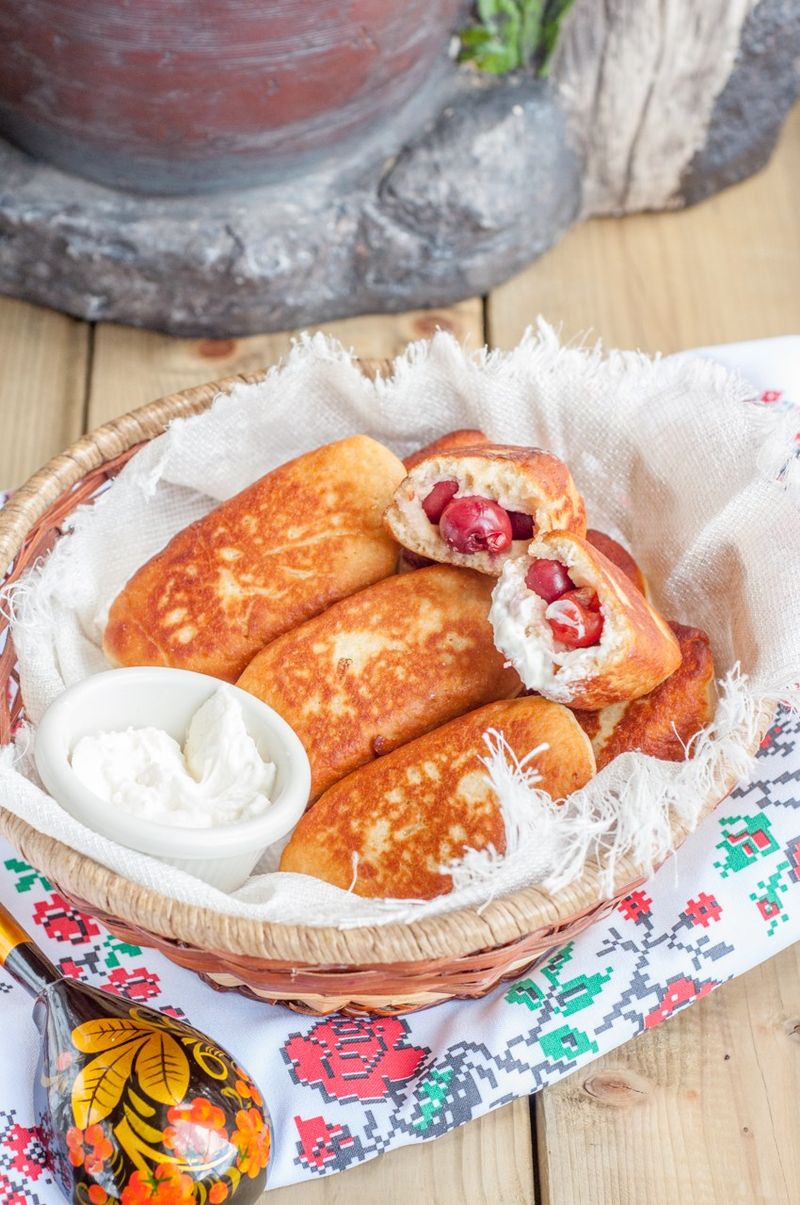
Summer in a Ukrainian village means sour cherries everywhere, and grandmothers turn them into pyrizhky. These hand-sized pies are easy to grab and eat on the go.
Soft dough gets folded around juicy cherries with a little sugar. They can be baked or fried.
Toss the cherries in a spoonful of starch before filling. That trick keeps juices inside instead of leaking all over the pan.
23. Kissel Berry Pudding
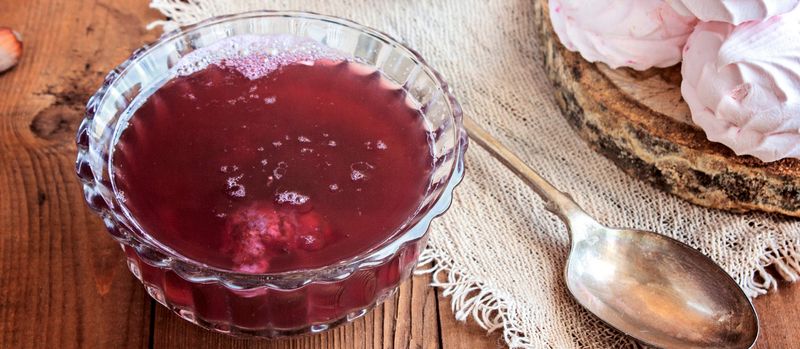
Old Russian fairy tales describe rivers of milk with banks made of kissel. That shows how beloved this simple dessert has always been.
Fruit juice from cranberries, cherries, or currants gets thickened with potato starch. You can make it thin enough to drink or thick enough to spoon.
It is cheap, quick, and packed with fruit flavor. Try it warm on a chilly day for cozy comfort.