
Have you ever bitten into a pile of gray, mushy broccoli and wondered what went wrong? Many vegetables taste amazing when cooked just right, but a few extra minutes on the stove can ruin their color, crunch, and flavor.
Overcooking can also wash away vitamins your body needs. Knowing which veggies need a light touch will help you make side dishes your family actually wants to eat.
1. Broccoli Turns Gray and Stinky
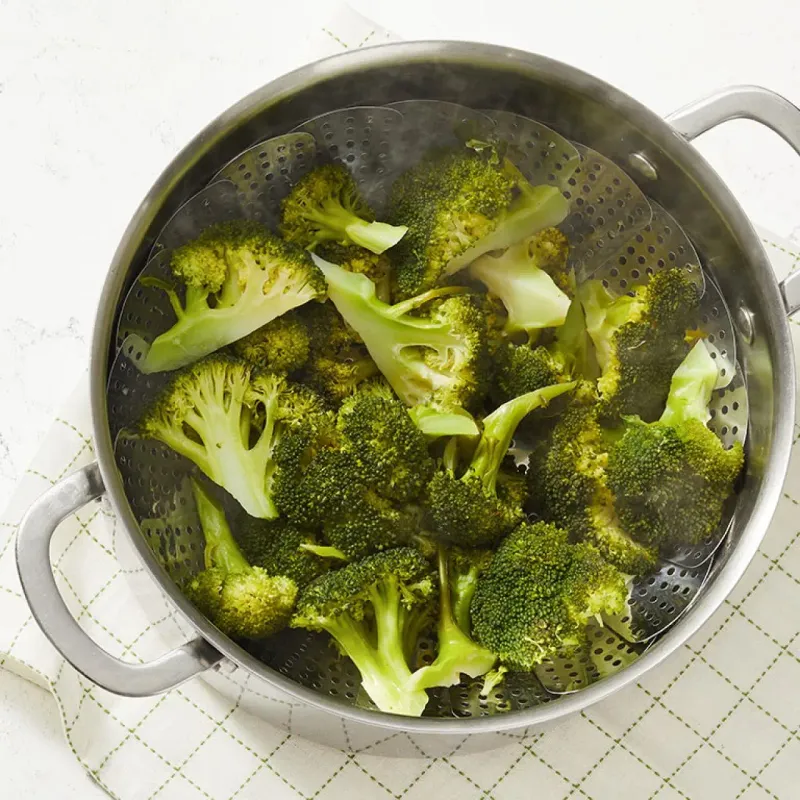
Bright green florets can go from crisp to sad in about three minutes. Once broccoli overcooks, it releases sulfur compounds that smell a lot like rotten eggs.
The color also fades to a dull olive shade, and the tops get soggy. Steam it for four to five minutes, then test with a fork.
You want it tender but still a little firm. A quick splash of cold water stops the cooking right away.
2. Asparagus Goes Limp Fast
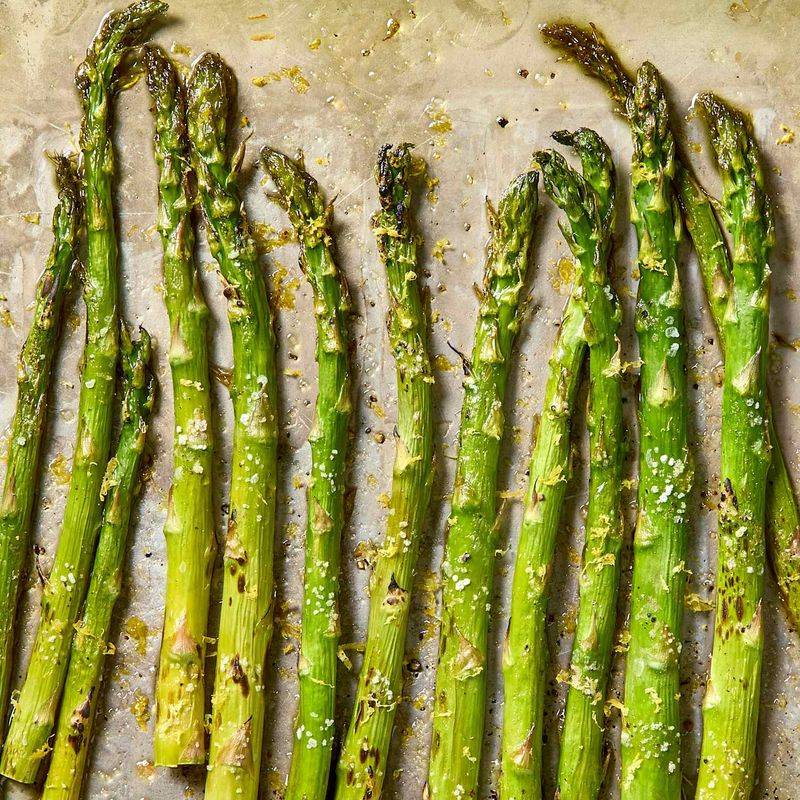
Picture a spear of asparagus drooping off your fork like a wet noodle. Not very tempting, right?
Thin asparagus needs only two to four minutes of boiling or about eight minutes in a hot oven. Thicker spears take a bit longer, but not much.
Fun fact: asparagus can grow up to ten inches in a single day! Treat it with the same speed in the kitchen, and it stays snappy and sweet.
3. Brussels Sprouts Get Bitter
Plenty of grown-ups say they hated Brussels sprouts as kids. The real problem was usually overboiling, not the sprouts themselves.
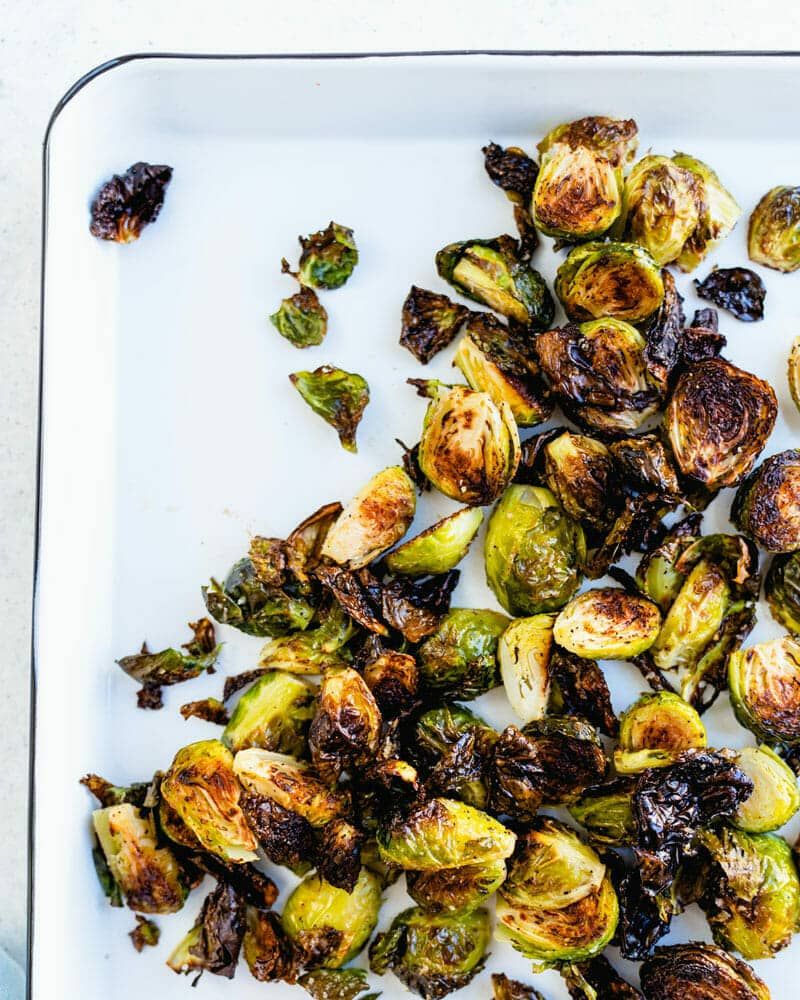
When these mini cabbages cook too long, they turn mushy and release a strong, bitter smell. Roasting them cut in half at high heat for about twenty minutes gives crispy, nutty edges instead.
Keep an eye on them near the end. Golden brown is perfect, while dark and soft means you waited too long.
4. Green Beans Lose Their Snap
Grandma’s casserole might call for soft beans, but most fresh green beans shine with a little crunch. That satisfying snap is half the fun.
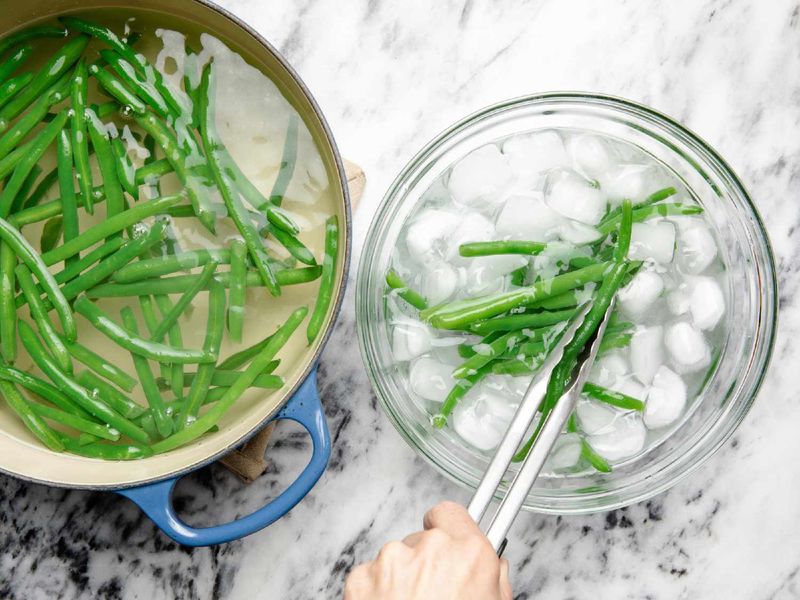
Boil them for three to five minutes, then dunk them in ice water. Chefs call this blanching, and it locks in that bright green color.
Cook them longer, and they turn khaki and squishy. A quick toss with butter and garlic afterward makes them taste even better.
5. Spinach Shrinks to Almost Nothing
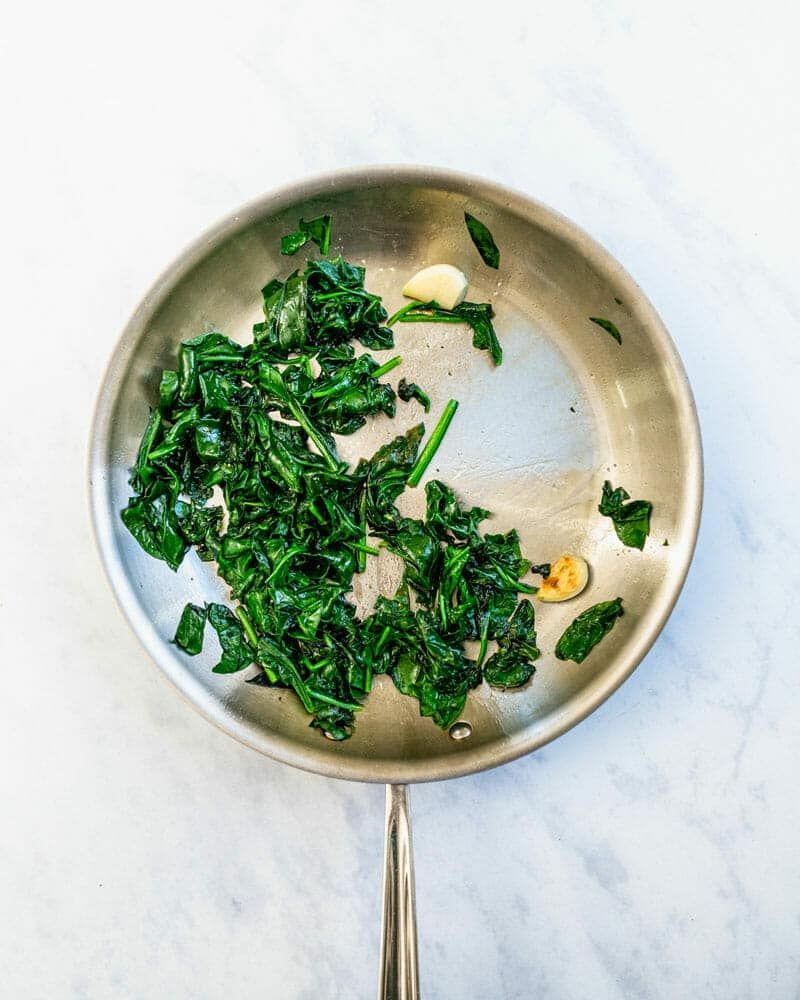
Toss a giant pile of spinach into a pan, and watch it vanish. A full bag can shrink down to a few spoonfuls in seconds.
Leave it on the heat too long, and those tender leaves become slimy and watery. The flavor gets metallic, too.
Wilting spinach takes only one or two minutes. Pull the pan off the burner as soon as the leaves darken and soften, and season right away.
6. Zucchini Becomes Watery Mush
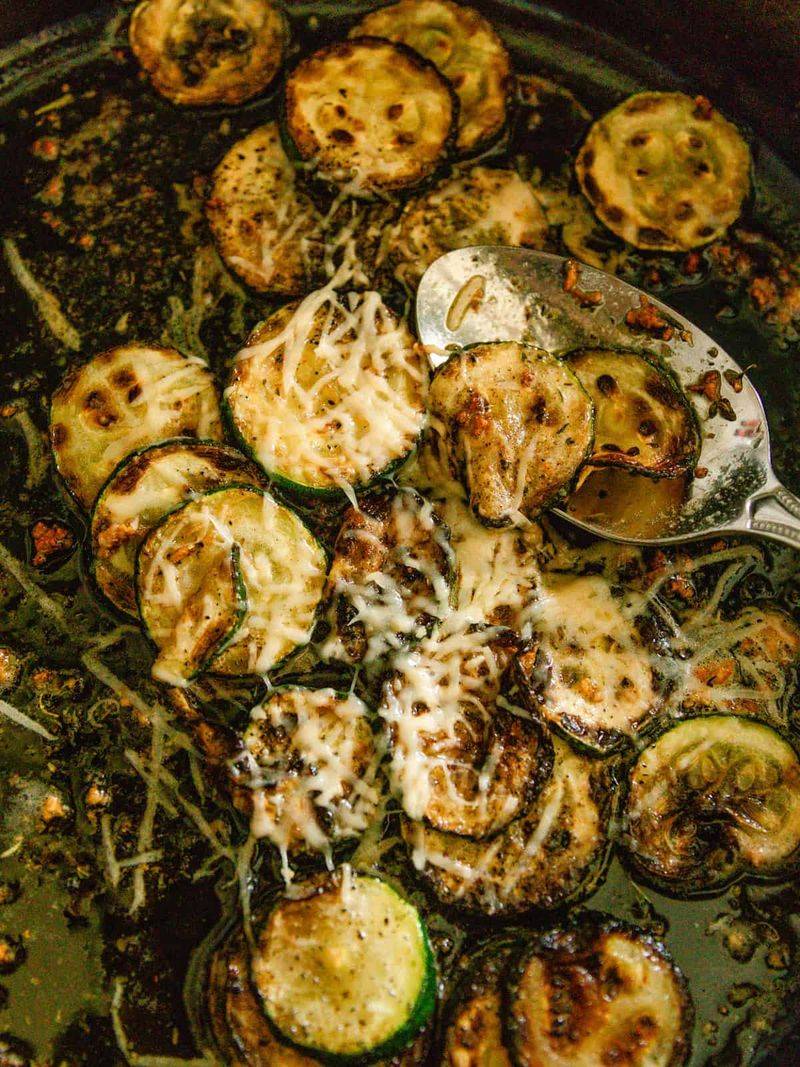
Gardeners joke that zucchini grows faster than anyone can eat it. With so much around, learning to cook it well really pays off.
Zucchini is about ninety-five percent water. Cook it too long, and all that liquid leaks out, leaving soft, soupy slices.
Use high heat and a roomy pan so the pieces sear instead of steam. Five minutes is usually plenty for golden edges and a tender middle.
7. Peas Fade From Sweet to Starchy
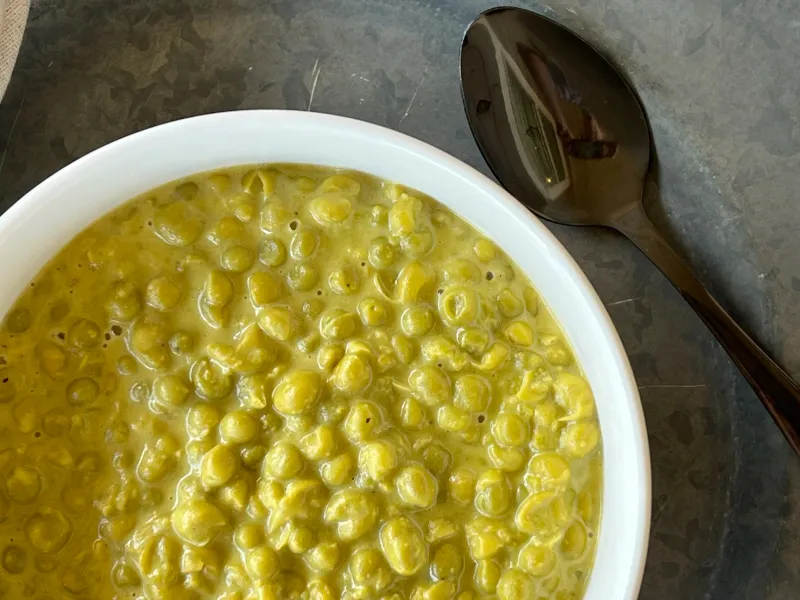
Sweet little peas are basically nature’s candy. Overcook them, though, and that sugary pop turns into a dull, starchy paste.
Frozen peas are already partly cooked, so they need just two or three minutes in hot water. Fresh peas take only slightly longer.
Here’s a cool tidbit: Thomas Jefferson loved peas so much he grew dozens of kinds at his Virginia home. He’d surely approve of keeping them bright and juicy.
8. Cauliflower Falls Apart
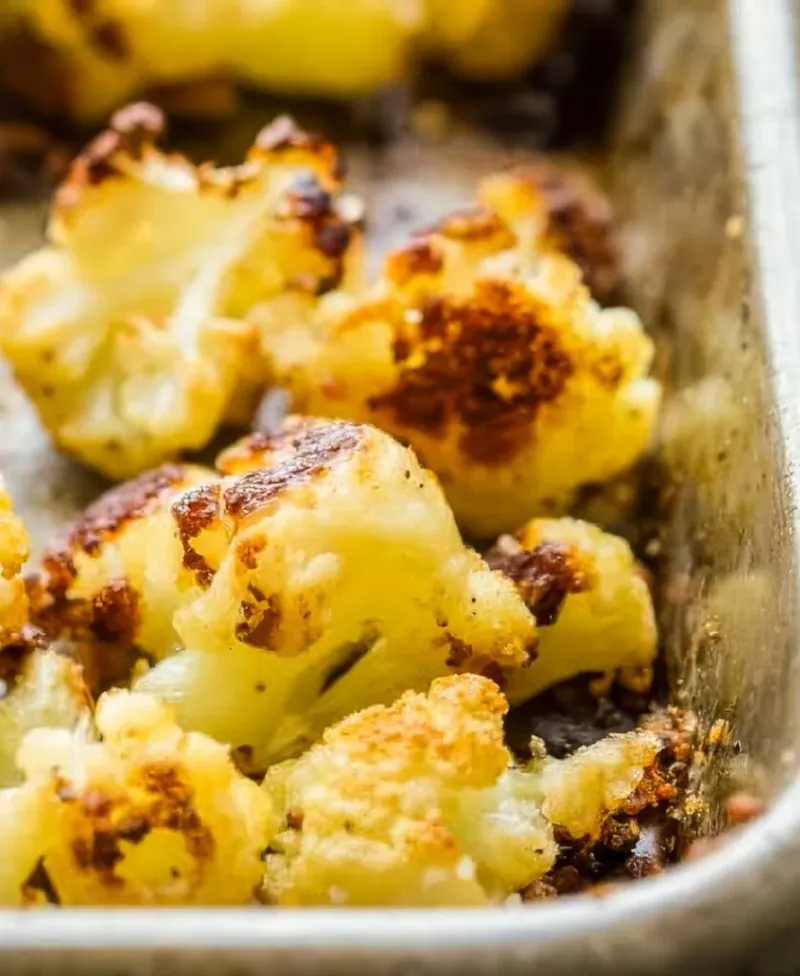
Cauliflower has become a superstar lately, showing up as rice, pizza crust, and even wings. Still, it can flop if you forget the timer.
Boiled too long, the florets crumble and give off a cabbage-like stink similar to broccoli. Nobody wants that at dinner.
Try roasting at 425 degrees for about twenty-five minutes. The tops get toasty and sweet, while the stems stay pleasantly firm instead of falling apart.
9. Snow Peas Need Just a Flash
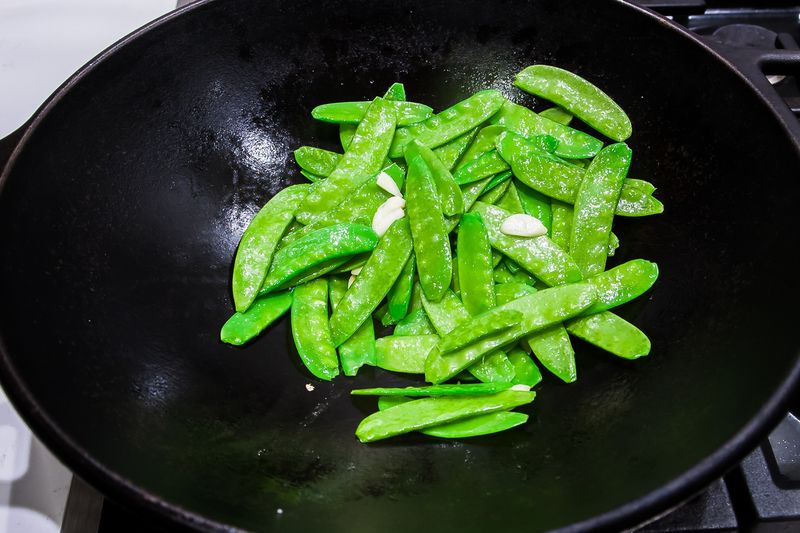
Ever wonder why stir-fry veggies at a good restaurant taste so fresh? Speed is the secret, and snow peas prove it.
These flat pods need only a minute or two in a hot wok. After that, they lose their crunch and turn floppy.
Add them near the very end of cooking. They should stay shiny and bright green, giving every bite a crisp, juicy snap that balances softer ingredients.
10. Cabbage Gets Smelly and Soggy

Walk into a house where cabbage has been boiling for an hour, and your nose will know immediately. That strong odor comes from sulfur building up over time.
Long cooking also turns the leaves limp and slippery. A quick sauté of about seven minutes keeps them sweet and slightly crunchy.
Shredded cabbage cooks fastest. Add a pinch of salt and a squeeze of lemon to brighten the flavor even more.
11. Kale Turns Tough Then Slimy
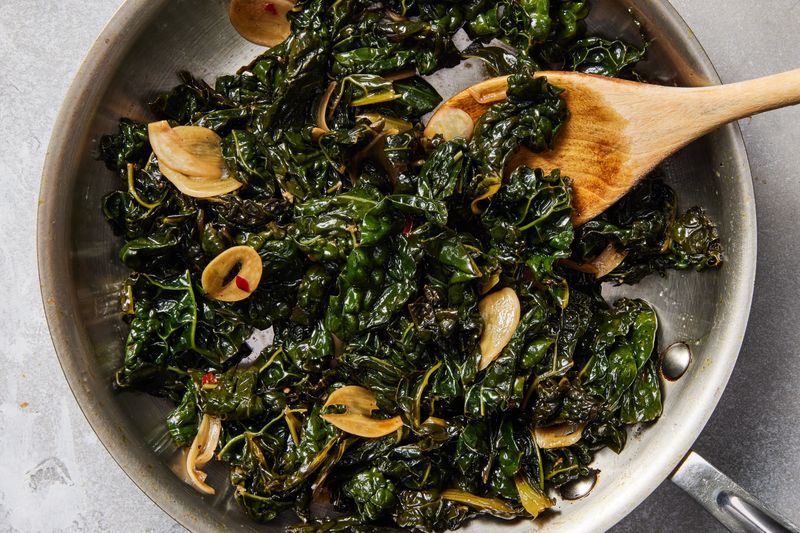
Kale is a bit of a puzzle. Undercooked, it’s chewy, but overcooked, it becomes dark, soggy, and bitter.
The sweet spot is about three to five minutes of sautéing with a little oil and garlic. Massaging raw kale with lemon juice works great for salads, too.
Want a fun snack? Bake kale chips at low heat for fifteen minutes.
Just watch closely, because they burn in a blink.
12. Mushrooms Go Rubbery
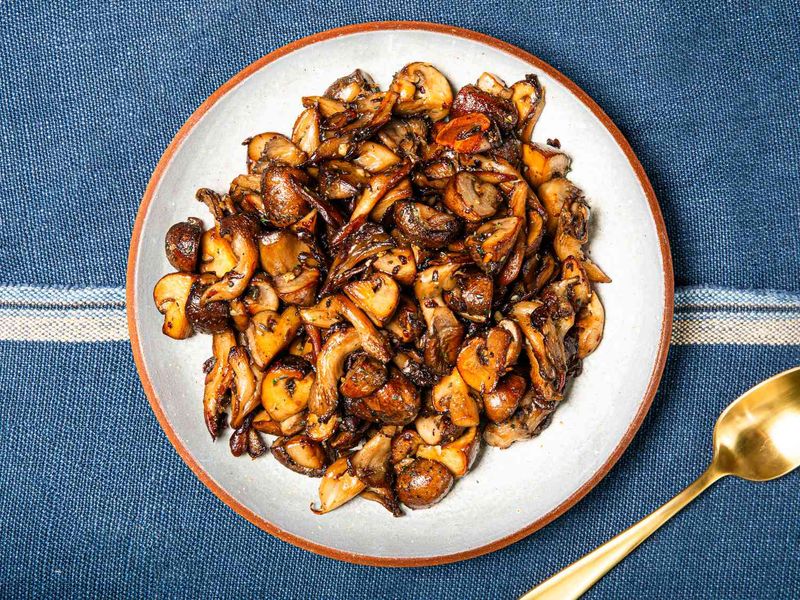
Mushrooms act like little sponges. They soak up oil, then release a flood of water as they cook.
Once that water cooks off, they brown beautifully. Leave them too long after that point, and they shrink into chewy, rubbery bits.
Cook them in a single layer over medium-high heat, and don’t stir too often. When they’re golden and smell earthy, scoop them out and enjoy that rich, meaty flavor.
13. Bell Peppers Lose Their Crunch
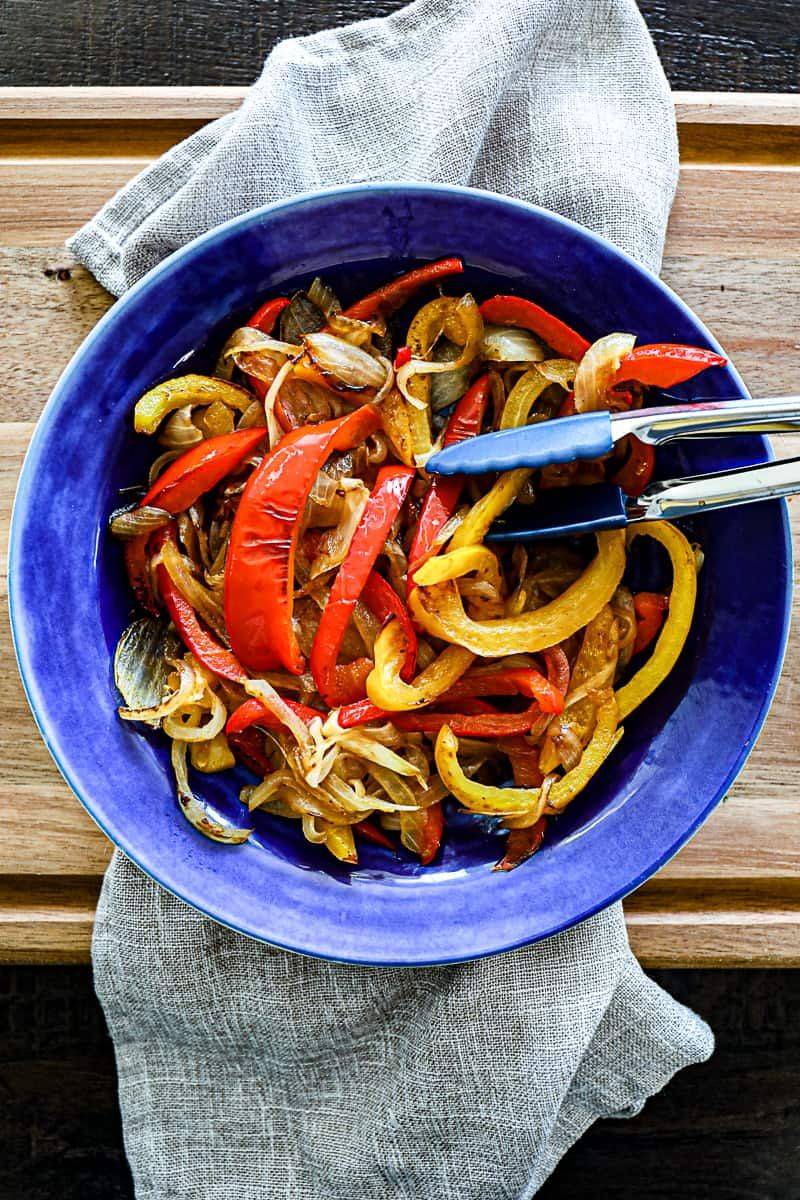
Red, yellow, orange, and green, bell peppers bring a rainbow to your plate. Sadly, overcooking dulls those cheerful colors fast.
Long cooking makes the skins peel and the flesh turn floppy. Peppers in fajitas or stir-fries taste best after about five minutes over high heat.
Bonus fact: a red bell pepper is just a green one that stayed on the plant longer. It’s sweeter and packed with extra vitamin C.
14. Corn on the Cob Loses Its Juice
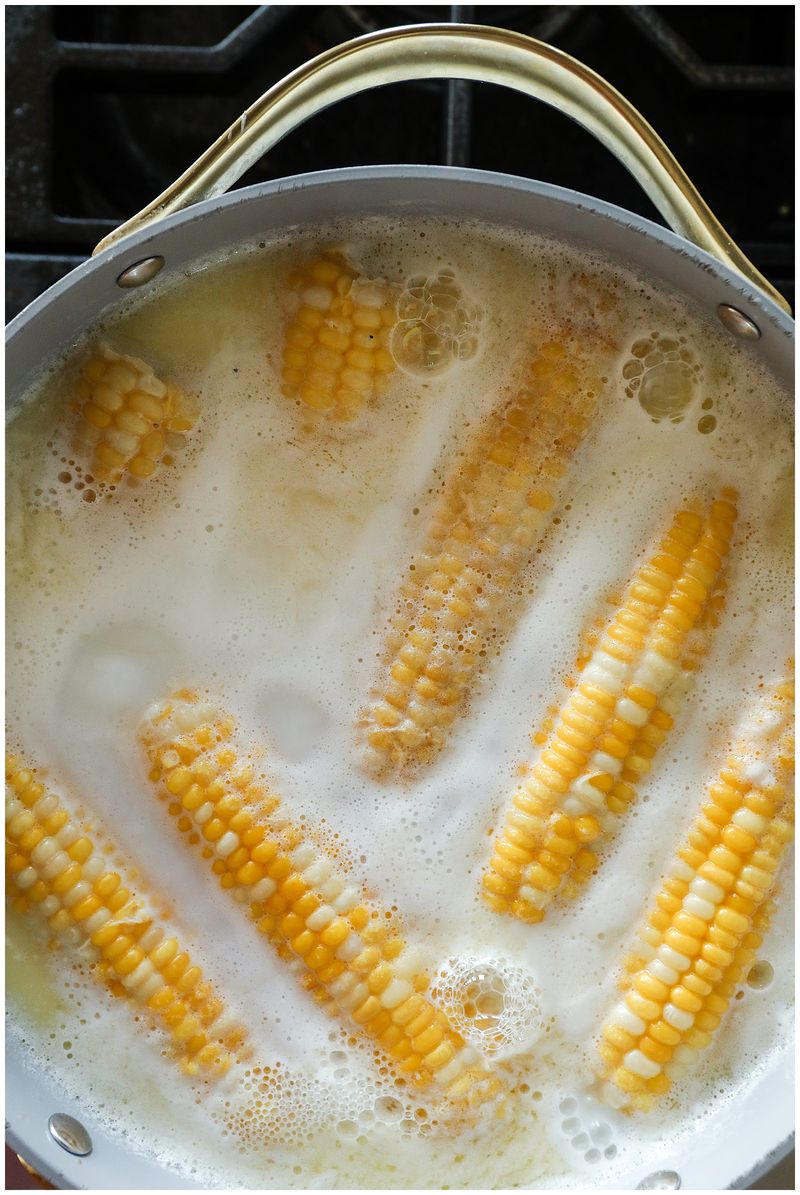
Summer just isn’t complete without buttery corn on the cob. Many people boil it way too long, though, thinking softer is better.
Fresh sweet corn needs only four to six minutes in boiling water. Any longer, and the kernels turn tough, starchy, and less sweet.
The fresher the corn, the less time it needs. If you can, cook it the same day you buy it for the juiciest bite.
15. Carrots Become Baby Food

Unless you’re feeding a baby, mushy carrots aren’t much fun. Boiled for too long, they lose their sweetness to the water and fall apart.
Steam sliced carrots for six to eight minutes, or roast them until the edges caramelize. A fork should slide in with just a little push.
Drizzle a touch of honey on top for a glossy finish. Even picky eaters often ask for seconds once they try them this way.