
Kids get thirsty fast, and it is easy to grab whatever drink is in the fridge. But many common drinks hide lots of sugar, caffeine, or other things growing bodies do not need every day.
Knowing what is in your child’s cup can protect their teeth, sleep, and energy. Here is a friendly look at drinks that are fine once in a while but tricky as daily habits.
1. Regular Soda
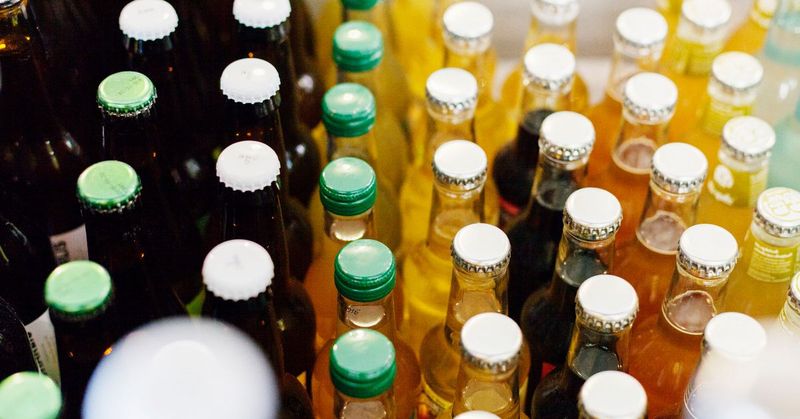
One 12-ounce can of cola holds about ten teaspoons of sugar. Picture spooning all of that into your child’s mouth, and suddenly the fizz looks less fun.
Soda adds empty calories, feeds the germs that cause cavities, and often contains caffeine. Drinking it daily is linked to weight gain and poor sleep.
Save soda for birthday parties or special outings. At home, try sparkling water with a splash of juice for that same bubbly feeling.
2. Fruit Juice Boxes
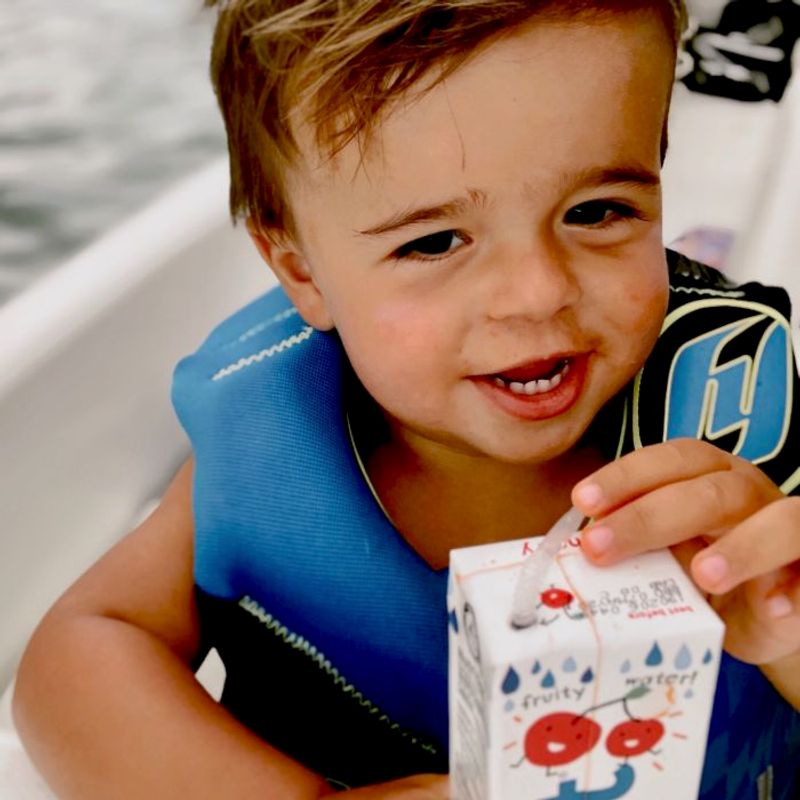
Juice boxes feel healthy because of the fruit pictures on the label. Sadly, most of the fiber that makes real fruit good for you gets stripped away during processing.
What remains is mostly natural sugar, which still hurts teeth and spikes energy. Doctors suggest kids ages 4 to 6 have no more than 4 to 6 ounces of juice a day.
Packing a whole orange or apple slices instead gives the same sweetness with far more nutrition.
3. Sports Drinks
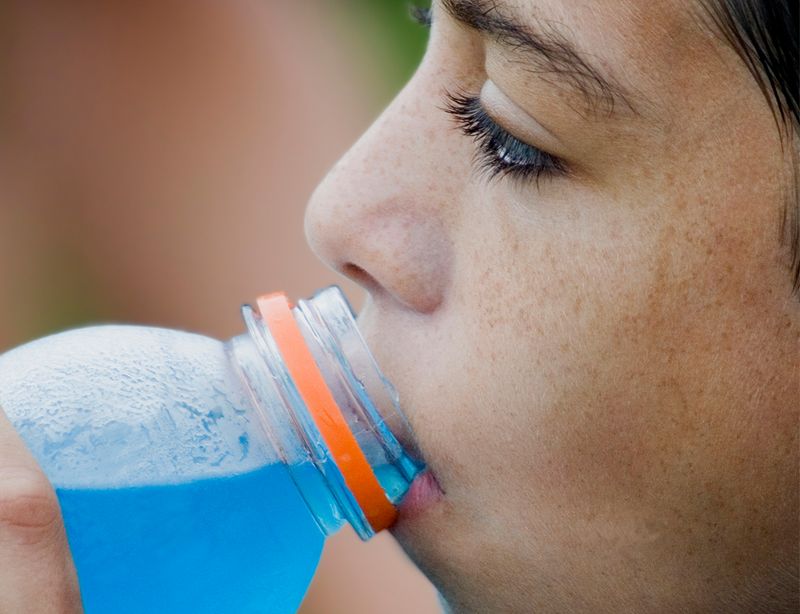
Here is a surprising fact: sports drinks were invented in 1965 for college football players sweating hard in Florida heat. They were never meant for kids on a short playground run.
These bottles carry sugar, salt, and artificial dyes. Unless your child exercises intensely for over an hour, plain water does the job perfectly.
Fill a fun reusable bottle with cold water before practice. Kids often drink more when the bottle is theirs to decorate.
4. Energy Drinks
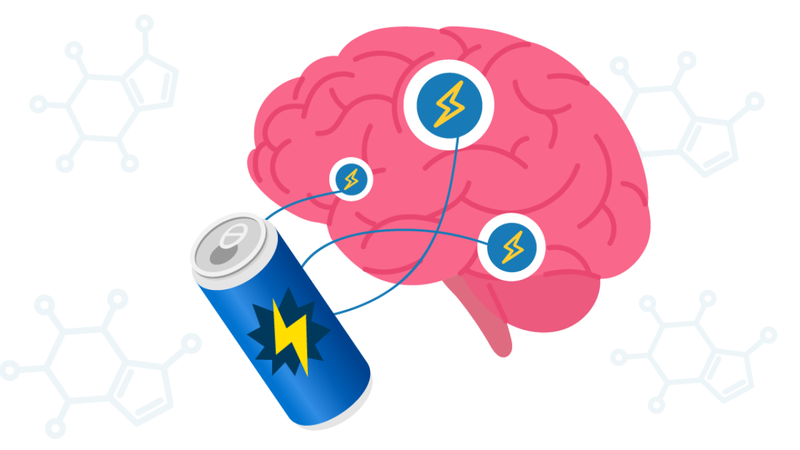
Pediatricians agree on very few things as strongly as this: energy drinks and children do not mix. Some cans pack as much caffeine as three cups of coffee.
Too much caffeine can cause a racing heart, shaky hands, headaches, and trouble sleeping. Extra ingredients like guarana add even more stimulation.
Talk openly with older kids and teens about why these cans are risky. Friends may share them, so honest conversations matter more than strict rules.
5. Chocolate Milk

Ah, the classic chocolate milk mustache. It is adorable, and yes, chocolate milk still delivers calcium and protein for strong bones.
The catch is added sugar. A single cup can have nearly twice the sugar of plain milk, which adds up quickly if it becomes an everyday treat.
Try mixing half chocolate and half plain milk, then slowly shift the ratio. Many kids barely notice the change after a few weeks.
6. Sweet Iced Tea

Southern summers practically run on sweet tea, and kids love its cool, sugary taste. Still, that pitcher hides two sneaky problems.
First, black tea contains caffeine, which can make little ones jittery or restless at bedtime. Second, bottled versions often carry as much sugar as soda.
For a family-friendly swap, brew caffeine-free herbal tea like hibiscus or peppermint. Chill it, add lemon, and sweeten lightly with a tiny bit of honey for kids over one.
7. Flavored Coffee Drinks
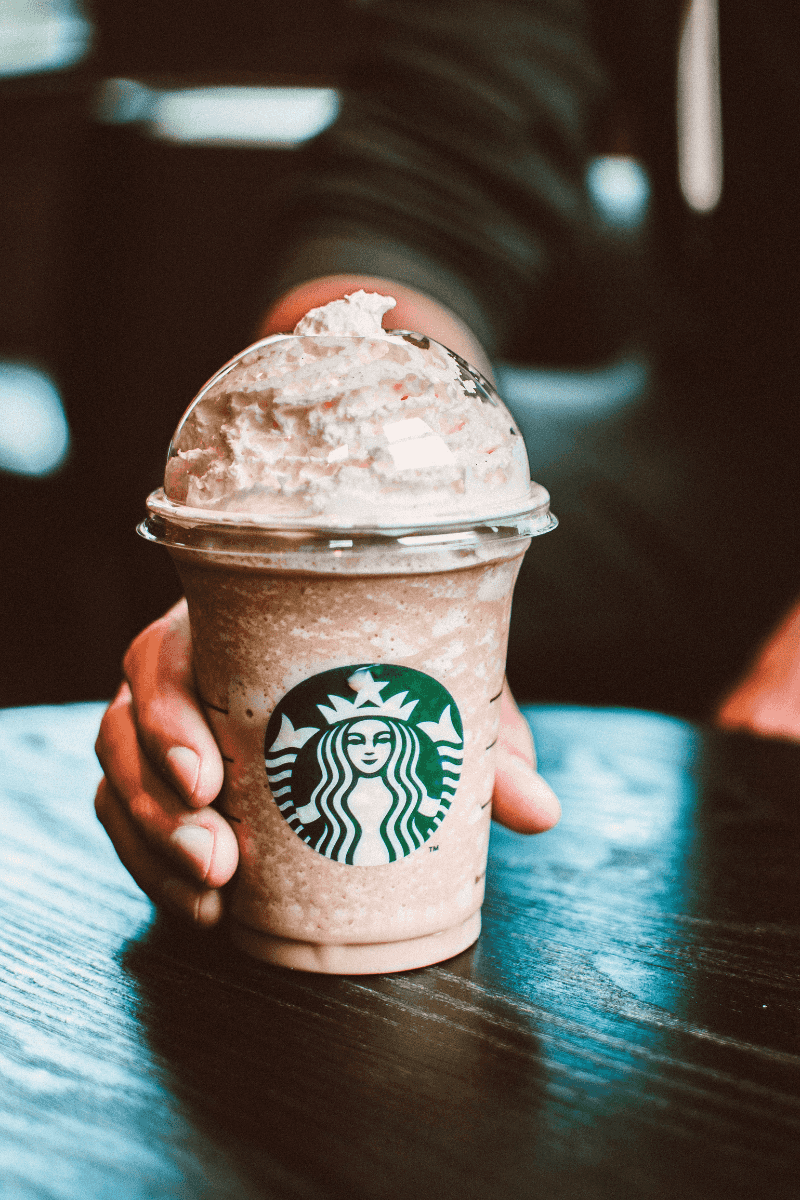
Walk into any coffee shop and you will spot tweens sipping whipped cream drinks topped with caramel. They look like milkshakes, but most contain real coffee.
Some large frozen coffee drinks have over 60 grams of sugar plus a hefty caffeine kick. That combination can lead to energy crashes and moody afternoons.
Ask baristas for caffeine-free options like steamed milk with a little vanilla. Kids still feel grown-up holding a fancy cup.
8. Fruit-Flavored Drinks
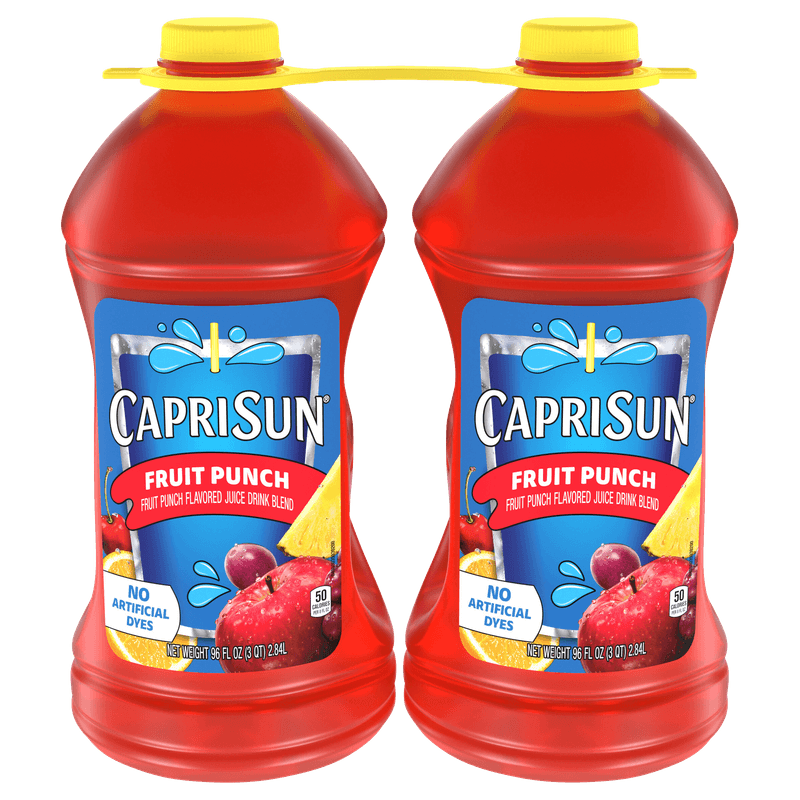
Read the label closely. Many fruit punches and drink pouches contain only 10 percent juice, or sometimes none at all.
The rest is water, sugar or corn syrup, and bright food dyes. Some research suggests certain dyes may affect focus in sensitive children.
Look for the words 100 percent juice, or better yet, make fruit-infused water. Toss berries and cucumber slices into a pitcher overnight, and let your kids help pick the mix.
9. Flavored Vitamin Waters
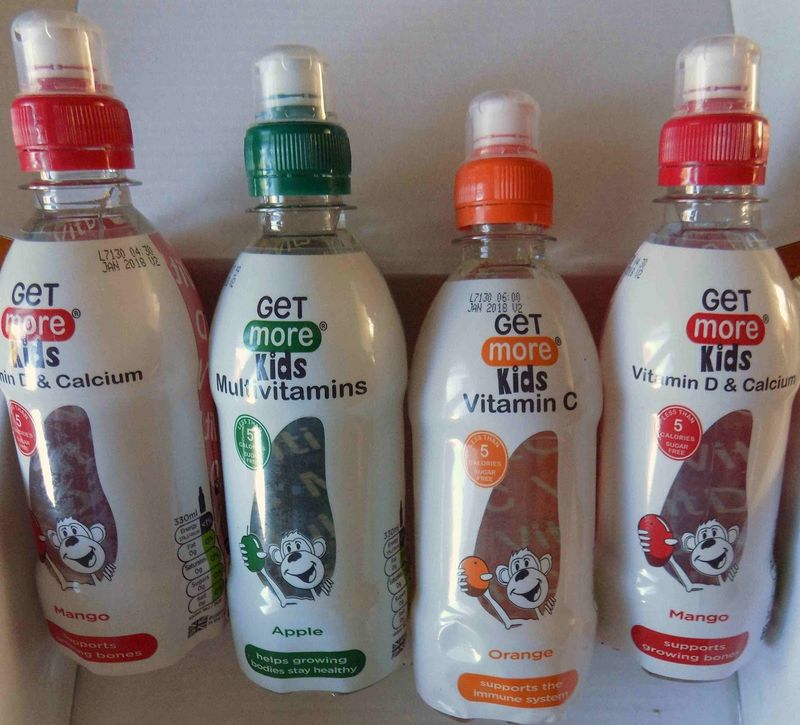
With names that sound healthy, vitamin waters seem like a smart pick. Marketing teams did a great job, but the nutrition story is less impressive.
Many bottles carry around 30 grams of sugar. Most kids already get enough vitamins from regular meals, so the extras usually are not needed.
If your child wants flavor, a squeeze of lime or orange in regular water works wonders. Cheaper, simpler, and kinder to teeth too.
10. Milkshakes and Smoothie Shop Treats
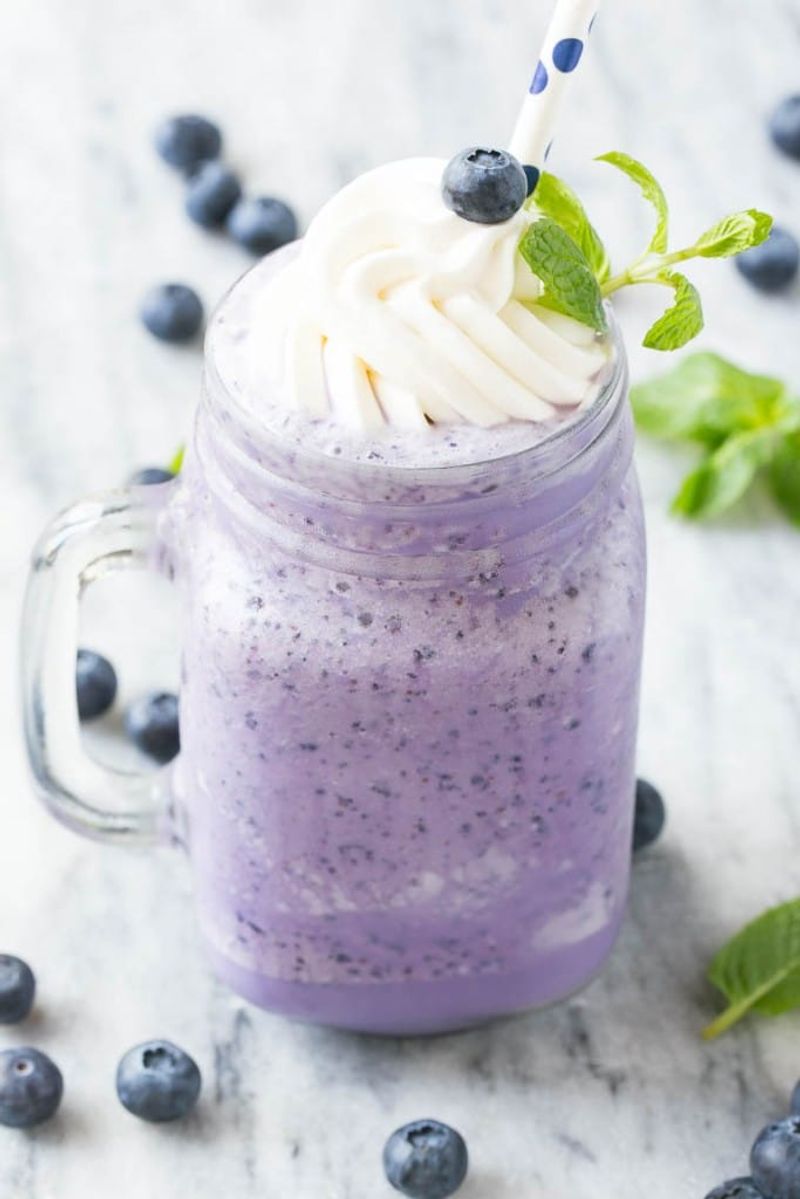
Fun fact: the word milkshake first appeared in the 1880s and described a boozy eggnog drink. Thankfully, today’s versions are kid-safe, but they are far from light.
Restaurant shakes and even some smoothie shop blends can top 500 calories, with sugar from syrups and ice cream.
Homemade smoothies are a great fix. Blend frozen banana, plain yogurt, and spinach for a creamy drink kids actually request.
11. Diet Soda
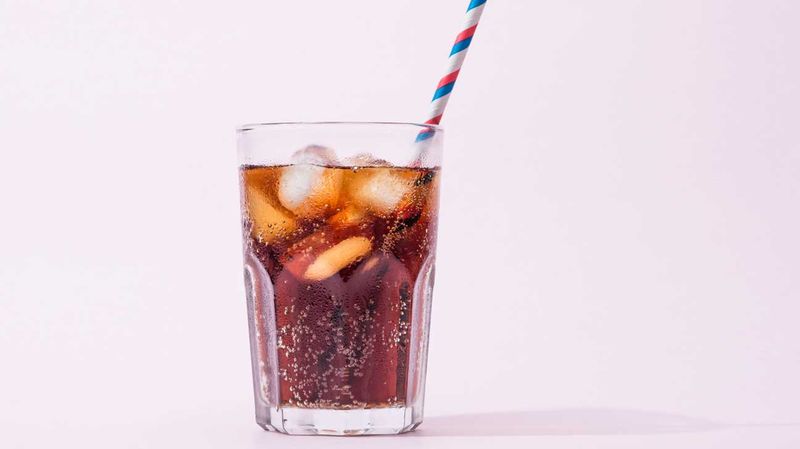
Switching to diet soda sounds like a clever shortcut. Zero sugar, zero calories, what could go wrong?
Artificial sweeteners may keep kids craving very sweet tastes, making plain water and veggies seem boring. Many diet sodas also include caffeine and acids that wear down tooth enamel.
Experts have not found clear benefits for children. Treat diet soda like regular soda, an occasional drink rather than a daily habit.
12. Raw Unpasteurized Milk
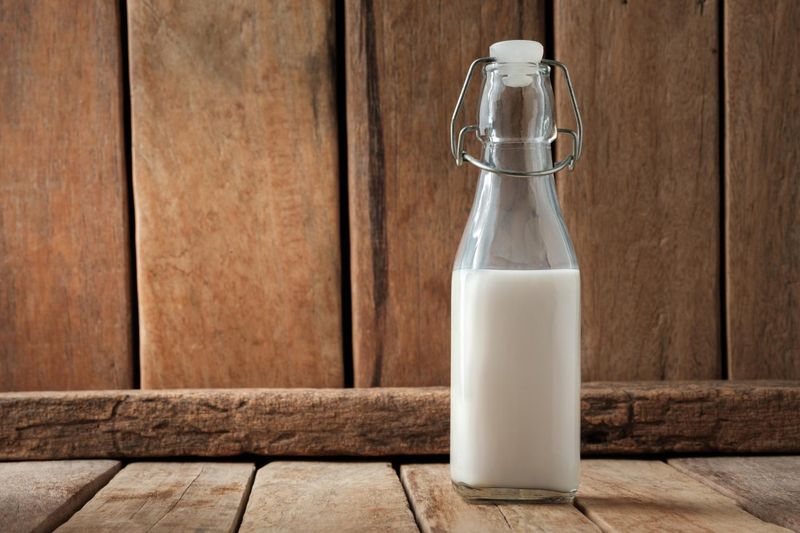
Farm-fresh raw milk has become trendy, and some families love its creamy taste. Pediatric experts, however, strongly urge caution.
Without pasteurization, milk can carry harmful germs like E. coli, Salmonella, and Listeria. Young children have weaker immune systems, so they get much sicker from these bacteria.
Pasteurization, named after French scientist Louis Pasteur, simply heats milk to kill germs. It keeps nutrition mostly intact, making it the safer choice for kids.
13. Kombucha
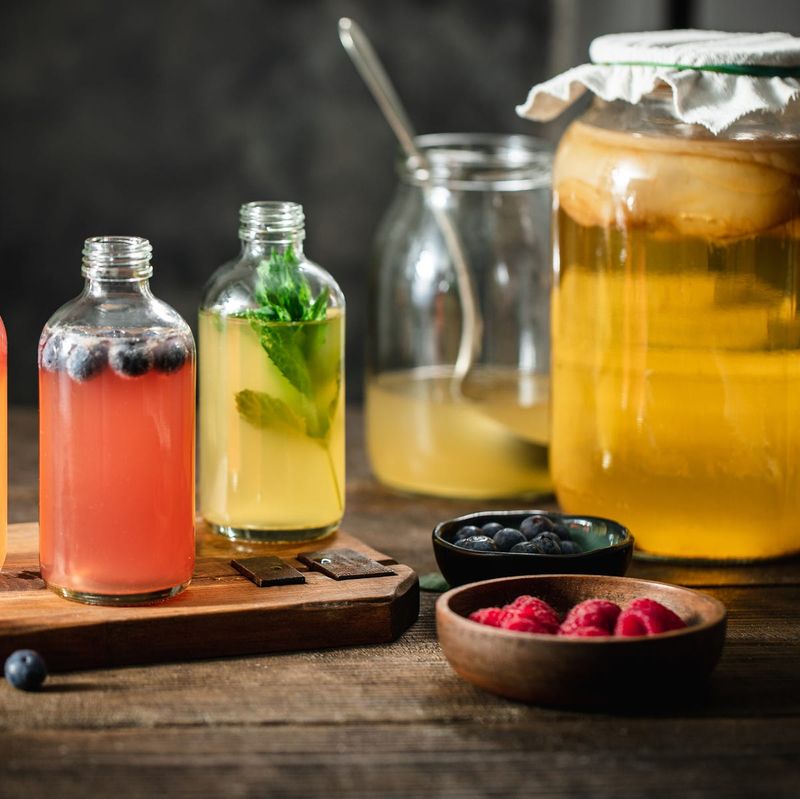
Tangy, bubbly, and full of probiotics, kombucha is a favorite among health-minded grown-ups. Kids sometimes want a sip too.
Because it is fermented, kombucha can contain small amounts of alcohol, especially homemade batches. Many brands also have caffeine from tea and added sugar.
For gut-friendly benefits, plain yogurt or kefir is a gentler choice. If your older child tries kombucha, keep servings small and choose store-bought, low-sugar versions.
14. Sweetened Plant Milks
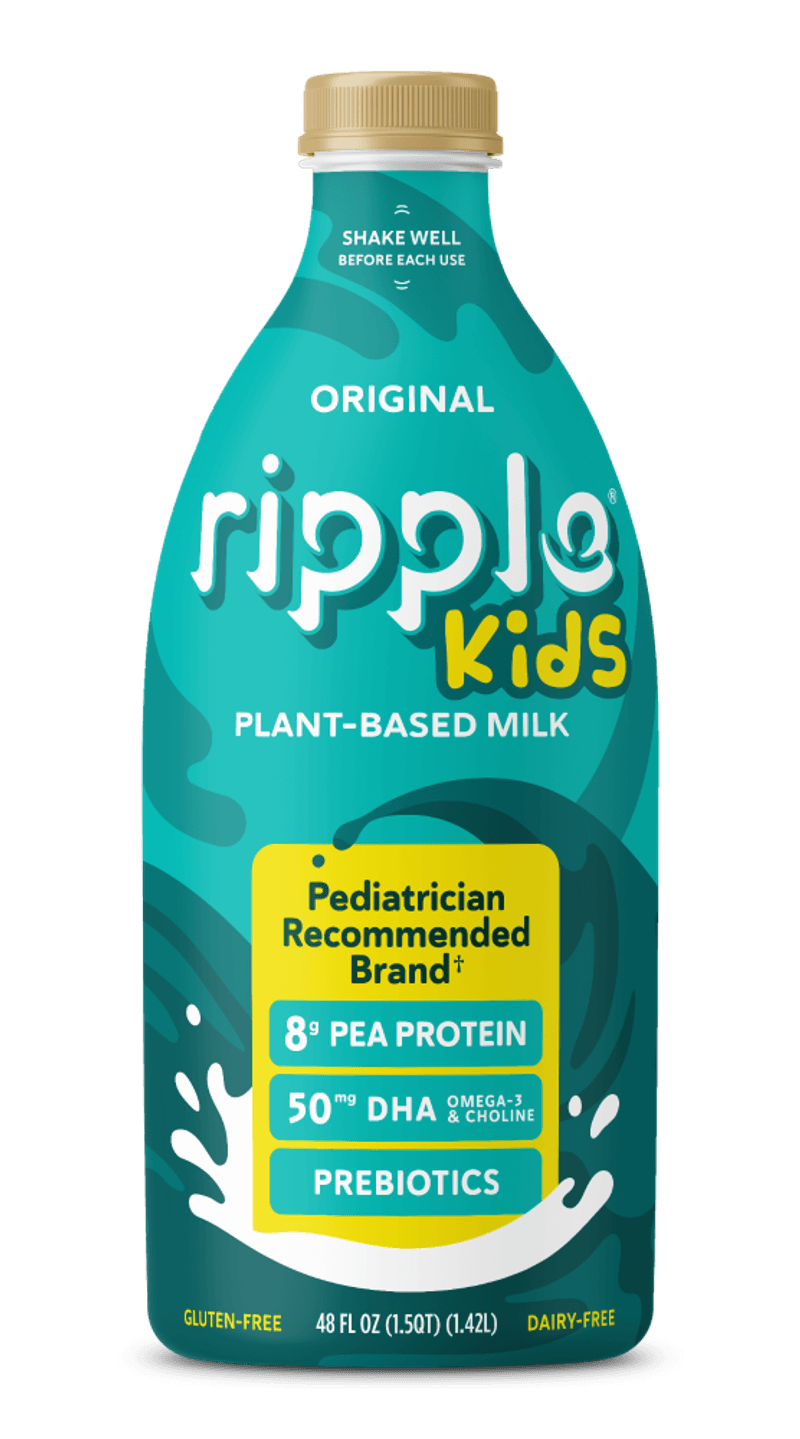
Oat, almond, and rice milks fill grocery shelves now, and many families use them daily. That can be fine, with a few smart checks.
Flavored versions often include added sugar, and some plant milks have very little protein or calcium compared to dairy. Rice milk may also contain traces of arsenic.
Choose unsweetened, fortified options, and ask your pediatrician which kind fits your child best. Soy milk usually comes closest nutritionally.
15. Hot Cocoa Mixes
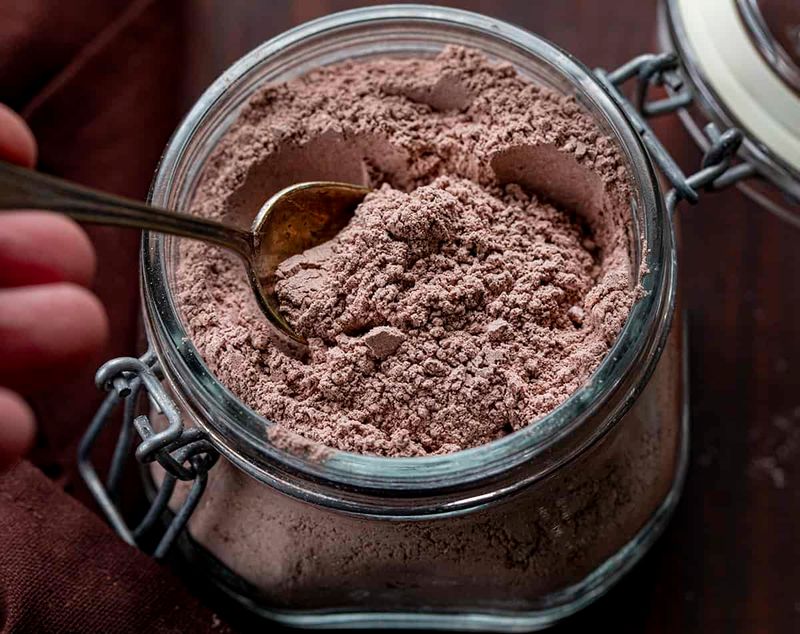
Snow days and hot cocoa go together like mittens and cold noses. Warm mugs make memories, and that is worth something.
Instant cocoa packets, though, are mostly sugar, with some adding hydrogenated oils and a little caffeine from cocoa. Piling on marshmallows doubles the sweetness.
Make your own by warming milk with unsweetened cocoa powder and a small spoonful of maple syrup. It tastes richer, and you control the sugar.