
Fame can give a strange idea a very big audience. Some stars have shared conspiracy theories, while others have raised doubts or passed along rumors they later walked back.
Their words matter because fans may mistake a familiar face for a trusted expert. The examples below look at public statements, not private beliefs, and explain where the evidence tells a different story.
1. Jenny McCarthy: A Personal Story Meets Vaccine Myths
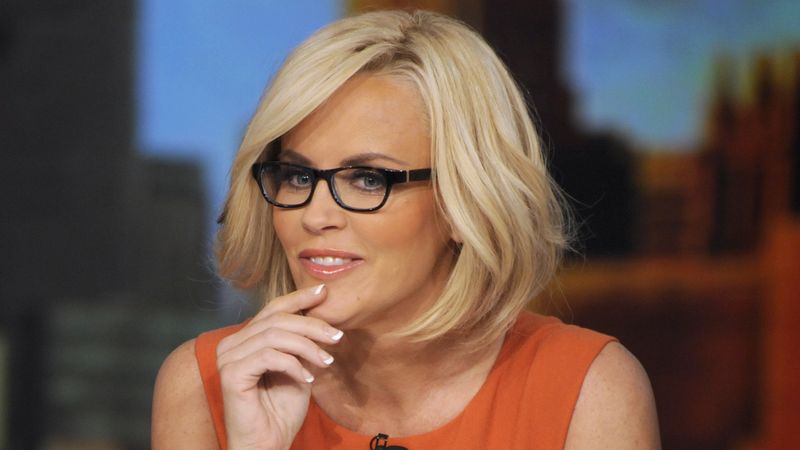
A mother’s search for answers helped turn a television personality into a major voice in vaccine debates. McCarthy has linked her son’s autism to vaccines and promoted that claim through interviews and advocacy.
Large studies have found no connection between vaccines and autism. Her story shows why personal experiences can feel convincing without proving cause and effect.
For advice about childhood shots, speak with a qualified health professional rather than relying on celebrity accounts alone.
2. Kyrie Irving: The Flat Earth Remark That Traveled
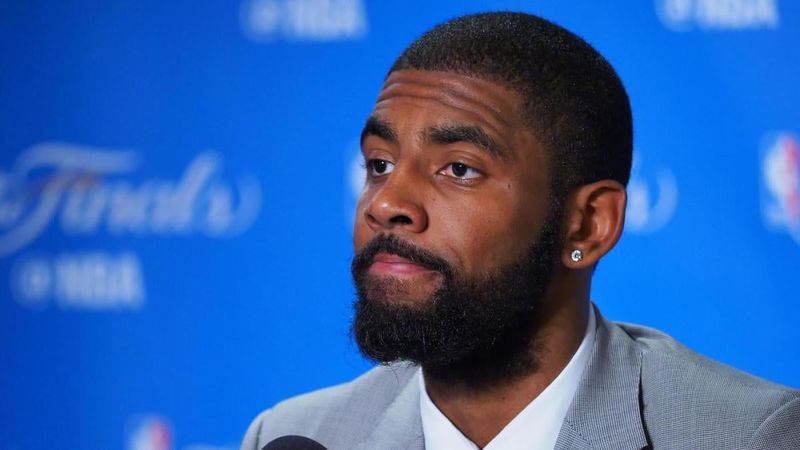
One podcast comment followed this basketball star far beyond the court. In 2017, Irving said he believed Earth was flat, setting off widespread debate among fans, teachers, and reporters.
He later apologized to science teachers and described his comments as an effort to encourage independent thinking. Earth’s round shape is supported by navigation, astronomy, and satellite observations.
The useful lesson is simple: asking questions works best when answers are tested against strong evidence, not popularity.
3. B.o.B: Taking Flat Earth Claims Into Orbit
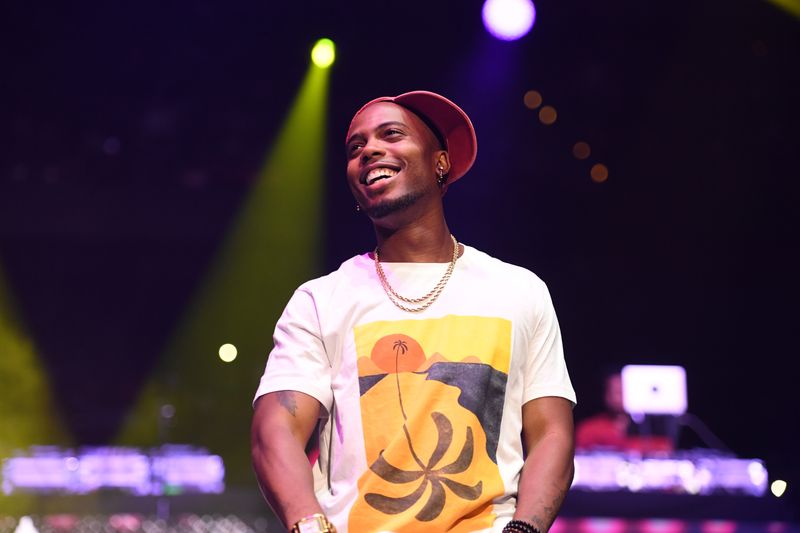
For this rapper, an online argument grew into a proposed space project. B.o.B publicly defended flat Earth claims and launched a crowdfunding effort intended to help investigate Earth’s shape using satellites.
His exchanges with science communicator Neil deGrasse Tyson brought the debate to a wider audience. Yet photographs, flight routes, and measurements already support a roughly spherical planet.
Before donating to a dramatic claim, check whether reliable evidence has already answered the question being raised.
4. Roseanne Barr: Posts Echoing QAnon Claims
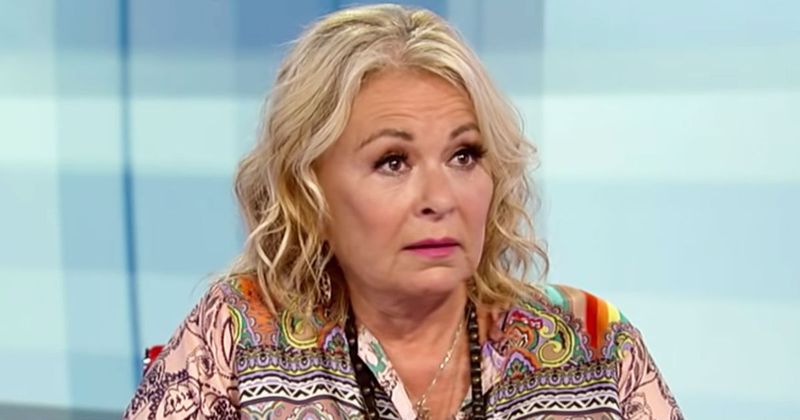
Social media gave the outspoken sitcom star another stage, including for claims associated with QAnon. Barr posted praise suggesting Donald Trump was secretly breaking up powerful child abuse rings and also asked about QAnon online.
Those statements echoed a movement built around unsupported stories of hidden plots. They do not establish every belief she holds today.
When reading celebrity posts, separate documented criminal investigations from sweeping claims that offer dramatic accusations but no verifiable evidence.
5. Robert De Niro: Vaccine Doubts in the Spotlight
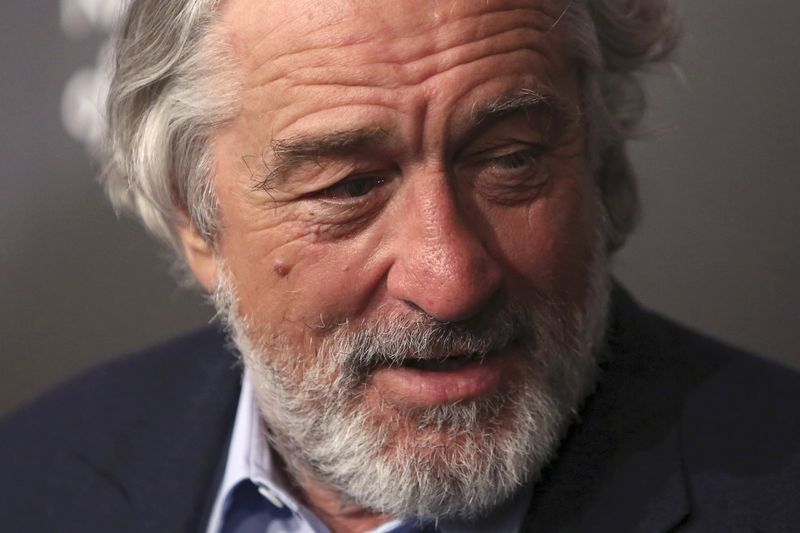
A respected film career does not make someone a medical expert. De Niro drew attention for defending discussion of the anti-vaccine film Vaxxed, which was removed from the 2016 Tribeca Film Festival lineup.
He also appeared with Robert F. Kennedy Jr. at a 2017 event questioning vaccine safety.
These actions amplified discredited vaccine claims, though he has said he is not against vaccination. Research does not support a vaccine-autism link; discuss concerns with your doctor.
6. Charlie Sheen: Challenging the September 11 Account
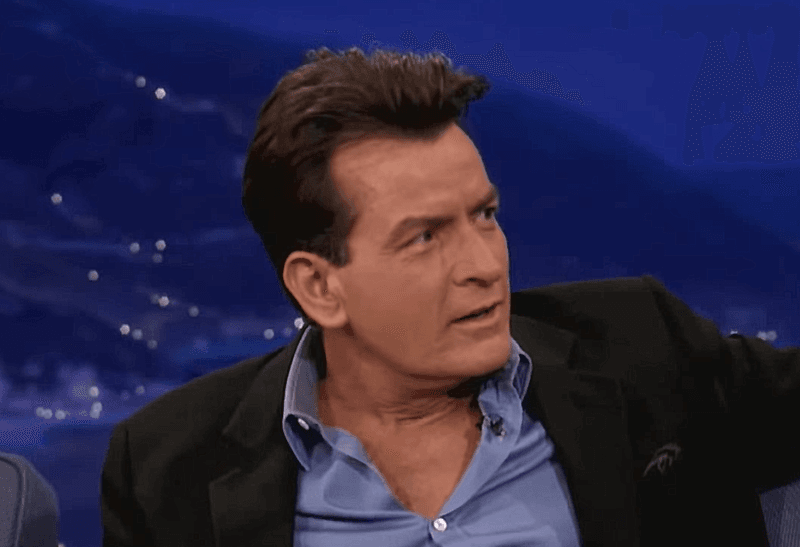
Known for headline-making interviews, Sheen also became a public supporter of claims challenging the official account of September 11. He questioned how the attacks happened and raised doubts about the collapse of World Trade Center Building 7.
Federal investigators concluded that fires caused that building’s collapse, not controlled demolition. Readers can compare claims with the National Institute of Standards and Technology’s findings.
A suspicious-looking video clip cannot replace a full investigation into a complex disaster.
7. Rosie O’Donnell: A Television Debate Over Building 7
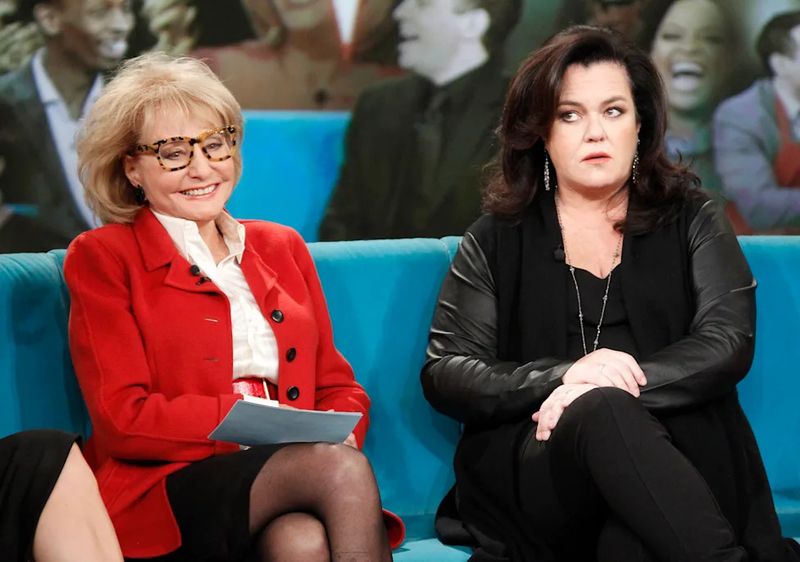
Daytime television became an unlikely setting for an argument about structural engineering. During discussions on The View, O’Donnell suggested that World Trade Center Building 7 had been brought down deliberately rather than by fire.
Her comments helped bring a familiar September 11 conspiracy claim to mainstream viewers. Investigators found that uncontrolled fires triggered structural failures leading to the collapse.
When a speaker says something defies physics, look for explanations from engineers who studied the evidence.
8. Marion Cotillard: An Old Interview Resurfaces
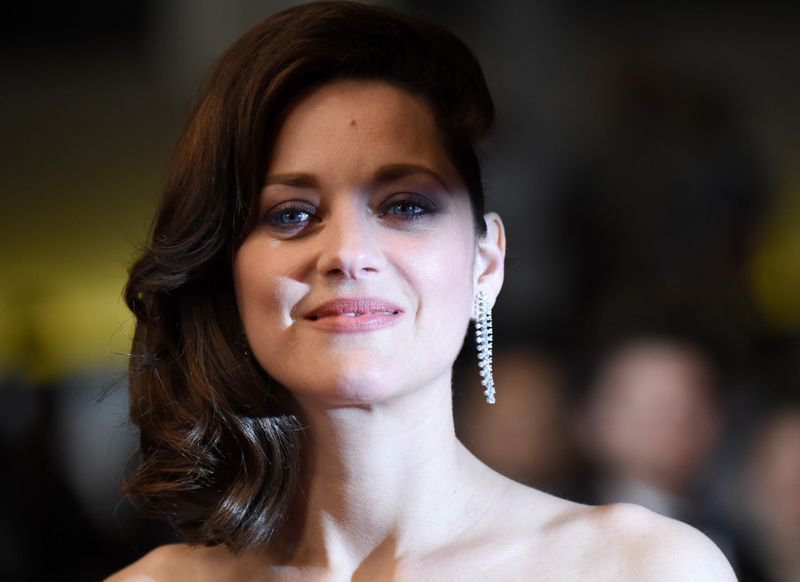
An interview recorded before her Oscar win later drew uncomfortable attention. In 2007, Cotillard questioned aspects of the September 11 attacks and expressed doubts about the Apollo Moon landings.
Her representative later said the remarks had been taken out of context, so they should not be treated as proof of her current beliefs. Independent evidence supports the Moon landings, including lunar samples and tracking records.
Older celebrity clips deserve context, especially when dramatic excerpts circulate online.
9. Tila Tequila: Questioning Earth, Gravity, and Satellites
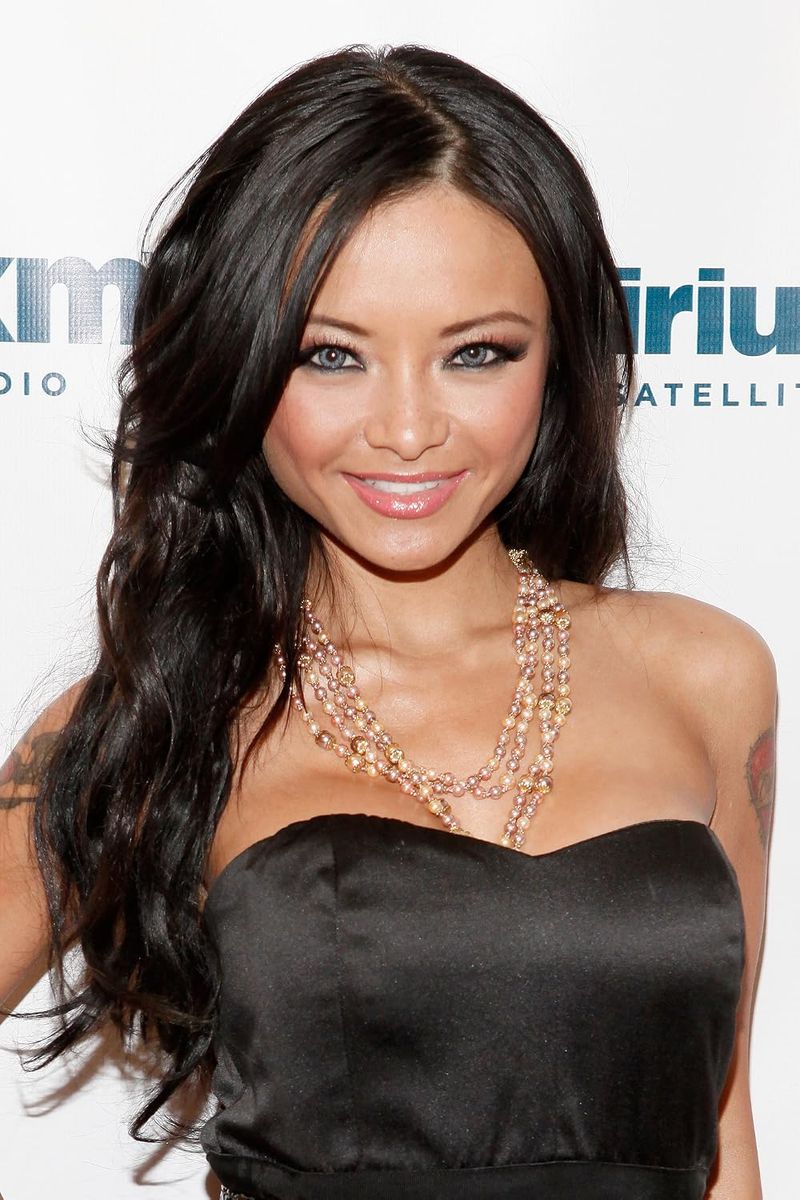
A burst of social media posts turned basic science into celebrity controversy. In 2016, Tequila claimed Earth was flat and also challenged the reality of gravity and satellites.
Those assertions conflict with observations people use daily, from falling objects to satellite navigation. Her posts illustrate how several unsupported ideas can travel together, making each seem to support the others.
Instead, examine every claim separately and ask what repeatable observation would show whether it is correct.
10. Eddie Bravo: QAnon Talk on a Popular Podcast
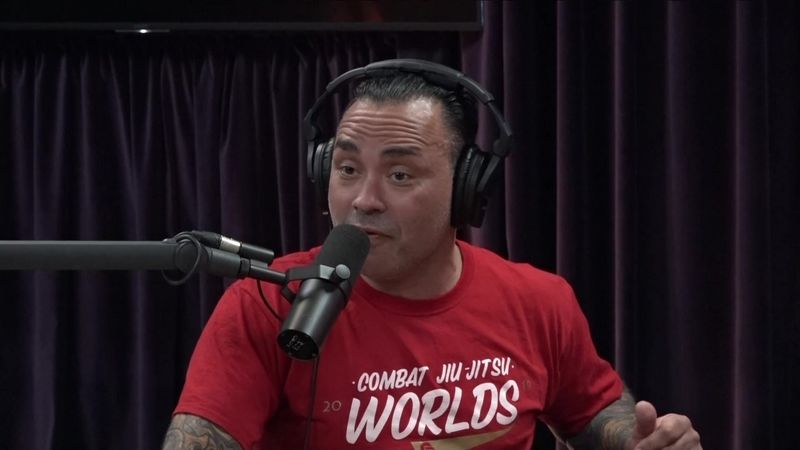
Long podcast conversations gave this martial arts instructor room to share more than training tips. On The Joe Rogan Experience, Bravo voiced support for QAnon and described it as an intelligence operation connected to Trump.
QAnon’s central stories about a hidden battle against a powerful criminal network lack credible evidence. Confident delivery can make such claims sound persuasive, especially in relaxed conversations.
Check original records and independent reporting before treating a podcast guest as an authority.
11. Jim Caviezel: A Disturbing Claim About Children
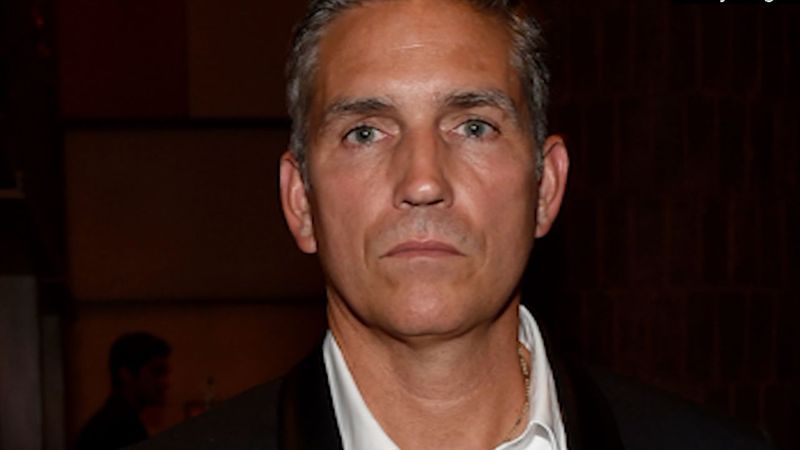
Concern for children’s safety can make shocking stories especially powerful. Caviezel has promoted the false claim that powerful people harvest a substance called adrenochrome from abused children, an idea closely linked to QAnon.
No credible evidence supports that story. Real child trafficking is serious, but invented explanations can distract attention from survivors and proven prevention efforts.
Support organizations with transparent records, and avoid sharing frightening allegations simply because a familiar actor presents them with strong conviction.
12. Kylie Jenner: A Chemtrail Meme Gets Attention
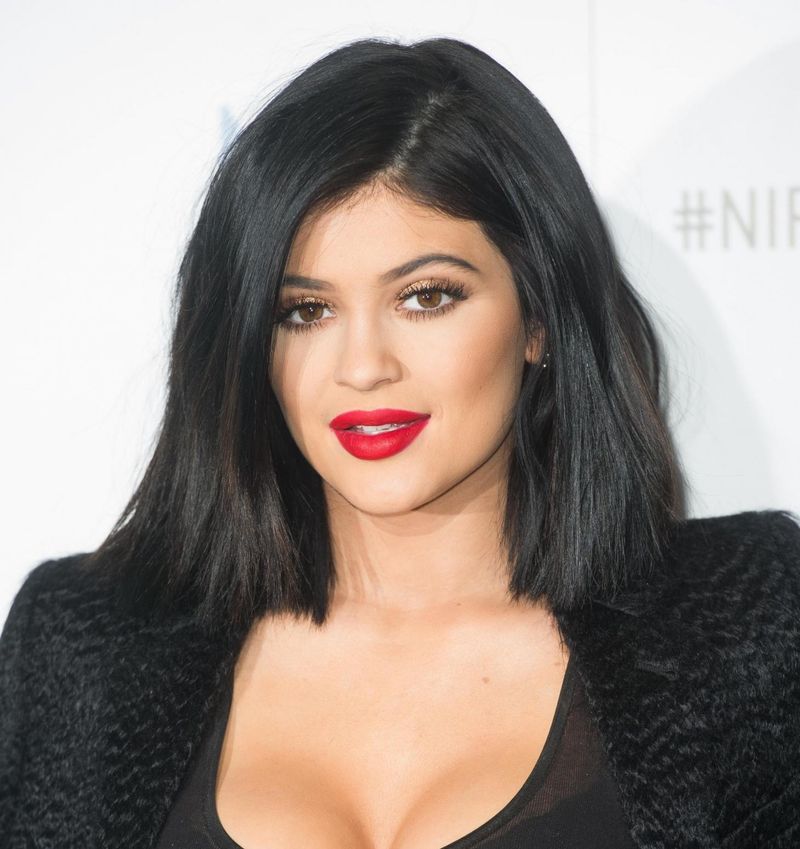
Even a shared meme can send a rumor to millions. In 2015, Jenner reposted an image questioning aircraft trails and suggesting that something harmful might be sprayed above the public.
The post echoed chemtrail claims, but sharing it does not establish her present views. Ordinary contrails form when water vapor from aircraft freezes in cold air.
Their appearance changes with weather conditions. Before reading hidden motives into a sky photo, check an explanation from atmospheric scientists.
13. Robbie Williams: Questions About a Debunked Plot
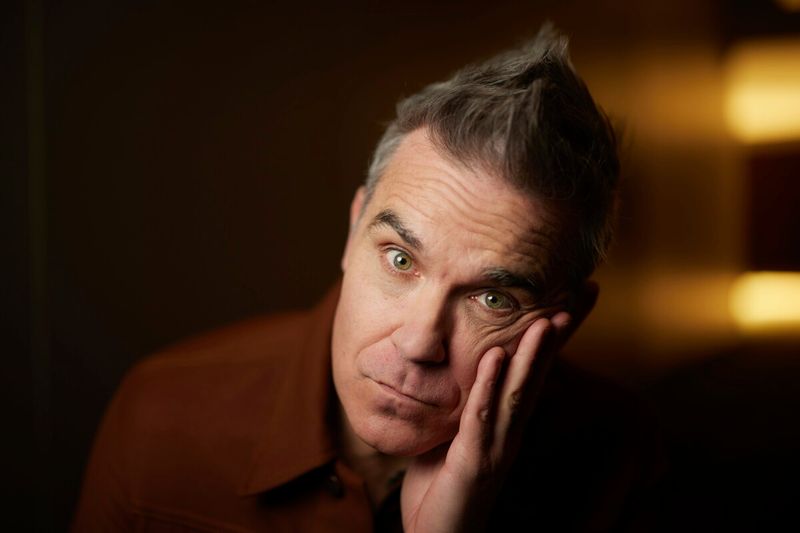
Curiosity about unusual stories has long been part of this singer’s public image. Williams has discussed Pizzagate and suggested that questions about the supposed scandal remained unanswered, giving attention to a thoroughly debunked conspiracy theory.
Pizzagate falsely tied a Washington pizza restaurant to a child abuse operation. The rumor led to real danger when an armed believer entered the business.
Unanswered questions are not evidence of guilt, and repeating accusations can harm ordinary people far away.
14. Wiz Khalifa: A Traveler’s Take on Flat Earth
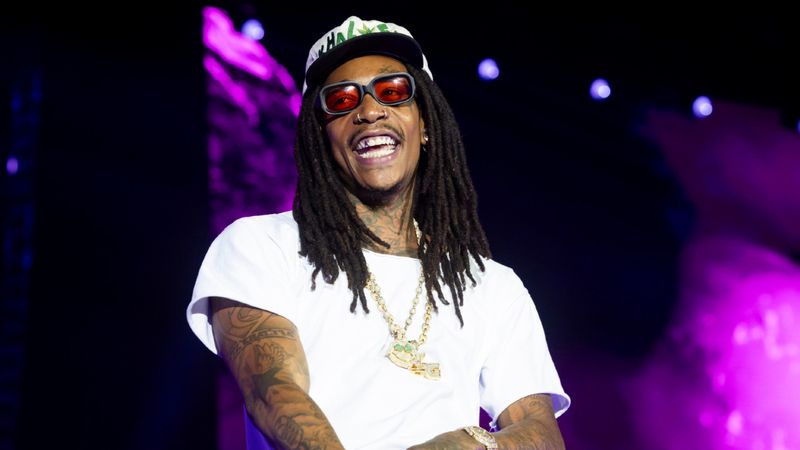
Looking out an airplane window can feel convincing, but perspective has limits. During an appearance on The Joe Budden Podcast, Khalifa said he believed people live on a flat plane and referenced an Antarctic ice wall.
Such claims clash with navigation, observations from space, and measurements of Earth’s curve. A large sphere can look flat across the small area one person sees.
Travel experiences are interesting, but they cannot outweigh evidence gathered across the whole planet.
15. Nicki Minaj: A Vaccine Anecdote Goes Viral
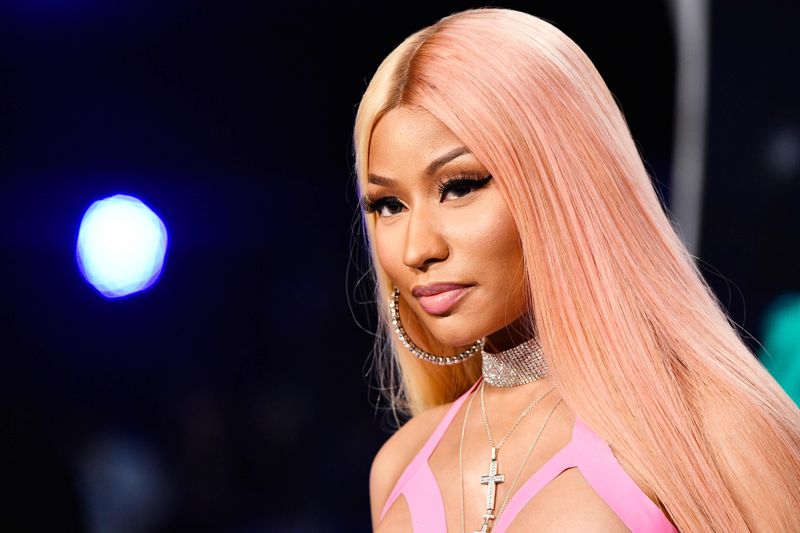
A secondhand family story became international news in 2021. Minaj shared a claim that a cousin’s friend developed swollen testicles and impotence after a COVID vaccination, while saying she wanted to do more research.
Health officials said they found no evidence supporting the reported link. This was an unverified medical anecdote, not proof that she endorsed a wider conspiracy.
When symptoms follow treatment, timing alone does not show the cause; medical assessment is the next step.
16. Terrence Howard: Rewriting the Rules of Multiplication
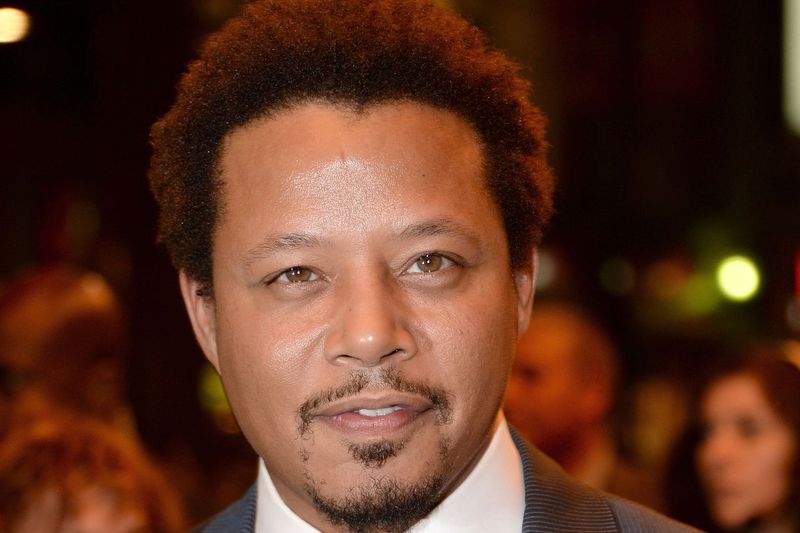
Most celebrity controversies do not begin with a multiplication table. Howard has promoted a personal system often called Terryology, including his claim that one multiplied by one should equal two.
That conflicts with the established definition of multiplication, under which one times one equals one. His ideas fit better under unsupported mathematical claims than a clear conspiracy theory.
Creative thinking can spark discovery, but new systems still need consistent rules, sound reasoning, and tests others can repeat.