
Canada has places that make you stop, look around, and forget about your phone for a moment. Roaring waterfalls, mountain lakes, and historic streets each tell a different part of its story.
Visiting these landmarks is a fun way to discover the country’s nature, history, and local life. From the Atlantic coast to Vancouver Island, here are sights worth building a trip around.
1. Niagara Falls, Ontario: Feel the Roar
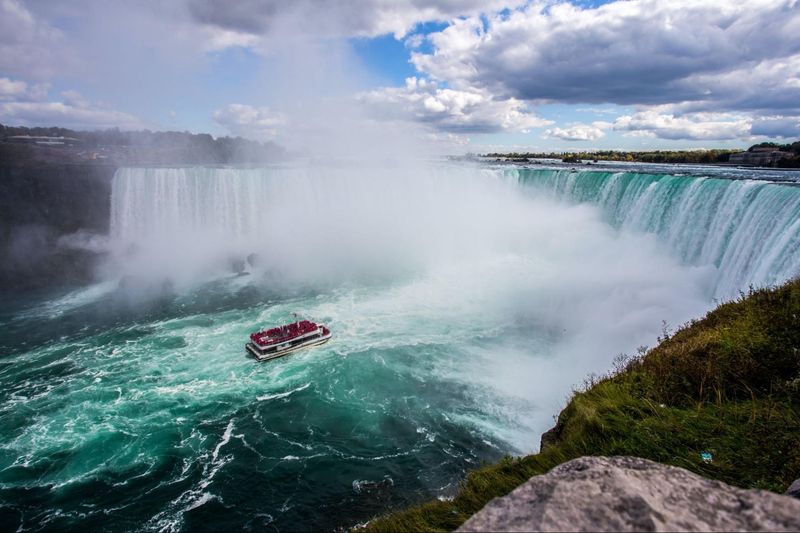
You hear the thunder before you reach the railing. Niagara Falls brings together three waterfalls along the Canada and United States border, with Horseshoe Falls providing the biggest show from Ontario.
Walk the Canadian promenade for sweeping views, or book a boat cruise for a soaking you will remember. A waterproof layer helps, even on sunny days.
Arrive early for fewer crowds, and stay after sunset to see colorful lights brighten the rushing water below.
2. Banff National Park, Alberta: Lakes That Look Painted
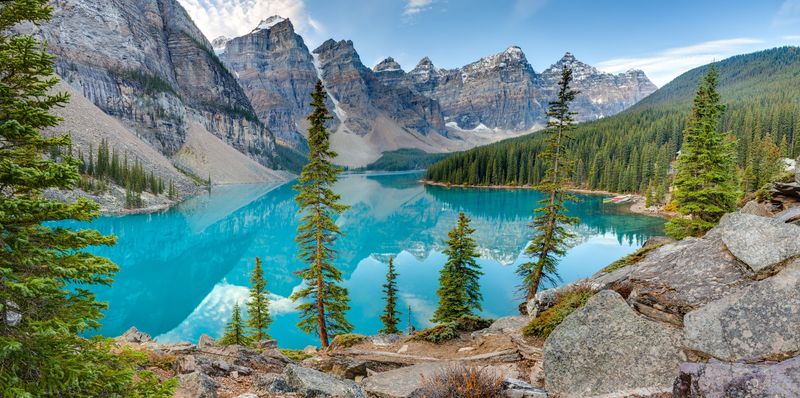
Blue water beneath sharp mountain peaks can make even a quick walk feel special. Banff National Park protects a grand stretch of the Canadian Rockies, including Lake Louise and Moraine Lake.
Choose a lakeside stroll if steep trails are not your thing. Popular lake visits require planning, and Moraine Lake access generally means using an approved shuttle or other permitted transport.
Reserve ahead, carry layers, and give wildlife plenty of space along every park road.
3. Old Quebec, Quebec: Wander Through History
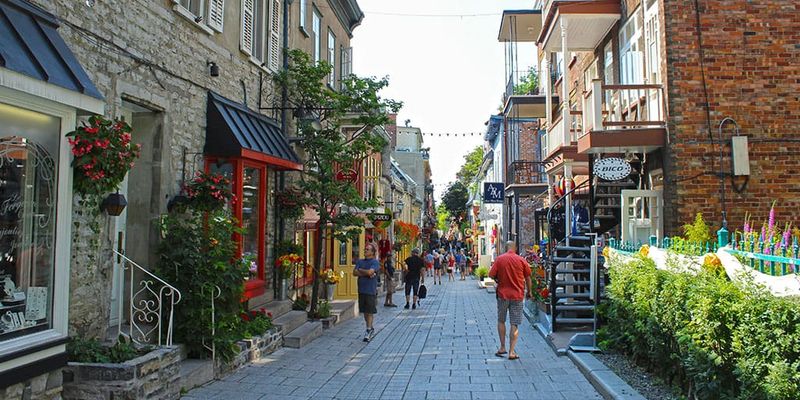
Cobblestones turn an ordinary afternoon into a small trip through time. Inside Old Quebec, stone buildings, city walls, and narrow streets reveal centuries of French influence in Canada.
Start around Place Royale, then explore the shops of Petit-Champlain before heading uphill for river views. Comfortable shoes matter because slopes and uneven paving are part of the experience.
Allow time for a bakery stop, and consider a walking tour to hear the stories behind the buildings.
4. CN Tower, Ontario: Toronto From Above
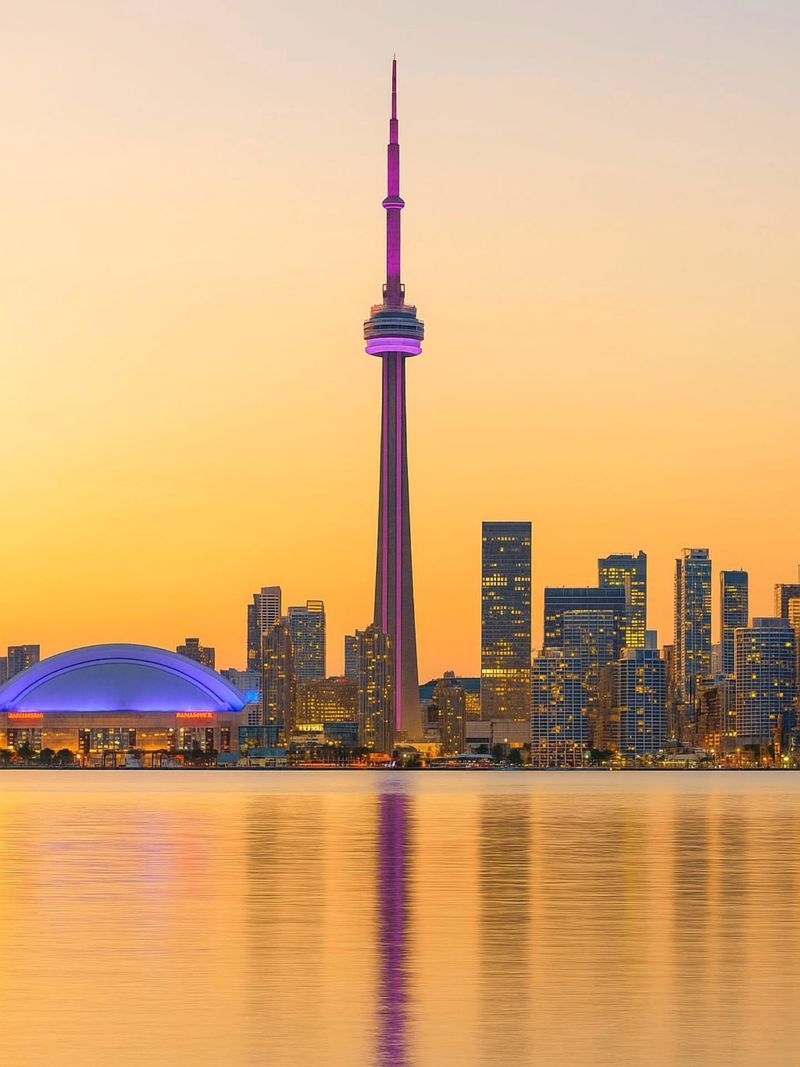
Toronto looks like a toy city when you rise above its rooftops. Standing 553 meters tall, the CN Tower has shaped the skyline since 1976 and offers wide views over Lake Ontario.
Brave visitors can test their nerves on the glass floor, while others simply enjoy spotting familiar streets below. Book through the official website and choose clear weather when possible.
A visit near sunset lets you watch daylight fade into a sparkling city scene.
5. Stanley Park, British Columbia: A City Break in the Trees
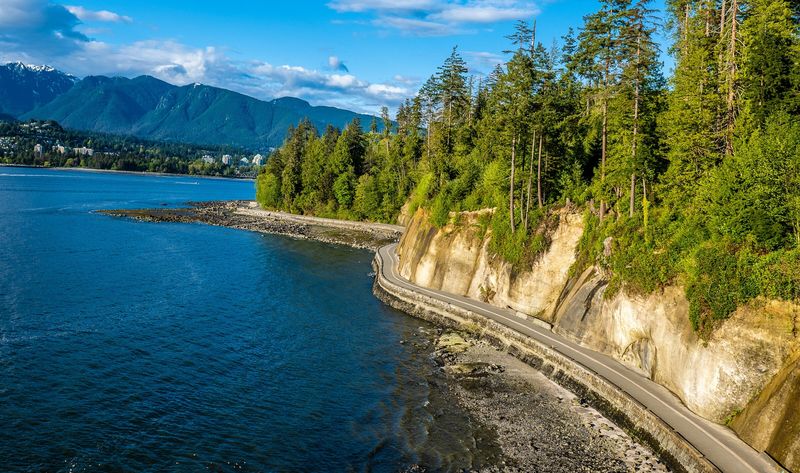
Some city escapes do not require leaving town. Vancouver’s Stanley Park pairs forest paths with ocean views, beaches, and a seawall that makes walking or cycling feel like sightseeing at every turn.
Rent a bike nearby if you want to cover more ground, and follow posted directions on cycling routes. For a slower visit, choose one waterfront stretch and enjoy the scenery.
Bring water, check the forecast, and leave room for an unplanned beach break.
6. Parliament Hill, Ontario: Meet Canada’s Capital

Big national decisions have a home above the Ottawa River. Parliament Hill’s grand stone buildings make an impressive introduction to Canada’s capital, even when construction changes what visitors can access.
Check official Parliament visitor information before going, since tours may take place in different buildings during restoration work. Reserve available tickets ahead rather than counting on entry.
Nearby river paths offer another angle on the skyline, so combine your visit with a relaxed waterfront walk.
7. Peggy’s Cove Lighthouse, Nova Scotia: A Coastal Classic
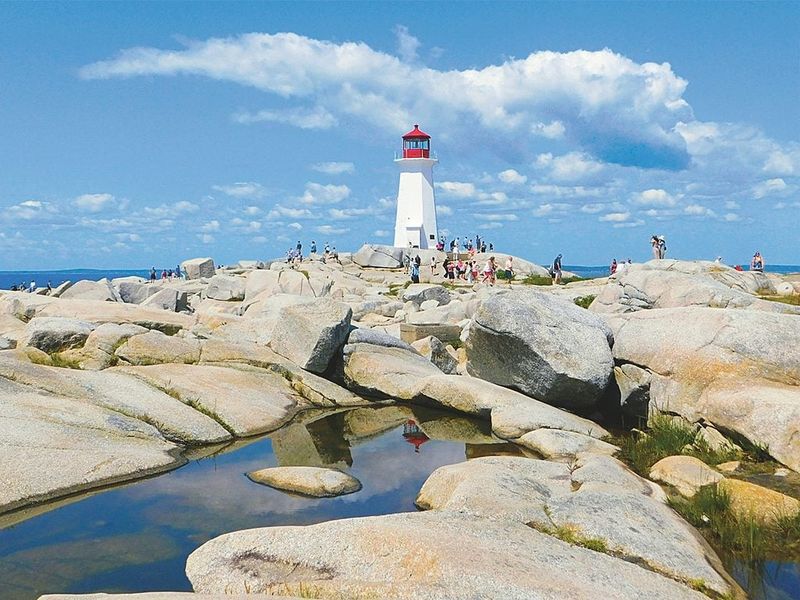
A white lighthouse and a red roof can say more about the coast than a hundred postcards. At Peggy’s Cove, smooth granite rocks meet the Atlantic beside a small working fishing village.
Enjoy the lighthouse from safe viewing areas and respect barriers. Waves can sweep across rocks without warning, so stay well away from the water, especially on dark or wet stone.
Visit early for quieter views, then browse the village without blocking residents’ driveways.
8. Hopewell Rocks, New Brunswick: Walk Beneath the Tide
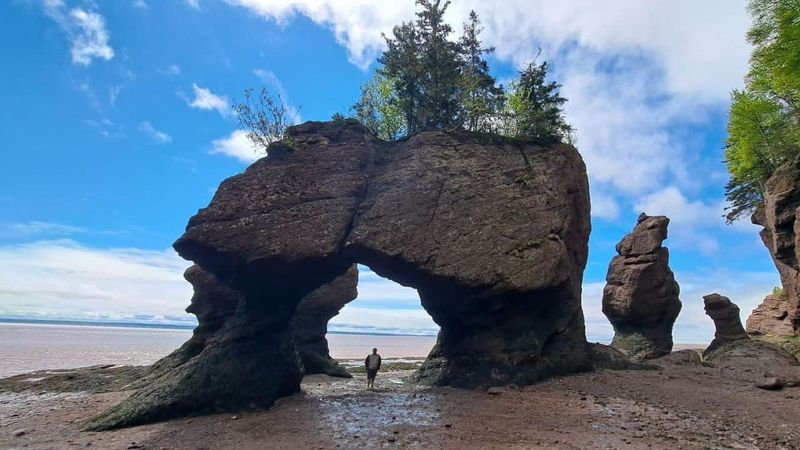
Imagine standing where fish could swim just hours later. At Hopewell Rocks, the Bay of Fundy’s changing tides reveal tall stone formations with trees growing on top, often called flowerpot rocks.
Plan around the official tide schedule and follow staff directions before entering the ocean floor. Sturdy shoes help with mud and uneven ground.
If your schedule allows, return at high tide to see the same place transformed, with water surrounding the rocks you explored.
9. Gros Morne National Park, Newfoundland and Labrador: Earth’s Story Exposed
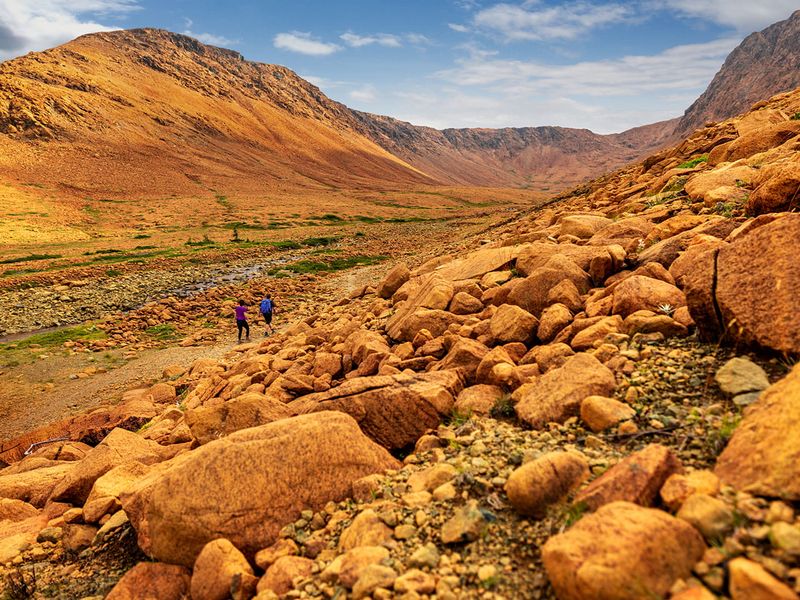
Rusty orange slopes make parts of this park look almost otherworldly. Gros Morne’s Tablelands expose rock from Earth’s mantle, while other areas offer cliffs, coastal villages, and deep valleys carved by glaciers.
Pick activities that match your fitness, since an easy viewpoint and a demanding mountain hike are very different outings. Boat trips at Western Brook Pond need advance planning.
Pack rain gear, allow extra driving time, and check trail conditions before heading out alone.
10. Capilano Suspension Bridge, British Columbia: Step Above the Canyon
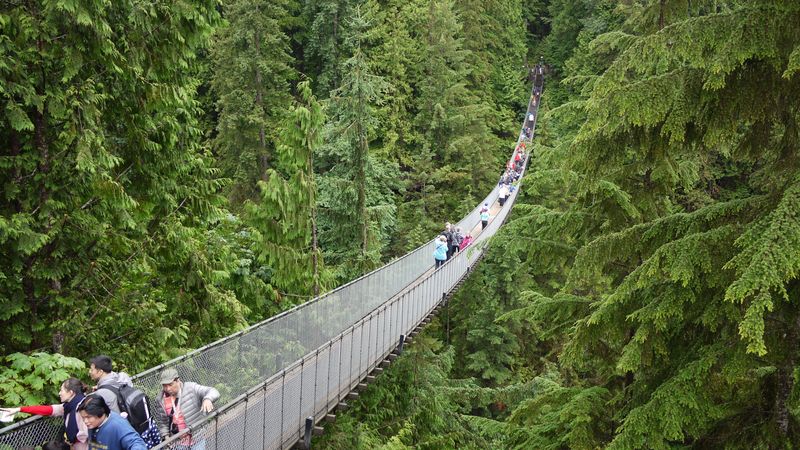
Your first step may come with a nervous laugh. The Capilano Suspension Bridge stretches 140 meters across a forested river canyon in North Vancouver, giving visitors a memorable view between the trees.
The surrounding attraction includes more forest experiences, so allow time beyond the main crossing. Wear shoes with good grip, keep belongings secure, and expect some movement underfoot.
If heights bother you, review the site’s features before buying tickets and choose activities within your comfort.
11. Bay of Fundy, New Brunswick and Nova Scotia: Watch the Coast Change
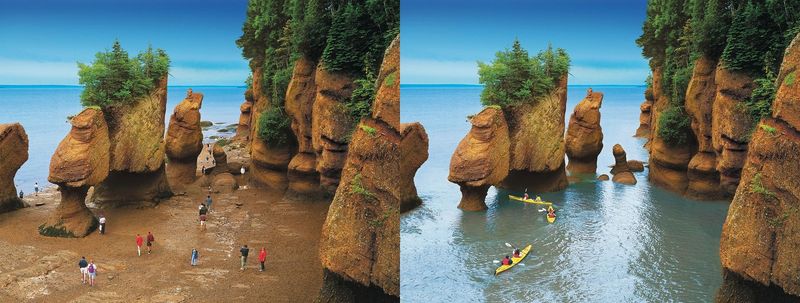
Few places show the ocean’s power quite so clearly. Between New Brunswick and Nova Scotia, the Bay of Fundy has the world’s highest tides, changing harbors, beaches, and coastal views throughout the day.
Rather than treating it as one stop, explore a shoreline community and compare the water level several hours apart. Guided kayaking or tidal rafting may suit adventurous travelers.
Always use local tide information, and never assume an exposed beach will remain accessible.
12. Icefields Parkway, Alberta: Take the Scenic Route
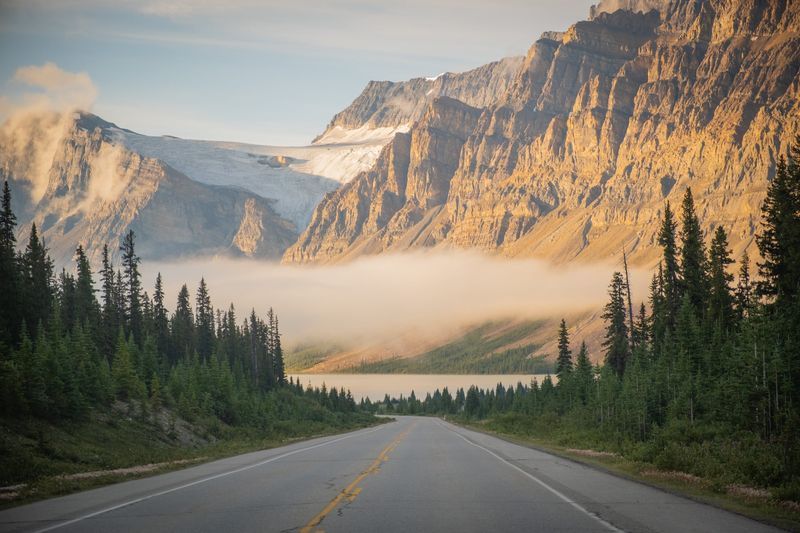
The drive becomes the destination on this mountain road. Linking Banff and Jasper national parks, the Icefields Parkway passes glacier views, bright lakes, and peaks that make frequent photo stops hard to resist.
Fill your tank before setting out, bring snacks, and download maps because services and phone coverage are limited. Check road and park updates, especially outside summer.
Use marked pullouts instead of stopping in traffic, and never approach wildlife gathered beside the highway.
13. Château Frontenac, Quebec: Admire a Castlelike Skyline
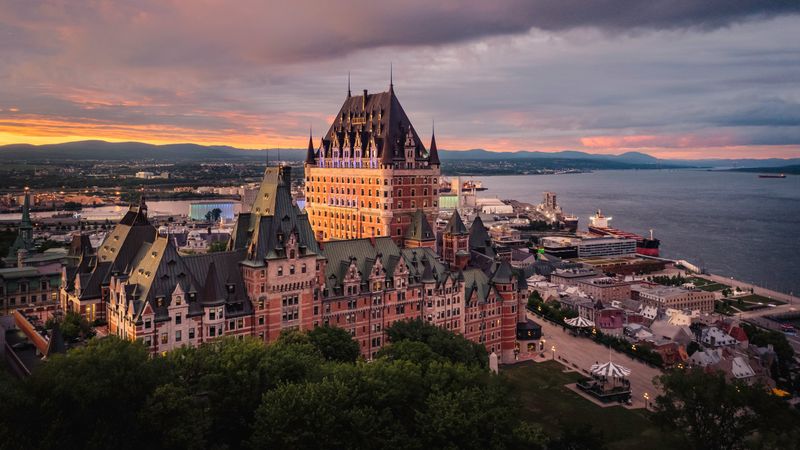
Those pointed roofs seem ready for a storybook cover. Fairmont Le Château Frontenac is actually a hotel, not a royal castle, and its grand shape has become a symbol of Quebec City.
You do not need an overnight reservation to appreciate the exterior from Dufferin Terrace. Walk the boardwalk for views over the St. Lawrence River, then look for a guided hotel tour if available.
Sunset brings warm light, though winter visits can feel magical.
14. Butchart Gardens, British Columbia: Follow the Flowers
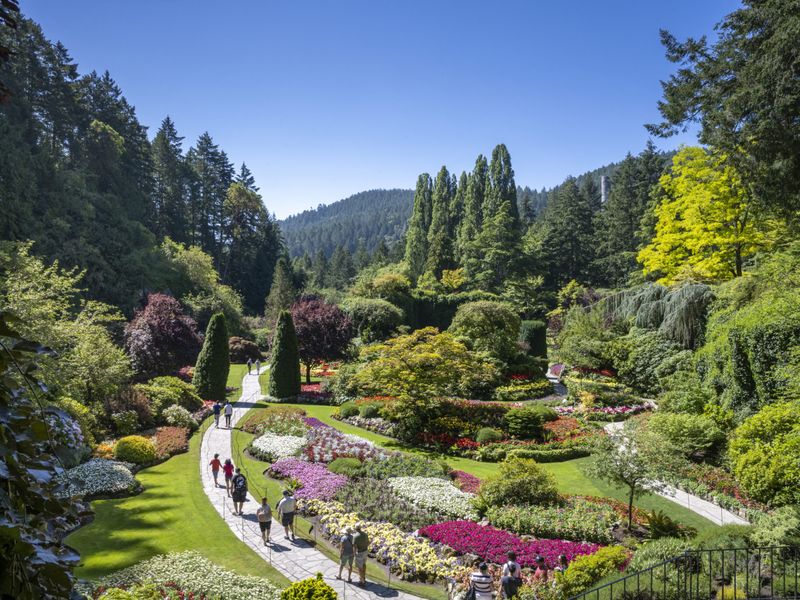
An old limestone quarry became a place bursting with color. Near Victoria on Vancouver Island, Butchart Gardens shows how patient planting can transform a landscape, especially in its famous Sunken Garden.
Bloom displays change with the seasons, so check what is flowering before choosing your date. Give yourself time to wander rather than rushing between photo spots.
Comfortable shoes and a light rain jacket are useful, and early arrival often makes the paths more peaceful.
15. L’Anse aux Meadows, Newfoundland and Labrador: Trace Norse Footsteps
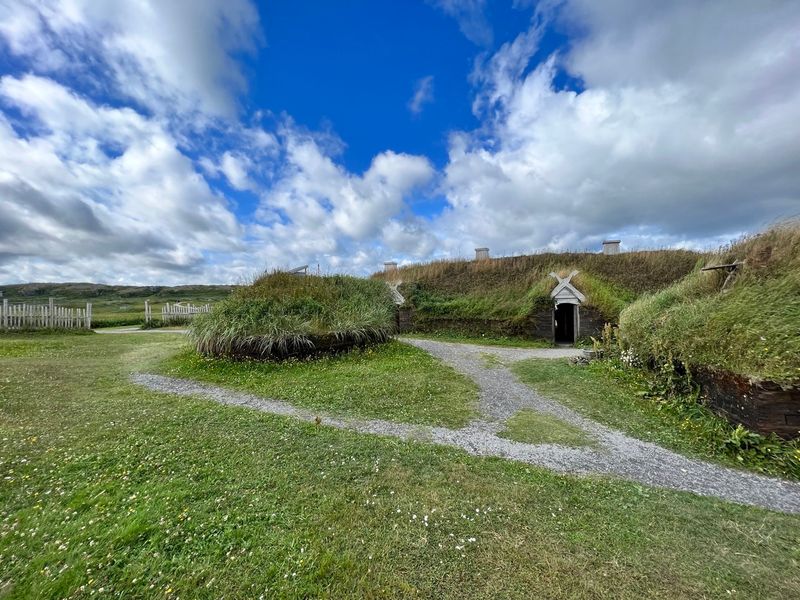
A thousand years ago, Norse travelers reached this windswept corner of Newfoundland. L’Anse aux Meadows preserves evidence of their settlement and is a UNESCO World Heritage Site with reconstructed sod buildings nearby.
Spend time in the visitor center before walking the grounds, since the displays help explain what archaeologists found. Check seasonal hours and interpretive programs before making the long drive north.
Warm layers are wise even in summer, when coastal winds can feel surprisingly cold.
16. Notre-Dame Basilica, Quebec: Look Up in Wonder
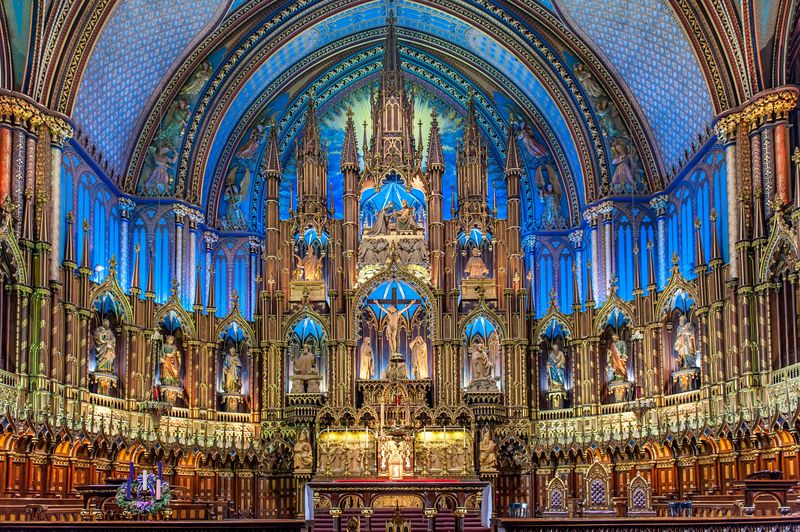
Look up, and a sky of blue and gold unfolds indoors. Montreal’s Notre-Dame Basilica pairs a Gothic Revival exterior with a richly decorated interior that rewards a slow, quiet visit.
Located in Old Montreal, the basilica fits easily into a day of exploring historic streets. Check visiting hours and ticket requirements, since worship and special events can affect access.
Follow photography rules, silence your phone, and remember that this landmark remains an active religious space.
17. Cabot Trail, Nova Scotia: Let the Coast Lead
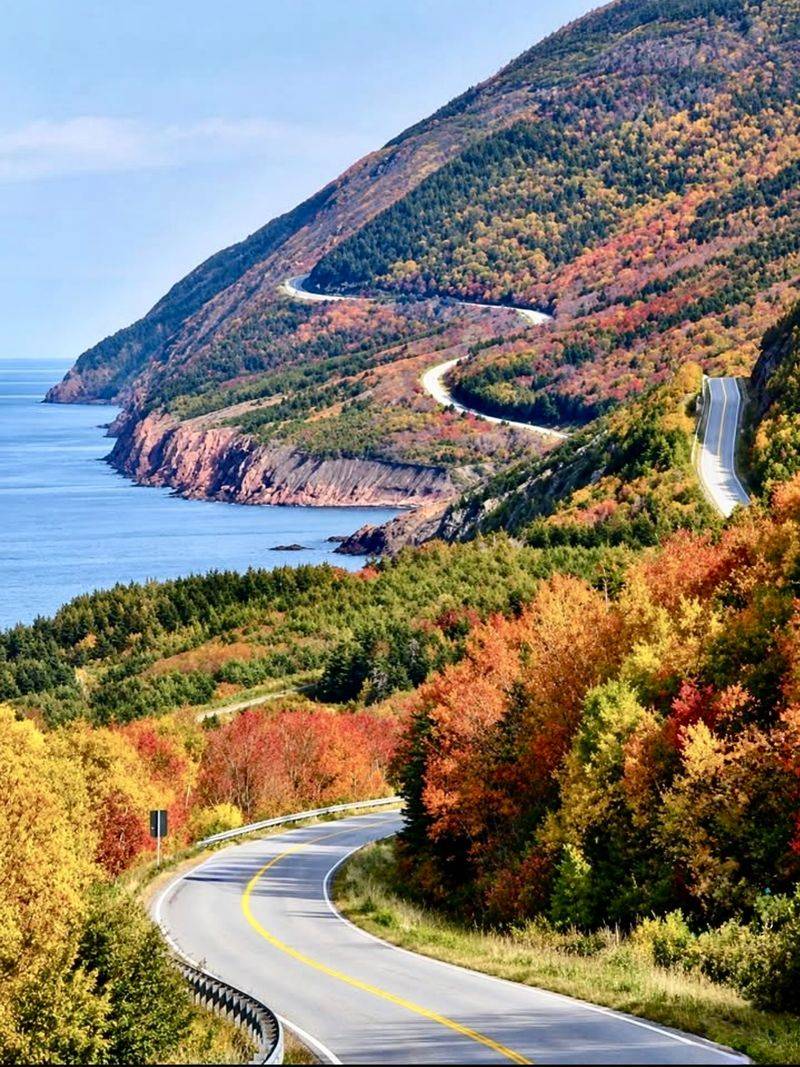
Every bend seems to offer another reason to stop. The Cabot Trail loops around northern Cape Breton Island, linking ocean cliffs, forested highlands, and communities with Acadian and Gaelic roots.
Give the journey more than a hurried day if you can, leaving space for short walks and local meals. Autumn adds brilliant leaf color, while summer offers longer daylight.
Check weather and road conditions, and use designated lookouts so your scenic stops stay safe throughout.