
U2 built their legacy with songs that made big feelings sound even bigger. From sharp protest songs to tender ballads, the Irish band kept finding new ways to reach people.
Their best tracks tell the story of a group willing to take chances without losing its heart. Here are the songs that helped turn four musicians from Dublin into a band heard around the world.
1. Where the Streets Have No Name (1987): An Opening Like No Other
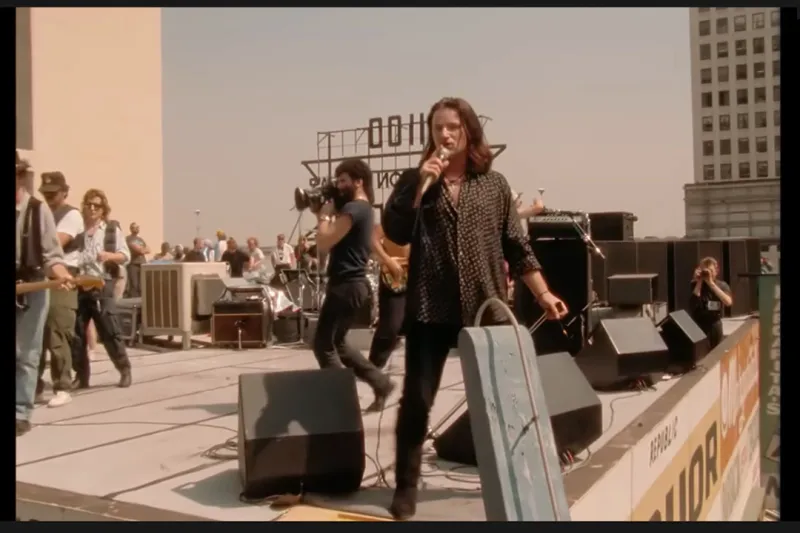
Few guitar openings create such a strong sense of arrival. The Edge builds a bright, repeating pattern while the rest of the band slowly joins, making the song feel like a door opening onto something huge.
Released on The Joshua Tree, it imagines freedom from the labels that divide people. Listen to how the long introduction builds excitement before Bono sings.
That patient climb helps explain why it became such a beloved concert moment worldwide.
2. One (1991): Finding Strength in Difference

A song about strained connections helped a struggling band find its way forward. During difficult sessions for Achtung Baby, this track gave U2 a shared direction when their ideas seemed far apart.
Its message is not that people must agree about everything. Instead, it asks what we owe each other despite our differences.
Released as a single supporting AIDS causes, it linked private pain with public compassion, becoming one of their most lasting musical statements.
3. With or Without You (1987): Less Sound, More Feeling
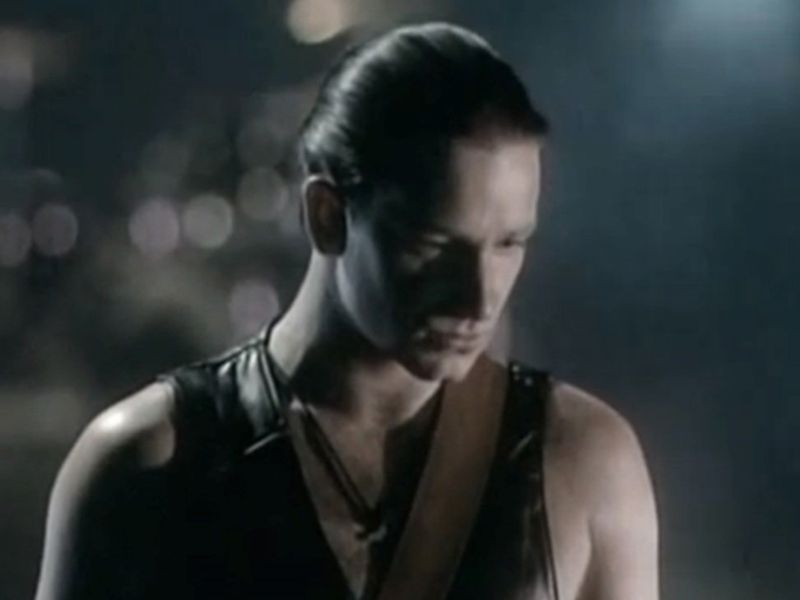
Sometimes the quietest parts carry the greatest weight. A steady bass line and spare drums leave room for Bono to explore a relationship pulled between love and frustration.
The track became U2’s first number one single on the American Billboard Hot 100, bringing their sound to a wider audience. Notice how the tension grows without a busy arrangement.
Its success showed that a stadium band could reach millions through restraint rather than sheer musical force.
4. Sunday Bloody Sunday (1983): A Drumbeat Against Violence
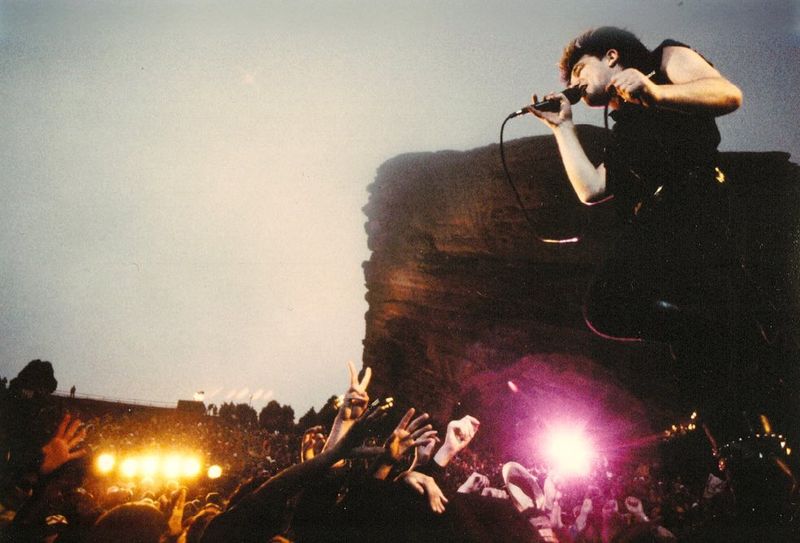
Larry Mullen Jr.’s sharp drum pattern sounds like a warning before anyone sings. Rather than cheering for a side, the song confronts the suffering caused by violence in Northern Ireland.
Its urgent guitar and plainspoken questions made politics feel immediate to young listeners. The rain and firelight of U2’s 1983 Red Rocks performance gave it an unforgettable setting.
Hear it as a plea for peace, not a battle cry, and its lasting purpose becomes much clearer.
5. I Still Haven’t Found What I’m Looking For (1987): Faith With Questions
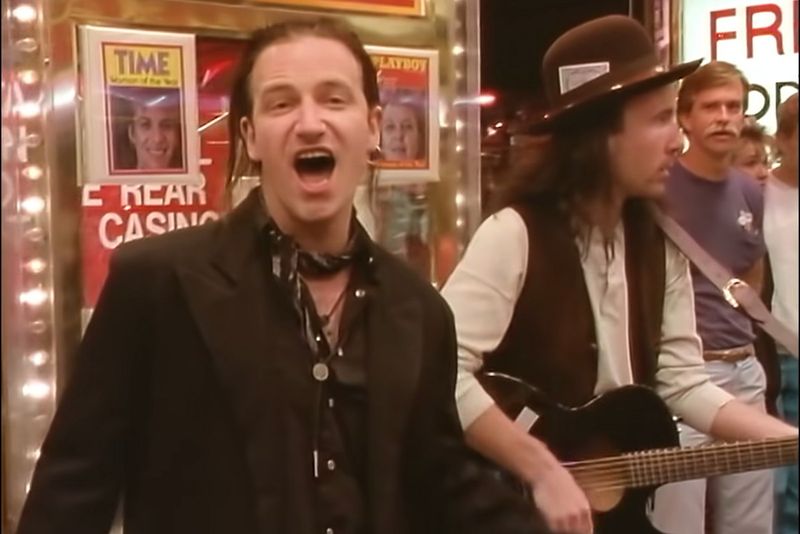
Certainty is not required to sing with conviction. Drawing on gospel music, this Joshua Tree favorite pairs a hopeful sound with words about searching for something that remains just beyond reach.
It reached number one in America, proving that spiritual questions could connect far beyond church walls. Try following the backing vocals as they lift the chorus.
The contrast between doubt and joy gives the track its power, leaving room for listeners with very different beliefs.
6. Pride (In the Name of Love) (1984): Remembering a Courageous Voice
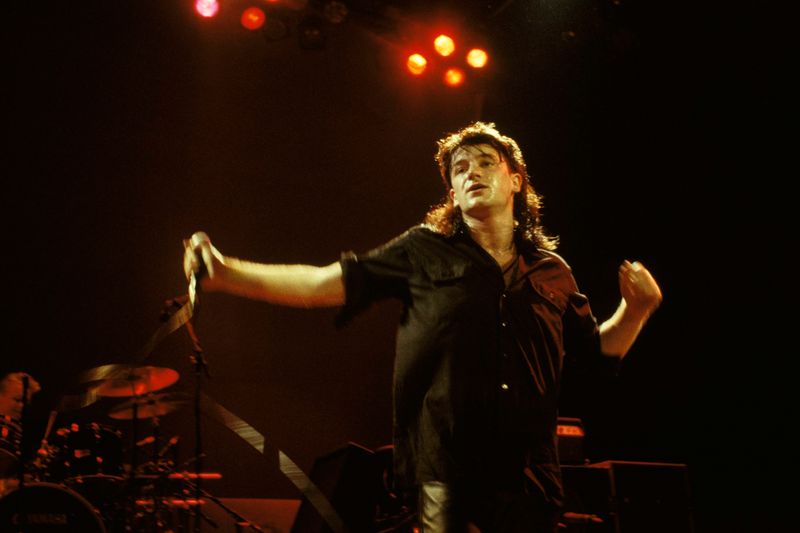
One ringing guitar figure turns remembrance into something people can sing together. Written in tribute to Martin Luther King Jr., the track helped bring U2’s interest in justice to a much larger audience.
Bono’s soaring delivery gives the chorus its lift, while the band keeps the rhythm moving firmly underneath. One detail deserves care: the lyric places King’s shooting in the morning, but it happened in the evening.
The tribute remains powerful despite that factual mistake.
7. Bad (1984): The Song That Grew on Stage
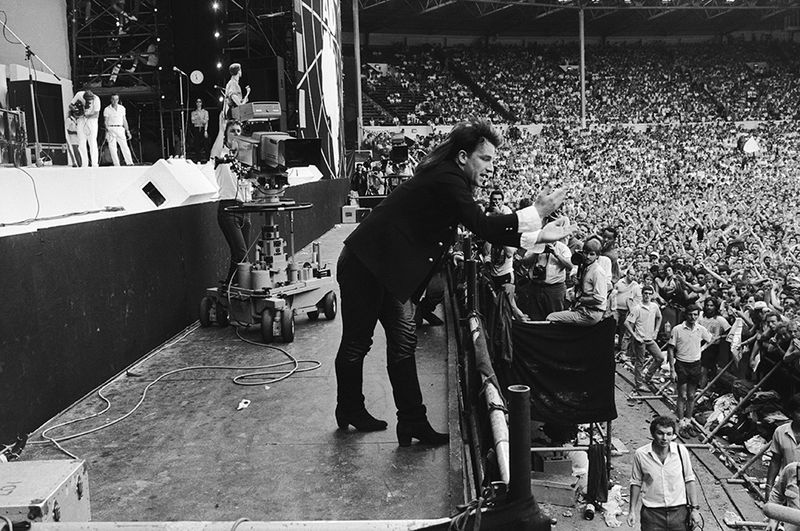
At Live Aid in 1985, a slow building album track became a defining public moment. Bono reached beyond the stage during an extended performance, making the huge event feel unexpectedly personal.
Originally released on The Unforgettable Fire, the song deals with heroin addiction and the wish to help someone escape its grip. Compare the studio recording with a live version.
The extra space reveals how repetition, movement, and audience connection became central to U2’s concert identity.
8. New Year’s Day (1983): Hope Beneath the Ice
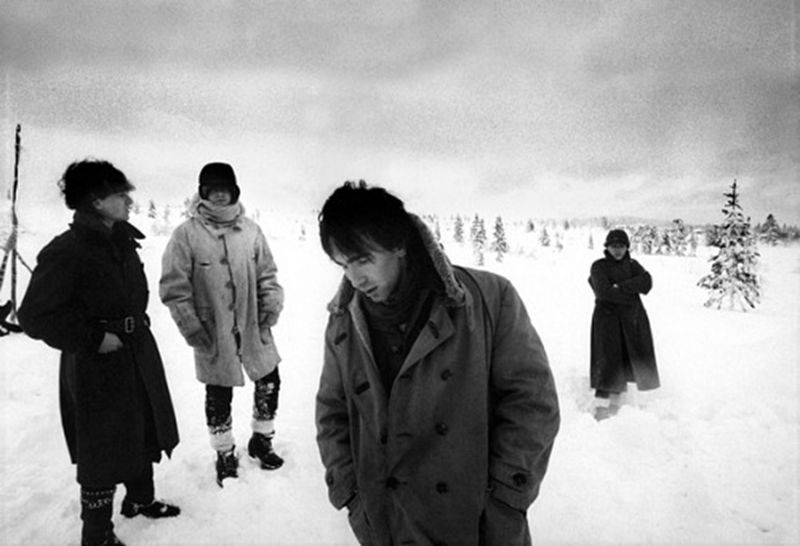
Cold piano notes and Adam Clayton’s bass create a landscape you can almost see. Beneath that icy surface sits a stubborn belief that separation does not have to last forever.
Inspired in part by Poland’s Solidarity movement, the song connected personal loyalty with political hope. It became U2’s first British top ten single and helped War reach new listeners.
Pay attention to the balance of piano and guitar: neither crowds out the other’s clear, memorable voice.
9. I Will Follow (1980): Youthful Energy With Deep Roots
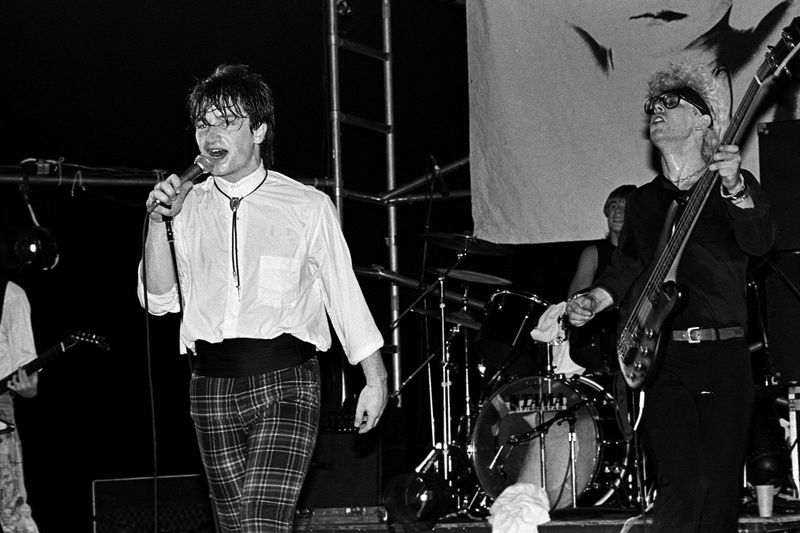
Before the giant screens and stadium tours, there was a restless guitar riff and a young band playing with total commitment. Their debut album Boy opens with a track that still sounds eager to leap forward.
Bono drew on the loss of his mother, giving the rush of sound a deeper emotional source. Listen for the contrast between grief and movement.
It captures an early U2 strength: turning private hurt into music that feels alive together.
10. The Unforgettable Fire (1984): Learning to Paint With Sound

Not every great U2 song tries to make its meaning obvious. Swirling keyboards, shifting moods, and striking images invite listeners to feel their way through this richly layered title track.
Working with Brian Eno and Daniel Lanois helped the band move beyond the harder edges of War. The title came from an exhibition connected to the atomic bombings of Japan.
Give the arrangement your full attention: its drifting textures reveal musicians discovering new colors for their sound.
11. Mysterious Ways (1991): A Welcome Turn Toward the Dance Floor
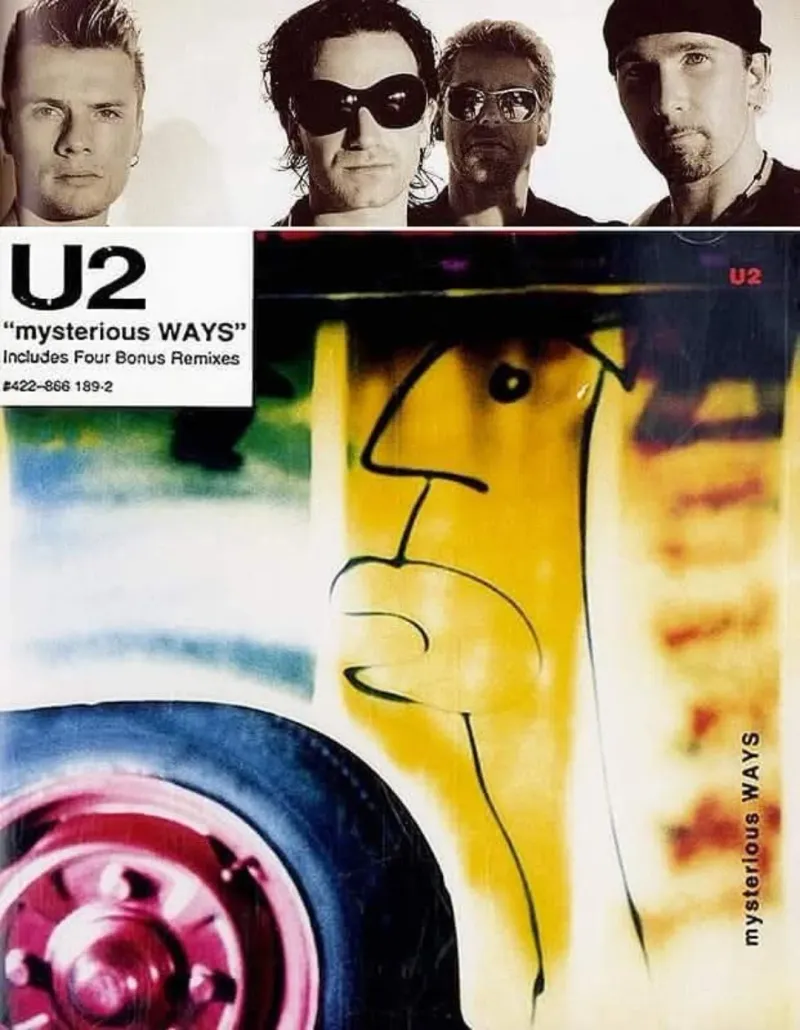
Who said serious rock musicians could not loosen up? A twisting guitar sound, lively percussion, and a springy bass line gave U2 a groove that felt far removed from their earlier marching rhythms.
On Achtung Baby, the band welcomed dance influences without losing its gift for a huge chorus. Follow Adam Clayton’s part before focusing on the vocals.
That rhythmic foundation shows how their reinvention depended on the whole group, not simply new clothes or studio effects.
12. Beautiful Day (2000): Hope Without a Perfect World
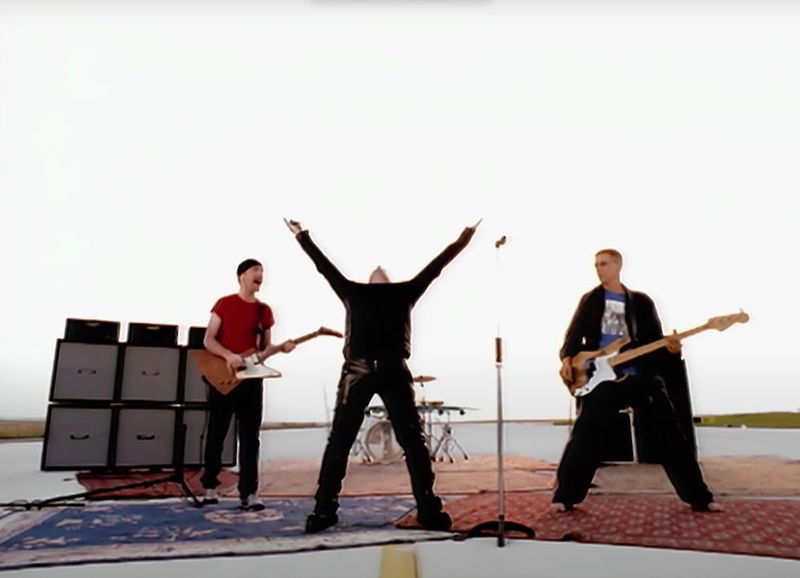
A rough day does not always need a sad soundtrack. Released in 2000, this bright single finds reasons for wonder even when life feels uncertain or something precious has slipped away.
After the experiments of the 1990s, it put U2’s direct emotional appeal back in the spotlight. The song won three Grammy Awards, including Record of the Year.
Notice the electronic touches beneath the guitars: their fresh start did not mean throwing every recent idea away.
13. Desire (1988): Rock Roots With a Restless Pulse
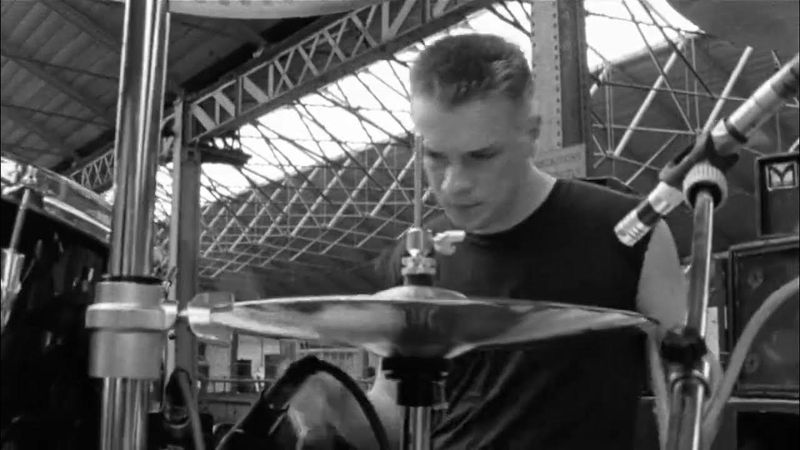
Forget a slow entrance: the rhythm grabs you almost immediately. Built around a beat associated with Bo Diddley, this Rattle and Hum single channels the excitement of early rock and roll.
It became U2’s first British number one single, showing that their roots exploration could also deliver a major hit. Beneath its swagger, the words touch on craving, money, and persuasion.
Try tapping along to the rhythm to hear how much power a simple pattern holds.
14. The Fly (1991): Breaking Their Own Rules

Leather, dark glasses, and a buzzing guitar announced that the old rules were gone. As the lead single from Achtung Baby, the track introduced a rougher sound and Bono’s sly stage character, The Fly.
Instead of offering clear answers, he delivered lines that sounded like strange advice from an unreliable guide. Listen for the contrast between low vocals and the high chorus.
That split helped U2 question their earnest image while opening a bold new chapter.
15. All I Want Is You (1988): A Quiet Promise, Then Strings
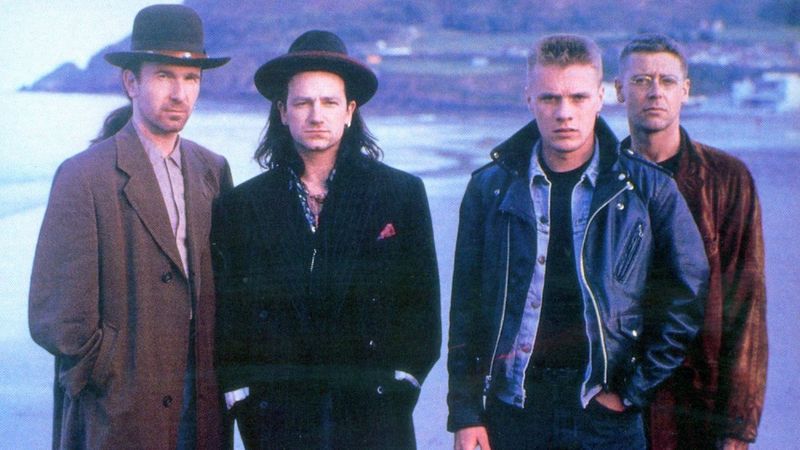
After an album full of American musical influences, a simple declaration brings everything back to the heart. The closing track on Rattle and Hum begins gently, with chiming guitar supporting Bono’s direct delivery.
Then Van Dyke Parks’s string arrangement carries the music beyond a standard rock ballad. Stay through the ending rather than skipping ahead; the extended passage is part of the story.
It leaves U2’s grand ambitions balanced by something anyone can understand: wanting one person.