
The Beatles made reaching No. 1 look easy, but some of their best songs never got there. A few stopped just short, while others became favorites without a major American single release.
Here, chart positions refer to the Billboard Hot 100, not album rankings or separate charts. You might be surprised by which familiar songs missed the top spot.
1. Twist and Shout: A Shout Away From the Top
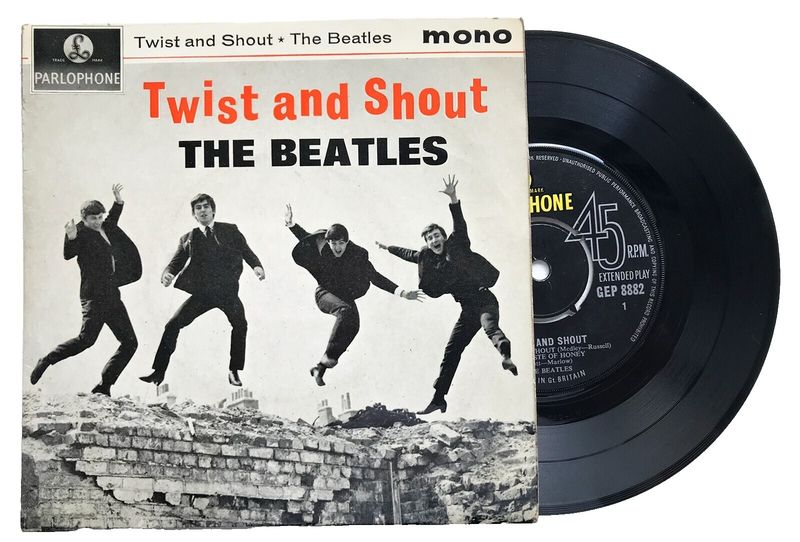
That raspy opening vocal sounds like someone giving a concert everything he has left. John Lennon recorded it near the end of a long session, making the performance feel especially wild and urgent.
The Beatles’ version reached No. 2 in America in 1964, behind their own hit, Can’t Buy Me Love. Play it beside the Isley Brothers’ earlier recording to hear how the band turned an established favorite into a thrilling showcase of raw energy.
2. Yellow Submarine: Ringo Steers a Singalong
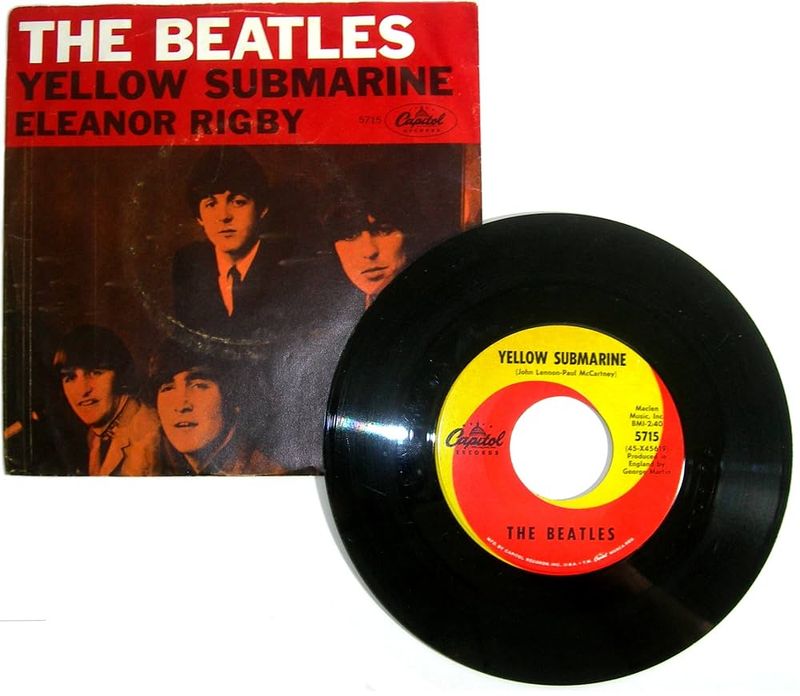
Everyone gets a place aboard this cheerful musical boat. Ringo Starr’s friendly lead vocal makes the song easy to join, while bubbles, bells, and shouted commands turn the recording into a little underwater adventure.
Released in 1966, it reached No. 2 on the Billboard Hot 100. Its simple chorus helped it travel beyond rock audiences and into family singalongs.
Listen through headphones to catch the playful sound effects tucked around Ringo’s steady, welcoming voice throughout.
3. Please Please Me: An Early Spark
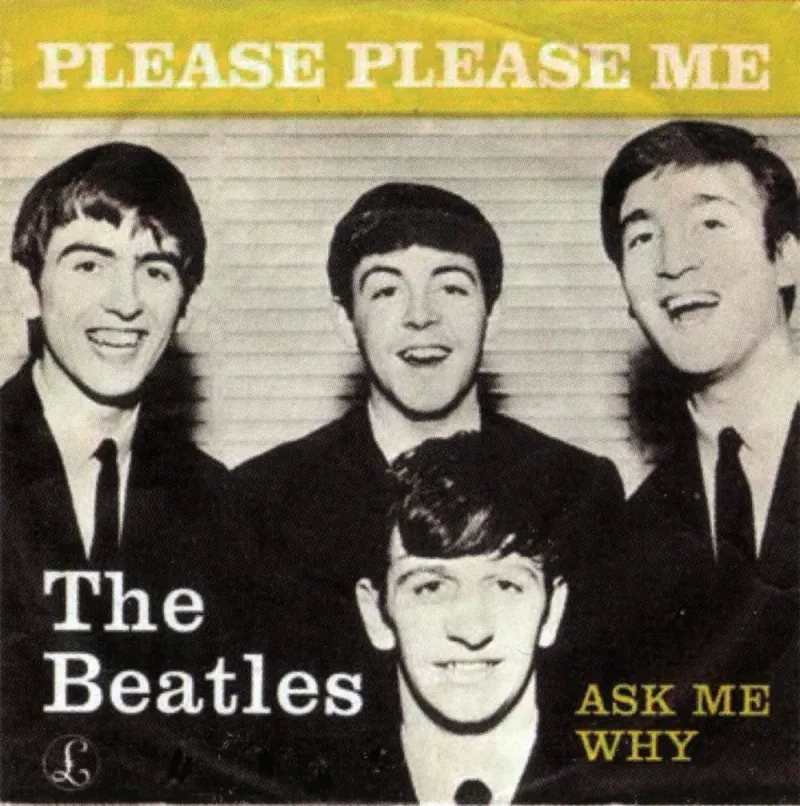
Before stadium crowds and colorful uniforms, four young musicians were learning how to make a record leap from the radio. Their bright harmonies and quick pace give this early hit an almost breathless excitement.
American listeners eventually pushed it to No. 3 in 1964, after its first U.S. release had attracted little attention. Compare its lively beat with the band’s later studio work.
You can hear their growth without losing the spark that started everything.
4. Nowhere Man: Big Questions in Bright Harmony
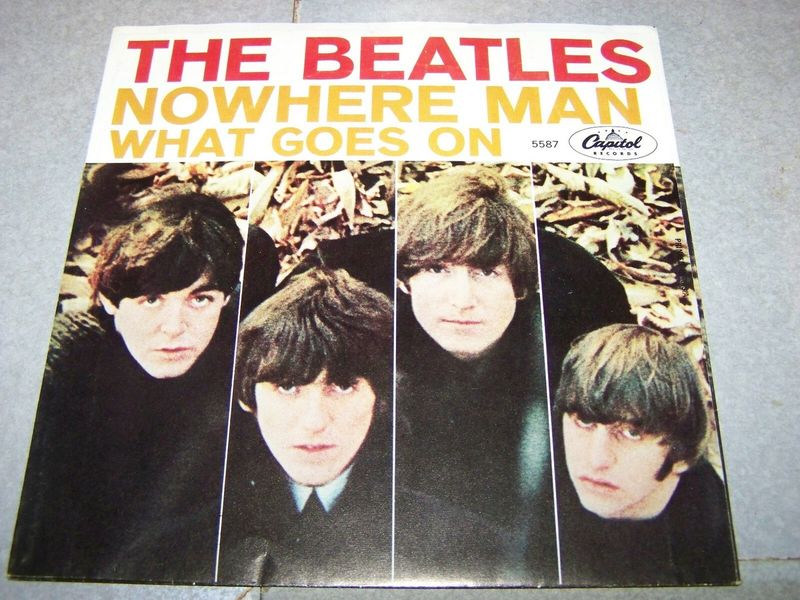
Feeling lost rarely sounds this beautiful. Instead of another love story, John Lennon offered a portrait of someone drifting through life, wrapped in harmonies that seem to glow around the words.
The song appeared on the British Rubber Soul album before reaching No. 3 as an American single in 1966. Notice how the cheerful sound contrasts with the uncertain message.
That balance makes it a comforting listen when your own plans feel a little unclear.
5. Do You Want to Know a Secret: George Takes the Lead
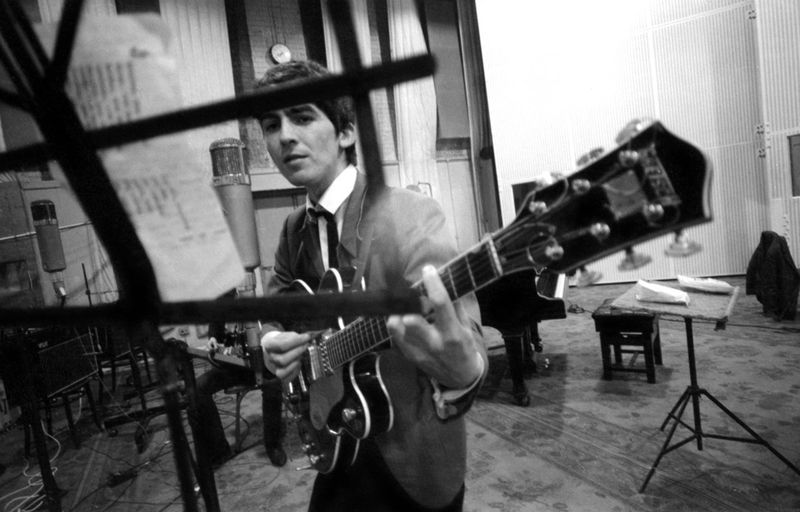
A quiet invitation can be just as catchy as a shout. George Harrison handles the lead vocal here, giving this early recording a shy charm that stands apart from the band’s louder performances.
Written by Lennon and McCartney, the song climbed to No. 2 in America in 1964. Its opening was inspired by a song from Disney’s Snow White.
Listen for the backing voices, which make the secret feel shared rather than kept completely hidden.
6. Strawberry Fields Forever: A Dream Beyond the Charts
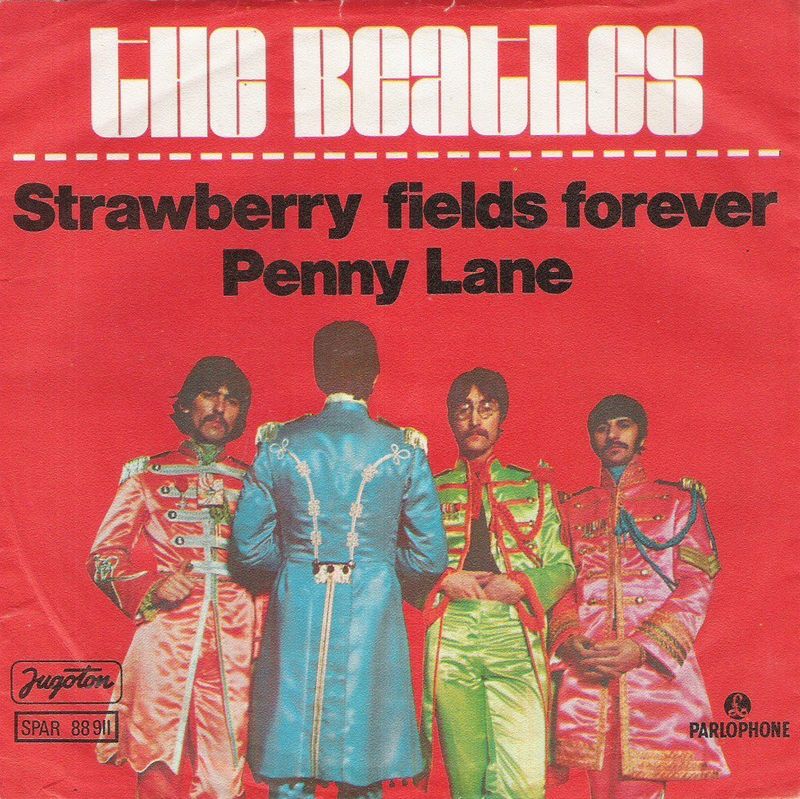
Reality seems to bend as soon as that strange keyboard introduction begins. John Lennon’s memories of a Liverpool childhood place become something dreamlike, with shifting sounds that reward another listen every time.
Despite its lasting fame, the single peaked at No. 8 in America in 1967. Producer George Martin helped join two different recordings into the finished track.
Listen for the change near the one minute mark, where studio craft quietly reshapes the whole atmosphere.
7. Got to Get You Into My Life: A Hit That Waited
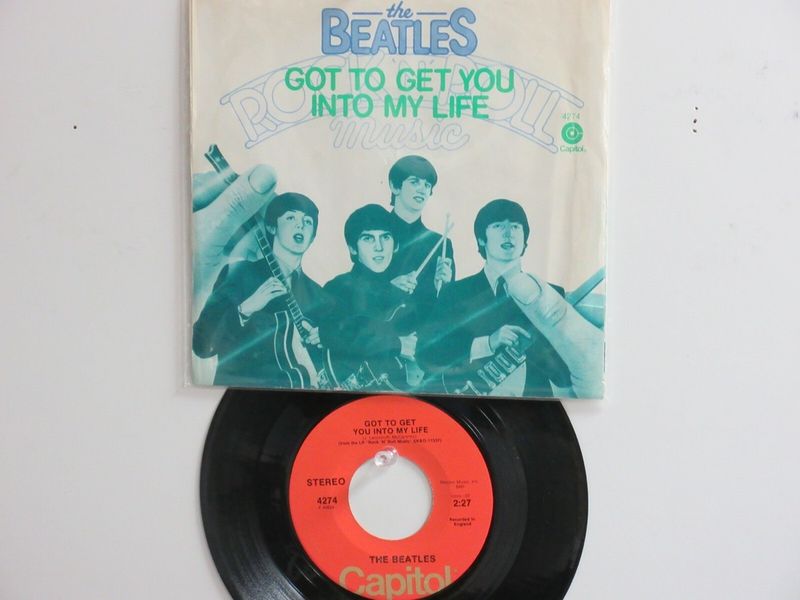
Those punchy horns could brighten even a rainy morning. Paul McCartney brought a strong soul influence to this Revolver track, creating a sound that feels ready for dancing before the singing even starts.
Although the album arrived in 1966, the song did not become an American single until 1976. It then reached No. 7, years after the Beatles split.
Try hearing it alongside contemporary soul records to notice how warmly the brass drives its rhythm.
8. Eleanor Rigby: Lonely Lives, Lasting Impact
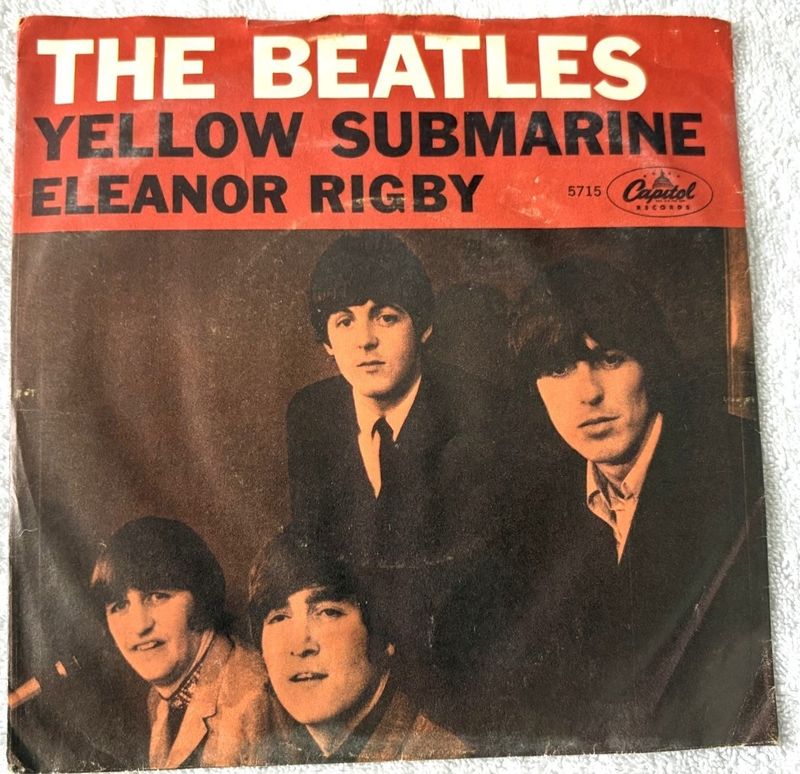
Not every unforgettable pop song needs guitars or a happy ending. A sharp string arrangement carries this short story about lonely people, giving its ordinary characters a weight that stays with you.
Released alongside Yellow Submarine in 1966, it peaked at No. 11 on the Hot 100. Paul McCartney’s storytelling asks listeners to notice lives that others overlook.
Follow the words closely, then replay the recording for the strings and their restless, almost urgent movement.
9. And I Love Her: Quiet Confidence
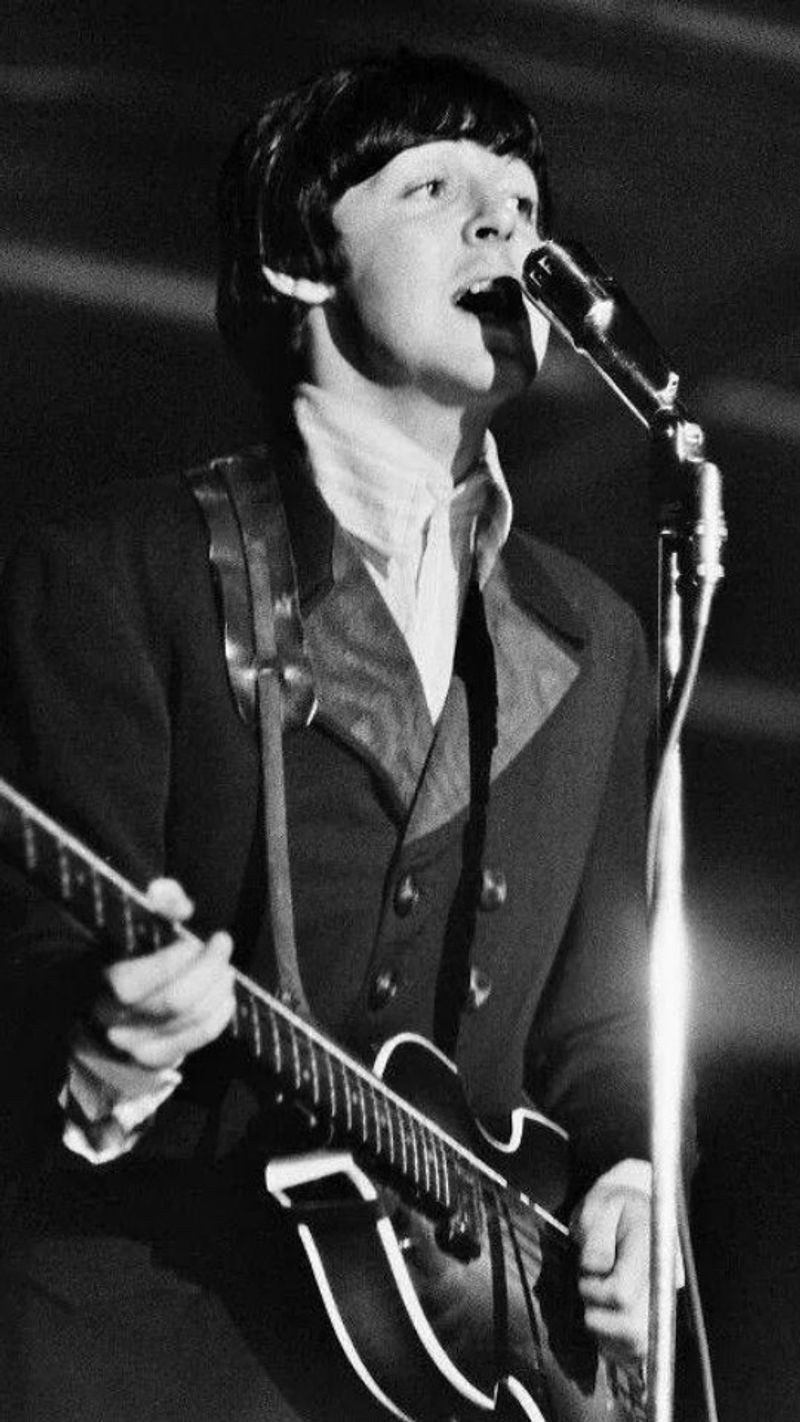
Sometimes the smallest arrangement leaves the deepest mark. Soft acoustic guitar, light percussion, and Paul McCartney’s calm singing give this ballad room to breathe without covering its feelings in extra decoration.
Featured in A Hard Day’s Night, it reached No. 12 in America in 1964. George Harrison’s memorable guitar phrase helps hold the recording together.
Turn the volume down rather than up, and notice how clearly each instrument speaks within the song’s gentle, uncluttered setting.
10. Revolution: The Louder Side of a Famous Single
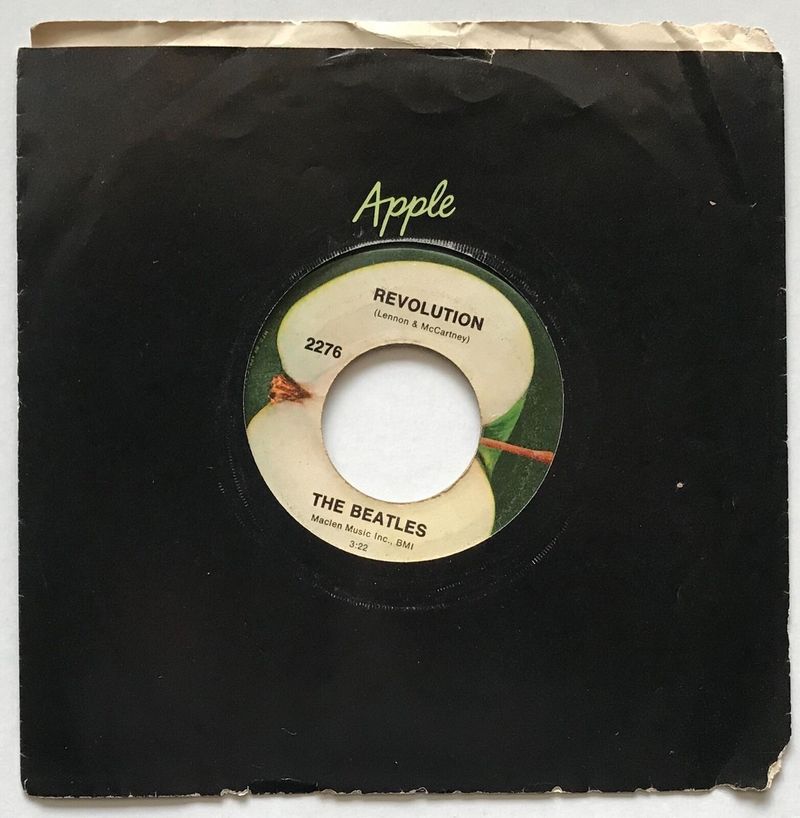
A burst of rough guitar announces that polite background music is not on the menu. John Lennon uses this forceful recording to wrestle with political change, violence, and the promises people make.
Issued as the flip side of Hey Jude in 1968, it reached No. 12 while its partner topped the chart. Be sure to compare it with Revolution 1 on the White Album.
The slower version gives the same debate a noticeably different mood.
11. I Saw Her Standing There: The Countdown That Starts a Party
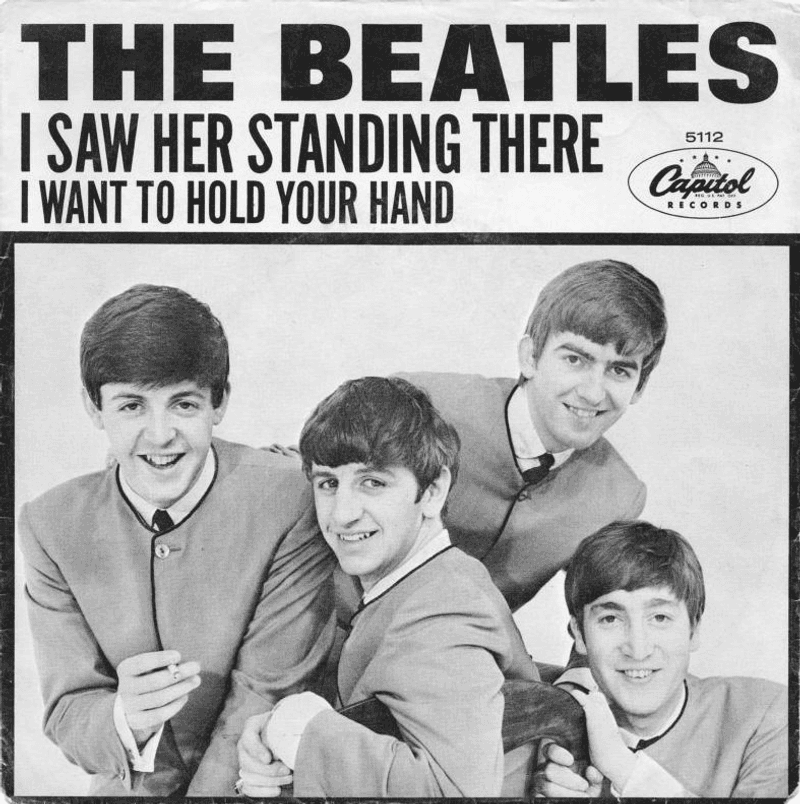
One shouted count is all it takes to open the dance floor. Paul McCartney’s bass keeps moving beneath a performance that captures the excitement of the Beatles as a working live band.
American buyers found it on the other side of I Want to Hold Your Hand, and it reached No. 14 in 1964. Clap along with the beat to hear why it remains such a dependable party starter, even without a chart topping finish.
12. All My Loving: Famous Beyond Its American Peak
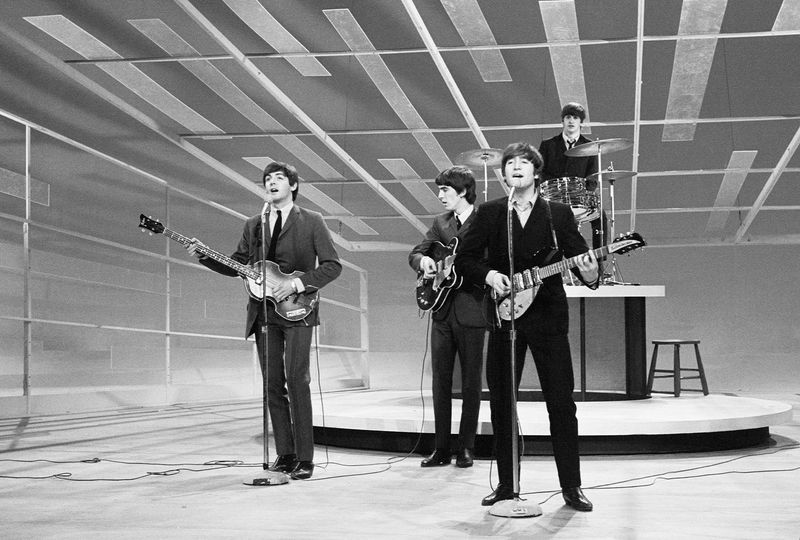
Television helped make this song a shared American memory. The Beatles opened their first live Ed Sullivan Show appearance with it, introducing millions of viewers to their polished harmonies and lively stage presence.
Yet its Hot 100 peak was only No. 45 in 1964, with imported Canadian singles helping it chart. It lacked a regular American single release then.
Listen for John Lennon’s rapid rhythm guitar, which supplies much of the recording’s forward motion and sparkle.
13. While My Guitar Gently Weeps: George’s Emotional Centerpiece
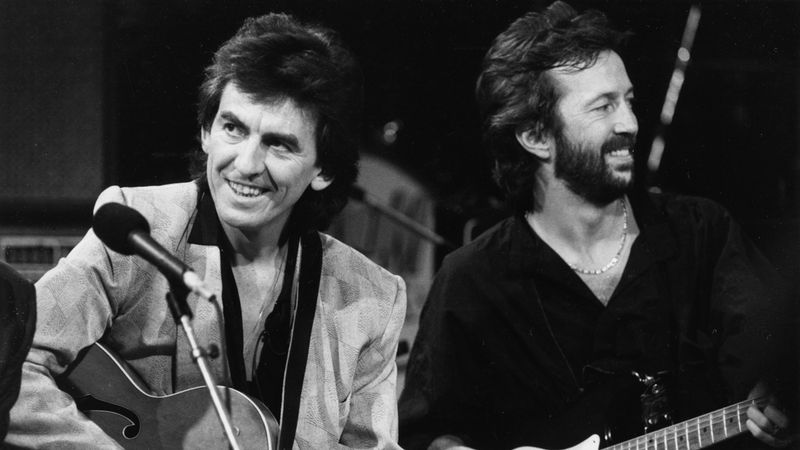
A guitar can sound almost human when the player knows what to leave unsaid. Eric Clapton’s lead playing brings that quality to George Harrison’s searching song, one of the White Album’s emotional highlights.
The Beatles’ recording never entered the Hot 100 as a single. Its reputation grew through album listening rather than a race up that chart.
Compare the finished version with Harrison’s acoustic demo to hear how differently the same melody can carry sadness.
14. Sgt. Pepper’s Lonely Hearts Club Band: A Late Chart Entrance
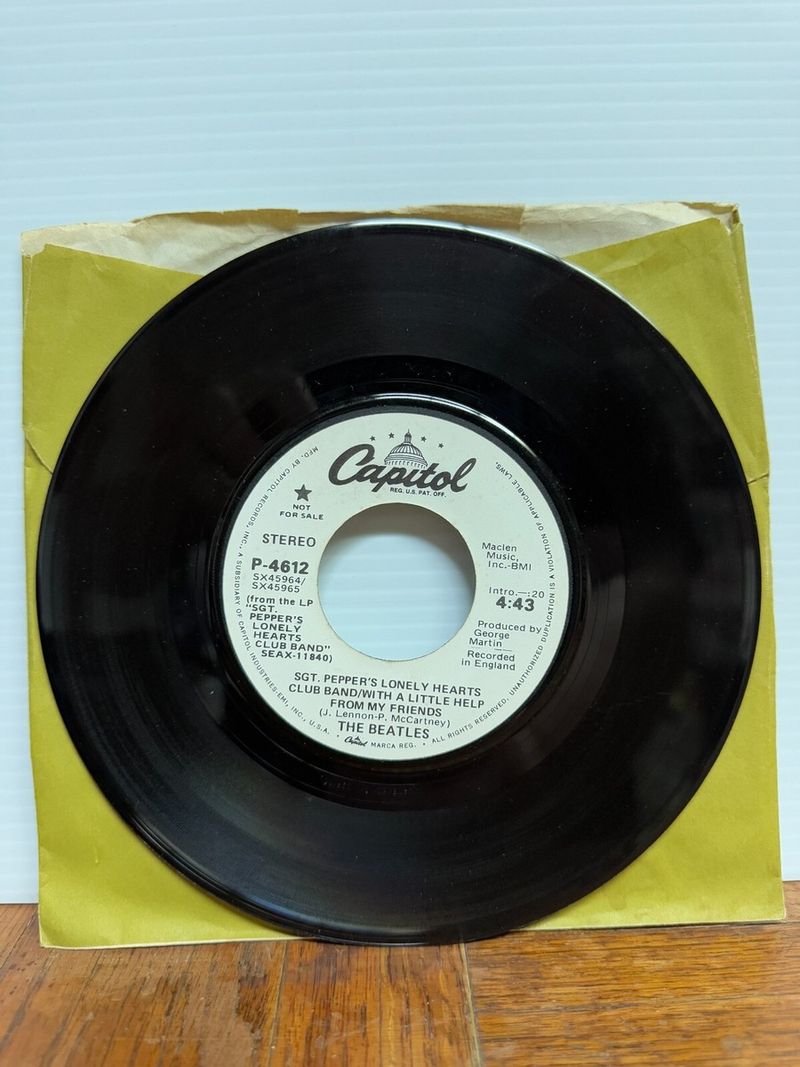
Welcome to a concert by a band that never really existed. The Beatles used this lively introduction to step into imaginary roles, opening an album that changed expectations for what pop records could be.
A 1978 American single pairing the title track with With a Little Help from My Friends reached No. 71. That ranking belongs to the combined release, not a standalone 1967 hit.
Hear the album sequence to enjoy its original theatrical entrance properly.
15. Here Comes the Sun: A Favorite Without a Hot 100 Hit
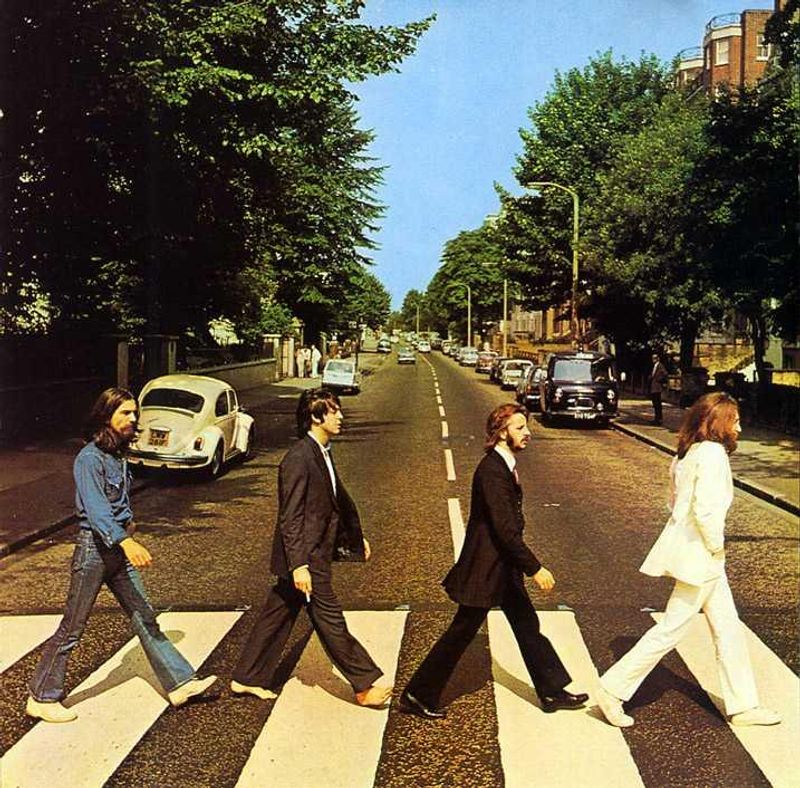
Relief has a sound, and it might be that opening acoustic guitar. George Harrison wrote this Abbey Road favorite during a break from business pressures, turning a sunny moment into music that feels renewing.
It was not issued as a U.S. Beatles single during the band’s active years and never reached No. 1 on the Hot 100.
Later digital chart appearances belong to separate rankings. Enjoy its unusual rhythmic turns beneath the bright, reassuring chorus.
16. A Day in the Life: An Ending Bigger Than a Ranking
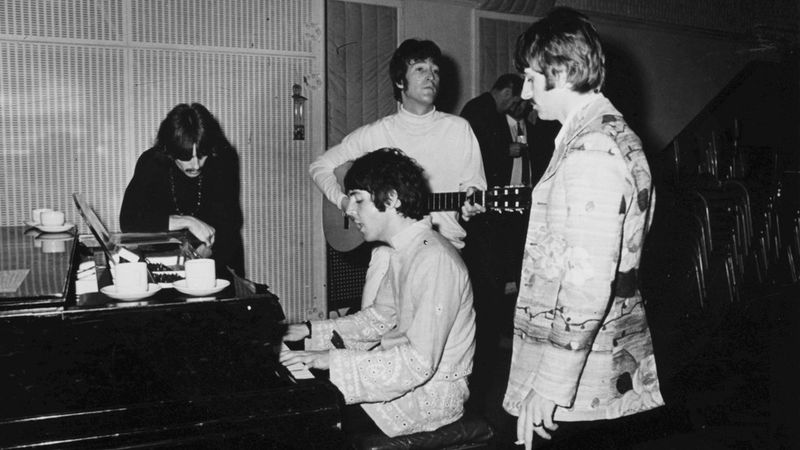
Few album endings make the room feel quite so different afterward. John Lennon’s newspaper inspired verses meet Paul McCartney’s brisk daily routine, with huge orchestral climbs connecting their separate musical worlds.
As an album track rather than a U.S. single during the Beatles’ career, it had no Hot 100 peak. Its power lies in the full listening experience.
Give the final piano chord time to fade, and resist skipping ahead before the sound disappears completely.