
Have you ever eaten a big dinner and felt hungry again an hour later? The secret to staying full often comes down to one thing: fibre.
Fibre helps your stomach feel happy, keeps your energy steady, and supports a healthy gut. The good news is that adding more of it to dinner is easy, tasty, and cheap when you know which ingredients to grab.
1. Black Beans
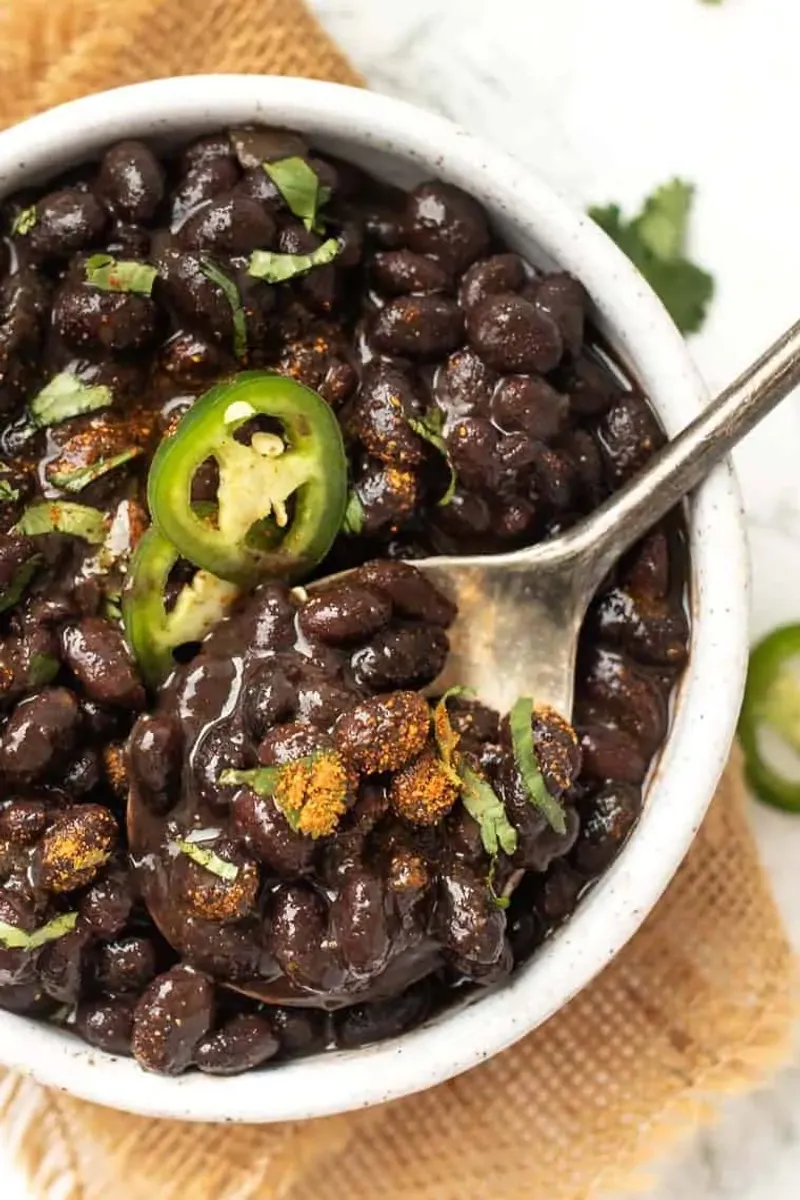
Picture a taco night where everyone actually feels full afterward. Black beans make that happen, packing around 15 grams of fibre in a single cooked cup.
Toss them into burritos, soups, or rice bowls for an earthy, creamy bite. Canned beans work great, just rinse them first to cut extra salt.
Fun fact: black beans have been grown in the Americas for over 7,000 years, so they have earned their dinner spot.
2. Lentils
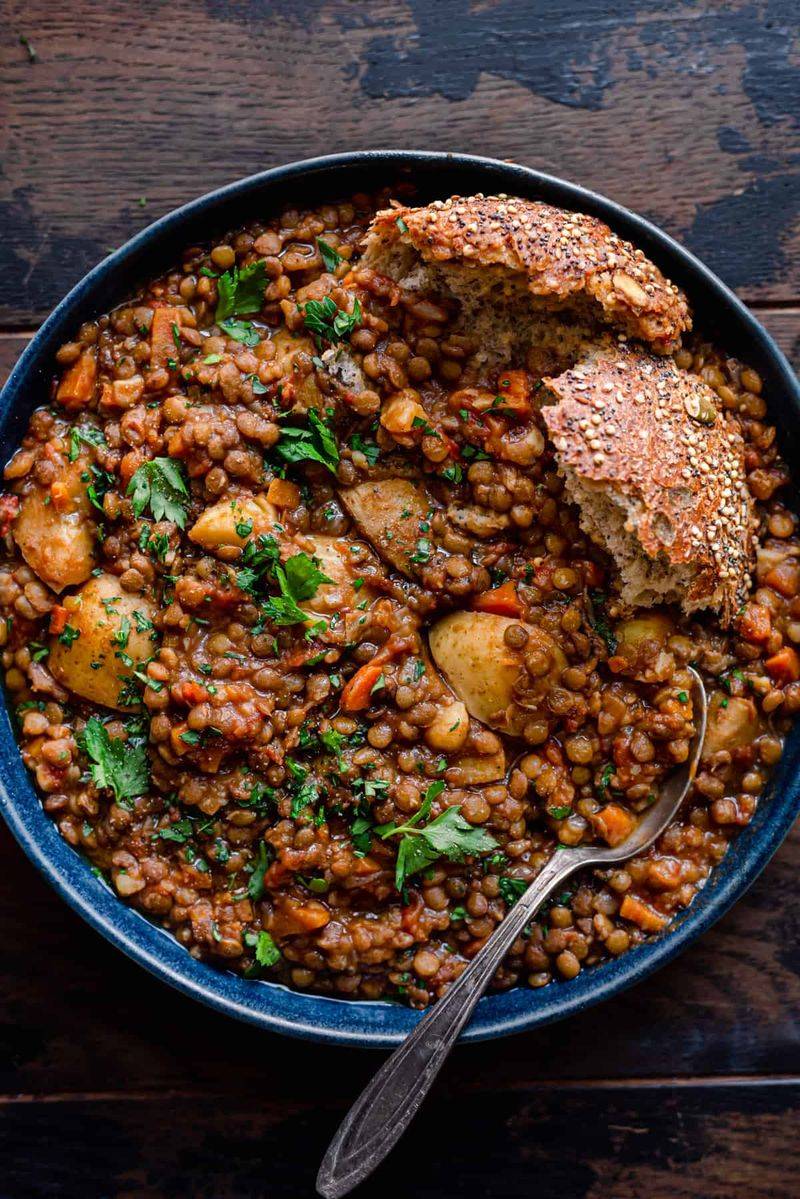
Short on time? Lentils cook in about 20 minutes with no soaking needed, which makes them a weeknight hero.
One cup gives you roughly 16 grams of fibre plus plenty of protein. Red lentils melt into soups and curries, while green and brown ones hold their shape in salads.
Try swapping half the ground meat in your spaghetti sauce with lentils. Most people never notice, and the meal stretches further for less money.
3. Chickpeas
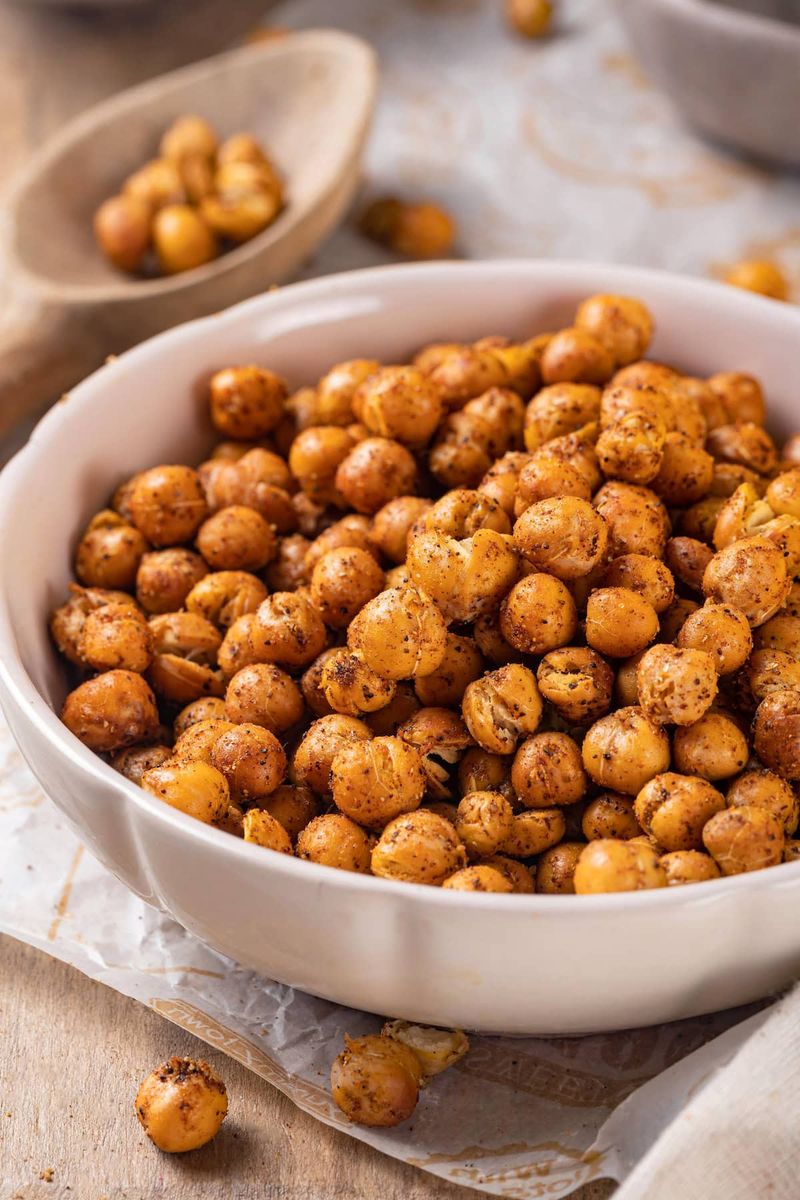
Crunchy, nutty, and endlessly flexible, chickpeas might be the most fun legume in your pantry. Roast them with olive oil and spices until crispy, and they turn into a snack-like topping for salads.
They also shine in curries, stews, and homemade hummus. Each cup holds about 12 grams of fibre.
Here is a neat trick: save the liquid from the can. Called aquafaba, it whips up like egg whites for baking.
4. Brown Rice
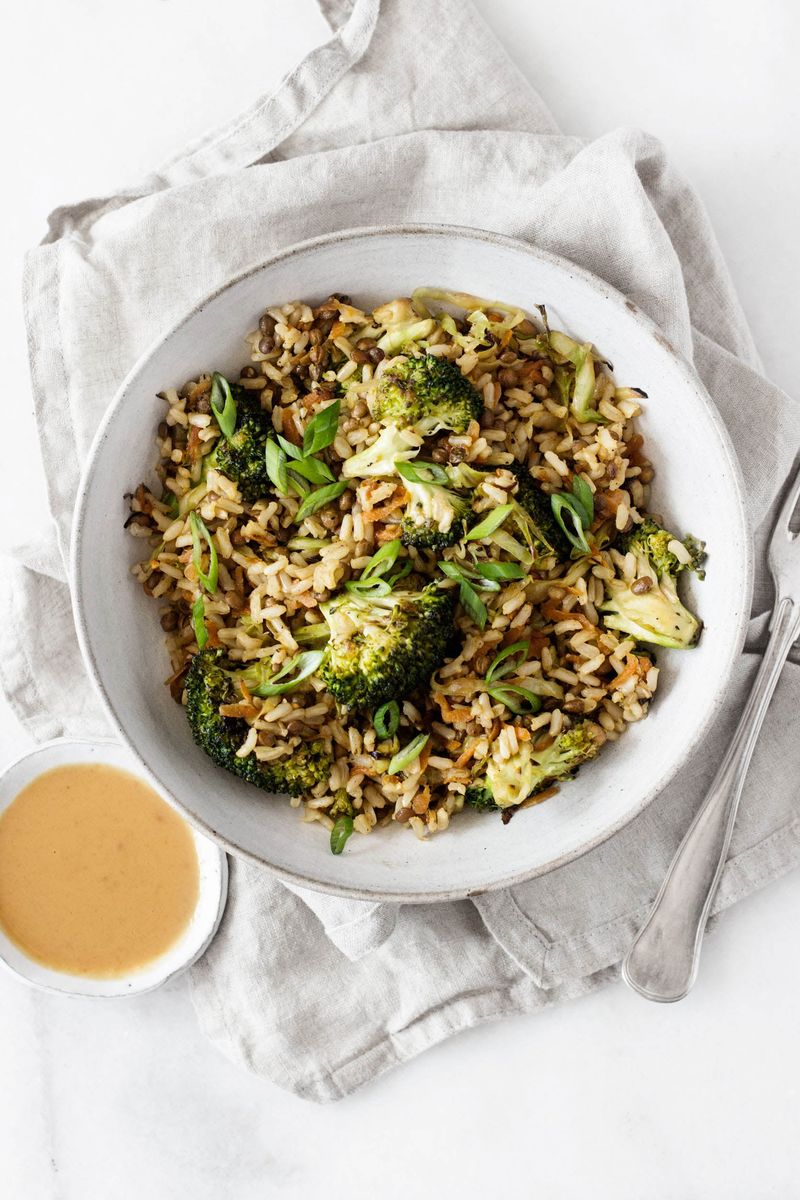
White rice gets all the attention, but its brown cousin keeps the outer bran layer where much of the fibre lives. That means a cup gives you around 3.5 grams, compared to less than one in white rice.
The nutty flavor pairs beautifully with stir-fries and burrito bowls. Cooking takes longer, so make a big batch on Sunday.
Leftover brown rice actually makes better fried rice, since day-old grains crisp up nicely.
5. Quinoa
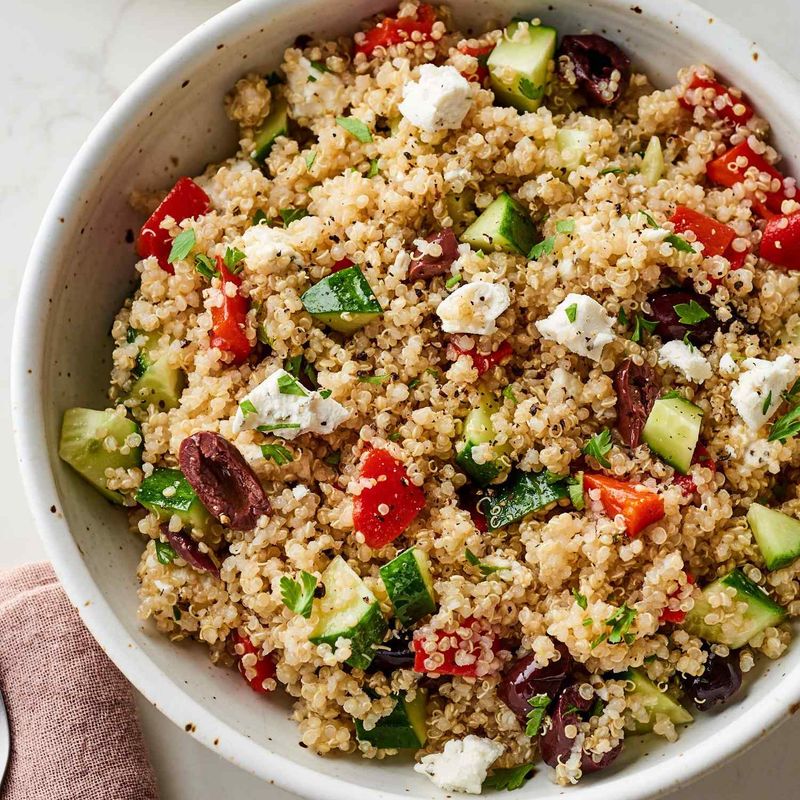
Ancient Incas called quinoa the mother of all grains, though it is technically a seed. Either way, it deserves a spot on your plate.
A cooked cup offers about 5 grams of fibre and all nine essential amino acids. It cooks in just 15 minutes, faster than most rice.
Always rinse quinoa before cooking to remove its bitter coating. Then use it as a base for grain bowls or stuff it into peppers.
6. Whole Wheat Pasta
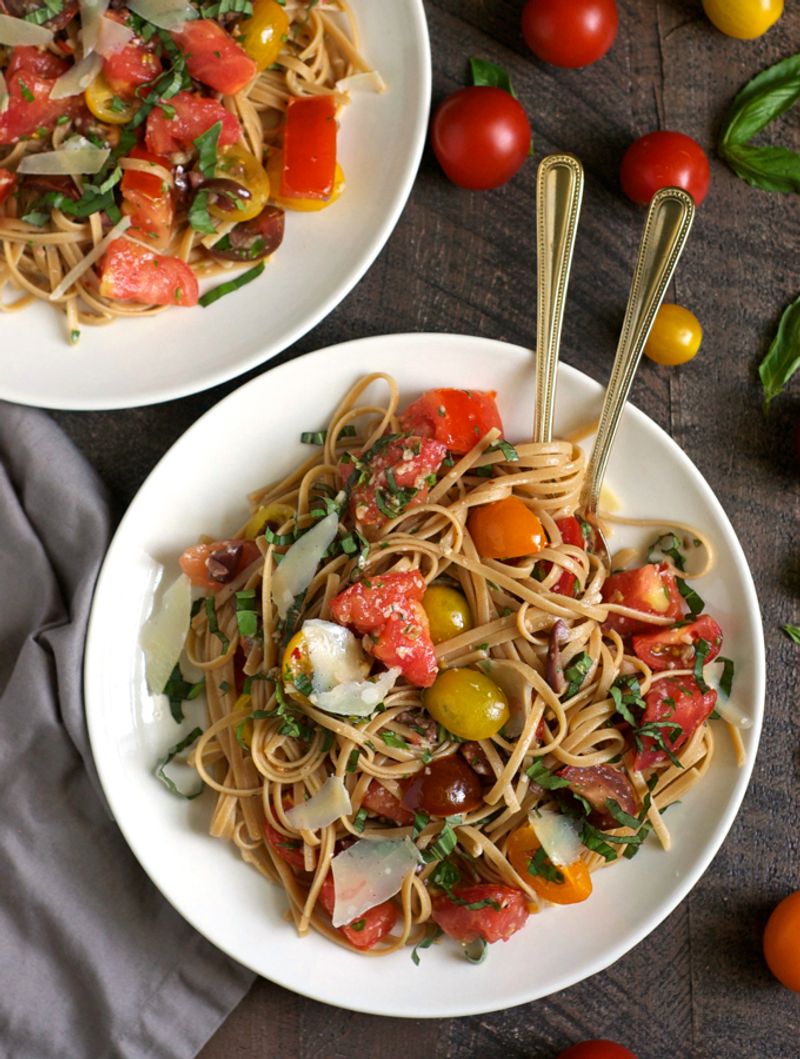
Kids might grumble at first, but whole wheat pasta wins people over once it is drowning in a good sauce. A cooked cup brings about 6 grams of fibre, nearly triple regular pasta.
Its slightly chewy texture holds up well to chunky tomato, meat, or veggie sauces.
Not ready to switch fully? Mix half white and half whole wheat noodles in the same pot.
It is a sneaky, painless way to ease the family in.
7. Sweet Potatoes
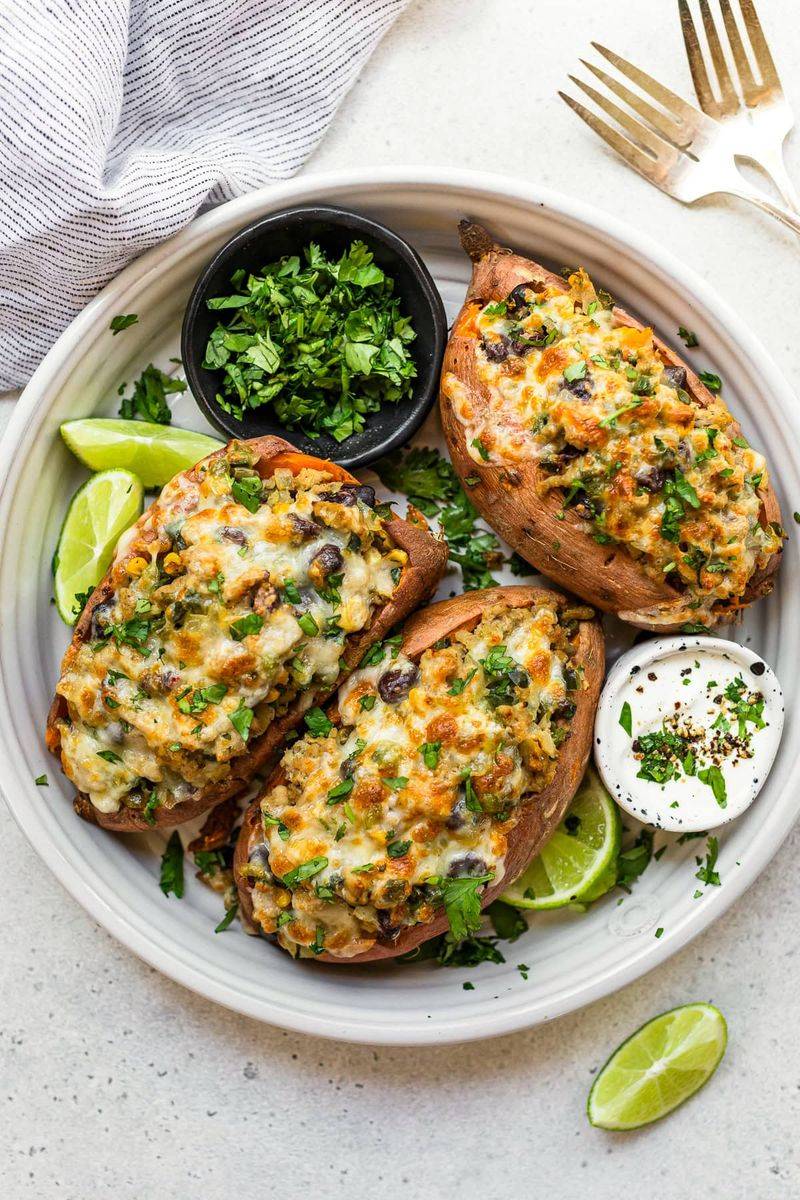
Grandma knew what she was doing when she piled sweet potatoes onto the holiday table. Leaving the skin on gives you about 4 grams of fibre per medium potato.
Bake them whole and stuff with beans, cheese, or leftover chili for a cozy meal. Cubed and roasted, they caramelize into sweet, golden bites.
They are also loaded with vitamin A, which helps your eyes and skin. Comfort food rarely gets healthier than this.
8. Broccoli
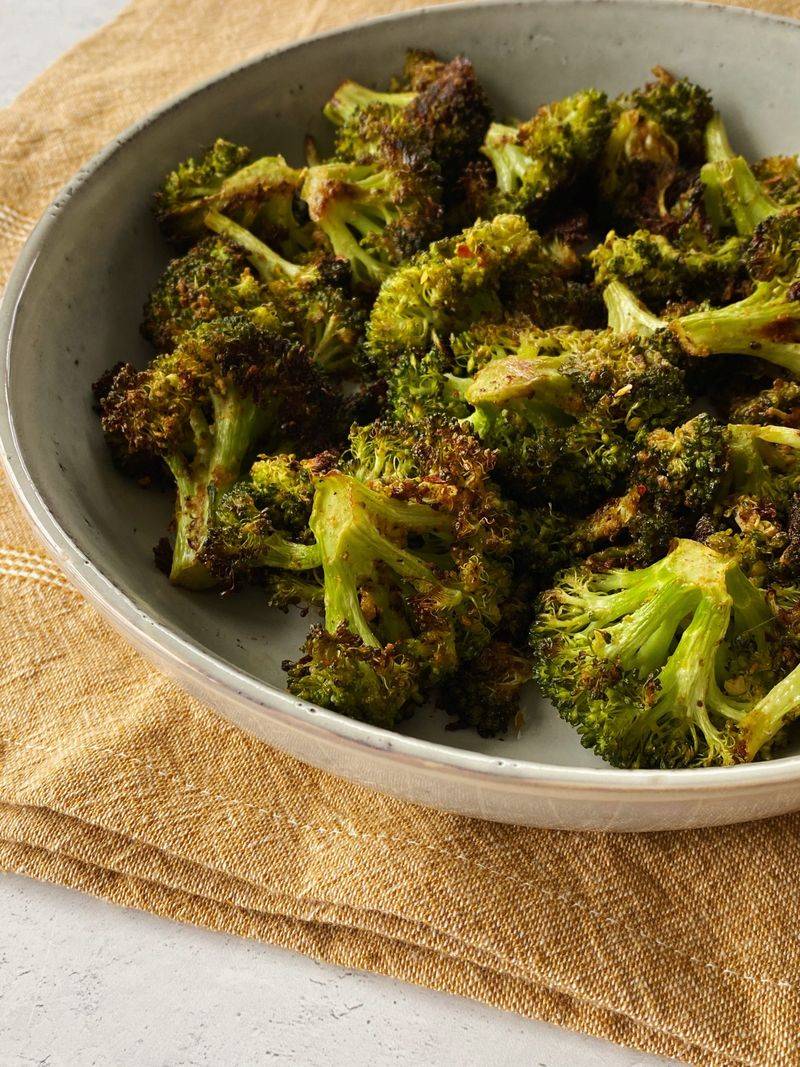
Forget the soggy, gray broccoli from school lunches. Roasting it at high heat turns the edges crispy and almost sweet.
Each cup adds around 5 grams of fibre when cooked, plus a big dose of vitamin C. Don’t toss the stems either.
Peel and slice them, since they are just as tasty and full of nutrients.
Toss florets into pasta, stir-fries, or casseroles. A squeeze of lemon at the end makes them pop.
9. Green Peas
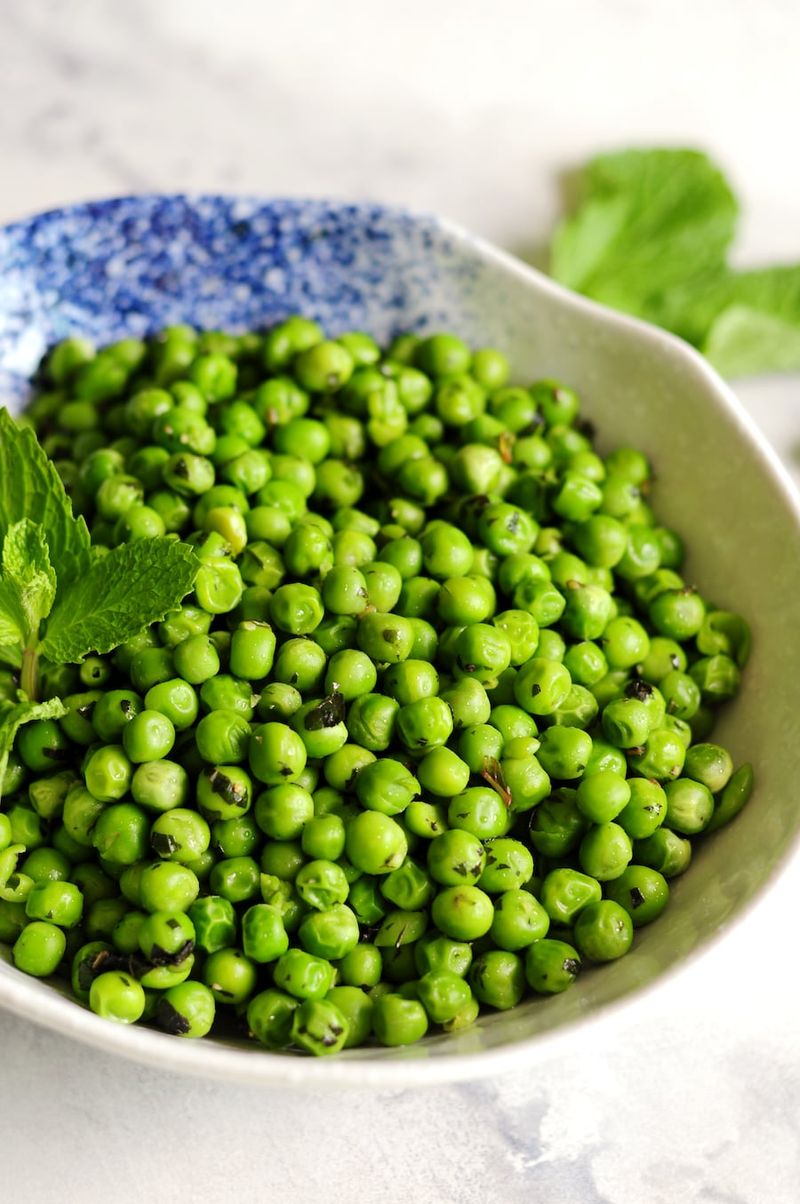
That bag of frozen peas in the back of your freezer is a fibre superstar hiding in plain sight. One cup contains about 9 grams.
Frozen peas are picked and frozen at peak ripeness, so they are often sweeter than fresh ones sitting at the store.
Stir a handful into fried rice, mac and cheese, shepherd’s pie, or soup during the last few minutes of cooking. They add color, sweetness, and fullness in seconds.
10. Brussels Sprouts
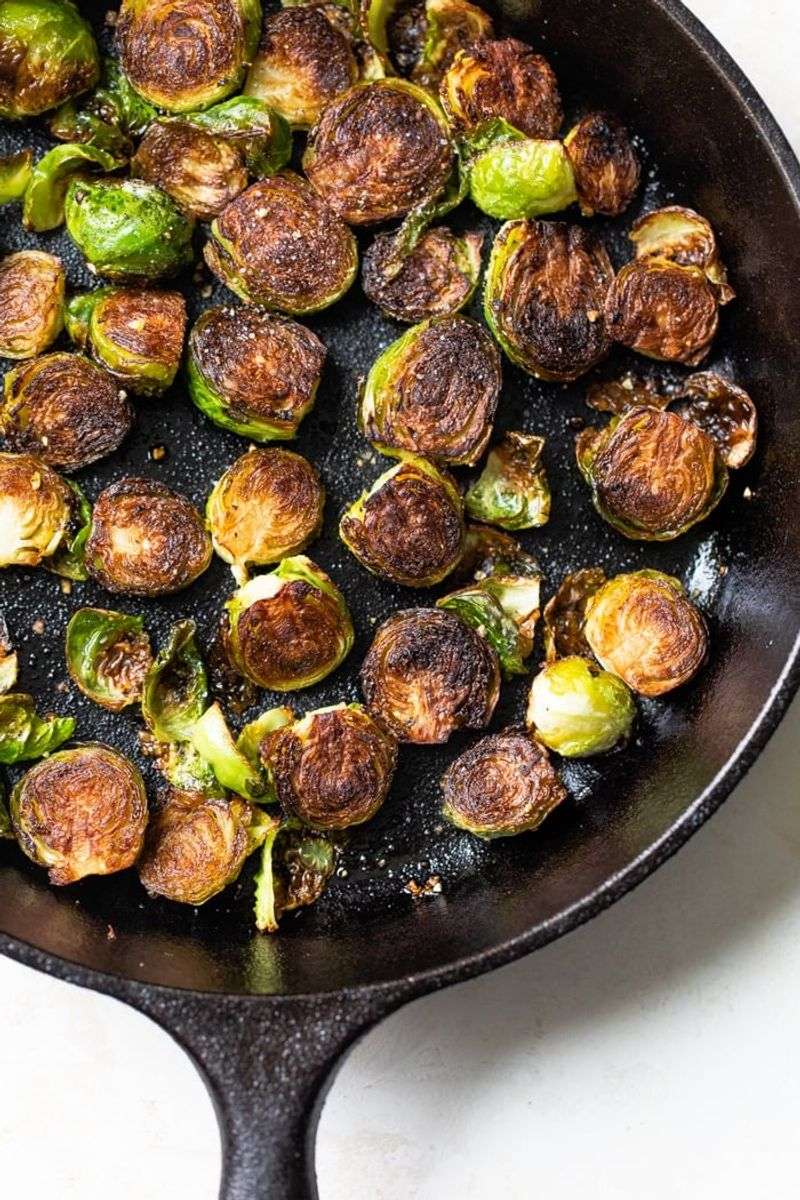
Few vegetables have made a bigger comeback than Brussels sprouts. Once the most hated side dish, they now star on fancy restaurant menus.
The trick is cooking them right. Halve them and sear cut-side down in a hot pan until deeply browned.
A drizzle of honey or balsamic finishes them perfectly.
Each cup delivers roughly 4 grams of fibre. They grow on tall stalks, looking like tiny cabbages stuck to a stick.
11. Avocado
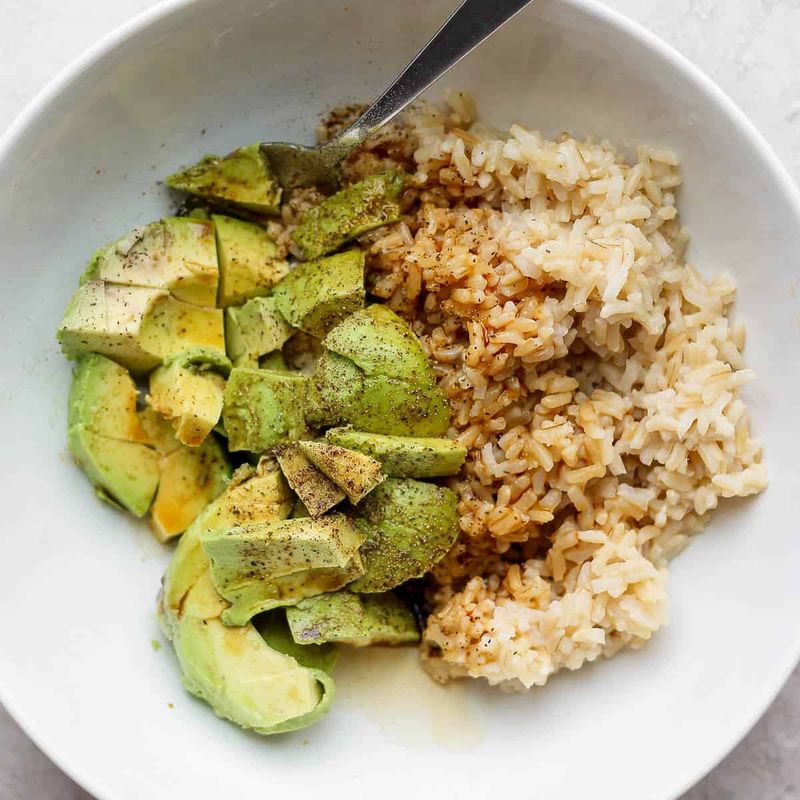
Creamy and rich, avocado tastes like a treat yet quietly delivers about 10 grams of fibre per fruit. Yes, it is technically a fruit, and even a giant berry.
Slice it over tacos, mash it into guacamole, or add chunks to salads and grain bowls. Its healthy fats help your body soak up vitamins from other veggies.
To ripen a hard one faster, place it in a paper bag with a banana overnight.
12. Artichokes
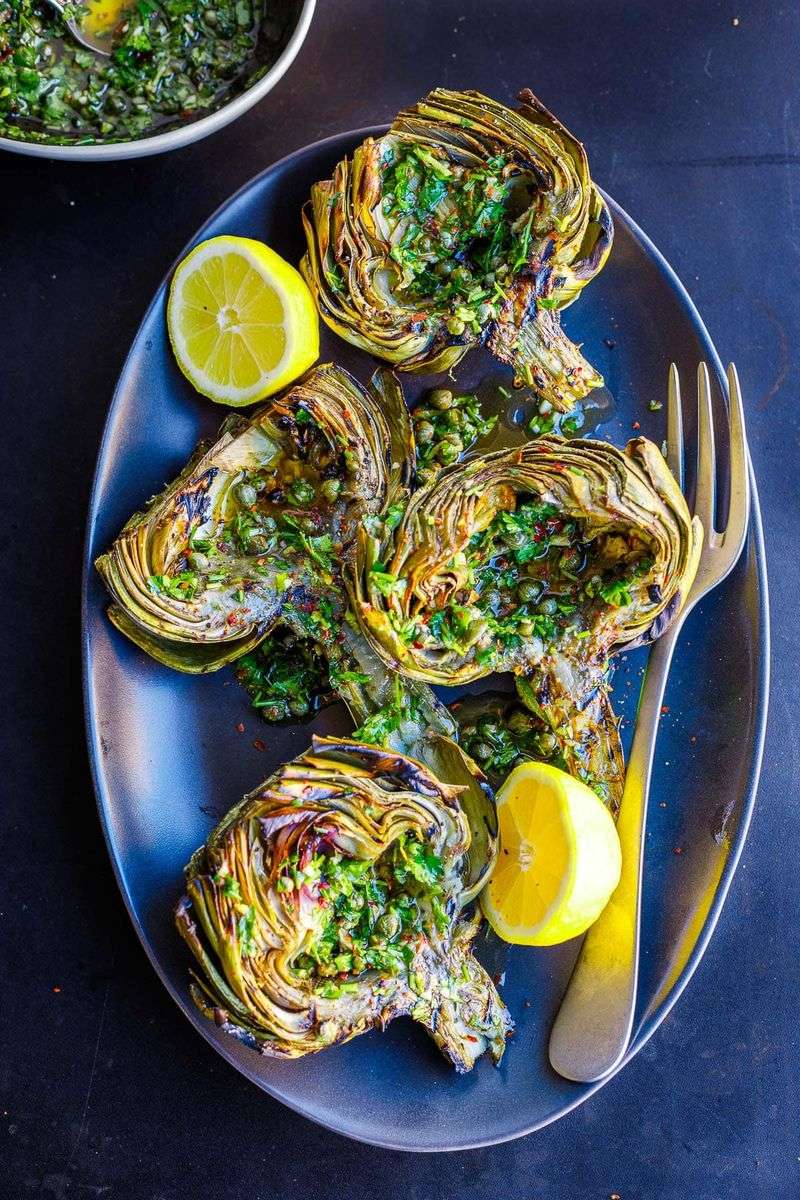
Intimidating to look at, artichokes reward the brave with one of the highest fibre counts among vegetables, around 7 grams in a medium one.
Fresh ones take some work, but canned or jarred hearts are ready right away. Toss them onto pizza, stir into pasta, or bake into a cheesy dip.
Fun fact: an artichoke is actually a flower bud. Left alone on the plant, it blooms into a gorgeous purple thistle.
13. Barley
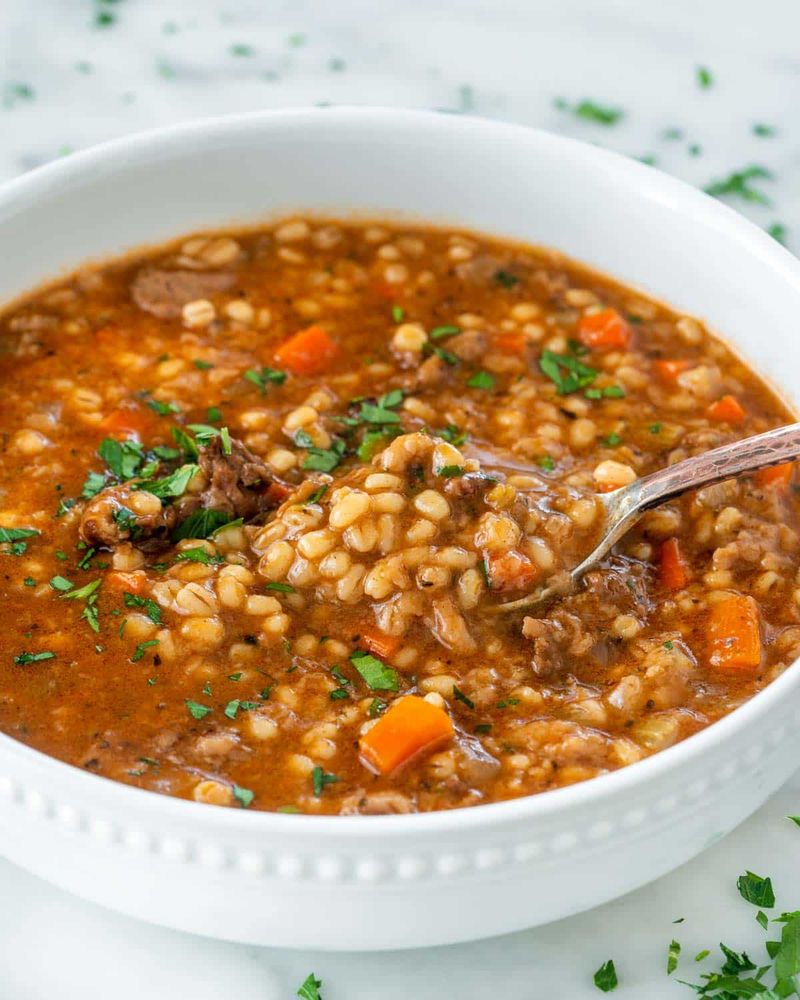
Chewy, plump, and cozy, barley turns a thin soup into a belly-warming meal. It has been grown for over 10,000 years, making it one of the oldest grains around.
A cooked cup offers about 6 grams of fibre, including a special type that may help lower cholesterol.
Add pearl barley to beef stew, vegetable soup, or use it like risotto rice. Leftovers keep well in the fridge for nearly a week.
14. Cauliflower
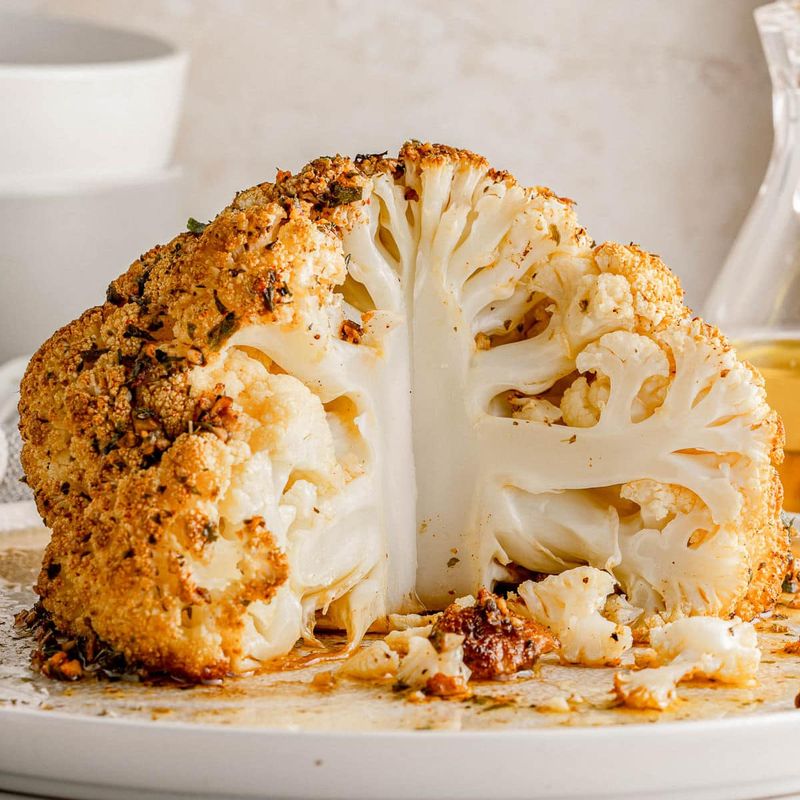
Cauliflower has turned into the shape-shifter of the kitchen. It becomes rice, pizza crust, mashed potatoes, and even buffalo wings.
Every cup adds around 3 grams of fibre with very few calories. For an eye-catching dinner centerpiece, roast a whole head brushed with olive oil and spices until golden.
Mixing riced cauliflower into regular rice is a simple way to bulk up portions while adding more veggies without anyone complaining.
15. Kidney Beans
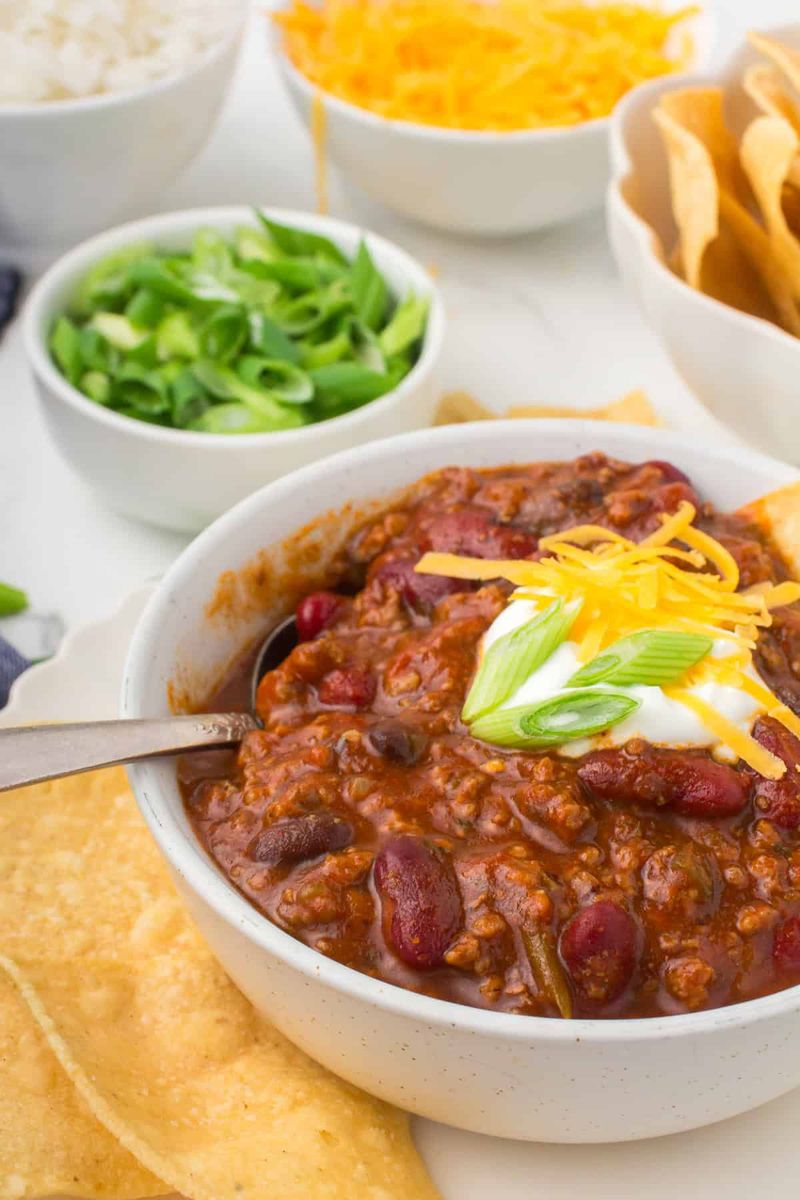
No chili feels complete without kidney beans. Their firm texture soaks up spices while staying whole through long simmering.
A cooked cup gives about 13 grams of fibre, keeping you full well into the evening. They are also great in rice and beans, a classic Caribbean dish.
One safety tip: never eat dried kidney beans raw or undercooked. Boil them hard for at least ten minutes.
Canned ones are already safely cooked.
16. Spinach
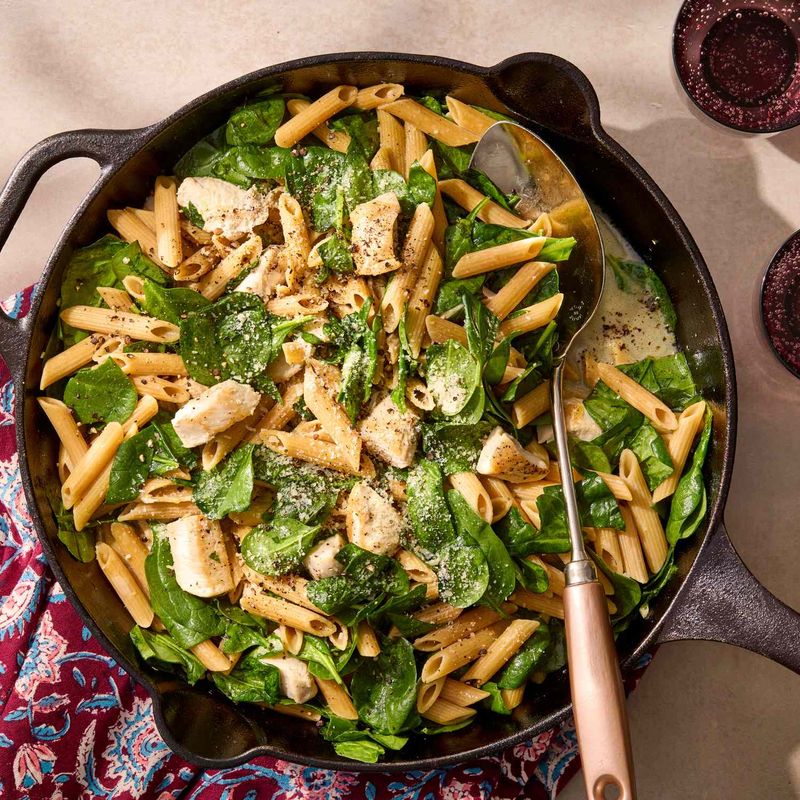
Popeye had the right idea. A huge pile of fresh spinach shrinks down to almost nothing once cooked, which means you can sneak loads into a single meal.
Cooked spinach provides about 4 grams of fibre per cup, along with iron and vitamin K.
Stir handfuls into pasta sauce, soups, curries, or scrambled eggs right before serving. It wilts in under a minute and blends right in.
17. Carrots
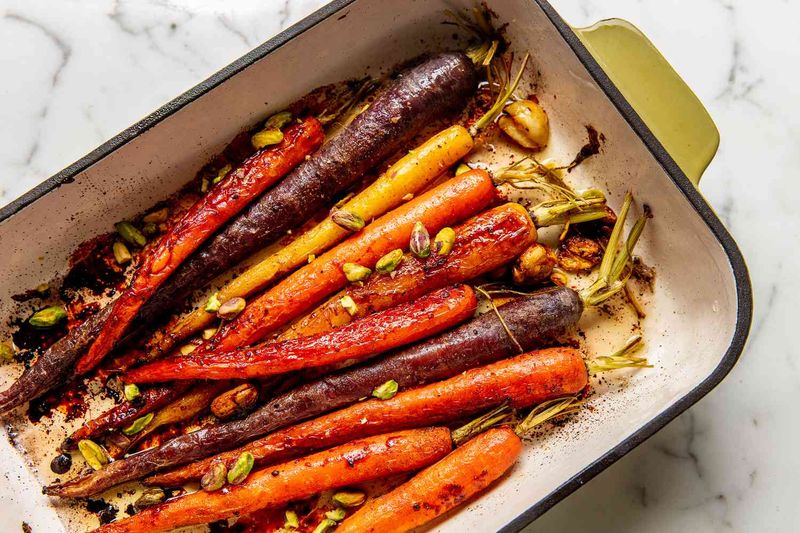
Crunchy, cheap, and always in the fridge, carrots are the dependable friend of the vegetable world. One cup of chopped carrots offers around 3.5 grams of fibre.
Roast them with honey for a sweet side, shred them into meatballs, or simmer them in stews.
Did you know carrots were originally purple and yellow? Orange carrots became popular in the Netherlands during the 1600s.
Today, rainbow varieties make dinner plates look extra cheerful.
18. Chia and Flax Seeds
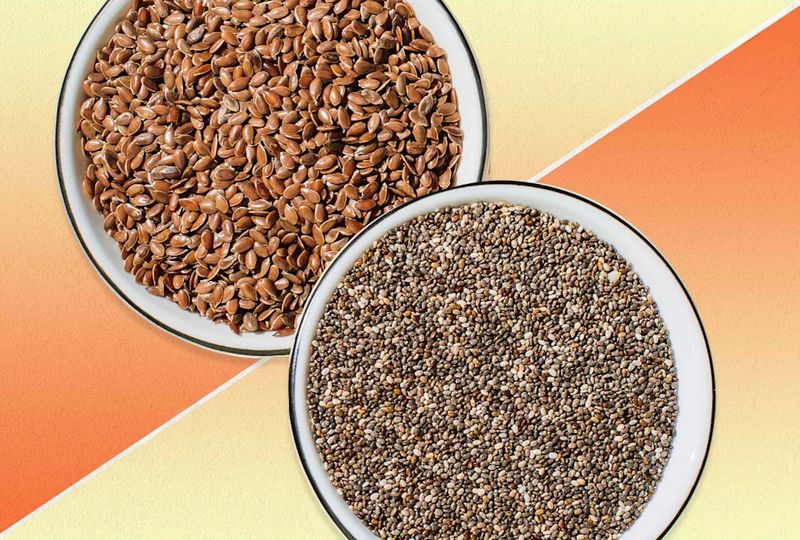
Tiny seeds, giant impact. Just two tablespoons of chia seeds hold roughly 10 grams of fibre, and flaxseed is not far behind.
For dinner, mix ground flax into meatball or burger mixtures. Sprinkle chia over salads or stir into sauces to thicken them naturally.
Flax works best ground, since whole seeds often pass through your body untouched. Store ground flax in the fridge so its healthy oils stay fresh.
19. Mushrooms
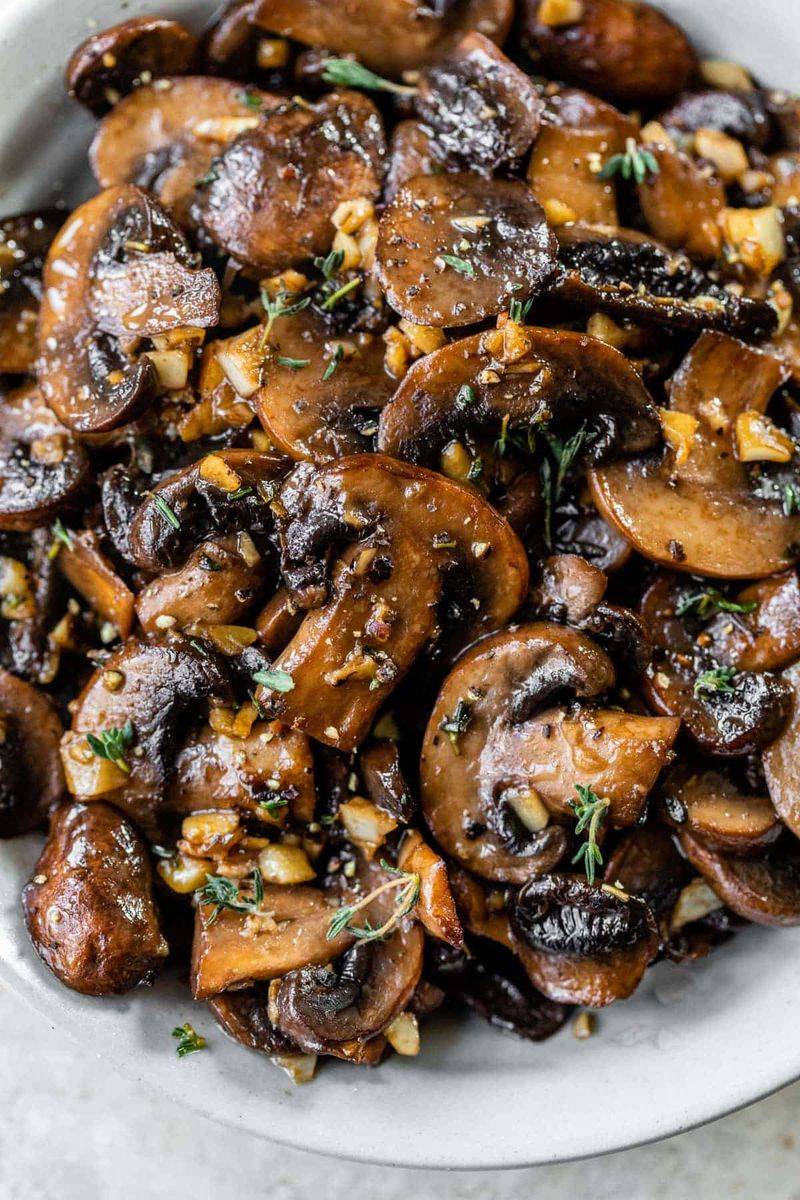
Meaty, savory, and full of that rich umami flavor, mushrooms make vegetarian dinners feel hearty. A cup of cooked mushrooms provides around 3 grams of fibre.
Chop them finely and blend with ground beef for juicier burgers using less meat. Portobello caps even work as burger buns.
Quick tip: don’t crowd the pan. Give mushrooms space and they will brown beautifully instead of turning soggy and steamed.