
Baking is one of the oldest kitchen skills in the world, and many of its best tricks were passed down from grandparents to grandkids. Learning a few classic methods can make your breads, cakes, and pies taste better than anything from a box.
Old techniques also teach you why recipes work, which makes you a smarter, more confident cook. Grab an apron, because these time-tested skills are easier and more fun than you might think.
1. Hand-Kneading Bread Dough
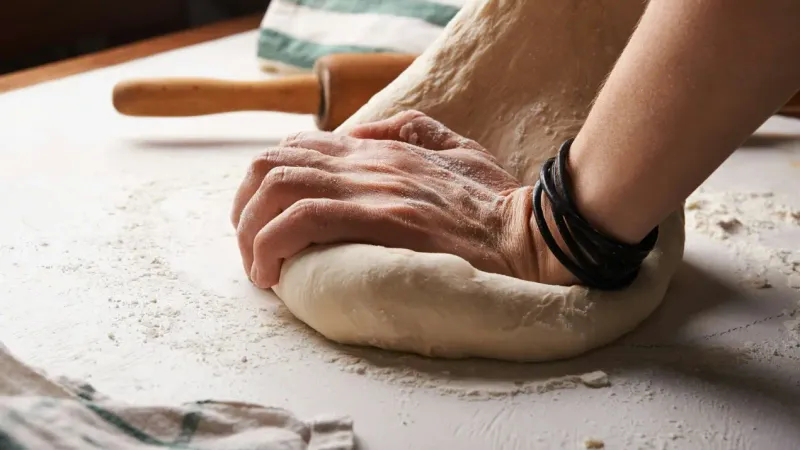
Push, fold, turn, repeat. That simple rhythm has been turning flour and water into bread for thousands of years.
Kneading by hand builds gluten, the stretchy network that gives loaves their chewy bite.
Aim for about ten minutes of steady work. Your dough is ready when it feels smooth and springs back after a gentle poke.
Bonus: many bakers say kneading is better than a stress ball for calming a busy mind.
2. Creaming Butter and Sugar
Ever wonder why some cakes turn out light as a cloud? The secret often starts before the flour even shows up.
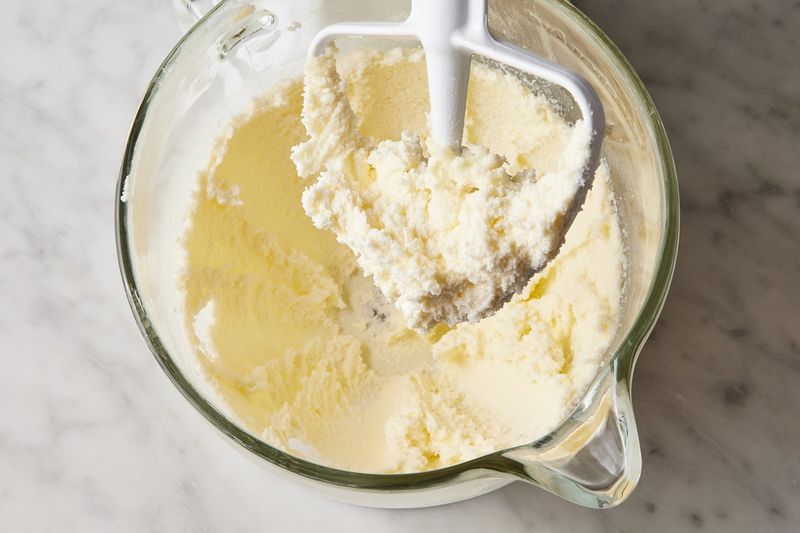
Beating soft butter with sugar traps tiny air bubbles that help the batter rise.
Use room temperature butter, not melted. Mix until the blend turns pale and fluffy, usually three to five minutes.
Grandma probably did it with a wooden spoon, and her arms deserved a medal for it.
3. Rubbing In for Flaky Scones
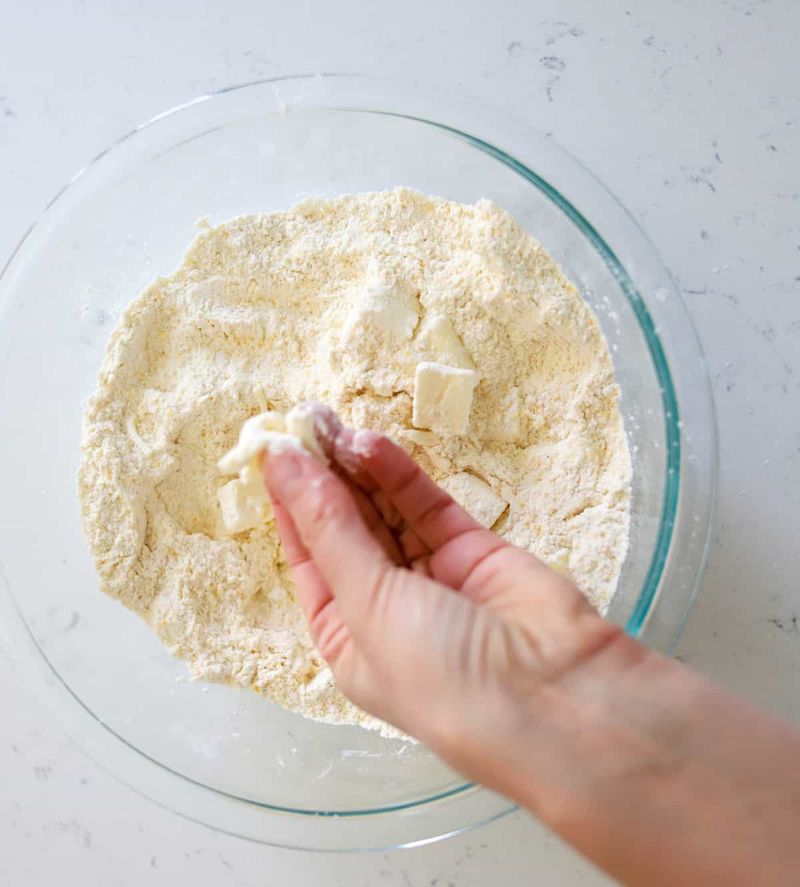
British grandmothers swear by their fingertips. Rubbing cold butter into flour until it looks like breadcrumbs is the classic way to make scones, shortcrust, and crumble toppings.
Work quickly so the butter stays cold. Lift the mixture as you go to keep it airy.
Those little butter bits melt in the oven and create steam, which gives you tender, flaky layers. Warm hands?
Run them under cold water first for better results.
4. Laminating Dough for Croissants
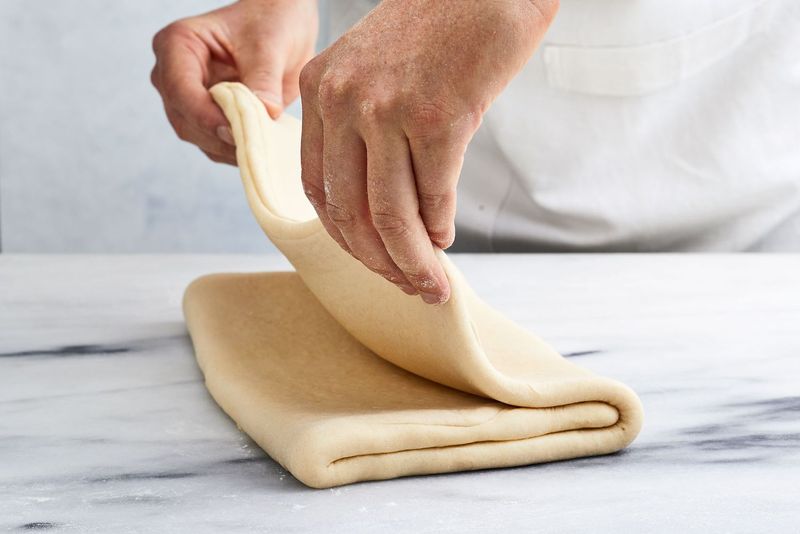
Picture eighty-one paper-thin layers of butter hiding inside one croissant. Lamination makes that magic happen by folding butter into dough again and again.
You roll, fold like a letter, chill, and repeat a few times. Patience matters more than skill here, since cold butter is the key to clean layers.
Sure, it takes a whole weekend. But when you pull flaky, golden pastries from your own oven, every minute feels worth it.
5. Keeping a Sourdough Starter
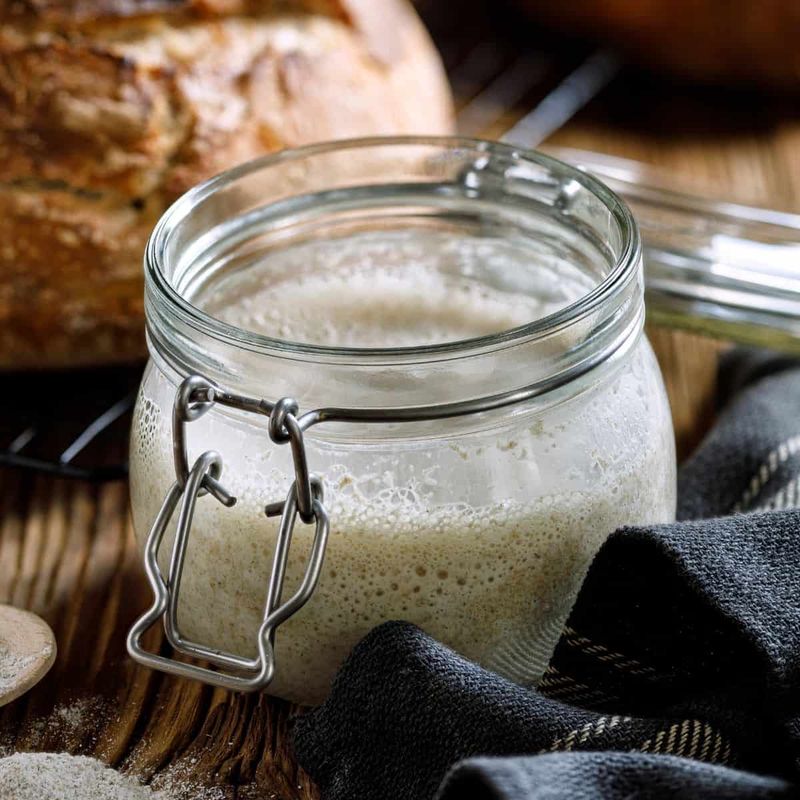
Some families have kept the same sourdough starter alive for over a hundred years. It is basically a pet made of flour, water, and wild yeast.
Feed it daily with fresh flour and water, and it rewards you with bubbles and a tangy smell. Once it doubles reliably, it can raise bread without store-bought yeast.
Fun fact: gold miners in Alaska carried starters so often they earned the nickname sourdoughs.
6. Blind Baking Pie Crust
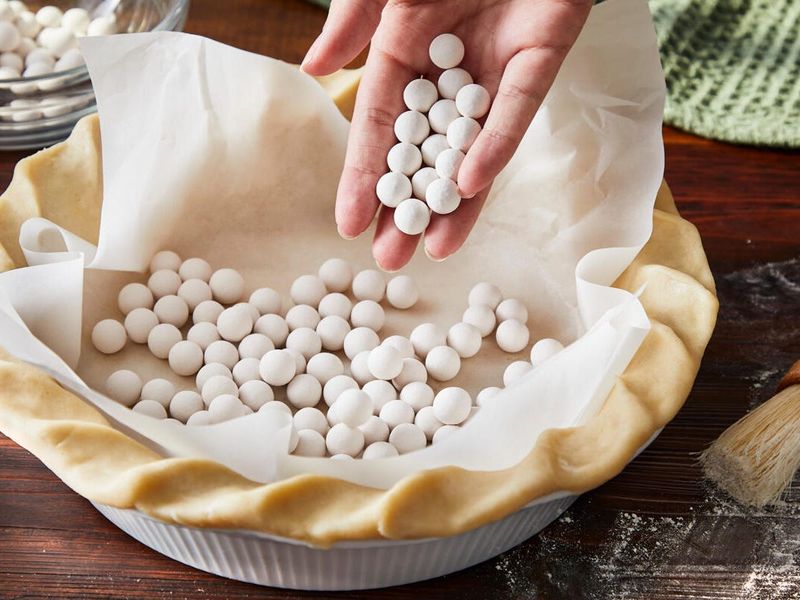
Soggy bottoms ruin perfectly good pies. Luckily, bakers solved that problem long ago by baking the crust before adding any filling.
Line your raw crust with parchment, then fill it with pie weights, dried beans, or even rice. Bake until the edges look set, remove the weights, and give it a few more minutes.
Now your custard, lemon, or cream filling sits on a crisp, sturdy base that actually holds together when sliced.
7. Folding in Whipped Egg Whites
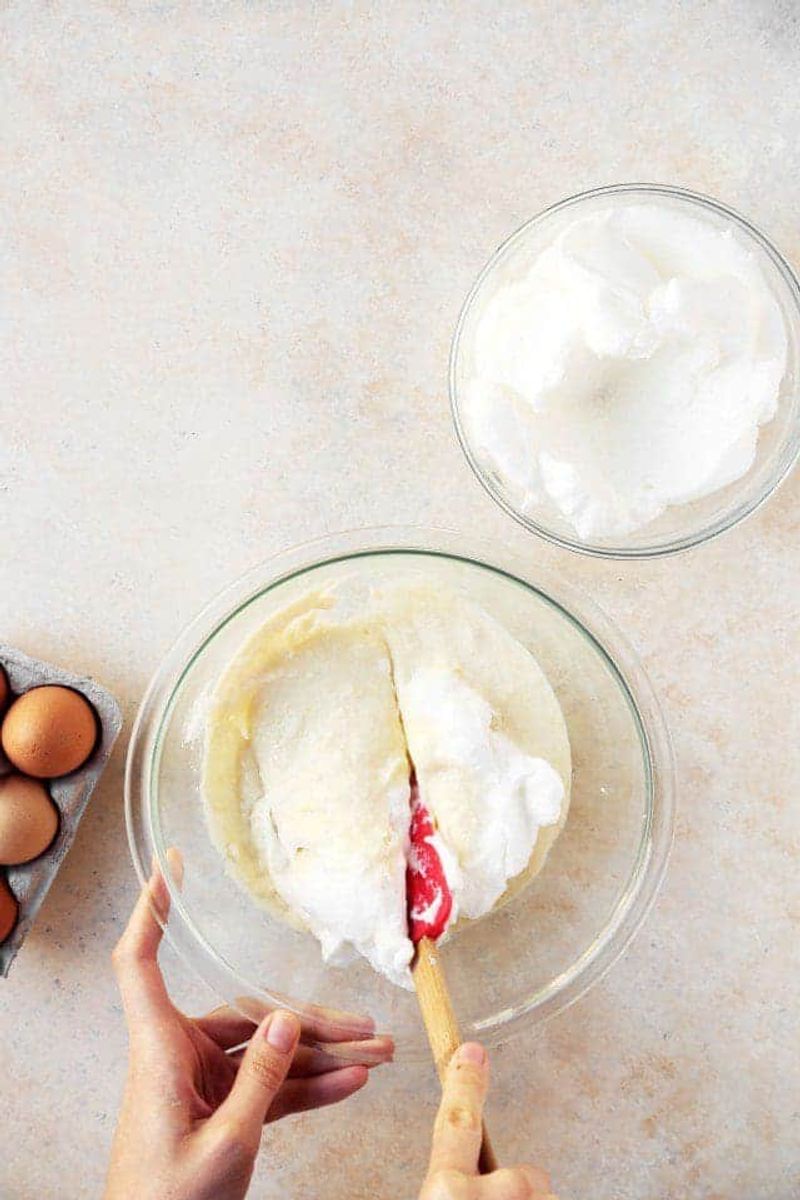
Think of egg whites as tiny balloons you have to protect. Folding is the gentle move that keeps them from popping.
Add a scoop of whites to your batter first to loosen it. Then cut down the middle with a spatula, sweep along the bottom, and turn the bowl.
Stop once you see no white streaks. Soufflés, angel food cakes, and chiffon cakes all depend on this soft, careful touch.
8. Baking in a Water Bath
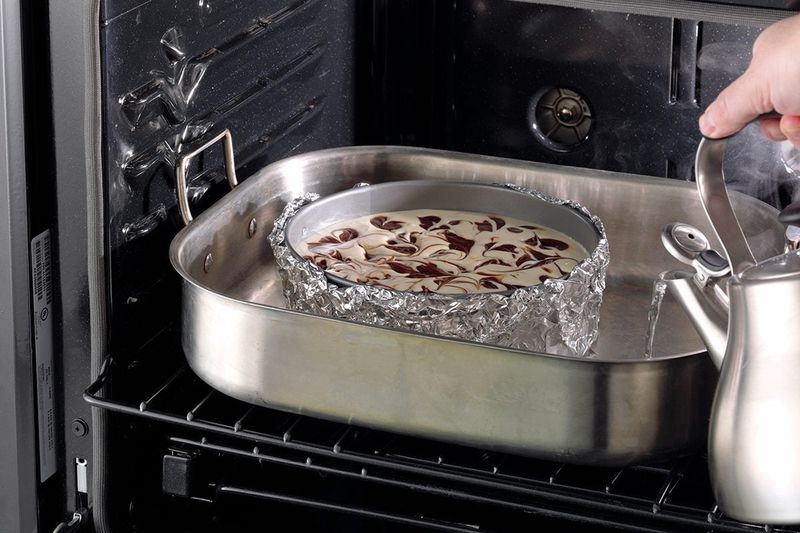
Cheesecakes crack when they get stressed. Seriously, high heat makes their edges cook too fast while the middle lags behind.
A water bath, called a bain-marie in French, fixes that. Set your pan inside a larger pan filled with hot water, then bake as usual.
The water keeps the temperature steady and gentle. You get creamy custards, silky flans, and smooth cheesecakes.
Wrap springform pans in foil to block sneaky leaks.
9. Tempering Eggs for Custard
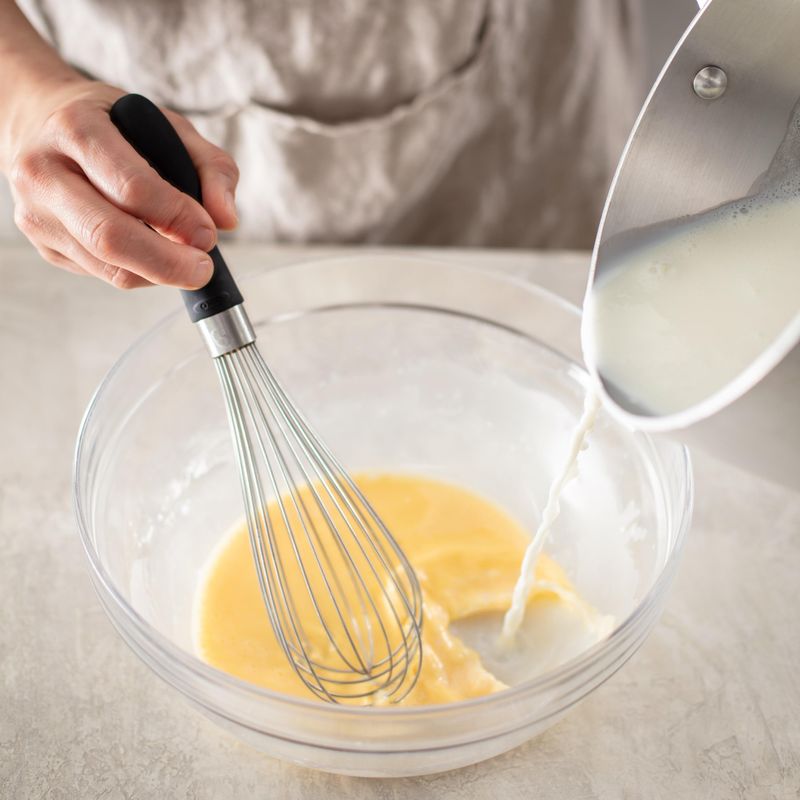
Nobody wants scrambled eggs in their pastry cream. Tempering is the trick that stops that disaster before it begins.
Whisk your eggs in a bowl. Slowly pour in a little hot milk while whisking nonstop, which warms the eggs gently.
After that, pour everything back into the pot.
Go slow and stay patient. The reward is smooth, glossy custard perfect for éclairs, cream pies, homemade pudding, or a classic vanilla ice cream base.
10. Braiding Challah
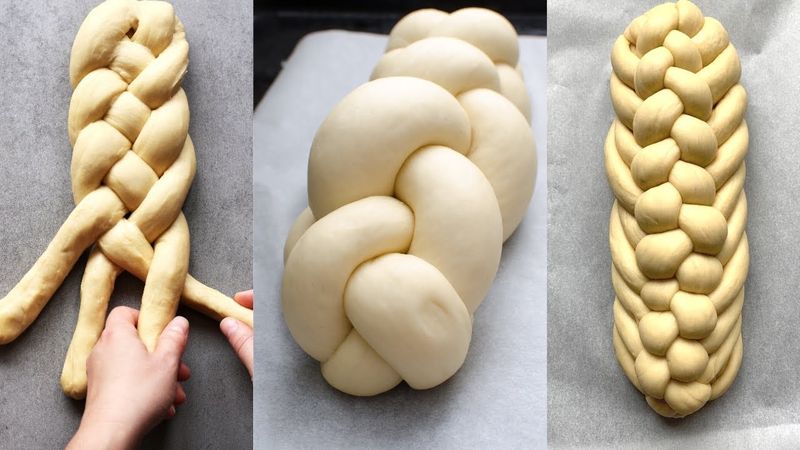
A braided loaf looks fancy, yet anyone who has braided hair already knows the basic moves. Challah, a Jewish holiday bread, is famous for its beautiful twists.
Start with three strands and pinch the top together. Cross outer strands over the middle, one side at a time.
Brush with egg wash for a shiny golden finish. Once three strands feel easy, try four or even six for a real showstopper.
11. Scalding Milk
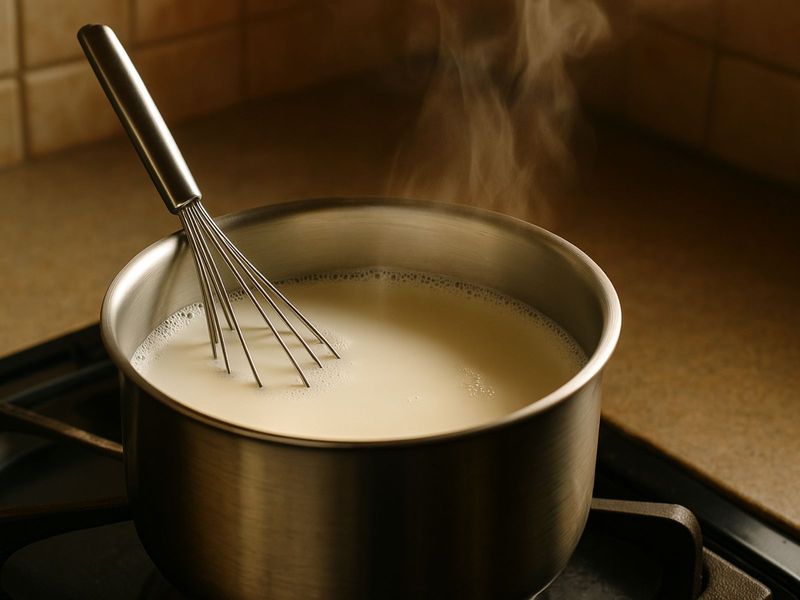
Old recipe cards often say scald the milk, and many modern cooks skip right past it. Big mistake for certain breads.
Heat milk until tiny bubbles form around the edges, but stop before it boils. Let it cool to warm before mixing.
Back in the day, this killed bacteria. Today it still helps, because heating changes a milk protein that can weaken dough.
Your dinner rolls come out softer and taller.
12. Making Choux Pastry
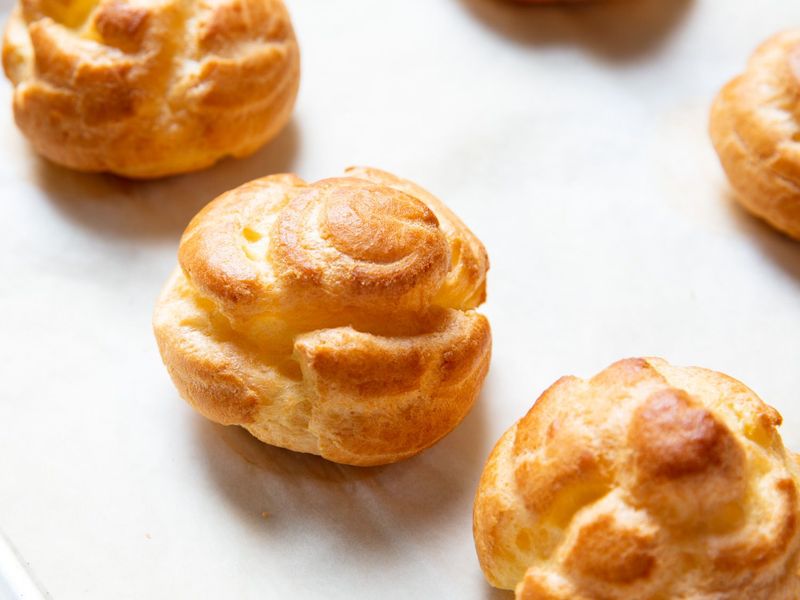
Here is a pastry that cooks twice. Choux dough starts in a saucepan before it ever sees the oven.
Boil water and butter, stir in flour until a ball forms, then beat in eggs one at a time. Pipe small mounds and bake.
Steam inside puffs them up into hollow shells. Fill them with whipped cream for cream puffs or dip in chocolate for éclairs.
Keep that oven door shut while baking!
13. Proofing Yeast
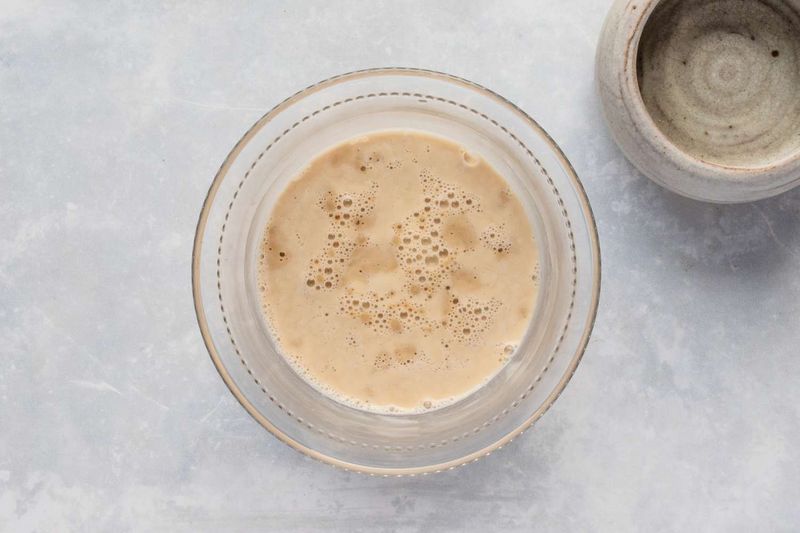
Yeast is alive, so it is smart to check that it is awake before you bake. Proofing takes just ten minutes and saves a lot of heartbreak.
Stir yeast and a pinch of sugar into warm water, about as warm as a cozy bath. Wait for a foamy, bubbly top.
No foam means your yeast has expired. Better to find out now than after hours of waiting for flat dough.
14. Docking and Scoring Dough
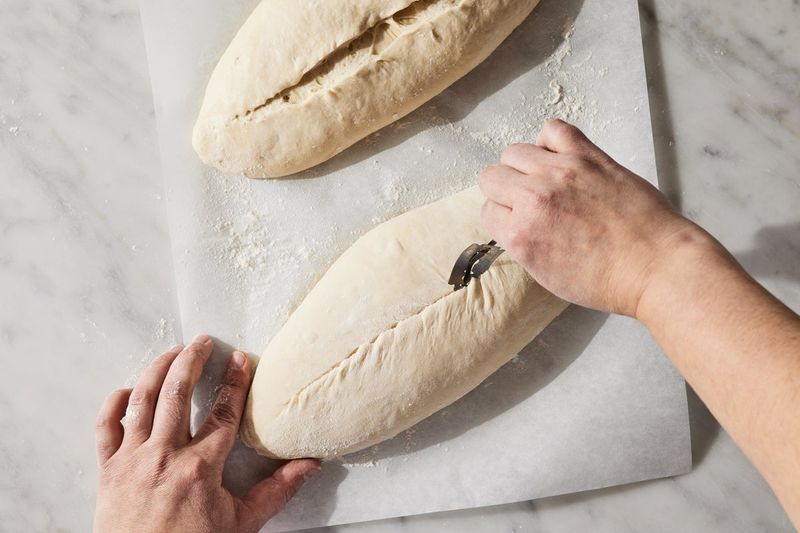
Those pretty slashes on artisan bread are not just for looks. Scoring tells the loaf where to expand so it does not burst randomly.
Use a sharp razor or knife and make quick, confident cuts about a quarter inch deep. Docking is similar, poking holes in crackers or crusts with a fork to stop bubbles.
Medieval bakers scored loaves with special marks to prove which bread was theirs in shared village ovens.
15. Cast Iron Skillet Baking
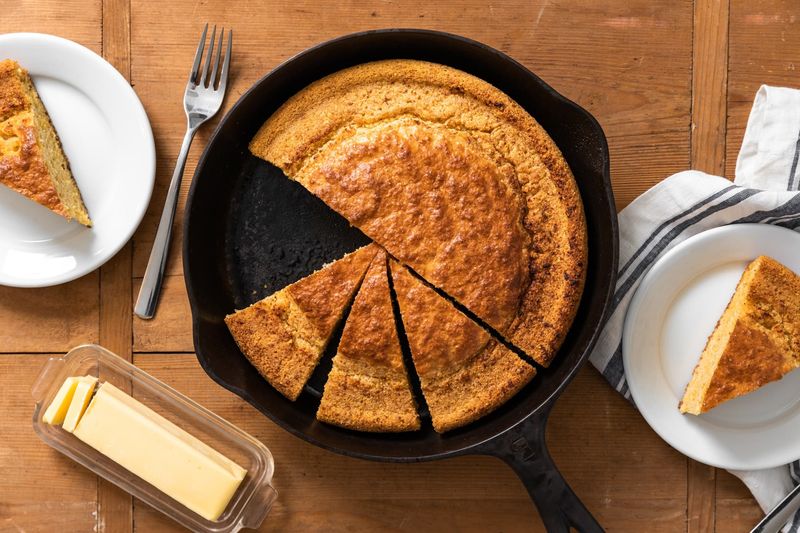
Southern cooks have trusted cast iron for generations, and for good reason. A hot skillet gives cornbread, biscuits, and cobblers a crispy, golden crust no other pan can match.
Preheat the skillet in the oven with a little butter or oil. When you pour in batter, listen for that happy sizzle.
Bonus perk: a well-loved pan lasts forever. Plenty of families still bake with skillets their great-grandparents once used.