
When an older man starts turning down invitations, the reason may be more complex than it seems. He might enjoy quiet time, miss old friends, or face problems that make going out harder.
Not every man who spends time alone feels lonely, but unwanted isolation deserves care. Understanding the difference can help families and friends offer support without adding pressure.
1. Retirement Can Leave a Social Gap

The coffee break disappears, and so do many everyday conversations. For some men, work provided regular contact without the effort of making plans.
Retirement can leave a surprisingly quiet space where those familiar faces once were.
A weekly breakfast with former coworkers can help keep those ties alive. Volunteering or joining a local project also adds purpose and contact.
Start before retirement when possible, so friendship does not depend entirely on having a job anymore.
2. Grief Can Make Gatherings Feel Different
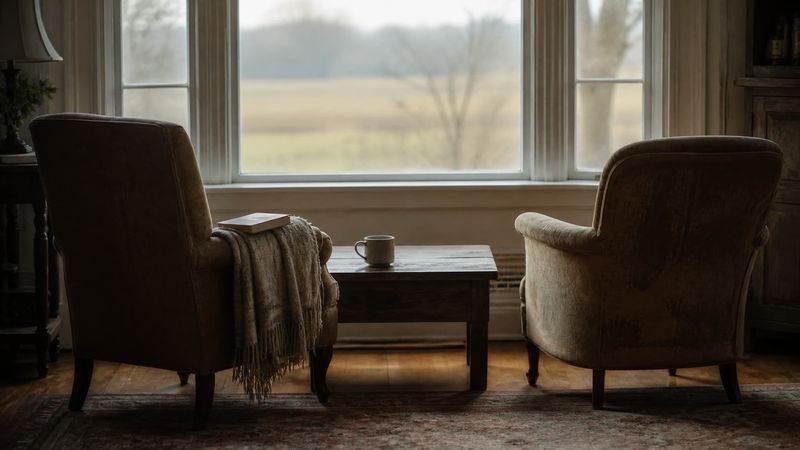
An empty chair can change the feeling of an entire room. After losing a spouse, sibling, or close friend, familiar gatherings may bring painful reminders instead of comfort.
Invitations can feel difficult even when people mean well.
Offer company without asking him to act cheerful. A quiet walk or shared meal may feel easier than a celebration.
Keep checking in gently, and consider grief support if he wants help finding people who understand his loss.
3. Quiet Time May Be a Genuine Choice

A book, a garden, and an afternoon without plans can feel wonderful. Some older men simply enjoy more time alone than they once did.
Choosing peace does not automatically mean they are unhappy or need fixing.
The useful question is whether solitude feels satisfying or unwanted. Respect his preferred pace while keeping invitations open.
If he still enjoys hobbies, maintains valued relationships, and feels content, a quieter social life may suit him very well indeed.
4. Close Friendships Can Matter More Than Crowds
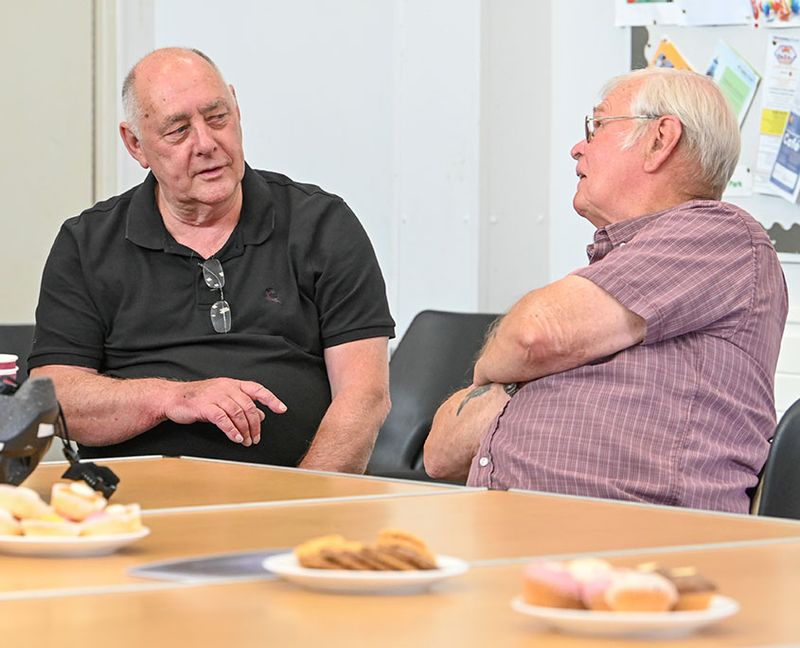
One honest conversation may beat a room full of small talk. With age, some men become more selective about where they spend their time and energy.
A smaller circle can reflect clearer priorities rather than social failure.
Instead of pushing large gatherings, suggest meeting one trusted friend. Ask which people leave him feeling comfortable and appreciated.
Supporting those bonds can be more useful than filling his calendar with events he never wanted to attend anyway.
5. Pain Can Turn Simple Outings Into Work

Getting dressed and reaching the door may already take real effort. Arthritis, back pain, breathing problems, or other health conditions can make a casual outing feel like a major task.
Staying home may be about comfort, not disinterest.
Choose places with seating, accessible entrances, and nearby bathrooms. Short visits at home can work too.
Ask what would make the plan easier rather than guessing, and encourage medical advice when symptoms interfere with normal daily activities.
6. Hearing Trouble Can Hide Behind Silence

Everyone laughs, but he missed the joke again. Hearing difficulties can make busy restaurants and group chats frustrating or embarrassing.
Vision problems may also make unfamiliar places harder to manage, especially after dark.
Pick a quiet spot with good lighting and face him while speaking. Avoid shouting or treating him like a child.
Hearing and vision checks may uncover problems that can be treated or managed, making conversation and outings feel far more comfortable again.
7. Limited Energy Changes the Plan

A late dinner might sound fun until bedtime starts winning. Some older men tire more easily because of health conditions, poor sleep, medicines, or demanding routines.
Long visits can use energy they need for other tasks.
Try an earlier meeting with a clear ending time. Leave room for breaks, and accept that an hour together still counts.
New or lasting fatigue deserves a medical check rather than being brushed aside as simply part of aging.
8. Memory Changes May Shake Confidence

Forgetting a familiar name can make the next invitation feel scary. Memory or thinking changes may affect conversation, planning, and confidence.
However, occasional forgetfulness alone does not mean someone has dementia.
Keep plans simple, share reminders kindly, and choose familiar settings. Avoid testing his memory in front of others.
If changes are new, worsening, or affecting daily life, encourage a health appointment because several possible causes need assessment, and some may respond well to treatment.
9. Years of Responsibility Can Leave Him Drained

Always being the person who fixes things can wear someone down. A man who has spent years handling family needs may begin protecting his free time.
Another gathering can sound like another job rather than a welcome break.
Offer time together that asks little of him. Bring lunch, share a hobby, or listen without requesting solutions.
If exhaustion comes with lasting sadness or lost interest, encourage support instead of assuming rest alone will solve everything.
10. Old Lessons Can Make Opening Up Hard

Some boys grew up hearing that strong men handle problems alone. Those messages can follow them into later life, making friendship feel awkward when it requires sharing worries.
This pattern is learned, not something every man shares.
Side by side activities may make talking easier than a serious face to face meeting. Try walking, repairing something, or fishing together.
Show that listening and asking for help are ordinary parts of friendship, not signs of weakness.
11. Rejection Can Feel Risky at Any Age

Walking into a room where everyone seems acquainted can feel like starting school again. Worry about being ignored, judged, or having nothing interesting to say may keep an older man home.
Confidence does not automatically grow with birthdays.
Make the first step small and specific. Attend a group together, introduce one friendly person, or suggest an activity with a clear task.
Familiar faces often develop through repeated visits, so leave space for comfort to build.
12. A Partner May Have Managed the Calendar

The invitations once appeared without him making a single call. In some couples, one partner handles birthdays, visits, and contact with friends.
After separation, illness, or death, the other person may lack practice keeping those connections going.
A simple contact list and a regular calling day can help rebuild that routine. Offer guidance without taking over every arrangement.
Learning to suggest a visit or send a message gives him more control over his social life.
13. Unhealthy Relationships Can Lose Their Appeal

Not every invitation deserves a yes. Repeated criticism, arguments, or one sided demands can make certain relationships feel costly.
An older man may pull back because he has decided that familiar company is not always good company.
Respect reasonable boundaries instead of urging him to tolerate disrespect. Help him separate leaving harmful relationships from abandoning all connection.
A welcoming hobby group or dependable friend can offer company without bringing back the same exhausting old patterns.
14. Transportation Can Decide Whether He Goes

The desire to visit may be there, but the ride is missing. Giving up driving, avoiding night roads, or living far from public transport can shrink a social world.
Depending on others may also feel uncomfortable.
Offer a definite ride rather than a vague promise to help. Local aging services may know about community transport options.
Check pickup times, costs, and accessibility together so the journey feels predictable instead of becoming another reason to cancel.
15. Social Plans Can Strain a Tight Budget
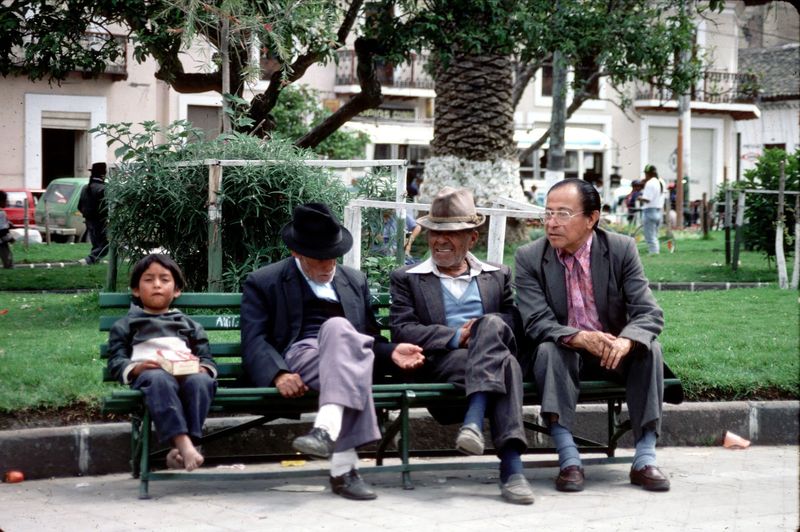
A restaurant bill can carry more worry than anyone realizes. Living on a fixed income may make meals out, fuel, tickets, and membership fees harder to afford.
Some men decline quietly rather than explain their finances.
Suggest free walks, library events, or coffee at home. Be clear about costs before making plans, and avoid turning help into a public gesture.
Affordable company protects dignity and makes friendship easier to maintain without creating extra money stress.
16. Available Activities May Not Feel Like a Fit

Bingo is not everyone’s idea of a good afternoon. When local programs do not match a man’s interests, he may decide there is nothing worth joining.
Feeling talked down to or overlooked can make that impression stronger.
Ask what he actually enjoys before suggesting another club. Repair groups, history talks, walking teams, or community gardens may offer a better match.
Giving him a useful role can also create belonging without forcing conversation for its sake.
17. Caring for Someone Can Leave Little Freedom

Behind a declined invitation, someone else may need care. An older man supporting a partner or relative might struggle to leave home, arrange backup, or relax while away.
His absence does not mean he has stopped valuing friends.
Bring company to him when appropriate, and ask what support would genuinely help. A short visit or reliable phone call may fit better than an outing.
Local caregiver services may also help him explore safe options for breaks.
18. Withdrawal Can Signal a Need for Support

When favorite activities stop feeling worthwhile, pay attention. Depression and anxiety can lead people to withdraw, and neither should be dismissed as a normal part of getting older.
Changes in sleep, appetite, or mood may offer further clues.
Ask how he has been feeling without labeling or blaming him. Encourage a health appointment if changes last or disrupt daily life.
Keep offering contact, but remember that friendship supports professional care rather than replacing needed medical help.