
Think about the last thing you ate. Chances are, technology helped grow it, ship it, cook it, or even invent it.
From robots on farms to apps in your pocket, tech is quietly shaping every bite we take. Knowing how it works can help you make smarter, healthier, and more fun food choices.
1. Meat Grown in a Lab
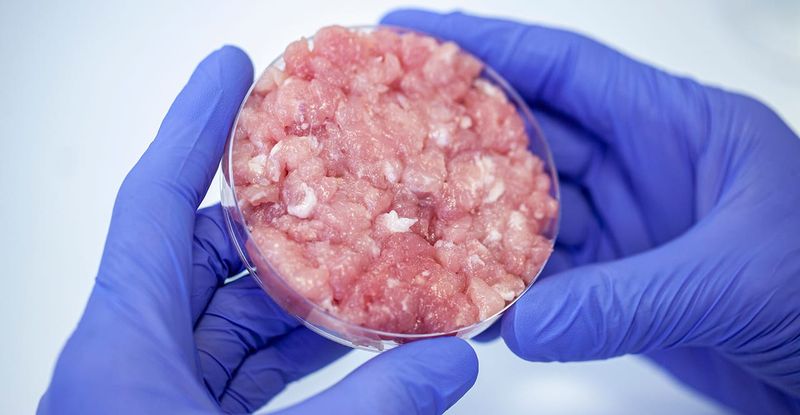
Picture a burger that never came from a farm animal. Scientists can now grow real meat from a few animal cells inside big steel tanks called bioreactors.
The first lab-grown burger appeared in 2013 and cost over 300,000 dollars. Prices have dropped a lot since then.
Some restaurants in Singapore and the United States already serve cultivated chicken. It could mean fewer animals raised for food and less land used.
2. Plant-Based Burgers That Bleed
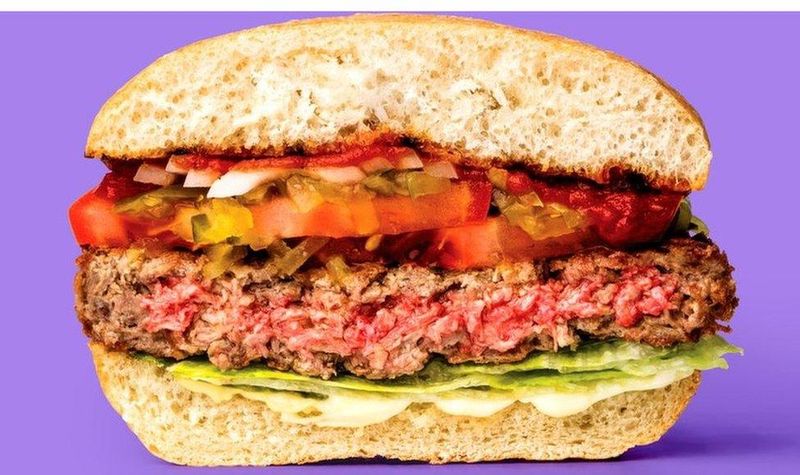
Bite into some veggie burgers and you might swear they are beef. Food scientists studied what makes meat taste meaty and copied it using plants.
One secret ingredient is heme, a molecule that gives meat its rich flavor and red color. Companies make it using yeast.
Next time you shop, flip the package and read the label. You may be surprised how much science fits into one patty.
3. Vertical Farms Stacked to the Ceiling
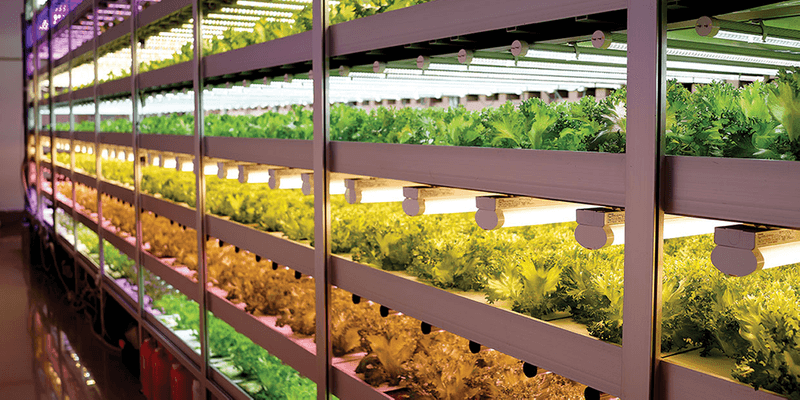
Lettuce growing in a warehouse, ten shelves high, with no soil and no sun? It sounds like science fiction, but it is happening in cities everywhere.
Vertical farms use LED lights and water rich in nutrients. They can use up to 95 percent less water than regular fields.
Because they sit close to stores, the greens arrive fresher and crunchier. Look for labels saying indoor grown at your grocery store.
4. Robots Picking Our Fruit
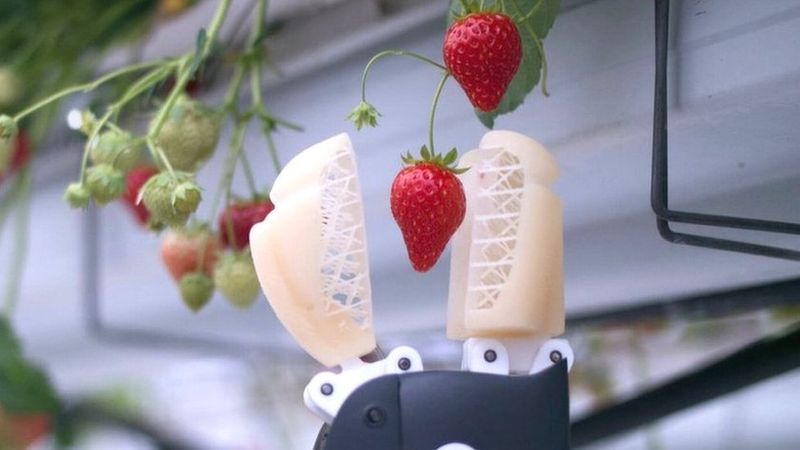
Strawberries bruise easily, so picking them takes a soft touch. Surprisingly, robots are learning to do it.
Using cameras and smart software, these machines spot ripe berries and gently pluck them with grippers. Some apple-picking robots even use suction tubes like tiny vacuums.
Farmers often struggle to find enough workers at harvest time. Robots help make sure fruit gets picked before it spoils, keeping prices steadier for families like yours.
5. Drones Watching Over Crops
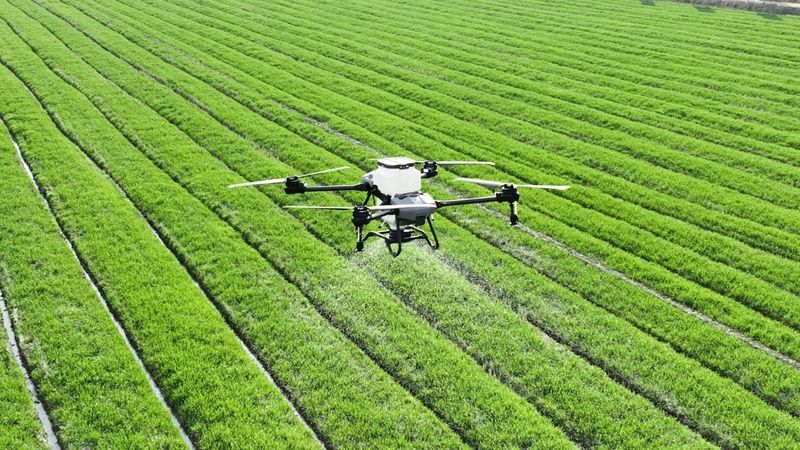
High above a cornfield, a buzzing drone snaps hundreds of photos. Back on the ground, a farmer studies the images on a tablet.
Special cameras can spot thirsty or sick plants before human eyes notice anything wrong. Some drones even spray fertilizer only where it is needed.
Less wasted spray means cleaner rivers and healthier soil. So the corn in your cereal may have had a flying guardian.
6. Air Fryers Taking Over Kitchens
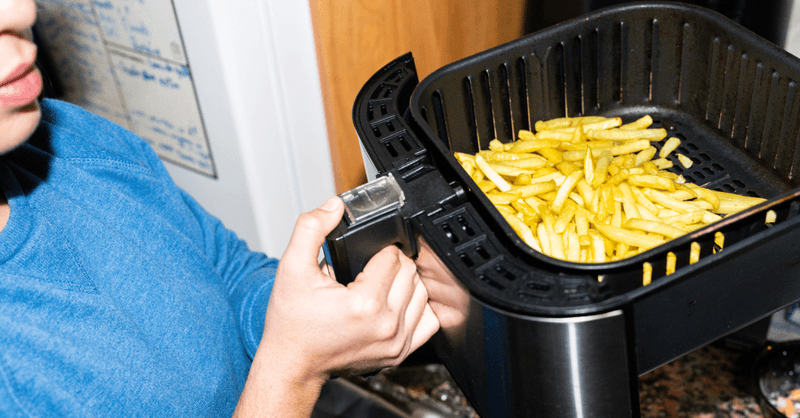
Crispy fries without a pot of bubbling oil? Air fryers made that dream come true, and millions of families jumped on board.
They work like tiny, powerful ovens, blowing hot air around food really fast. You get crunch using a spoonful of oil or none at all.
Try tossing veggies like broccoli or chickpeas inside. Kids who usually dodge greens often change their minds once things get crispy.
7. Food Delivery Apps at Your Fingertips
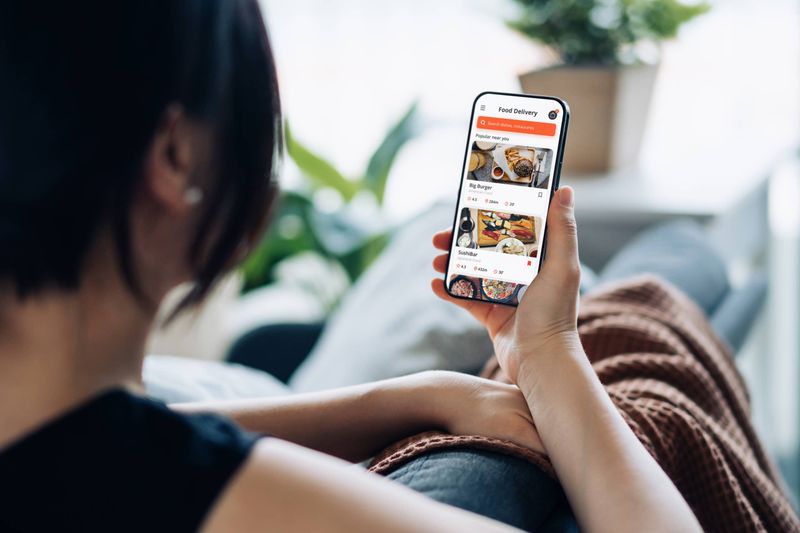
A few taps, a short wait, and dinner knocks on your door. Delivery apps have totally changed how families decide what to eat.
Restaurants now design whole menus just for delivery. Some kitchens, called ghost kitchens, have no dining room at all.
Handy as it is, ordering often costs more and can mean bigger portions. A smart trick is checking nutrition info in the app before hitting order.
8. Smart Fridges That Remember for You
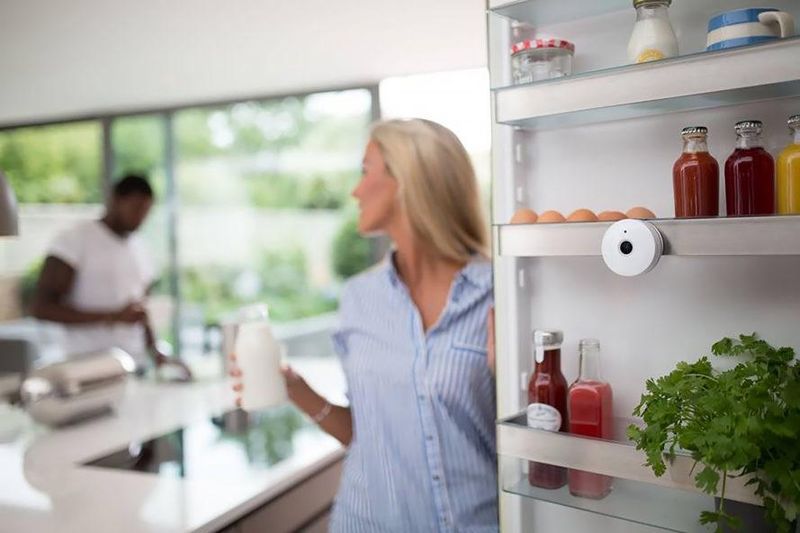
Ever bought milk only to find a full jug already at home? Smart fridges are here to stop that silly mistake.
Some have cameras inside, so you can peek at shelves from your phone while standing in the store. Others track expiration dates and send reminders.
The average family throws away a surprising amount of food every year. A fridge that nudges you to eat leftovers could save money and meals.
9. 3D Printers Making Dinner
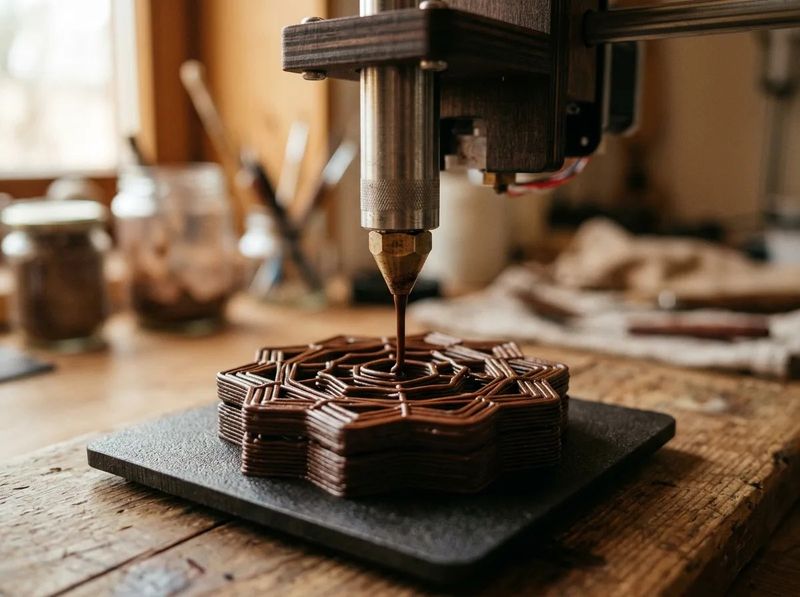
Yes, printers can make food. Instead of ink, they squeeze out chocolate, dough, or mashed veggies layer by layer.
Fancy chefs use them to build wild shapes no hand could create. Hospitals are testing printed meals for patients who have trouble chewing, making soft food look like real dishes.
Fun fact: NASA once funded a 3D pizza printer for astronauts. Someday you might print snacks at home!
10. Apps That Scan Your Snacks
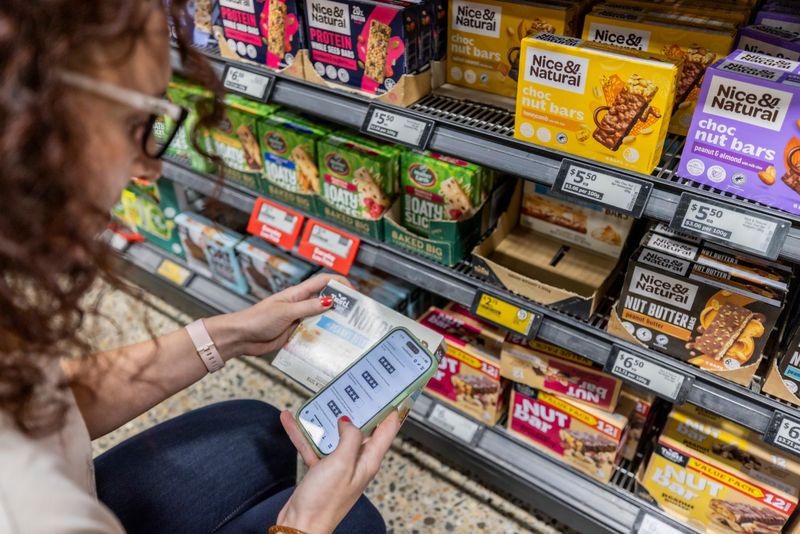
Standing in the snack aisle, Maya pointed her phone at a granola bar. Instantly, a score popped up showing sugar and additives.
Food-scanning apps read barcodes and turn confusing labels into simple ratings. Some even suggest healthier swaps on the spot.
Give it a try on your next store trip. Comparing two cereals takes seconds, and you might discover your favorite is sweeter than you thought.
11. Gene-Edited Crops
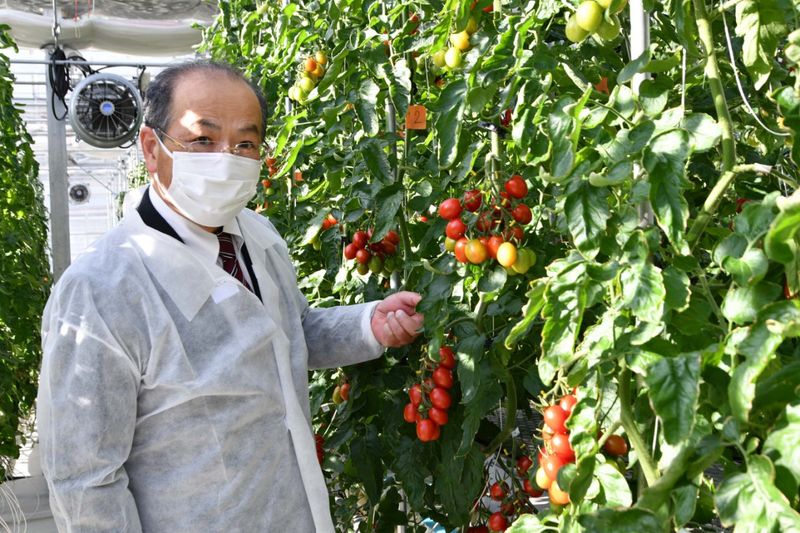
Tiny molecular scissors called CRISPR let scientists tweak a plant’s DNA with amazing accuracy. It is like editing one word in a giant book.
Researchers have created mushrooms that do not brown and tomatoes packed with extra nutrients. Others are building crops that survive droughts.
As weather gets more extreme, these sturdier plants could help farmers keep growing food. Expect to hear much more about this science soon.
12. Coatings That Keep Produce Fresh
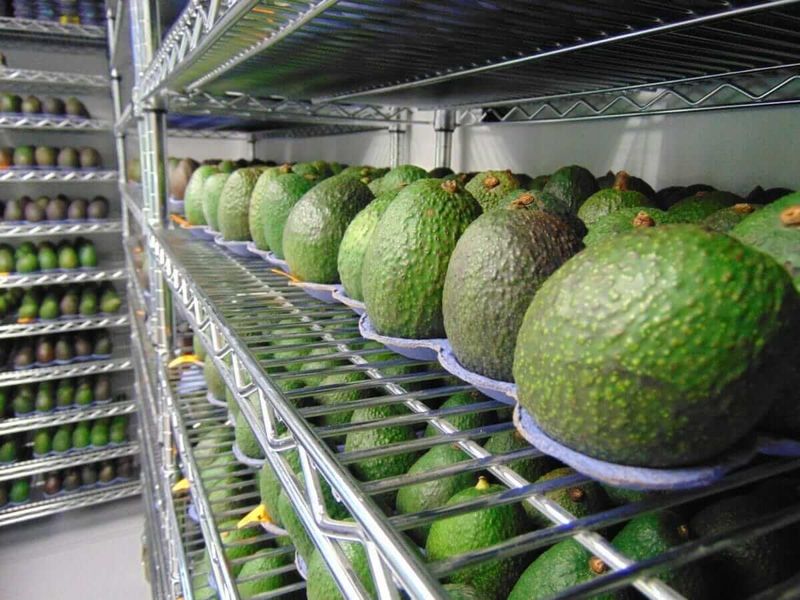
Avocados have a sneaky habit of going from rock-hard to mushy overnight. A clever invention is slowing that down.
Companies spray fruit with an invisible, edible coating made from plant materials. It keeps moisture in and air out, so produce lasts days or even weeks longer.
Less spoiled fruit means less waste in stores and homes. And no, you cannot taste it.
Your guacamole stays just as delicious.
13. Fish Farms on Land
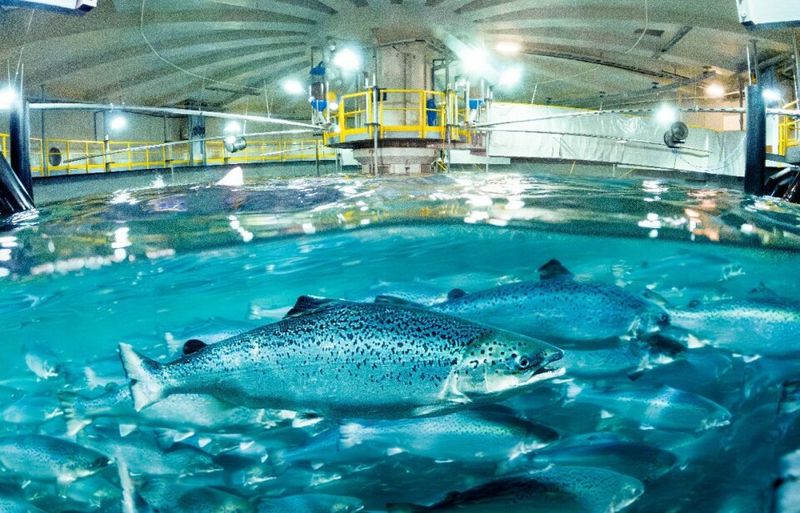
Salmon swimming in giant tanks inside a building, miles from any ocean. Weird, right?
Land-based fish farms are popping up worldwide.
Computers watch water temperature, oxygen, and cleanliness all day long. Water gets filtered and reused again and again.
This takes pressure off wild fish populations in the sea. Ask at the seafood counter where your fish was raised.
Their answer might surprise you.
14. Insects as Protein
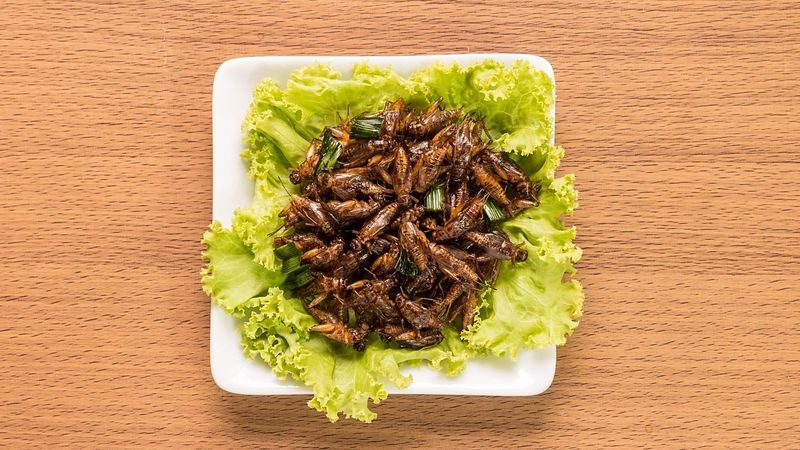
Crickets for lunch? Billions of people around the world already eat bugs, and tech is making them easier to love.
Automated insect farms grind crickets into powder for protein bars, pasta, and chips. Crickets need far less food, water, and space than cows.
Brave enough to try? Start with cricket chips.
Most people say they taste nutty and crunchy, nothing like you imagine.
15. AI Inventing New Recipes
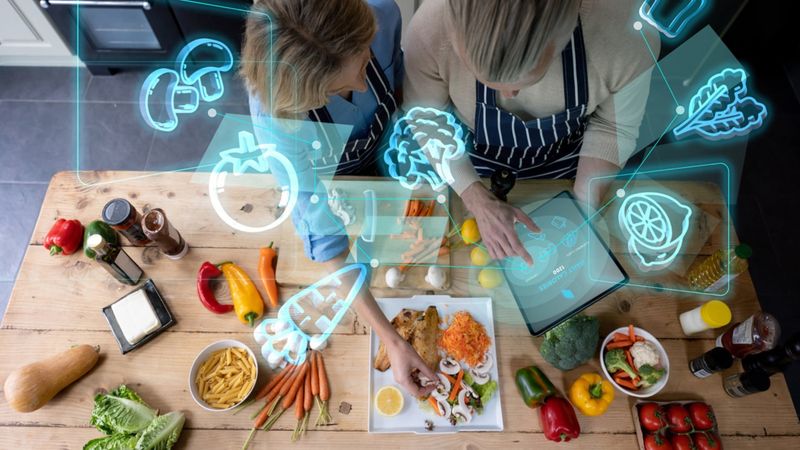
Got eggs, spinach, and leftover rice? Type that into an AI tool and it might suggest a tasty fried rice in seconds.
Big food companies use artificial intelligence to dream up new flavors and plant-based products. One AI even helped create dairy-free milk that tastes surprisingly real.
At home, AI helpers can plan weekly meals and shopping lists. Just double-check cooking times, since computers sometimes get creative in odd ways.
16. Robot Chefs in Restaurants
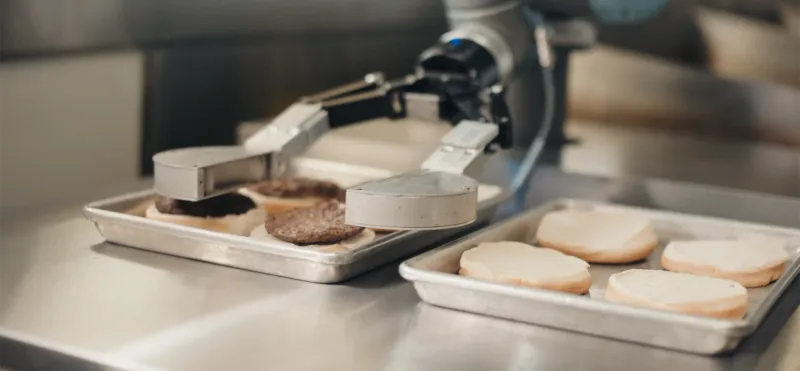
Behind some counters, a robot arm flips burgers, fries potatoes, or tosses salads with perfect timing every time.
Robot kitchens can cook nonstop without getting tired, and they measure ingredients exactly. That means your meal tastes the same on Monday and Friday.
Human cooks still matter for creativity and care. But next time you grab fast food, peek into the kitchen.
A mechanical helper might be working hard.
17. Blockchain Tracking Your Food
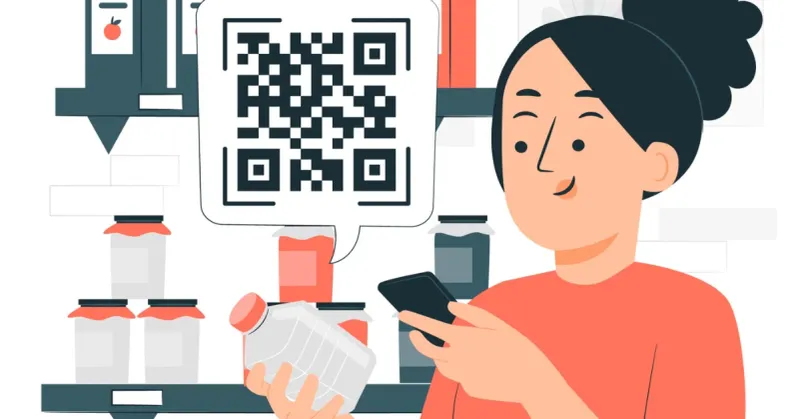
Where did that mango really come from? Not long ago, tracing one fruit back to its farm took almost a week.
With blockchain, a secure digital record, stores can trace it in about two seconds. Every step, from farm to truck to shelf, gets logged.
When food makes people sick, this speed helps pull bad products fast. Some packages now have QR codes you can scan yourself.
18. Meals Matched to Your DNA
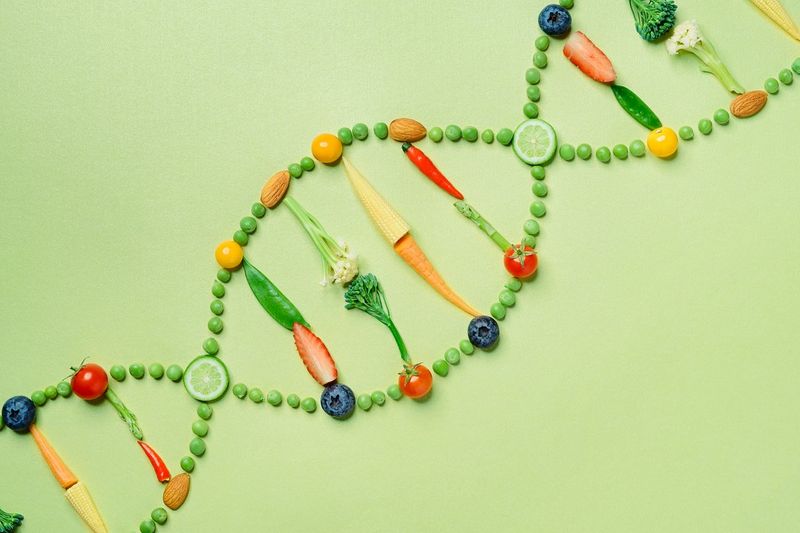
Two friends eat the same banana, yet their blood sugar reacts totally differently. Scientists call this personalized nutrition.
Some companies study your DNA, gut bacteria, or glucose readings to suggest foods that suit your body best. Wearable sensors show results in real time.
The science is still young, so basic healthy habits matter most. Still, the future may bring meal plans designed just for you.
19. Apps Fighting Food Waste
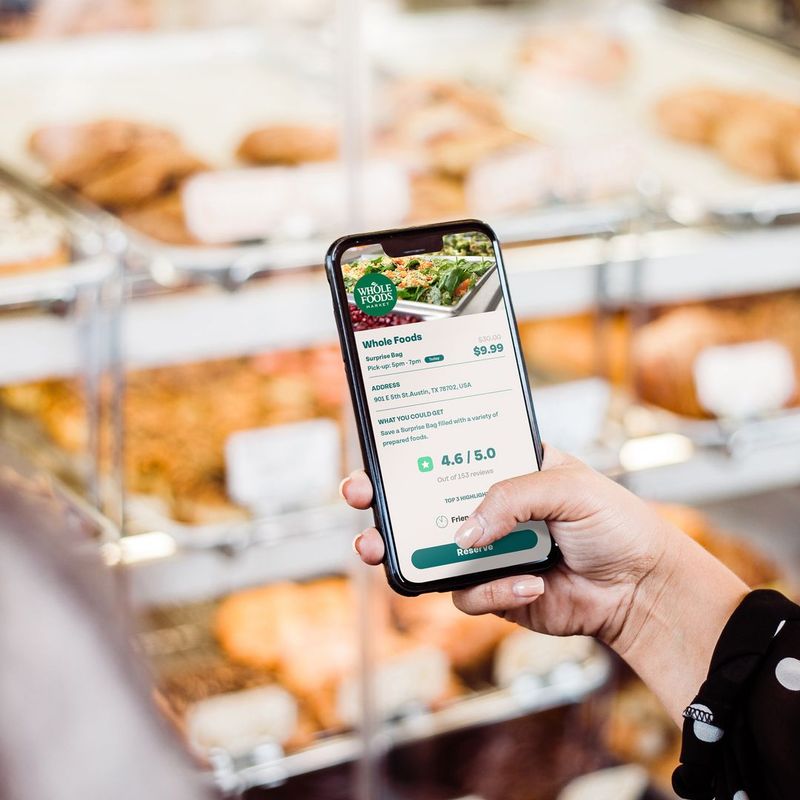
Bakeries often toss perfectly good bread at closing time. Thankfully, smartphone apps are rescuing those leftovers.
Apps like Too Good To Go let shops sell extra food in surprise bags at big discounts. Others connect neighbors to share unused groceries.
It is a win for your wallet and the planet. Download one and see what deals nearby cafes offer.
You might score fresh pastries for cheap!