
Healthy food has a reputation for being boring, but that does not have to be true. With a few easy kitchen habits, plain vegetables, lean meats, and whole grains can taste amazing.
Small changes like adding a squeeze of lemon or roasting instead of boiling can make a big difference. Once you learn these tricks, eating well will feel like a treat instead of a chore.
1. Roast Your Vegetables Hot
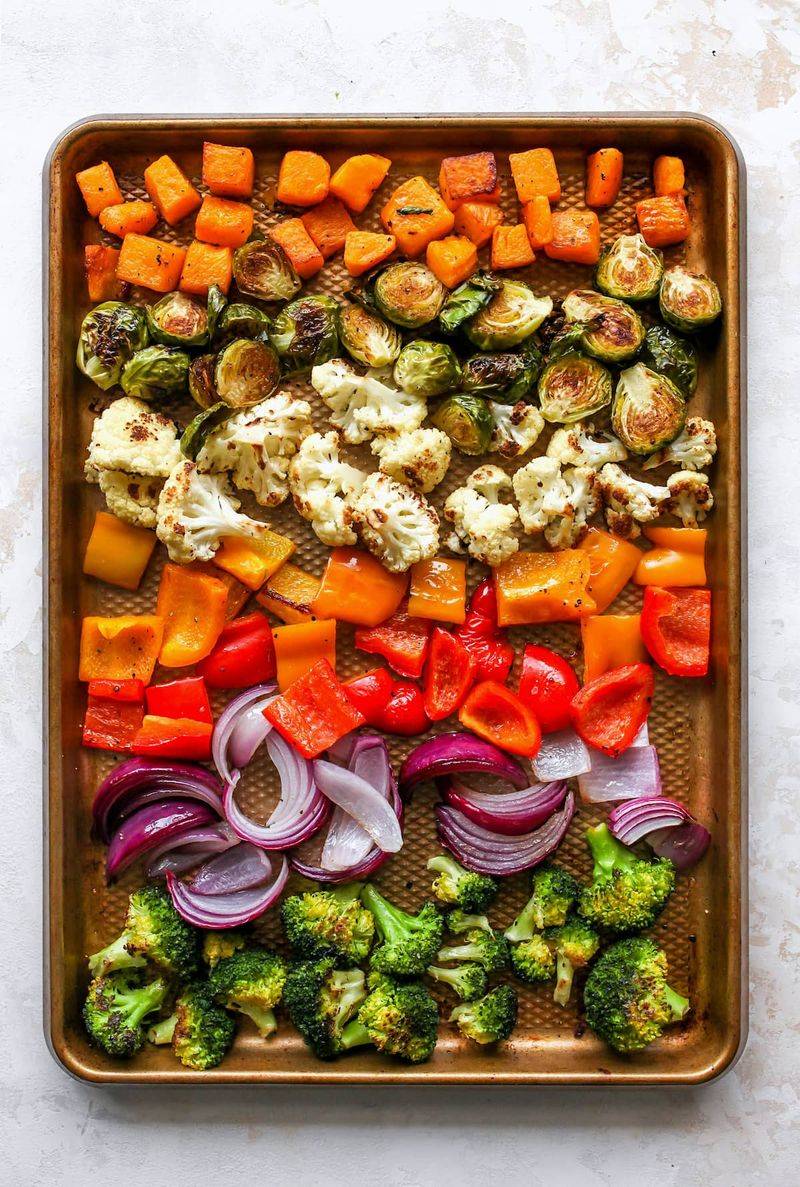
Boiled broccoli made many kids hate vegetables, and honestly, who can blame them? A hot oven changes everything.
At around 425 degrees, the natural sugars in veggies caramelize and turn sweet and crispy.
Toss carrots, cauliflower, or Brussels sprouts with a little olive oil and salt. Spread them out so pieces do not touch, or they will steam instead of brown.
Flip them halfway through for even color on every side.
2. Finish with Fresh Lemon
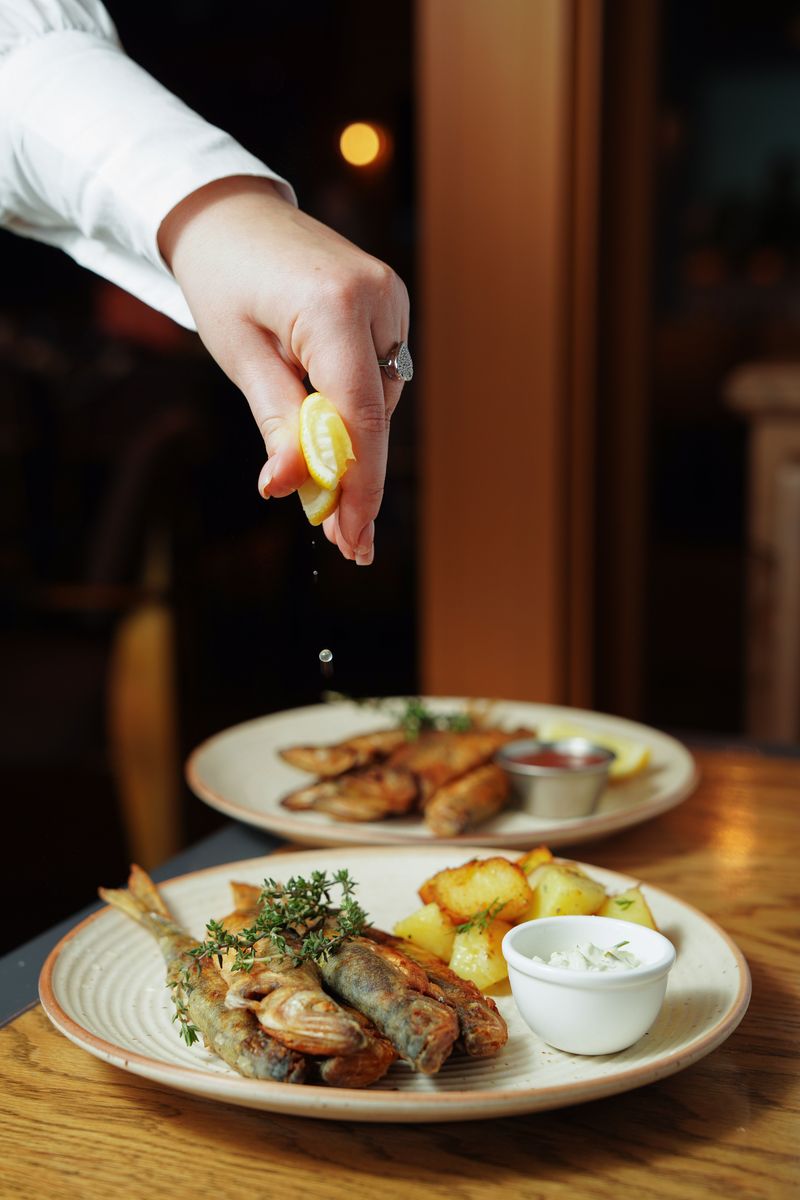
Picture a bowl of soup that tastes a little flat. One squeeze of lemon can wake it right up, like turning on the lights in a dark room.
Acid brightens flavors and makes food taste saltier without adding extra salt. Lemon works wonders on fish, chicken, salads, and steamed greens.
Add it at the very end of cooking. Heat dulls the fresh zing, so a last-second squeeze keeps that bright flavor strong.
3. Toast Spices Before Using
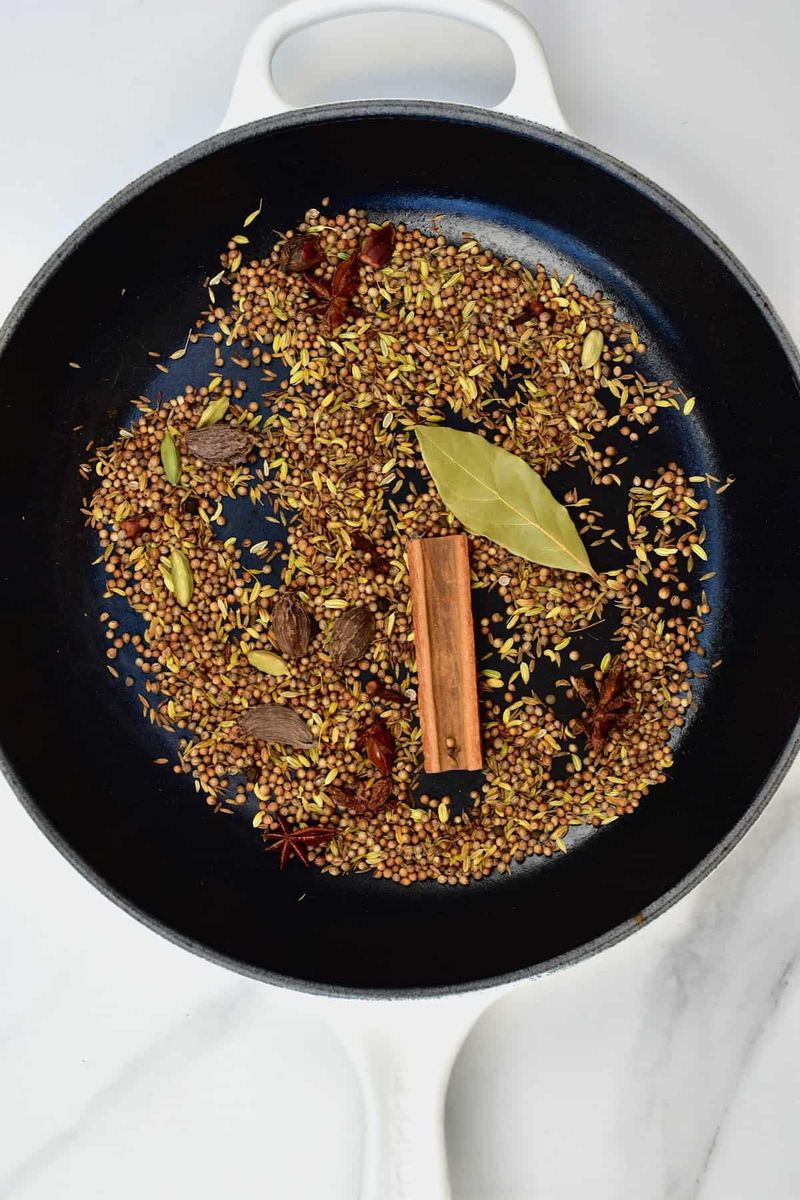
Did you know spices can sit in a jar for years and slowly lose their punch? Toasting them brings that lost flavor roaring back.
Place whole seeds like cumin or fennel in a dry pan over medium heat. Stir for about one or two minutes until they smell nutty and amazing.
Watch closely, though. Spices burn fast, and burnt ones taste bitter.
Once toasted, grind them or add them straight to your dish.
4. Pile On Fresh Herbs
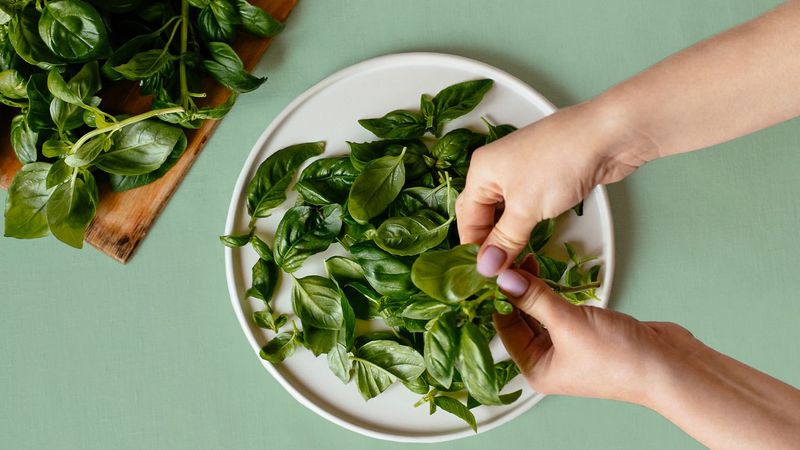
Chefs on TV almost always sprinkle something green on top before serving. That handful of herbs is not just for looks.
Basil, cilantro, parsley, mint, and dill add bright, garden-fresh flavor with almost zero calories. Tear basil over pasta, toss cilantro on tacos, or stir mint into a fruit salad.
Soft herbs work best added at the end. Sturdy ones like rosemary and thyme can handle longer cooking in soups and roasts.
5. Salt at the Right Time
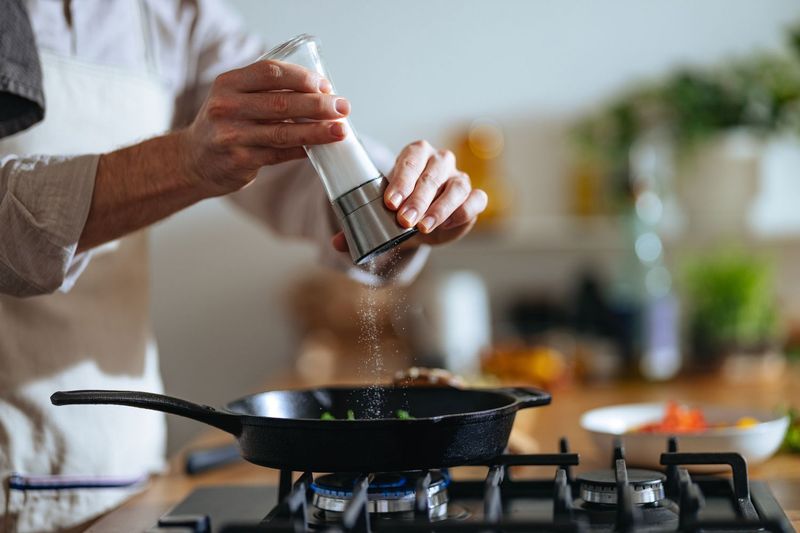
Here is a secret many home cooks miss: when you salt matters as much as how much. A small pinch early lets flavor soak deep into the food.
Salting meat before cooking helps it stay juicy. Salting pasta water seasons noodles from the inside out.
Taste as you go and add tiny amounts at a time. You will often find you need less salt overall, which is great news for your heart.
6. Get a Good Sear
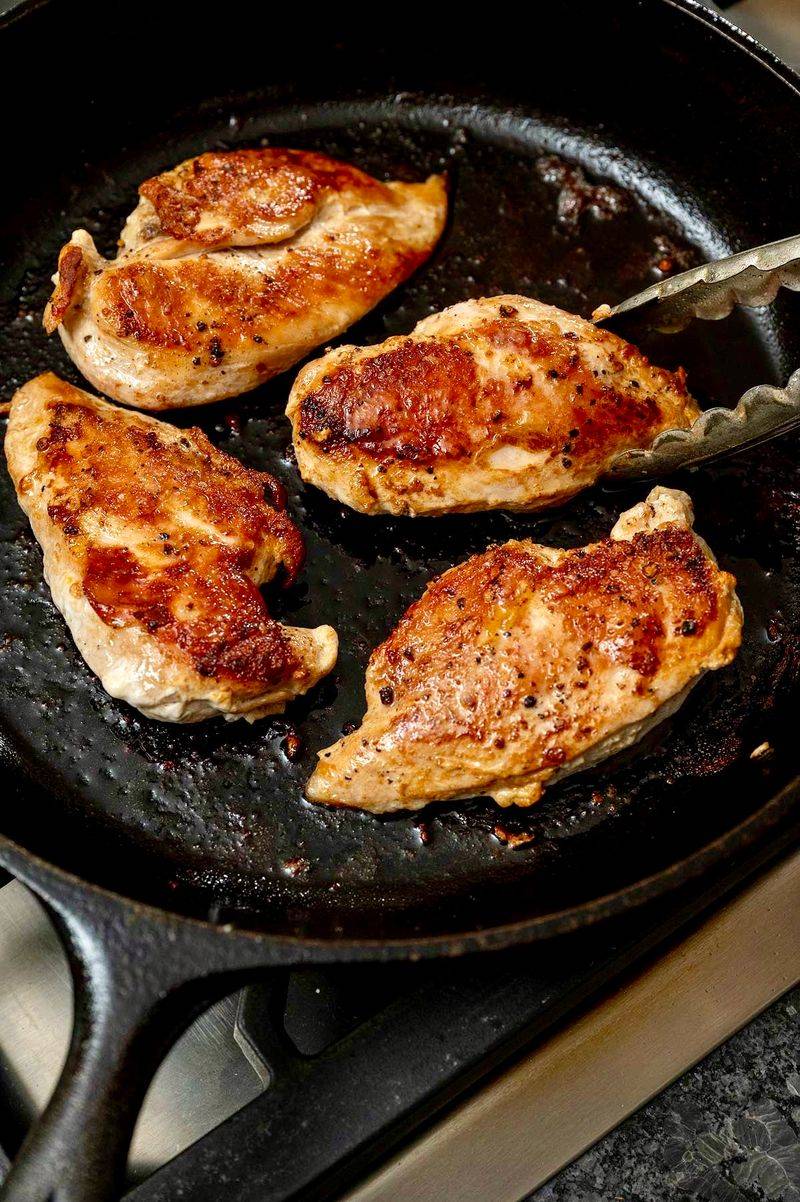
That golden crust on a seared chicken breast has a fancy science name: the Maillard reaction. It creates hundreds of tasty flavor compounds.
To get it, pat your meat or tofu very dry with a paper towel. Heat the pan until hot, add a little oil, then leave the food alone.
Resist the urge to poke and flip constantly. When it releases easily from the pan, it is ready to turn.
7. Garlic Makes Everything Better
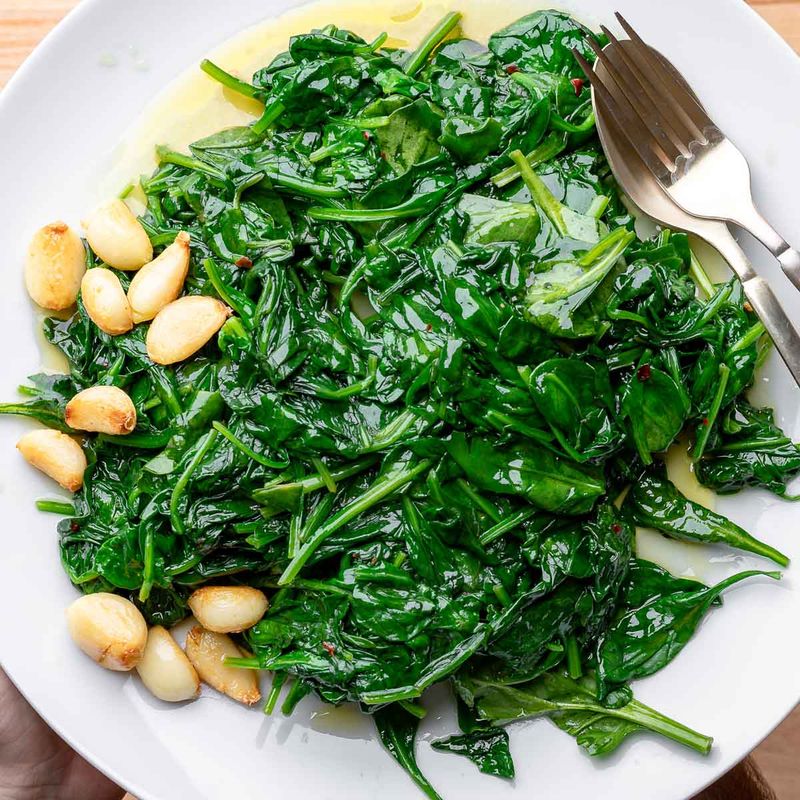
Ask almost any grandma, and she will tell you garlic fixes nearly anything. She is not wrong.
Sauteing a few minced cloves in olive oil adds rich, savory depth to greens, beans, and grains. For a sweeter, milder taste, roast a whole bulb until soft and spread it like butter.
A handy tip: chop garlic and let it rest ten minutes before cooking. This boosts both flavor and its healthy compounds.
8. Splash in Some Vinegar
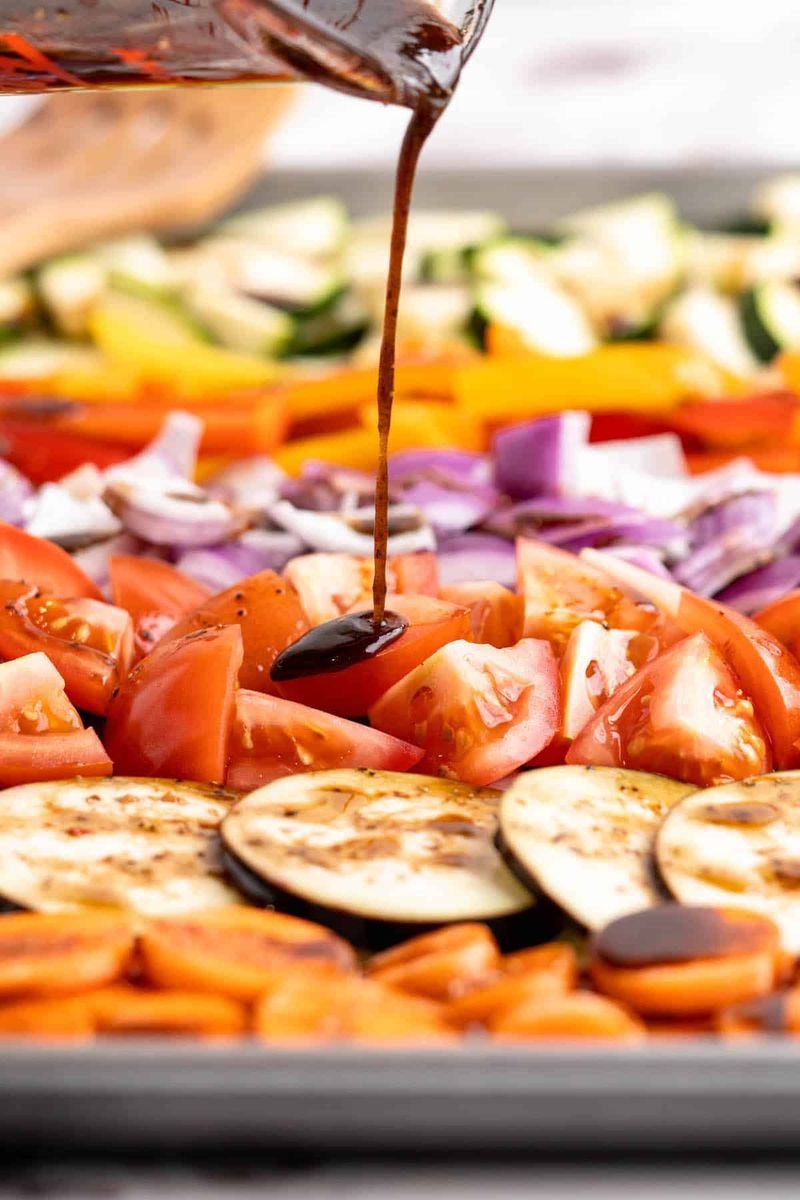
Vinegar might seem like a boring pantry bottle, but it is a flavor superhero hiding in plain sight.
A drizzle of balsamic makes roasted veggies taste rich and sweet. Rice vinegar perks up stir-fries, while apple cider vinegar brightens bean salads and slaws.
Start with just a teaspoon and taste. Like lemon, vinegar adds tang that tricks your tongue into thinking a dish is more seasoned than it really is.
9. Use Umami Boosters
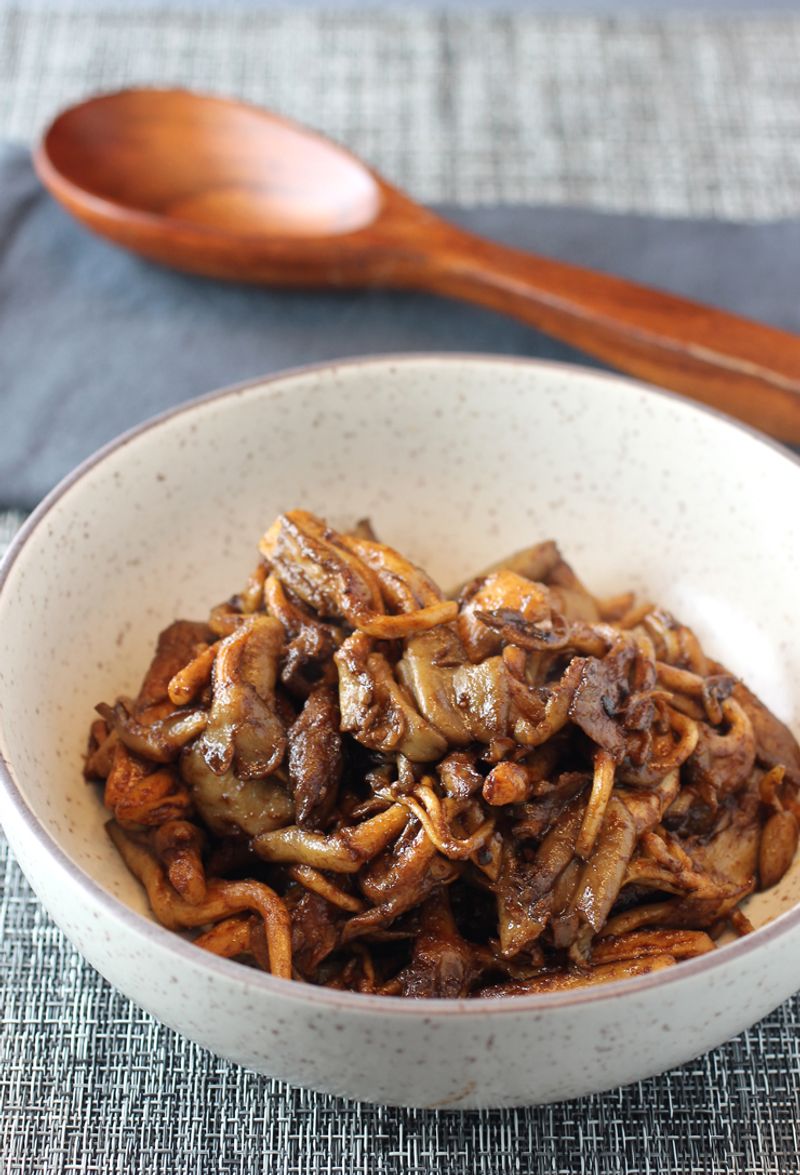
Scientists call it the fifth taste. Umami is that deep, meaty, satisfying flavor found in foods like mushrooms, tomatoes, and soy sauce.
A spoonful of miso in soup or a splash of low-sodium soy sauce in veggies adds big flavor fast. Grated parmesan and tomato paste work great too.
These boosters make plant-based meals feel hearty. Even meat lovers may not miss the beef in a mushroom-packed chili.
10. Marinate Ahead of Time
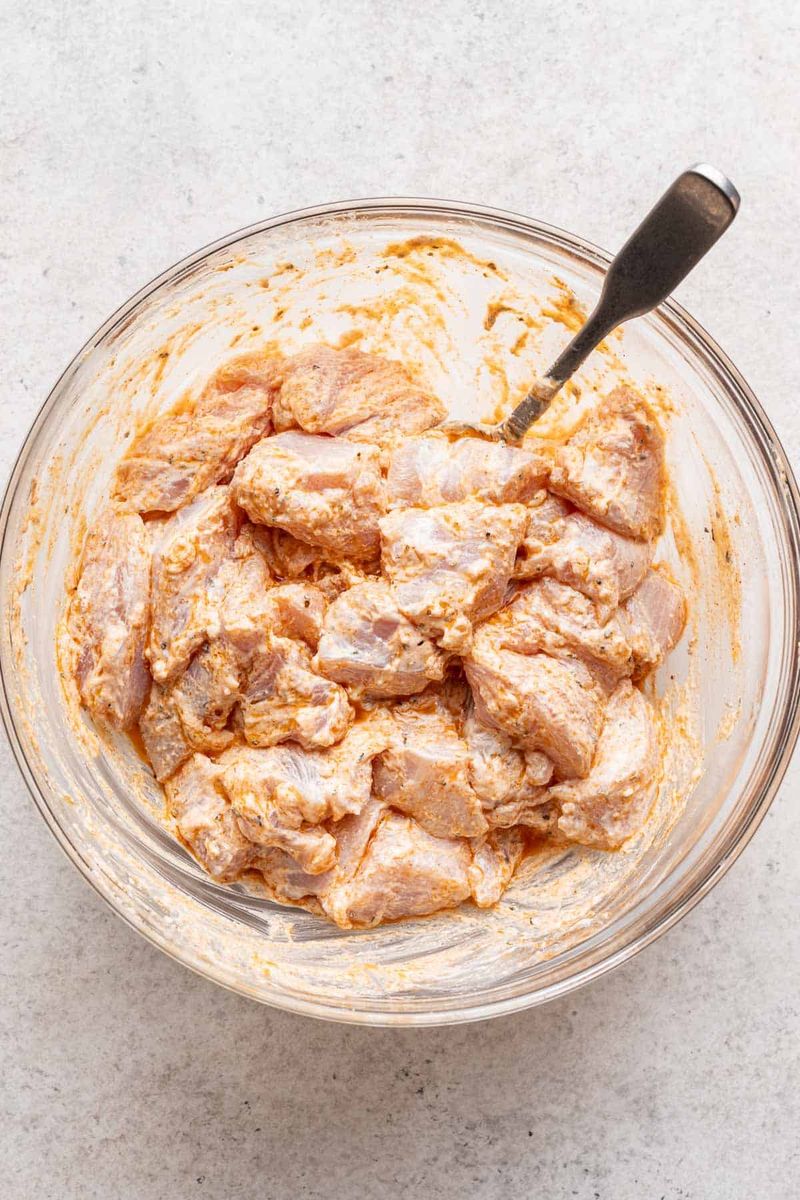
Busy mornings can still lead to delicious dinners. Mixing a quick marinade before school or work means flavor builds while you are away.
Combine oil, an acid like lemon juice or yogurt, garlic, and spices. Add chicken, tofu, or fish and let it sit in the fridge.
Fish needs only about thirty minutes, while chicken can soak for several hours. Plain yogurt marinades also make meat extra tender and juicy.
11. Add a Little Crunch
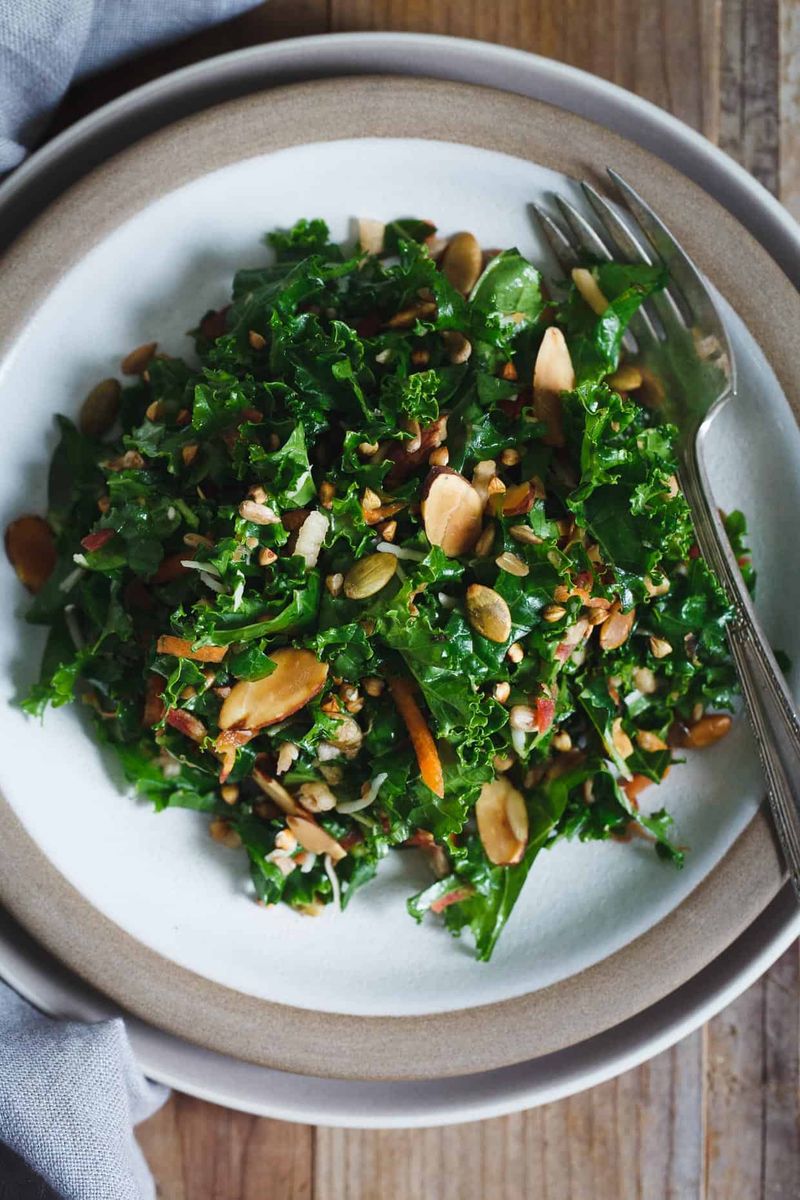
Ever notice how a soggy meal feels less exciting? Texture matters just as much as taste.
Sprinkle toasted nuts, sunflower seeds, or roasted chickpeas over salads and soups. Crunchy cucumbers or radishes add snap to wraps and bowls.
Nuts and seeds also bring healthy fats and protein that keep you full longer. Toast them in a dry pan for three minutes to make them even crispier and more flavorful.
12. Bring On the Heat

Spicy food fans, this one is for you. A little heat can make simple meals feel bold and exciting.
Red pepper flakes, fresh jalapenos, chili powder, or a dash of hot sauce add a kick with almost no calories. Start small, since you can always add more but never take it away.
Fun fact: spicy food may help you eat slower, giving your brain time to notice when you feel full.
13. Zest Your Citrus
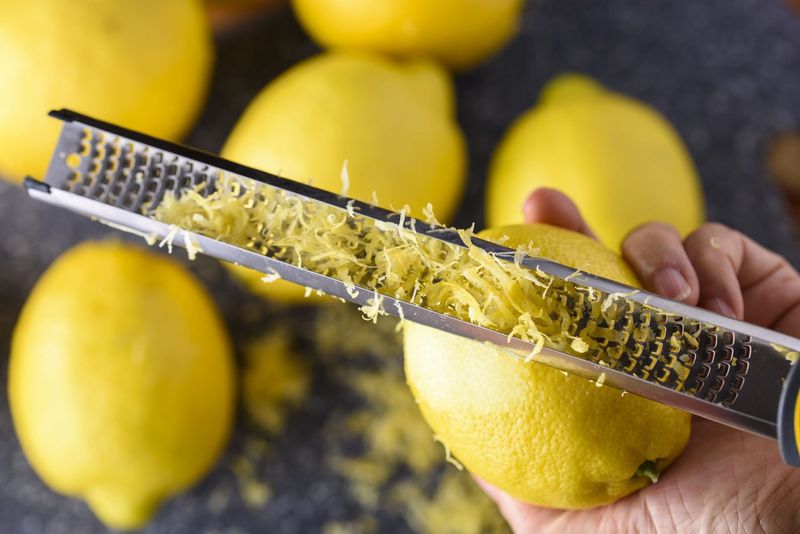
Most people throw away the most flavorful part of a lemon. The colorful peel holds oils packed with bright, fragrant taste.
Use a fine grater to scrape off only the colored layer, skipping the bitter white part underneath. Sprinkle lemon, lime, or orange zest over roasted fish, oatmeal, yogurt, or grain salads.
Zest adds sunny flavor without extra liquid. It even makes plain water taste fancy when dropped into a glass.
14. Caramelize Your Onions
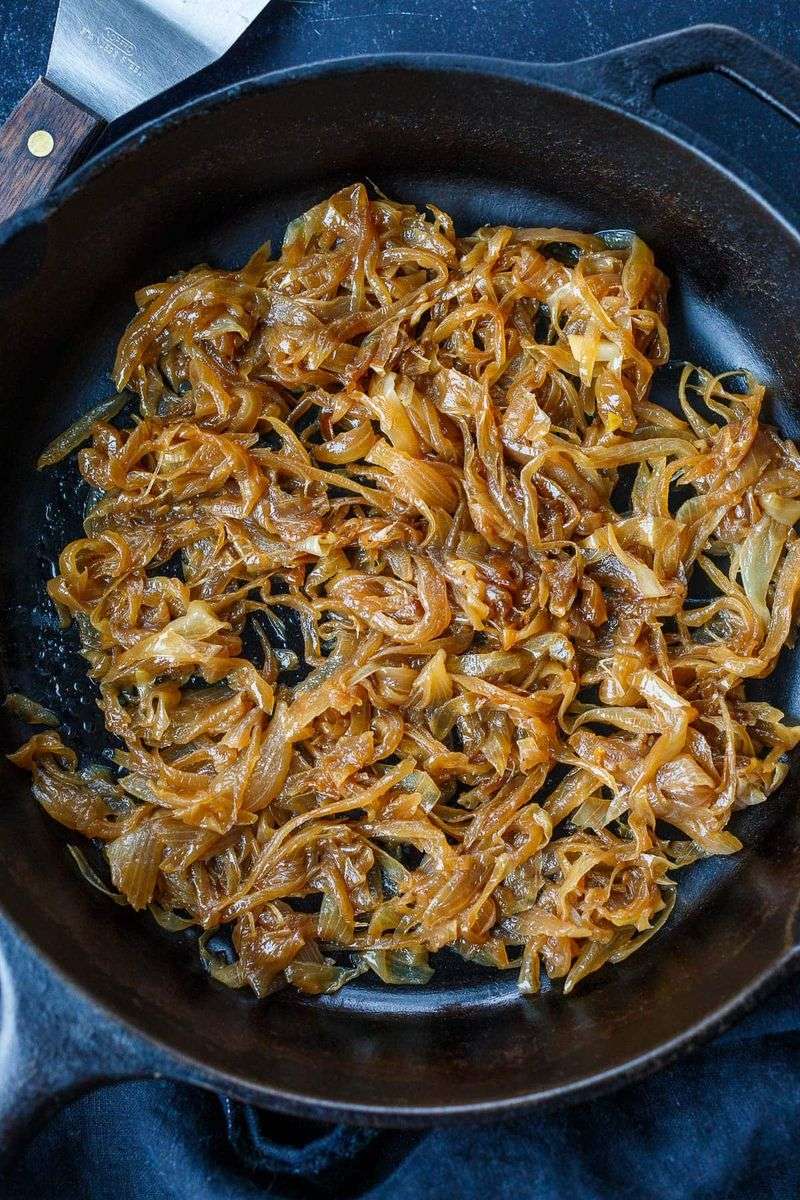
Patience pays off big time with onions. Cooked slowly over low heat for thirty to forty minutes, sharp raw onions turn jammy, sweet, and golden.
Use just a small spoonful of oil and stir now and then. A splash of water helps loosen any stuck brown bits.
Make a big batch on the weekend. Then stir them into eggs, grain bowls, soups, or sandwiches all week for instant rich flavor.
15. Swap Water for Broth
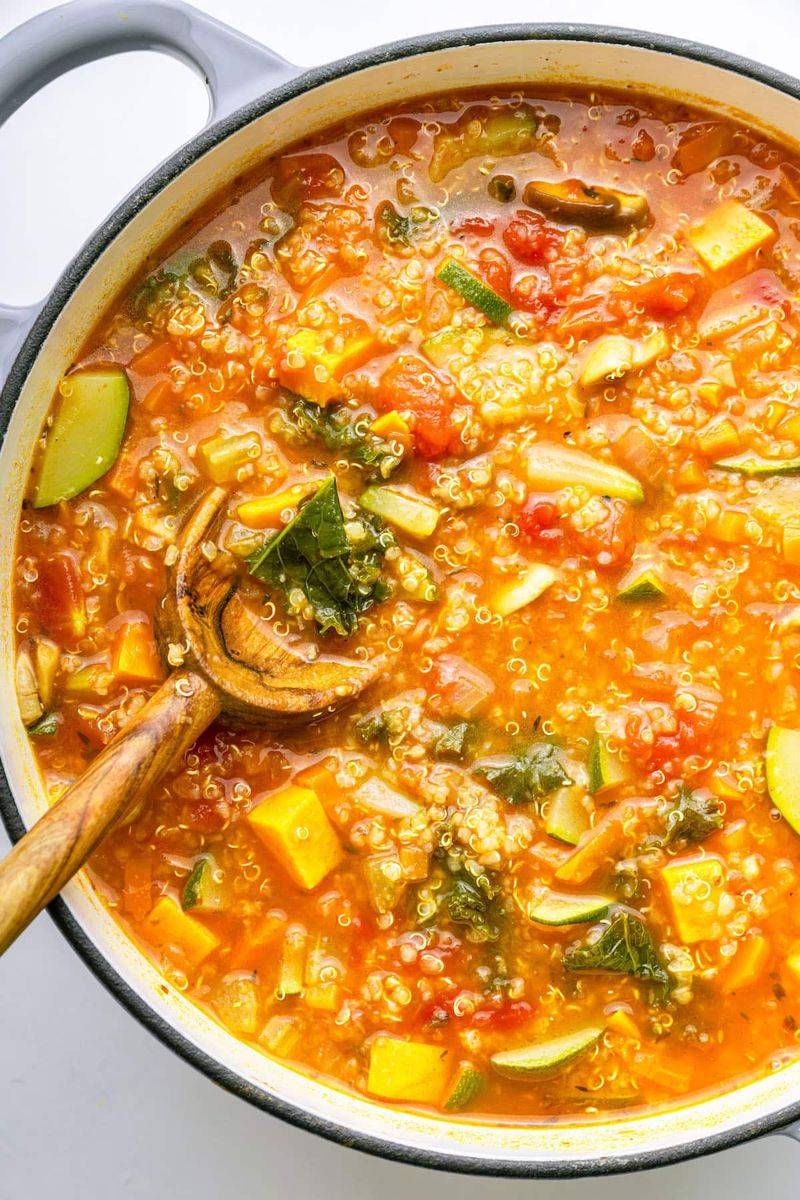
Plain rice cooked in water tastes, well, plain. Swapping in broth is one of the laziest and smartest kitchen upgrades around.
Use low-sodium chicken or vegetable broth to cook rice, quinoa, lentils, or couscous. The grains soak up all that savory goodness as they cook.
No extra steps, no extra dishes. You simply pour broth where water would go, and suddenly your side dish tastes like it came from a restaurant.
16. Make Your Own Dressing
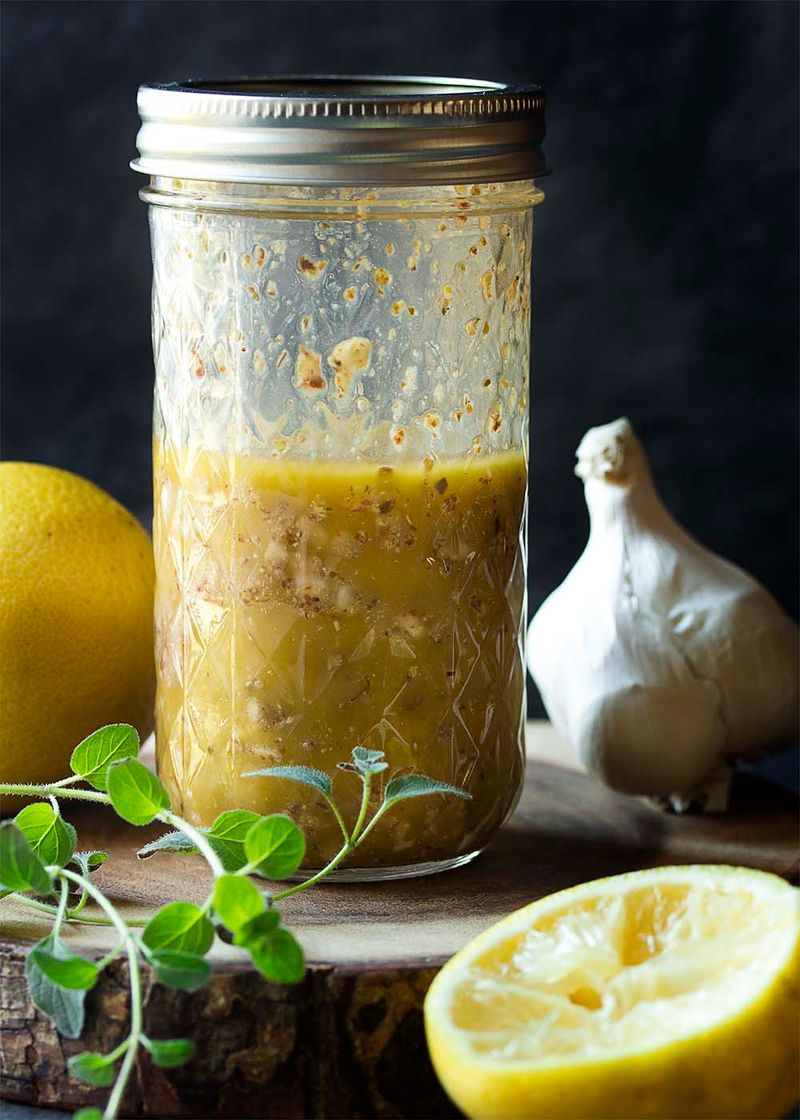
Store-bought dressings often hide lots of sugar and strange ingredients. Homemade versions take about two minutes and taste far fresher.
Try a simple formula: three parts olive oil to one part vinegar or lemon juice. Add a spoon of mustard, a pinch of salt, and a little honey.
Shake it all in a jar and you are done. Keep extra in the fridge for quick salads all week long.
17. Grill for Smoky Flavor
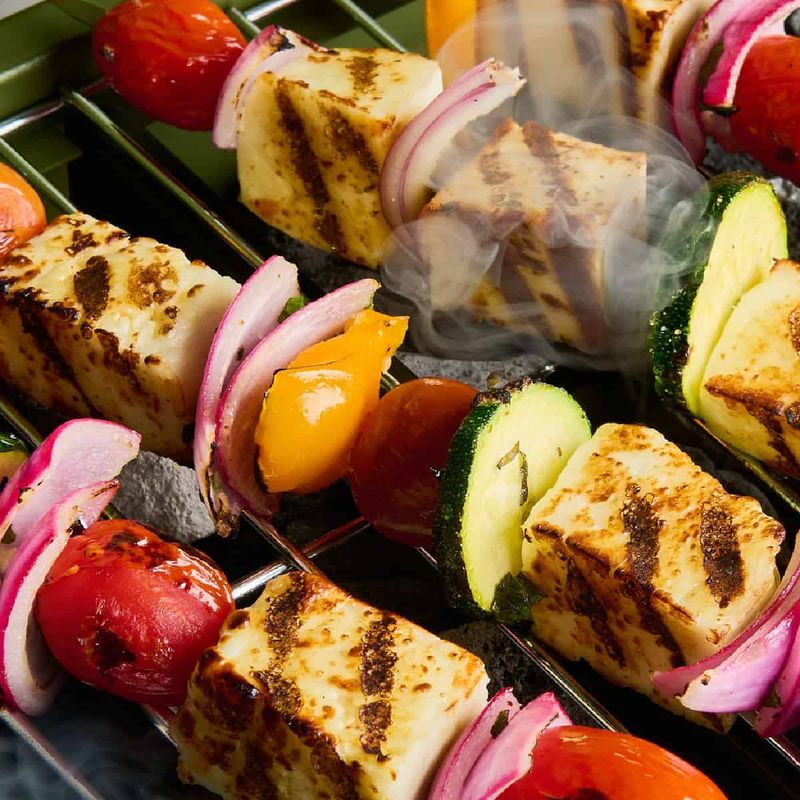
Summer cookouts are not just for burgers. Grilling gives vegetables, fruit, and lean proteins a smoky, charred taste that is hard to beat.
Thread peppers, zucchini, and mushrooms onto skewers, or grill slices of pineapple and peaches for a sweet dessert. No outdoor grill?
A grill pan on the stove works nicely too.
Brush food lightly with oil first so it does not stick, and let those dark stripes form.
18. Sweeten Naturally
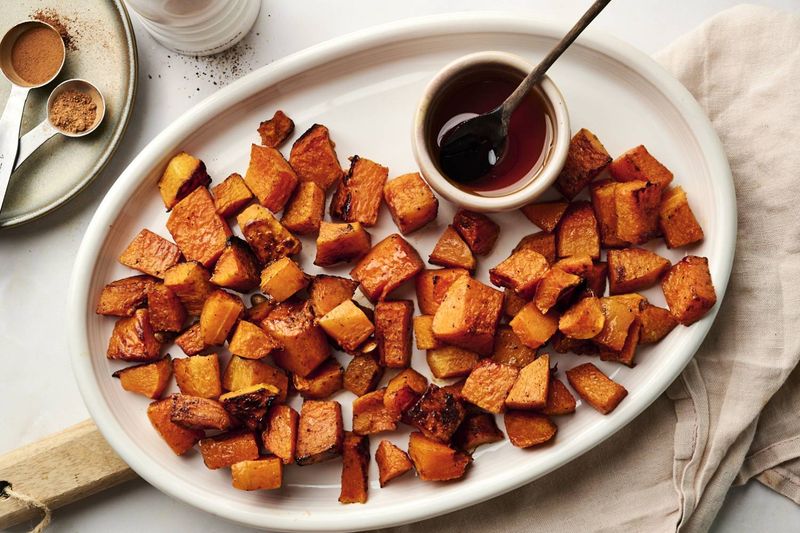
Some veggies taste a bit bitter, and that is okay. A tiny touch of natural sweetness can balance them out beautifully.
Drizzle a little maple syrup on roasted squash, or add dried cranberries to kale salad. Cinnamon tricks your taste buds into sensing sweetness without any sugar at all.
Sweet and savory together often taste better than either alone. Just remember that a little goes a long way here.
19. Cook with Good Olive Oil
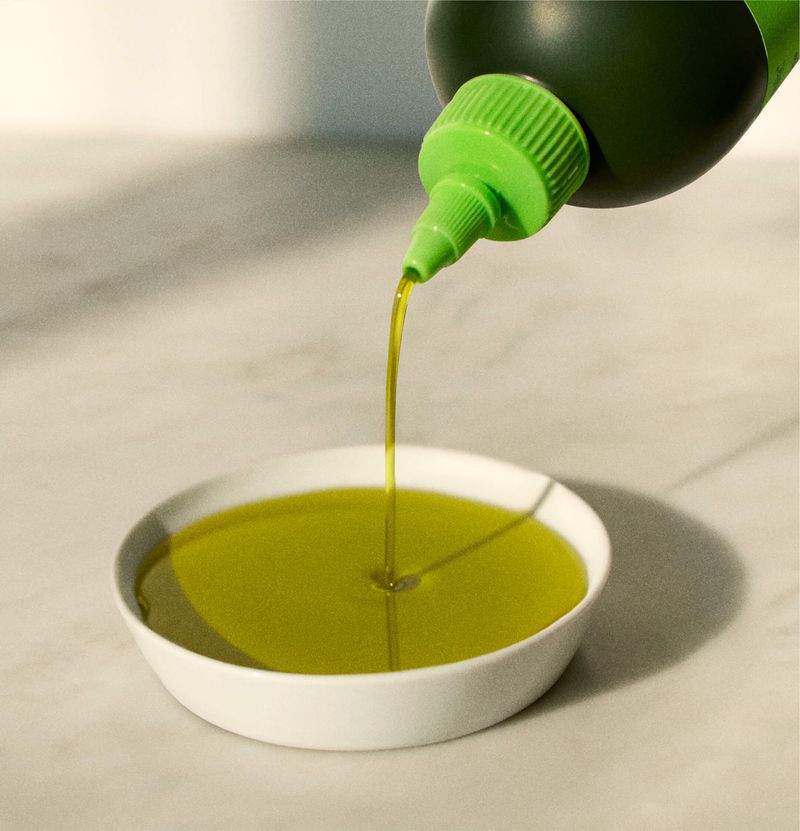
Back in ancient Greece, olive oil was so prized that winning athletes received jars of it as rewards. It still deserves that respect today.
Extra virgin olive oil has a fruity, peppery taste and plenty of heart-healthy fats. Use it for gentle cooking or drizzle it raw over soups, beans, and veggies.
A small final drizzle adds richness that makes simple foods taste much more satisfying.
20. Never Overcrowd the Pan
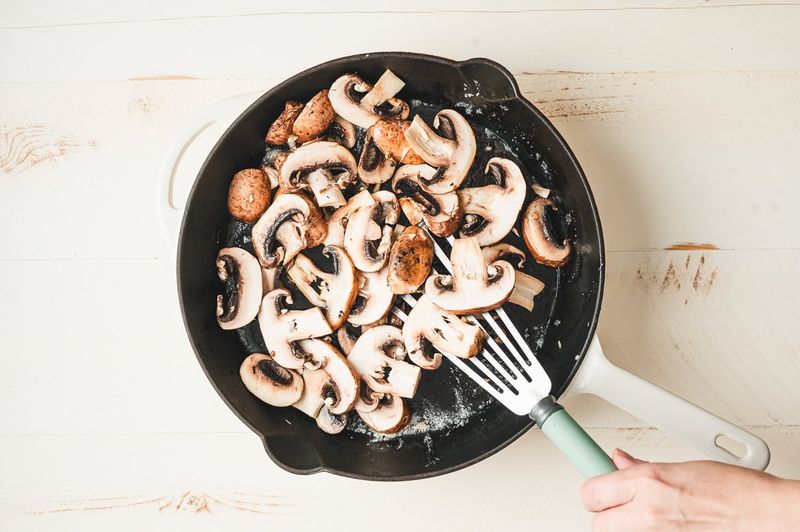
Mushrooms piled high in a small skillet turn gray and rubbery. Spread them out, and they become golden and meaty.
What changed? Space.
Crowded food releases moisture that gets trapped, so everything steams instead of browning. Cook in smaller batches or grab a bigger pan.
Yes, it takes a few extra minutes. But the reward is crispy edges and deep flavor that soggy, steamed food simply cannot match.
21. Taste Before You Serve
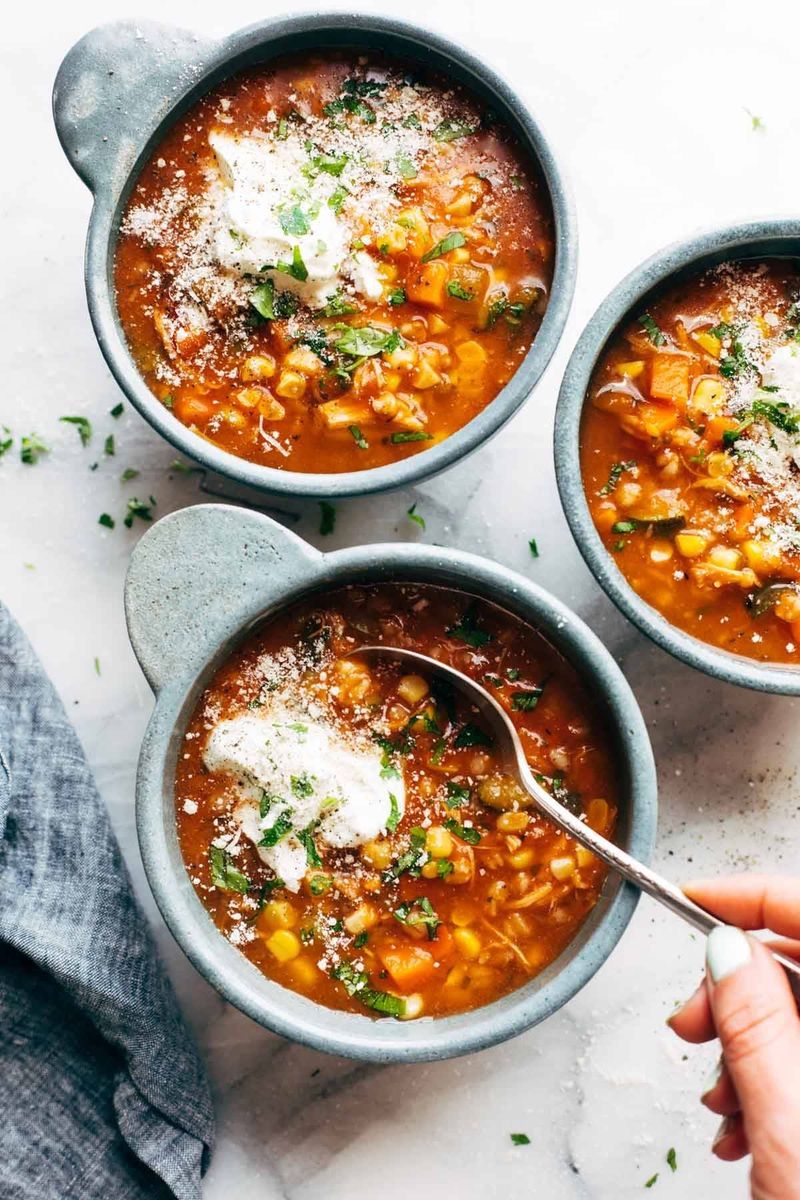
Great cooks share one simple habit: they taste their food constantly. It sounds obvious, yet many people skip this step.
Before serving, grab a clean spoon and take a bite. Does it need salt?
Something sour? A little heat or fresh herbs?
Small fixes at the end turn an okay meal into a delicious one. Over time, your taste buds become your best kitchen tool, better than any recipe.