
Some of the simplest dishes on a menu are secretly the trickiest ones to cook. A plain omelet or a bowl of pasta might look easy, but chefs spend years learning to get them just right.
Knowing why these foods are so hard can help you cook better at home and appreciate restaurant meals even more. Get ready to look at your favorite plates in a whole new way.
1. The French Omelet
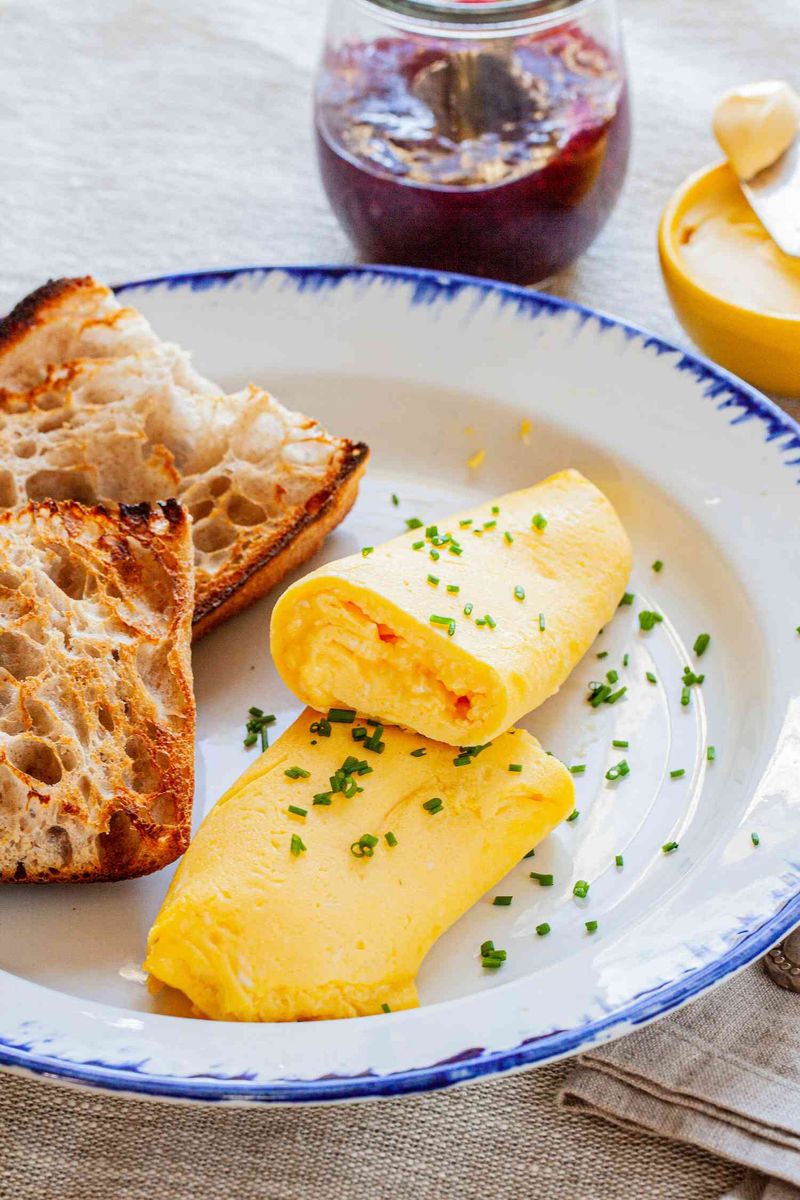
Many famous chefs test new cooks by asking for one simple omelet. It sounds easy, yet it reveals almost every skill a cook has.
A true French omelet should be pale yellow with zero brown spots and a creamy center. That means low heat, constant stirring, and a quick roll at the perfect second.
Try using a nonstick pan and real butter at home. Pull it off the heat early, because the eggs keep cooking.
2. Risotto
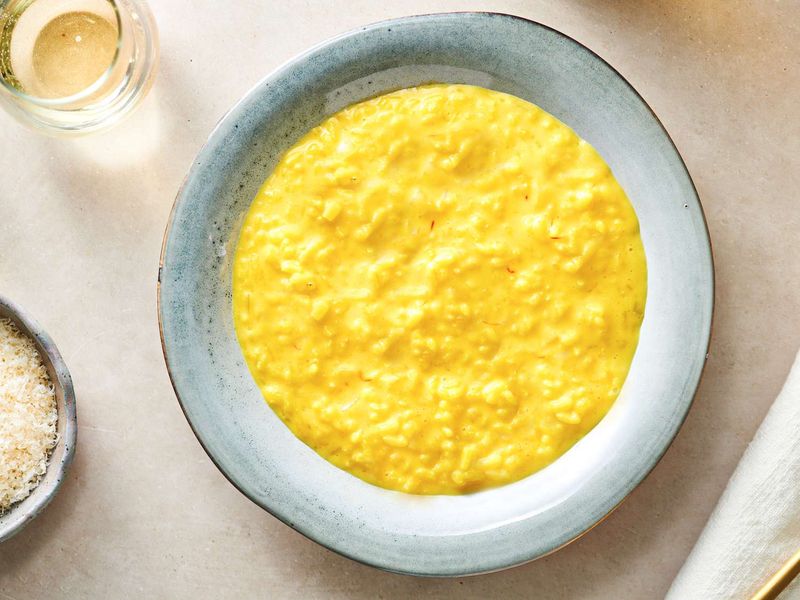
Picture yourself standing at a stove for twenty minutes, stirring nonstop. Welcome to the world of risotto.
Cooks add warm broth one ladle at a time so the rice releases its starch slowly. Too much liquid makes mush, and too little leaves the grains crunchy.
Italians say good risotto should flow like a gentle wave when you tilt the plate. A final knob of butter and cheese adds that silky finish.
3. Soufflé
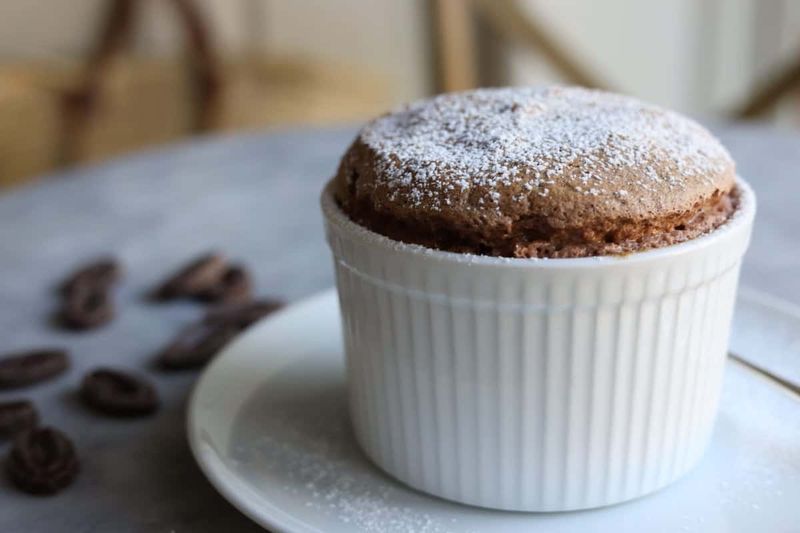
Did you know the word soufflé comes from a French word meaning to breathe? That fits, because this dish is mostly air.
Egg whites must be whipped to just the right stiffness, then folded in gently so the bubbles survive. Opening the oven door too soon can make the whole thing sink.
Timing matters after baking too. A soufflé starts falling within minutes, so restaurants rush it straight from oven to table.
4. Spaghetti Carbonara
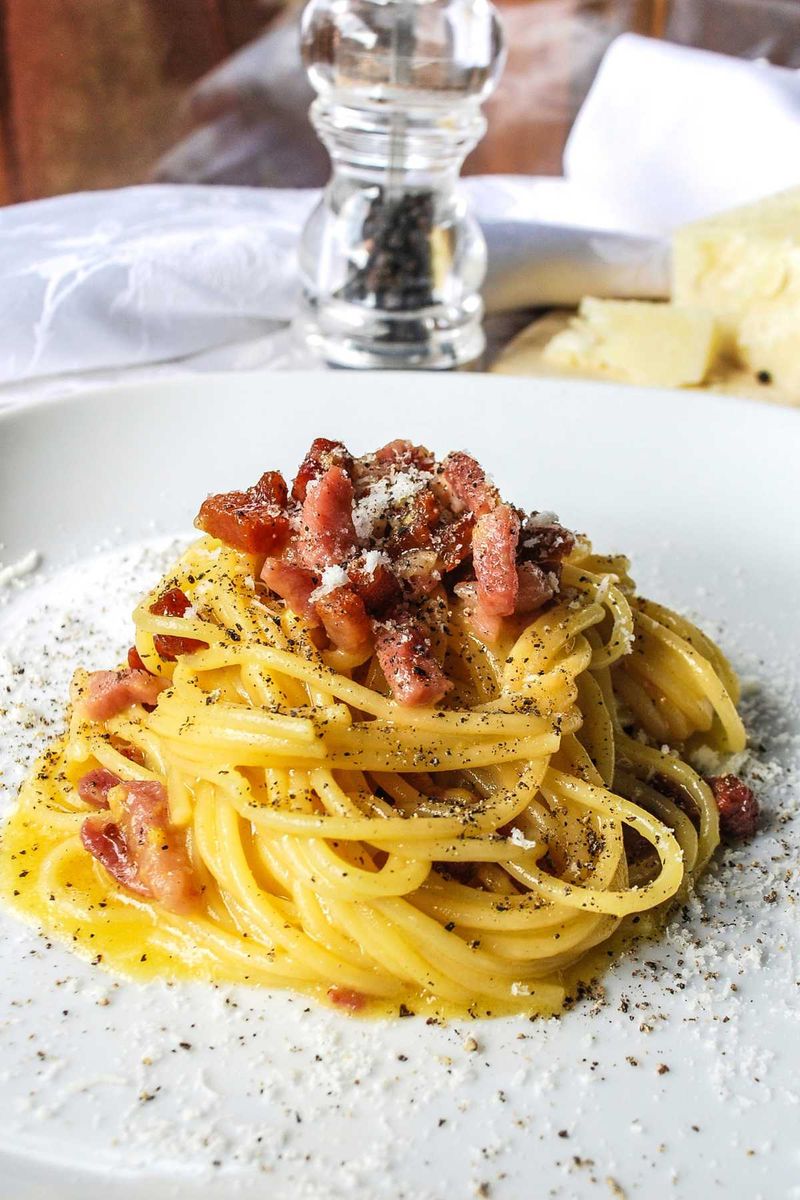
Only a handful of ingredients go into carbonara: pasta, eggs, cheese, pork, and pepper. Sounds simple, right?
Not quite.
The sauce forms when hot pasta meets raw egg off the heat. Too hot, and you get scrambled eggs.
Too cool, and the sauce stays runny.
A splash of starchy pasta water is the secret helper. Toss everything quickly and keep moving, and the result turns glossy and smooth.
5. Perfectly Seared Steak
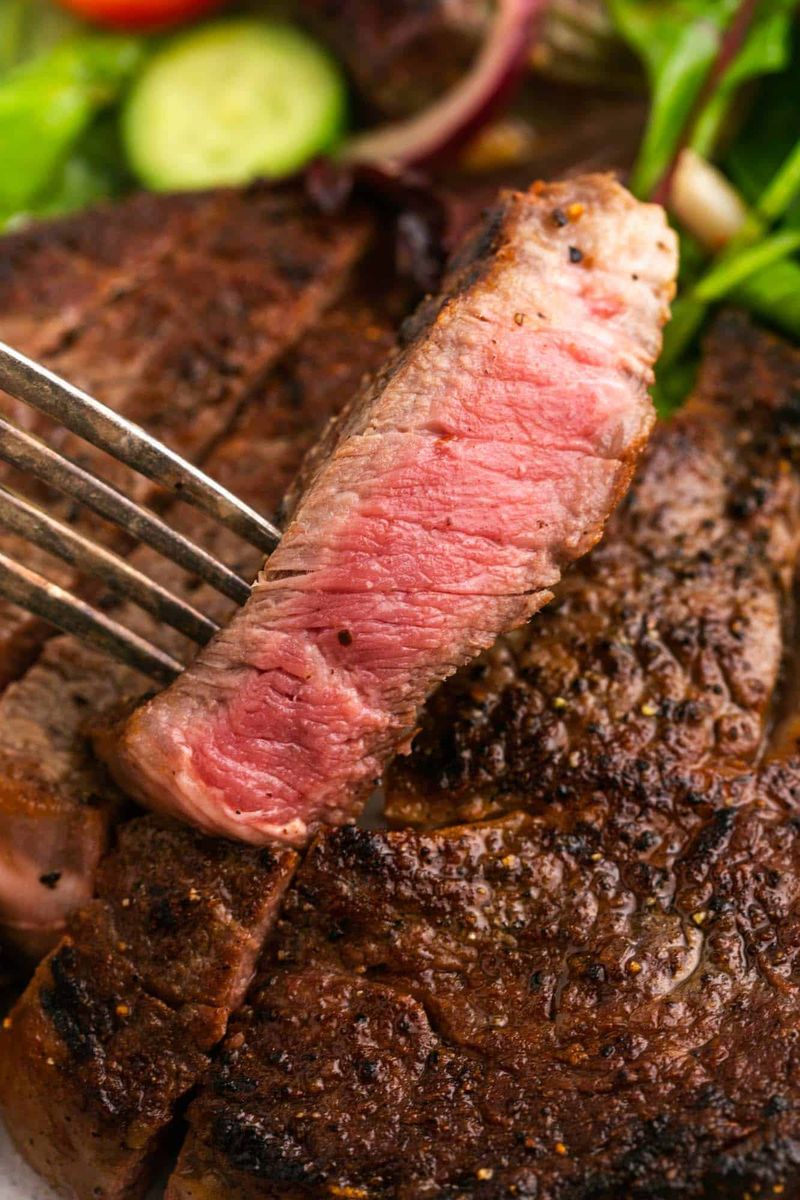
Grandpa at the backyard grill may swear steak is easy. Restaurant chefs know better.
A great steak needs a deep brown crust outside and an even pink center inside. Getting both means a screaming hot pan, a dry surface, and a good thermometer.
Resting is the step most people skip. Letting meat sit for five to ten minutes keeps the juices inside instead of spilling all over your cutting board.
6. Hollandaise Sauce
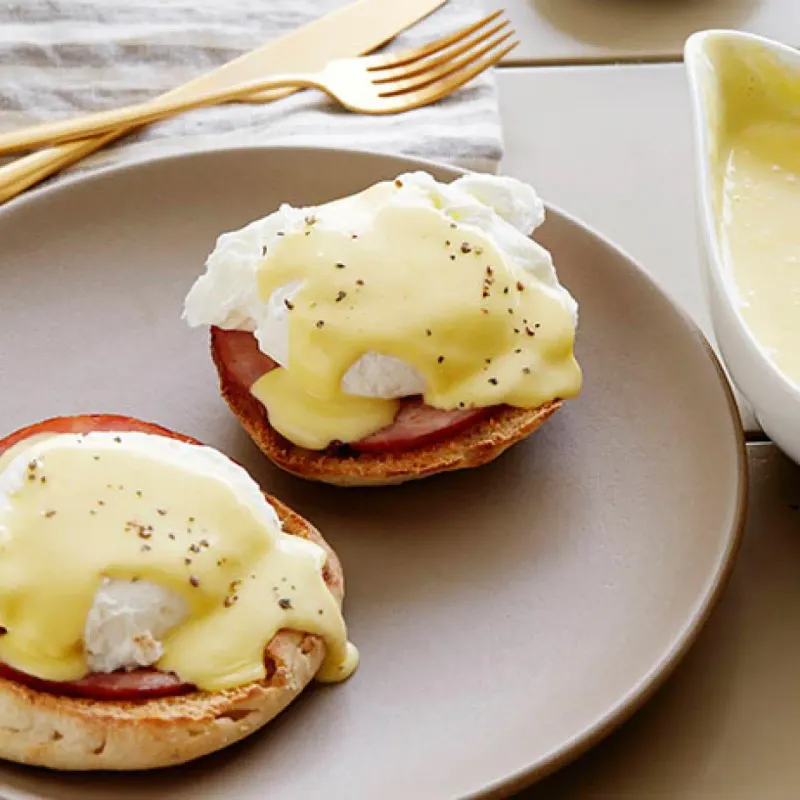
Brunch cooks often call hollandaise their biggest headache. This buttery sauce can break in seconds.
It works by blending egg yolks and melted butter into a smooth mix, called an emulsion. If the heat climbs even a little too high, it splits into greasy clumps.
Here is a rescue trick worth remembering. Whisk a spoonful of warm water into a broken sauce, and it can often come back together.
7. Sushi Rice and Nigiri
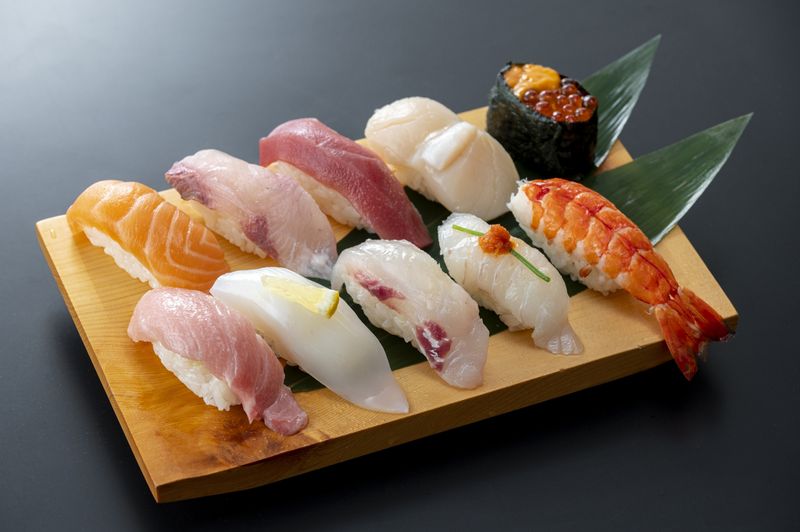
In Japan, some sushi apprentices spend years just learning to make rice before they ever touch fish. That shows how serious this craft is.
The rice must be sticky but not gummy, seasoned with vinegar, and served near body temperature. Each piece of nigiri gets pressed gently so it holds together yet falls apart in your mouth.
Slicing fish also takes practice and a very sharp knife.
8. Crème Brûlée
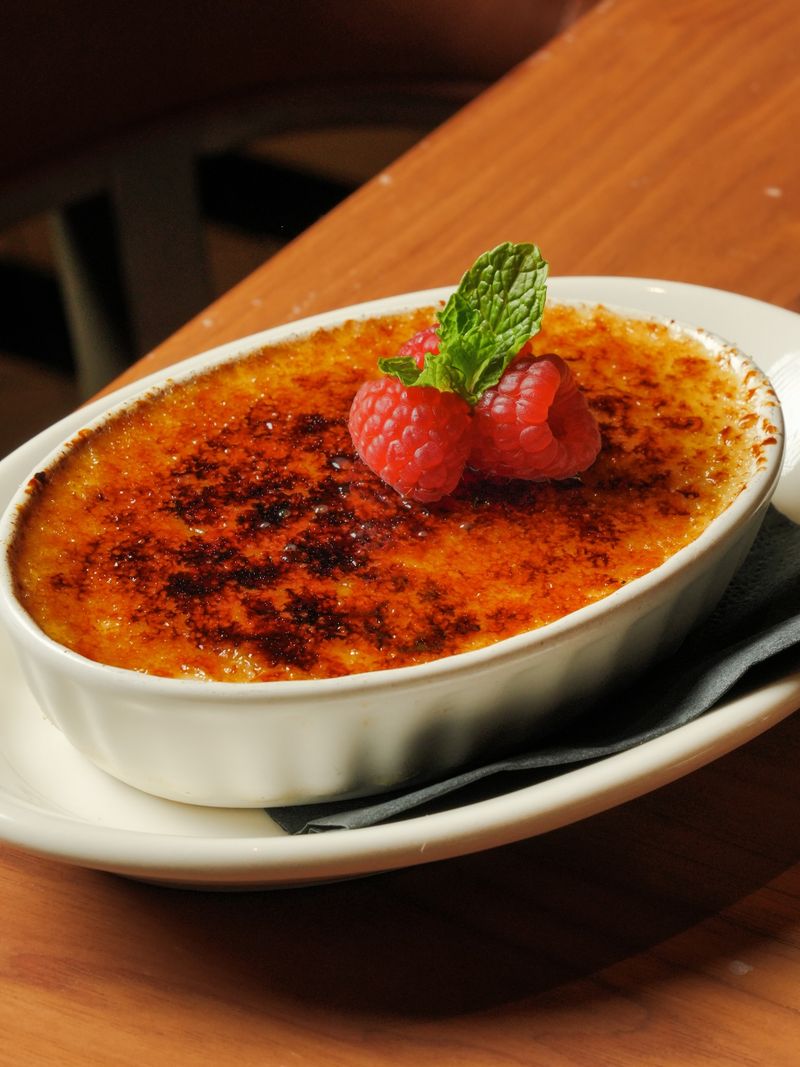
That satisfying crack of a spoon breaking caramel is pure joy. Earning it takes real patience, though.
The custard bakes slowly in a water bath so it sets smoothly without bubbles or curdling. Pull it too early and it wobbles like soup.
Then comes the torch. Sugar must melt into an even, amber shell without burning.
Many cooks practice on spare ramekins before serving guests.
9. Fried Chicken
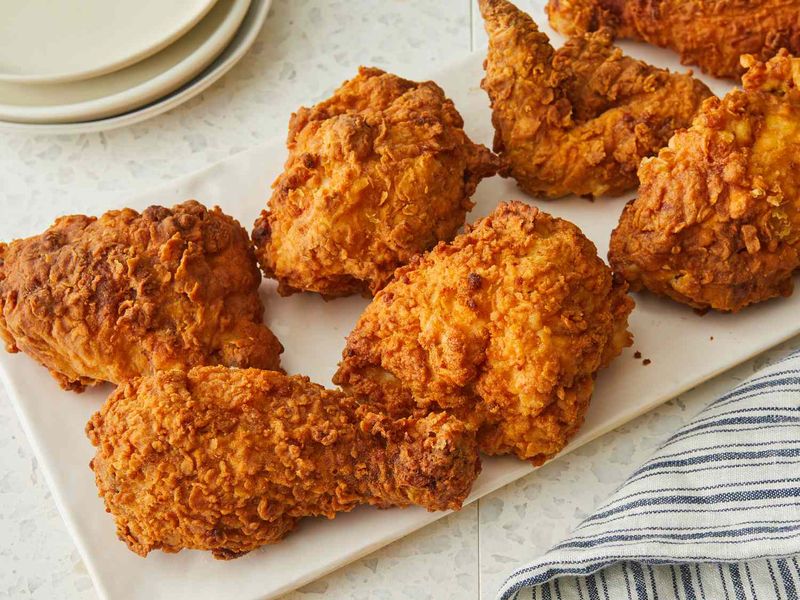
Crunchy outside, juicy inside, and never greasy. Everyone wants that, but few nail it every time.
Oil temperature is the big challenge. When it drops after adding cold chicken, the coating soaks up grease.
If it runs too hot, the outside burns before the middle cooks.
Many Southern cooks soak chicken in buttermilk overnight for tenderness. A double dip in seasoned flour builds those craggy, crispy bits people fight over.
10. Macarons
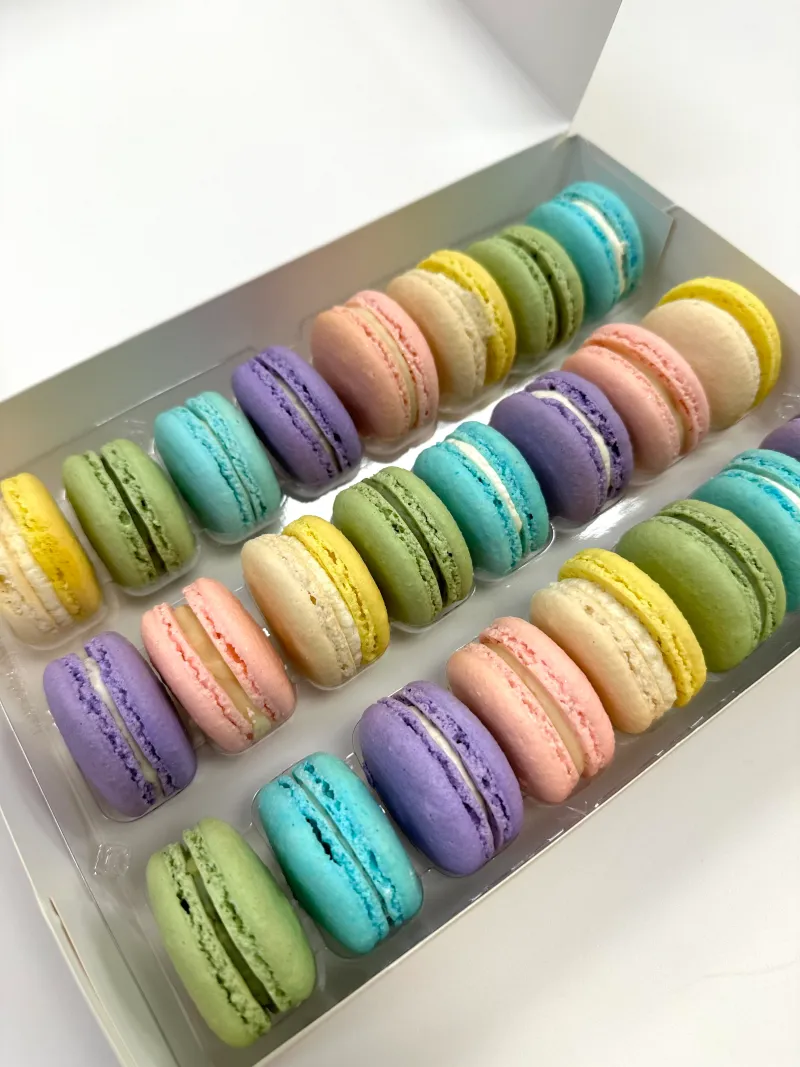
Bakers joke that macarons have moods. One humid day can ruin a whole batch.
These little almond cookies need smooth tops, crisp shells, and ruffled edges called feet. Mixing the batter a few strokes too long or too short changes everything.
Professional pastry chefs weigh ingredients on a scale instead of using cups. They also let piped cookies rest until a thin skin forms, which helps them rise evenly in the oven.
11. Poached Eggs
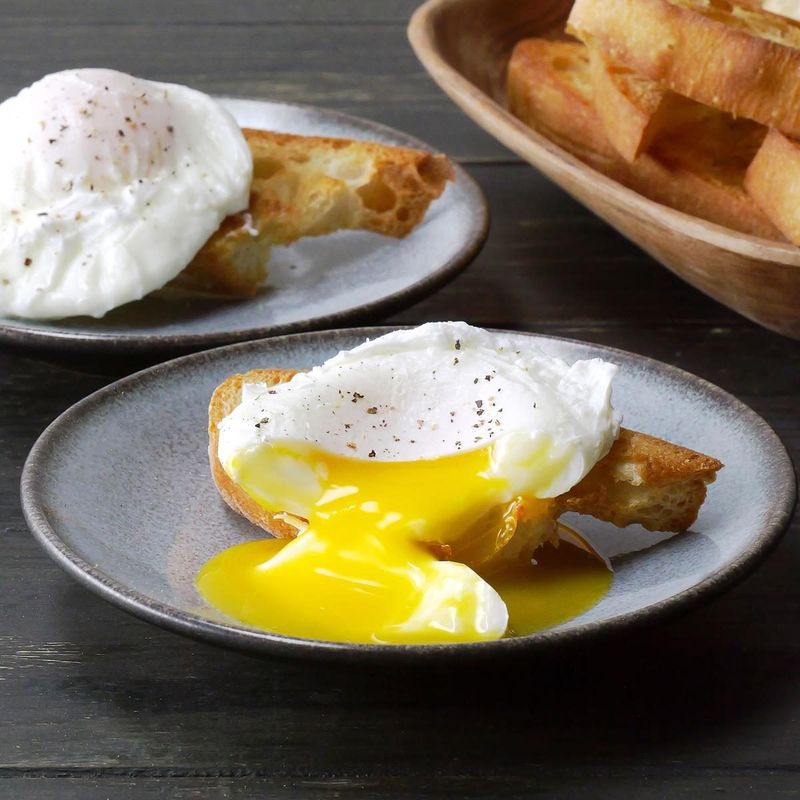
Ever cracked an egg into simmering water and watched it explode into wispy clouds? You are not alone.
A neat poached egg needs very fresh eggs, gentle bubbles, and a little patience. Fresher whites hold together much better.
Restaurant cooks often strain eggs first to remove the thin, watery part. A swirl of the water and about three minutes of cooking gives you a firm white and a golden, runny yolk.
12. Beef Wellington
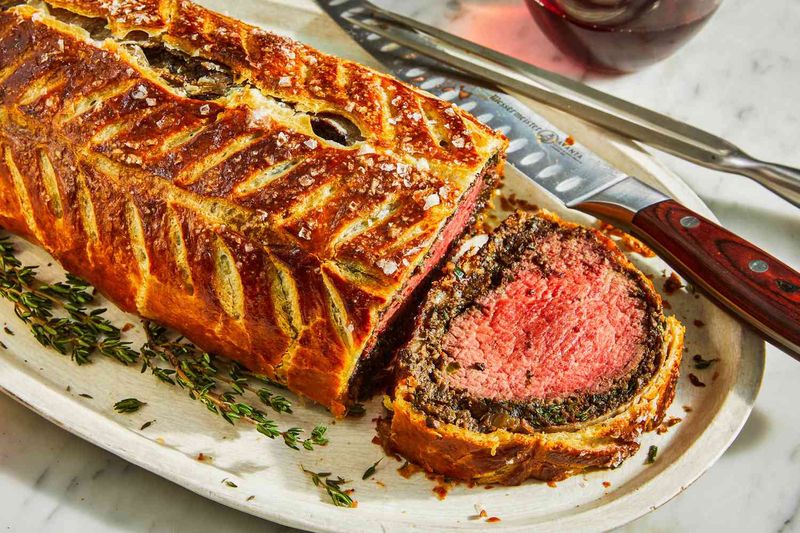
Famous TV chefs have yelled about this dish for good reason. Beef Wellington is a high-wire act.
Tender beef gets wrapped in mushrooms, ham, and puff pastry, then baked. The meat must come out pink while the pastry turns flaky and golden, never soggy.
Moisture is the enemy here. Cooking the mushroom mix until dry and chilling the bundle before baking helps protect that crisp crust.
13. Ramen Broth
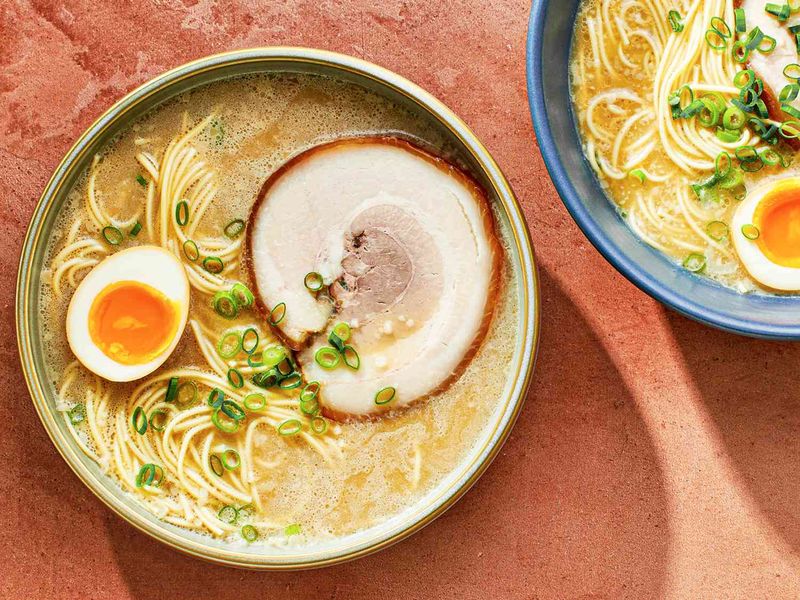
That cloudy, rich bowl of ramen might take longer to make than an entire day at school. Some broths simmer for twelve hours or more.
Pork bones must boil hard to release collagen, which gives tonkotsu its creamy body. Shops also balance salty tare, fragrant oil, and springy noodles.
Each part is made separately, then put together in seconds. One weak piece can throw off the whole bowl.
14. Neapolitan Pizza
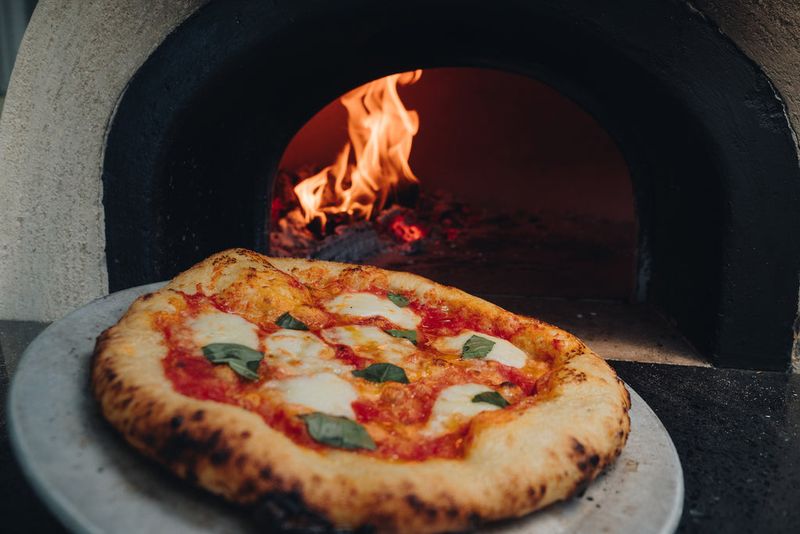
Naples takes its pizza so seriously that an official group sets rules for it. The pie bakes in about ninety seconds at nearly 900 degrees.
Dough has to ferment for many hours to develop flavor and bubbly texture. Stretching it by hand without tearing takes plenty of practice.
Look for the leopard spots on the crust. Those charred dots mean the oven, dough, and timing all worked together.
15. Pan-Seared Scallops
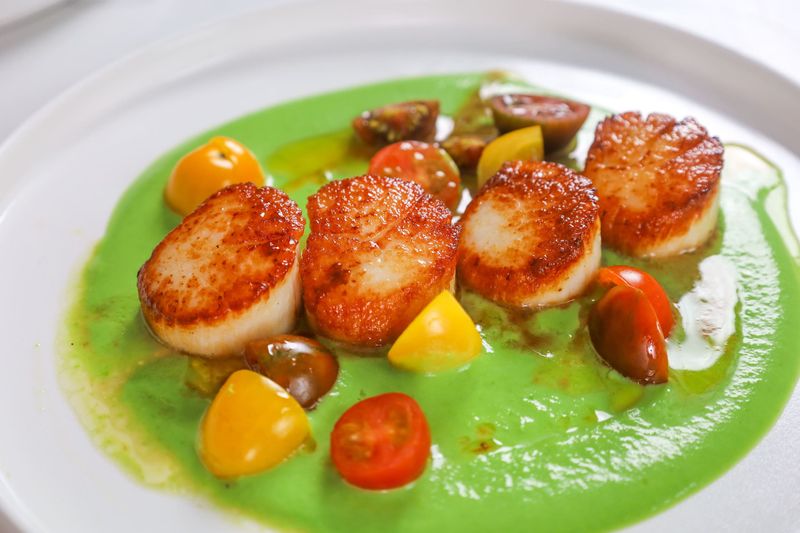
Scallops cook faster than you can tie your shoes. That speed makes them sneaky.
Chefs want a caramel crust on both sides and a soft, sweet middle. Leave them on a minute too long, and they turn rubbery like pencil erasers.
Pat them very dry with paper towels first. Then place them in a hot pan and resist moving them.
Patience gives you that beautiful golden sear.
16. Croissants
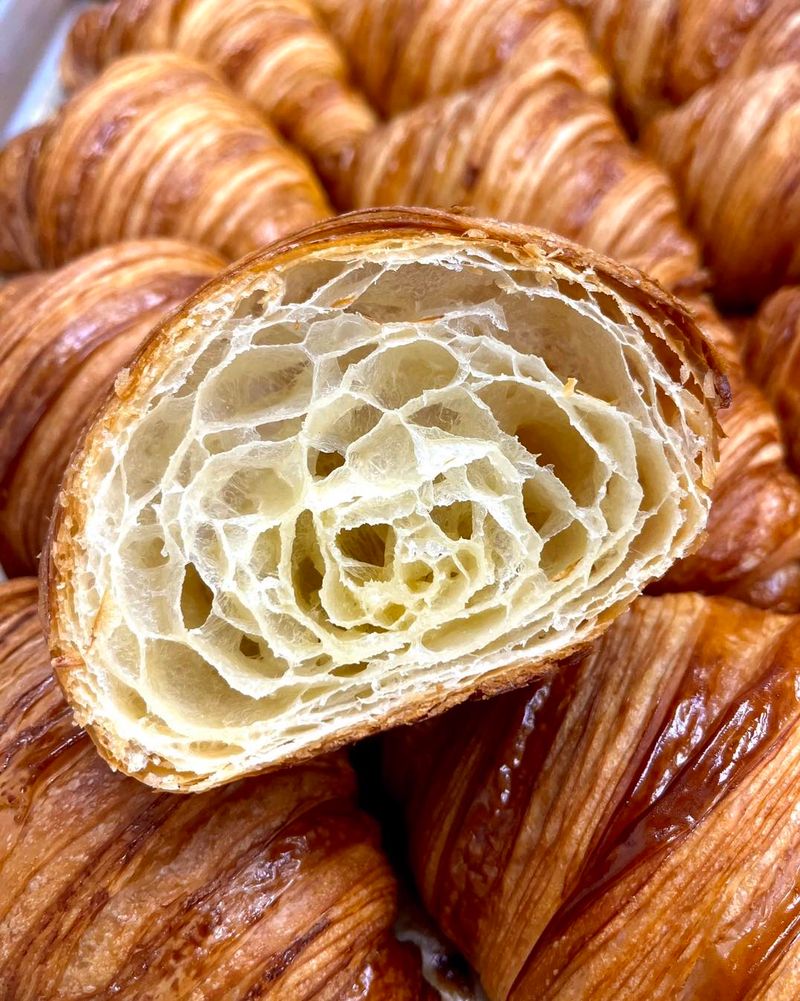
One bite should shatter into crispy flakes and reveal a soft, honeycomb inside. Getting there takes up to three days.
Bakers fold cold butter into dough again and again, creating dozens of thin layers. If the butter melts, the layers blend together and the magic disappears.
Kitchen temperature matters a lot. Many bakeries work early in the morning when it is cool, chilling the dough between each fold.
17. Pho
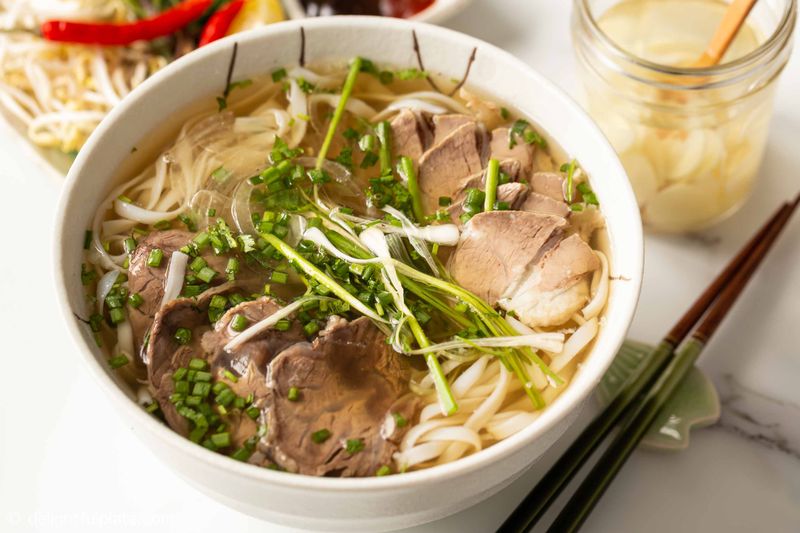
Vietnamese families often guard their pho recipes like treasure. The clear, fragrant broth is the heart of it all.
Beef bones simmer for hours while cooks skim away foam to keep the soup crystal clear. Charred onions and ginger, plus star anise and cinnamon, add warm depth.
Balance is tricky because spices can easily overpower. When done right, each sip tastes rich yet surprisingly light.
18. French Fries
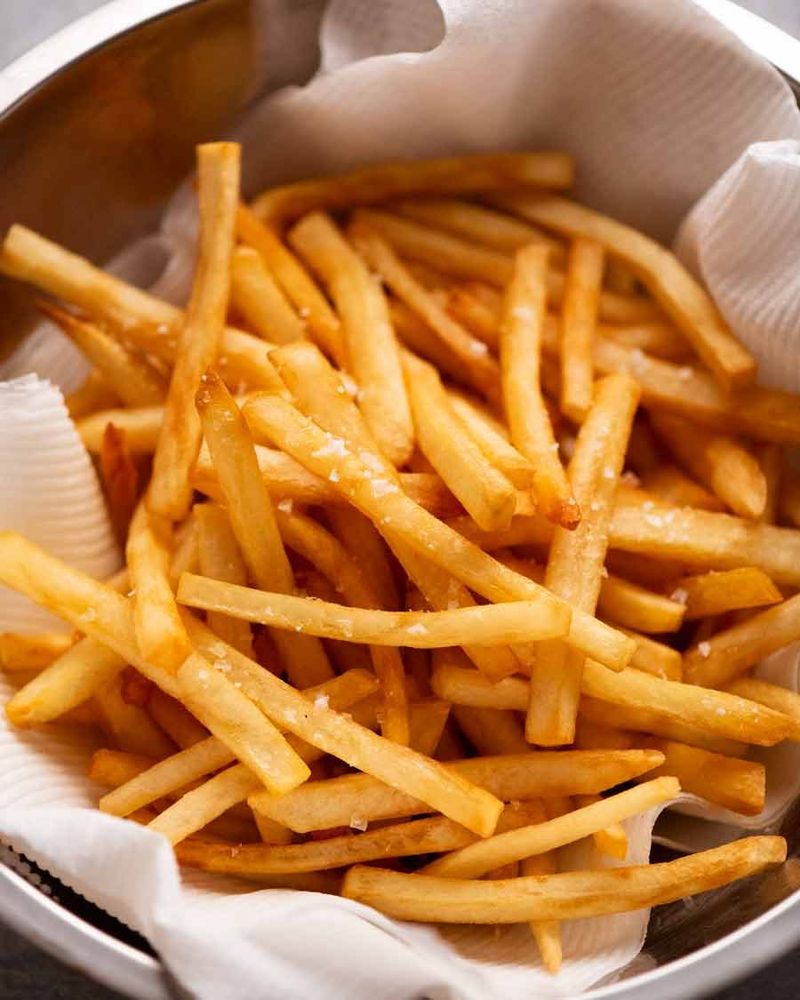
Fries seem like the easiest food on earth. Yet soggy, limp fries are everywhere.
Restaurants usually cook them twice. First comes a lower temperature fry to soften the inside, then a hot fry for the crunchy outside.
Soaking cut potatoes in water removes extra starch.
Belgians, who love fries deeply, often use beef fat for extra flavor. Salt them right away while they are still glistening.
19. Cacio e Pepe
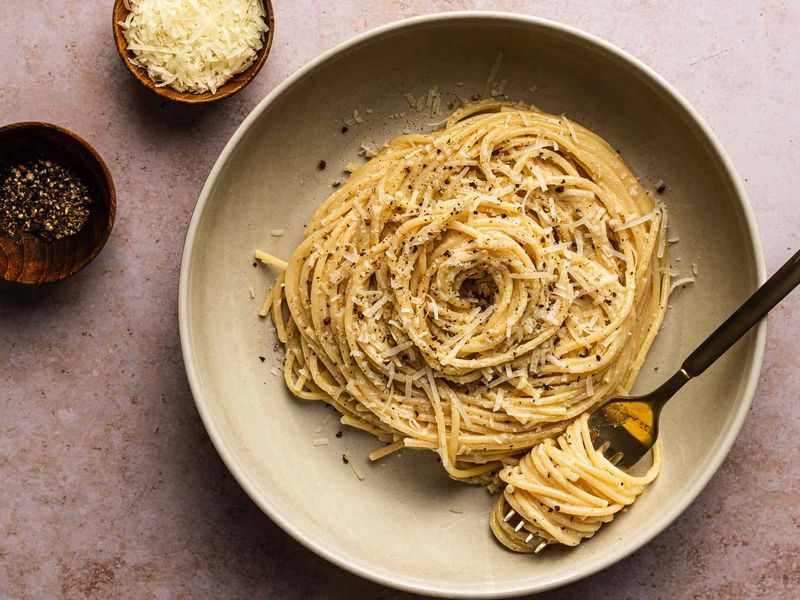
Three ingredients. Endless frustration.
Roman cooks smile when tourists think cacio e pepe is simple.
Pecorino cheese, black pepper, and pasta water must melt into a creamy sauce. Add cheese to a pan that is too hot, and it clumps into stringy lumps.
Grate the cheese very finely and mix it with a little cool water first. Then toss with warm pasta off the heat for a silky coating.
20. Peking Duck
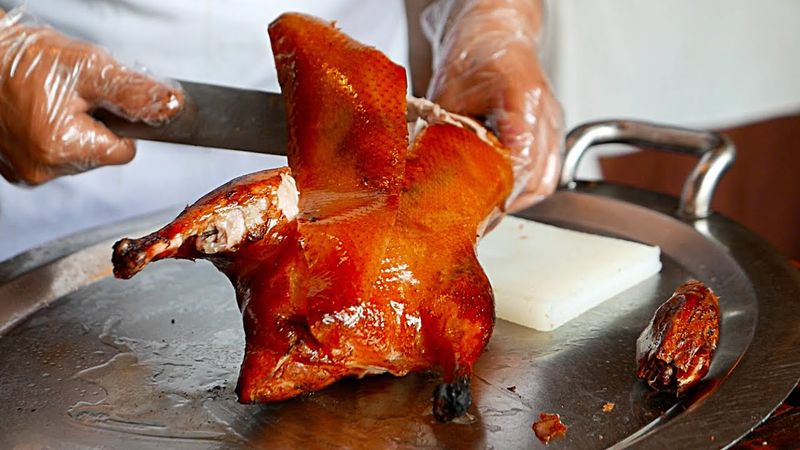
Imperial chefs in China perfected this dish hundreds of years ago, and it still takes days to prepare.
Cooks pump air under the skin to separate it from the meat, then coat it and hang it to dry. Roasting turns the skin glassy and crisp.
Carving happens at the table in many restaurants. Thin slices get tucked into soft pancakes with sweet sauce and fresh scallions.
21. Classic Cheeseburger
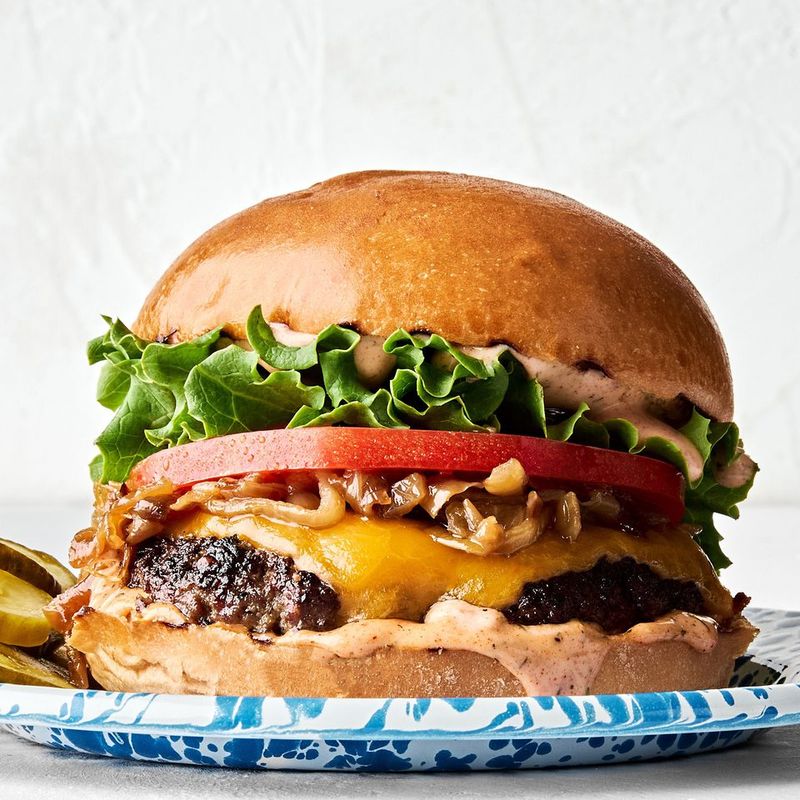
Sometimes the most loved foods are the hardest to make memorable. A great burger is all about small details.
Meat with about twenty percent fat stays juicy. Pressing it thin on a hot griddle creates a crispy, savory crust.
Overworking the beef makes it tough.
Toasting the bun keeps it from getting soggy. Add cheese near the end, cover it for a moment, and let it melt completely.