
A city’s favorite food can tell you who settled there, what grew nearby, and how neighbors shared their traditions. Across America, simple meals have become proud local symbols.
From sidewalk pizza slices to smoky barbecue, these dishes offer a tasty way to understand a place. Bring your appetite, because each stop has a story worth savoring.
1. New York City: The Foldable Pizza Slice
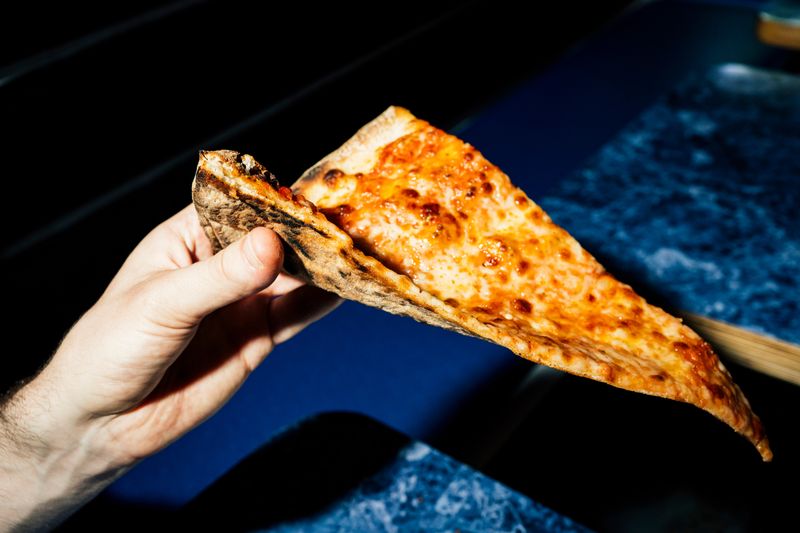
One quick fold turns a wide pizza slice into a meal made for busy sidewalks. New York’s version has a thin center, chewy crust, tomato sauce, and melted mozzarella, with roots in the city’s early Italian immigrant communities.
Start with a plain cheese slice to judge the balance of bread, sauce, and cheese. A busy neighborhood shop often offers fresh slices throughout the day, so look for pies coming straight from the oven before ordering.
2. Chicago: Deep-Dish Pizza Worth the Wait
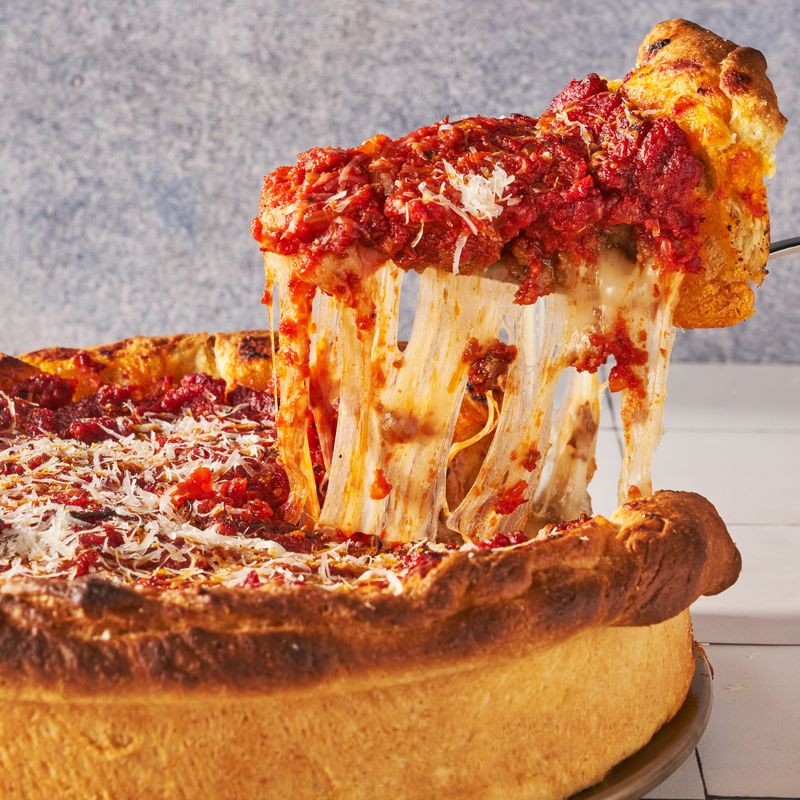
Bring a fork and a little patience to Chicago’s famous pizza table. Deep-dish pies bake in tall pans, with cheese beneath the toppings and chunky tomato sauce spread across the top to protect everything during cooking.
Pizzeria Uno helped introduce the style in 1943, though its exact invention remains debated. Order a smaller pie than you might expect, since each wedge is filling.
Allow extra time for baking, especially when dining with hungry young travelers.
3. Philadelphia: Cheesesteaks With Local Attitude
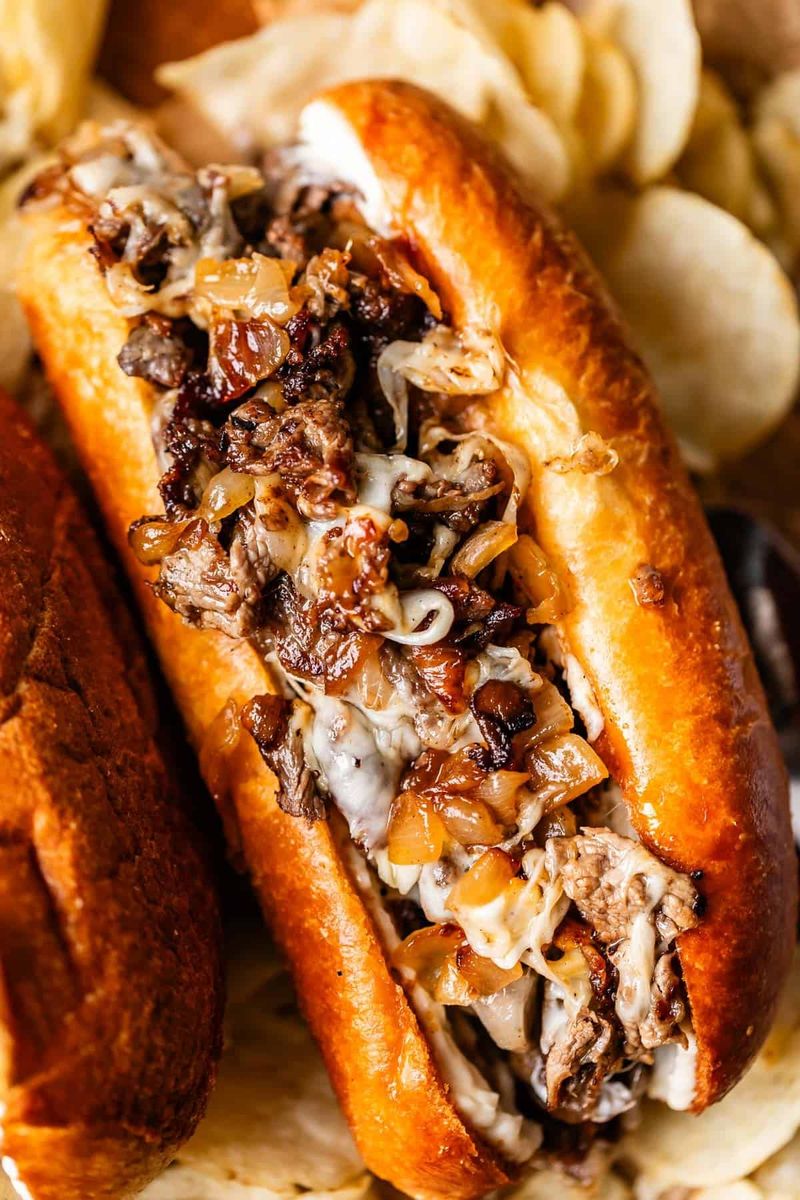
The sound of beef sizzling on a griddle is part of Philadelphia’s sandwich soundtrack. Thin steak, melted cheese, and a sturdy roll form the foundation, while cooked onions add sweetness if you want them.
Pat and Harry Olivieri are widely credited with the sandwich’s beginnings in the 1930s. Before reaching the counter, choose your cheese and decide about onions.
Provolone, American, and Cheez Whiz each create a different experience, so there is room for preference.
4. Boston: Clam Chowder for Chilly Days
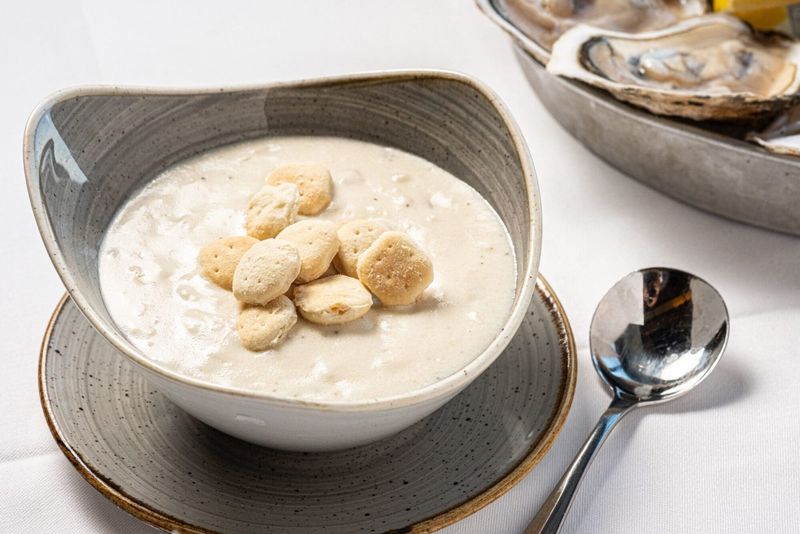
A chilly harbor breeze makes a warm bowl especially welcome in Boston. New England clam chowder combines clams, potatoes, onions, and milk or cream, often with salt pork or bacon adding a salty background.
Unlike Manhattan chowder, the familiar Boston version skips the tomato base. Try a cup before committing to a large bowl, and add oyster crackers gradually to keep some crunch.
Ask about pork ingredients if your diet requires avoiding them while traveling.
5. New Orleans: Gumbo With Many Roots
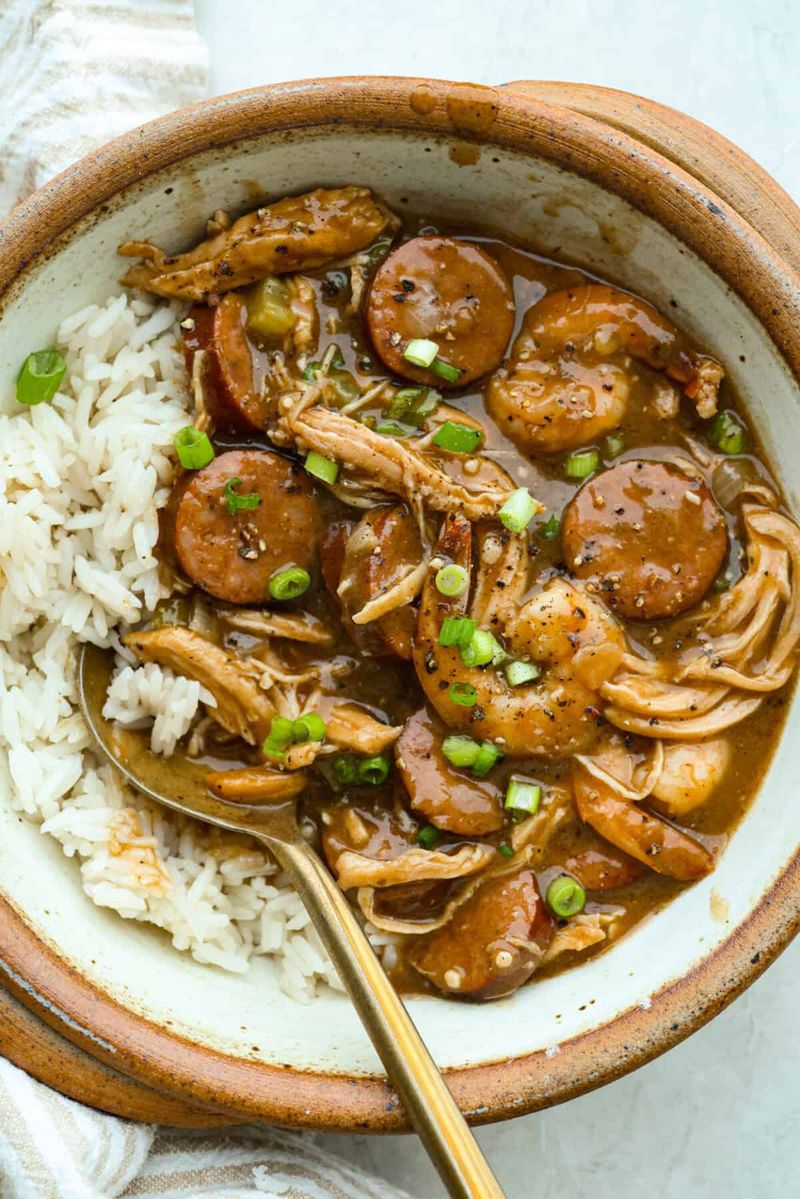
No two family gumbo pots tell exactly the same story. Around New Orleans, cooks build rich stews using seafood, chicken, sausage, or combinations, often thickened with roux, okra, or ground sassafras leaves called filé.
African, European, and Native American food traditions helped shape the dish. Rice usually accompanies each serving.
Ask which proteins are included before ordering, especially with shellfish allergies, and taste the broth before adding hot sauce so its careful seasoning can shine through.
6. San Francisco: Chowder in a Sourdough Bowl
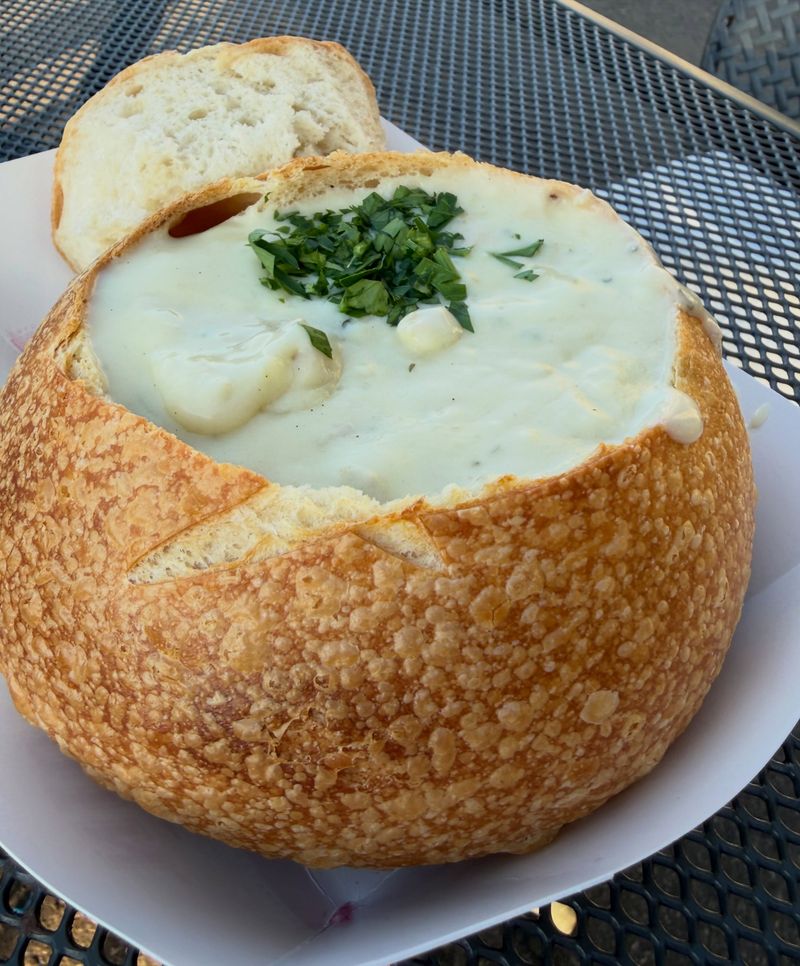
Eating the bowl is part of the fun along San Francisco’s waterfront. A hollow sourdough loaf holds creamy clam chowder, pairing the bread’s tangy flavor with a rich filling of clams and potatoes.
The city’s sourdough fame reaches back to the Gold Rush era, and Boudin remains a familiar name. Begin with the soup, then tear pieces from the rim.
Sharing one bowl leaves room for another waterfront snack without wasting that delicious, sturdy bread shell.
7. Seattle: A Hot Dog With Cream Cheese
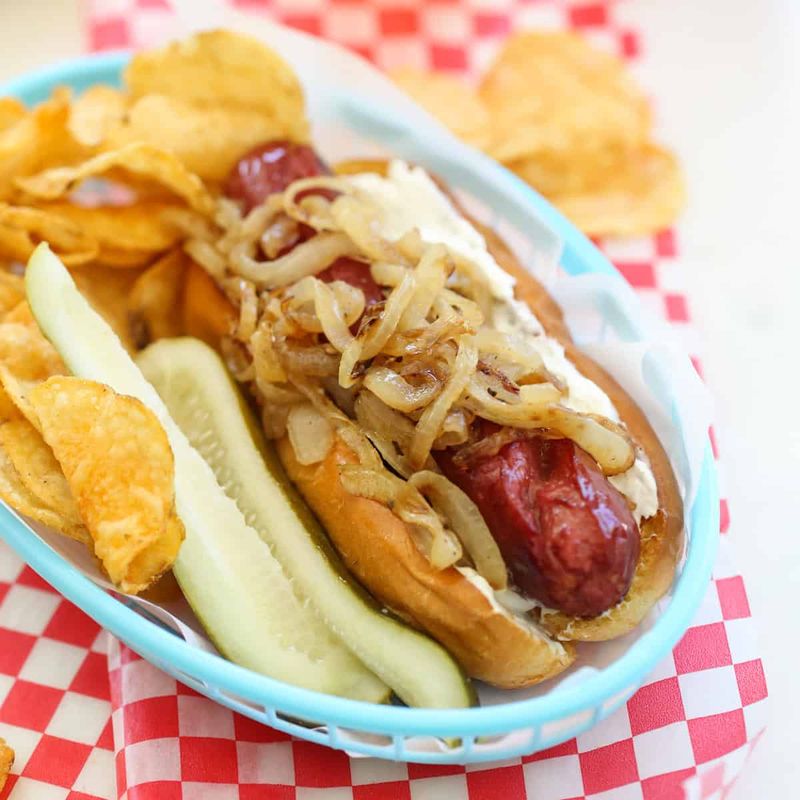
Cream cheese on a hot dog sounds unusual until the first bite. Seattle vendors spread it inside the bun, then add a hot sausage and browned onions for a creamy, savory street snack.
The combination is commonly traced to vendor Hadley Long in Pioneer Square in 1989. Jalapeños offer extra heat, while sauerkraut brings tang.
Try the basic version first to understand the appeal, and keep napkins handy because warm cheese rarely stays neatly tucked inside.
8. Los Angeles: California Burritos With San Diego Roots
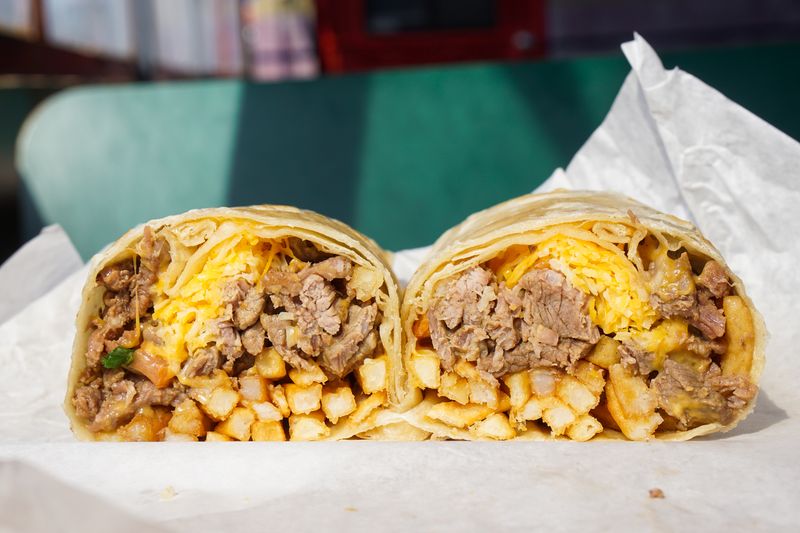
French fries tucked beside grilled steak give this burrito its playful twist. Although available around Los Angeles, the California burrito belongs most closely to San Diego, where the style developed during the 1980s.
A large flour tortilla usually holds carne asada, fries, cheese, and additions such as guacamole or sour cream. Choose a shop that cooks fries to order for better texture.
Splitting one is sensible, especially if you also want to sample tacos or salsa.
9. St. Louis: Toasted Ravioli With a Crunch
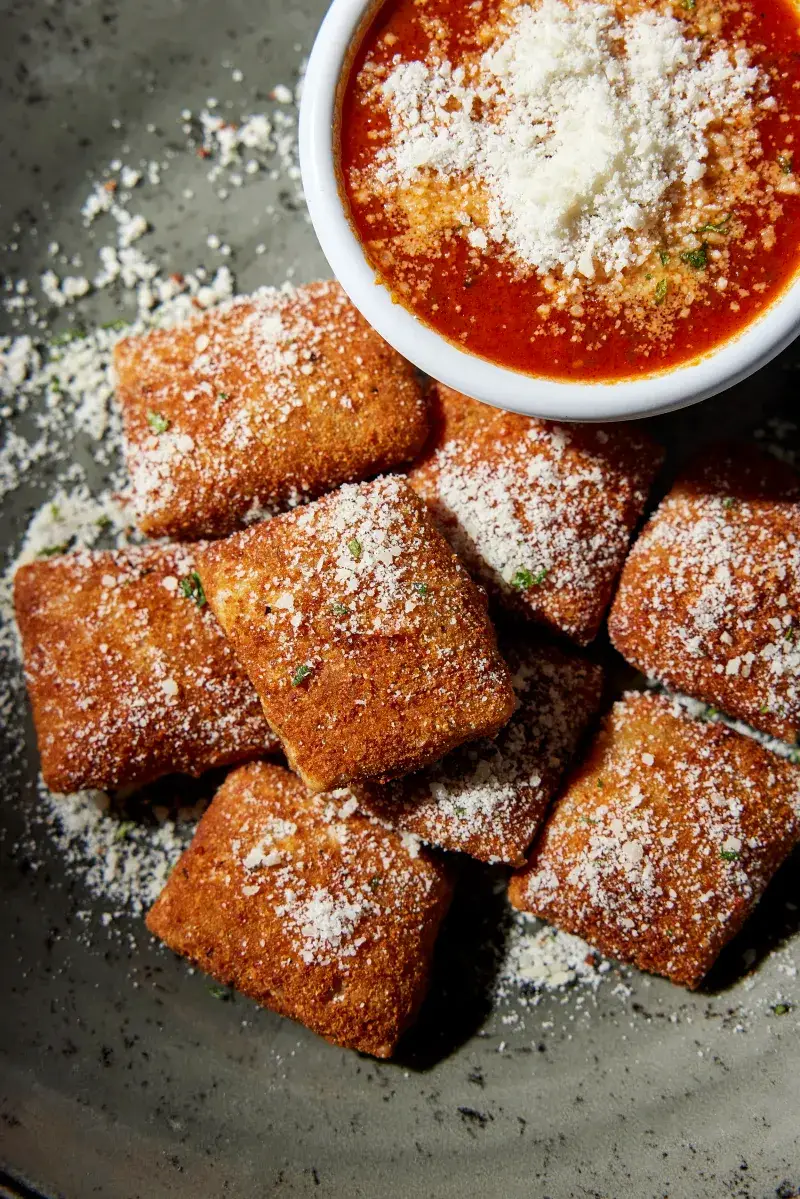
Despite the name, these crunchy pasta pockets usually meet a fryer, not a toaster. St. Louis toasted ravioli are breaded, fried, and finished with grated cheese, with warm marinara waiting on the side.
Restaurants in The Hill neighborhood helped make them famous, though competing stories surround their creation. Meat fillings are common, but cheese versions also appear.
Order a plate for the table and dip each piece just before eating to preserve its crisp outer coating.
10. Kansas City: Burnt Ends That Steal the Show
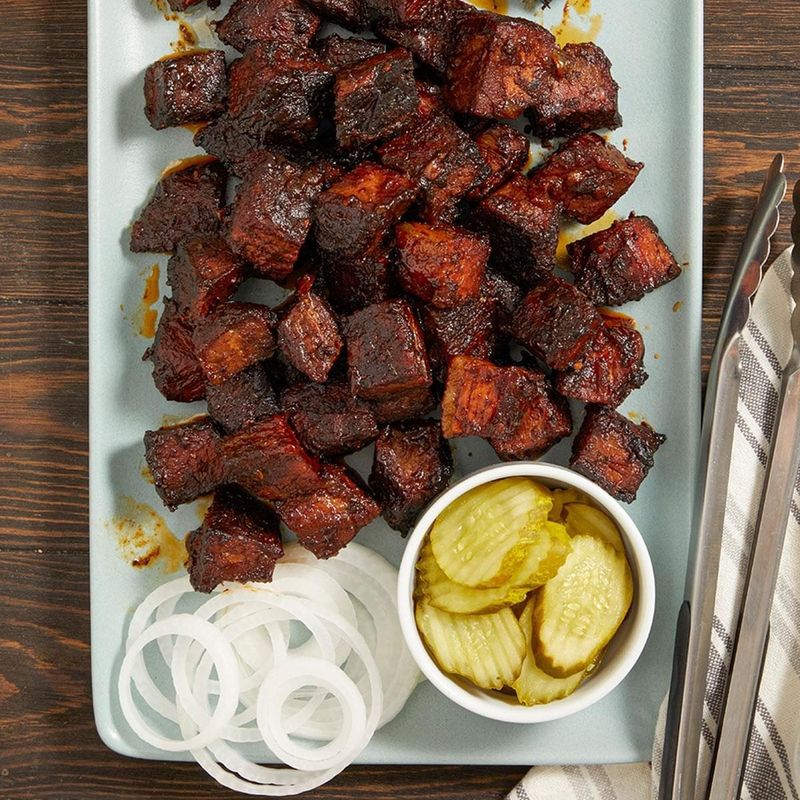
Those dark little brisket cubes are far more than leftovers. Kansas City burnt ends combine smoky bark, soft beef, and rich fat, often with a glossy coating of the city’s familiar sweet barbecue sauce.
Arthur Bryant’s helped build their reputation, and writer Calvin Trillin brought wider attention in 1972. Modern versions often use brisket’s fattier point.
Ask whether the day’s batch is ready before ordering, since availability varies, and balance the richness with pickles or slaw.
11. Detroit: Coney Dogs With a Loyal Following
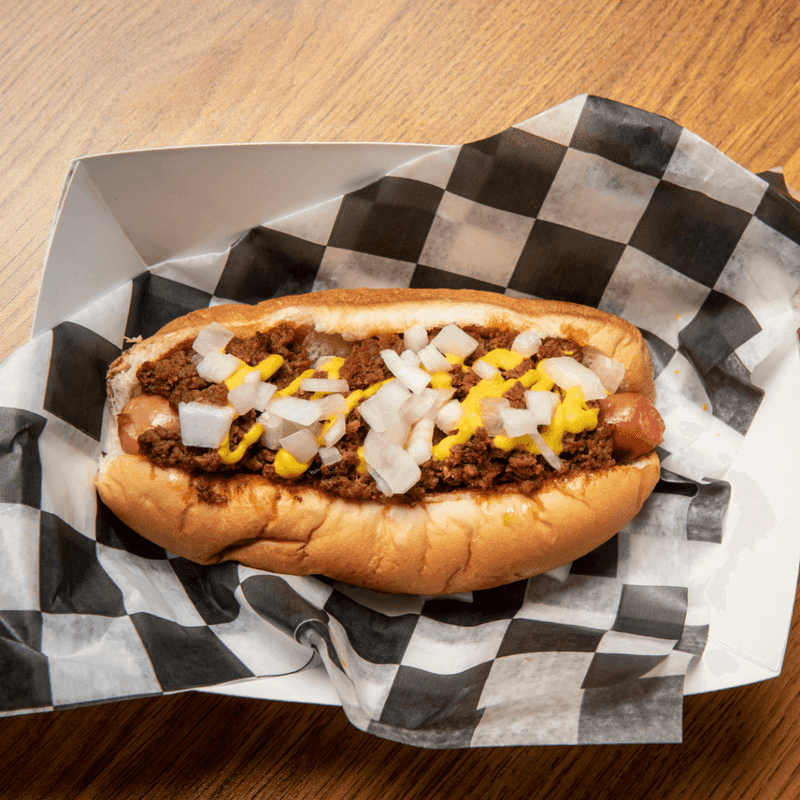
Forget the New York connection suggested by the name. Detroit made the Coney dog its own with a snappy frankfurter, soft bun, beanless meat chili, chopped white onions, and a stripe of yellow mustard.
Greek and Macedonian immigrant restaurant owners helped establish this local favorite. Downtown’s neighboring American and Lafayette shops invite friendly comparisons.
Try one at each if your appetite allows, but skip extra toppings initially so the chili’s seasoning and sausage texture remain clear.
12. Miami: The Crisp Press of a Cuban Sandwich
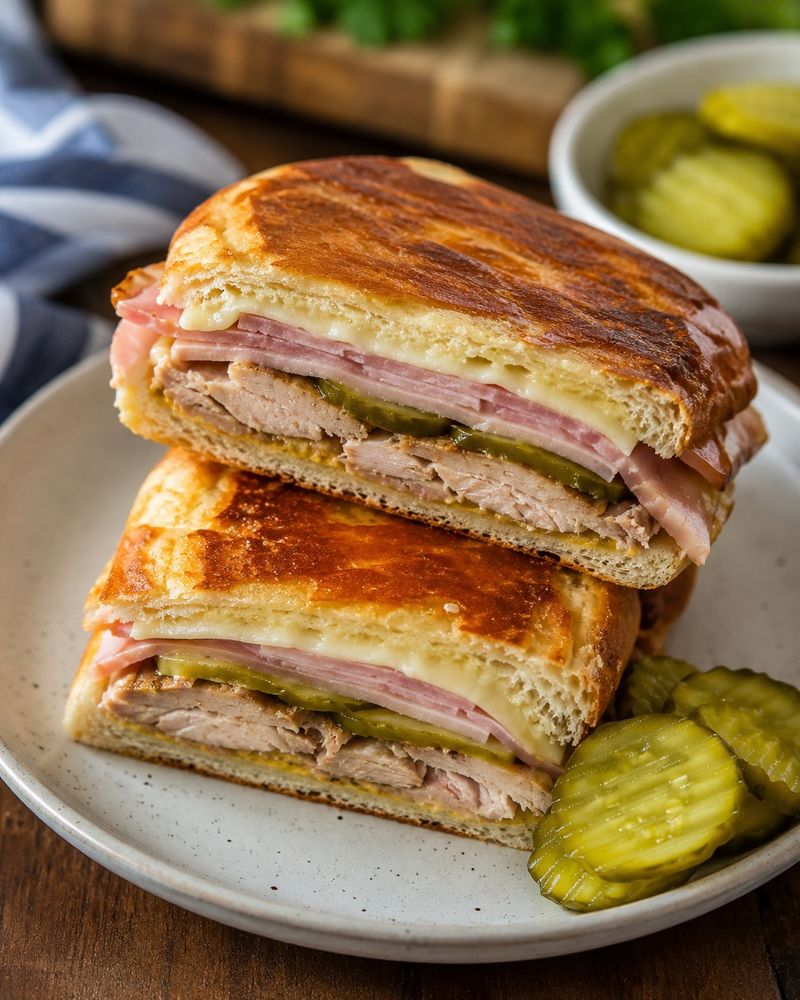
A hot sandwich press turns ordinary ingredients into a crisp, melty Miami favorite. Cuban bread holds roast pork, ham, Swiss cheese, pickles, and mustard, with each layer adding salt, richness, or a sharp little bite.
The sandwich grew through Cuban communities in Florida rather than one simple birthplace. Miami versions generally omit the salami associated with Tampa.
Enjoy it fresh from the press, and consider sharing a long sandwich alongside a small cup of Cuban coffee.
13. Baltimore: Crab Cakes That Put Seafood First
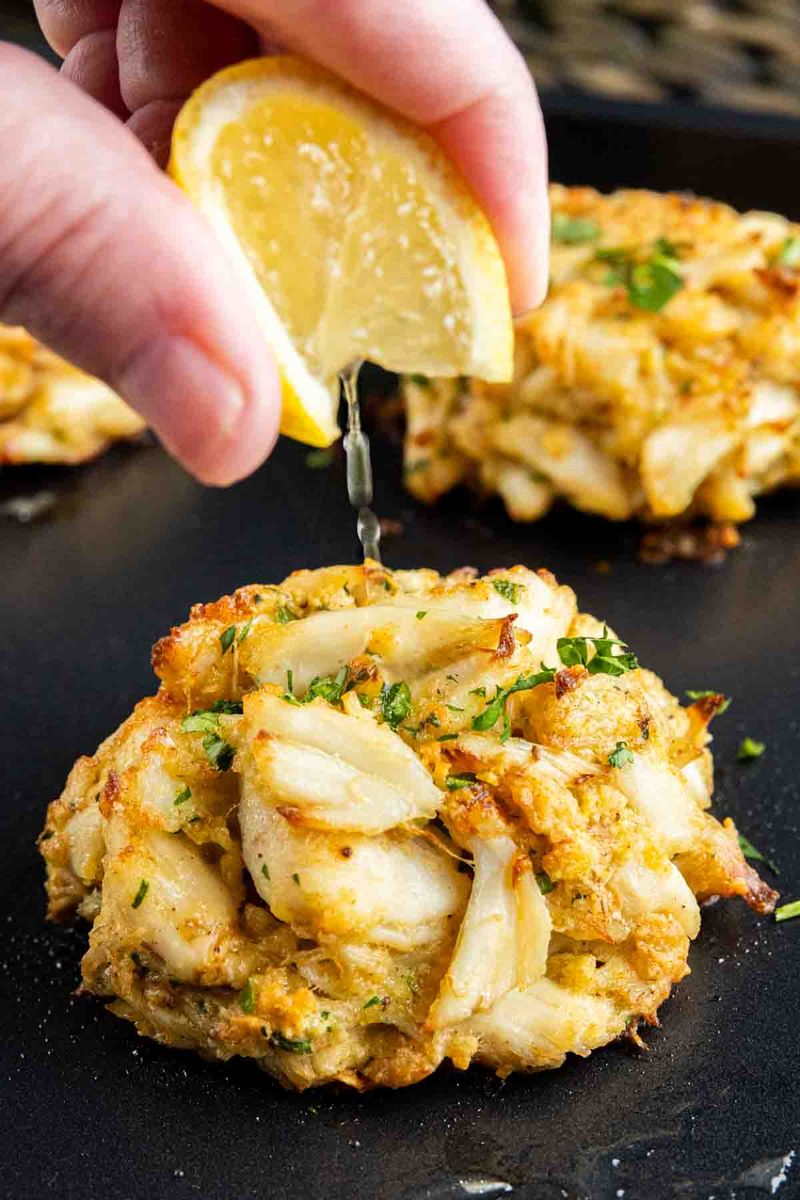
Sweet crab deserves the spotlight, not a mountain of breadcrumbs. Baltimore crab cakes celebrate that idea with generous crab meat, enough binder to hold their shape, and seasoning that supports rather than hides the seafood.
Blue crab connects the dish to Chesapeake Bay traditions, though restaurants may source meat elsewhere. Ask about sourcing if local seafood matters to you.
Broiled cakes often showcase large lumps beautifully; squeeze lemon lightly and taste before reaching for extra sauce.
14. Buffalo: Wings With a Buttery Kick
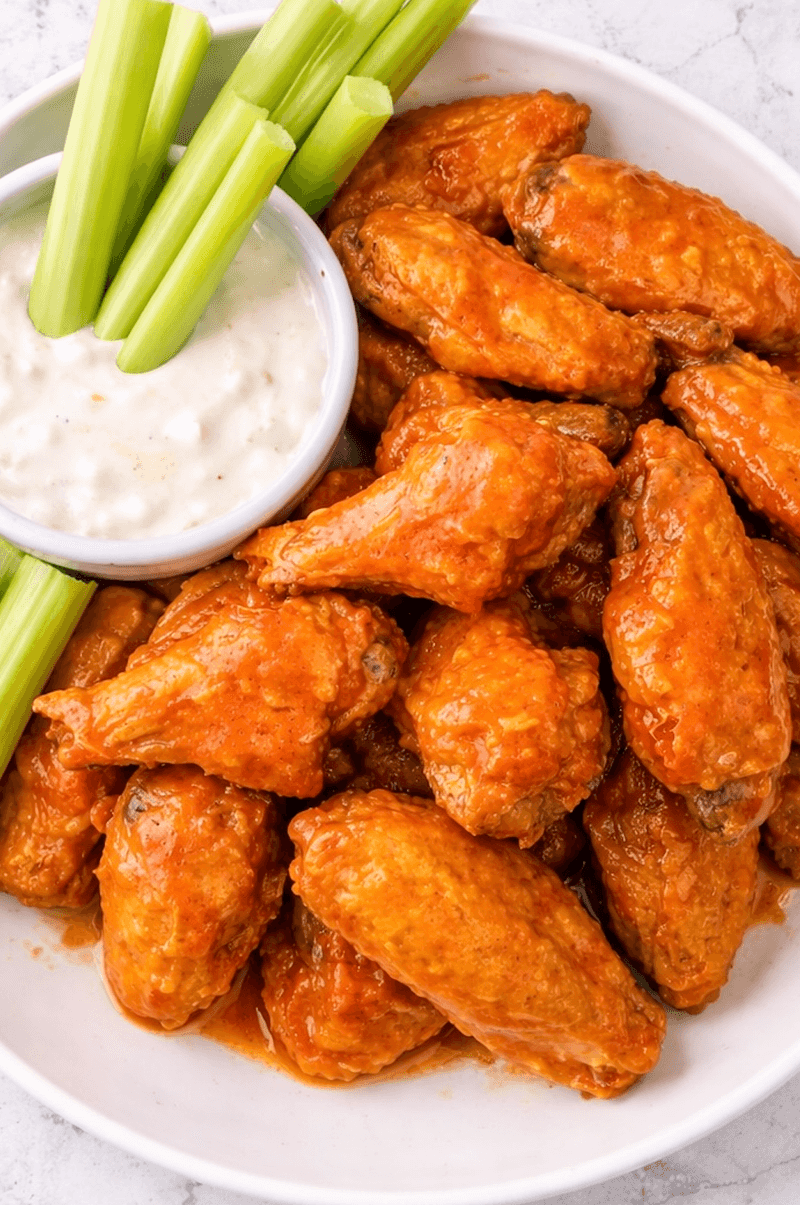
Sticky fingers are practically part of the ticket to this Buffalo tradition. Classic wings are fried without breading, then tossed in a sauce built from cayenne pepper hot sauce and butter for heat with richness.
Anchor Bar and Teressa Bellissimo are widely credited with popularizing the dish in 1964, though other local histories exist. Choose a moderate heat level first.
Celery and blue cheese dressing provide a cooling break between bites, especially during a long meal.
15. Cincinnati: Chili Served the Local Way
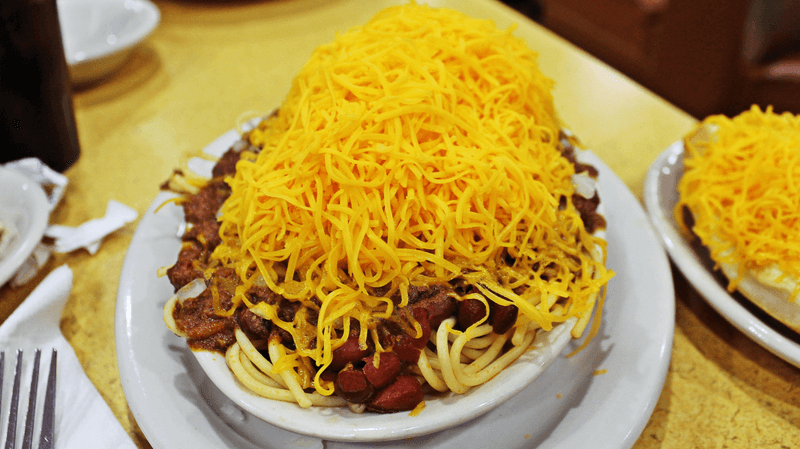
Spaghetti beneath a mountain of cheddar surprises many first-time visitors. Cincinnati chili is a spiced meat sauce, often carrying warm notes of cinnamon and other spices, rather than the thick bowlful many Americans expect.
Macedonian immigrant brothers Tom and John Kiradjieff introduced their version in 1922. Order a three-way for spaghetti, chili, and cheese.
A four-way adds onions or beans; a five-way includes both. Use a fork to cut neat bites rather than twirling the pile.
16. Austin: Brisket Built on Smoke and Patience
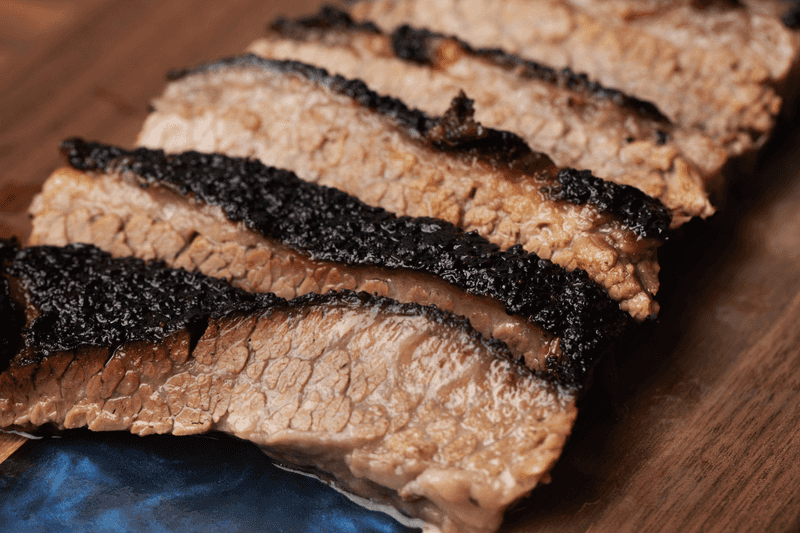
Hours of quiet smoking produce Austin’s loudest barbecue statement. Central Texas brisket usually wears a simple seasoning of salt and pepper, while oak smoke creates a dark crust around tender slices of beef.
The tradition draws partly from regional meat markets shaped by German and Czech immigrants. Ask for lean slices if you prefer less fat, or moist slices for richer bites.
Popular shops can sell out, so check ordering details and arrive with time available.
17. Portland, Oregon: Voodoo Doughnut’s Playful Creations
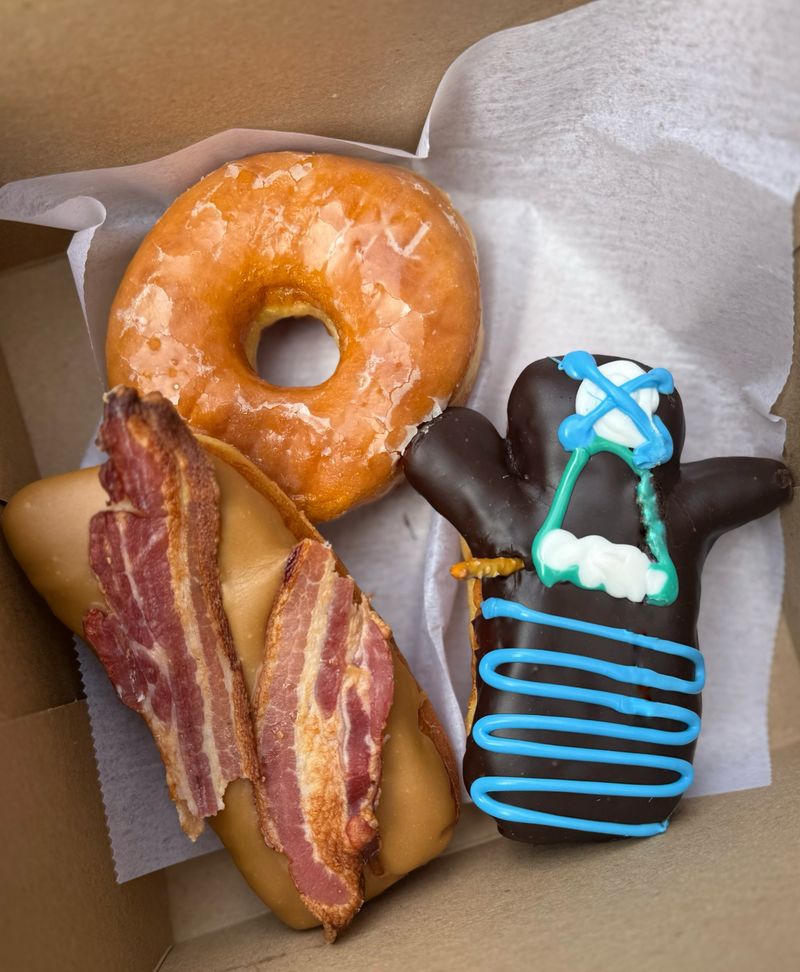
A doughnut shaped like a little doll fits Portland’s playful streak. Voodoo Doughnut opened in 2003 and became known for colorful creations, including its bacon maple bar and treats with unexpected candy or cereal toppings.
Unlike a broad regional recipe, this entry represents a particular bakery’s influence on the city’s food image. Pick one unusual flavor and one familiar favorite to compare.
Check current vegan choices if needed, and expect some toppings to make sharing delightfully messy.
18. Atlanta: Fried Chicken With Deep Community Roots
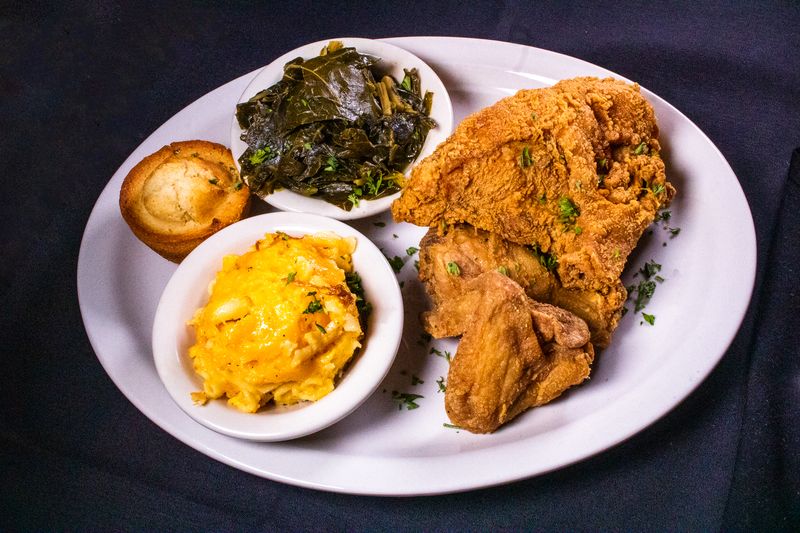
The first crackle of crust can make a crowded dining room fall quiet. Atlanta’s fried chicken belongs to a wider Southern tradition, pairing juicy meat with seasoned breading and comforting sides such as greens or macaroni.
Black cooks and restaurant owners played central roles in shaping its flavor and cultural importance. Paschal’s also holds a place in civil rights history.
Order a mixed plate to compare cuts, and allow freshly fried pieces to cool briefly before biting.
19. Cleveland: The Gloriously Messy Polish Boy
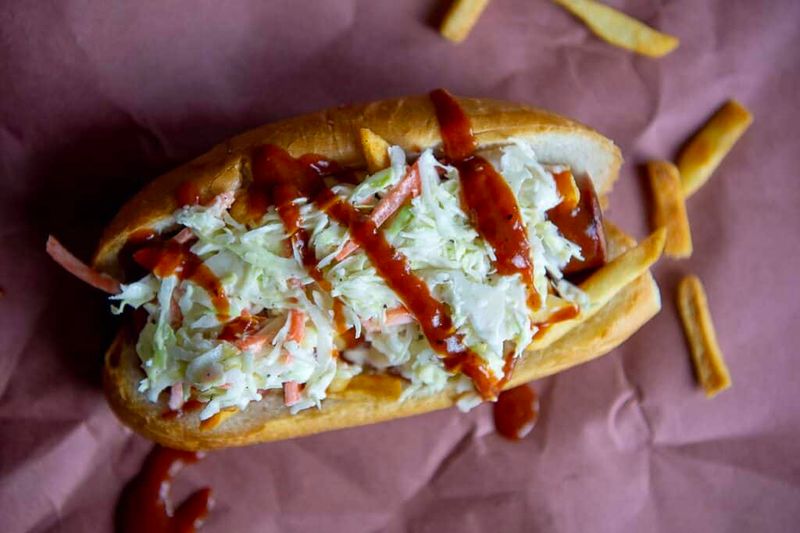
Napkins are not optional when Cleveland’s Polish Boy arrives. A kielbasa sausage sits in a bun beneath french fries, coleslaw, and barbecue sauce, turning a simple sandwich into a balancing act of crunch and tang.
Its creation is often linked to barbecue owner Virgil Whitmore, although the timeline is uncertain. Do not confuse it with sandwiches that add pork shoulder.
Eat promptly so the fries retain texture, and use a fork for anything that escapes the bun.
20. Houston: Fajitas That Arrive Sizzling
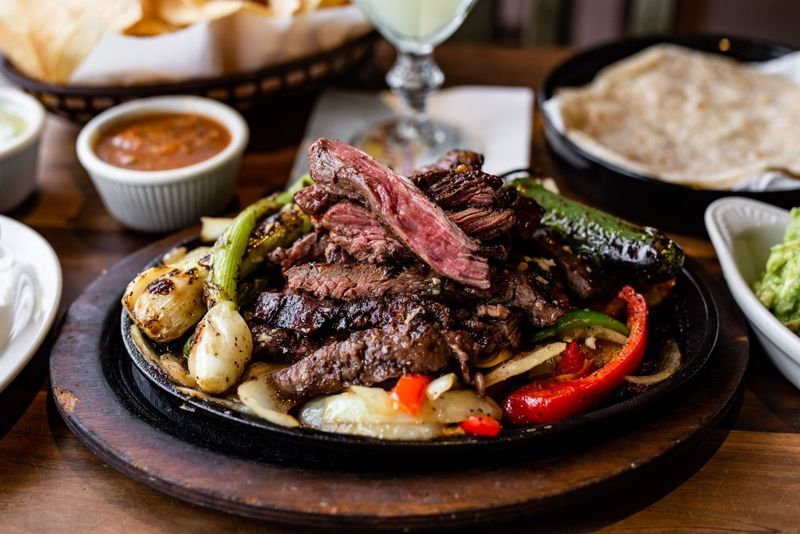
That sizzling platter announces dinner before it reaches your table. Houston fajitas feature grilled meat, often skirt steak, served with warm tortillas and toppings that let everyone build bites to suit their taste.
The dish has roots in Mexican ranch cooking along the Texas border. Ninfa Laurenzo helped popularize related grilled beef tacos in Houston during the 1970s.
Start with meat, onion, and salsa, then add extras sparingly so the beef’s smoky flavor stays in focus.