
Some of the foods you eat every week were once feared, outlawed, or blamed for terrible diseases. People in the past did not always understand science, so rumors and strange beliefs often decided what was safe to eat.
Learning these stories shows how much our ideas about food have changed over time. Get ready to meet some snacks and drinks with surprisingly wild pasts.
1. Tomatoes, the Poison Apple
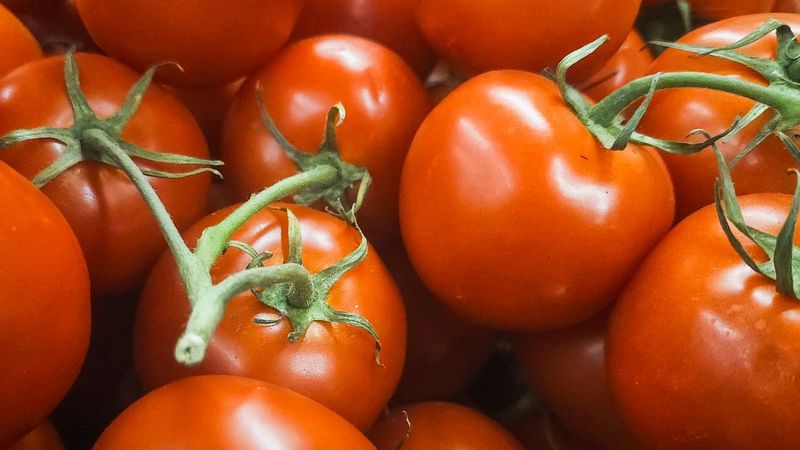
Picture a rich European noble in the 1700s refusing a juicy red tomato at dinner. Many people called it the poison apple and believed it could kill you.
The real problem was pewter plates. Acidic tomato juice pulled lead out of the metal, and diners got sick from lead poisoning.
Tomatoes took the blame for decades. Today, they show up in pizza, salsa, and ketchup, proving that bad reputations can change.
2. Coffee Under Fire

Back in 1633, the Ottoman ruler Murad IV reportedly walked the streets in disguise, hunting for coffee drinkers. Getting caught could mean harsh punishment.
Leaders worried that coffeehouses were places where people gossiped and planned rebellions. Some religious leaders in Mecca also tried banning it years earlier.
Fun fact: coffee lovers kept brewing in secret anyway. Their stubbornness helped coffee become one of the most popular drinks on the planet.
3. Potatoes and the Devil
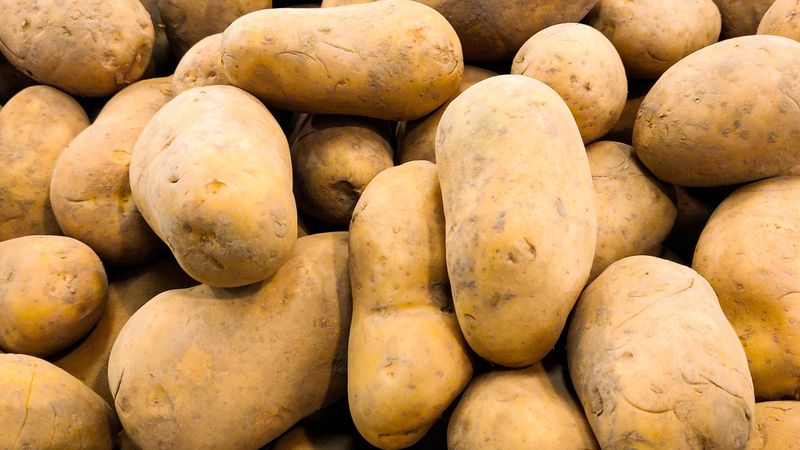
Believe it or not, French lawmakers banned potatoes around 1748. People thought the lumpy roots caused leprosy and other illnesses.
Since potatoes were not mentioned in the Bible, some folks even called them the devil’s food. A scientist named Antoine-Augustin Parmentier changed minds by hosting fancy potato dinners and guarding his potato fields.
His trick worked. Curious neighbors stole the plants, and soon France fell in love with this humble vegetable.
4. Christmas Pies Outlawed
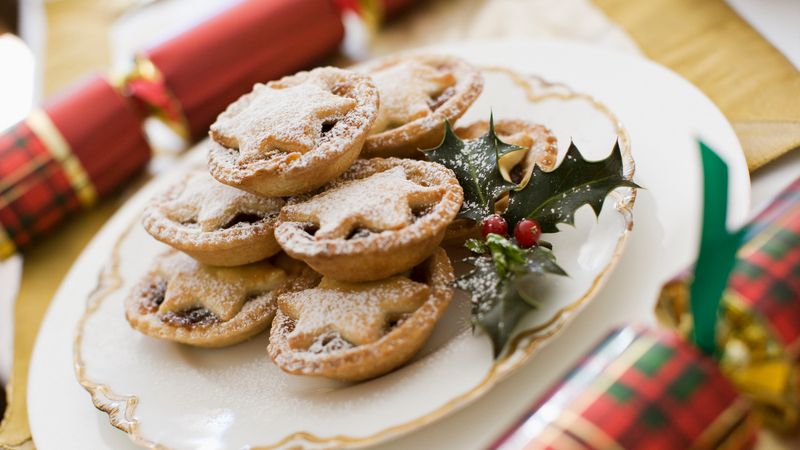
Imagine a holiday without dessert. That happened in England during the 1640s and 1650s, when Puritan leaders under Oliver Cromwell cracked down on Christmas celebrations.
Mince pies, full of fruit, spices, and sometimes meat, were seen as too fancy and too linked to partying. Feasting was frowned upon.
A popular myth says the pie ban still stands today. Relax, though.
You can eat mince pies in England without breaking any law.
5. Absinthe, the Green Fairy
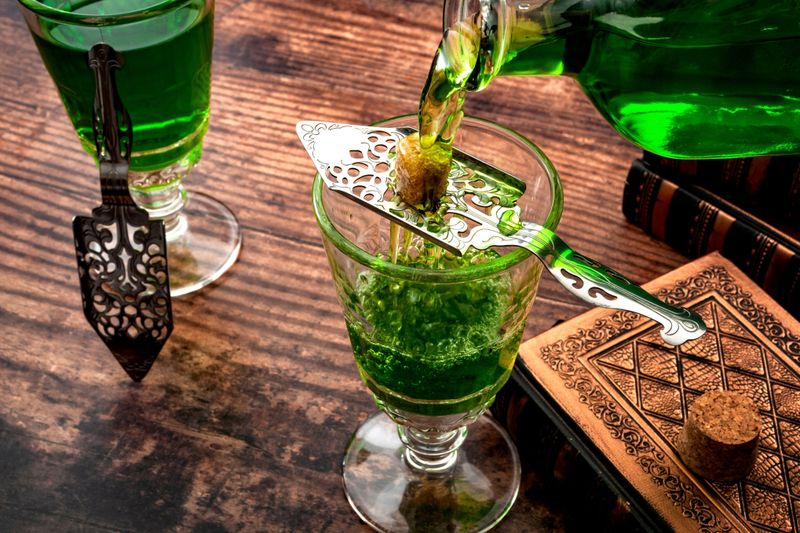
Artists in 1800s Paris loved a bright green drink nicknamed the green fairy. Critics claimed absinthe caused madness and wild visions.
By 1915, countries like France, Switzerland, and the United States had banned it. Blame often fell on thujone, a chemical from wormwood.
Modern tests showed absinthe contained very little thujone. The real danger was simply its strong alcohol content.
Most bans lifted in the 2000s.
6. Chocolate Was Witchy
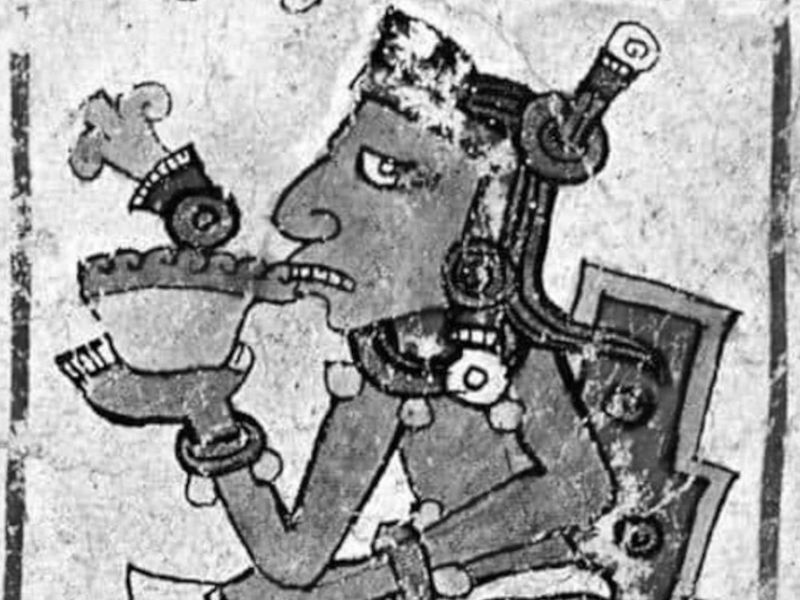
Sweet, creamy, and once suspicious. When chocolate drinks arrived in Europe from the Americas, some church leaders worried they were too exciting.
In colonial Mexico, a story tells of a bishop who banned women from drinking chocolate during church services. Others linked it to witchcraft and love potions.
Next time you sip hot cocoa, remember that people once whispered about its magical powers. Thankfully, it is now a cozy treat for everyone.
7. Raw Milk Rules
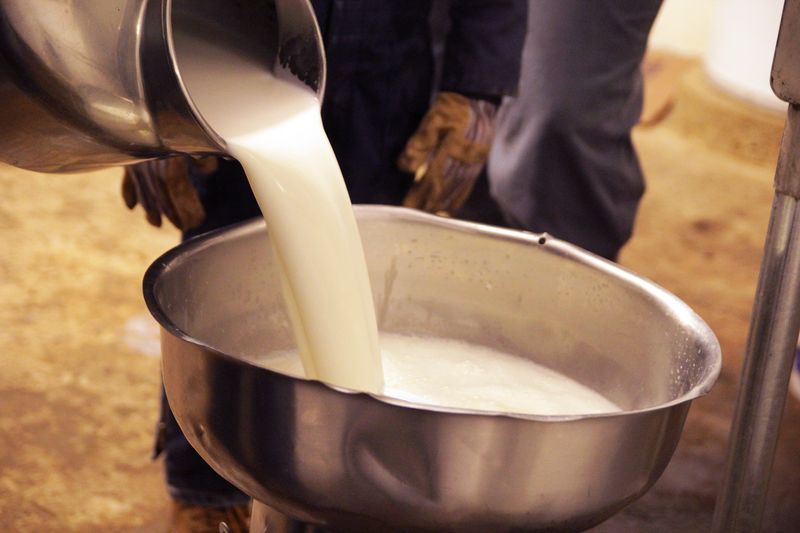
Here is a scary number: in the late 1800s, dirty milk sickened and killed many children in big cities. Some milk was even mixed with chalk or water.
Diseases like tuberculosis spread through raw milk. Louis Pasteur’s heating method, called pasteurization, made it far safer.
Many US states still limit raw milk sales today. Quick tip: always check that your milk carton says pasteurized for safe drinking.
8. Margarine Turned Pink
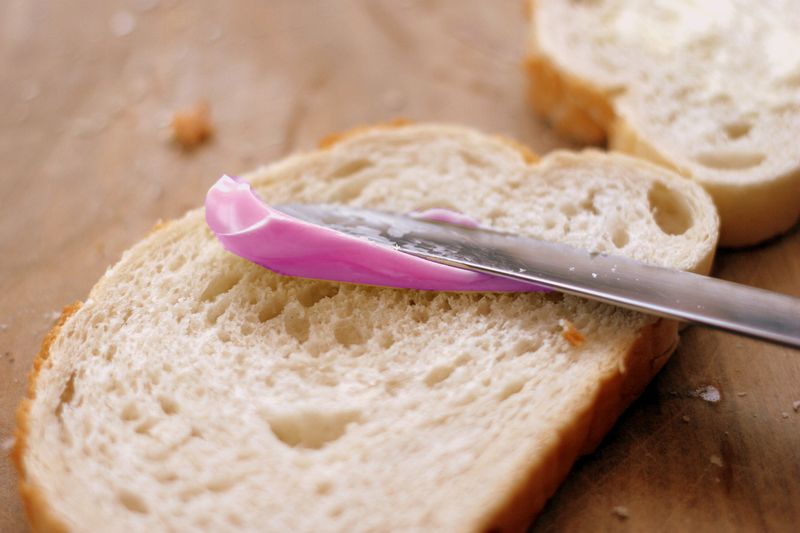
Ever heard of pink margarine? Dairy farmers in the late 1800s feared this cheap butter substitute would ruin their business.
Some US states forced makers to dye margarine pink so nobody mistook it for butter. Others banned yellow coloring completely, so families squeezed dye packets into white tubs at home.
Wisconsin kept strict rules until 1967. It shows how money, not just health, can shape what lands on your toast.
9. Ketchup as Medicine
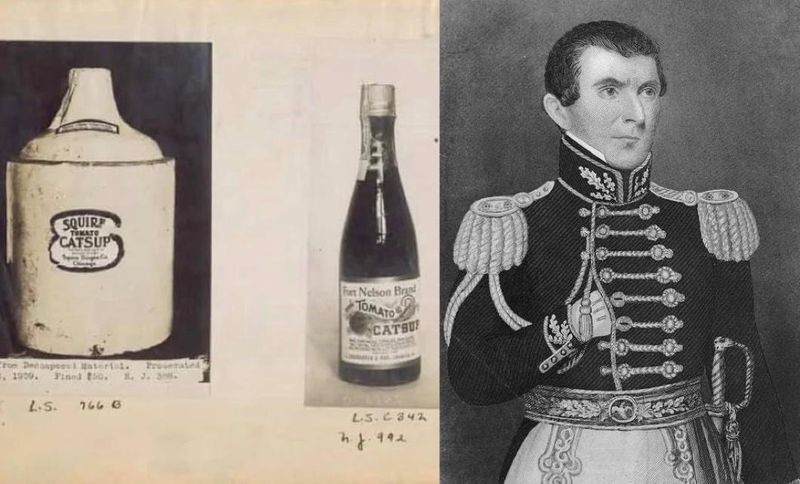
Strange but true, ketchup was sold as medicine in the 1830s. A doctor named John Cook Bennett claimed tomatoes could cure indigestion.
Soon, sellers made tomato pills promising to fix almost anything. Fake versions flooded stores, and the whole craze collapsed.
Later, cheap ketchup was often packed with harmful preservatives until the 1906 Pure Food and Drug Act cleaned things up. Your burger topping has quite a colorful history.
10. Sassafras Root Beer
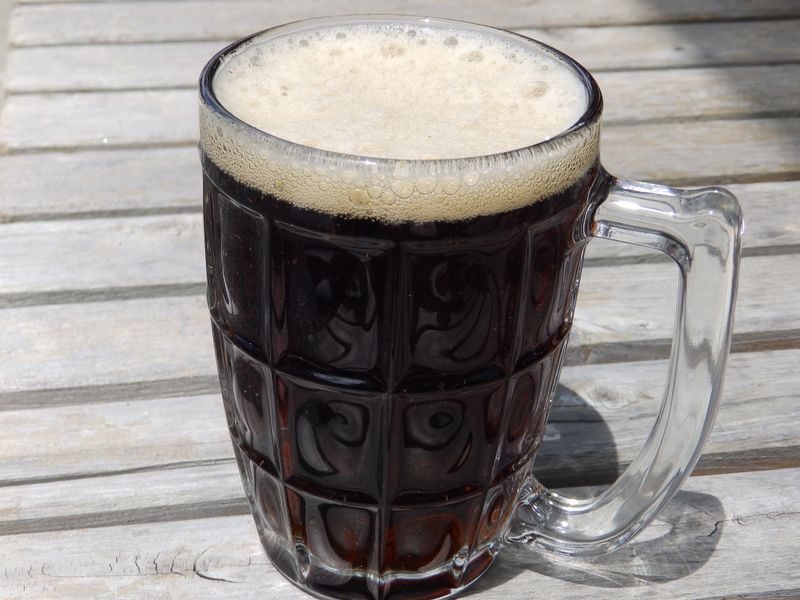
Old-time root beer got its earthy flavor from sassafras root. Kids and grownups loved it for generations.
Then, in 1960, the US government banned safrole, the oil found in sassafras. Tests on lab rats linked large amounts to cancer.
Soda makers switched to artificial flavors that taste nearly the same. So the root beer in your fridge is a safer cousin of the frosty mugs your great-grandparents enjoyed.
11. Kinder Surprise Eggs
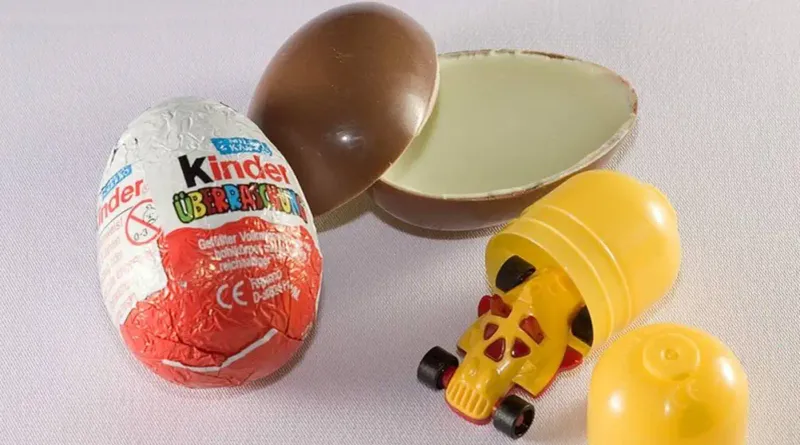
Crack open the chocolate shell, and a tiny toy waits inside. Sounds fun, right?
Yet US law blocked Kinder Surprise eggs for decades.
A 1938 rule bans candy with non-food objects hidden inside, since kids could choke. Travelers sometimes had eggs taken at the border.
In 2017, a new version called Kinder Joy arrived, keeping the toy separate from the chocolate. Clever design solved an old safety worry.
12. Haggis Across the Pond
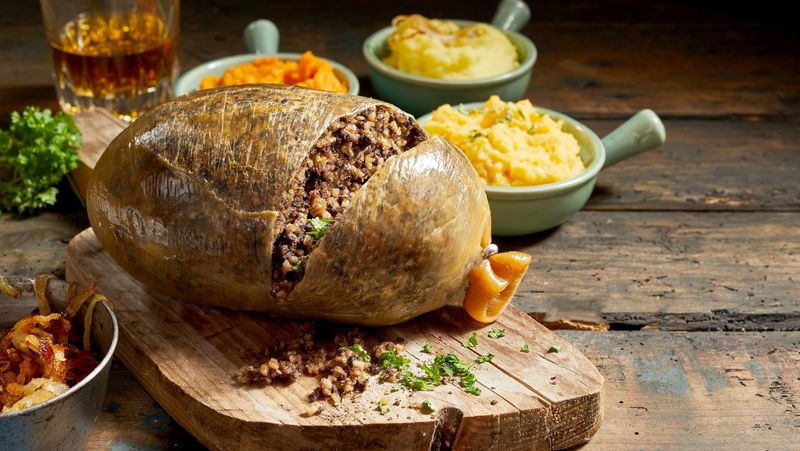
Scotland’s national dish has a bold recipe: sheep heart, liver, and lungs mixed with oats and spices. Burns Night dinners would feel empty without it.
Since 1971, the United States has banned food containing sheep lungs. Officials worry lungs can carry fluids and germs.
Scottish fans living in America have to settle for lung-free versions. Many say it still tastes great, especially with mashed turnips and potatoes on the side.
13. Puffer Fish Gamble
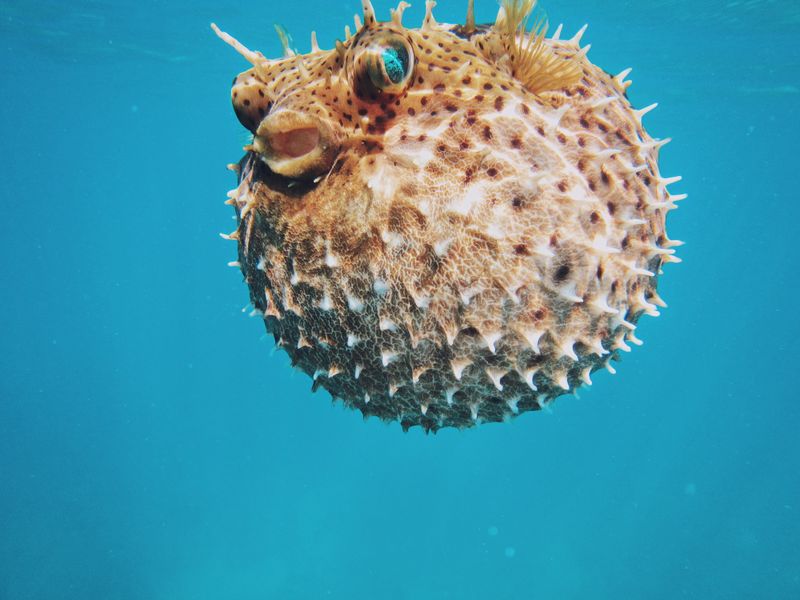
One bite could be your last. Fugu, or puffer fish, contains a poison stronger than cyanide.
In Japan, the warlord Toyotomi Hideyoshi banned eating fugu in the 1500s after soldiers died. Later rulers kept strict rules in place.
Today, chefs train for years and pass tough exams before serving it. If you ever try fugu, choose only a licensed restaurant.
Skilled hands make all the difference.
14. The Lowly Lobster
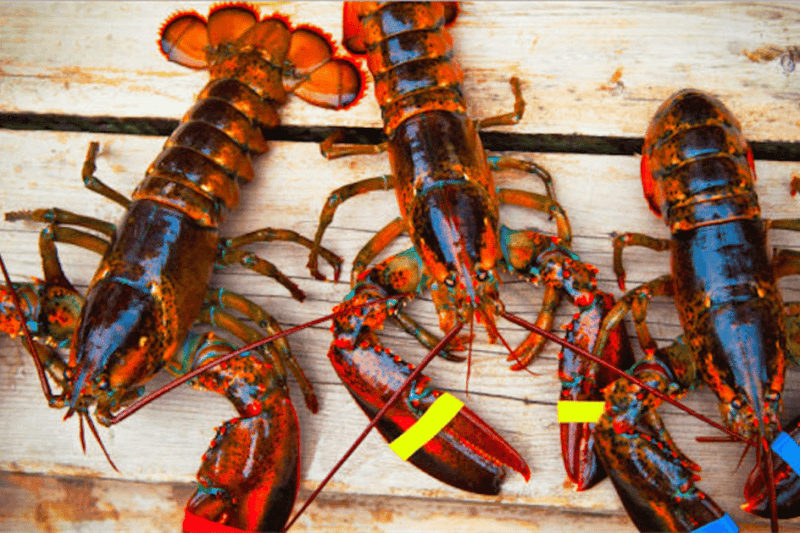
Fancy restaurants charge a fortune for lobster now. In colonial New England, though, lobsters were so common they washed up in piles.
People fed them to prisoners and servants. Legend says some servants demanded contracts limiting lobster meals to a few times a week.
Railroads in the 1800s changed everything by bringing lobster to inland diners who found it exciting. One generation’s trash became another’s luxury dinner.
15. Ackee Fruit Warning
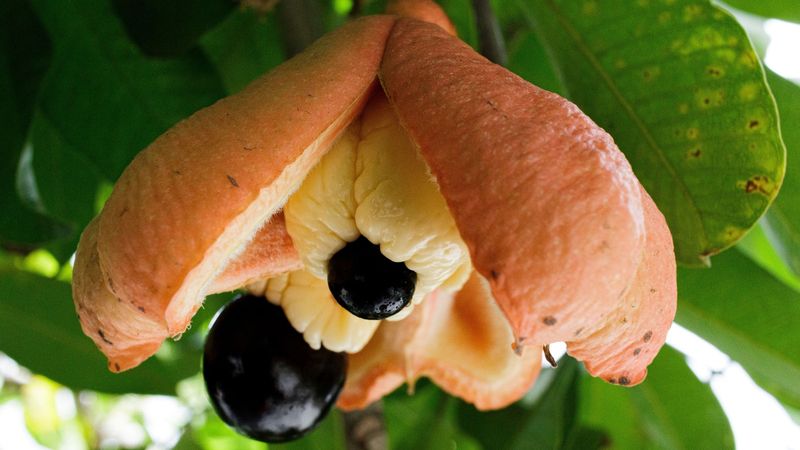
Jamaica’s national fruit looks cheerful, with red pods and creamy yellow flesh. Eaten too early, it can cause serious illness called Jamaican vomiting sickness.
Unripe ackee contains a toxin called hypoglycin. The US banned fresh ackee imports in 1973 and only allows approved canned or frozen versions.
Jamaicans know the trick: wait until the pod opens naturally. Then it becomes the star of ackee and saltfish, a beloved breakfast.
16. Casu Marzu Cheese
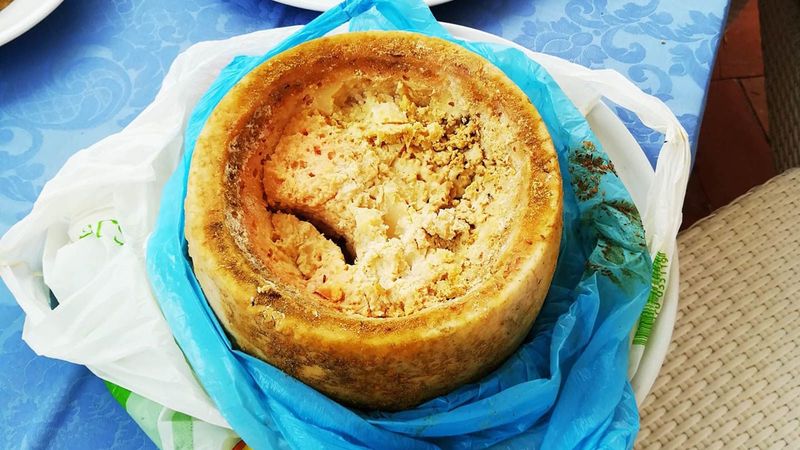
Brace yourself for this one. Casu marzu is a Sardinian sheep cheese filled with living insect larvae on purpose.
The tiny maggots break down the cheese, making it soft and strong-tasting. European food rules treat it as unsafe, so selling it is illegal.
Some locals still share it quietly at family celebrations. It may be the boldest snack on this list, and definitely not one for picky eaters.
17. Tea Taxed and Tossed
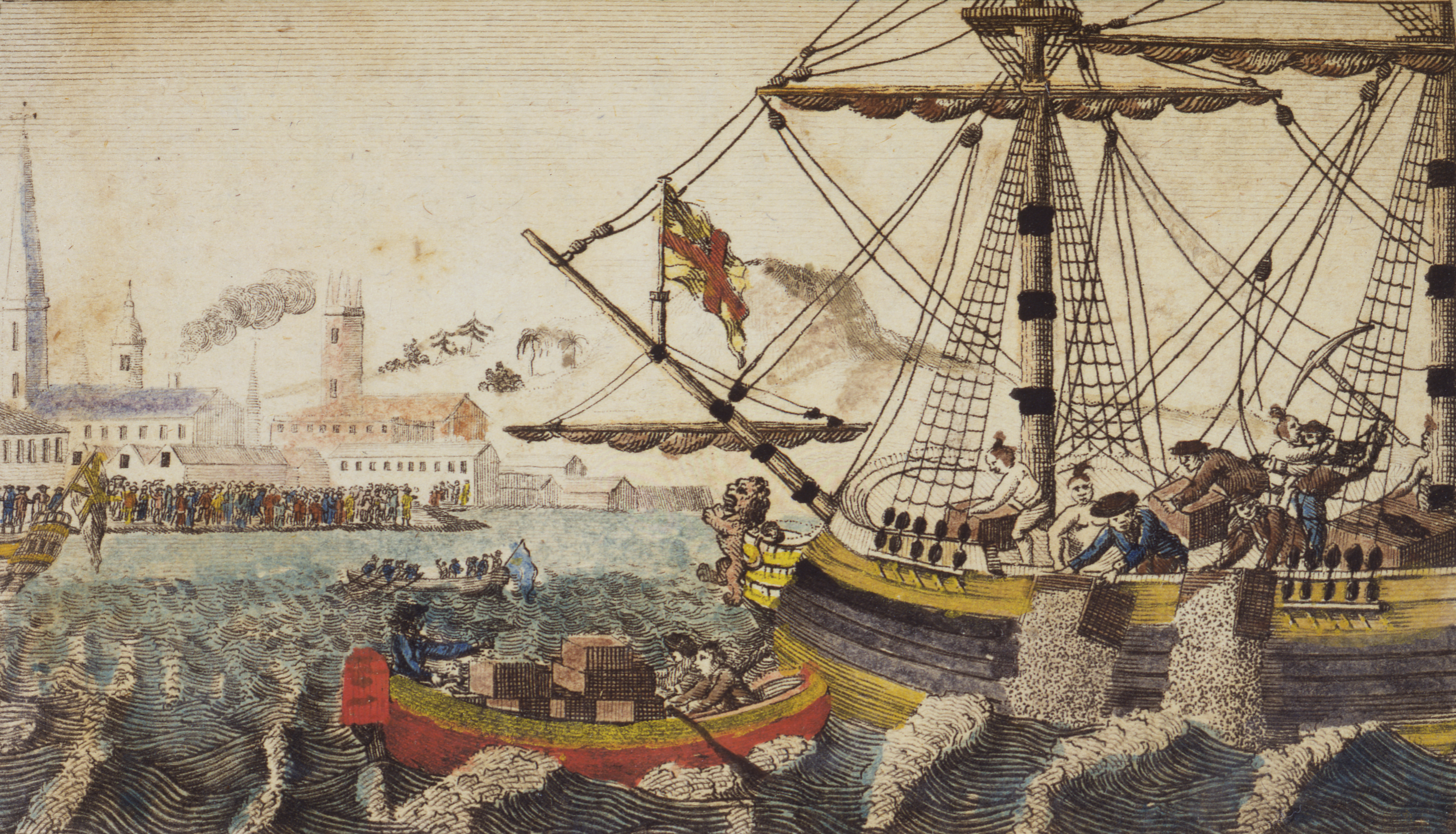
Tea once sparked a revolution. In 1773, angry colonists dumped 342 chests of British tea into Boston Harbor to protest unfair taxes.
Earlier, some European doctors warned that tea weakened the body and caused nervous problems. Patriots also boycotted it, choosing herbal blends called liberty tea instead.
Fun detail: the dumped tea would be worth around a million dollars today. Americans later grew to love coffee partly because of this rebellion.