
The Parr family has more secrets than a closet full of super suits. Fans have spotted small details that make familiar scenes feel funny, strange, or even a little scary.
These theories explore hidden family ties, Edna’s clever designs, and the government’s possible secrets. None are confirmed story facts, but they give you plenty to watch for on your next movie night.
1. The Government Helped Syndrome Hunt Supers
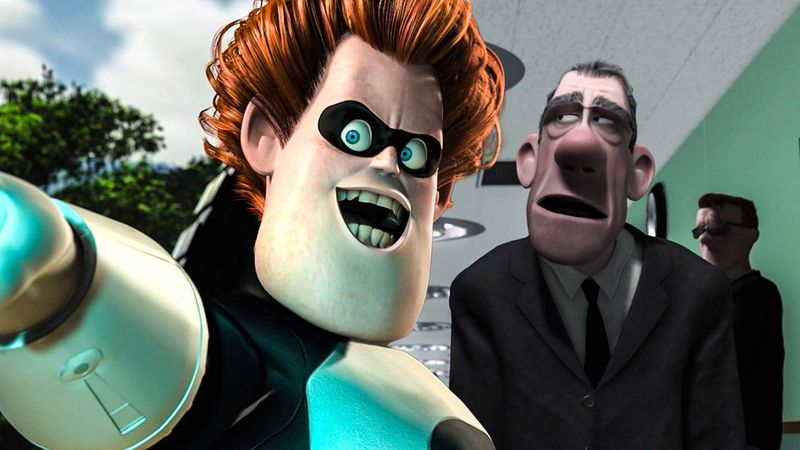
Someone with a secret island and killer robots should be hard to miss. Some fans suspect government officials knew about Syndrome’s attacks and quietly let them happen.
His detailed files on retired heroes make that idea feel especially chilling. Still, access to information does not prove a partnership, and the film never confirms one.
Watch how isolated Bob becomes: under this reading, his missing support system feels less like bad luck and more like betrayal.
2. Hero Lawsuits Were a Convenient Money Saver
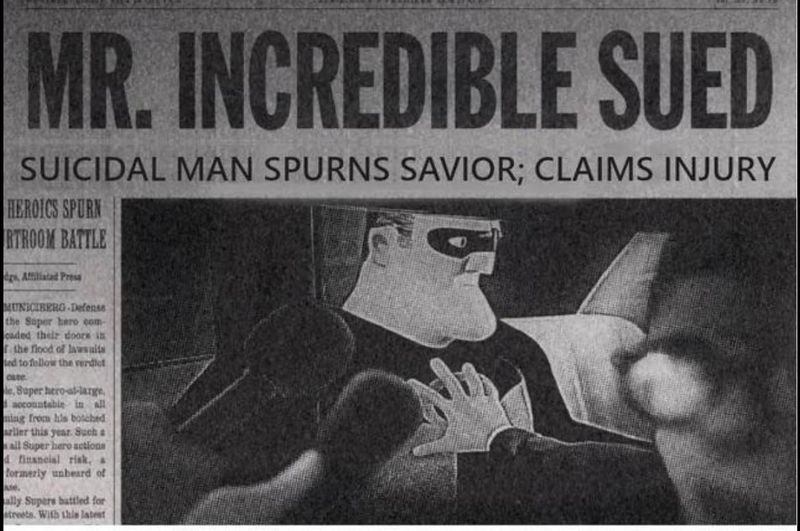
Saving the city apparently comes with a mountain of bills. One theory argues that officials welcomed the lawsuits because banning superheroes reduced costly cleanup and public responsibility.
The movie shows legal trouble driving heroes into hiding, but it does not reveal a secret budget plan. During the opening scenes, notice how quickly gratitude turns into blame.
That shift makes the ban look like a lesson in how useful people can become inconvenient almost overnight, too.
3. The First Supers Came From a Government Experiment
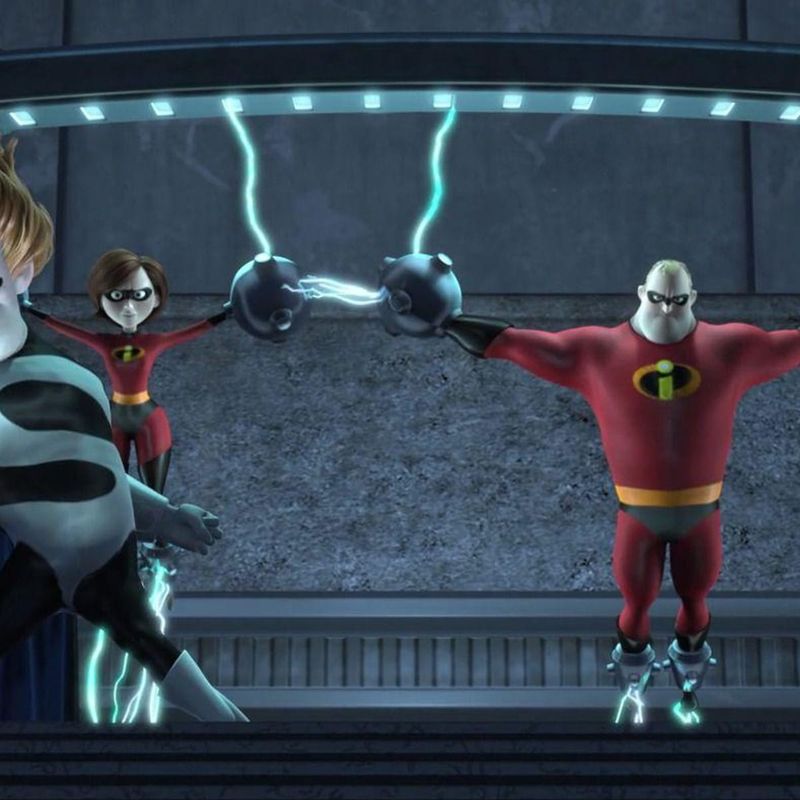
Where did superpowers come from in the first place? Fans sometimes imagine a secret program that created the original heroes as soldiers or symbols of national pride.
The films leave the earliest origins of powers unexplained, giving this theory room to grow. However, powered children suggest abilities can also run in families.
Look at the old interviews and official hero records again: they may feel like pieces of a larger system rather than simple publicity.
4. Edna’s Cape Rule Hides Personal Guilt
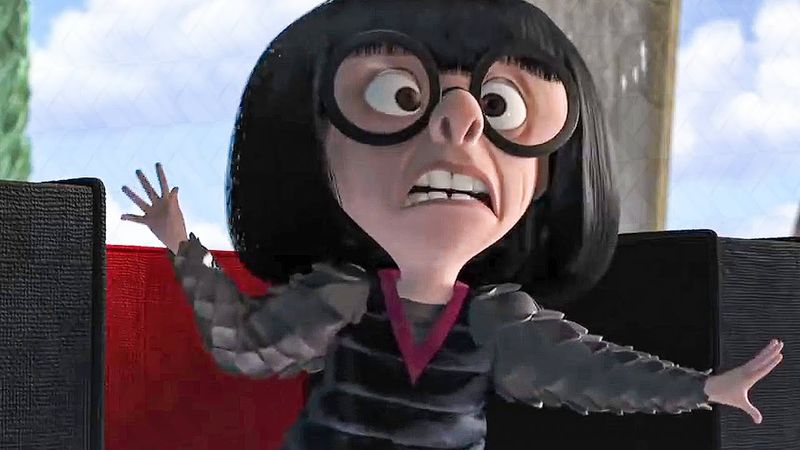
Behind Edna’s sharp delivery, there might be real heartbreak. A darker theory suggests she designed some of the capes involved in the fatal accidents she describes.
Her famous refusal would then come from guilt, not just good engineering. The film never identifies her as the maker of those costumes, so that connection remains guesswork.
Listen to her examples on another viewing: the joke can sound surprisingly sad when you imagine she once knew every wearer.
5. Edna Has a Superpower of Her Own
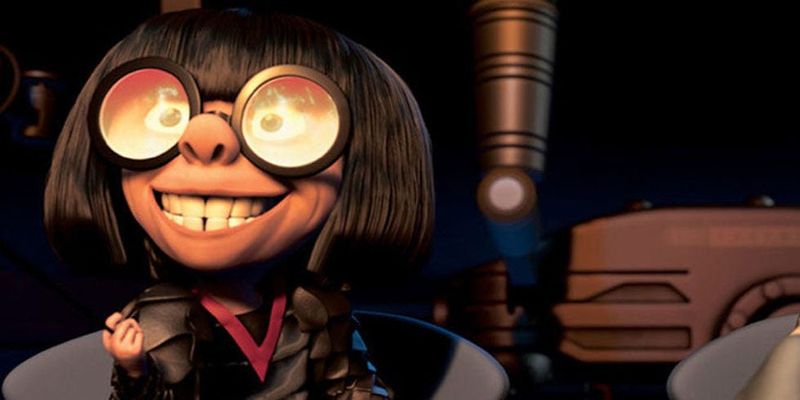
Ordinary designers do not usually make clothing that survives fire, stretching, and invisibility. Could Edna’s real gift be knowing exactly what a hero needs before anyone asks?
Fans point to her brilliant suits as evidence of hidden powers. Exceptional skill explains them just as well, and neither film confirms she is a Super.
Pay attention to her confidence around impossible problems. Whether powered or not, she treats amazing inventions like another normal day at work.
6. Syndrome’s Cape Was Edna’s Final Trap
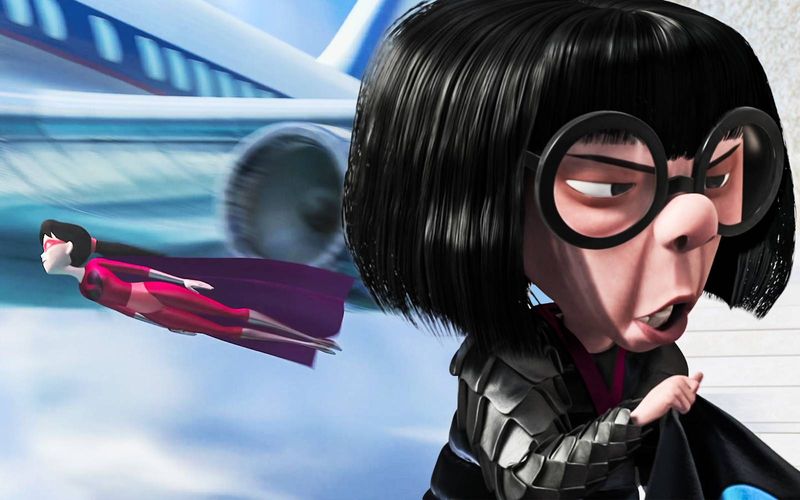
A cape becomes a deadly mistake in the finale. That has inspired the idea that Edna designed Syndrome’s outfit and deliberately included his fatal weakness.
It is a clever revenge story, especially given her fierce loyalty to heroes. But the movie never says she made his costume or even met him.
Compare his look with her strict design rules. The contrast supports the film’s warning about vanity, even without a secret plan behind his death.
7. Violet Was Adopted Into the Parr Family
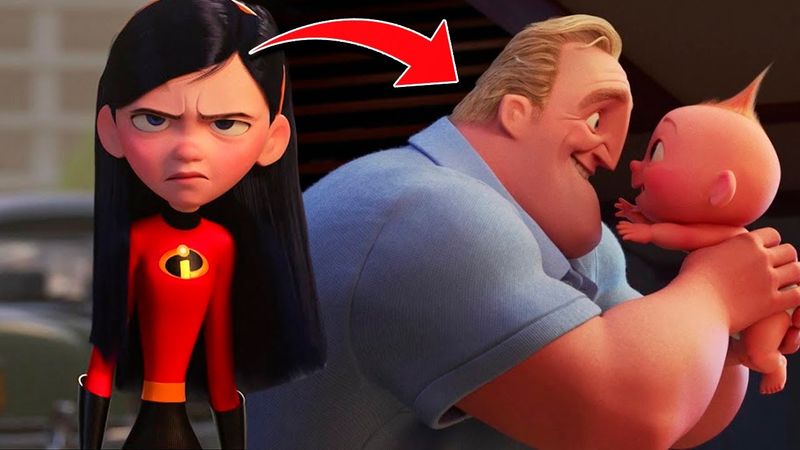
Violet’s dark hair stands out beside her family’s lighter shades. Some viewers turn that difference into an adoption theory, occasionally naming Helen’s pilot friend Snug as her possible father.
No film evidence establishes that connection, and hair color alone cannot prove someone’s parentage. What makes the idea interesting is its emotional angle.
Rewatch Bob reassuring Violet before the final battle: their bond feels powerful because he supports her, regardless of any imagined history before then.
8. Boo Grew Up to Become Violet
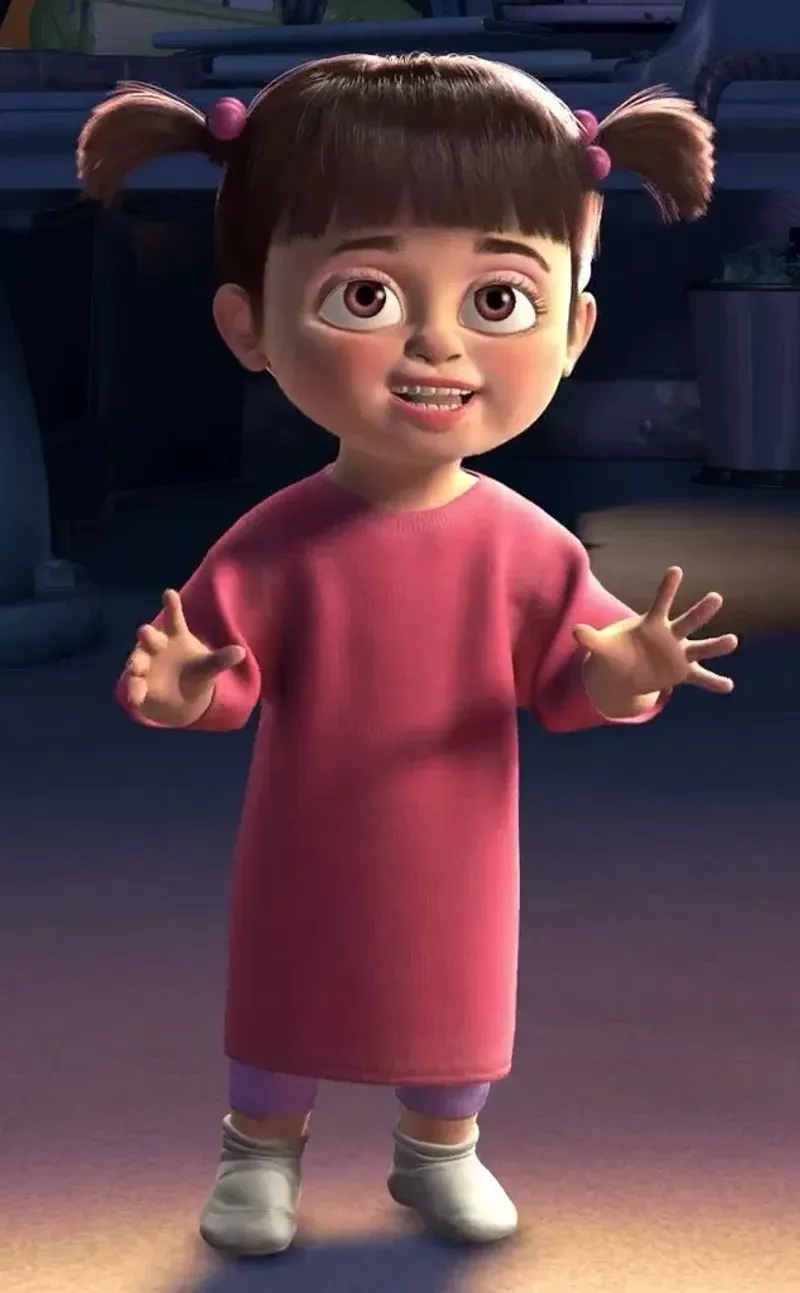
Pixar fans love connecting doors that probably lead nowhere. One crossover theory imagines Boo from Monsters, Inc. growing into Violet, linking two girls with dark hair and unusual adventures.
The resemblance offers a fun starting point, but shared looks are weak evidence. Their timelines and family histories also require extra guesses that the movies never explain.
Enjoy comparing their expressions and bravery instead. The theory works best as a playful puzzle, not a hidden answer.
9. Jack-Jack Is Still Choosing His Power
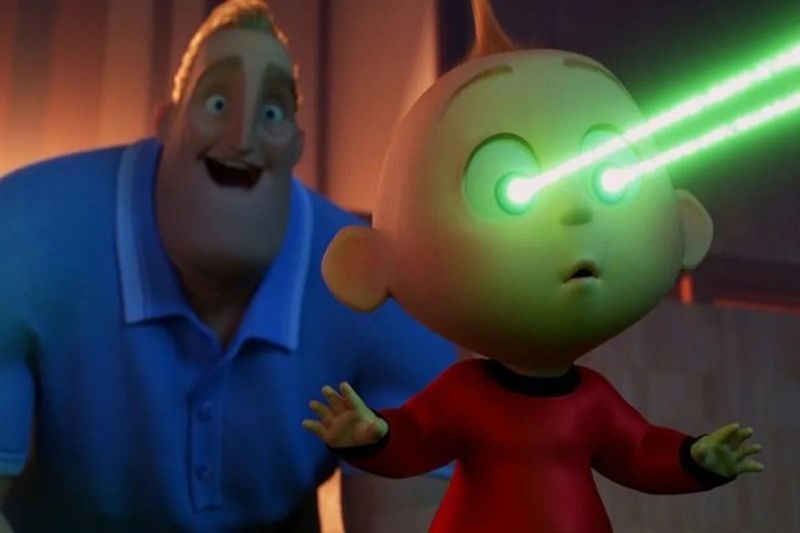
One baby, so many ways to wreck a room. A popular explanation suggests Jack-Jack has not settled into a final power, so infancy brings a wild testing phase.
His changing abilities fit that idea, although the films never say children must eventually keep only one. He may simply have many gifts permanently.
Watch his transformations as reactions to frustration, excitement, or curiosity. That reading turns superhero chaos into an exaggerated version of ordinary baby development.
10. The Children Represent Three Parts of the Mind
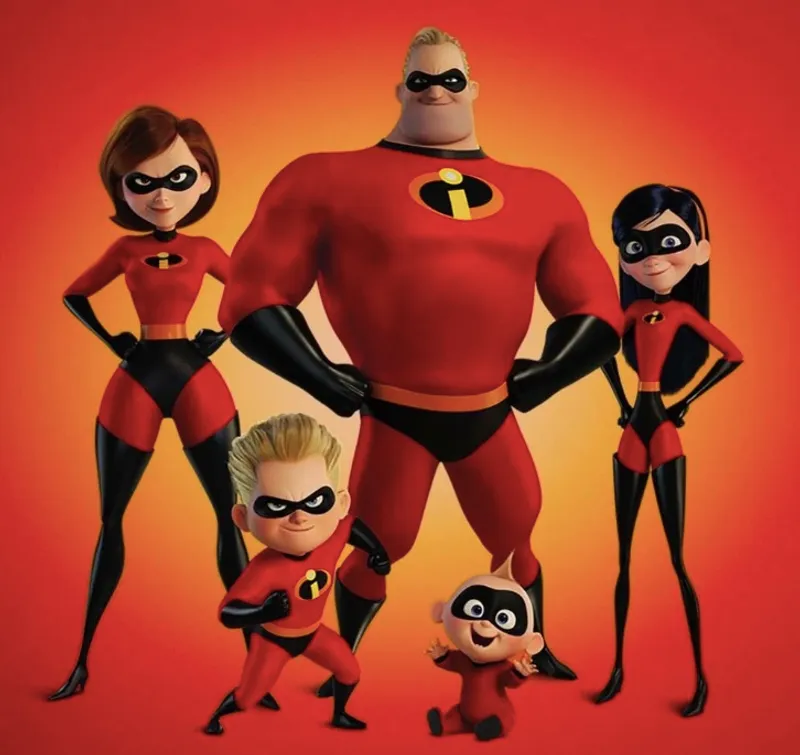
Family arguments can feel like different voices inside one head. A symbolic theory connects the Parr children with Freud’s three parts of personality: impulse, practical judgment, and inner rules.
Jack-Jack can represent raw wants, Dash the struggle to manage them, and Violet a stronger awareness of limits. These roles are flexible, not confirmed character blueprints.
Try tracking who acts, who hesitates, and who sets boundaries. The comparison highlights how the siblings balance one another emotionally.
11. Buddy Is Secretly Related to Bob
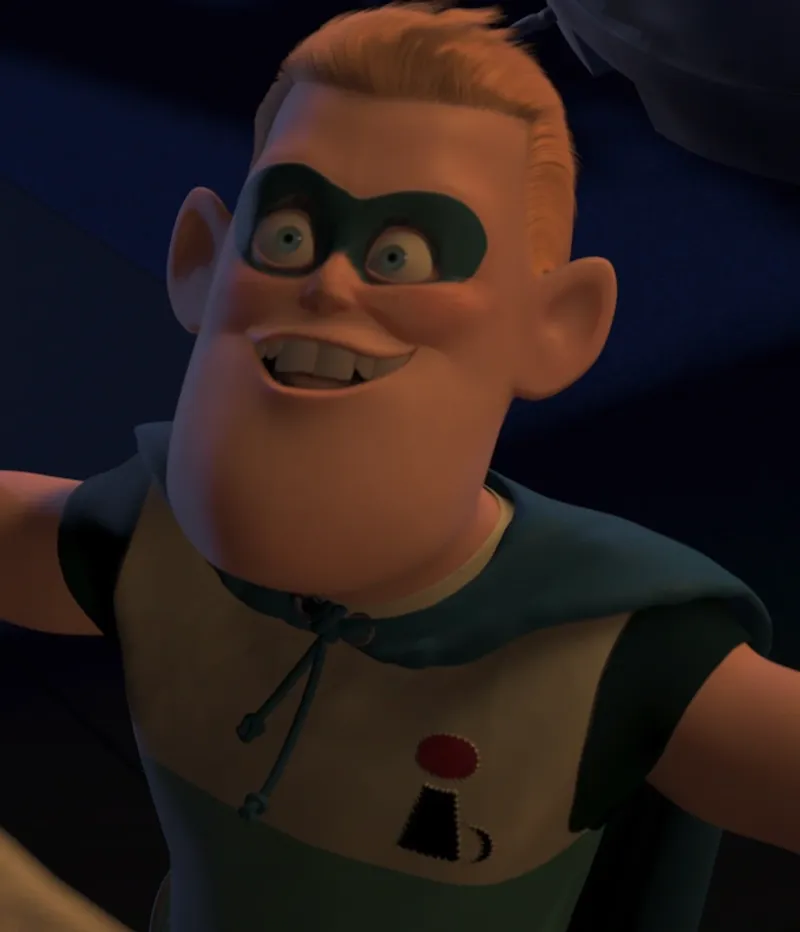
Buddy’s need for Bob’s approval feels painfully personal. Some fans push that feeling further, imagining him as Bob’s unknown son or nephew rather than just an eager admirer.
The story provides no family link, and Buddy’s hero worship already explains his attachment. Still, the theory changes the emotional weight of their arguments.
Notice how rejection shapes his memories. You do not need a secret relationship to see a child mistaking attention for love and belonging.
12. Syndrome Found a Way to Survive
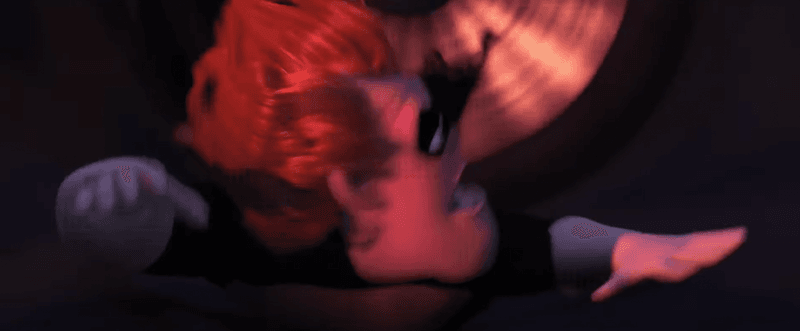
For a genius inventor, an emergency escape device sounds reasonable. Survival theories suggest Syndrome used hidden technology to avoid dying when his cape caught in the jet engine.
However, the explosion clearly presents his defeat as final, and no confirmed return overturns that ending. Any escape requires events the audience never sees.
Revisit his gadgets and confidence if you enjoy imagining possibilities, but remember that technical skill does not make someone safe from their own arrogance.
13. Mirage Was Under Syndrome’s Mental Control
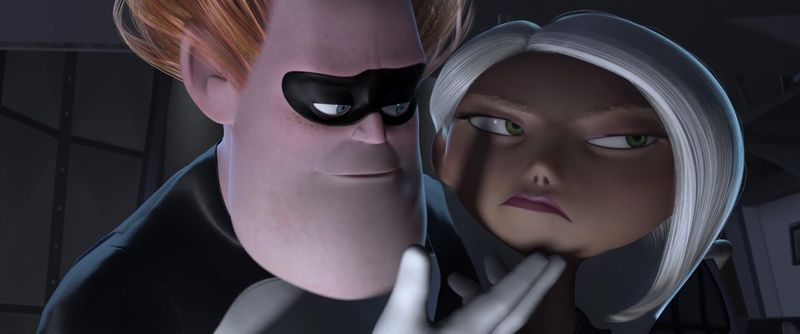
Mirage stays beside a dangerous man longer than many viewers expect. One explanation imagines Syndrome using mind control to keep her and his guards loyal.
His advanced inventions make the idea sound possible, but the first film never shows such a device. Mirage’s later choices actually show that she can resist him.
Watch their conversations for a more grounded explanation: fear, ambition, and misplaced trust can hold someone close until a cruel moment changes everything.
14. Bob and Helen Can Sense the Future
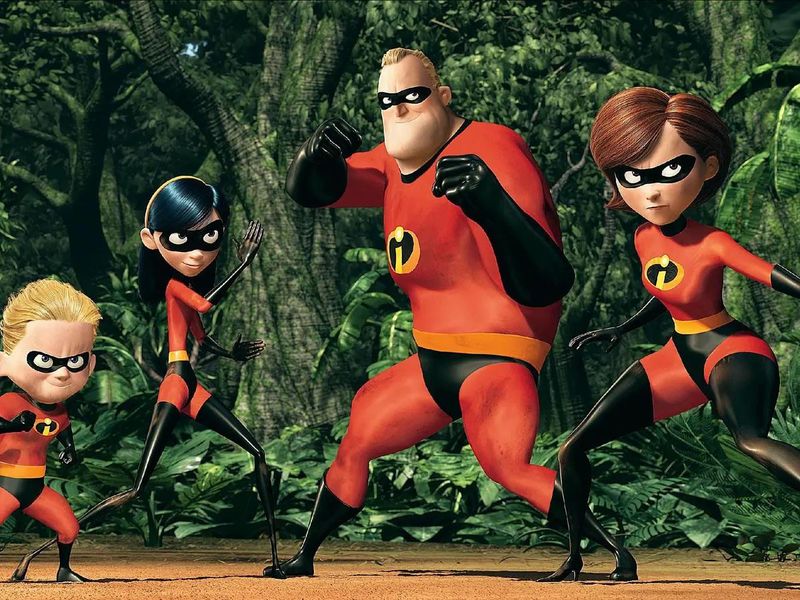
Some rescues happen with almost impossible timing. That has led viewers to wonder whether Bob and Helen share a small extra power: sensing danger before it arrives.
Their quick reactions could support that reading, but experience, sharp senses, and movie timing explain plenty. Neither hero is confirmed to see the future.
During action scenes, separate what they can actually notice from what only the audience knows. Their teamwork often looks magical because they understand each other.
15. The Sequel’s Mansion Once Belonged to Syndrome

That huge new house certainly does not feel ordinary. A sequel theory suggests the mansion offered to the Parr family once belonged to Syndrome, turning luxury into an unsettling inheritance.
Its bold design and advanced features encourage comparisons with his wealthy lifestyle. Still, Incredibles 2 never identifies him as a former owner, so resemblance is not proof.
Study the rooms and gadgets for fun visual echoes. The strongest connection may simply be shared retro design taste.