
Some vegetables seem boring when they are boiled or eaten raw. Put them in a hot oven, though, and something amazing happens.
The heat pulls out natural sugars, creates crispy edges, and turns bland flavors into sweet, nutty, or smoky ones. If you think you dislike a certain vegetable, roasting might just change your mind for good.
1. Brussels Sprouts
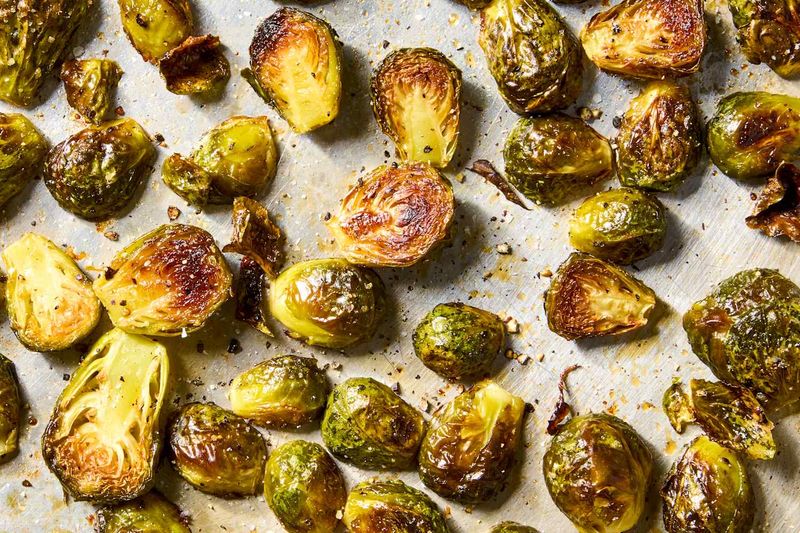
Plenty of kids grew up hiding Brussels sprouts under their napkins. Boiled ones can smell like old socks, and nobody blames you for running away.
Roasting flips the script. Cut them in half, place them cut side down, and bake at 425 degrees until the edges turn dark brown.
The outer leaves get crunchy like chips, while the centers stay tender and sweet. A drizzle of honey or balsamic at the end makes them almost addictive.
2. Cauliflower

Raw cauliflower tastes a little like crunchy water. Steamed, it can be mushy and plain.
Here is the fun part. Toss florets with olive oil, salt, and a pinch of cumin or paprika, then roast them hot.
The flat sides turn golden and taste almost like toasted nuts.
Some cooks even roast a whole head and slice it like a steak. Try it once, and you may never boil cauliflower again.
3. Carrots
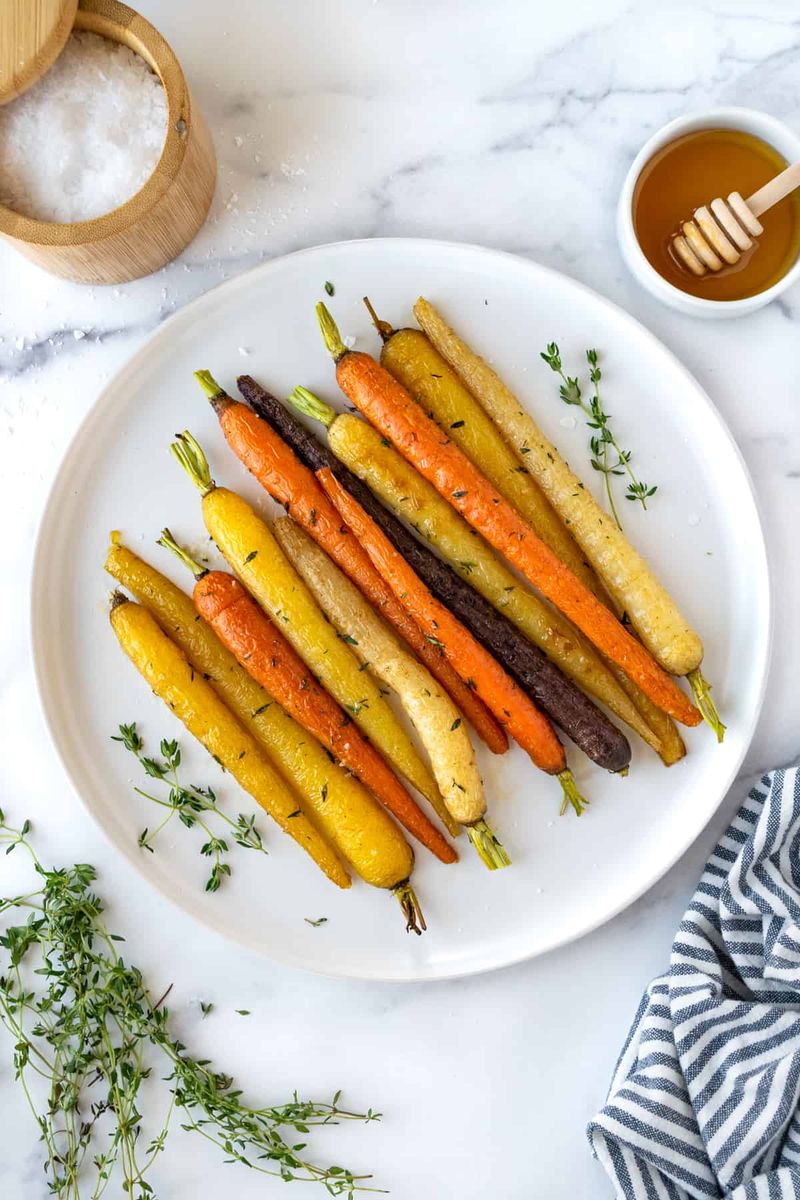
Did you know carrots were mostly purple before the 1600s? Dutch farmers helped make orange the popular color.
No matter the shade, roasting brings out their candy side. The oven heat concentrates their natural sugar, so they taste like a cross between a sweet potato and dessert.
Leave them whole if they are thin, or cut thick ones in half lengthwise. A little butter, honey, and fresh thyme turns them into a holiday-worthy side dish.
4. Broccoli
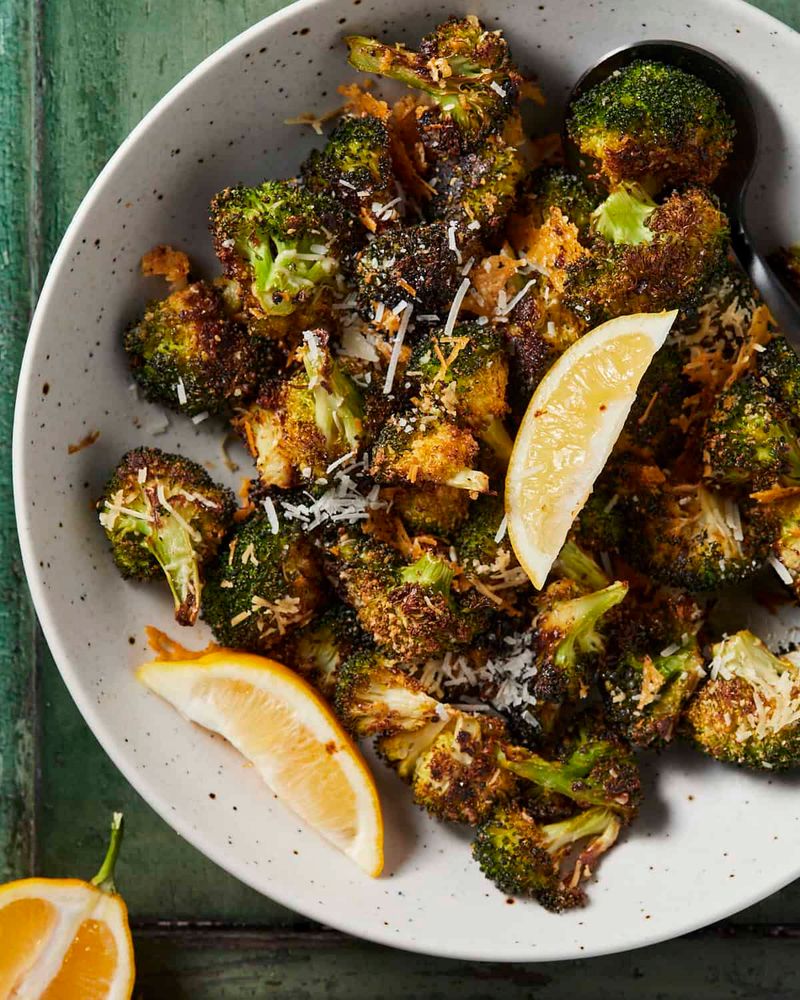
Picture those little tree tops getting crispy and slightly charred. That is roasted broccoli, and it beats the soggy steamed version by a mile.
The tiny buds on top act like bristles that crisp up fast, giving each bite a toasty crunch. Meanwhile, the stems soften and turn sweet.
Squeeze fresh lemon juice over them and add grated parmesan right out of the oven. Even picky eaters tend to grab seconds of this one.
5. Beets
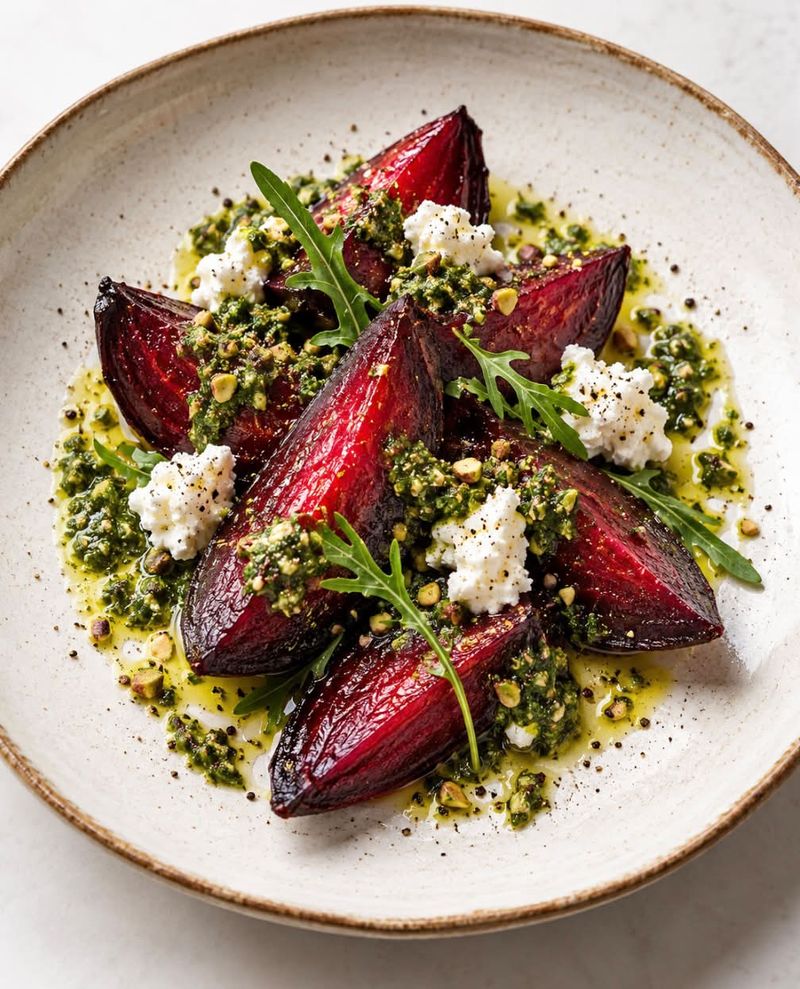
Many people say beets taste like dirt. Honestly, they are not totally wrong, since a natural compound called geosmin gives them that earthy flavor.
Roasting softens that dirt taste and boosts the sweetness. Wrap whole beets in foil and bake them for about an hour, then the skins slip right off.
Wear gloves, because red beets stain everything pink! Pair the warm wedges with goat cheese or orange slices for a bright, colorful salad.
6. Onions
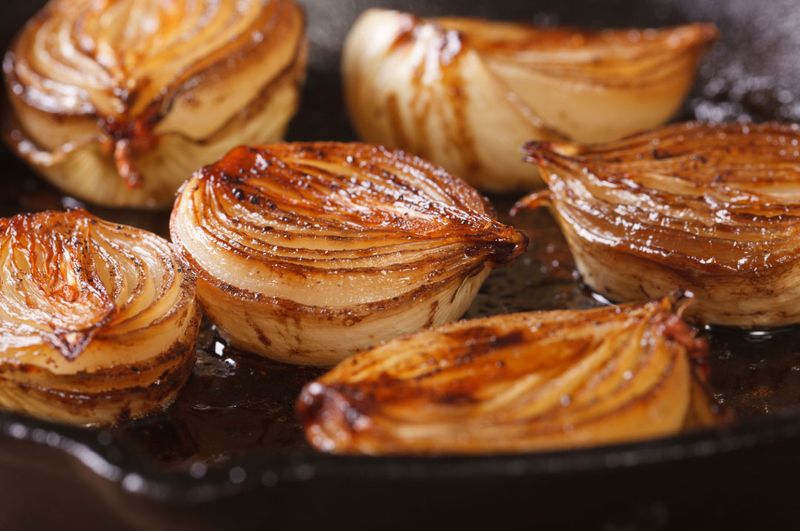
Chopping onions might make you cry, but roasting them could make you smile instead.
Raw onions are sharp and spicy. After roughly forty minutes in the oven, they melt into soft, jammy wedges that taste sweet and mellow.
That harsh bite simply disappears.
Cut red or yellow onions into thick wedges, keeping a bit of the root so they hold together. Pile them on burgers, toss them into pasta, or eat them straight off the pan.
7. Garlic
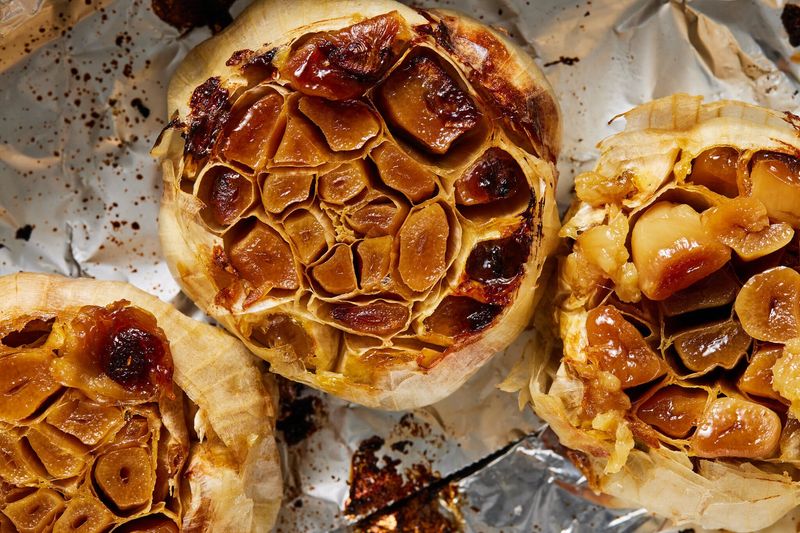
Raw garlic packs a punch that can make your eyes water. Roasted garlic is a whole different creature.
Slice the top off a full head, drizzle it with olive oil, wrap it in foil, and bake for about forty-five minutes. The cloves turn soft, golden, and spreadable, almost like butter.
Their flavor becomes sweet and gentle instead of spicy. Smear them on warm bread, stir them into mashed potatoes, or mix them into salad dressing.
8. Bell Peppers
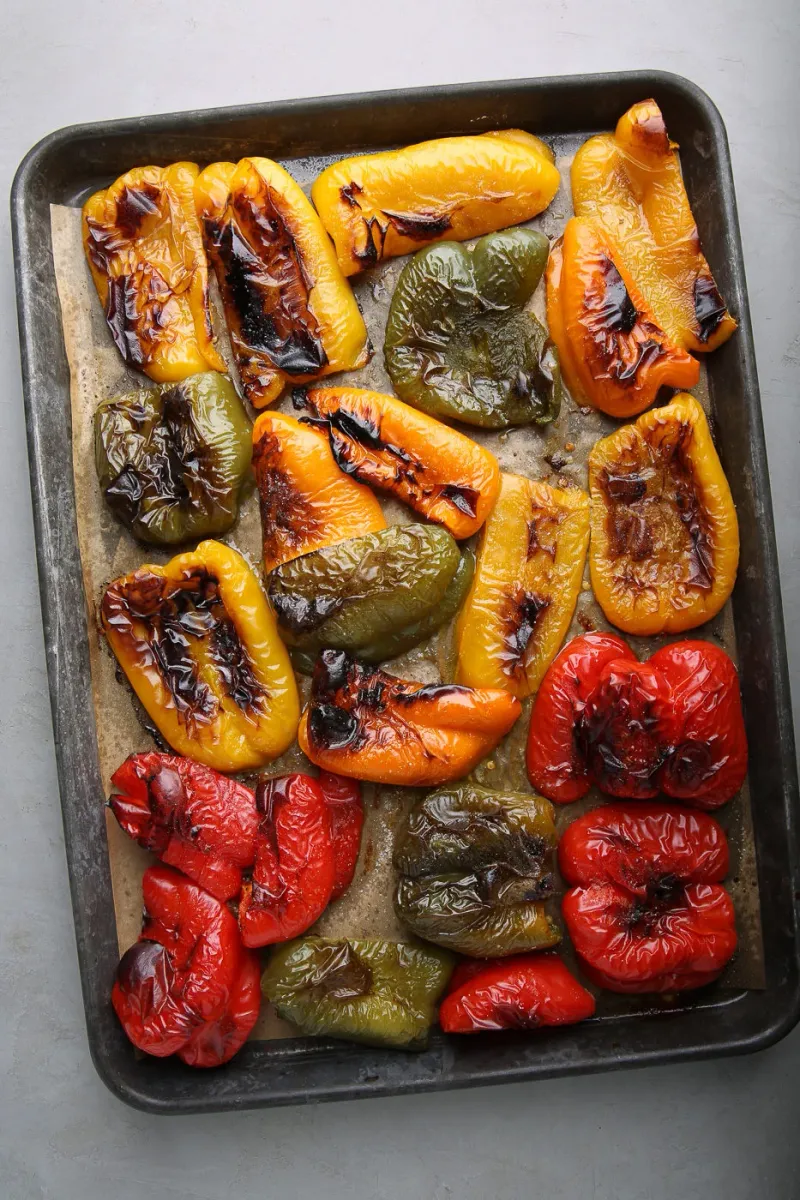
Ever notice how jarred roasted red peppers taste way richer than fresh ones? Blame the oven.
High heat blisters the skin until it blackens, and the flesh underneath turns silky and smoky-sweet. Pop the hot peppers into a covered bowl for ten minutes, and the burnt skin peels away easily.
Slice them into sandwiches, blend them into dips, or fold them into eggs. Red, yellow, and orange peppers get the sweetest results, while green ones stay more savory.
9. Butternut Squash
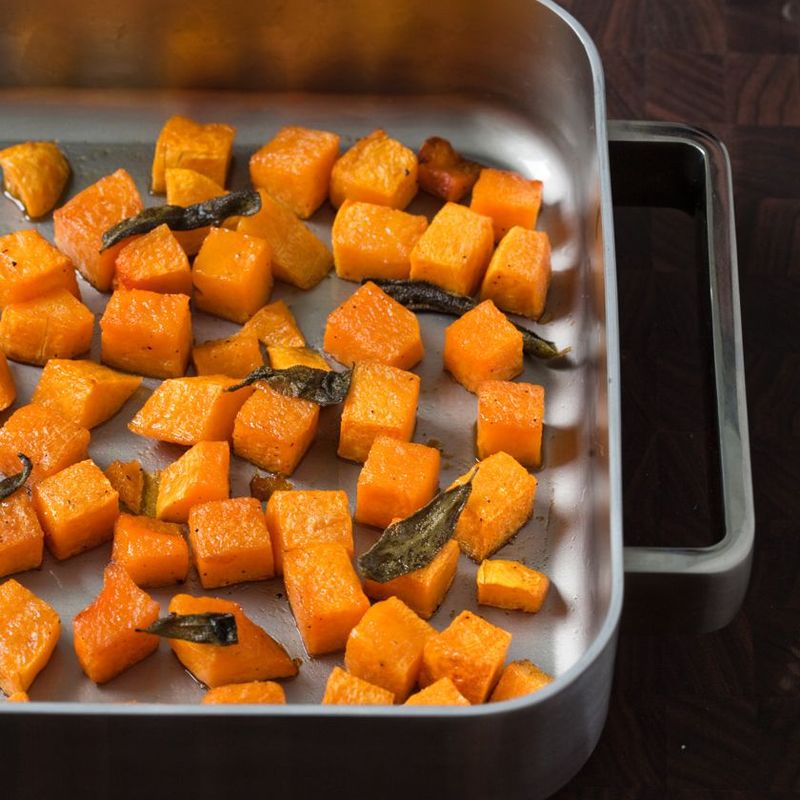
Cozy autumn vibes come straight out of the oven with this one. Butternut squash can taste watery when steamed, yet roasting turns it rich and almost like pumpkin pie.
Peel it, scoop out the seeds, and cut it into cubes. A sprinkle of cinnamon or crispy sage leaves takes it even further.
Smart tip: microwave the whole squash for two minutes first. The tough skin softens, making peeling much easier and safer for your fingers.
10. Sweet Potatoes
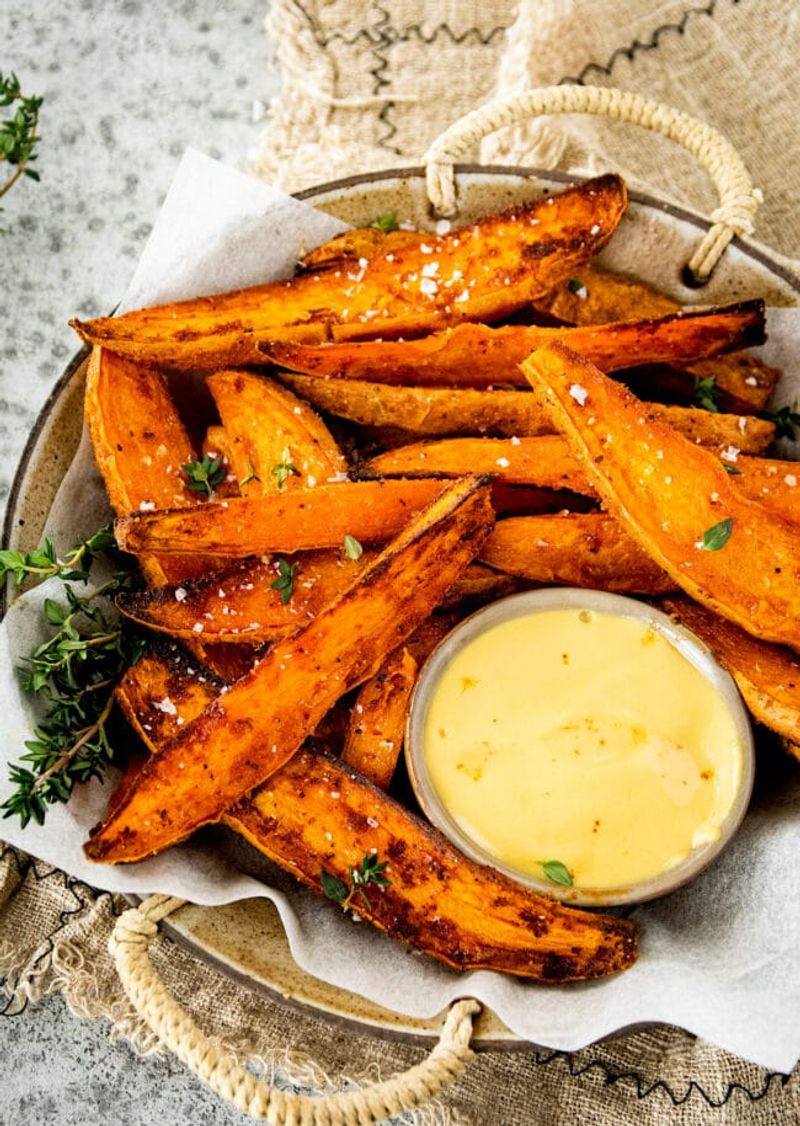
Sweet potatoes already live up to their name, but roasting cranks the sweetness way up. As they bake, natural enzymes turn starches into sugar, and some juices even ooze out and caramelize.
That sticky, syrupy spot on the pan? It is the best part.
Cut them into wedges, leave the skins on for extra crunch, and season with salt and smoked paprika. They make a healthier swap for french fries that nobody will complain about.
11. Tomatoes
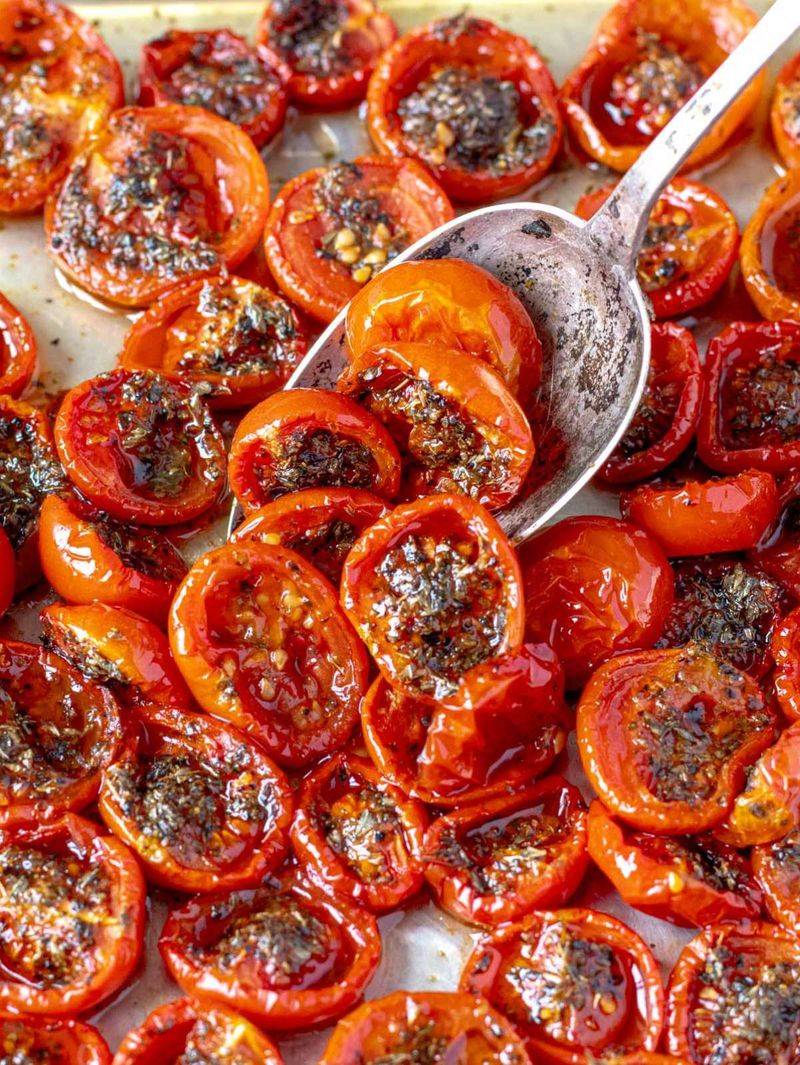
Winter tomatoes from the grocery store are often pale and flavorless. Here is a trick that rescues them.
Slow roasting at a low temperature for a couple of hours shrinks the water and leaves behind concentrated, tangy sweetness. Cherry tomatoes burst into little flavor bombs after just twenty minutes at high heat.
Spoon them over pasta, pile them on toast with ricotta, or blend them into the easiest homemade soup you will ever make.
12. Zucchini
Gardeners joke that summer zucchini multiplies overnight. If you have too many, the oven is your best friend.
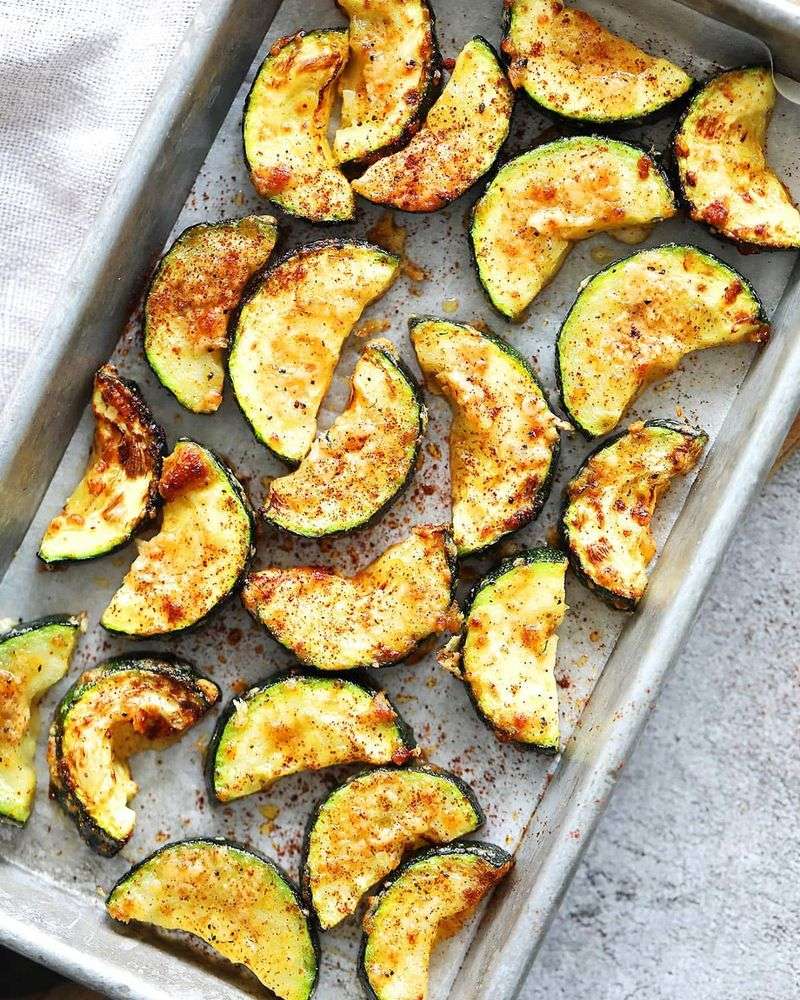
Sauteed zucchini can get slimy, but roasting at high heat dries the surface and creates golden, lightly crisp tops. The trick is spacing them out on the pan so they do not steam each other.
Slice them into thick half-moons, add garlic powder and parmesan, and roast until browned. They taste buttery and surprisingly satisfying.
13. Mushrooms
Mushrooms are mostly water, which explains why they can turn rubbery in a crowded pan.
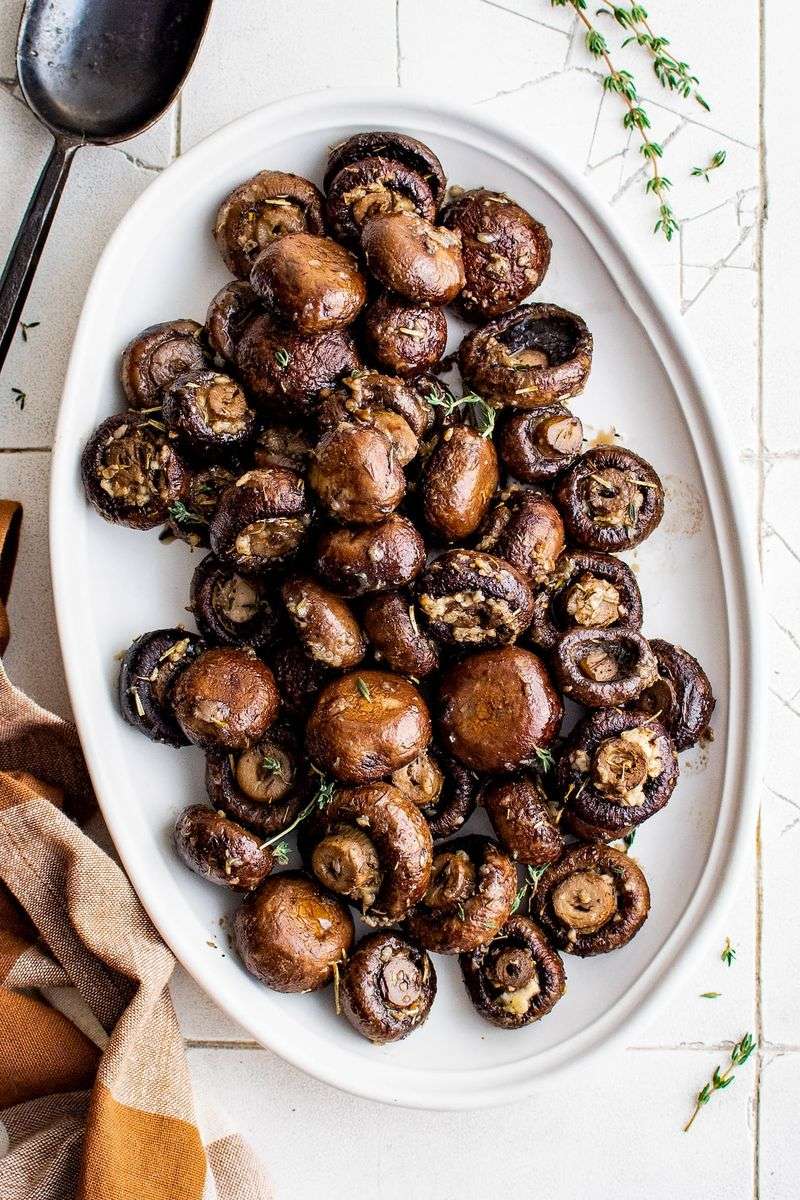
Roasting lets that moisture escape, leaving behind deep, meaty flavor scientists call umami. That is the same savory taste found in soy sauce and parmesan cheese.
Toss cremini or button mushrooms with oil, salt, and thyme, but wait to add salt until the end if you want extra browning. They make a hearty topping for steak, rice bowls, or pizza.
14. Green Beans
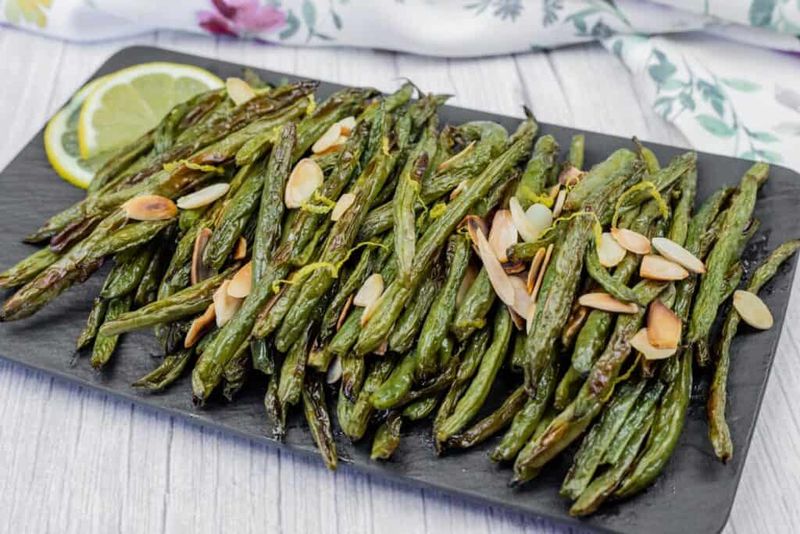
Forget the gray, squeaky green beans from a can. Roasted ones blister and wrinkle a little, picking up smoky spots that taste almost like grilled food.
They cook fast, usually in fifteen to twenty minutes at 425 degrees. Just trim the ends, coat them lightly with oil, and spread them out.
Finish with toasted almonds and a bit of lemon zest. Kids often eat them with their fingers like skinny, crunchy fries.
15. Asparagus
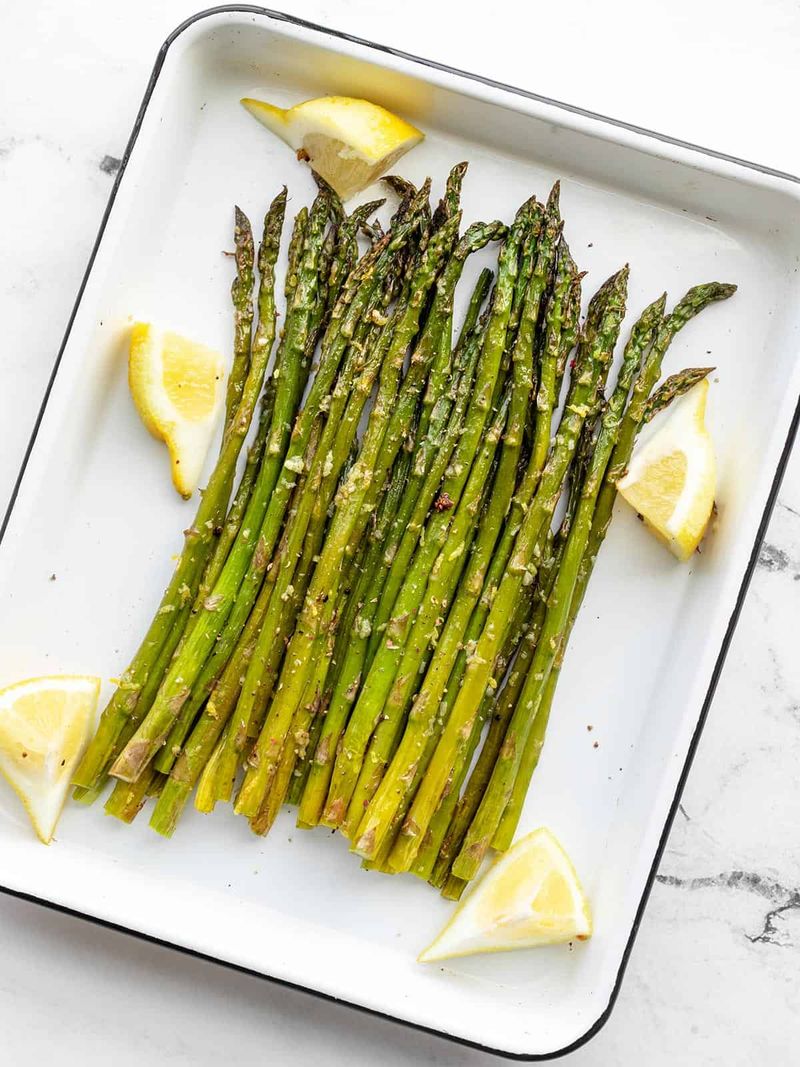
Springtime brings fresh asparagus, and roasting might be the quickest way to enjoy it.
Boiled spears can turn limp and grassy. In a hot oven, the tips get crispy while the stalks stay tender with a gentle snap.
Ten minutes is often plenty for thin spears.
Fun fact: eating asparagus can make your pee smell funny, thanks to a compound called asparagusic acid. Do not worry, it is totally harmless and actually pretty normal.
16. Potatoes

Grandma’s Sunday dinner always seemed to include a pan of crackly roasted potatoes, and for good reason.
Boiled potatoes are soft and plain. Roasted ones develop a golden, glassy crust with fluffy insides.
For the crispiest results, boil chunks for eight minutes, shake them in the pot to rough up the edges, then roast in hot oil.
Rosemary and flaky salt complete the magic. These disappear from the table faster than anything else.
17. Cabbage
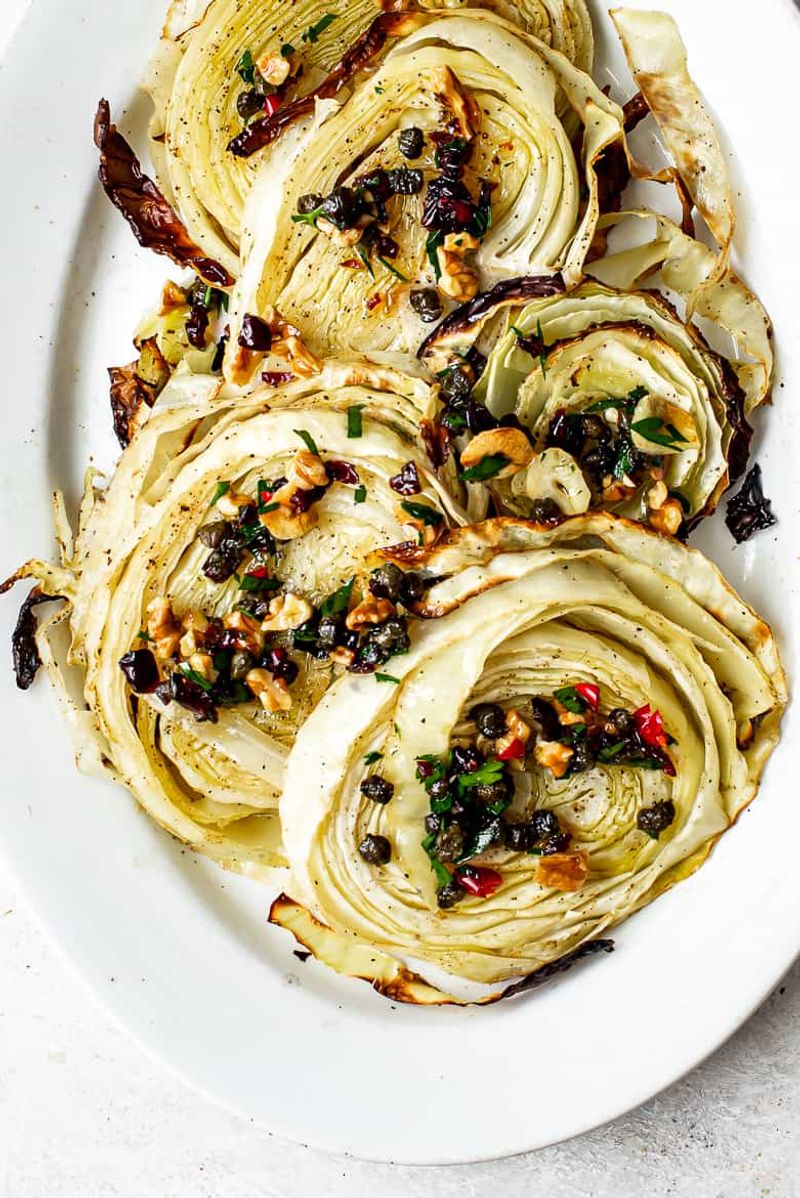
Cabbage rarely wins popularity contests. It usually shows up in coleslaw or a stinky boiled pot.
Slice a head into thick rounds, called cabbage steaks, brush them with oil and garlic, and roast until the edges char. Suddenly the outer leaves turn crispy and nutty, while the middle becomes sweet and tender.
It costs very little, lasts for weeks in the fridge, and might just become your new favorite budget-friendly side dish.