
A favorite meal can bring comfort, spark memories, and make a nursing home visit feel extra special. Before cooking, ask staff about outside food rules, allergies, diet limits, and the resident’s likes.
Anyone with swallowing trouble needs food and drinks that match their prescribed texture, since soft food alone may not be safe. With those checks in place, these familiar dishes offer thoughtful ways to share a little taste of home.
1. Creamy Mashed Potatoes or Sweet Potatoes

A spoonful of familiar comfort can make a visit feel warmer. Peel potatoes before cooking, then mash them with milk or a little olive oil until moist and smooth.
Sweet potatoes add cheerful color and vitamin A.
Keep salt modest, and ask whether added dairy fits the resident’s meal plan. Pack individual portions in sealed containers, transport them safely, and let staff handle reheating.
For swallowing problems, have the care team approve the finished texture first.
2. Soft Scrambled Eggs with Tender Vegetables

Breakfast favorites do not have to stay at the breakfast table. Gently cooked eggs supply protein in a familiar, affordable dish.
Add finely chopped spinach or peeled tomatoes, cooking the vegetables until tender before mixing them in.
Serve eggs fully cooked, not runny, while keeping them moist rather than rubbery. Carry them in an insulated container and arrange prompt serving with staff.
Skip large vegetable pieces, and check whether eggs fit the resident’s allergies and diet.
3. Smooth Vegetable or Chicken Soup

Few foods feel as welcoming as a warm bowl of soup. Blend cooked carrots, squash, lentils, or chicken with broth for a smooth meal that offers both flavor and moisture.
Choose broth with less sodium when needed.
Check fluid limits before bringing a large serving. Thin soup is not automatically safe for someone with swallowing trouble, so follow staff guidance on thickness.
Transport hot soup at 140°F or above, or chilled soup at 40°F or below.
4. Gentle Yogurt and Fruit Parfaits

Colorful layers can turn a simple snack into something worth looking forward to. Spoon pasteurized yogurt into a small cup, then add mashed banana or smooth peach puree.
Plain yogurt lets the fruit provide most of the sweetness.
Leave out crunchy granola, whole berries, and seeds when chewing is difficult. Mixed textures may not suit a swallowing plan, even when each ingredient seems soft.
Keep the parfait chilled during travel, and confirm dairy tolerance before serving.
5. Tender Pasta with Mild Sauce

Sunday dinner memories often start with a bowl of pasta. Choose small shapes and cook them until tender, then coat them generously with a mild tomato or cheese sauce.
A moist sauce helps prevent dry, sticky mouthfuls.
Avoid chewy cheese toppings and large vegetable chunks. Ask staff about suitable pasta size, sodium limits, and any prescribed texture changes.
Bring a small labeled serving rather than a heavy casserole, making storage and reheating easier for everyone involved.
6. Moist, Flaky Baked Fish

A delicate piece of fish brings variety without a tough bite. Bake salmon or cod gently, using a little oil or an approved sauce to keep it moist.
Fish provides protein, and salmon also supplies helpful omega fats.
Cook fish to 145°F and carefully inspect every portion for bones, even when buying boneless fillets. Remove skin before packing.
Check seafood allergies and the resident’s texture needs, then coordinate safe storage and reheating with the nursing staff.
7. Mashed Bananas or Stewed Pears

Naturally sweet fruit can brighten an afternoon without much fuss. Mash ripe bananas, puree canned peaches packed in juice, or gently stew peeled pears until tender.
Remove pits, skins, and seeds before preparing a small serving.
Choose the final texture with staff rather than assuming mashed fruit meets every swallowing need. Fruit still contains carbohydrates, so portion size matters for some diabetes plans.
Refrigerate prepared fruit promptly, and label the container with ingredients and preparation date.
8. Cottage Cheese with Soft Fruit

Small appetites sometimes welcome a snack more than a full plate. Cottage cheese offers protein in a modest portion and pairs nicely with smooth peaches or mashed banana.
Select a pasteurized product and compare sodium levels between brands.
Its curds can be unsuitable for some swallowing plans, so ask whether blending or another option is needed. Keep fruit additions soft and simple.
Carry the dish in a cooler, and return leftovers to refrigeration promptly after serving.
9. Comforting Oatmeal or Cream of Wheat
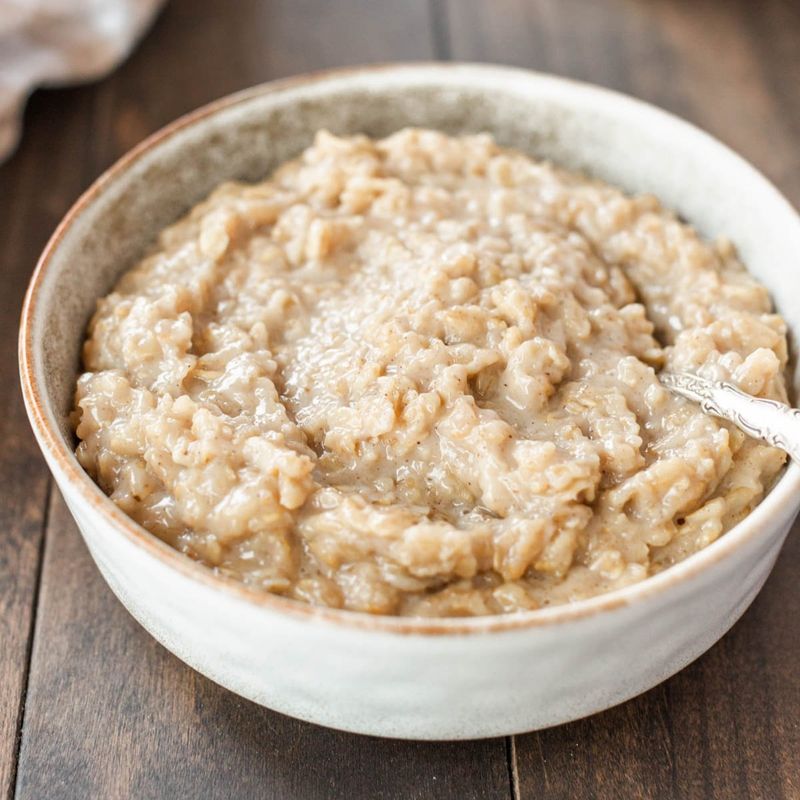
That cozy breakfast smell can bring back years of kitchen memories. Cook oatmeal or cream of wheat with enough liquid to keep it creamy, then add smooth applesauce or mashed banana for flavor.
Avoid nuts and chewy dried fruit.
Milk can add protein when permitted, while cinnamon adds interest without extra sugar. Cereals thicken as they cool, so staff may need to adjust consistency before serving.
Check the resident’s grain restrictions and prescribed texture before choosing.
10. Fruit and Yogurt Smoothies

When a full meal feels overwhelming, a small smoothie may seem inviting. Blend pasteurized yogurt with banana, peaches, or another approved fruit until smooth.
Ask the dietitian before adding protein powder, supplements, or extra ingredients for calories.
A smoothie is not automatically safe for swallowing problems; its thickness must match the resident’s care plan. Seeds, ice pieces, and fruit skins should be absent.
Keep it cold, serve promptly, and count it toward fluid limits when required.
11. Tender Chicken or Turkey Wraps

Lunch can still feel like a favorite deli stop. Fill a soft tortilla with finely shredded chicken or turkey mixed with a little approved dressing.
Skip raw vegetables, which can add crunch that some residents cannot manage.
Tortillas may become chewy or sticky, so wraps suit only residents cleared for that texture. For others, staff may suggest serving moist meat without bread.
Cook poultry to 165°F, chill promptly, and transport the finished portions in a cooler.
12. Baked Potatoes with Soft Toppings

A humble potato can become a satisfying little meal. Bake until the center is tender, remove the skin, and mash the flesh with enough moisture to prevent dryness.
Add mashed beans, melted cheese, or finely shredded, sauced chicken.
Choose toppings around the resident’s protein needs and any salt or potassium limits. Avoid bacon bits and tough vegetable pieces.
Transport promptly at a safe temperature, and ask staff to check both texture and serving warmth before offering.
13. Tender Meatballs in Mild Sauce

Family recipes often travel best in a spoonful of sauce. Make meatballs with finely ground meat and soaked breadcrumbs, keeping them tender rather than browned and crusty.
A mild tomato sauce adds moisture and familiar flavor.
Small round foods can still pose a choking risk, so have staff decide whether to cut, mash, or modify them further. Cook ground beef to 160°F and ground poultry to 165°F.
Pack sauce separately if that helps staff adjust portions.
14. Moist Zucchini Bread

The smell of home baking can make an ordinary visit memorable. Finely grated zucchini helps a quick bread stay moist, while cinnamon gives it a familiar flavor.
Leave out nuts, seeds, and raisins for a simpler bite.
Offer a modest slice and check added sugar against the resident’s meal plan. Bread can form a sticky lump or shed crumbs, making it unsuitable for some swallowing needs.
Ask staff before serving, and provide a complete ingredient list.
15. Mini Egg Muffins with Cooked Vegetables

Little portions can make a protein food feel less daunting. Bake beaten eggs with finely chopped, thoroughly cooked spinach or roasted peppers in a muffin pan.
Keep the mixture moist, and avoid tough browned edges or chewy cheese crusts.
Cook egg dishes to 160°F, then cool and refrigerate promptly if not serving immediately. These portions are convenient, but their texture still needs approval for residents with swallowing trouble.
Label ingredients clearly, especially milk, eggs, and any cheese.
16. Mini Vegetable Lasagna Cups

Lasagna brings a little Sunday supper to the visiting table. Layer tender pasta with ricotta, mild sauce, and finely chopped vegetables cooked until soft.
Individual baking dishes make portions easier to manage than a large, heavy pan.
Use plenty of sauce and skip crisp edges or stringy cheese tops. Wheat and dairy allergies need checking before you cook.
Ask staff whether the layers fit the resident’s texture plan, and arrange refrigeration or reheating as soon as you arrive.
17. Mild Turkey or Bean Chili

A hearty bowl does not need a fiery kick. Simmer ground turkey, peeled tomatoes, and beans until everything is tender, using mild seasonings instead of hot peppers.
Mash beans if their skins or size make eating harder.
Keep the mixture moist without large chunks, and confirm whether this mixed texture is allowed. Compare sodium in canned ingredients, draining and rinsing beans when practical.
Cook turkey to 165°F, transport safely, and bring only the portion staff can store.
18. Pasteurized Soft Cheese and Suitable Crackers

A small snack plate can encourage relaxed conversation during a visit. Offer pasteurized cream cheese or another approved soft cheese with crackers only when the resident can chew them comfortably.
Choose modest portions and check sodium levels.
Crackers can be dry and crumbly, while cheese may become sticky, so neither is suitable for every swallowing plan. Staff may recommend a different pairing or spread alone.
Keep cheese refrigerated during travel, and avoid products made with unpasteurized milk.
19. Smooth Pudding or Baked Custard

Dessert can carry a lovely sense of occasion in just a few spoonfuls. Smooth pudding or tender custard offers a familiar finish, and milk adds some protein.
Choose pasteurized dairy and cook homemade egg custard thoroughly for safety.
Ask whether sugar limits or extra nutrition needs should guide the recipe. Remove any surface skin, and avoid crunchy toppings.
Even smooth desserts need texture approval for swallowing problems. Pack chilled portions with labels, and let staff manage storage.