
A movie can change a lot before it reaches the screen. Studio bosses and producers may ask for shorter scenes, bigger battles, or a happier ending.
Sometimes those choices help, but other times they lead to fierce arguments and very different versions. The stories behind these films reveal those battles, along with a few cases where claims of studio interference need a closer look.
1. Predator (1987): More Gunfire, Less Control
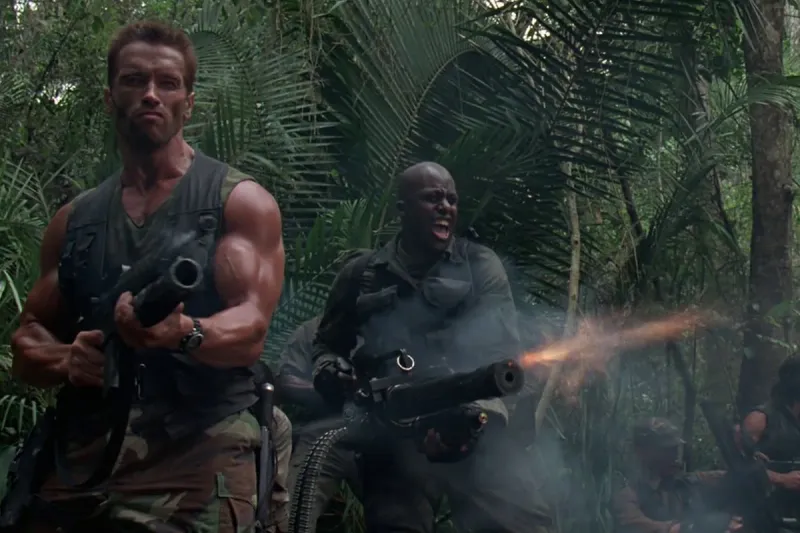
The jungle erupts with bullets, yet the enemy stays hidden. Predator’s famous shooting frenzy reportedly grew from a studio request for more gunfire, turning a business note into an unforgettable action scene.
Instead of making the soldiers look stronger, the moment shows how helpless their weapons are against something they cannot see. Watch how the noise gives way to uncertainty.
An apparent demand for extra excitement ended up strengthening the movie’s central fear of an unseen hunter.
2. Apocalypse Now (1979): A Longer Journey Upriver
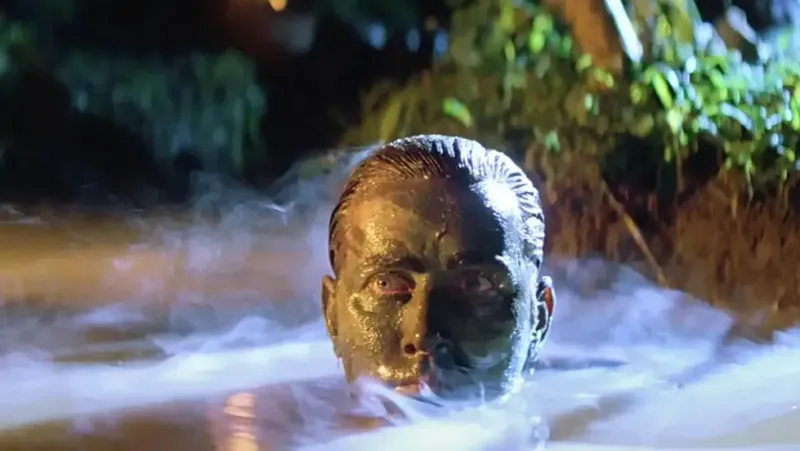
A trip upriver can feel very different depending on which version you watch. Francis Ford Coppola’s theatrical release left out material later included in Redux and, more selectively, Final Cut.
However, describing those cuts as simply a studio order to remove an hour oversimplifies Coppola’s role in shaping the film. The longer editions offer more detours and political detail.
Start with the theatrical version, then compare how added scenes change the journey’s rhythm and growing sense of dread.
3. American History X (1998): A Fight Over the Final Edit
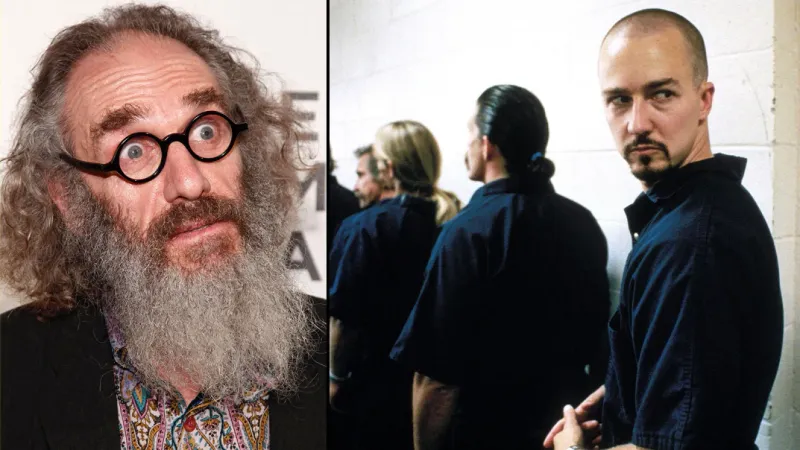
Behind a powerful drama sat a very public argument over ownership. Director Tony Kaye clashed with New Line Cinema and star Edward Norton during editing, while Norton helped shape the version that reached theaters.
Kaye objected fiercely and tried to remove his name from the film. The dispute shows why final approval matters so much in Hollywood: directing the scenes does not always mean controlling their arrangement, length, or emotional impact once the cameras stop rolling for good.
4. Donnie Darko (2001): Mystery Meets Explanation
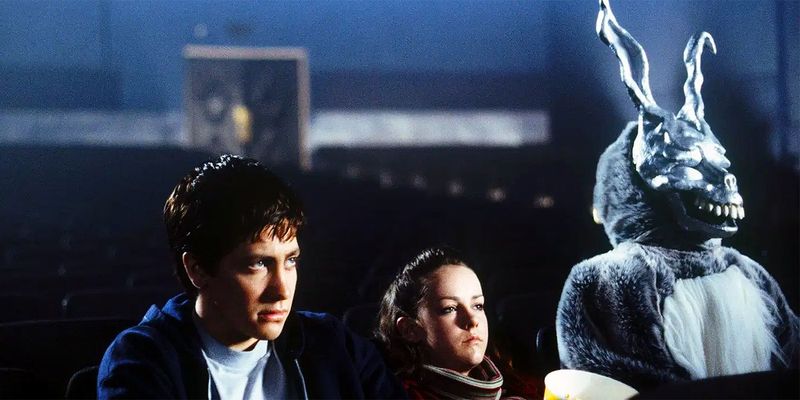
Sometimes explaining a puzzle makes it less exciting. Donnie Darko’s theatrical version runs about 113 minutes, while Richard Kelly’s later director’s cut lasts roughly 134 minutes and adds scenes, music changes, and pages from its fictional time travel book.
Distribution concerns helped shape the original release, but reducing everything to music fees misses the broader editing process. Try the theatrical cut first if you enjoy uncertainty.
The longer version gives curious viewers more rules to follow through its puzzle.
5. Wonder Woman (2017): A Bigger Final Battle
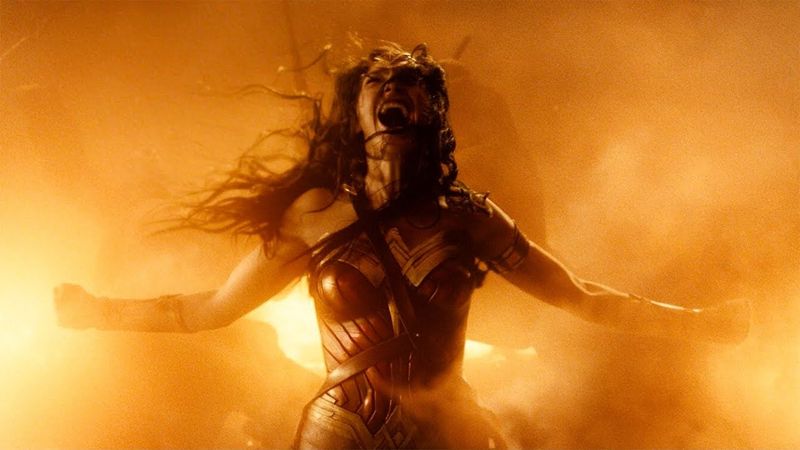
After muddy trenches and painful choices, the finale suddenly grows much bigger. Patty Jenkins has said the studio pushed for a larger showdown with Ares than she originally wanted, leading to the effects-heavy battle audiences saw.
That change shifted attention toward spectacle after a story built around human cruelty and compassion. Claims about every detail of an abandoned ending deserve caution.
Still, the contrast offers a useful example of how blockbuster expectations can reshape a film’s final emotional statement.
6. Rogue One (2016): Rebuilding the Road to Scarif

Several shots in the trailers never appeared in the finished movie. Rogue One underwent substantial reshoots and editing changes, with Tony Gilroy brought in to help reshape the story, especially its final stretch.
The result tightened the mission on Scarif and clarified how its separate action threads connected. Darth Vader’s famous hallway attack was also a late addition.
However, the heroes’ deaths were not simply imposed during reshoots; that outcome had already been accepted earlier in the creative process.
7. Alien 3 (1992): A Debut Under Pressure
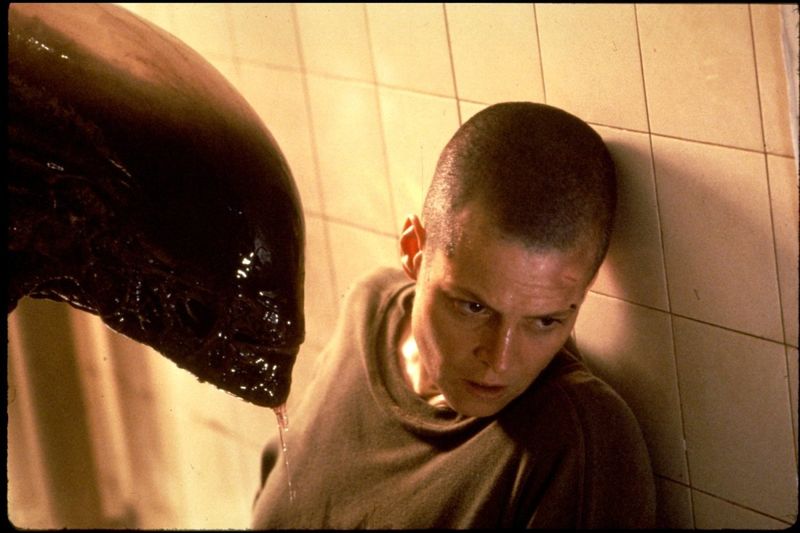
For a first feature, David Fincher inherited a nightmare before the alien even arrived. Alien 3 entered production amid script changes, expensive sets, and intense studio oversight, leaving little room for a settled plan.
Fincher later distanced himself from the released film. The Assembly Cut restores alternate material and story details, but it is not his approved director’s cut.
Comparing versions reveals a fuller prison community while reminding viewers that a reconstruction cannot completely repair a troubled production from the start.
8. Blade Runner (1982): Explaining Away the Shadows
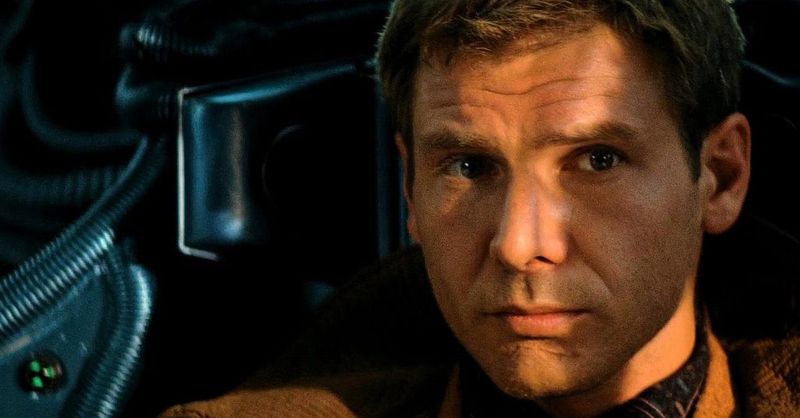
Rain, neon, and uncertainty were not enough for nervous decision-makers. Blade Runner’s original American theatrical release added explanatory narration and a reassuring ending after concerns about audience reactions.
Those choices made the story easier to follow but softened its uneasy mood. Later versions removed them, while the unicorn imagery encouraged fresh questions about Deckard’s identity.
Ridley Scott’s Final Cut offers his preferred presentation. Comparing openings and endings shows how a few changes can alter an entire film’s meaning for viewers.
9. The Magnificent Ambersons (1942): Lost Footage, Lasting Regret
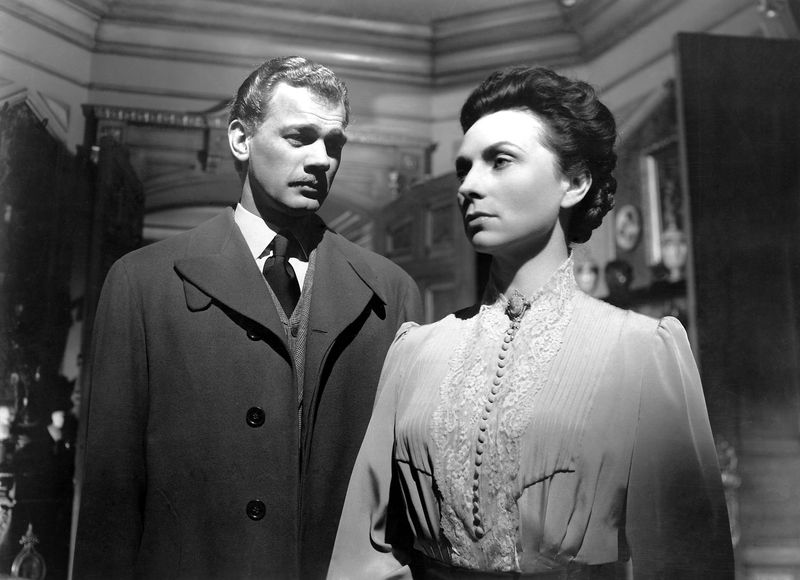
Imagine losing a large piece of your movie while working abroad. That happened to Orson Welles when RKO reshaped The Magnificent Ambersons during his time in Brazil.
After poor preview reactions, the studio reduced his roughly 131-minute version to about 88 minutes and added a more comforting ending filmed without him. The removed footage is considered lost, making a full restoration impossible with known materials.
Unlike many later editing disputes, this one leaves viewers comparing surviving evidence rather than complete competing versions.
10. Fight Club (1999): When Showing Less Hits Harder
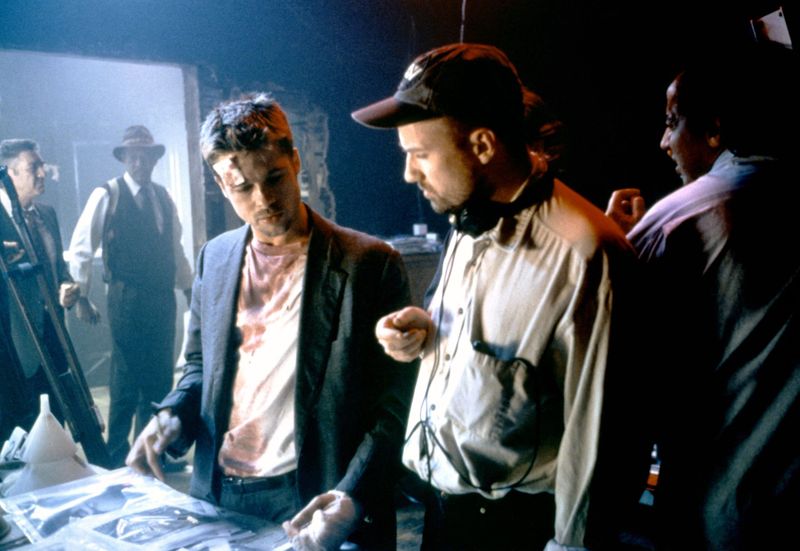
A face can be more disturbing than a punch. During Fight Club’s production, concerns about the brutal beating of Angel Face led to changes that emphasized the narrator’s expression rather than lingering on the damage.
The scene remained deeply unsettling, showing how editing can redirect violence instead of removing its force. Studio support for casting Brad Pitt also helped the project move forward.
Still, calling the entire film dramatically recut by executives would exaggerate the documented scope of that involvement.
11. Brazil (1985): The Happy Ending That Sparked a War
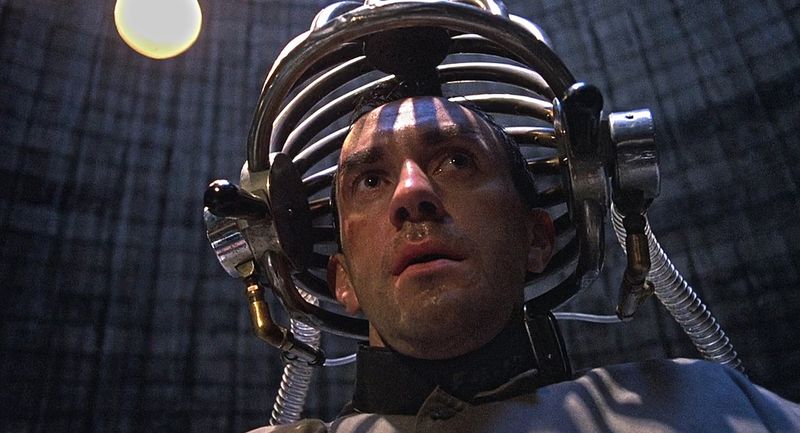
A cheerful ending was exactly what Terry Gilliam did not want. Universal executive Sid Sheinberg favored a shorter, more upbeat version of Brazil, putting the studio and director on a collision course.
Gilliam fought publicly, including a trade advertisement asking when his film would be released. Critical support helped secure an American theatrical version closer to his intentions.
The studio’s alternate edit survives as a striking comparison: changing the ending can turn a warning about escape into something far more comforting.
12. The Lord of the Rings (2001-2003): One Film Becomes Three
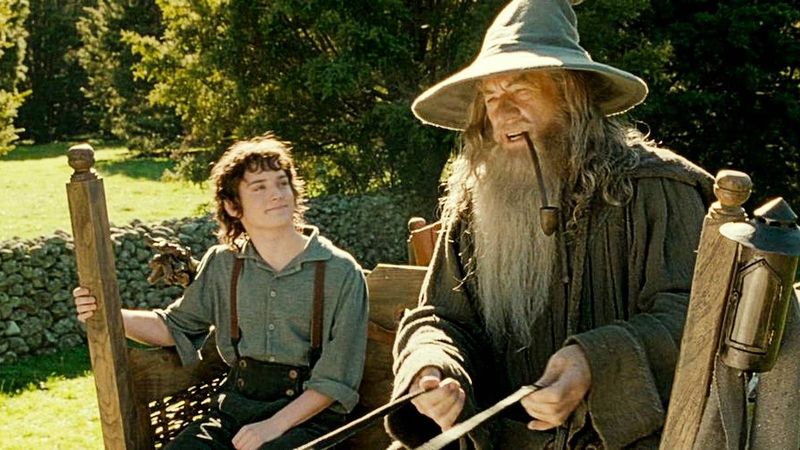
Middle-earth nearly reached theaters in a much smaller package. At Miramax, Peter Jackson developed two films before pressure to compress the story into one sent the project searching for another home.
New Line instead backed three movies, a studio decision that transformed the adaptation’s scale. Later extended editions added more than two hours across the trilogy, but Jackson considers the theatrical cuts his definitive versions.
For newcomers, those releases provide a faster introduction without requiring every extra stop along the journey.
13. Aliens (1986): Ripley’s Missing Heartbreak
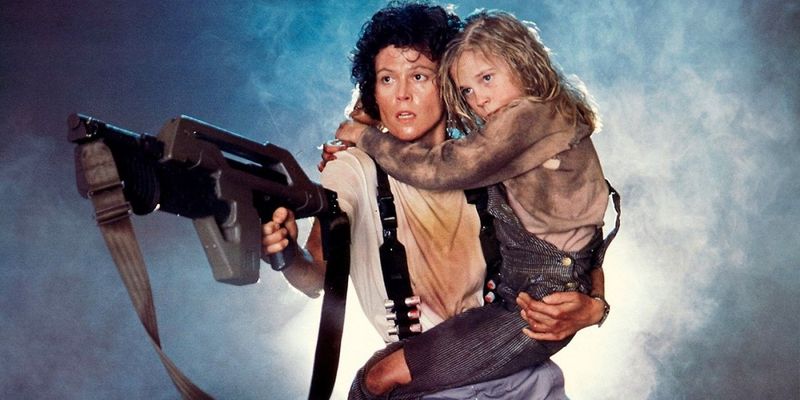
Ripley’s bond with Newt carries extra weight when you know what she lost. Aliens’ longer Special Edition restores news that her daughter grew old and died while Ripley drifted through space.
The theatrical release omitted that scene and other material as the film was shortened for cinemas. Restored colony scenes and automated gun defenses also change the pacing.
Neither version is merely an unfinished draft. Choose the theatrical cut for momentum, or the Special Edition for stronger family themes and extra suspense.
14. Superman II (1980): Two Directors, Two Different Visions
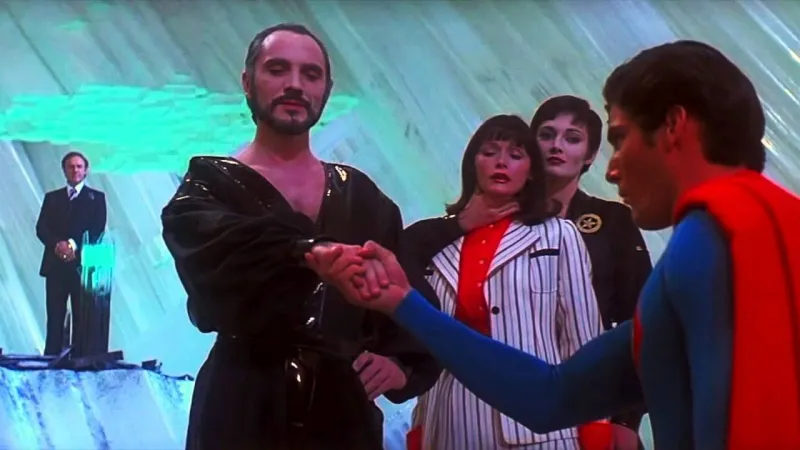
One superhero sequel ended up carrying two directors’ fingerprints. Richard Donner had filmed much of Superman II when conflicts with producers led to his replacement by Richard Lester.
Lester shot new material, and the released movie mixed approaches, including broader comedy and changed story details. In 2006, The Richard Donner Cut assembled an alternate version using surviving footage, including screen tests where needed.
It offers a fascinating comparison, though it cannot perfectly recreate the film Donner might have completed without that interruption.
15. Das Boot (1981): More Time Beneath the Surface
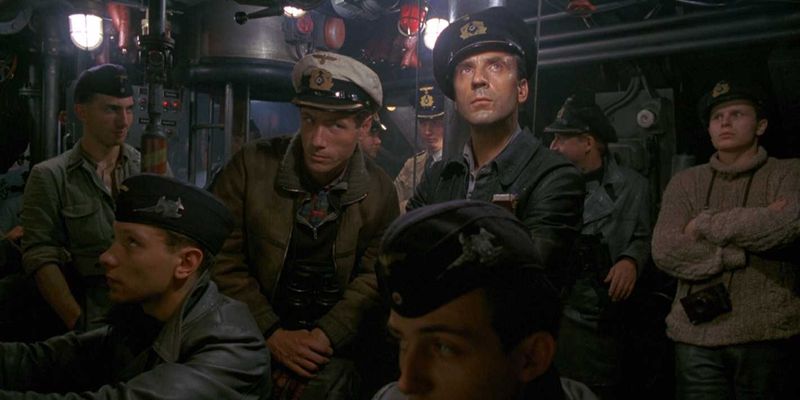
Inside a submarine, waiting can feel as frightening as combat. Das Boot exists in several forms, including its original theatrical release, a television miniseries, and Wolfgang Petersen’s longer director’s cut.
Added time deepens daily routines, cramped relationships, and mounting exhaustion. However, claims that studio cuts specifically aimed to reduce sympathy for German sailors lack solid support.
The safer lesson concerns format and pacing: longer versions make viewers share more of the crew’s boredom before danger finally breaks through the submarine’s uneasy quiet.