
Some movies need more than a few stars to tell their stories. They bring together huge groups of actors, famous faces, and sometimes thousands of extras to make whole worlds feel alive.
A large cast can turn a battle, family gathering, or wild adventure into something unforgettable. From superhero team-ups to sweeping historical dramas, these films show how much a crowd can add to the screen.
1. Avengers: Endgame (2019)
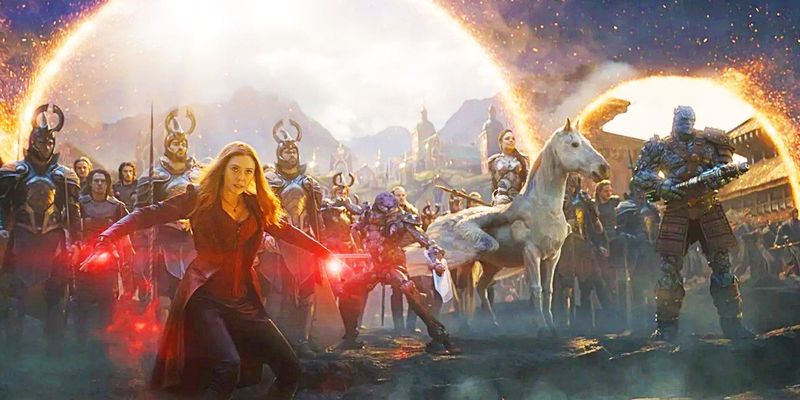
When those glowing portals open, the movie practically becomes a superhero class reunion. Robert Downey Jr., Chris Evans, Scarlett Johansson, and many more familiar faces share a story built across years of Marvel films.
The huge cast matters because each returning hero carries memories from earlier adventures. Watch the previous Avengers movies first for a smoother experience.
During the final battle, look beyond the main action to catch smaller team reunions and clever background moments, too.
2. The Longest Day (1962)
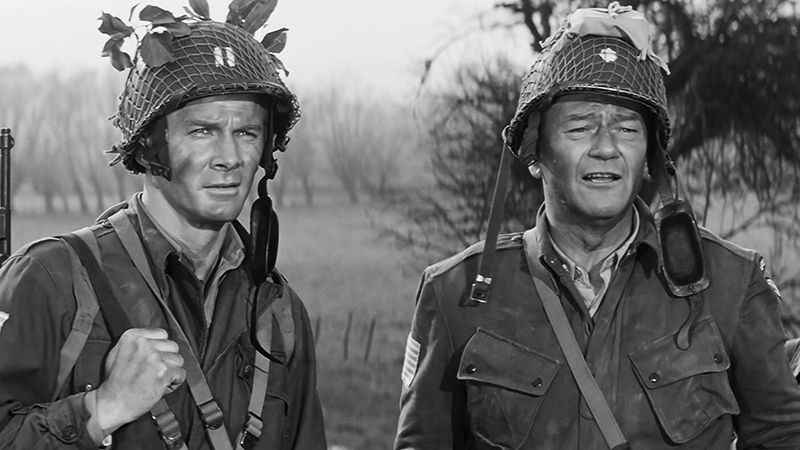
A single day becomes an enormous story when the camera follows people on every side of the Normandy invasion. John Wayne, Robert Mitchum, Richard Burton, and Sean Connery are among the many recognizable actors appearing throughout the film.
Rather than following one hero, the movie moves between soldiers, commanders, and civilians. That approach helps explain the invasion’s scale.
Keeping a map of Normandy nearby can make its many locations easier to follow during a first viewing.
3. It’s a Mad, Mad, Mad, Mad World (1963)
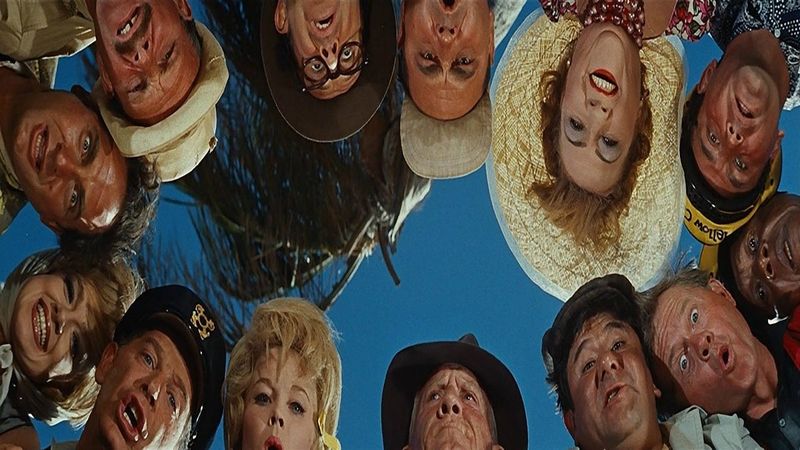
Greed sends a crowd of ordinary travelers racing toward buried money, and nearly everyone makes things worse. Spencer Tracy anchors a lineup packed with comedy favorites, including Milton Berle, Sid Caesar, Ethel Merman, and Jonathan Winters.
Famous performers also pop up in tiny roles, making the film a game of spotting familiar faces. Expect broad jokes, noisy arguments, and elaborate physical comedy.
Choose a relaxed evening, since even shorter versions run well over two hours long.
4. Around the World in 80 Days (1956)
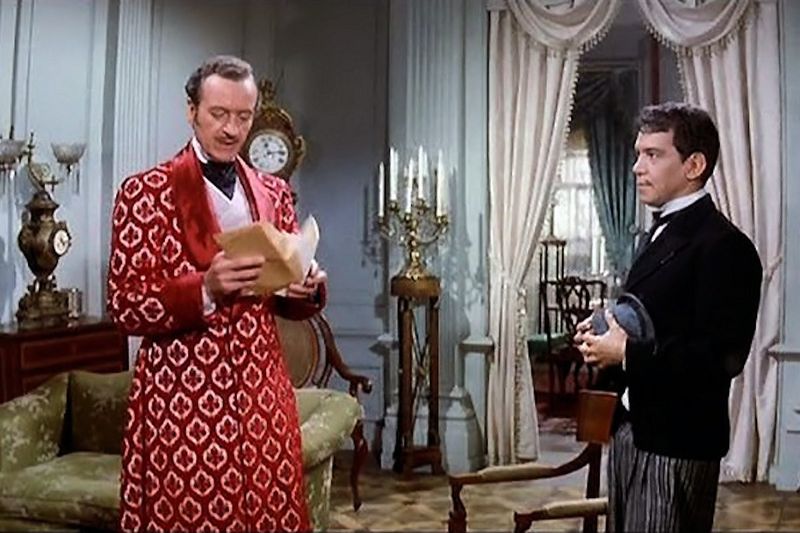
Spotting celebrity guests becomes part of the journey in this grand travel adventure. David Niven plays Phileas Fogg, while Cantinflas brings lively energy to his companion, Passepartout, as they race around the globe.
The supporting lineup includes Shirley MacLaine and Robert Newton, alongside numerous brief celebrity appearances. Frank Sinatra and Buster Keaton are among the recognizable visitors.
Enjoy the elaborate sets and costumes, but remember that some cultural portrayals reflect dated Hollywood attitudes rather than accurate representation.
5. Nashville (1975)
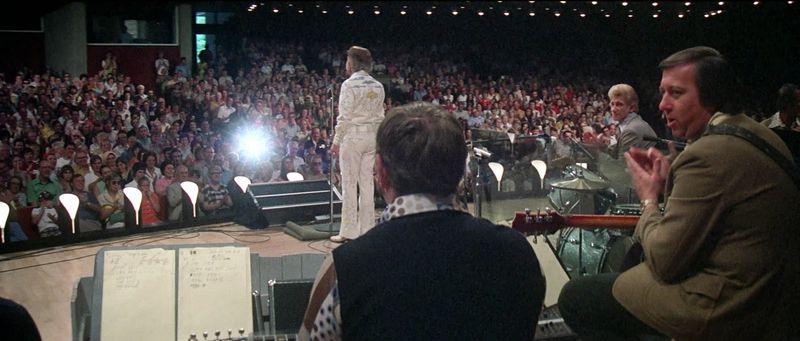
Twenty-four major characters share the spotlight in Robert Altman’s busy portrait of music, ambition, and politics. Their paths cross over several days in Nashville, where concerts and a political campaign keep bringing strangers together.
Lily Tomlin, Keith Carradine, Ronee Blakley, and Shelley Duvall help fill this crowded world. Listen closely when conversations overlap, since background chatter often reveals something useful.
Instead of waiting for one clear hero, watch how small choices ripple through the whole community.
6. Short Cuts (1993)
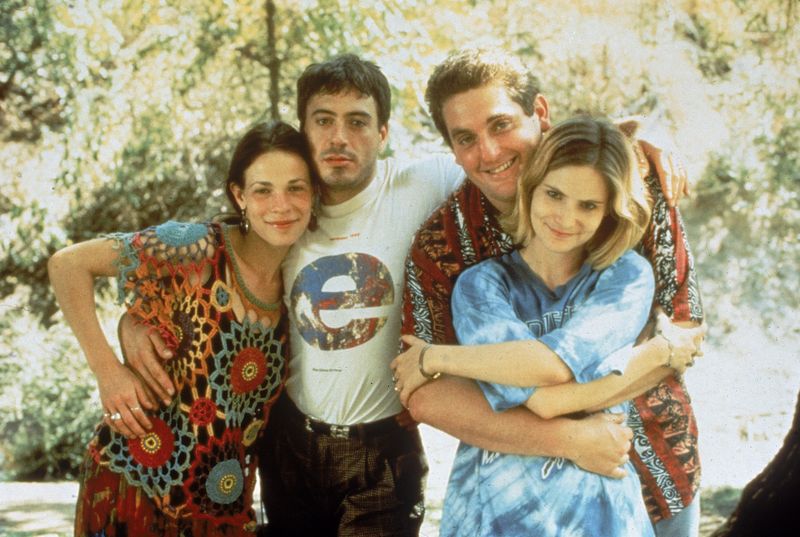
Los Angeles feels like a web of neighbors who almost understand one another in this sprawling drama. Director Robert Altman connects multiple households through accidents, friendships, work, and chance meetings, drawing from stories by Raymond Carver.
Julianne Moore, Jack Lemmon, Andie MacDowell, Tim Robbins, and Lily Tomlin are only part of the lineup. Adult themes and a long runtime make it better for mature viewers.
Follow relationships rather than searching for a single central plot to solve.
7. Gosford Park (2001)
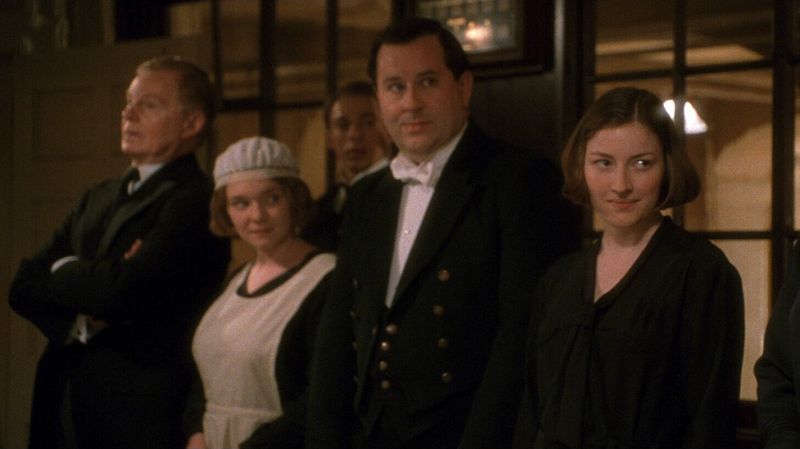
Upstairs manners hide downstairs secrets when a wealthy household gathers for a shooting weekend. Maggie Smith, Michael Gambon, Kristin Scott Thomas, Helen Mirren, and numerous others fill the mansion with sharply drawn personalities.
A murder gives the story its mystery, but the large cast also reveals how class shapes everyday behavior. Pay attention to who serves each guest and who avoids certain conversations.
Those details help connect the crowded rooms, hidden histories, and shifting loyalties much faster.
8. Ocean’s Eleven (2001)
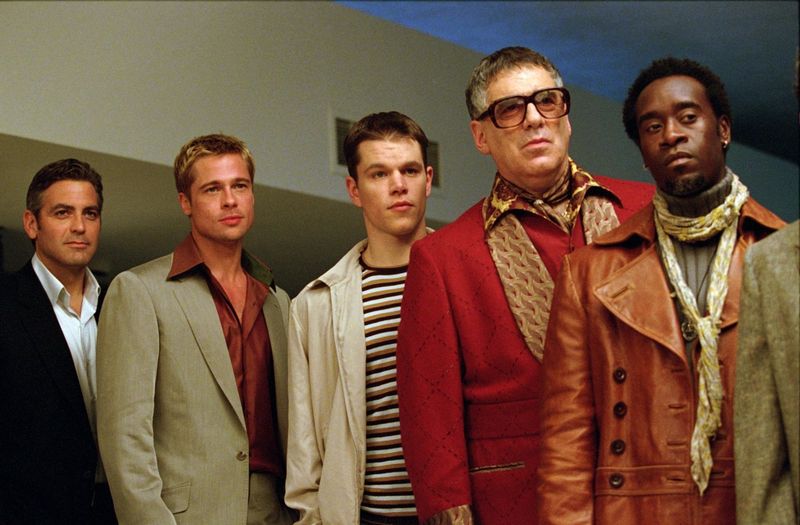
Pulling off one impossible robbery takes a team with very different talents. George Clooney leads a smooth ensemble that includes Brad Pitt, Matt Damon, Don Cheadle, Bernie Mac, and several memorable specialists.
Julia Roberts and Andy Garcia add personal tension beyond the casino heist. Unlike films that merely pack stars together, this one gives the crew clear jobs.
Notice how each skill fits the plan, then revisit earlier scenes to spot clues hidden behind the friendly banter.
9. Love Actually (2003)
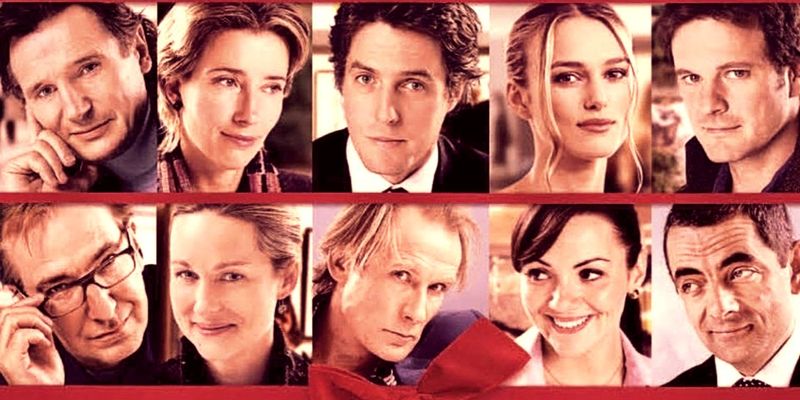
Christmas in London gets complicated when romance spreads across a whole network of people. Hugh Grant, Emma Thompson, Alan Rickman, Keira Knightley, Liam Neeson, and Bill Nighy lead overlapping stories about love in several forms.
Some threads are playful, while others deal with grief, betrayal, or disappointment. Tracking family ties and workplace connections helps the crowded cast feel less confusing.
Despite the festive setting, sexual content and adult situations mean it is not a children’s holiday movie.
10. The Grand Budapest Hotel (2014)
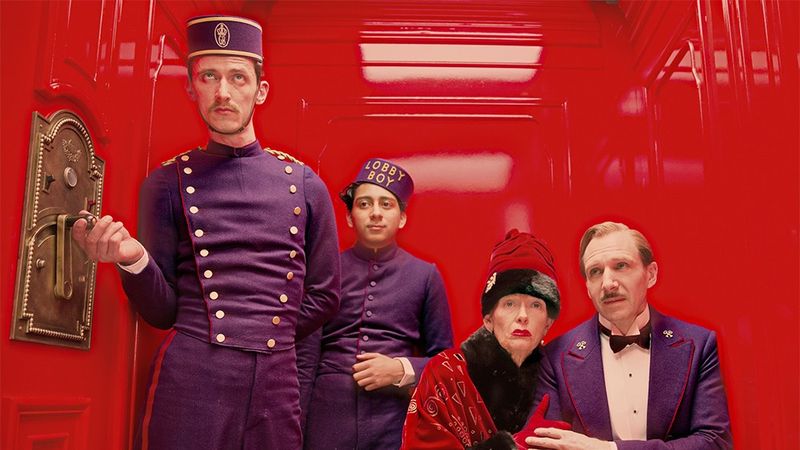
A hotel concierge and his young helper somehow attract enough odd characters to fill an entire guest register. Ralph Fiennes leads a cast that includes Tony Revolori, Saoirse Ronan, Willem Dafoe, Tilda Swinton, and Adrien Brody.
Director Wes Anderson gives even brief appearances a distinct look or comic detail. Watch the costumes, room designs, and carefully arranged group shots for extra storytelling.
Beneath the playful surface, the film also explores loyalty, loss, and a changing European world.
11. The Thin Red Line (1998)
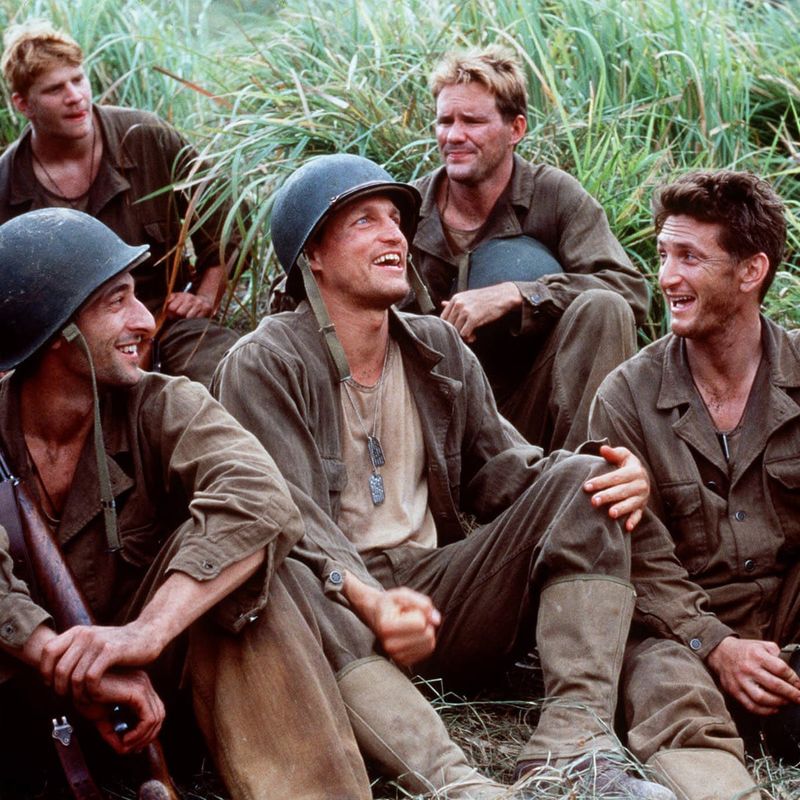
Quiet thoughts matter as much as gunfire in this unusual war film. Set during the Guadalcanal campaign, it follows American soldiers through combat while asking what violence does to people and the natural world.
Sean Penn, Jim Caviezel, Nick Nolte, and Elias Koteas share the screen with many others, including stars in brief roles. Do not expect equal time for every famous face.
The shifting viewpoints and reflective voiceovers reward patient viewing more than straightforward action movie expectations.
12. Black Hawk Down (2001)
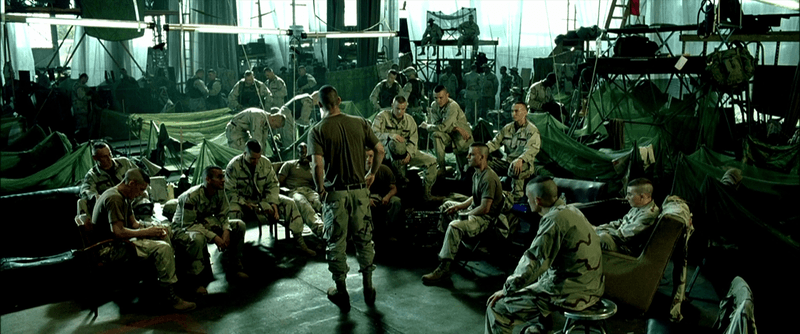
Uniforms, dust, and nonstop danger make this crowded military story feel deliberately overwhelming. Josh Hartnett, Ewan McGregor, Eric Bana, Tom Sizemore, and a young Tom Hardy appear in its account of the 1993 Battle of Mogadishu.
The large cast shows how a mission depends on many separate teams. Learn a few character names early, since helmets can make faces difficult to distinguish.
Its intense violence suits mature audiences, and historical reading adds perspectives the American viewpoint leaves outside.
13. JFK (1991)
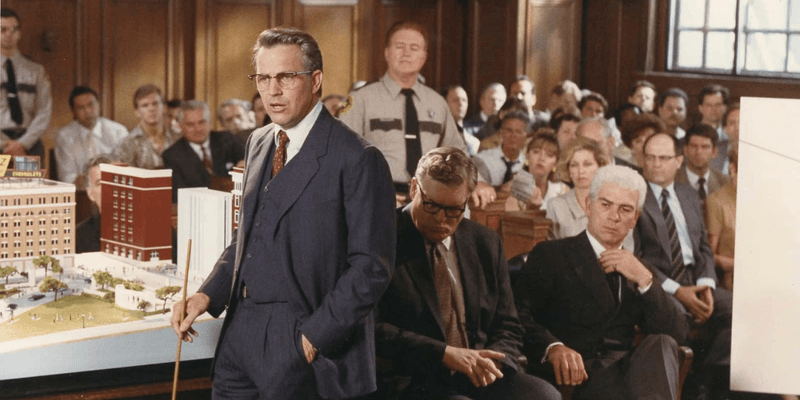
Every new witness seems to bring another familiar face into Oliver Stone’s packed political thriller. Kevin Costner plays district attorney Jim Garrison, supported by actors including Gary Oldman, Tommy Lee Jones, Joe Pesci, and Sissy Spacek.
The crowded cast helps create a maze of claims surrounding President Kennedy’s assassination. However, dramatic confidence is not proof of historical accuracy.
Treat the film as an argument, not a textbook, and compare its claims with reliable historical sources after watching it.
14. Murder on the Orient Express (1974)
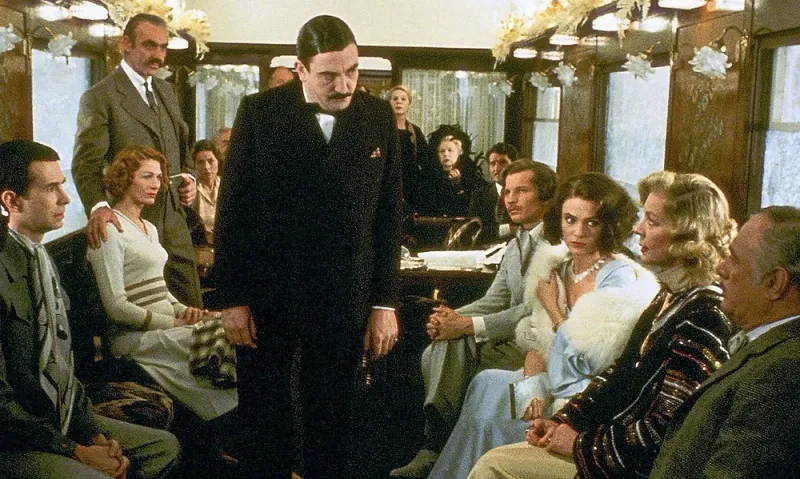
A snowbound train offers nowhere to hide when nearly every passenger might be a suspect. Albert Finney’s Hercule Poirot questions a glittering cast that includes Ingrid Bergman, Lauren Bacall, Sean Connery, Vanessa Redgrave, and Anthony Perkins.
Each performer gives a different flavor to the mystery, from nervous politeness to cool confidence. Keep track of personal histories and travel details rather than guessing from star power alone.
Avoid plot summaries beforehand, since the solution is central to the experience.
15. The Great Escape (1963)
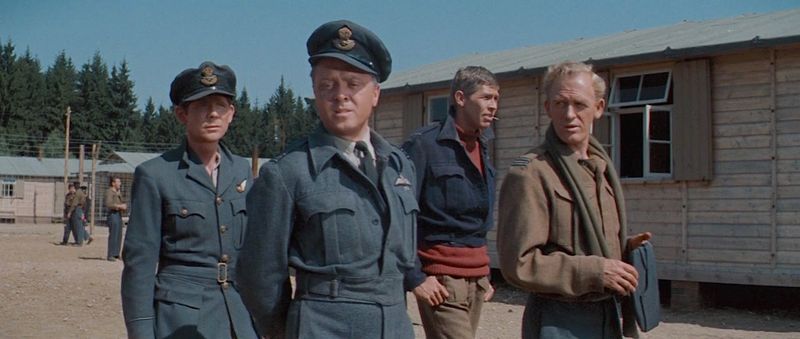
Escape becomes a group project with jobs for diggers, forgers, lookouts, and organizers. Steve McQueen, James Garner, Richard Attenborough, Charles Bronson, James Coburn, and Donald Pleasence help turn a prison camp into a busy workshop.
The distinct roles make a large group surprisingly easy to follow. Notice how practical details, including clothing and documents, matter as much as the tunnels.
Although inspired by a real wartime escape, the film changes characters and events for a more dramatic adventure.
16. How the West Was Won (1962)
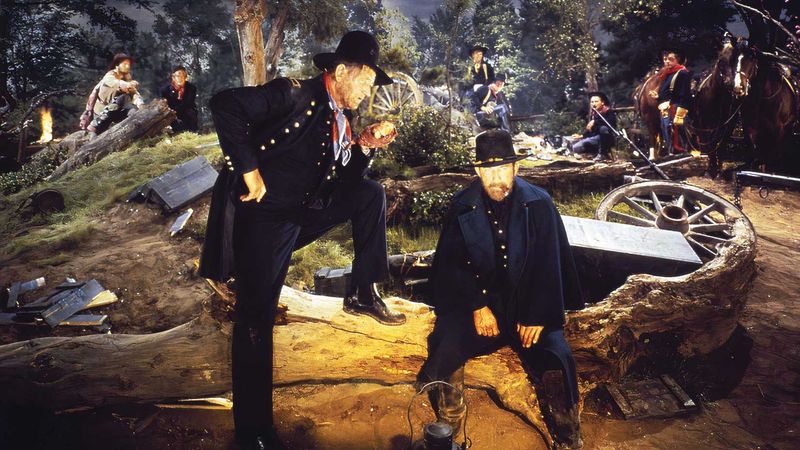
Several generations carry this frontier story across rivers, plains, battlefields, and railroad routes. Its famous lineup includes James Stewart, Debbie Reynolds, Gregory Peck, Henry Fonda, John Wayne, and many other stars spread across separate chapters.
The film’s Cinerama photography was designed for an enormous curved screen, matching the scale of its cast. A widescreen presentation helps preserve that effect at home.
Its treatment of westward expansion also deserves discussion, especially where Native peoples receive limited viewpoints or stereotyped portrayals.
17. War and Peace (1966-1967)
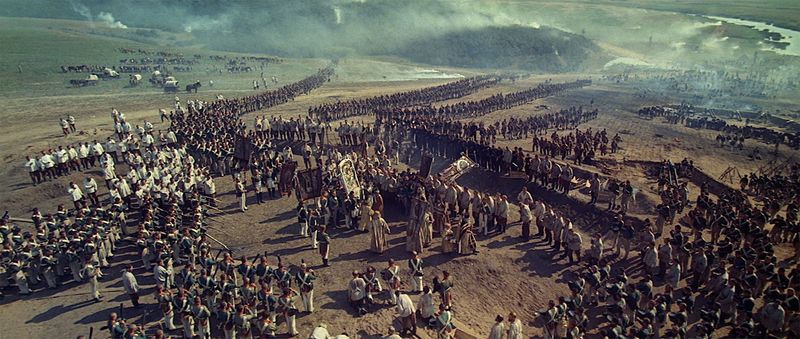
Few productions make a battlefield feel as enormous as Sergei Bondarchuk’s adaptation of Leo Tolstoy’s novel. Alongside its speaking cast, vast groups of extras help recreate the scale of Russian society and the Napoleonic Wars.
Released in four parts, the film balances family relationships, grand balls, and military disaster. Set aside several viewing sessions rather than rushing through its many hours.
A simple character guide helps newcomers follow the families without losing the emotional thread between spectacular crowd scenes.
18. Gandhi (1982)
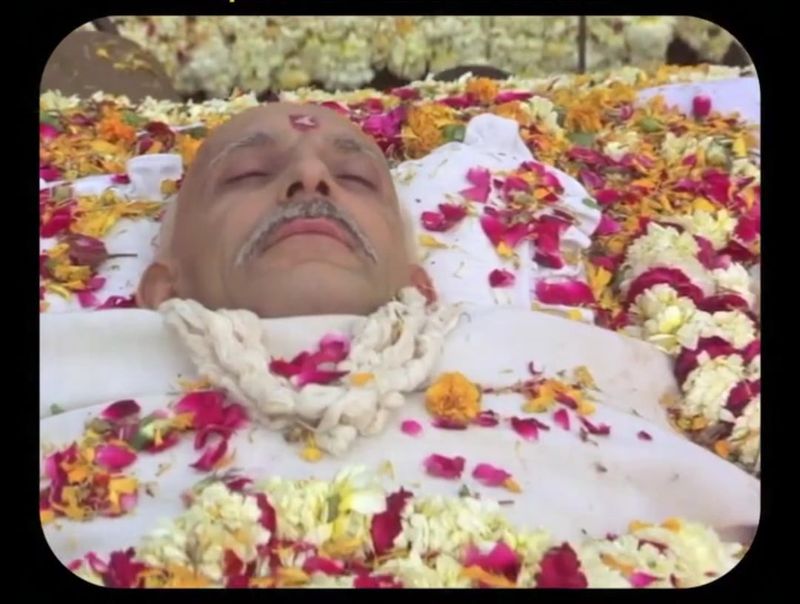
One man’s public life unfolds against crowds that make a nation’s struggle visible. Ben Kingsley leads the film, with supporting actors including Rohini Hattangadi, Roshan Seth, Candice Bergen, Martin Sheen, and Edward Fox.
Beyond those speaking roles, enormous gatherings of extras give marches and public ceremonies their striking scale. The funeral sequence is especially famous for its vast crowd.
Use the movie as an introduction, then explore Indian independence through additional sources that include a wider range of voices.
19. Cleopatra (1963)
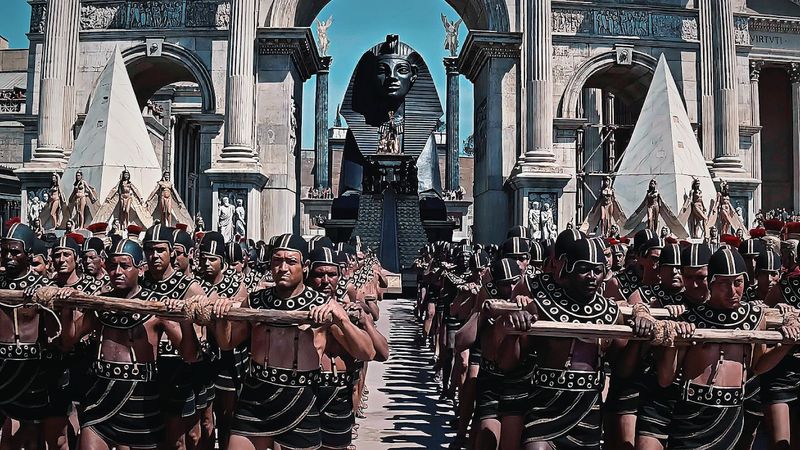
Gold, marble, and marching crowds announce a production determined to fill every corner of the screen. Elizabeth Taylor stars alongside Richard Burton and Rex Harrison, supported by a substantial cast and elaborate groups of extras.
Cleopatra’s arrival in Rome shows how crowd staging can become a spectacle of its own. Look at the dancers, guards, attendants, and watching citizens rather than only the central stars.
A longer viewing window helps with the film’s considerable runtime and shifting political alliances.