
Every dish on your plate has a story, and some of those stories are wilder than you might expect. Foods we eat every day were sometimes invented by accident, named after the wrong country, or created by people trying to survive hard times.
Learning where food comes from helps us understand history, travel, and the people who came before us. Grab a snack and get ready to see your favorite meals in a whole new way.
1. Potato Chips
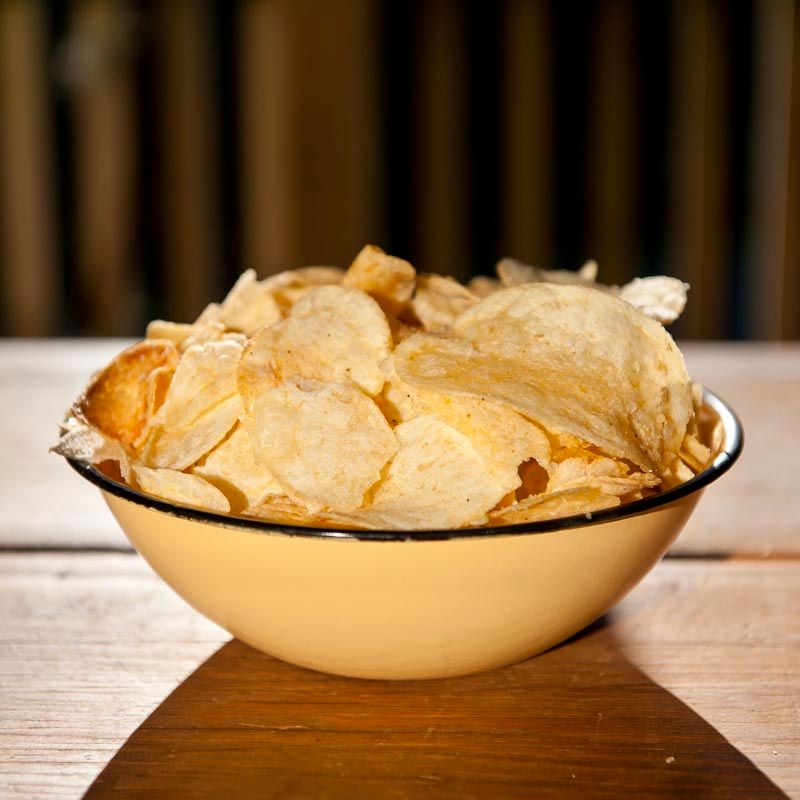
Legend says a grumpy customer at a Saratoga Springs restaurant in 1853 kept sending back his fried potatoes for being too thick. Chef George Crum got annoyed and sliced them paper thin, then fried them crispy.
The customer loved them, and a snack empire was born. Historians argue about the details, but the tale sticks around.
Next time you open a bag, remember that sometimes frustration leads to tasty ideas.
2. Fortune Cookies
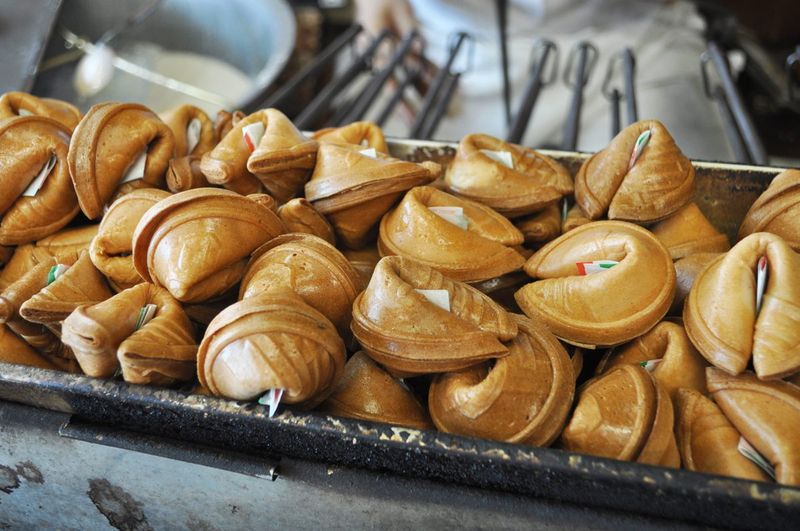
Surprise! Fortune cookies are not really Chinese at all.
Researchers traced them to Japanese bakeries near Kyoto, where a similar cracker called tsujiura senbei held tiny notes.
Japanese immigrants brought the idea to California in the early 1900s. Chinese restaurants later made them famous across America.
Today almost nobody in China eats them. So your lucky message actually carries a hidden Japanese-American history inside its crunchy shell.
3. Caesar Salad
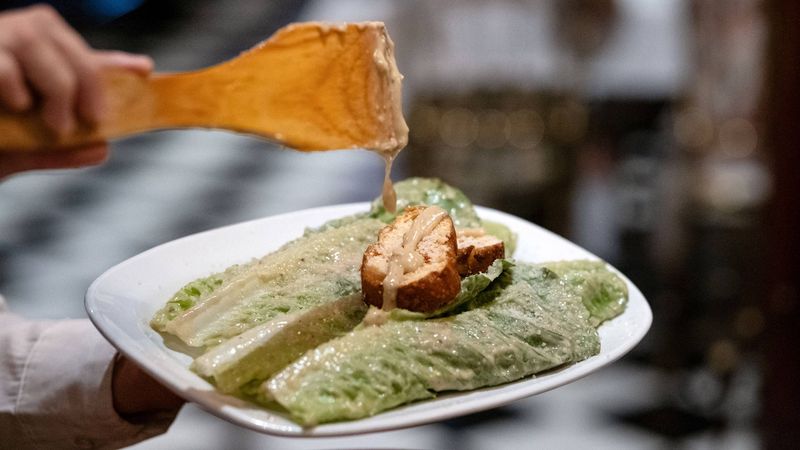
Picture a busy Fourth of July weekend in 1924. Italian-born chef Caesar Cardini was running low on supplies at his restaurant in Tijuana, Mexico.
He tossed together romaine, eggs, parmesan, garlic, and croutons, then served it with flair right at the table. Hollywood stars crossing the border spread the word.
Fun twist: it has nothing to do with Julius Caesar. Mexico, not Rome, deserves the credit here.
4. Nachos
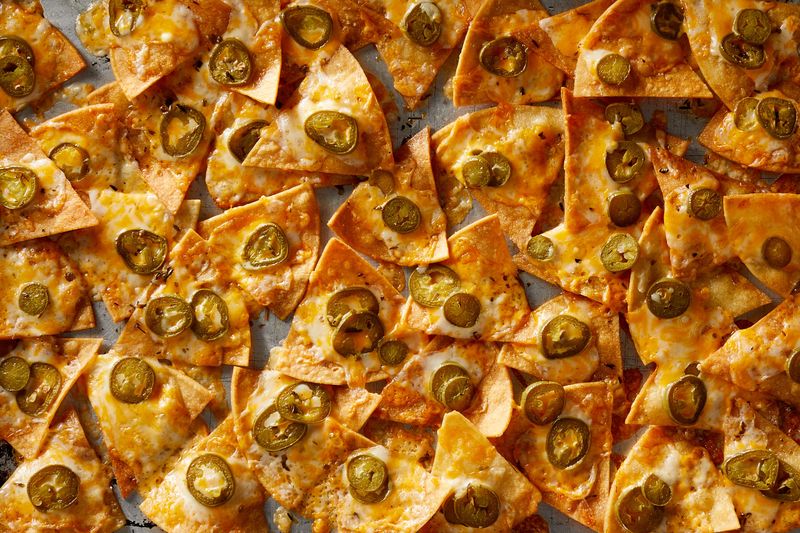
Hungry military wives walked into a restaurant in Piedras Negras, Mexico, in 1943 after the kitchen had closed. Maitre d’ Ignacio Anaya, nicknamed Nacho, grabbed what he could find.
He topped fried tortilla pieces with cheese and jalapenos, then called them Nacho’s Especiales.
The name stuck, and so did the snack. Quick thinking and kindness created a dish now loved at stadiums and movie theaters everywhere.
5. Croissants
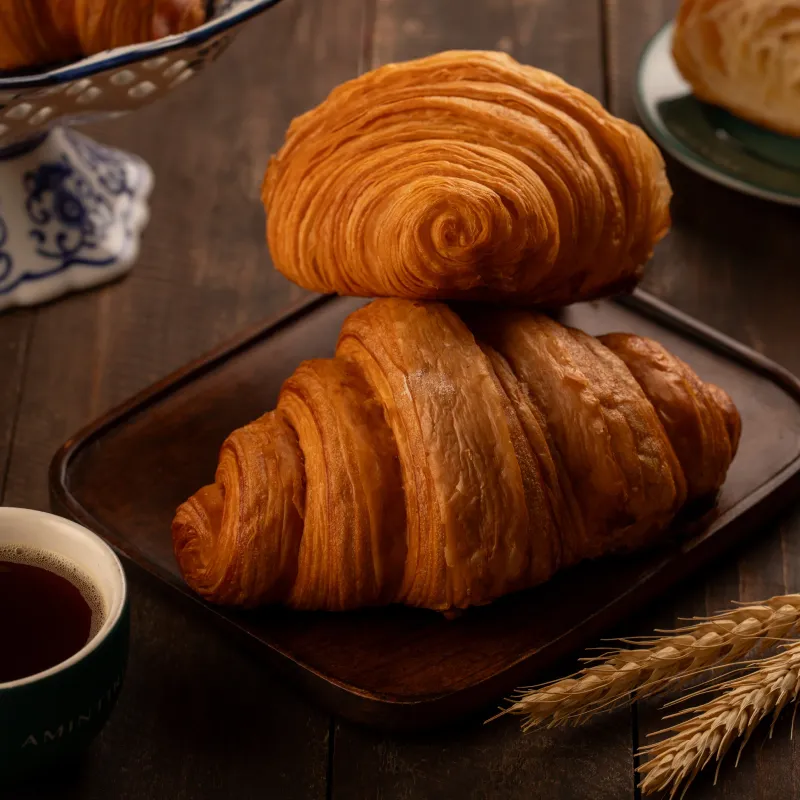
French as the Eiffel Tower, right? Not exactly.
The croissant grew from the Austrian kipferl, a crescent-shaped bread baked in Vienna for centuries.
An Austrian named August Zang opened a Viennese bakery in Paris around 1838. French bakers loved his pastries and added buttery, flaky layers of dough.
So when you enjoy one with breakfast, you are really tasting a delicious friendship between Austria and France.
6. Chicken Tikka Masala
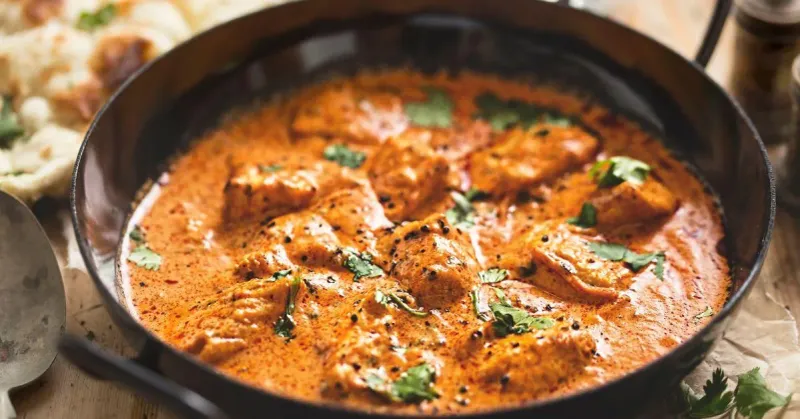
Many people believe this creamy curry came straight from India. One popular story points to Glasgow, Scotland, instead.
In the 1970s, a customer reportedly complained his chicken tikka was too dry. Chef Ali Ahmed Aslam quickly stirred up a sauce using tomato soup, cream, and spices.
Whether fully true or not, the dish became a British favorite. It shows how food changes when cultures meet and mix together.
7. Ketchup
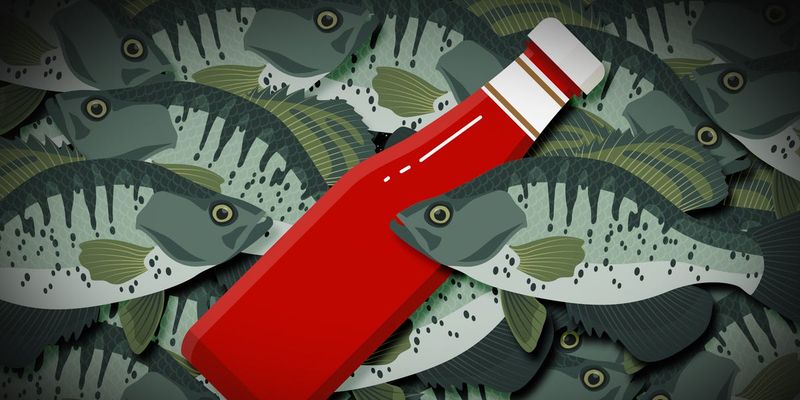
Believe it or not, early ketchup had zero tomatoes. The word likely comes from ke-tsiap, a fermented fish sauce from southern China and Southeast Asia.
British sailors brought it home and experimented with mushrooms, walnuts, and even oysters. Americans added tomatoes in the early 1800s.
Henry Heinz later made the sweet version famous. Try telling your family at dinner that ketchup started out as fish sauce and watch their faces.
8. Pizza Margherita
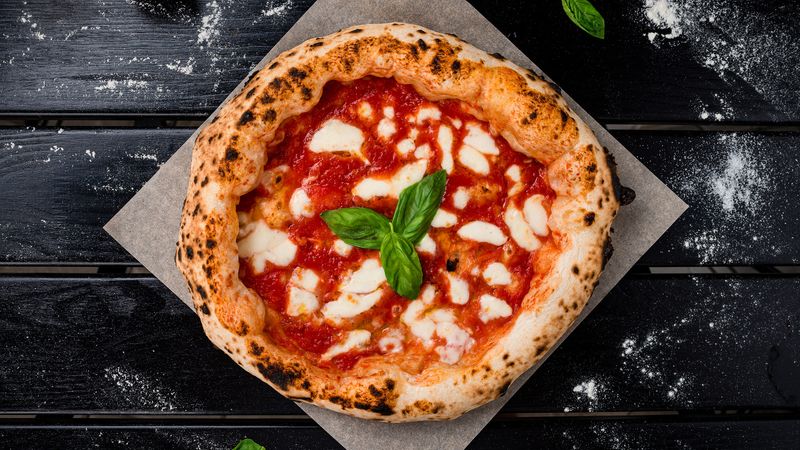
Red, white, and green on one pie. In 1889, pizza maker Raffaele Esposito wanted to impress Queen Margherita of Italy during her visit to Naples.
He topped dough with tomatoes, mozzarella, and basil to match the colors of the Italian flag. The queen reportedly loved it, and he named it after her.
Before then, pizza was mostly street food for poor workers. One royal bite changed its reputation forever.
9. Sandwich
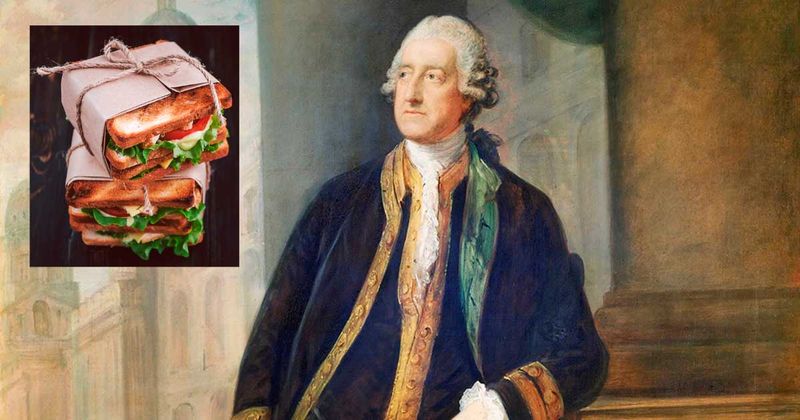
Gaming without breaks is not a new habit. John Montagu, the Fourth Earl of Sandwich, supposedly asked for meat tucked between bread slices in the 1700s.
That way he could keep playing cards without greasy fingers. Friends started ordering the same as Sandwich.
People ate bread with fillings long before him, of course. Still, his title became the name for one of the most popular lunches on the planet.
10. Chocolate Chip Cookies
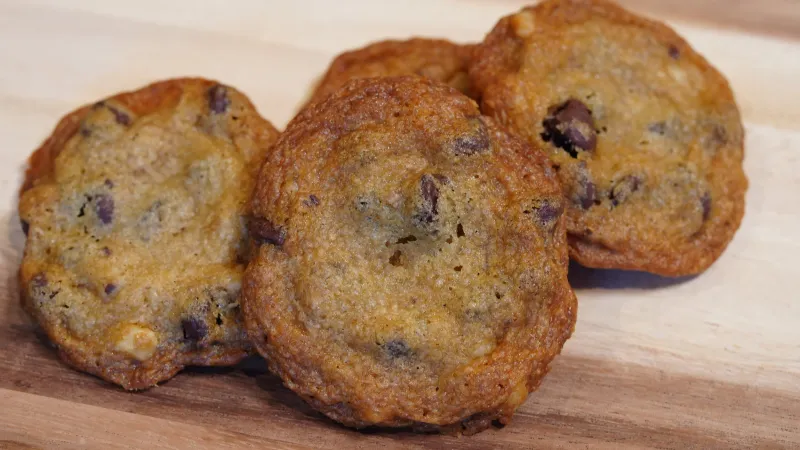
Ruth Wakefield ran the Toll House Inn in Massachusetts during the 1930s. She chopped up a Nestle chocolate bar and mixed the pieces into her cookie dough.
Some say she expected the chocolate to melt, but it stayed in chunks. Guests went crazy for them.
Nestle later printed her recipe on its packages, reportedly paying her with a lifetime of free chocolate. Not a bad deal at all!
11. Popsicles
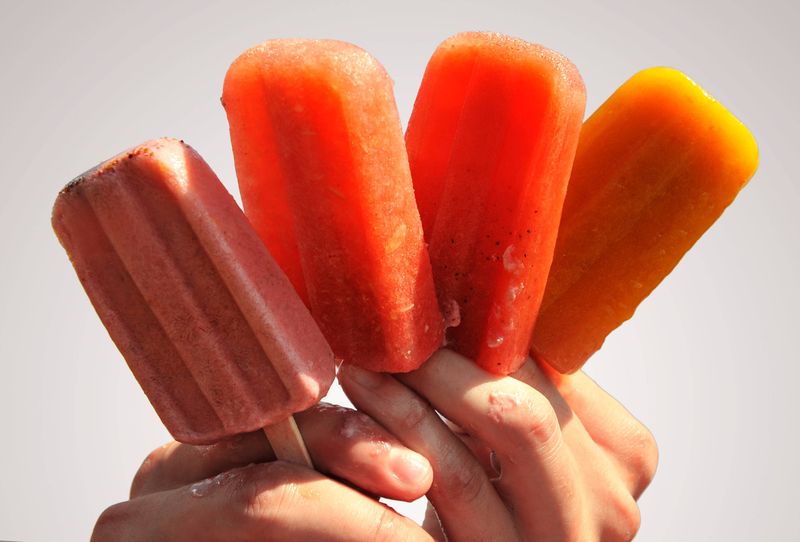
An eleven-year-old invented one of summer’s best treats. In 1905, Frank Epperson left a cup of soda with a stirring stick outside on a cold San Francisco night.
By morning, it had frozen solid. He called it the Epsicle and later renamed it Popsicle after his kids called it Pop’s sicle.
Kids, take note. Your next mistake might turn into something the whole world enjoys.
12. Bagels
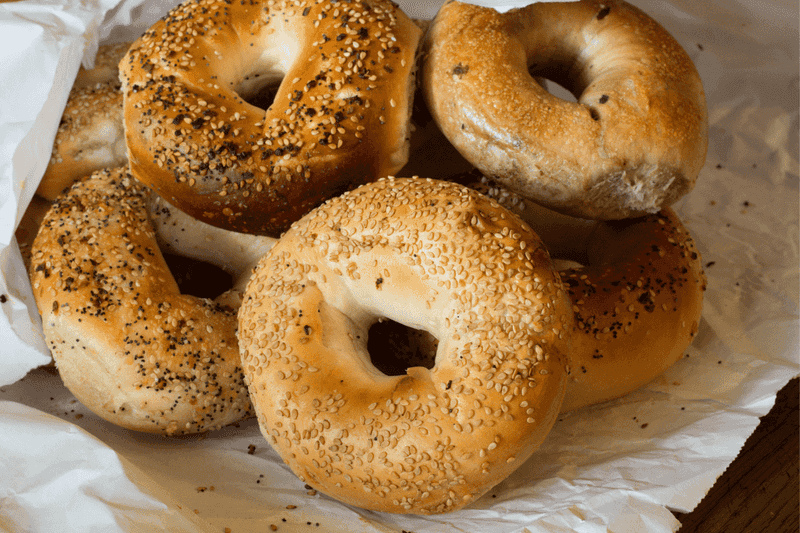
Long before New York delis, bagels rolled out of Krakow, Poland. Records from 1610 mention them as gifts for women who had just given birth.
Jewish bakers perfected the method of boiling dough before baking, which gives bagels their chewy bite and shiny crust.
Immigrants carried the recipe to America in the late 1800s. Now cream cheese toppings get the spotlight, but the history runs centuries deep.
13. Hamburgers
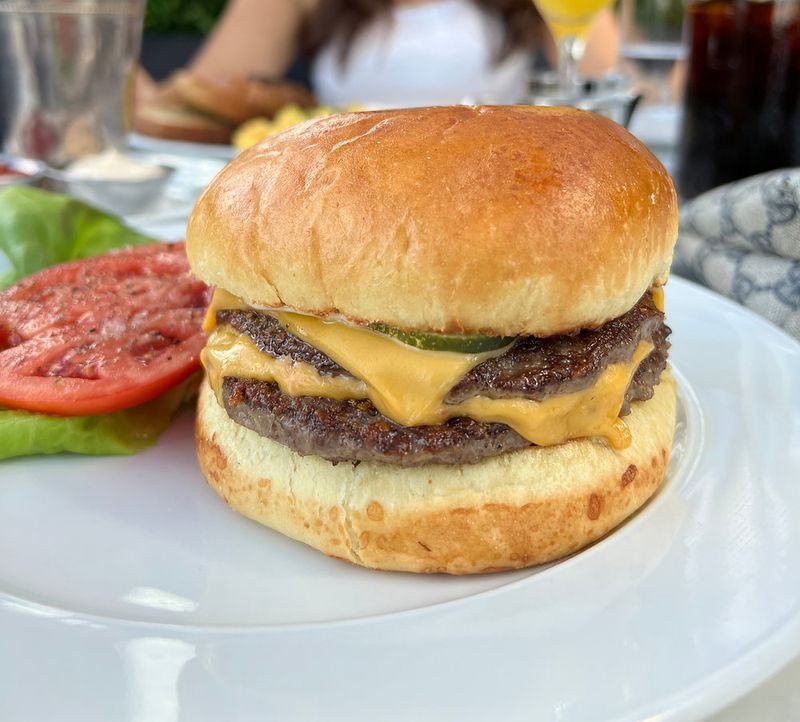
Hamburg, Germany gave its name to this American favorite. Sailors and immigrants from that port brought minced beef steaks to the United States in the 1800s.
Who first put the patty in a bun? Several towns claim the honor, from Wisconsin to Texas to Connecticut.
Nobody fully agrees, which makes the burger a delicious mystery. Pick your favorite story and enjoy your cheeseburger while the debate continues.
14. French Fries
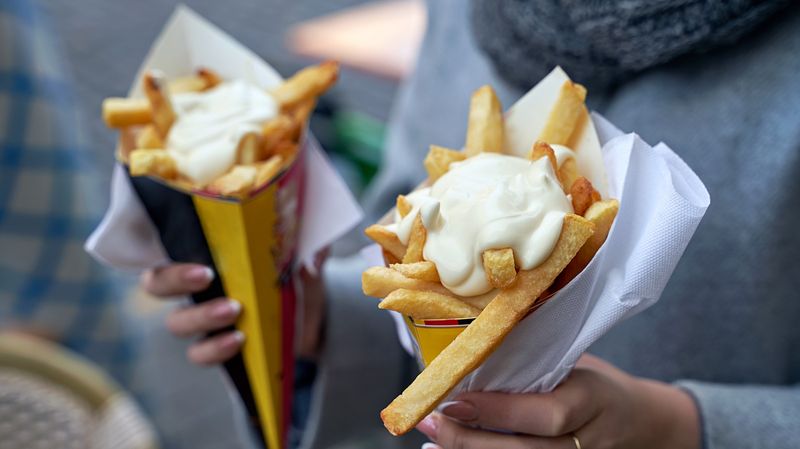
Belgians will happily tell you fries are not French. A popular story claims villagers along the Meuse River fried potatoes when rivers froze and fish were scarce.
American soldiers in World War I tasted them in Belgium. Since locals spoke French, the soldiers called them French fries.
Belgium even has a fry museum in Bruges. Try them the Belgian way, dipped in mayonnaise instead of ketchup.
15. Tempura
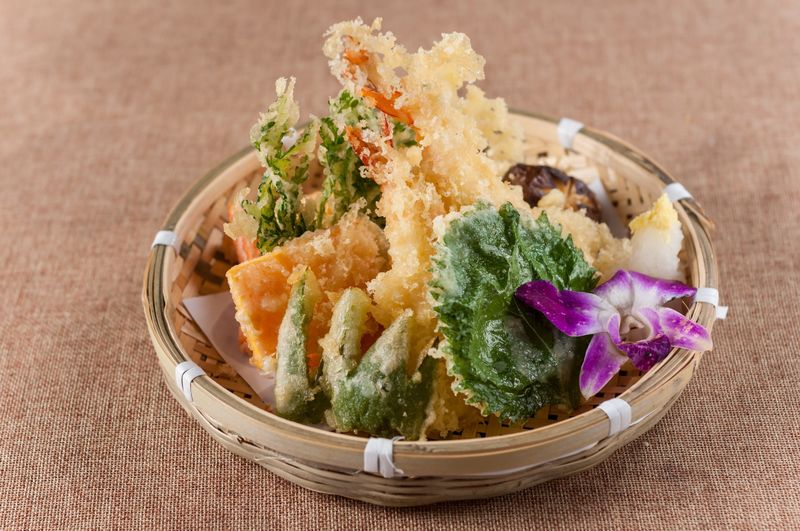
Crispy, light, and very Japanese, yet tempura actually began with Portuguese visitors. Missionaries arriving in Japan during the 1500s fried vegetables in batter.
They often ate this during religious times called Quattuor Tempora, when meat was avoided. The word tempura likely came from that Latin phrase.
Japanese cooks made the batter thinner and lighter. A foreign idea turned into one of Japan’s most loved dishes.
16. Pretzels
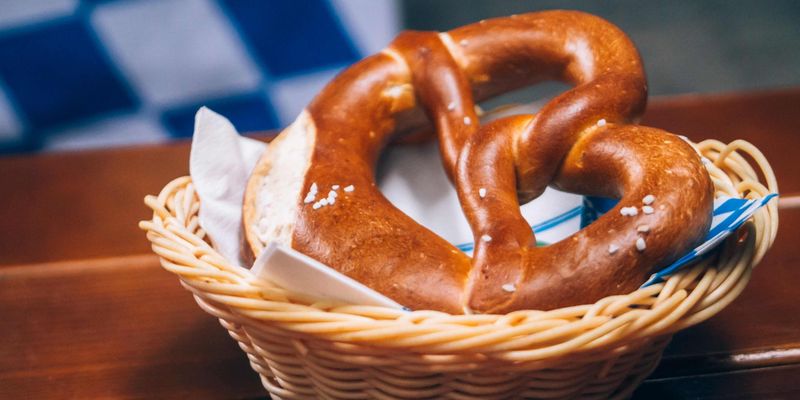
Look closely at a pretzel. Its twisted loops supposedly mimic arms crossed in prayer, an idea credited to European monks around the 600s.
They reportedly handed them to children who learned their prayers as a sweet reward.
Later, pretzels became symbols of good luck and even marriage, giving us the phrase tying the knot. That salty snack carries a surprisingly thoughtful meaning.
17. Crepes Suzette
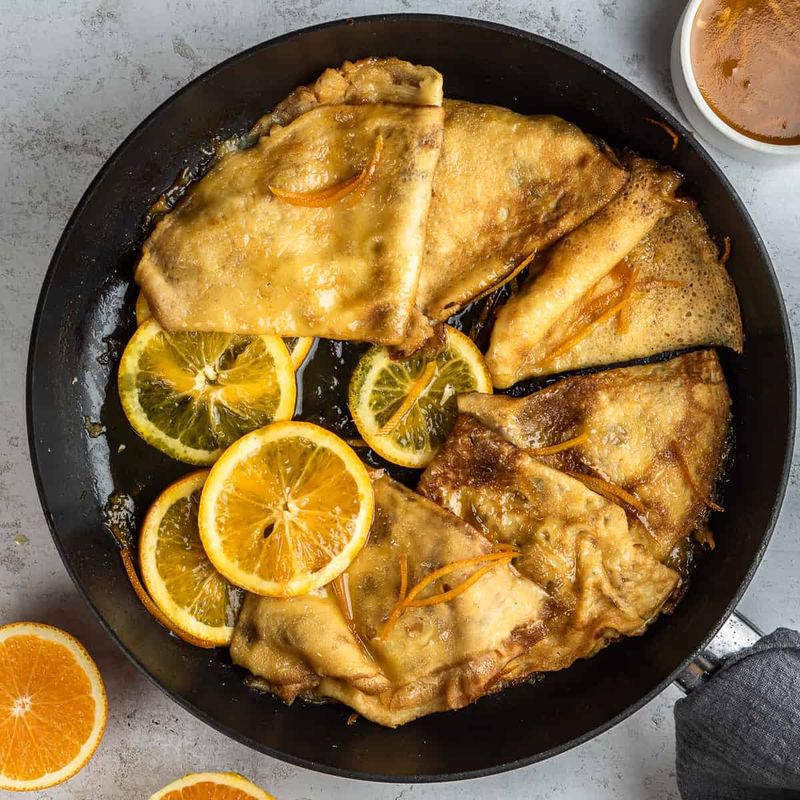
Oops moments can taste amazing. According to legend, a teenage waiter named Henri Charpentier accidentally set a pan of crepes and orange liqueur on fire in 1895.
He was serving the Prince of Wales in Monte Carlo. Instead of panicking, he served it anyway.
The prince adored it and named it after a young girl at the table, Suzette. Mistakes sometimes come out brilliantly golden.
18. Peanut Butter
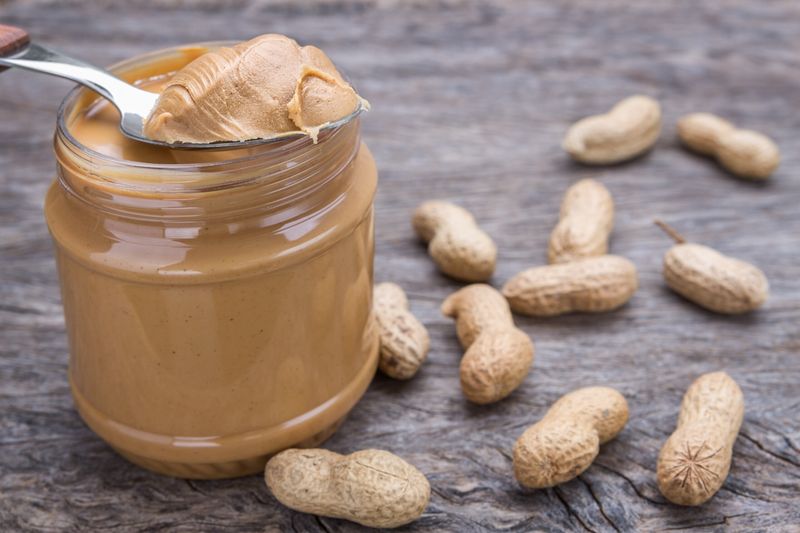
Ancient Incas and Aztecs ground peanuts into paste long ago. The modern version, however, gained fame as health food.
Dr. John Harvey Kellogg, of cereal fame, patented a process in 1895 to make a protein spread for patients who had trouble chewing.
It debuted to the public at the 1904 St. Louis World’s Fair. From hospital food to lunchbox hero, peanut butter has come a long way.
19. Spaghetti and Meatballs
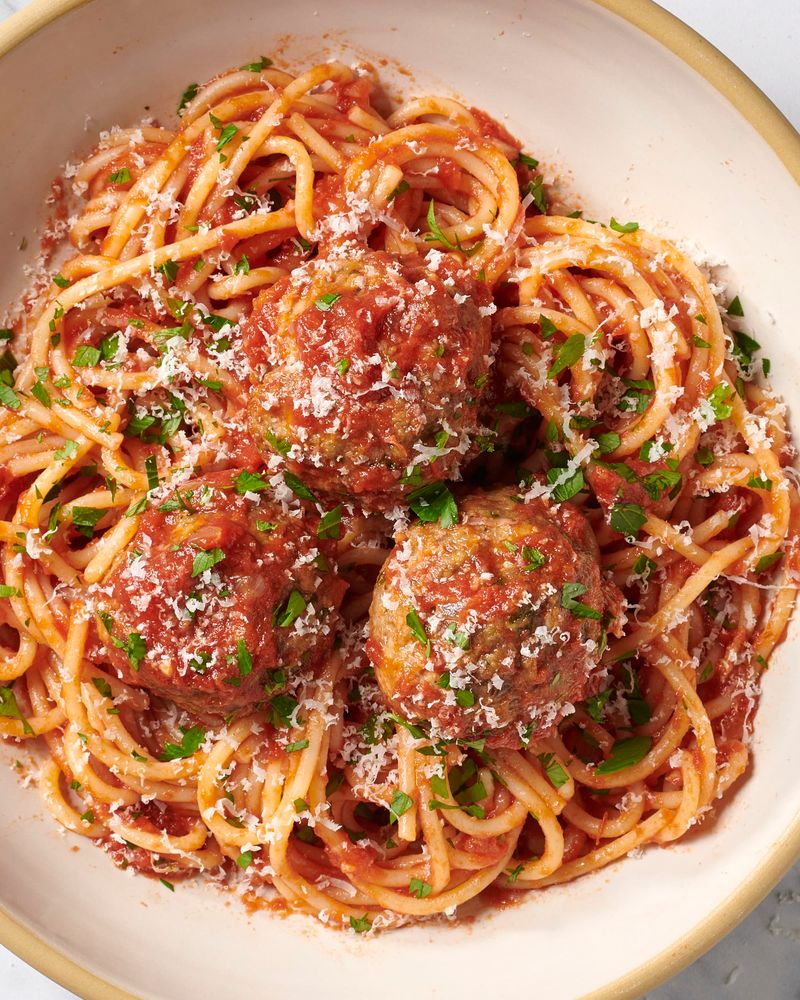
Order this in Italy and you might get confused looks. Spaghetti and meatballs is really an Italian-American creation.
Immigrants arriving in the early 1900s found meat far cheaper in America than back home. They made meatballs bigger and served them with pasta and tomato sauce.
In Italy, small meatballs are usually eaten alone. Your favorite comfort meal celebrates new beginnings and plenty on the table.
20. Sushi
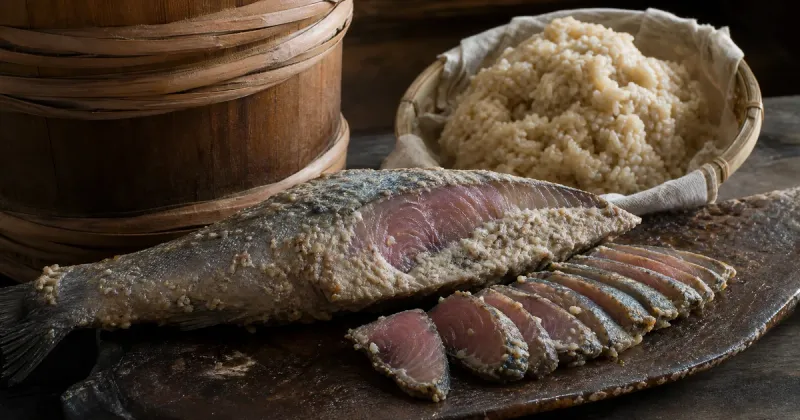
Original sushi tasted nothing like your California roll. Centuries ago in Southeast Asia and Japan, people packed fish in rice to ferment and preserve it.
The rice was thrown away. Over time, folks began eating both together, and vinegar sped up the process.
Fast nigiri sushi showed up as street food in 1820s Tokyo. What began as a storage trick became an art form loved worldwide.
21. Carrots Turned Orange
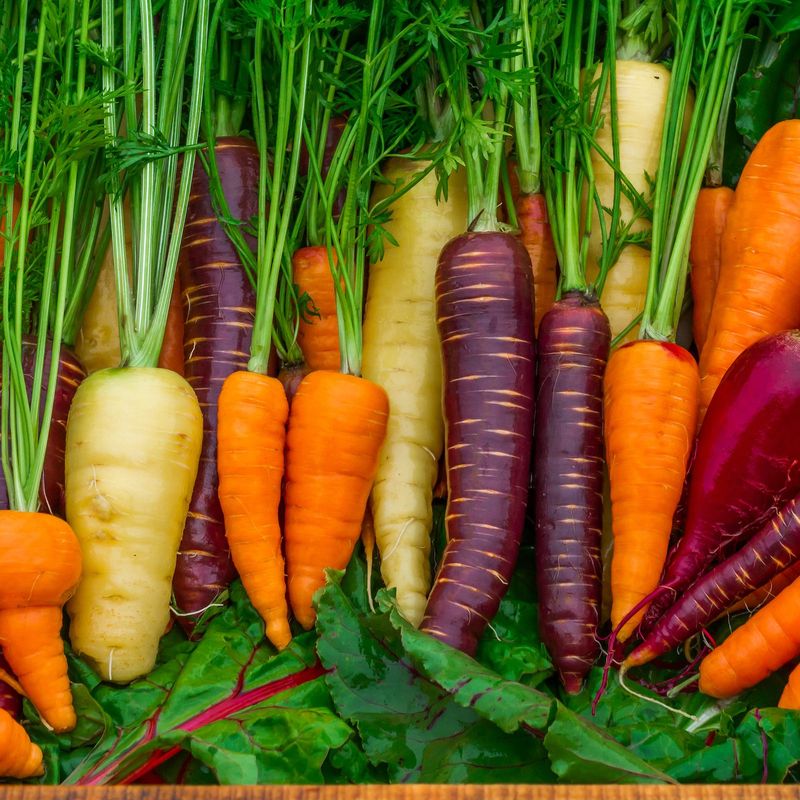
Ever seen a purple carrot? That color was once normal.
Early carrots from Afghanistan were purple or yellow.
Dutch farmers in the 1600s grew orange varieties that became very popular. Some people link this to honoring William of Orange, though historians think it was mostly about taste.
Either way, orange took over. Look for rainbow carrots at farmers markets to taste a little vegetable history.
22. Hot Dogs
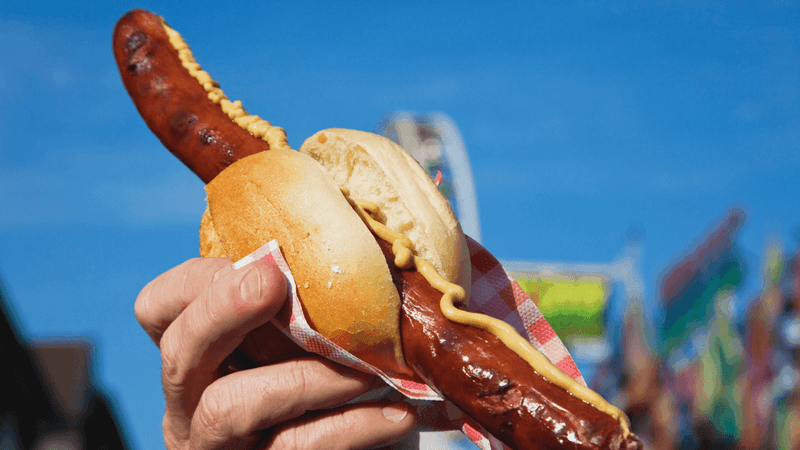
Frankfurt and Vienna both claim the sausage, giving us names like frankfurter and wiener. German immigrants sold them in America during the 1800s.
Charles Feltman started selling sausages in buns at Coney Island around 1870. Later, Nathan’s Famous made them a beach-day classic.
The name hot dog may come from jokes about dachshund sausages. Silly or not, the nickname stuck like mustard on a bun.
23. Ice Cream Cones
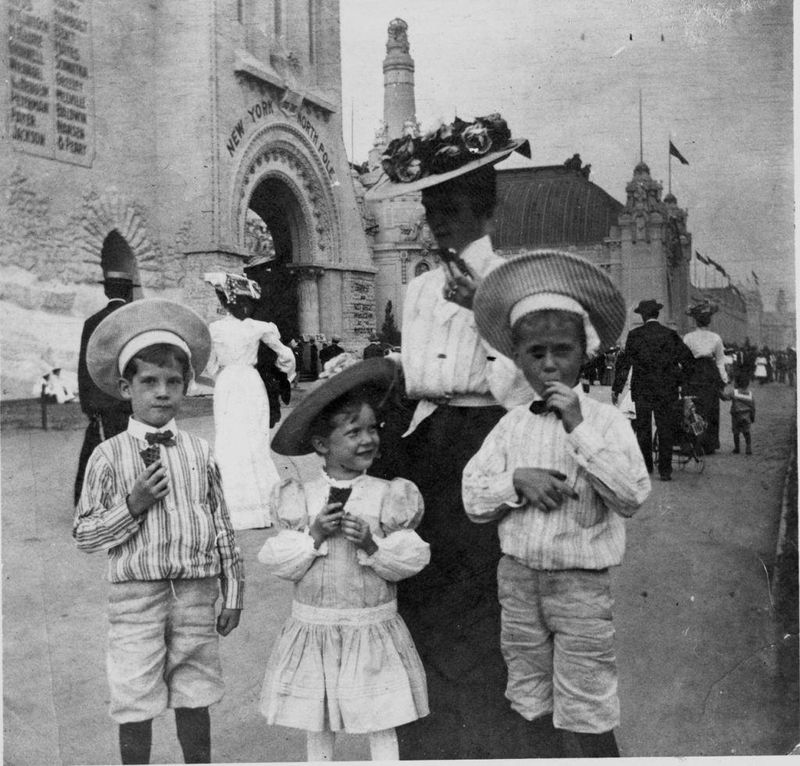
Teamwork made the cone famous. At the 1904 St. Louis World’s Fair, a popular story says an ice cream seller ran out of dishes.
A nearby vendor named Ernest Hamwi was making thin waffle pastries. He rolled one into a cone, and customers had a new edible bowl.
Others claimed the idea too. Still, that hot summer fair helped make cones a treat no one wants to waste.