
Michael Caine has played sharp spies, tough criminals, caring mentors, and even a man surrounded by singing puppets. His films have shaped British screen style and reached viewers across several generations.
This ranking weighs lasting fame, influence, and public memory rather than awards alone. The Dark Knight represents his wider Batman legacy, keeping every entry focused on one film.
1. Alfie (1966): Charm With a Cost
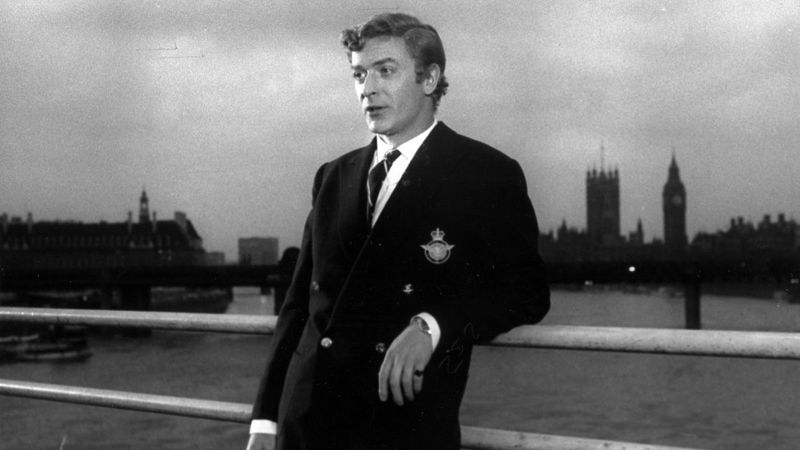
A smile can hide plenty, and Caine makes that clear as a London womanizer who treats romance like a game. Speaking directly to viewers, he draws us close before revealing the damage behind his easy charm.
The role brought his first Oscar nomination and helped make him an international star. Watch how his confidence shifts when consequences arrive.
Its mix of style, class, and uncomfortable honesty captures a changing Britain without making its hero admirable.
2. Get Carter (1971): British Crime Turns Brutal
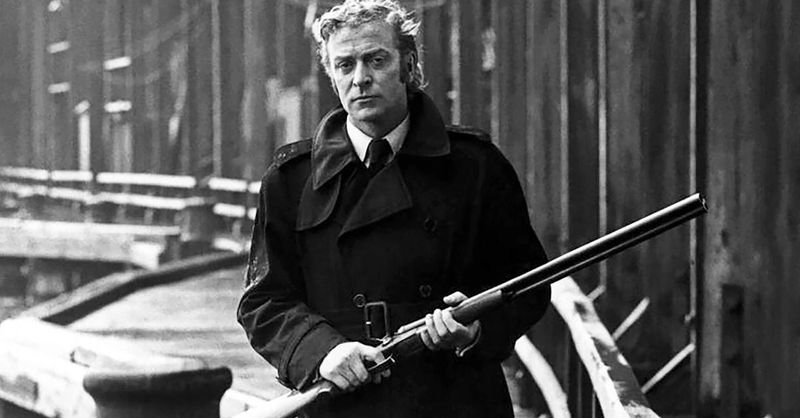
Forget the lovable rogue. Jack Carter returns to Newcastle after his brother’s death, bringing a cold stare and a frightening willingness to hurt people.
Caine strips away the comfort audiences often expect from a leading man.
The film became a landmark of British crime cinema, admired for its harsh mood and northern locations. Notice how ordinary streets make the violence feel closer.
Its reputation rests on refusing to turn revenge into a clean, cheerful victory.
3. The Ipcress File (1965): A Spy Who Feels Real
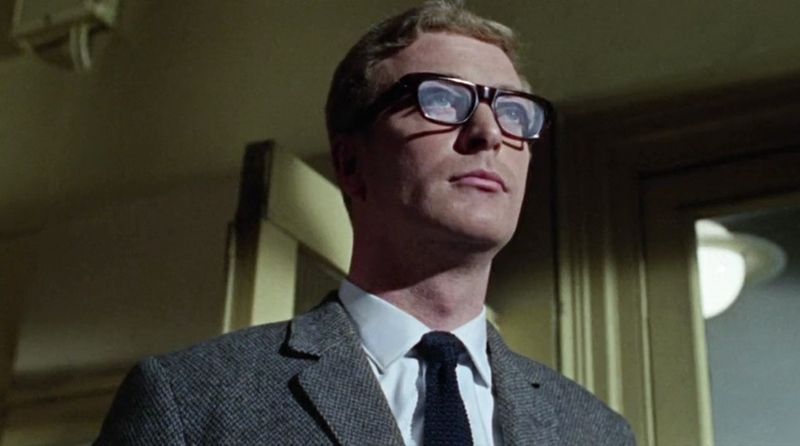
Thick glasses and dry humor gave movie spying a different face. As Harry Palmer, Caine offered a grounded alternative to James Bond, with less glamour and more irritation at the people giving him orders.
That working class edge mattered in a Britain whose old social rules were shifting. The film helped establish Caine’s cool screen identity.
Compare Palmer’s daily frustrations with flashier spy adventures, and the appeal becomes clear: intelligence can look ordinary, skeptical, practical.
4. Zulu (1964): A Breakthrough Worth Reexamining
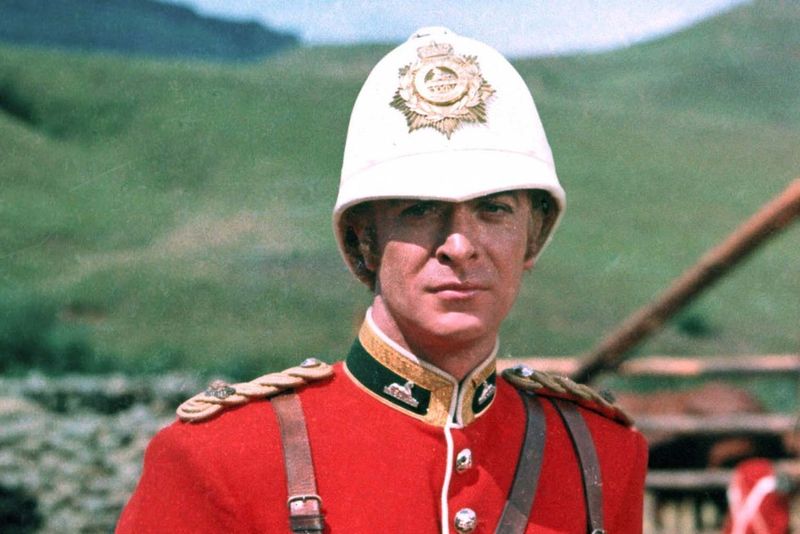
Before the famous glasses and gangster suits, a red military uniform helped introduce Caine to a wide audience. Playing Lieutenant Gonville Bromhead, he projected upper class confidence quite unlike his own London background.
The siege drama became a familiar British screen spectacle and an important early breakthrough. Modern viewing also calls for care around its colonial viewpoint.
Look beyond the stirring action to consider whose experiences receive attention, and whose remain less fully explored on screen.
5. The Italian Job (1969): Minis Make Movie History
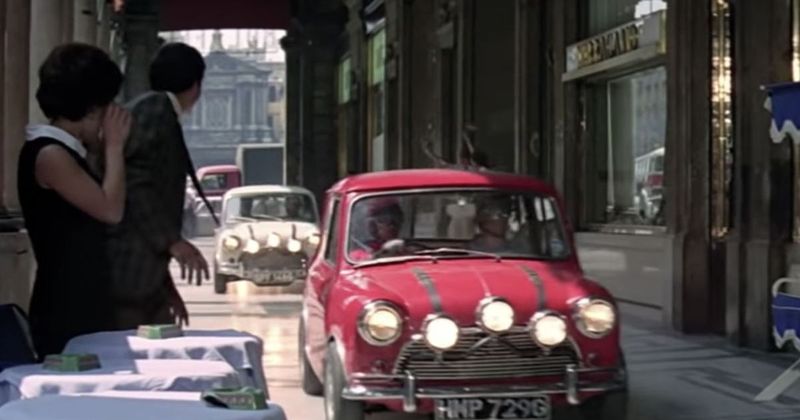
Small cars rarely leave such a large mark. The Mini Cooper chase through Turin helped turn a breezy gold robbery into a lasting symbol of British screen cool, with Caine’s Charlie Croker directing the mischief.
Its famous lines, playful music, and daring ending kept the film alive far beyond its release. A later remake widened recognition further.
Watch for the balance between careful planning and comic chaos, rather than expecting a completely sensible crime lesson.
6. The Dark Knight (2008): Alfred Anchors a New Era
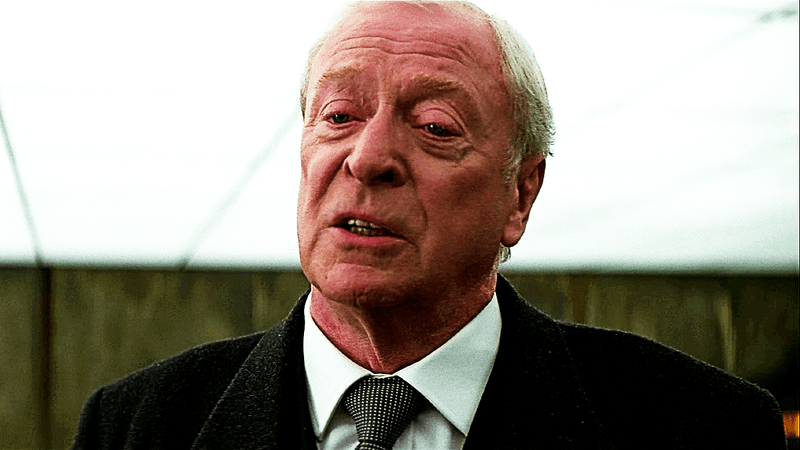
Behind Batman’s armor stands someone willing to tell him difficult truths. Caine’s Alfred brings warmth, worry, and dry wit to Christopher Nolan’s superhero world, making enormous stakes feel personal rather than merely spectacular.
Across the trilogy, the role introduced him to younger audiences. Here, his exchanges with Bruce Wayne ground a film that helped reshape expectations for comic book movies.
Pay attention to his quiet delivery: support sometimes means challenging someone, not simply agreeing with them.
7. Inception (2010): A Familiar Face in a Strange World
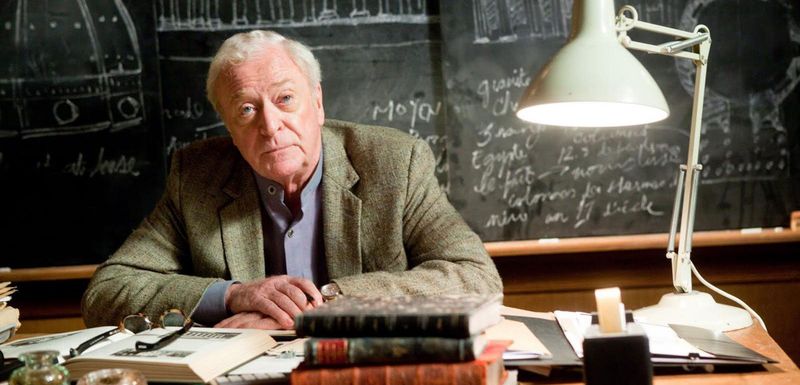
Dreams fold cities and scramble reality, but a familiar voice offers solid ground. In a small role as Professor Miles, Caine gives Nolan’s twisting thriller a welcome touch of everyday warmth and authority.
The film’s dream layers and debated ending became major talking points in popular culture. His contribution is brief, so this ranking reflects the movie’s reach more than his screen time.
Notice how an experienced performer can make a complicated story feel more human.
8. Educating Rita (1983): Learning Goes Both Ways
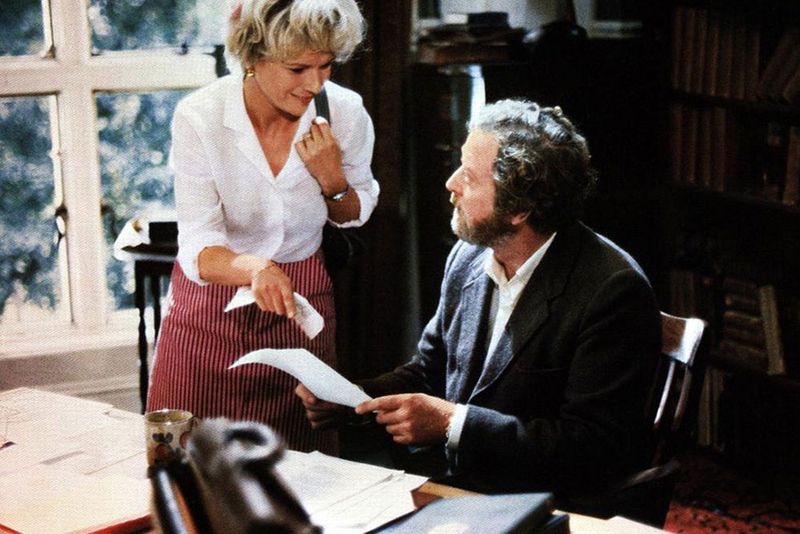
A classroom becomes a meeting place for two people who need change. Caine plays Frank, a tired literature tutor whose new student brings questions, ambition, and energy into his comfortable but unhappy routine.
Adapted from Willy Russell’s play, the film made education and class feel personal, funny, and approachable. Caine won a BAFTA for his performance.
Watch the changing balance between teacher and student: gaining knowledge does not mean giving up your voice or background entirely.
9. The Cider House Rules (1999): A Mentor With Difficult Choices
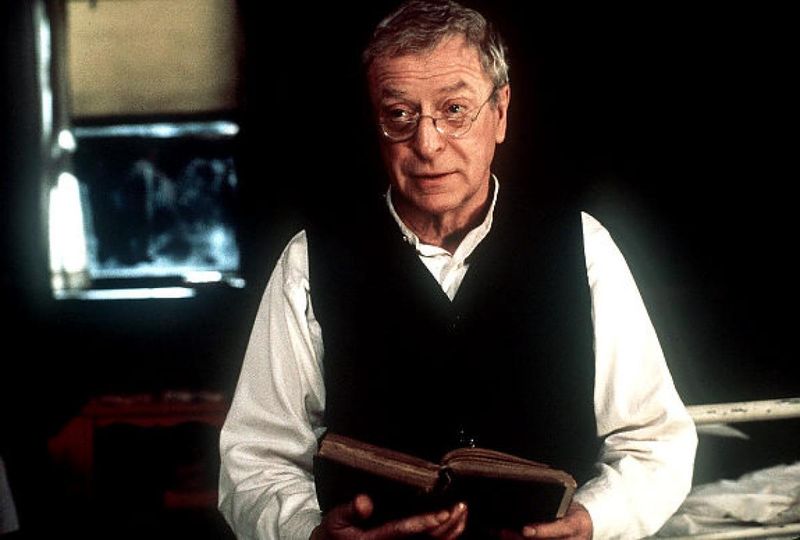
Kindness gets complicated when rules and real lives collide. As Dr. Wilbur Larch, Caine plays a doctor at a Maine orphanage whose care for others exists alongside difficult choices and deeply personal flaws.
The performance earned his second supporting actor Oscar and strengthened his later reputation for thoughtful mentor roles. Because the story includes abortion and addiction, expect serious themes beneath its gentle surface.
Consider how the film separates obeying a rule from helping another person.
10. Hannah and Her Sisters (1986): Trouble Behind Good Manners
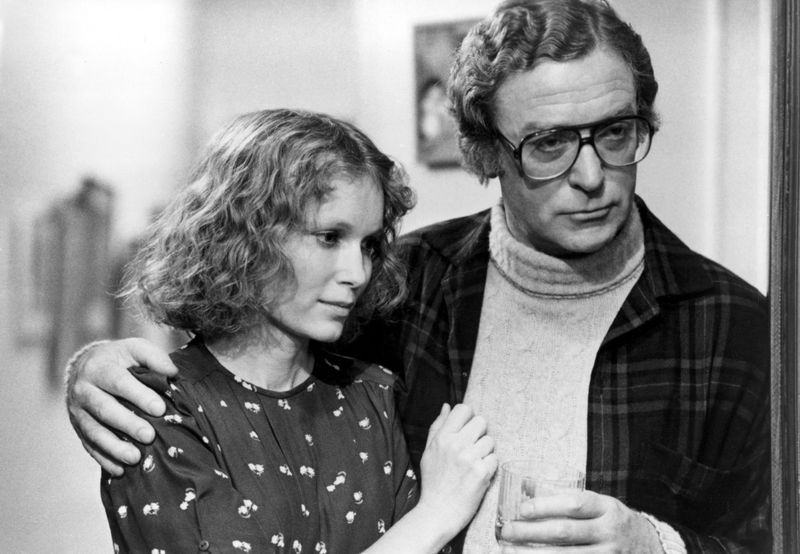
Family gatherings can hide feelings nobody wants to admit. Playing Elliot, a married man drawn to his wife’s sister, Caine makes selfish behavior seem painfully believable without asking viewers to excuse it.
His first supporting actor Oscar recognized a performance that stands out within a busy ensemble. The film remains a notable example of adult relationship comedy and drama.
Listen for the gap between polite conversation and private desire, where much of its uncomfortable humor lives.
11. The Muppet Christmas Carol (1992): Scrooge Plays It Straight
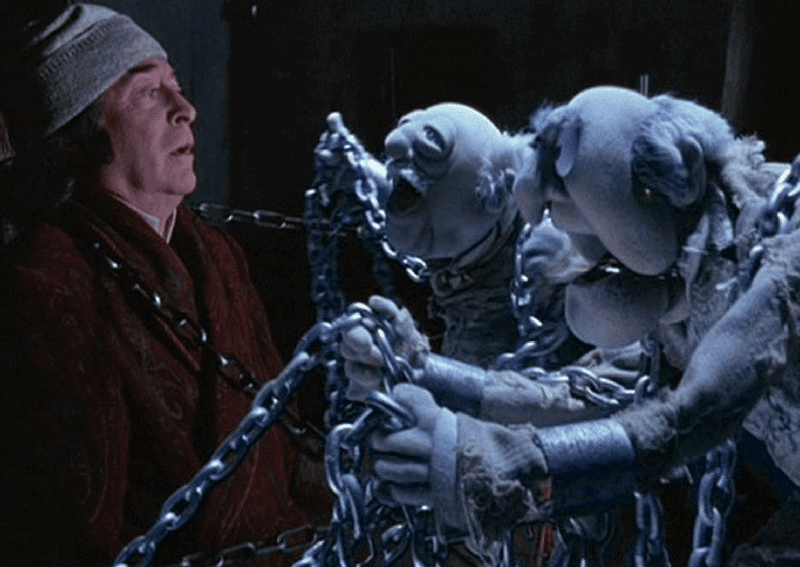
Surrounded by felt faces, Caine never treats Scrooge as a joke. His stern manner and honest sadness give the songs and puppet comedy a human center, making the eventual change feel earned.
For many families, repeated holiday viewing has made this one of his most familiar performances. Its cultural strength comes from tradition as much as acclaim.
Revisit the quieter scenes between laughs to see why taking a playful story seriously can make it more moving.
12. Children of Men (2006): Warmth at the World’s Edge
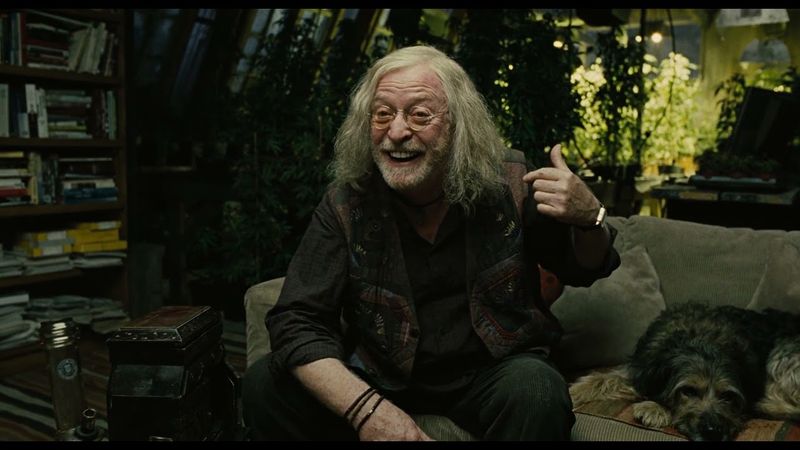
A little laughter can feel rebellious in a world losing hope. Caine’s Jasper, an aging free spirit living away from the chaos, offers friendship and relief in a future where humans can no longer reproduce.
The film’s reputation has grown through its urgent themes and striking filmmaking. Jasper matters because he protects a sense of humanity rather than chasing power.
Watch how humor changes the mood without erasing danger, giving viewers room to breathe before events darken.
13. The Quiet American (2002): Silence Carries the Weight

Some of Caine’s strongest acting happens when he barely raises his voice. As British journalist Thomas Fowler in Vietnam, he reveals jealousy, doubt, and moral weakness through small pauses and guarded looks.
Based on Graham Greene’s novel, the film connects a personal triangle with the dangers of foreign interference. It earned Caine another Oscar nomination.
Follow what Fowler avoids admitting as closely as what he says; the story asks whether staying detached is ever truly possible.
14. The Man Who Would Be King (1975): Adventure Meets Arrogance
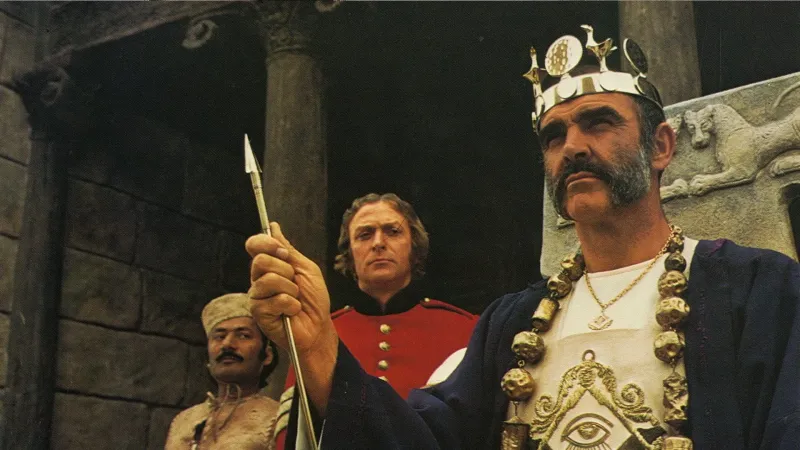
Two charming schemers mistake opportunity for destiny, and trouble grows from there. Paired with Sean Connery, Caine brings lively energy to John Huston’s adventure about former soldiers seeking wealth and power beyond British India.
The film endures through its central partnership and its warning about unchecked ambition. Under the excitement lies a sharp look at imperial pride.
Enjoy the banter, but notice how quickly confidence becomes entitlement when the men believe they deserve to rule others.
15. Dirty Rotten Scoundrels (1988): Manners Become a Weapon
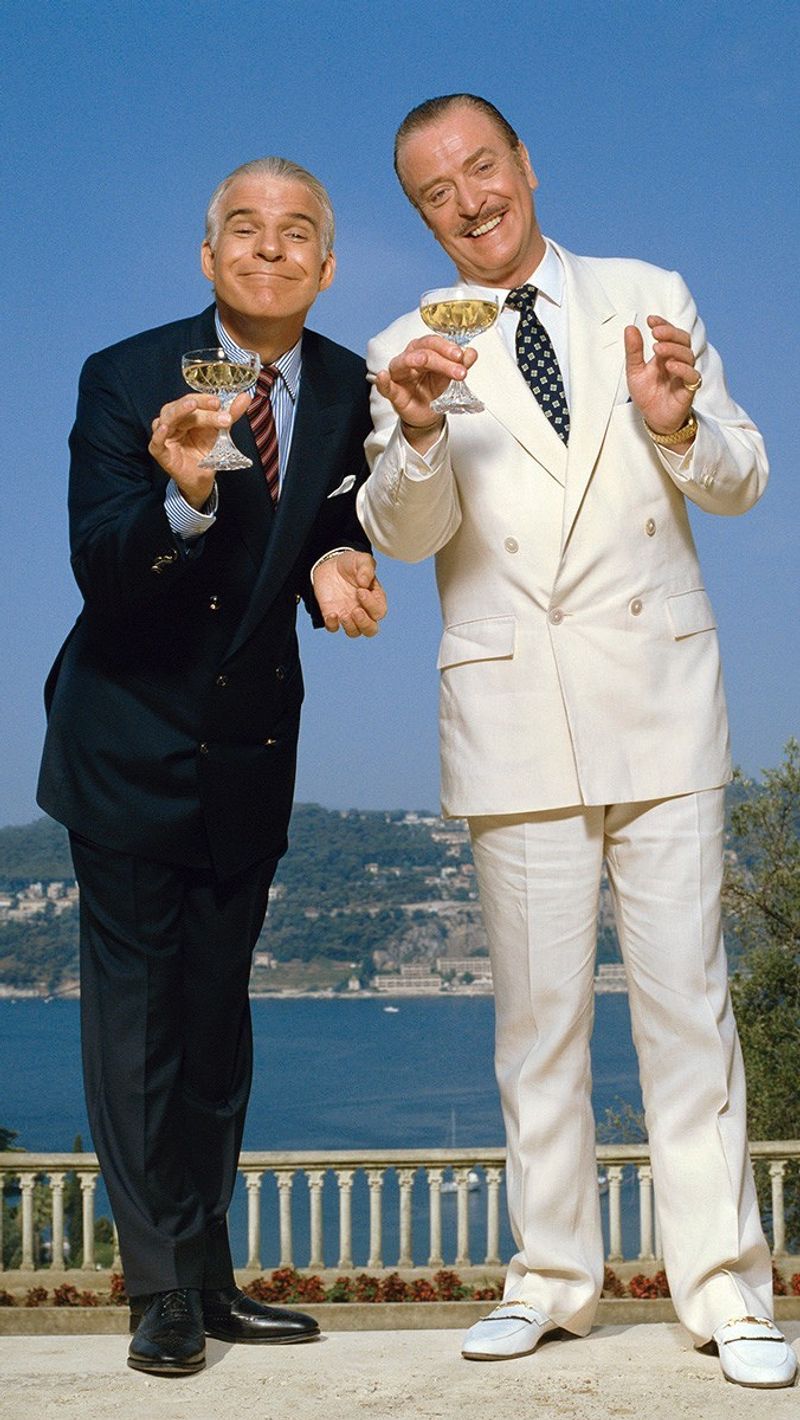
Perfect manners make an excellent disguise for bad intentions. Caine’s polished con artist faces Steve Martin’s louder rival on the French Riviera, turning elegant hotels and wealthy targets into a playground for comic deception.
The contrast between their styles gives the film its lasting appeal, while later stage and screen versions show the story’s durability. Watch Caine’s timing rather than just the biggest jokes.
A patient glance or careful pause can deliver the sharpest laugh here.
16. Gambit (1966): The Perfect Plan Gets Playful
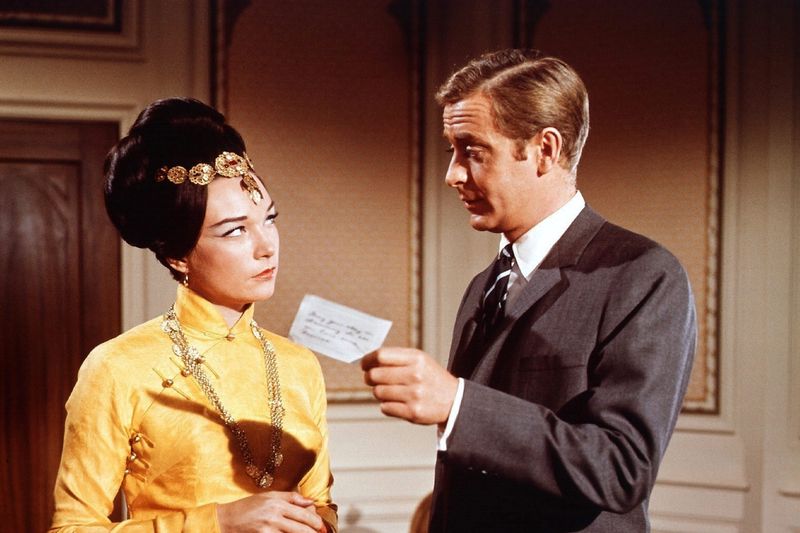
Planning a robbery is easier when everyone behaves exactly as imagined. Caine’s would be master thief discovers the problem with that assumption in a playful caper opposite Shirley MacLaine, where confidence meets unexpected complications.
Three Oscar nominations and a later remake help mark its place in his film history. Its cultural reach is smaller than the titles above, but its clever setup rewards attention.
Avoid detailed plot summaries beforehand, since discovering its tricks supplies much of the fun.