
A spoonful of peanut butter or a plate of eggs can feel scary to someone with a strong food fear. Unlike a simple dislike, a phobia can cause panic and make everyday meals hard.
The names below are often used to describe these fears, though many are informal labels rather than separate medical diagnoses. Understanding them can help us respond with kindness instead of jokes.
1. Lachanophobia: When Vegetables Feel Frightening
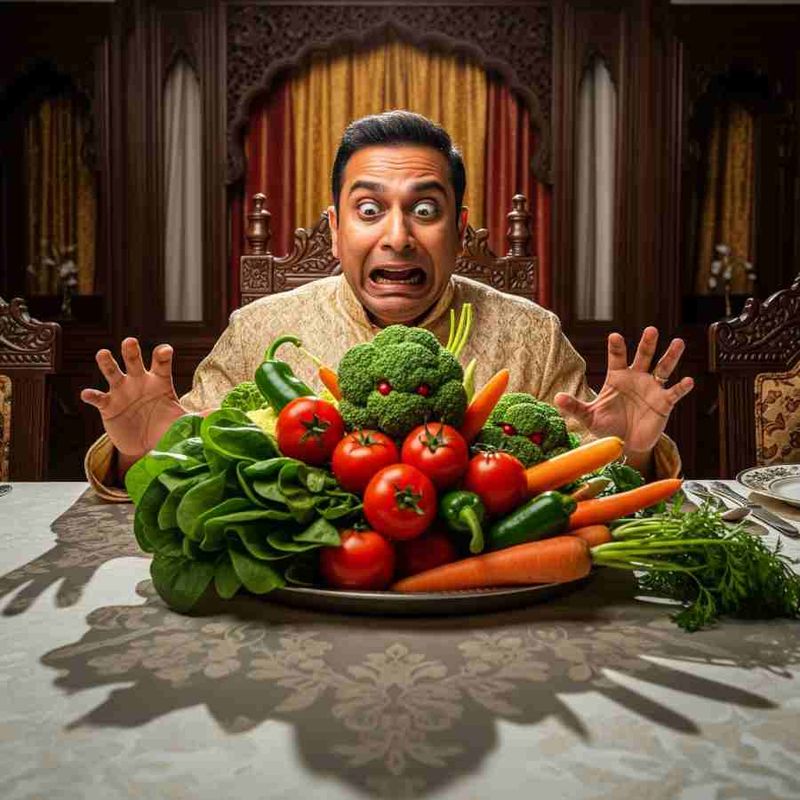
A broccoli floret might look harmless, but vegetables can trigger real distress for someone with lachanophobia. Their smell, appearance, or texture may bring on nausea, sweating, or a strong urge to leave the table.
That goes beyond wishing dinner had fewer peas. Avoid teasing or hiding vegetables in someone’s meal.
If fear limits their diet, a mental health professional and dietitian can help them work toward balanced eating without pressure, shame, or sudden unwanted surprises.
2. Acerophobia: More Than a Sour Face

Imagine worrying about a lemon wedge before it even reaches your lips. Acerophobia is a term used for fear of sourness, including sour foods and drinks.
Anticipating that sharp taste may feel deeply upsetting.
Disliking sour candy alone does not mean someone has a phobia. At shared meals, explain which dishes contain citrus or vinegar instead of offering surprise tastes.
Professional support may help when the fear starts controlling food choices or social plans regularly.
3. Arachibutyrophobia: The Sticky Peanut Butter Fear
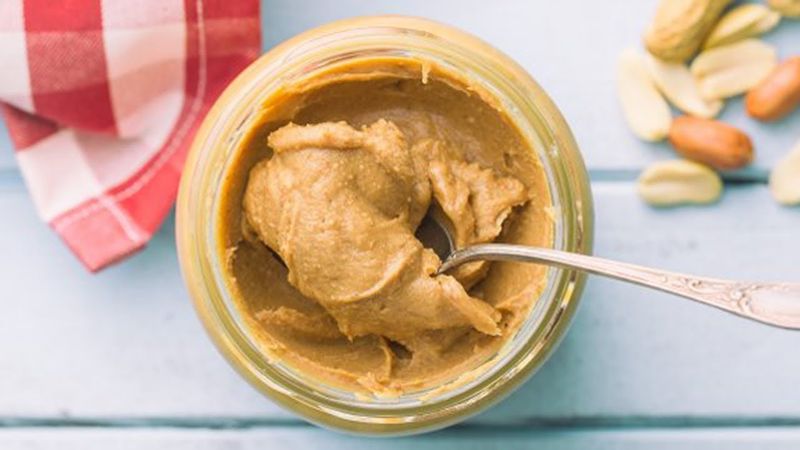
Sticky peanut butter has a surprisingly specific fear attached to it. Arachibutyrophobia describes fear of peanut butter sticking to the roof of the mouth, often linked to worries about choking rather than peanuts themselves.
A food allergy is different and needs its own medical precautions. Never challenge someone to swallow a spoonful as a joke.
If swallowing feels difficult, seek medical advice before assuming anxiety is the cause or trying food exposure exercises at home.
4. Carnophobia: Meat Becomes the Worry
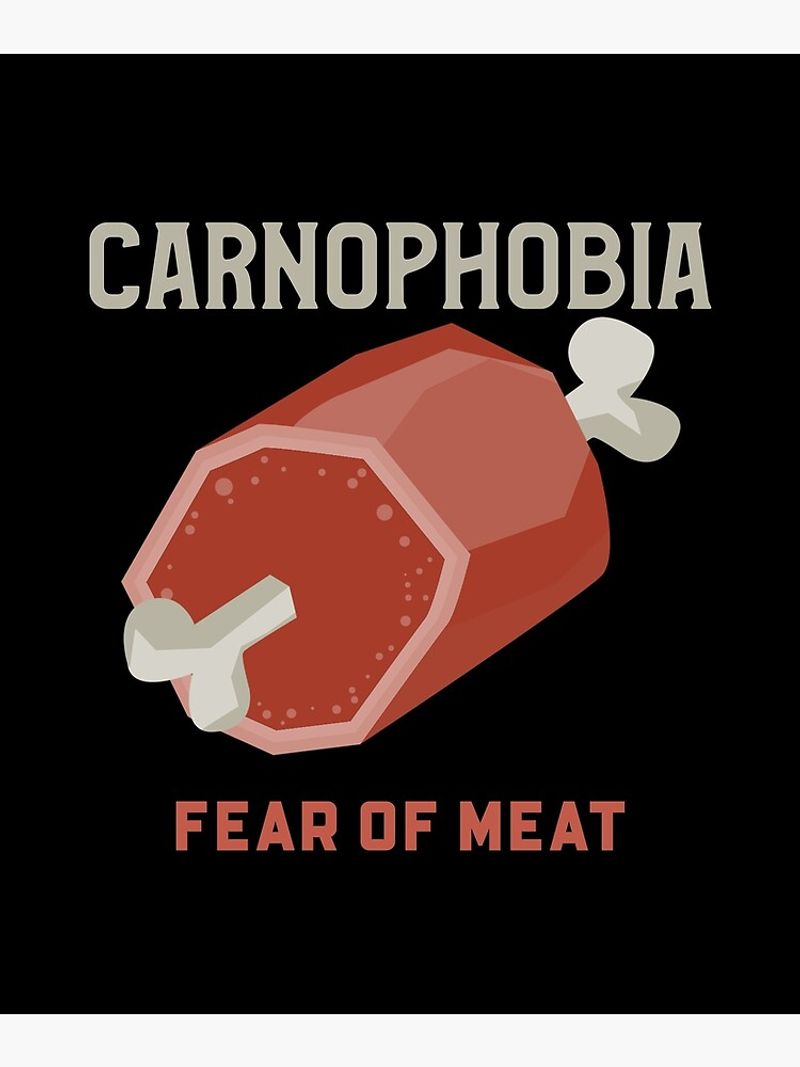
For some diners, a steak dinner brings dread instead of excitement. Carnophobia refers to fear of meat, which may involve seeing it, handling it, or eating it.
The exact trigger can differ between people.
Choosing a vegetarian diet for ethical, religious, or personal reasons is not a phobia. Fear becomes concerning when it causes distress or disrupts daily life.
Offer suitable alternatives, and seek nutrition guidance if avoiding meat leaves someone unsure about getting enough nutrients.
5. Ichthyophobia: Fish Can Spark Alarm
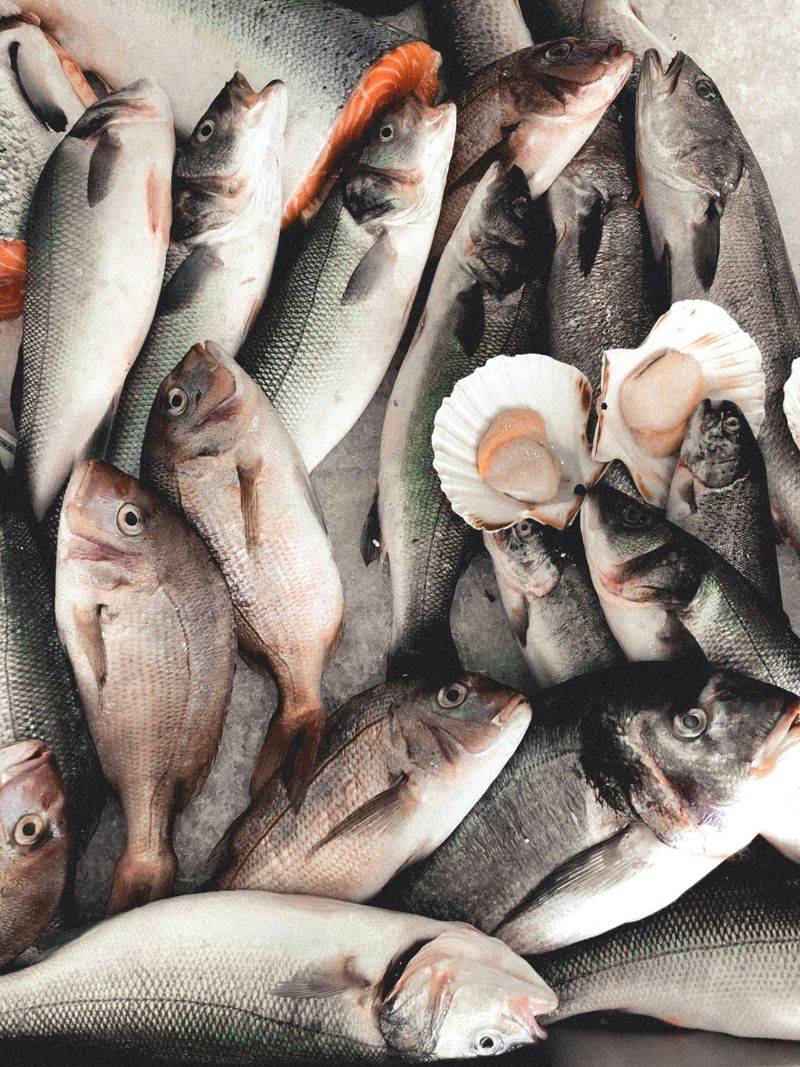
A seafood counter can be an uncomfortable stop for someone with ichthyophobia. This fear concerns fish and may involve living fish, dead fish, or fish served as food.
Not everyone fears all three equally.
Concerns about bones or illness can overlap with the fear, but they do not explain every case. Ask what actually bothers the person rather than guessing.
When cooking together, agree on a meal that feels manageable without dismissing their discomfort as silly.
6. Alektorophobia: Chicken Is Not Always Comfort Food
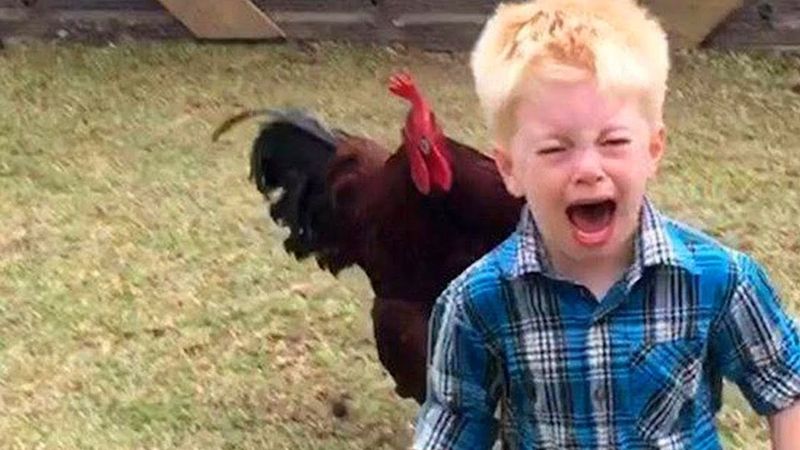
Sunday roast is not comforting when chickens themselves feel threatening. Alektorophobia usually means fear of chickens, especially live birds.
For some people, that discomfort may also extend to feathers, pictures, or chicken served at dinner.
It is not automatically a fear of every kind of poultry. A frightening encounter with a bird might play a role, though causes vary.
Ask whether the concern involves animals, food, or both before planning meals or visiting a farm together.
7. Mycophobia: Mushrooms Raise More Than Eyebrows
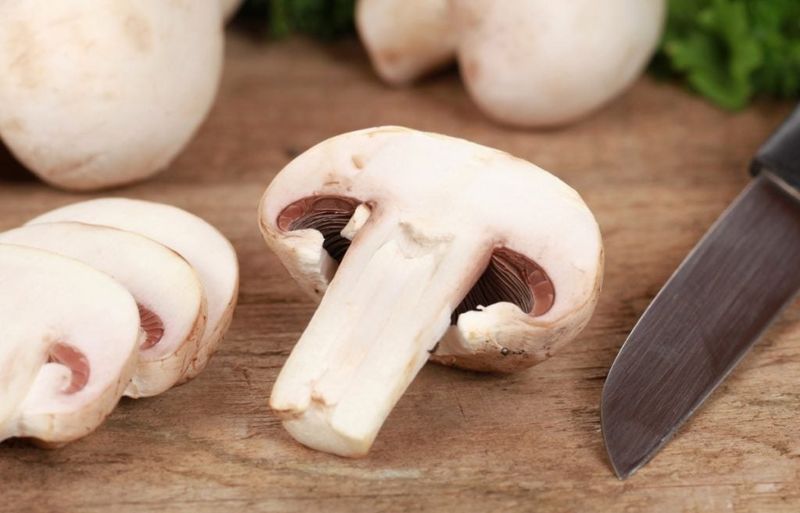
Earthy smells and unusual shapes can make mushrooms a difficult ingredient. Mycophobia describes fear of mushrooms, although ordinary dislike of their texture is not the same thing.
Worries about poisonous varieties may sometimes contribute.
Caution around wild mushrooms is sensible because dangerous species can resemble edible ones. Never use an unidentified mushroom to test someone’s courage.
For distress involving ordinary grocery mushrooms, professional guidance can help separate realistic safety concerns from fear that interferes with meals.
8. Xocolatophobia: Chocolate Without the Cheer

Birthday cake and candy gifts can become awkward when chocolate causes fear. Xocolatophobia is an informal name for that reaction.
Someone might feel anxious around its smell, appearance, or the thought of eating it.
Skipping chocolate because of allergies, migraines, or personal taste does not establish a phobia. When giving treats, ask about preferences and offer another option without demanding an explanation.
Persistent panic deserves support, even when the feared food is something other people celebrate.
9. Alliumphobia: Garlic Sets Off the Alarm
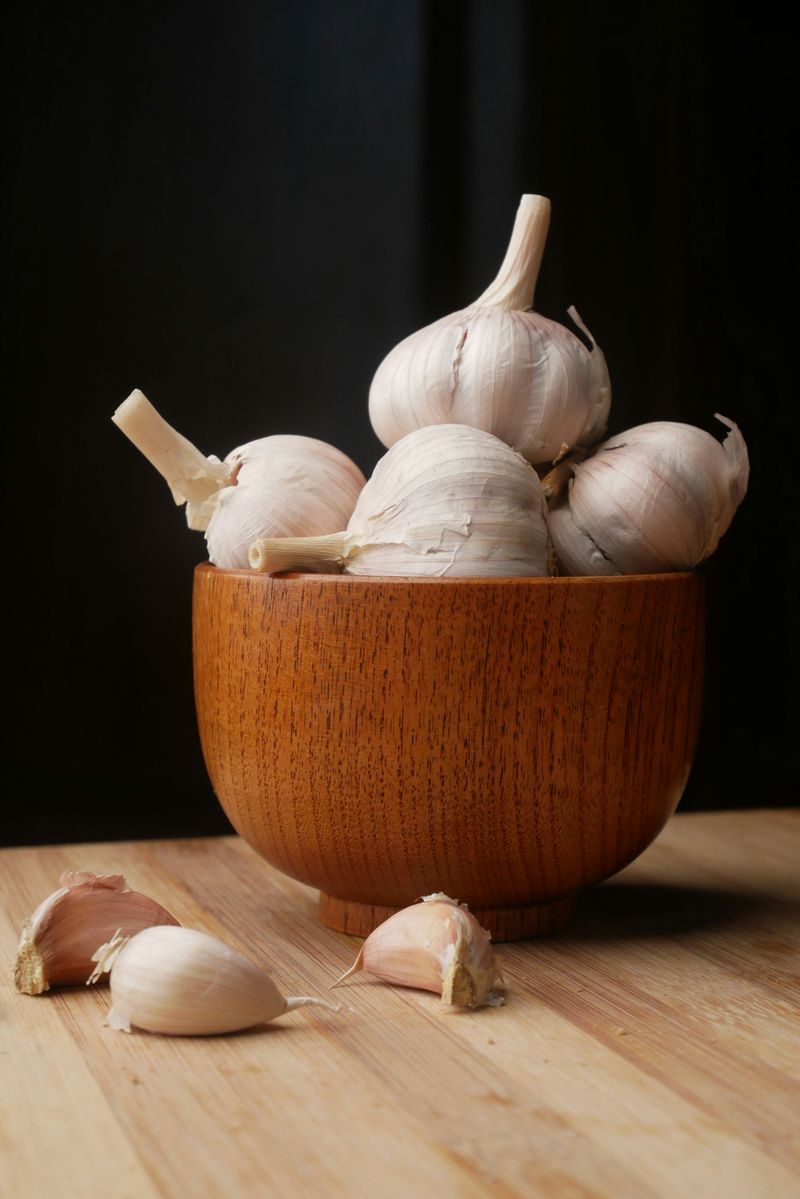
The smell of garlic bread does not make everyone hungry. Alliumphobia is commonly used to describe fear of garlic, though the word is sometimes applied more broadly to related plants, such as onions and leeks.
Because garlic appears in sauces, soups, and seasoning blends, shared meals may require clear ingredient information. Ask which foods actually cause distress instead of assuming.
Physical reactions after eating garlic should be discussed with a clinician, not automatically blamed on anxiety.
10. Leguminophobia: Baked Beans Bring Unease
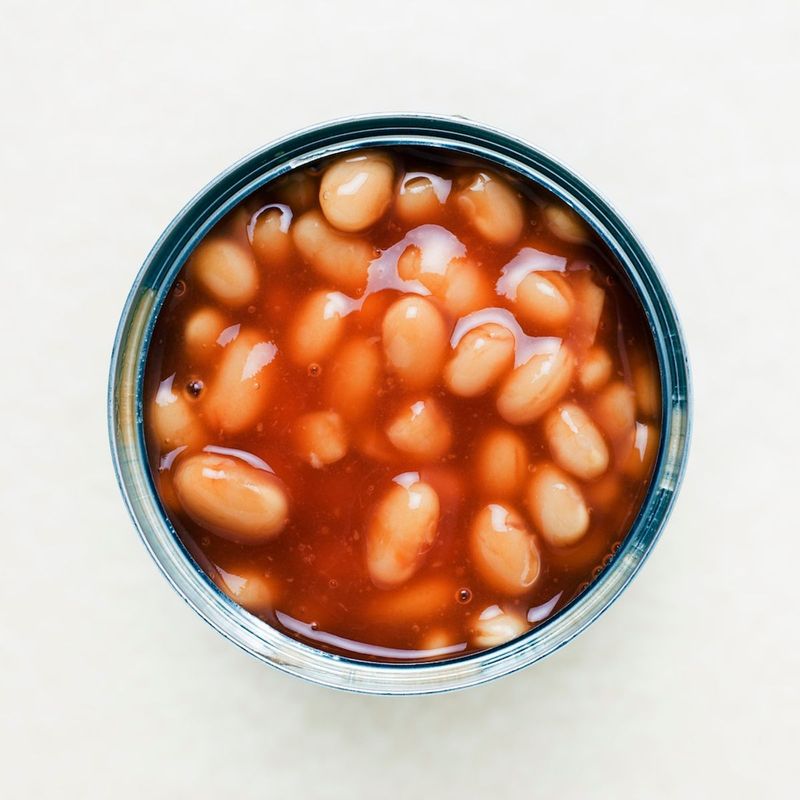
A familiar breakfast side can feel anything but ordinary to someone afraid of baked beans. Leguminophobia is an informal label often linked to this fear, although some sources use it for legumes more generally.
The sight, smell, or soft texture might be upsetting, but reactions differ. Keeping beans separate can make a shared meal easier while someone seeks help.
Avoid treating the label as a diagnosis, and remember that disgust alone does not prove a phobia.
11. Ovophobia: Eggs Make Breakfast Complicated
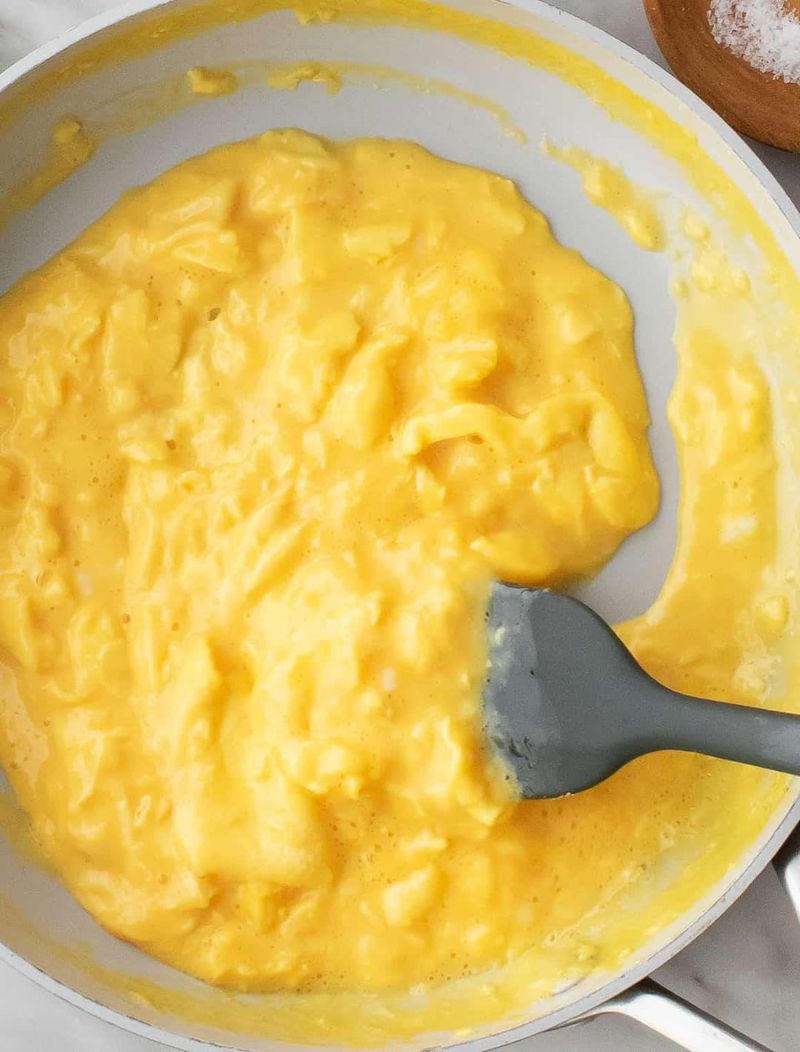
Cracking an egg can be the hardest part of breakfast for someone with ovophobia. The term refers to fear of eggs, which might involve shells, runny yolks, raw whites, or cooked dishes.
Since eggs also appear in baked goods and sauces, uncertainty can make eating out stressful. Clear ingredient lists help people make informed choices.
An egg allergy is a separate medical issue, and neither allergies nor fear should be tested by secretly adding eggs to meals.
12. Brumotactillophobia: Keep Those Foods Apart
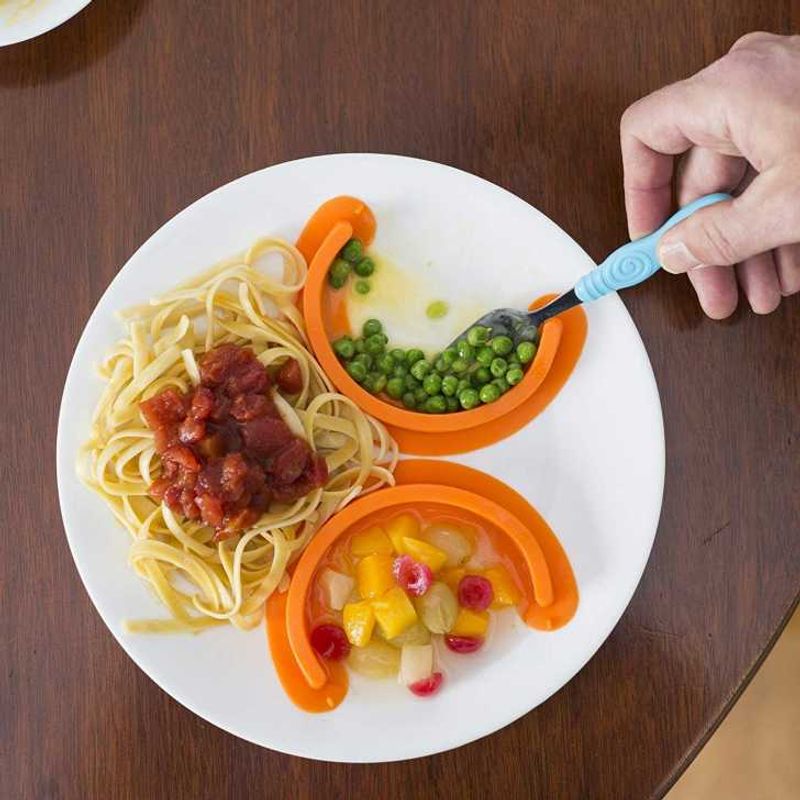
One stray pea rolling into mashed potatoes can upset an entire meal. Brumotactillophobia is a popular informal term for fear of foods touching.
Similar reactions may also involve sensory discomfort rather than a specific phobia.
A divided plate or separate serving bowls can reduce mealtime stress. That accommodation does not tell you what causes the reaction.
If mixing foods triggers panic or sharply limits eating, an assessment can explore anxiety, sensory needs, and other possible explanations.
13. Thermophobia: A Steaming Bowl Feels Risky
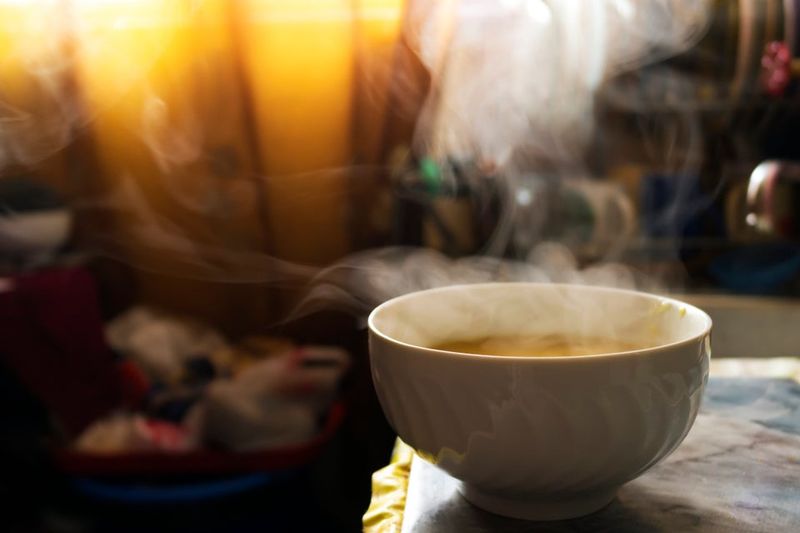
Steam rising from soup can signal danger rather than comfort. Thermophobia means fear of heat, so hot foods and drinks may be part of it.
The term is broader than food alone.
Waiting for a drink to cool is normal protection against burns. Concern becomes more serious when fear remains intense at safe temperatures or prevents eating.
Let food cool before serving, and seek advice if ongoing anxiety makes ordinary meals difficult despite reasonable safety steps.
14. Frigophobia: Frozen Treats Lose Their Appeal

Ice cream on a summer day sounds refreshing, unless cold itself feels threatening. Frigophobia refers to fear of cold and can include chilled drinks or frozen foods.
It is not limited to eating.
Tooth sensitivity, pain, or trouble swallowing cold foods deserves medical attention rather than an automatic phobia label. If fear is the main problem, discuss it with a qualified professional.
Respect a person’s preferred serving temperature without making their discomfort the center of attention.
15. Geumatophobia: Tasting Feels Like a Challenge

A tiny taste can feel like a huge request when flavor itself causes fear. Geumatophobia, also called geumophobia, is a term used for fear of taste.
Fear of unfamiliar foods can overlap but is not identical.
Pressure to try one bite may increase distress rather than build confidence. When food choices become very limited, a clinician can check for anxiety, sensory concerns, or an eating disorder such as ARFID.
Care should protect nutrition while respecting boundaries.