
A powerful story can change how people see the world. Across centuries, women writers have challenged unfair rules, created unforgettable characters, and found new ways to share their ideas.
Some wrote on clay tablets, while others filled bookshelves around the globe. Their lives and works show why having different voices in literature matters.
1. Enheduanna: A Voice From Ancient Mesopotamia
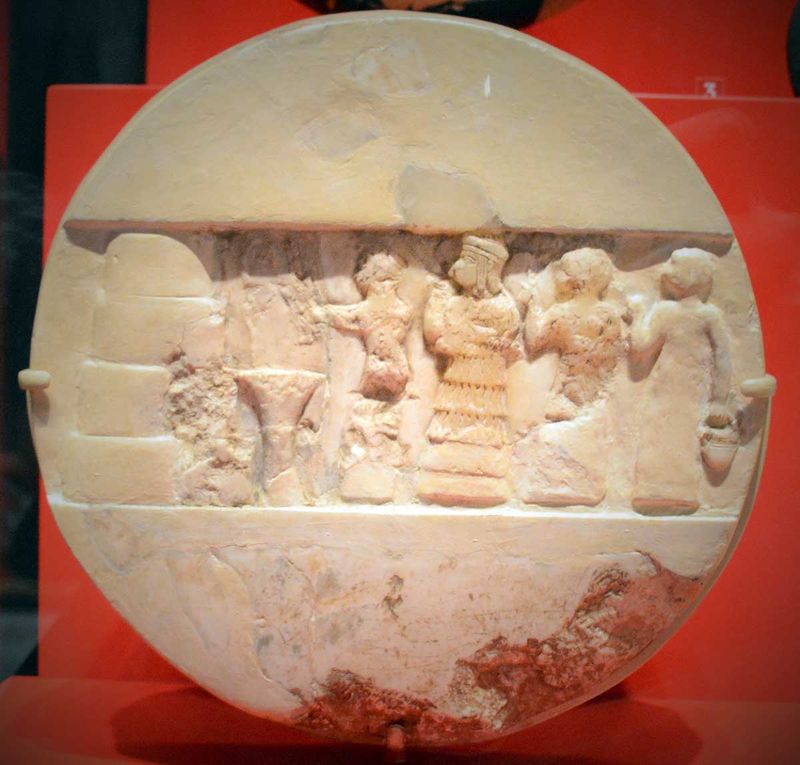
Long before printed books, a priestess in ancient Mesopotamia helped give literature a name. Enheduanna, who lived around 2300 BCE, is widely recognized as the earliest author known by name.
Her Sumerian hymns praised gods, especially Inanna, and explored power, faith, and personal struggle. Later scribes copied works attributed to her for centuries.
Reading a translation offers a surprising reminder: people thousands of years ago also searched for belonging, strength, and a voice of their own.
2. Sappho: Small Fragments, Lasting Feelings
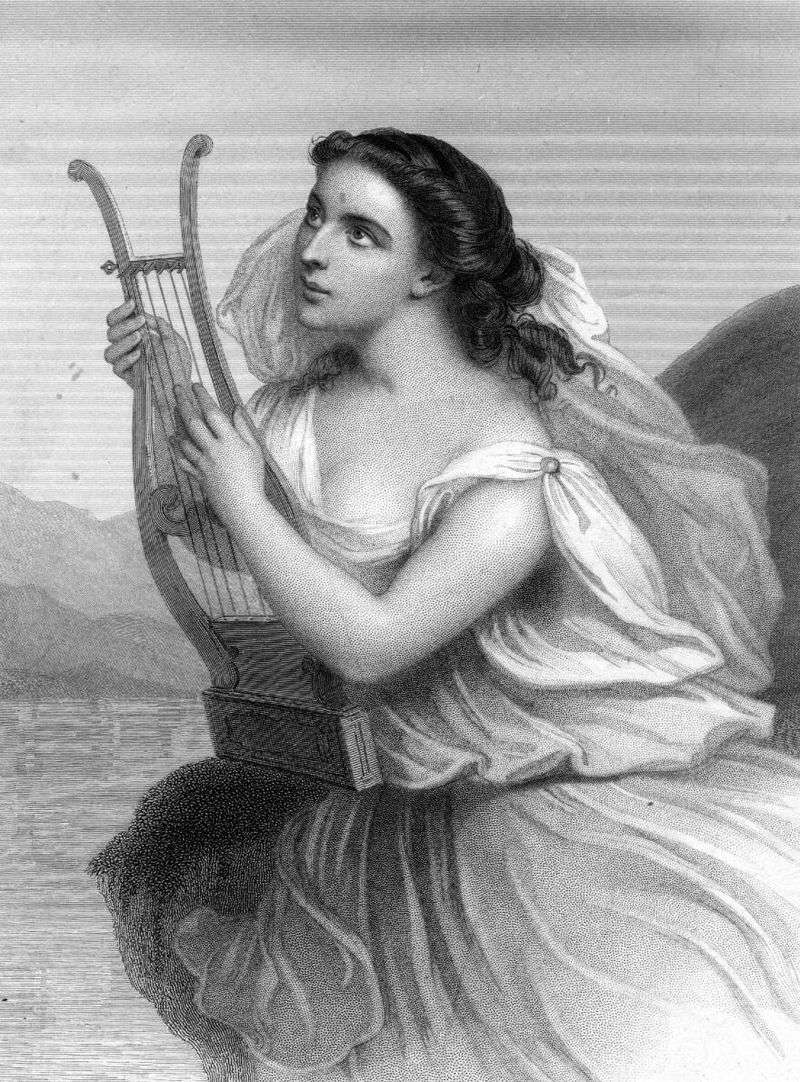
A few broken lines can still carry a whole world of feeling. Much of Sappho’s poetry survives only in fragments, yet her words about love, longing, and beauty remain deeply moving.
Writing on the Greek island of Lesbos around 600 BCE, she placed women’s experiences at the heart of her poems. Her musical verse influenced generations of poets.
Try reading one short fragment aloud to hear how direct language can hold powerful emotion across centuries.
3. Margaret Cavendish: An Imagination Without Limits
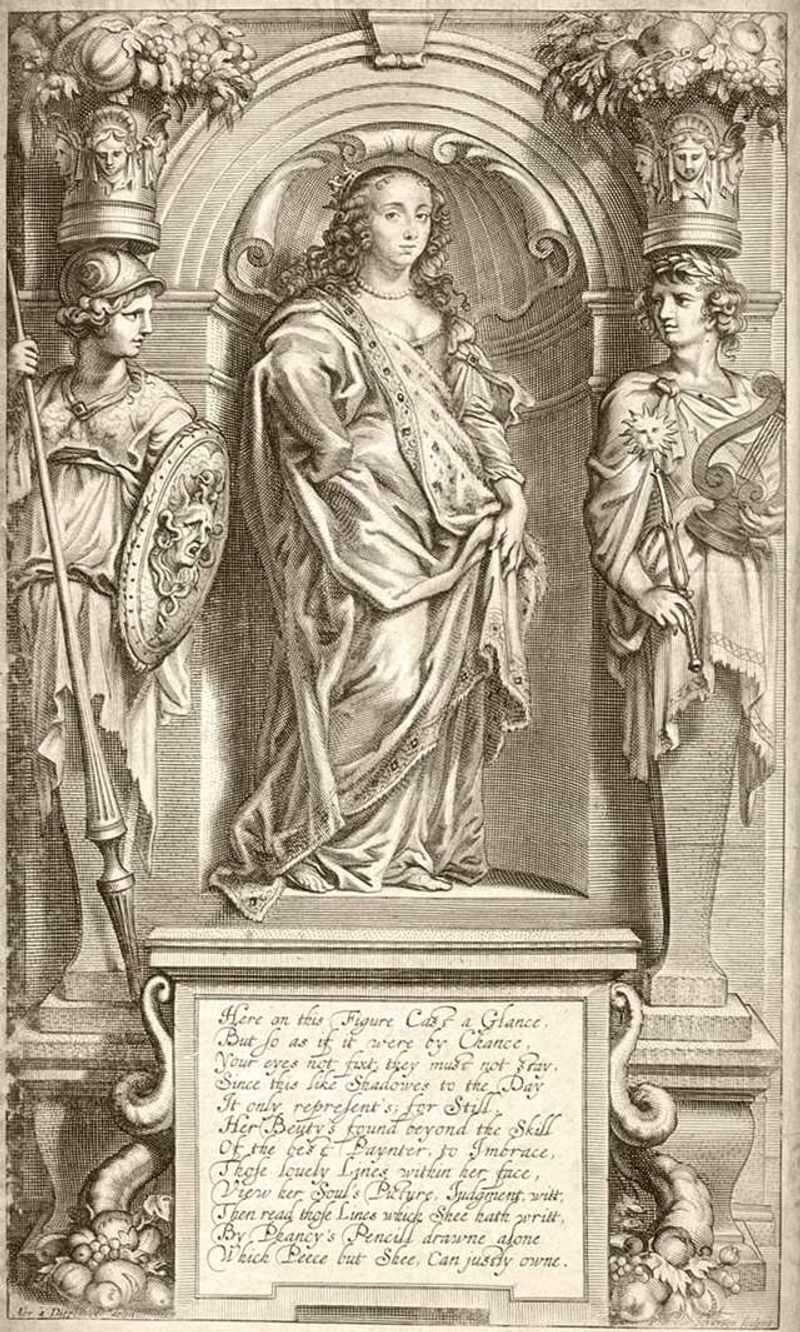
Imagine inventing another world when society expects you to stay quiet. Margaret Cavendish did just that in The Blazing World, published in 1666, an early work of imaginative fiction with scientific themes.
She also wrote plays, poems, and philosophy under her own name. In an age when women rarely entered public debates about science, her confidence stood out.
Her career encourages readers to connect subjects that schools sometimes separate, including storytelling, nature, politics, and discovery.
4. Mary Wollstonecraft: Education as a Right
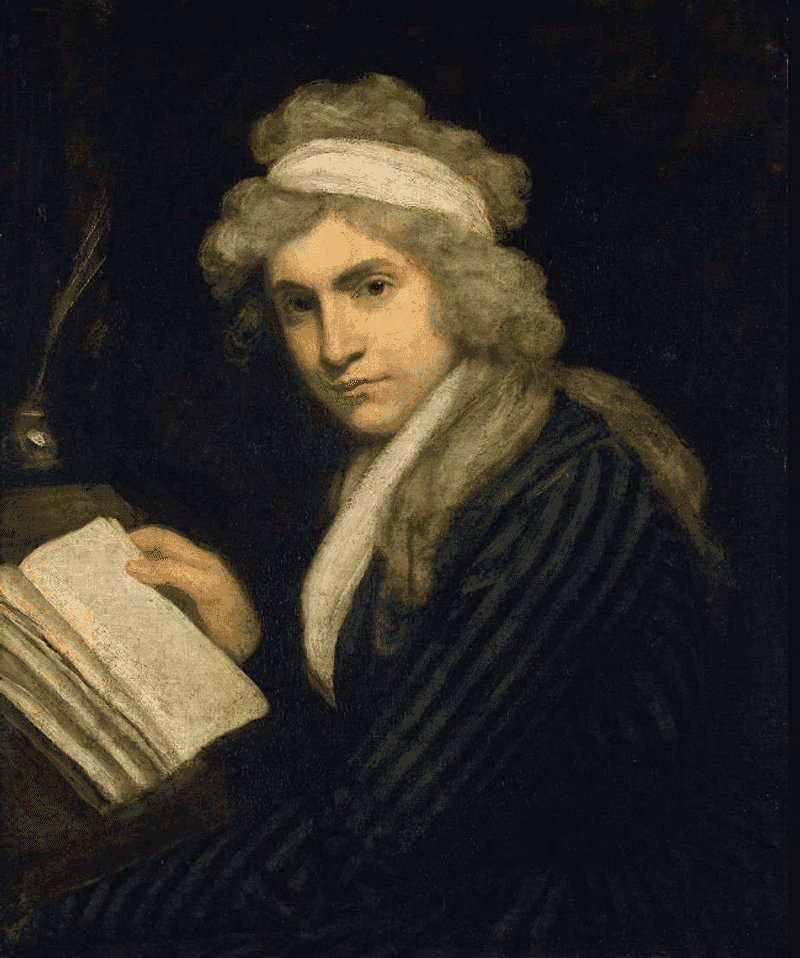
Being denied a fair education can shape an entire life. Mary Wollstonecraft challenged that injustice in A Vindication of the Rights of Woman, published in 1792.
She argued that women seemed less capable because society limited their learning, not because they lacked intelligence. Her bold ideas helped shape later movements for women’s rights.
When reading her arguments, notice how often she connects education with independence. That link still matters whenever people face barriers to learning.
5. Jane Austen: Sharp Wit Behind Polite Smiles
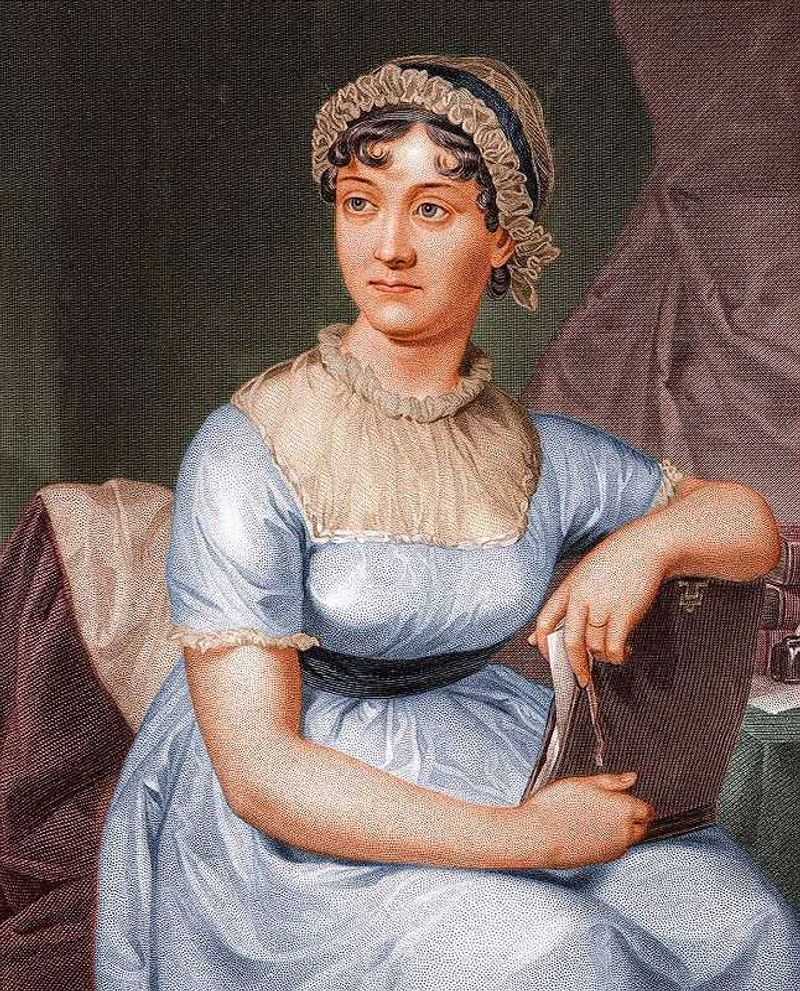
A polite conversation can hide a fierce battle over money, marriage, and status. Jane Austen made those everyday tensions both funny and revealing in novels such as Pride and Prejudice.
Her characters often misunderstand themselves before learning to judge others fairly. She also helped develop storytelling that slips closely into a character’s thoughts.
Watch for moments when a sensible voice turns quietly sarcastic. Austen rewards careful readers with jokes that expose the rules governing ordinary lives.
6. Mary Shelley: The Human Questions Behind a Monster
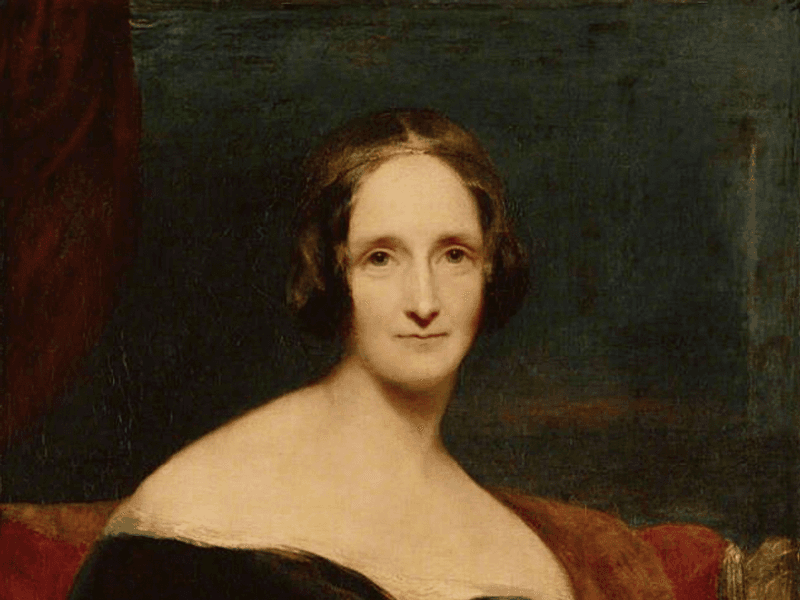
Who is responsible when an invention causes harm? Mary Shelley turned that question into Frankenstein, published in 1818, when she was only twenty years old.
Often counted among the earliest science fiction novels, the book follows a creator who abandons the being he brings to life. Its lasting power comes from loneliness and responsibility, not just frightening scenes.
Read beyond the famous monster image to discover a story about rejection, ambition, and the need for kindness.
7. Charlotte Brontë: A Heroine Who Demands Respect
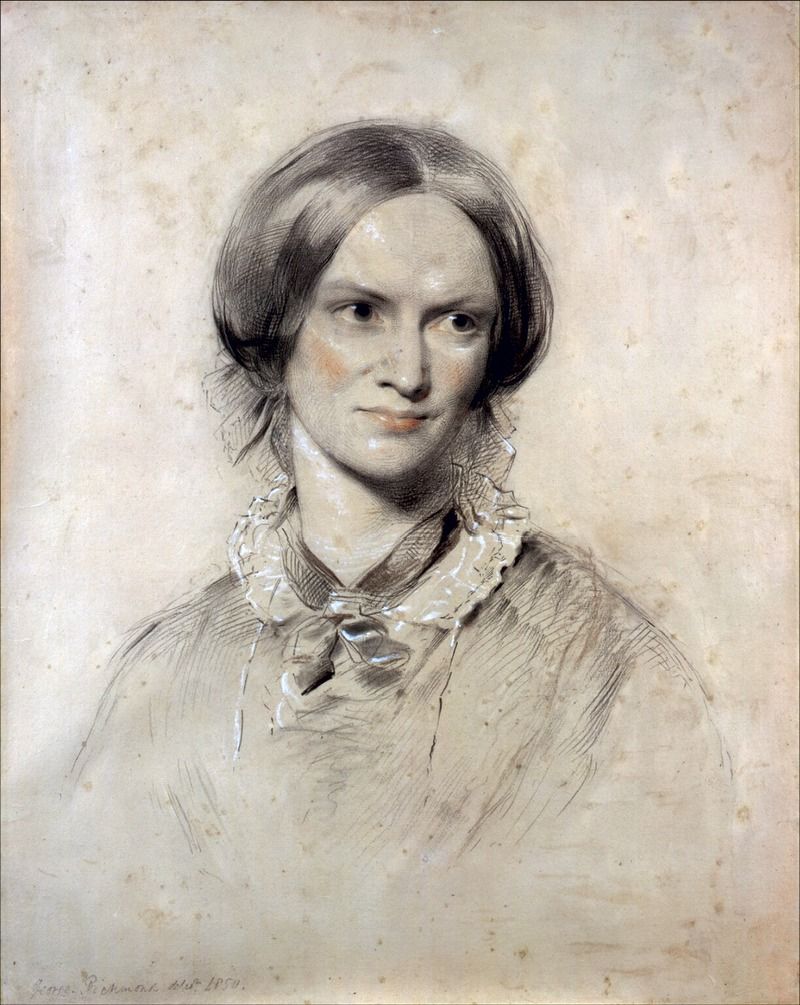
Quiet people can have fierce inner voices. In Jane Eyre, Charlotte Brontë gave a poor governess the courage to demand respect without giving up her feelings.
Published in 1847 under the name Currer Bell, the novel challenged expectations about women’s place in society. Its close personal voice helped readers feel Jane’s anger, hope, and doubt.
Notice how she weighs love against self respect. That struggle gives the story its lasting emotional force for readers today.
8. Emily Brontë: Storms on the Page
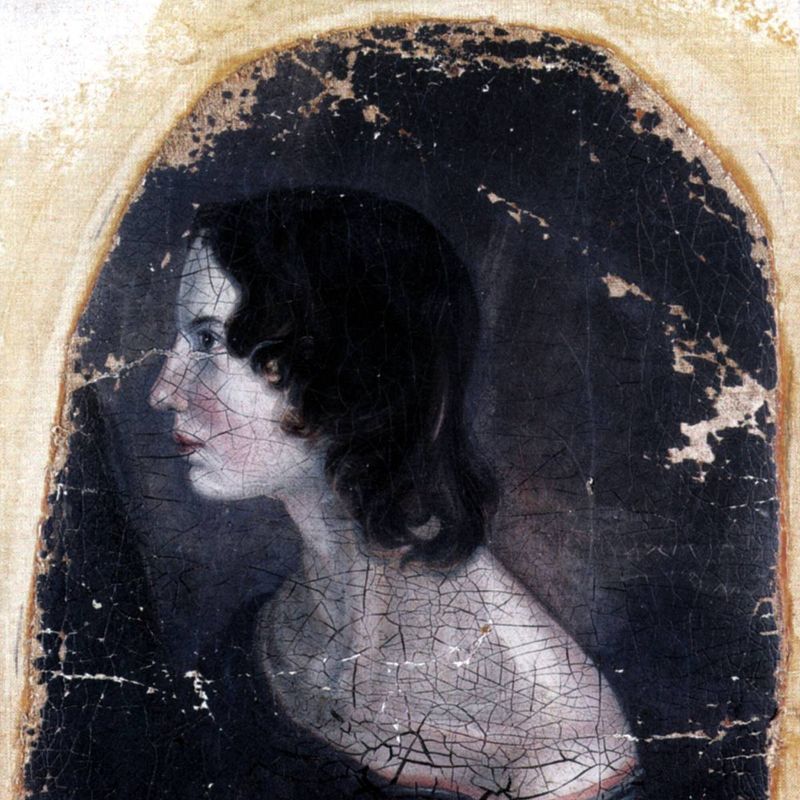
Windswept moors become almost another character in Wuthering Heights. Emily Brontë’s only novel, published in 1847 as Ellis Bell, refuses to make love simple or comfortable.
Instead, it follows the damage caused by cruelty, revenge, and deep attachment across generations. Different narrators tell the story, making readers question whose account deserves trust.
Keep a character chart nearby if the family names become confusing. The effort reveals how boldly Brontë experimented with the shape of a novel.
9. Harriet Beecher Stowe: Fiction That Stirred Debate
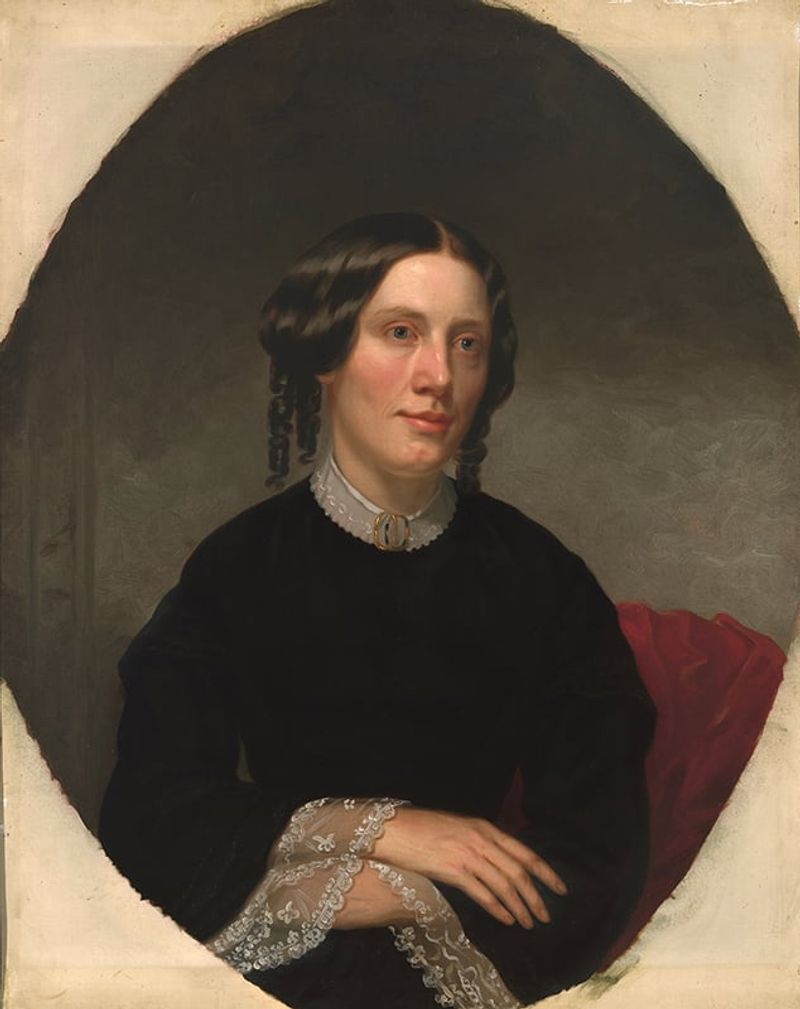
Stories can bring distant suffering into people’s homes. Harriet Beecher Stowe used that power in Uncle Tom’s Cabin, her 1852 novel attacking slavery in the United States.
The book reached huge audiences and strengthened public debate over abolition. Its influence was enormous, although its racial stereotypes deserve careful criticism today.
Reading it alongside accounts by formerly enslaved people gives a fuller picture. Stowe’s legacy shows that a book can challenge injustice while also reflecting its time.
10. Louisa May Alcott: Big Dreams in Everyday Life
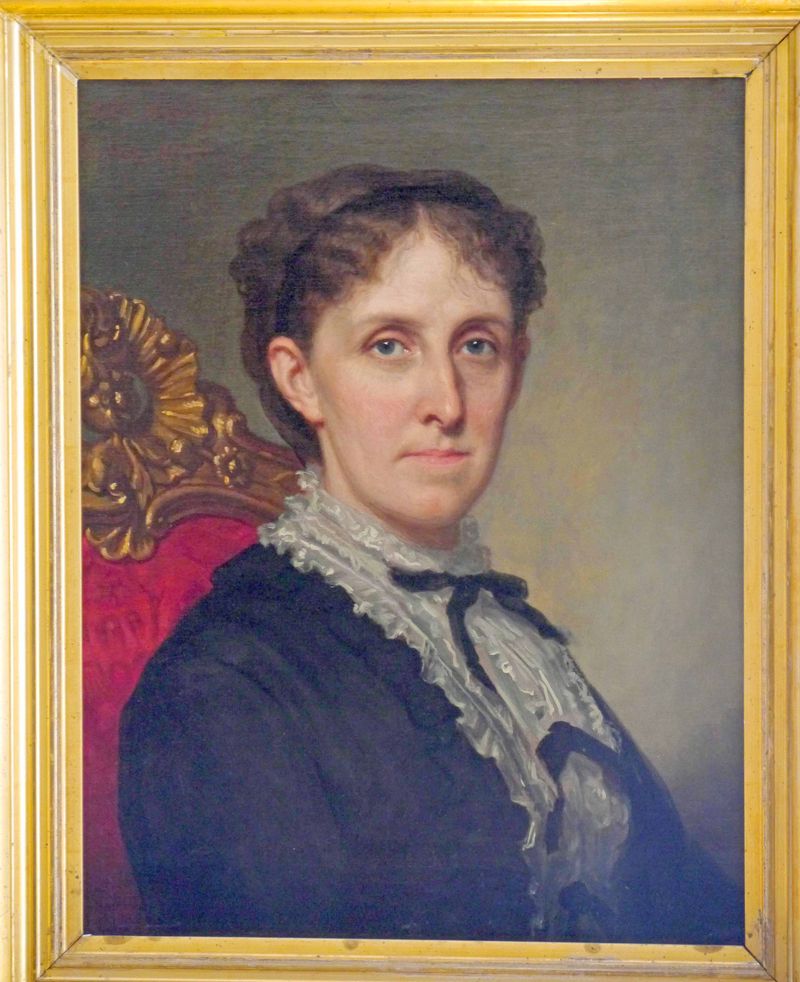
Growing up rarely follows a tidy plan, especially for the March sisters. Louisa May Alcott made their arguments, ambitions, and family bonds feel real in Little Women, first published in 1868.
Jo March’s wish to become a writer gave generations of readers a heroine with dreams beyond marriage. Alcott also supported abolition and women’s voting rights.
For a fresh reading, compare what each sister wants with what society expects. Their choices reveal the book’s deeper questions.
11. Emily Dickinson: A Universe in Short Lines
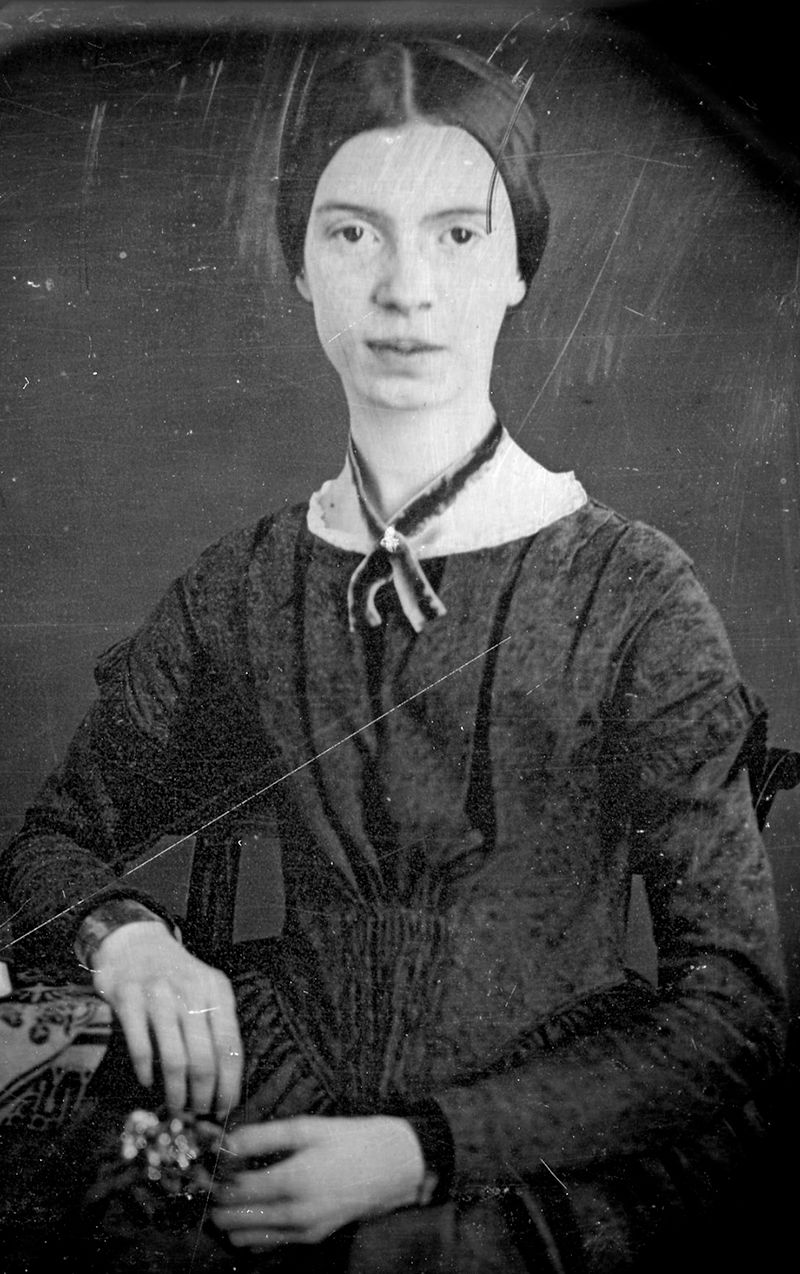
A dash, a pause, a surprising capital letter: tiny choices make Emily Dickinson’s poems feel unmistakable. Writing mostly in private, she explored death, nature, belief, and the mysteries of being alive.
Most of her nearly 1,800 poems appeared after her death in 1886. Their unusual rhythms and word choices helped expand what poetry could do.
Start with a short poem and read it twice. The second reading often reveals a question hiding inside a simple image.
12. Virginia Woolf: Following the Mind’s Wandering Paths
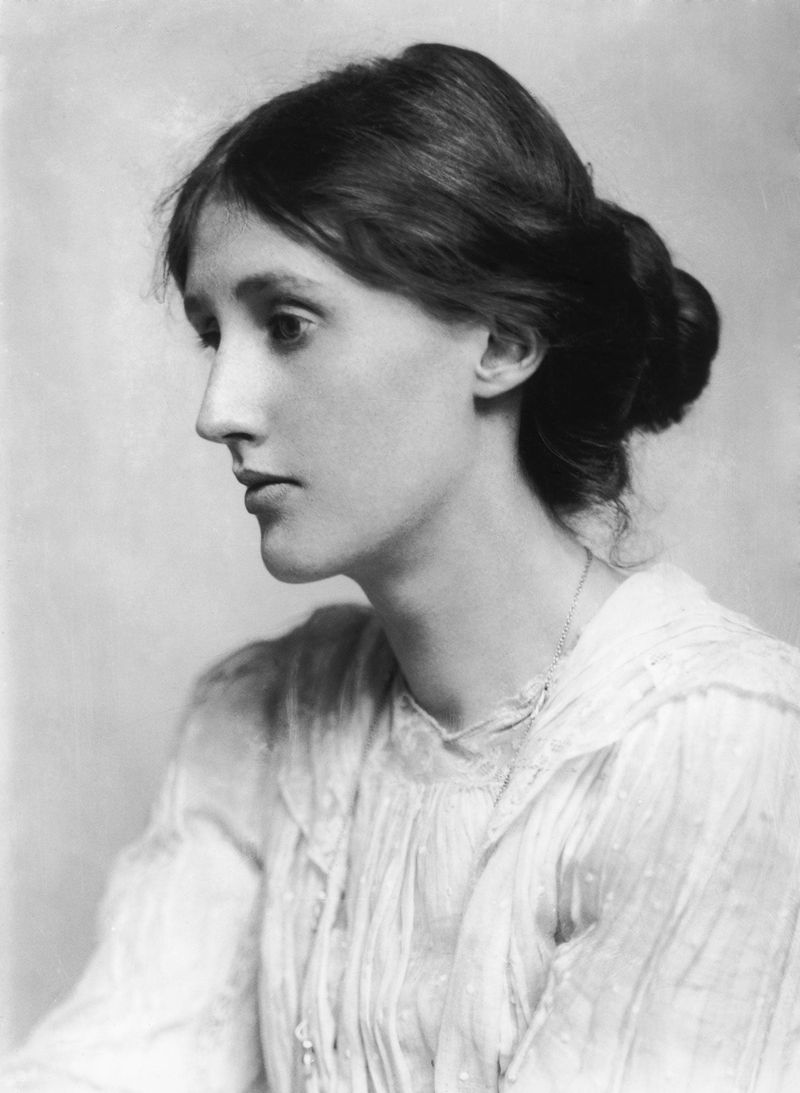
Your mind can jump from a passing sound to a memory in seconds. Virginia Woolf brought that movement into fiction through novels including Mrs Dalloway and To the Lighthouse.
Her shifting viewpoints helped reshape modern storytelling. In the essay A Room of One’s Own, she argued that women need money and private space to write.
Try following one character’s thoughts rather than searching only for plot. Woolf makes ordinary moments feel rich with hidden personal meaning.
13. Agatha Christie: An Invitation to Play Detective
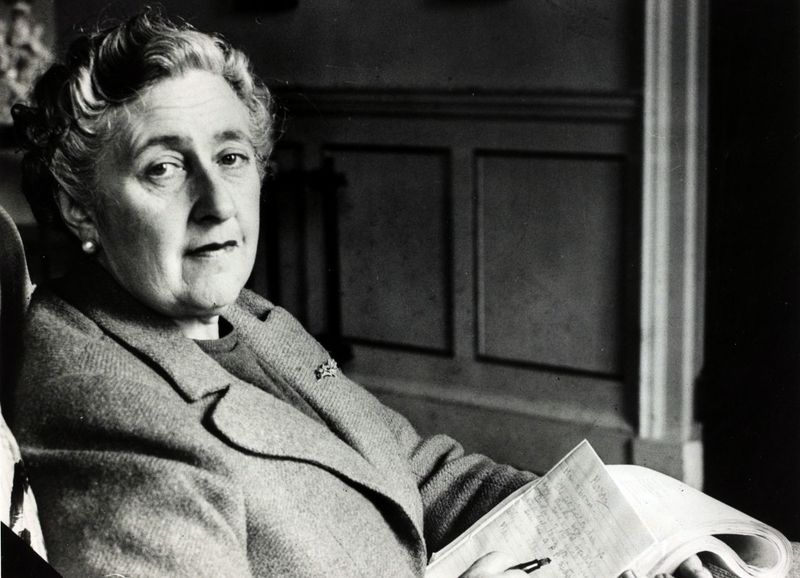
Everyone looks suspicious when Agatha Christie sets the scene. Her detective stories turned hidden motives, misleading clues, and surprising endings into a reading pleasure shared around the world.
She created Hercule Poirot and Miss Marple, two investigators with very different ways of understanding people. Books such as The Murder of Roger Ackroyd tested the rules of mystery writing.
Keep your own list of clues while reading. Just remember that the most obvious answer may be bait.
14. Zora Neale Hurston: Keeping Community Voices Alive
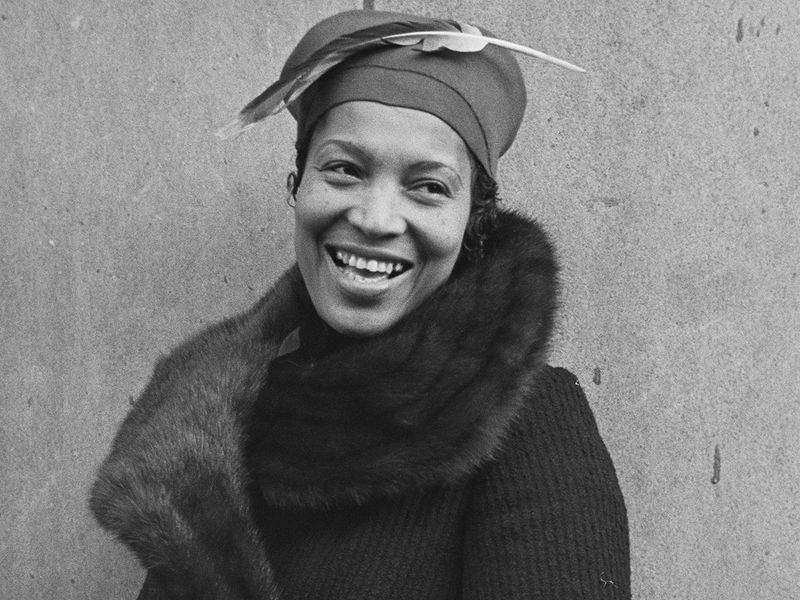
Listen closely to a community, and you hear more than conversation. Zora Neale Hurston gathered folktales, songs, and everyday speech, preserving parts of Black Southern life that others often overlooked.
Her 1937 novel Their Eyes Were Watching God follows Janie’s search for love and independence. Its rich voices connect her fiction with her work studying culture.
Reading passages aloud can help reveal their rhythm. Later writers, including Alice Walker, helped bring renewed attention to Hurston’s achievements.
15. Harper Lee: Seeing Injustice Through Young Eyes
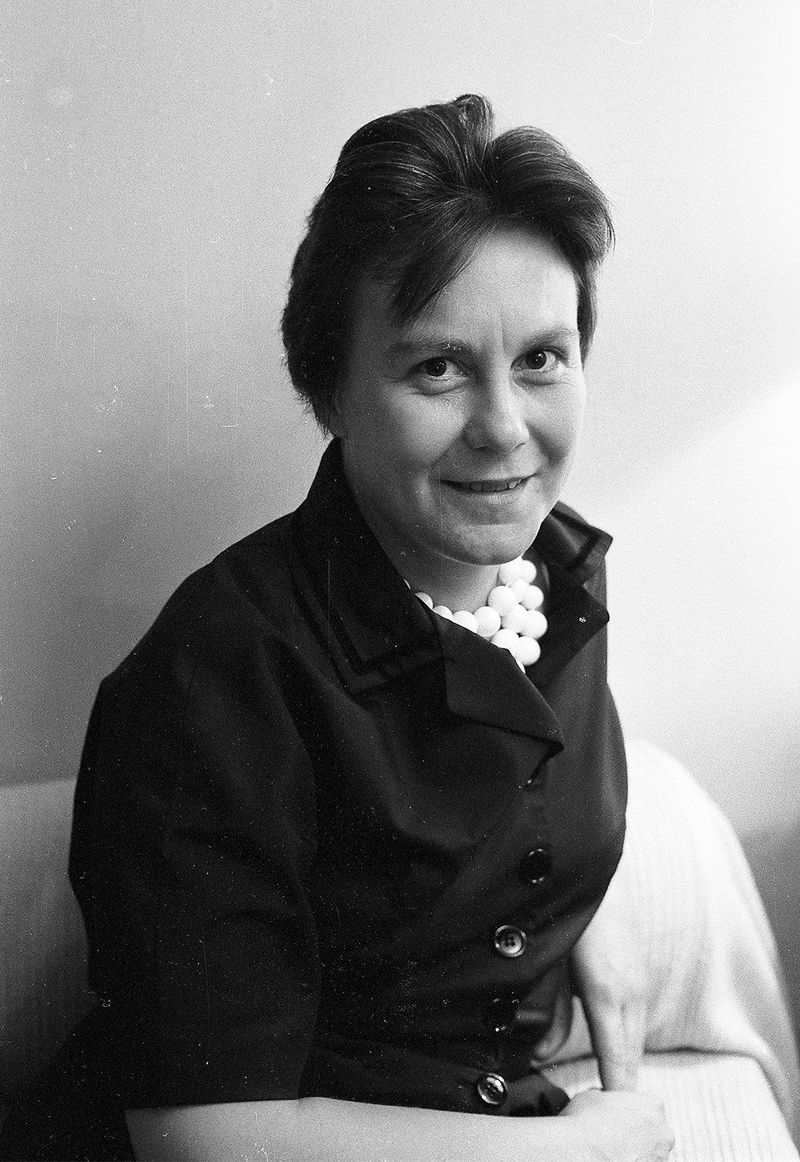
A child’s viewpoint can expose unfairness that adults have learned to accept. Harper Lee used Scout Finch’s observations to explore racism, conscience, and growing up in To Kill a Mockingbird.
Published in 1960, the novel won the Pulitzer Prize and became widely taught. Its courtroom story still sparks debate about justice and whose voices receive attention.
Discuss both its message of empathy and its limits. Pairing it with Black authors can broaden the conversation about race.
16. Toni Morrison: Making Silenced Histories Heard
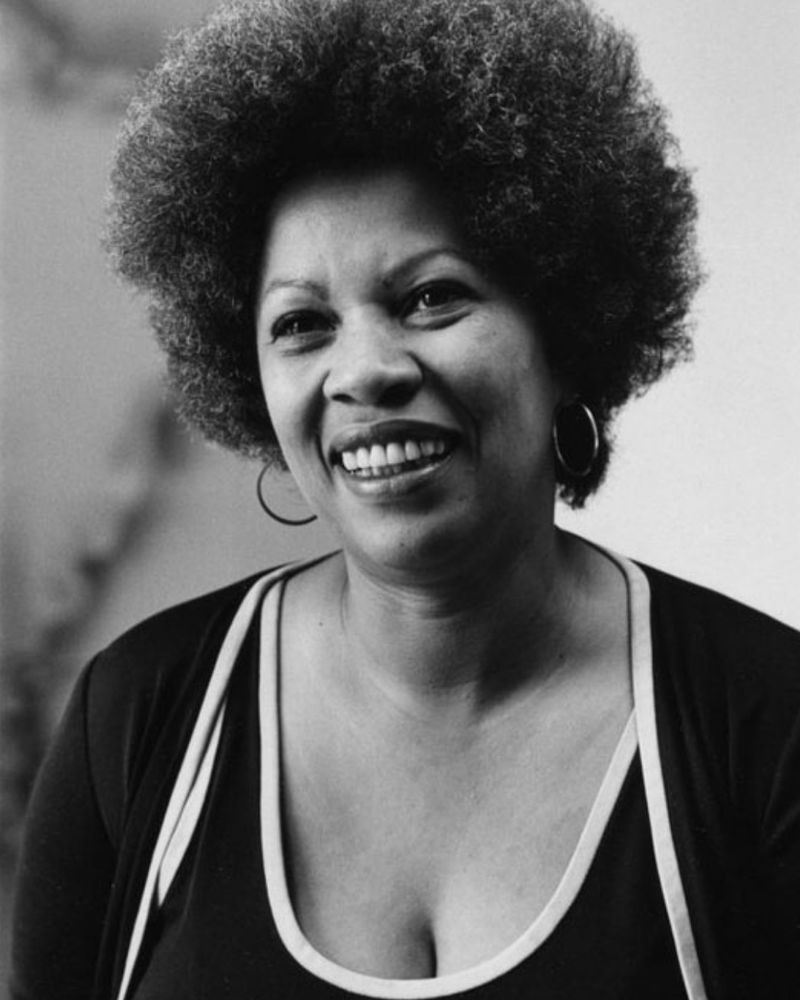
Some histories leave wounds that reach far beyond one lifetime. Toni Morrison explored those wounds with powerful language and unforgettable characters in books including Beloved and Song of Solomon.
In 1993, she became the first Black woman awarded the Nobel Prize in Literature. Her novels place Black lives and memories at the center of American storytelling.
Take your time with their changing voices and timelines. Those choices reveal how the past continues to shape the present.
17. Alice Walker: The Strength of Finding a Voice
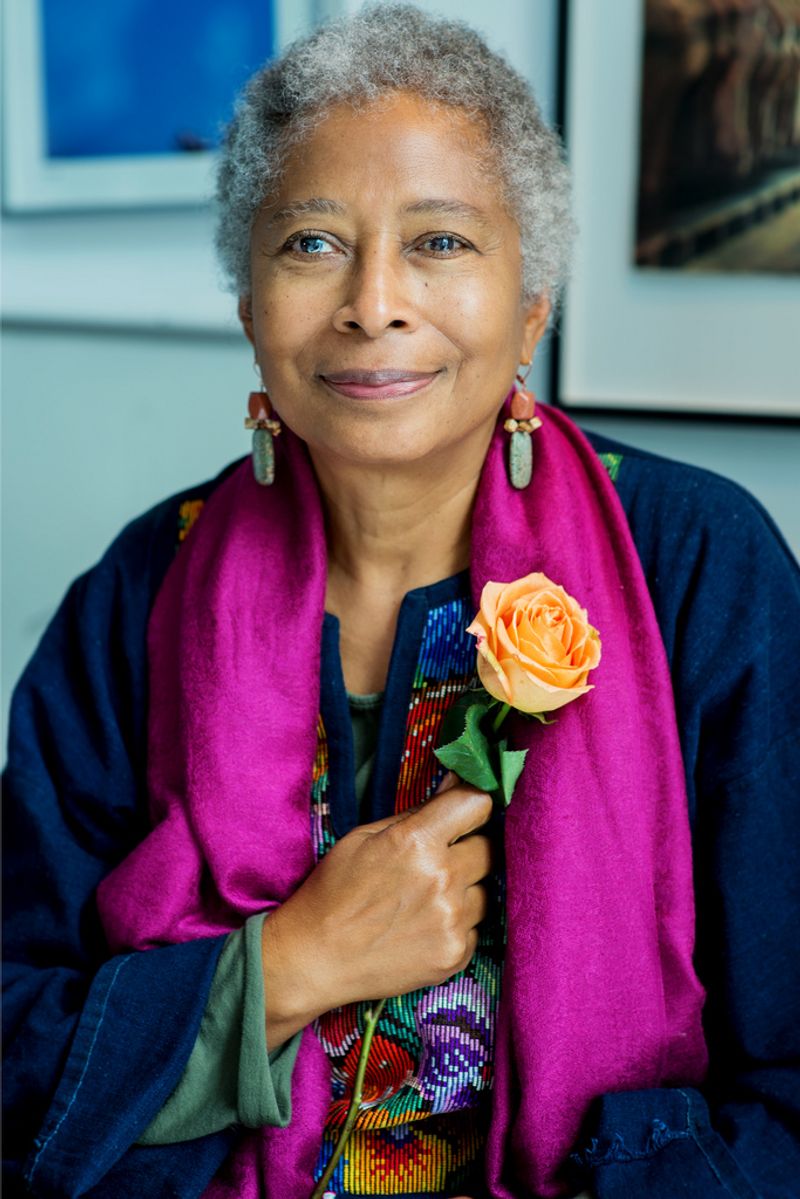
Finding words for your own experience can be an act of courage. Alice Walker made that struggle central to The Color Purple, her 1982 novel told largely through letters.
The book won the Pulitzer Prize for Fiction and the National Book Award. Walker also helped renew interest in Zora Neale Hurston and developed the idea of womanism, which centers Black women’s experiences.
Notice how friendships change her characters’ sense of possibility. Support becomes a source of freedom.
18. J.K. Rowling: A Magical Doorway Into Reading
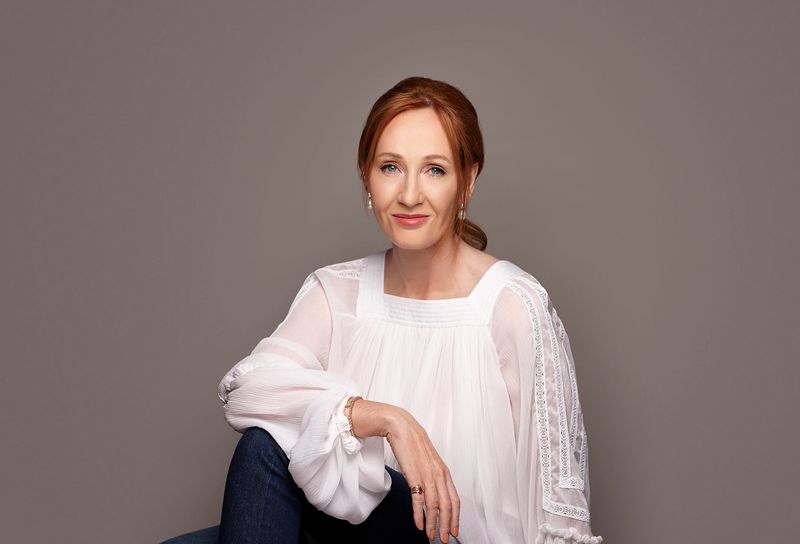
A cupboard under the stairs became the starting point for a worldwide reading adventure. J.K.
Rowling’s Harry Potter series brought millions of readers into a school filled with magic, friendship, and danger.
Beginning in 1997, the books helped make long fantasy novels a shared experience for children and adults. Their popularity influenced publishing, fan communities, and screen adaptations.
Track how early details return later in the series. Rowling’s careful plotting rewards readers who remember seemingly small clues.