
Some stars can hold your attention with a smile, a quiet look, or a single line. Black actors have brought that special spark to comedies, dramas, and action films while helping more people see themselves on screen.
Their talent has also challenged narrow ideas about who gets to be a hero. From Hollywood pioneers to modern favorites, these performers give us plenty of reasons to keep watching.
1. Sidney Poitier: Quiet Strength That Changed Hollywood
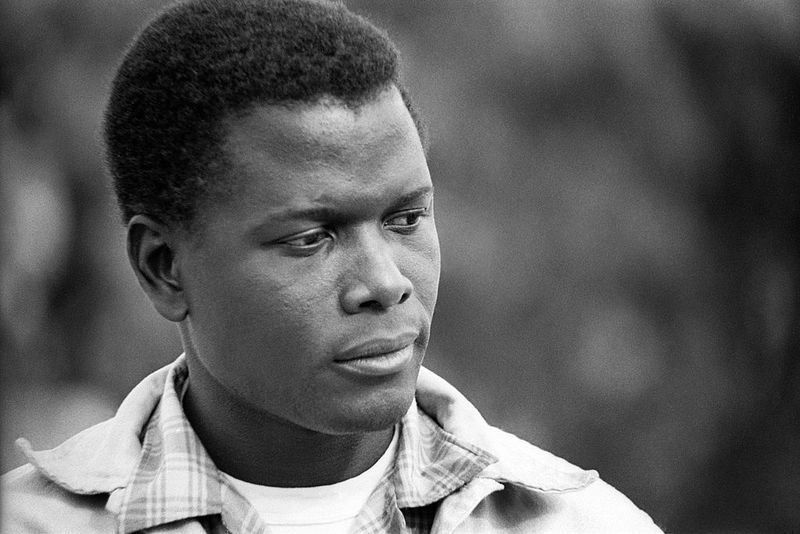
A calm voice can carry more power than a shout. Sidney Poitier proved that through characters who stood tall when others tried to push them aside.
His performance in Lilies of the Field made him the first Black man to win the Best Actor Oscar.
Watch how he uses posture and pauses to hold your attention. His work helped open Hollywood doors and still offers a moving lesson in strength without loud speeches.
2. Denzel Washington: Commanding Every Moment
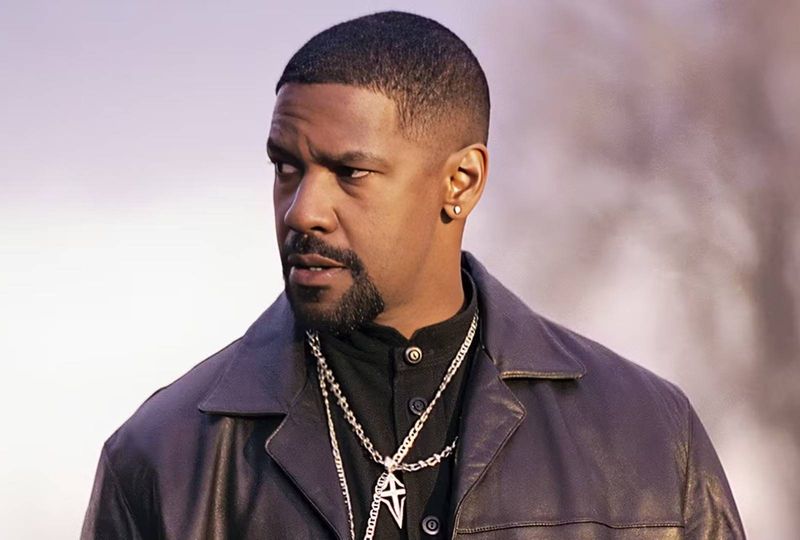
Some actors enter a scene; others seem to take charge of the whole room. Denzel Washington belongs in that second group, whether playing a trusted leader or a dangerous man.
His Oscars for Glory and Training Day reflect that range.
For a sharp contrast, compare those two performances and notice how his voice changes. Even a small smile can suggest warmth, danger, or a secret, making his characters hard to forget after the credits roll.
3. Morgan Freeman: A Voice That Draws You Closer
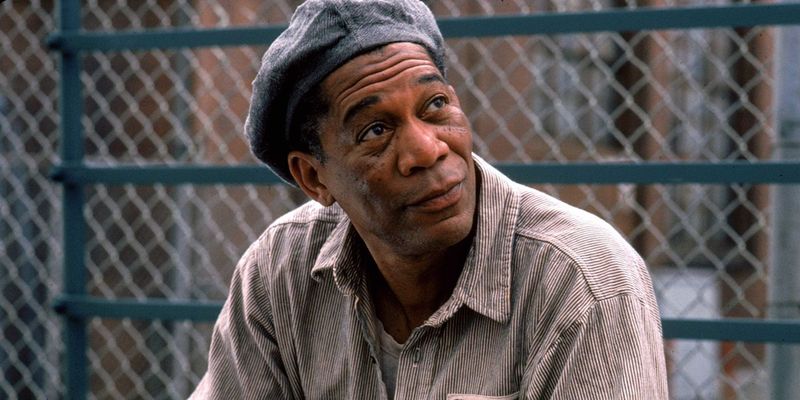
Before his face appears, that familiar voice can make you lean closer. Morgan Freeman brings a steady rhythm to dialogue that makes complicated feelings seem clear.
In The Shawshank Redemption, his role as Red gives the story warmth and a deeply human point of view.
Listen beyond the famous sound, though. His patient reactions and dry humor show how much an actor can communicate while letting someone else speak, especially during quiet conversations between friends.
4. Samuel L. Jackson: Energy You Cannot Ignore
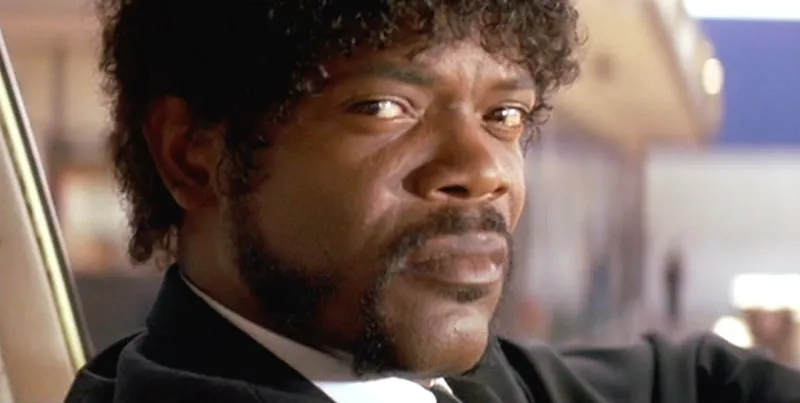
A raised eyebrow from Samuel L. Jackson can feel like an entire speech.
His bold delivery makes dialogue snap, while his comic timing can turn a tense exchange into something strangely funny. Films such as Pulp Fiction helped make that style instantly recognizable.
Yet volume is only part of his appeal. Pay attention when he grows still or lowers his voice; those shifts often make his characters feel even more powerful than their loudest outbursts.
5. Idris Elba: Cool Confidence With an Edge
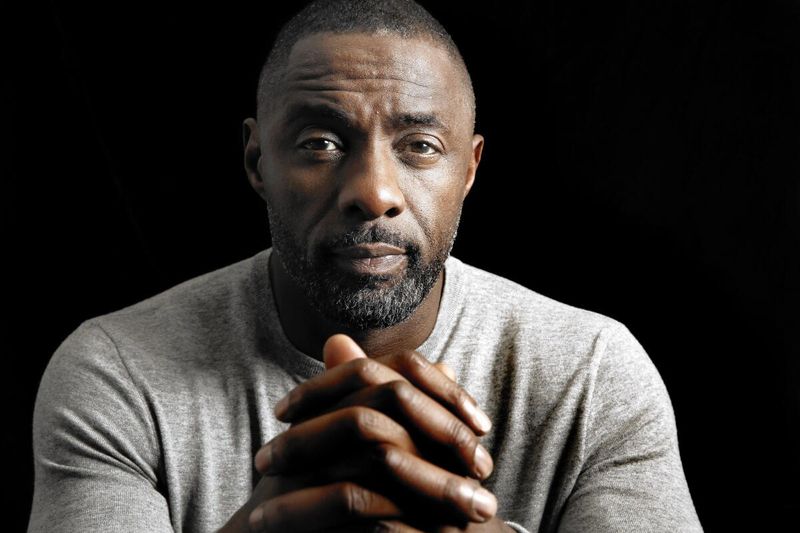
Behind that cool stare, there always seems to be another thought unfolding. Idris Elba made Stringer Bell in The Wire feel sharp, ambitious, and difficult to read.
As the troubled detective in Luther, he brought a much more restless kind of intensity.
Watching both roles reveals his range without needing a huge film marathon. Notice how his walk, speech, and reactions change, even while his strong presence keeps your eyes fixed firmly on the screen.
6. Chadwick Boseman: Heroism With Heart
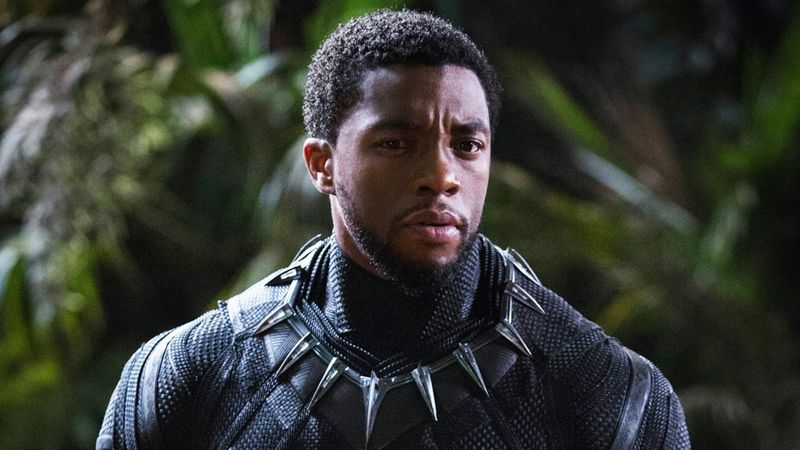
Royal power felt personal when Chadwick Boseman played T’Challa in Black Panther. He gave the hero courage without hiding his doubts, making leadership feel like a responsibility rather than a prize.
That balance helped the character connect with audiences around the world.
His portrayals of Jackie Robinson and James Brown reveal different sides of his talent. Look for the careful physical details in each performance; they show the preparation behind his memorable and deeply felt work.
7. Will Smith: Big Charm, Real Feeling
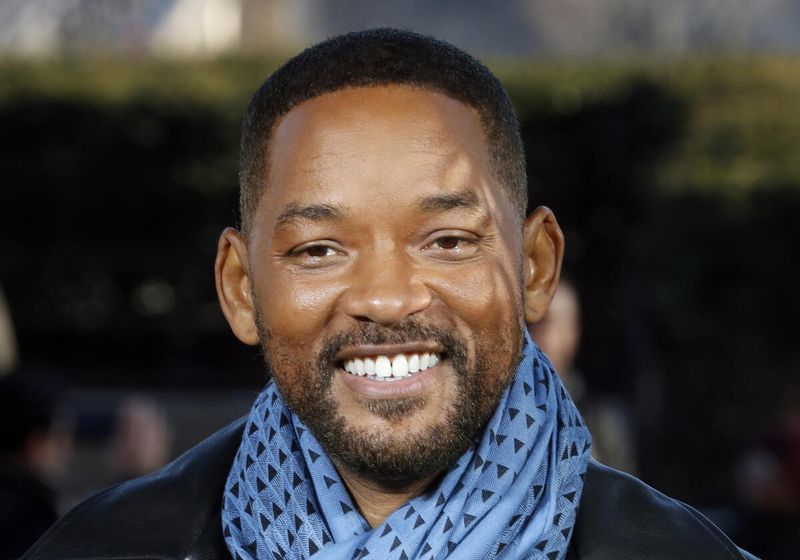
One grin can bring back memories of The Fresh Prince of Bel-Air. Will Smith carried that playful confidence into films such as Men in Black, where his quick reactions made strange situations feel welcoming.
His humor often works because he seems genuinely surprised alongside the audience.
For another side, try The Pursuit of Happyness. The performance trades easy jokes for worry and hope, showing how his familiar warmth can make a serious story feel personal.
8. Mahershala Ali: The Pull of Understatement
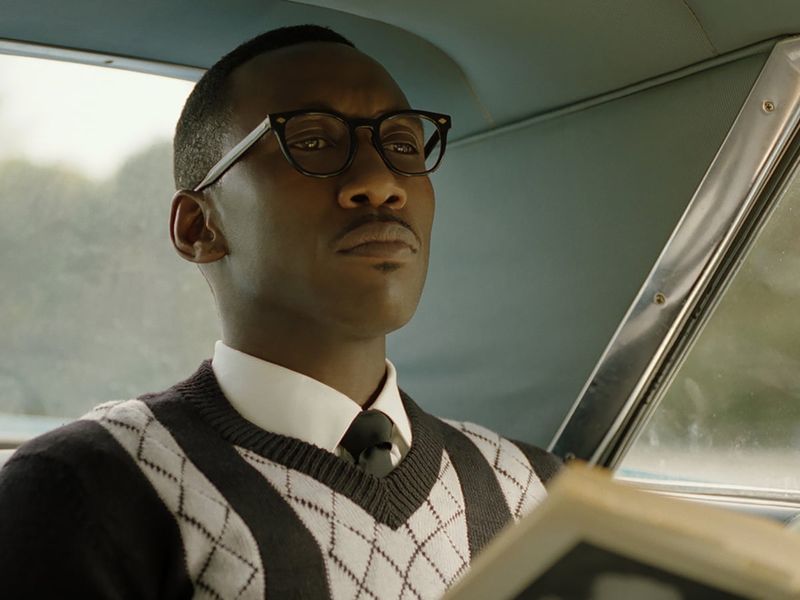
Nothing feels wasted when Mahershala Ali is on screen. A pause, a glance, or a slight change in tone can reveal what his character cannot easily say.
His Oscar-winning supporting performances in Moonlight and Green Book show different uses of that careful control.
Start with Moonlight to see how tenderness can shape a powerful presence. Instead of pushing every emotion forward, he leaves room for viewers to notice it, making small moments carry surprising emotional weight.
9. Eddie Murphy: Comedy That Changes Shape
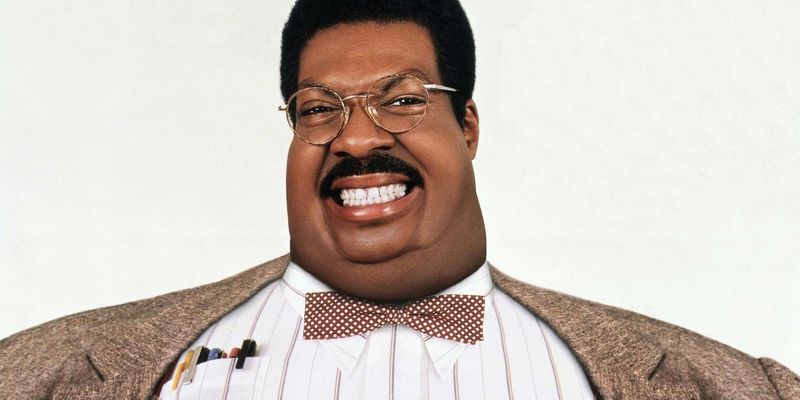
Try keeping a straight face when Eddie Murphy starts building a character. His voices, expressions, and timing can make each person feel completely different, even when he plays several in one film.
Coming to America and The Nutty Professor put that skill on full display.
Beyond the makeup, watch how he changes posture and rhythm. Those choices explain why his transformations work: the joke grows from a recognizable personality, not simply from an unusual costume alone.
10. Laurence Fishburne: Authority With Hidden Depth
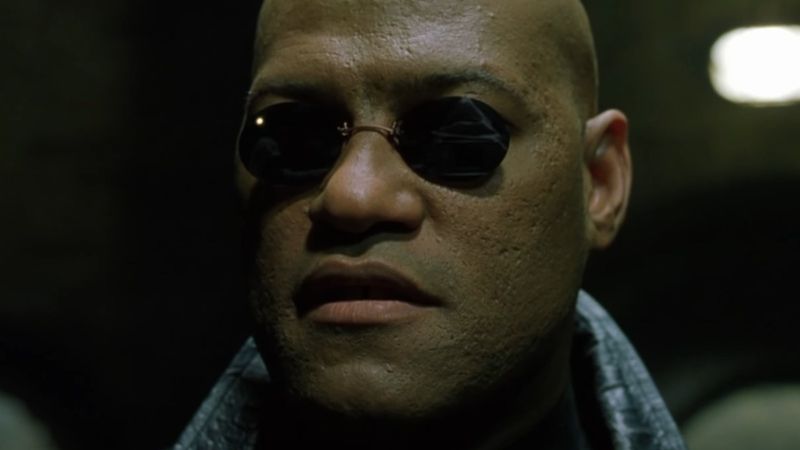
Would you trust the person offering you a completely different view of reality? Laurence Fishburne makes that question gripping as Morpheus in The Matrix.
His measured speech gives wild ideas a sense of weight, helping viewers believe in the world around him.
Boyz n the Hood offers a more grounded example of his strength. As Furious Styles, he blends firmness with care, reminding us that authority becomes more interesting when it comes with real concern for others.
11. Forest Whitaker: Stillness With Tremendous Force
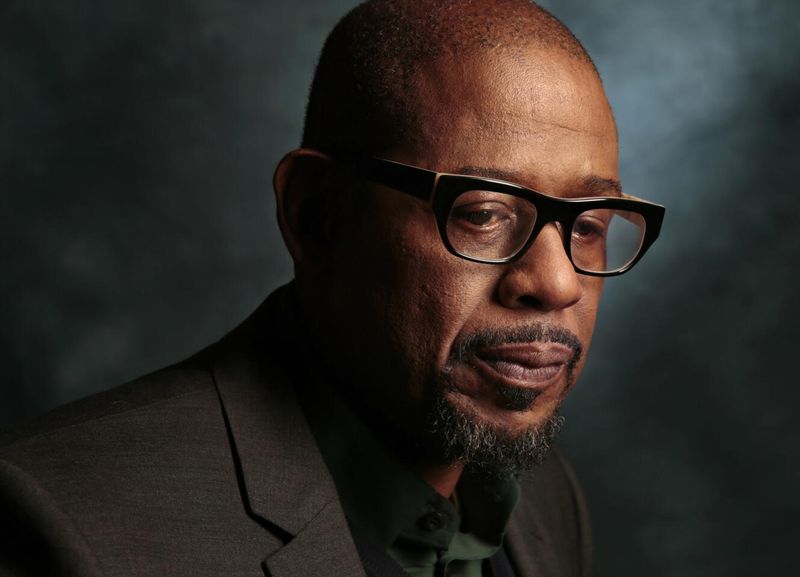
A soft delivery does not always mean a gentle character. Forest Whitaker can make stillness feel comforting in one scene and deeply unsettling in another.
His portrayal of Idi Amin in The Last King of Scotland earned him the Best Actor Oscar.
Compare that performance with his work in The Butler to appreciate the difference. Rather than relying on one familiar manner, he builds distinct people through movement, expression, and the emotional pressure beneath their words.
12. Don Cheadle: The Art of Making Every Scene Count
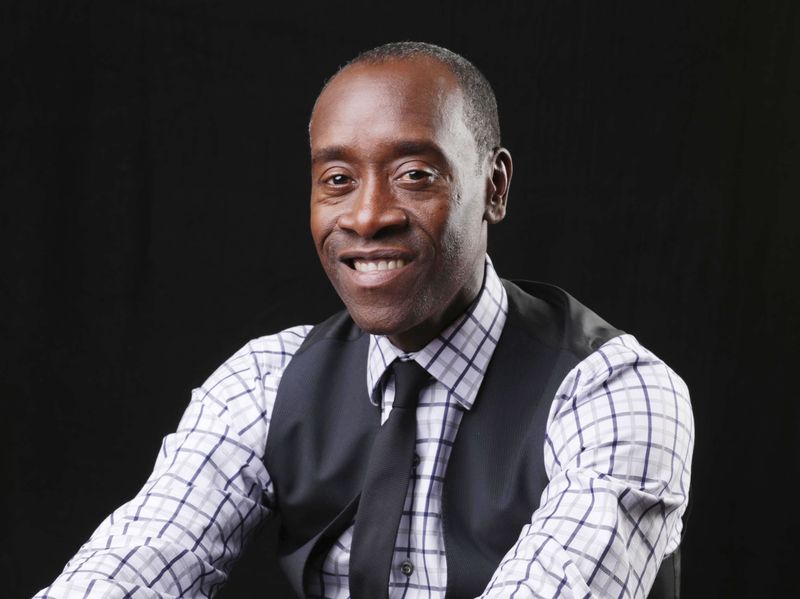
Even in a crowded cast, Don Cheadle finds a way to make someone feel real. He can bring quick wit to the Ocean’s films, then carry the heavy demands of Hotel Rwanda.
That flexibility makes his career especially rewarding to explore.
Choose one comedy and one drama for a revealing double feature. Watch his reactions as closely as his lines; he often gives a scene extra meaning through what his character notices but leaves unsaid.
13. Michael B. Jordan: Drive That Feels Personal
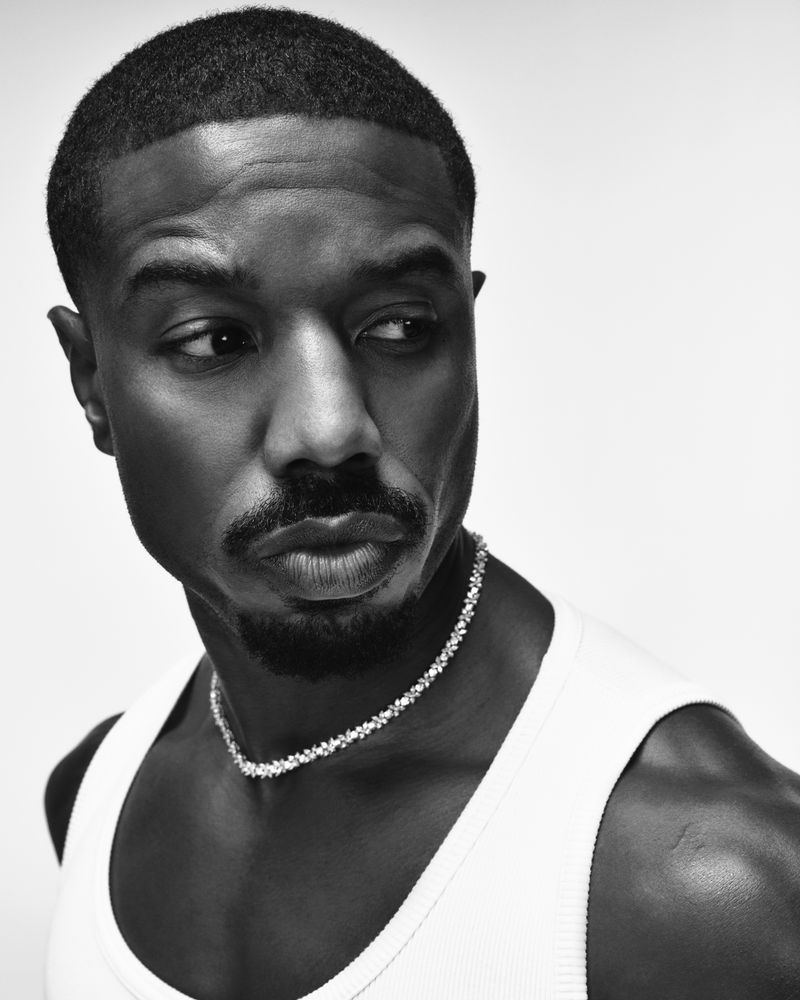
Sweat and muscle tell only part of the story in Creed. Michael B.
Jordan makes Adonis Creed’s need to prove himself feel just as important as any punch. His appeal comes from letting determination and insecurity share the same space.
Fruitvale Station offers a quieter, more painful look at his dramatic ability. Taken together, these roles show why physical energy works best when viewers understand the person behind it, including the hopes that keep him moving.
14. Angela Bassett: Power in Every Gesture
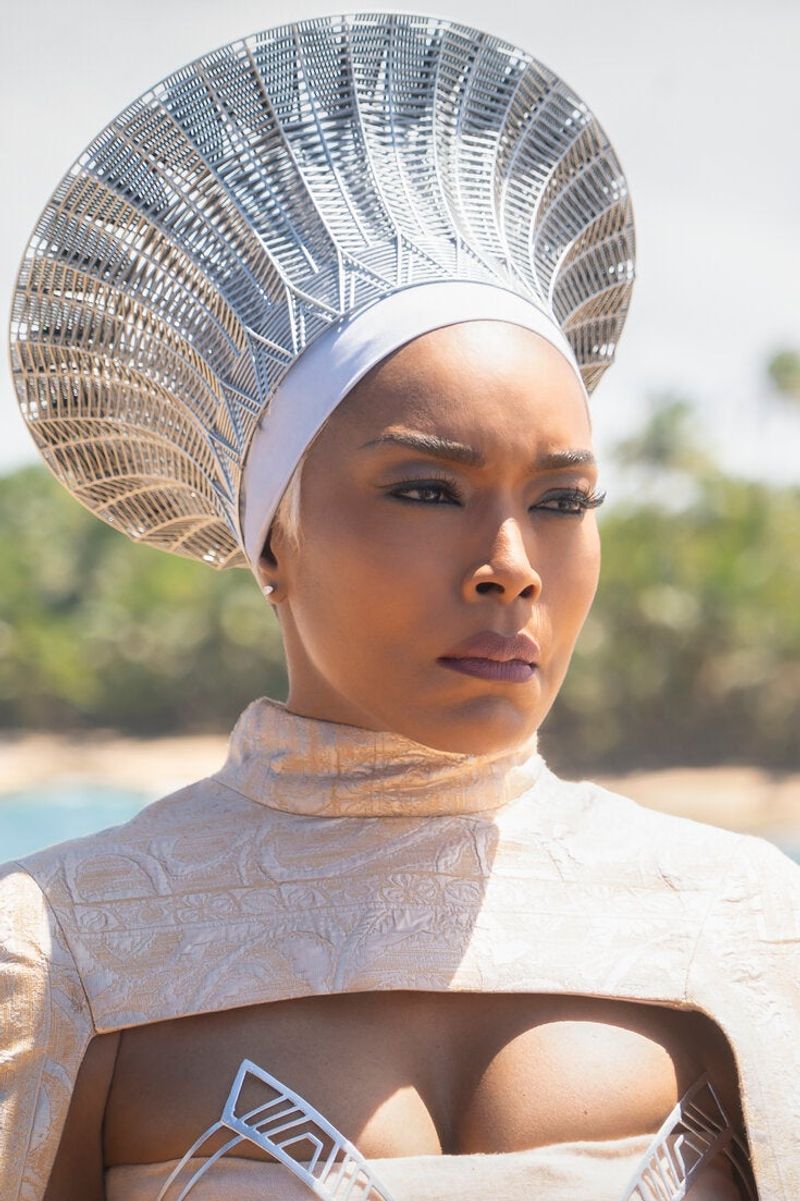
Few performers can make a room feel smaller with a single look. Angela Bassett brings that force to characters who refuse to fade into the background.
Her portrayal of Tina Turner in What’s Love Got to Do with It pairs fierce energy with visible hurt.
As Queen Ramonda in the Black Panther films, she finds another kind of command. Notice her precise speech and posture, then watch how grief changes them without erasing the character’s pride.
15. Viola Davis: Emotion Without a Filter
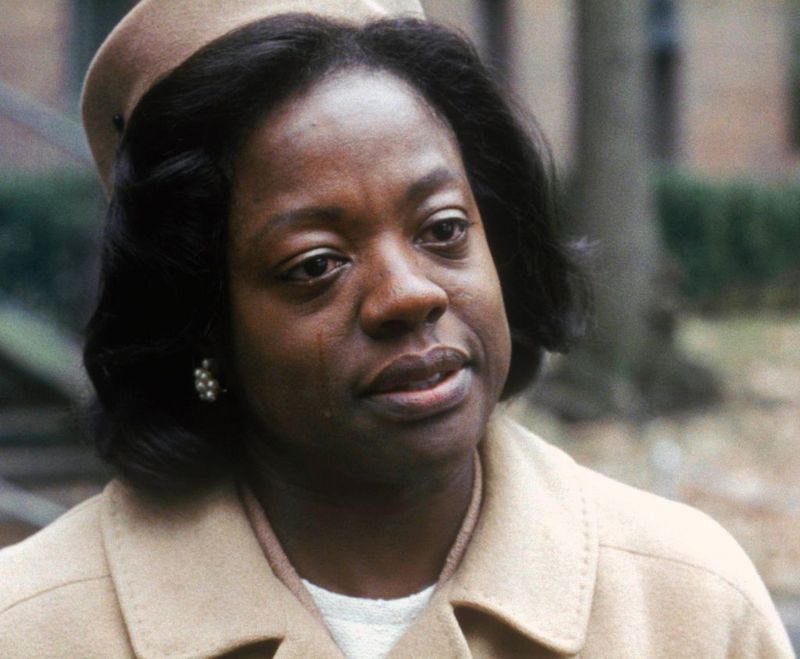
Polished speeches are not required for Viola Davis to break your heart. She lets frustration, love, and disappointment show through expressions that feel lived rather than performed.
In Fences, her Oscar-winning role turns years of sacrifice into something viewers can almost physically feel.
Her brief appearance in Doubt offers another powerful starting point. Pay attention to how much history she suggests in limited time; her characters seem to have full lives beyond the scenes we see.
16. Sanaa Lathan: Warmth With a Competitive Spark

Romance becomes more interesting when both people have dreams worth protecting. Sanaa Lathan brings that spirit to Monica in Love & Basketball, balancing affection with a fierce desire to succeed.
Her charm never requires the character to give up her own goals.
Watch the shifts between her playful exchanges and focused moments on the court. They make Monica feel rounded and relatable, showing how screen chemistry grows stronger when a performer gives ambition equal emotional weight.