
Some horror movies let you breathe again when the credits roll. Others leave you wondering whether escape was ever possible.
The films below turn survival, trust, and hope into something much darker, showing why an unhappy ending can stay with us for years. Major spoilers follow, including the final twists.
1. The Vanishing (1988): Answers at a Terrible Price
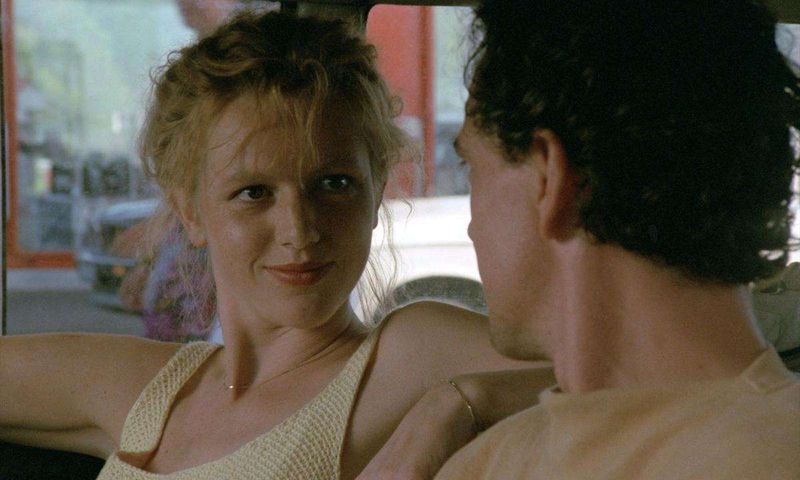
Knowing the truth sounds comforting until the answer becomes a trap. After his girlfriend disappears during a road trip, Rex spends years searching for her, leaving himself open to a chilling offer from her kidnapper.
His search ends inside a buried coffin, where he discovers her fate by sharing it. The killer faces no punishment.
Choose the original Dutch and French production, not the American remake, for its famously unforgiving ending and quiet, lasting dread.
2. The Texas Chain Saw Massacre (1974): Escape Without Relief
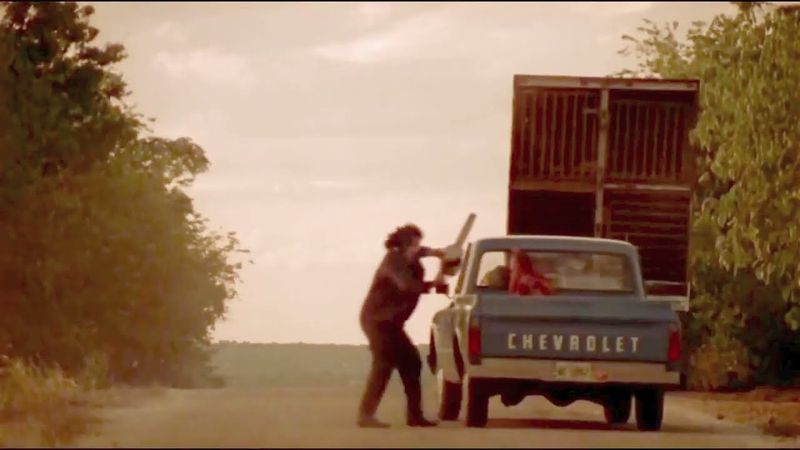
Sunrise usually promises safety, but Sally Hardesty greets it with screams and wild laughter. She escapes a family of killers in rural Texas, while her friends never make it home.
Calling that a victory feels painfully small. Her attackers remain free, and the final images suggest that getting away cannot erase what happened.
Watch how the harsh daylight adds to the fear: nothing needs to hide in darkness when the whole landscape already feels brutally unsafe.
3. Night of the Living Dead (1968): A Rescue That Never Comes
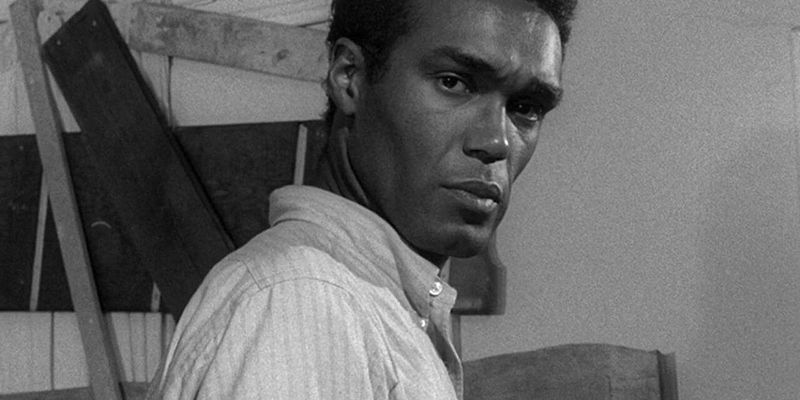
Ben does almost everything a horror hero should do: he stays alert, builds defenses, and fights to survive. After a night trapped in a farmhouse with the undead outside, he finally reaches morning.
Then an armed search party mistakes him for a zombie and shoots him. The abrupt death makes human fear as dangerous as the monsters.
Its bleak closing photographs also invite discussion about racism, making this landmark film much more than a zombie story.
4. Speak No Evil (2022): When Courtesy Becomes a Trap
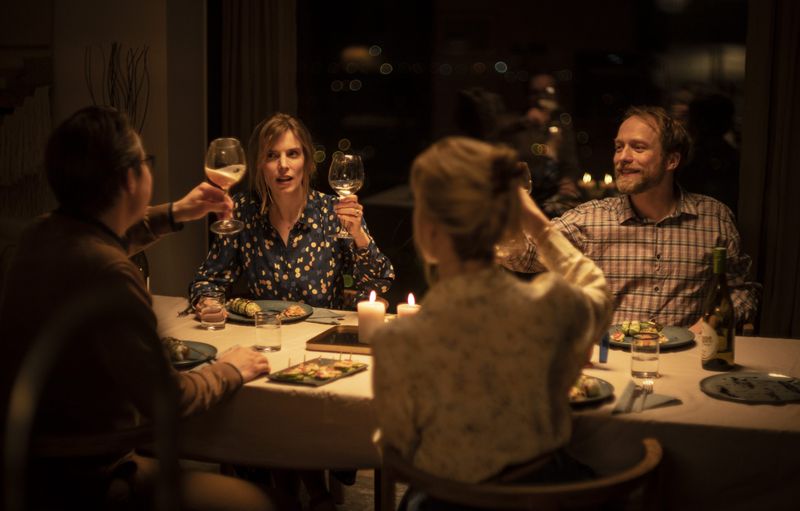
A bad weekend visit becomes something far worse when politeness keeps drowning out alarm bells. A Danish couple ignores growing concerns while staying with a Dutch family they met on vacation.
The visitors are murdered, their daughter is taken, and the killers prepare to repeat their routine. Rather than blaming kindness itself, the film exposes the danger of refusing to recognize cruelty.
Be sure to select the Danish original, since the later American remake ends differently.
5. The Mist (2007): Hope Arrives Too Late
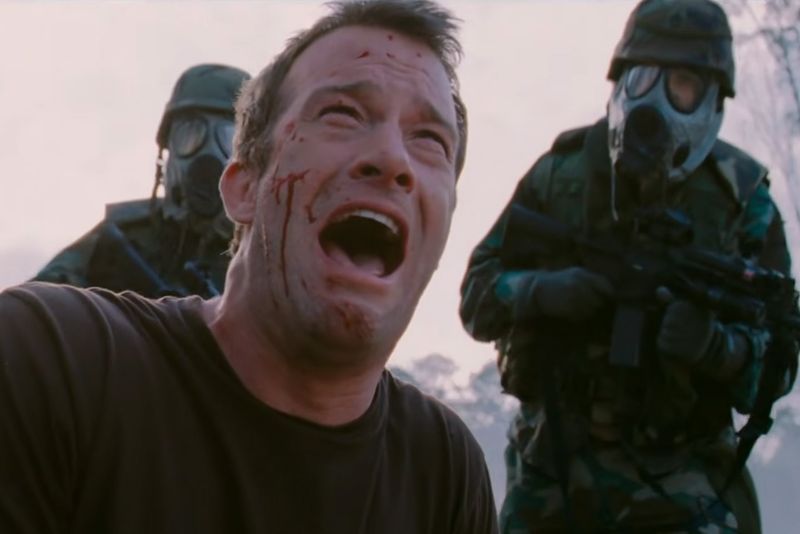
Just a few more minutes could have changed everything. Surrounded by thick fog and deadly creatures, David believes his small group has reached the end, so he kills his companions, including his son.
He has no bullet left for himself. Moments later, soldiers arrive and reveal that rescue was close.
The ending hurts because his terrible choice comes from love and despair. Unlike many monster movies, the deepest wound here comes from losing hope too soon.
6. Hereditary (2018): A Family With No Way Out
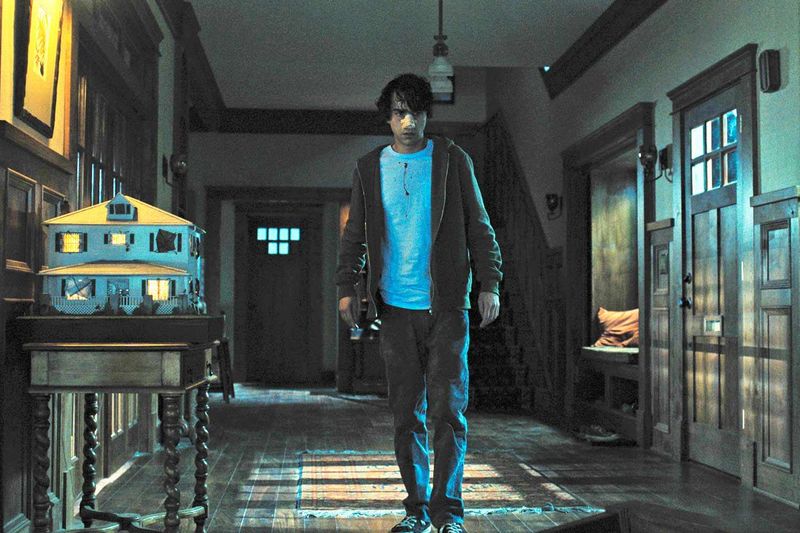
Grief makes the Graham household feel broken long before its hidden enemy steps forward. Strange events and painful losses slowly reveal a plan built around the demon Paimon.
By the final ceremony, the family has been destroyed, and Peter’s body becomes the demon’s vessel. The cult celebrates, but nobody we have followed gains freedom or peace.
Pay attention to the dollhouse images: they make the family look like figures being moved by hands they cannot see.
7. The Descent (2005): Darkness Beyond the Exit
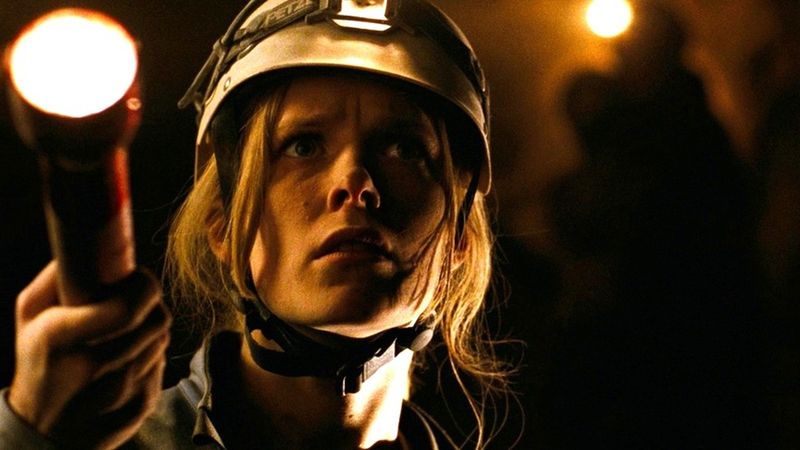
Forget wide open spaces. A caving trip pushes six women into tight tunnels, broken friendships, and the hunting grounds of creatures built for darkness.
The original British ending takes away Sarah’s apparent escape, returning her to the cave and a vision of her dead daughter. The American theatrical cut stops earlier, leaving a different impression.
Check which version you are watching, because that final change turns a frightening survival story into an even harsher portrait of grief.
8. The Wicker Man (1973): Faith Meets a Dead End
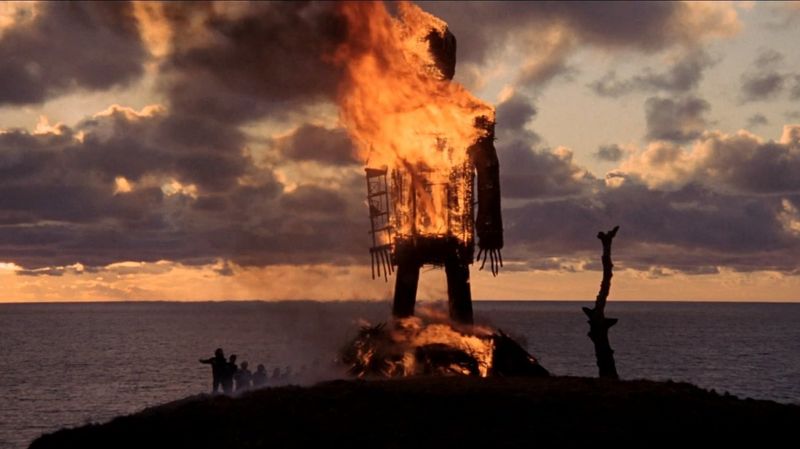
Bright songs and island sunshine hide a carefully arranged death sentence. Sergeant Howie believes he is searching for a missing girl, but the community has brought him there as a sacrifice.
His death inside the wicker figure offers no rescue or clear justice. Even the islanders cannot know whether their failing crops will recover.
Listen closely to Howie’s warning about another failed harvest: it suggests their supposed solution may only create a need for another victim.
9. Funny Games (1997): Cruelty Controls the Rules
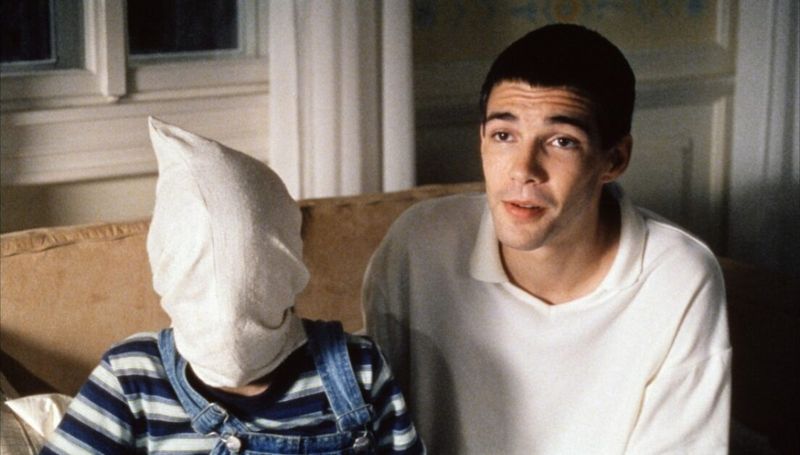
Polite smiles become a warning sign when two young strangers enter a family’s holiday home. Their games are cruel, and the film refuses to give the victims a fair chance to fight back.
One shocking moment even lets a killer undo resistance by rewinding the action. After destroying the family, the pair approaches another home.
Expect a disturbing challenge to familiar movie rules, not a clever escape story where courage earns a reward in the end.
10. Invasion of the Body Snatchers (1978): The Last Familiar Face
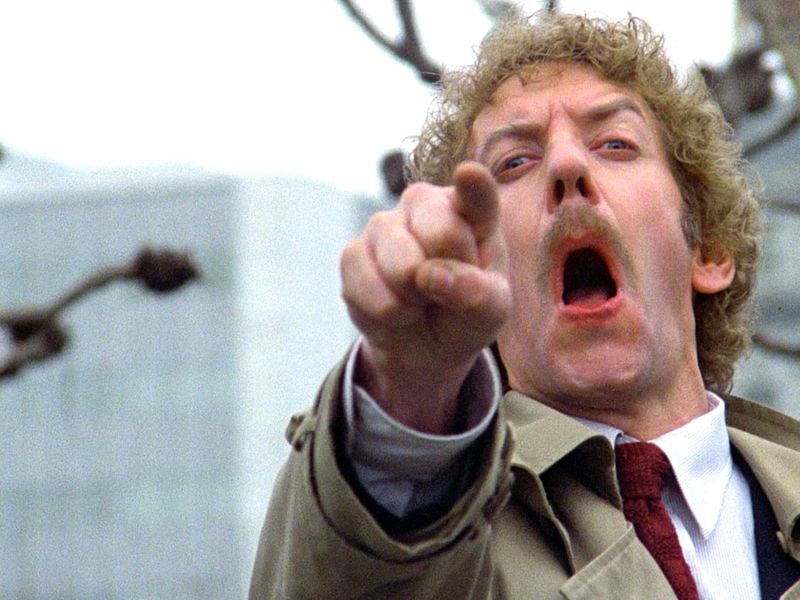
Imagine recognizing a friend’s face but finding nobody familiar behind the eyes. Alien copies spread through San Francisco, replacing people while they sleep and stripping away their emotions.
The final encounter offers a brief flash of comfort before Matthew reveals that he, too, has been replaced. His terrible shriek turns recognition into betrayal.
The film never needs to show the whole planet falling; one lost face makes the threat feel enormous, leaving almost nowhere for hope.
11. The Ring (2002): Survival Passes the Curse Along
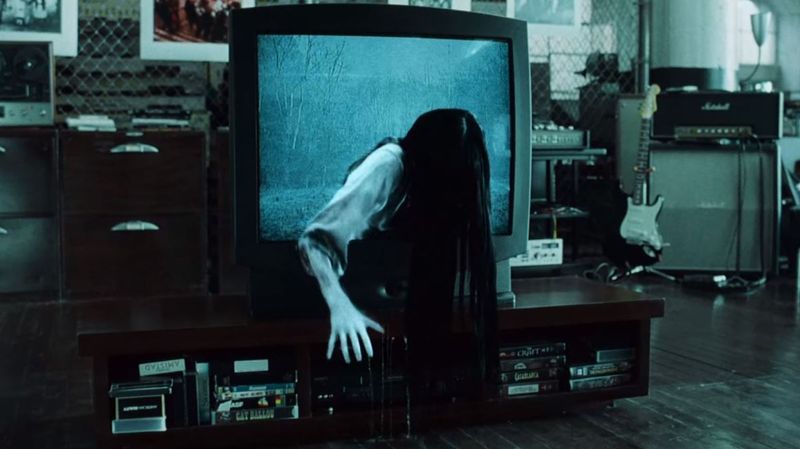
Solving the mystery does not break the curse, which is what makes Rachel’s discovery so nasty. She survives because she copied the videotape and showed it to someone else, not because she helped Samara.
To protect Aidan, she helps him make another copy. Their escape now depends on exposing another person to danger.
Watch the ending as a moral trap: saving your own family may mean sending the same terror into a stranger’s home next time.
12. Rosemary’s Baby (1968): Betrayal Behind Every Door
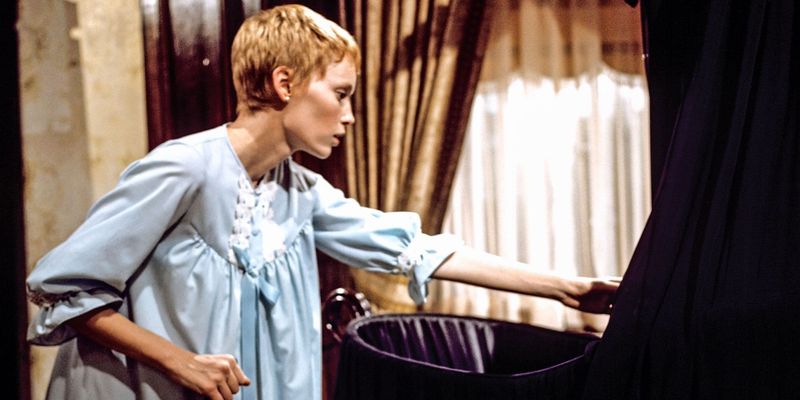
Home should be the safest place Rosemary knows, yet everyone around her helps turn it into a prison. Her husband, neighbors, and doctor hide a plan that uses her pregnancy for their own ends.
When she discovers her baby is Satan’s child, there is no comforting rescue. Her move toward the cradle suggests maternal love may bind her to the nightmare.
The horror grows from stolen choices, making ordinary conversations and friendly advice feel deeply threatening.
13. Wolf Creek (2005): The Outback Offers No Justice
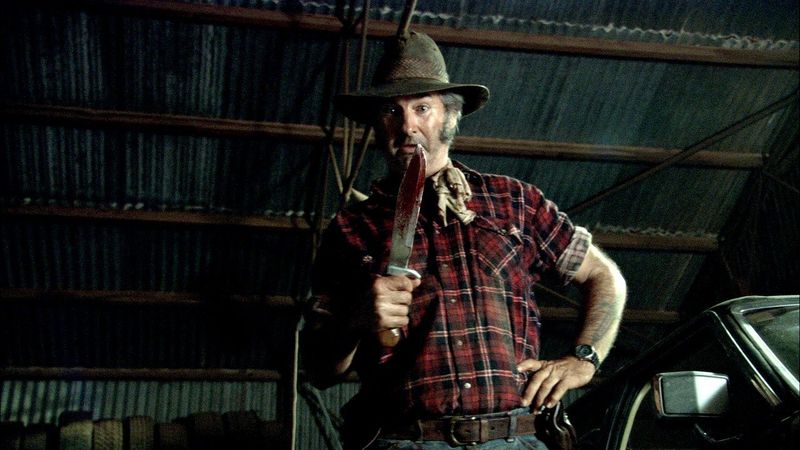
A friendly offer of roadside help becomes the worst decision of a backpacking trip. Mick Taylor uses the Australian outback’s isolation to trap travelers who have almost nowhere to run.
Ben survives, but the women do not, and Mick avoids capture. The ending leaves escape feeling small beside the absence of justice.
Although inspired partly by real crimes, the story is fictional, so avoid treating it as a direct account of one documented case or investigation.
14. The Cabin in the Woods (2011): An Impossible Final Choice
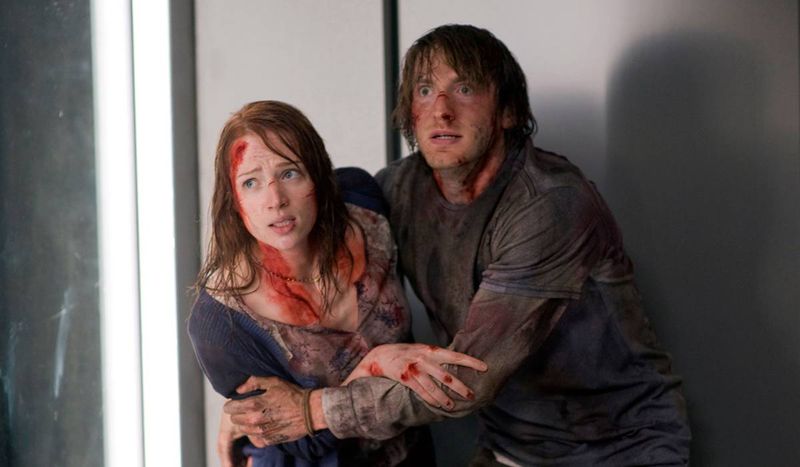
Underneath the familiar woodland getaway sits a system that treats human lives like parts of a machine. Secret workers arrange ritual deaths to keep ancient gods from destroying the world.
When Dana and Marty refuse the final sacrifice, humanity’s time runs out. Their choice rejects a cruel bargain without offering a safe replacement.
Beneath the jokes and monster chaos lies an ugly question: can a world built on murdering innocent people really claim a happy ending?
15. The Thing (1982): Suspicion Survives the Fire
Trust becomes more dangerous than the cold at an Antarctic research station. A creature can copy any person, making every friendship and test feel uncertain.
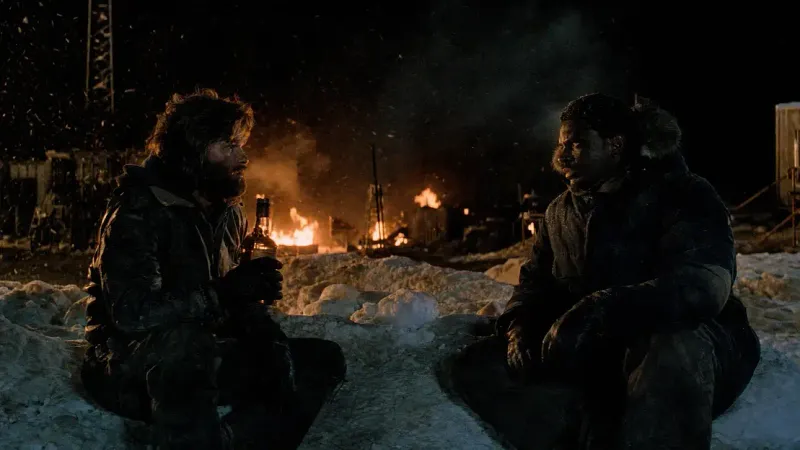
After the station burns, MacReady and Childs sit together with little shelter and no clear reason to trust each other. The film never confirms whether either man is infected.
That uncertainty is the point: even destroying the base cannot restore safety, and their quiet final exchange leaves survival hanging in the air.