
A song can make a stranger’s life feel close to your own. Behind many famous tracks are real artists, family members, brave voices, and people facing hard times.
Some songs follow the facts closely, while others mix true events with memory or imagination. Knowing the story behind the music can change what you hear the next time you press play.
1. American Pie by Don McLean: When Music Lost Its Heroes
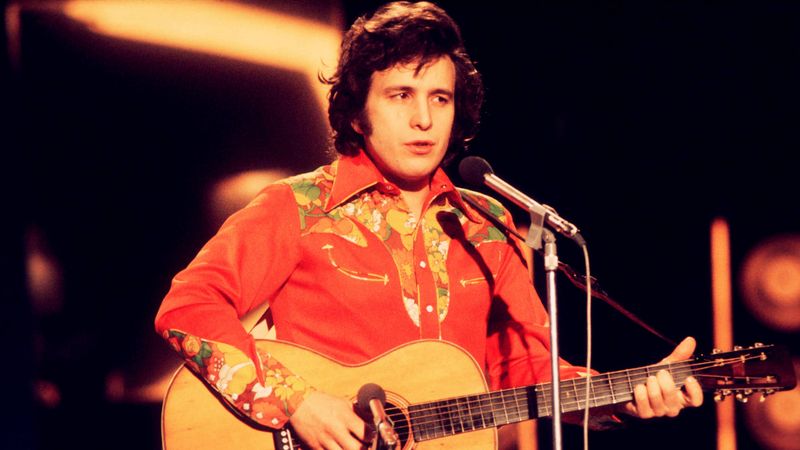
A newspaper delivery route became part of music history when young Don McLean learned that Buddy Holly had died. His 1971 epic looks back at the 1959 plane crash that also killed Ritchie Valens and the Big Bopper.
Beyond that tragedy, the song follows a changing America through mysterious images and musical clues. Listen for the shift from cheerful memories to unease, but remember that many popular explanations of its lyrics remain guesses rather than facts.
2. The Ballad of Ira Hayes by Johnny Cash: A Hero Forgotten
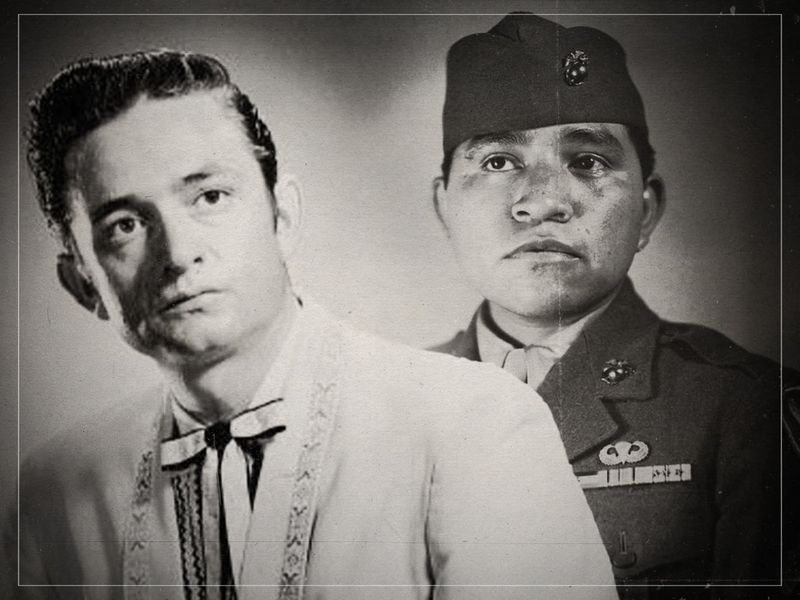
Returning home did not bring Ira Hayes the peace a war hero might expect. The Pima Marine helped raise the American flag at Iwo Jima, yet later faced poverty, prejudice, and alcohol problems.
Johnny Cash’s famous recording of Peter La Farge’s song refuses to separate military honor from everyday suffering. Hear how the plain delivery strengthens its message: praising someone means little if society ignores their needs once the public celebration and cheering have finally ended.
3. Candle in the Wind by Elton John: Fame’s Fragile Glow
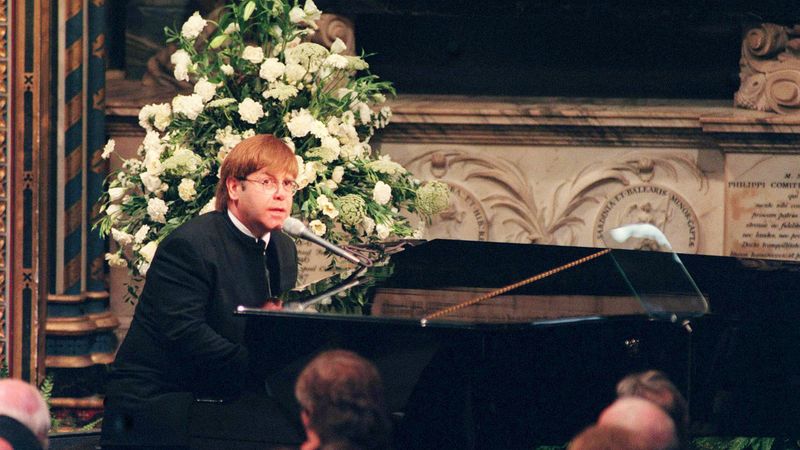
Fame can make a person seem larger than life while hiding how vulnerable they are. Elton John and lyricist Bernie Taupin explored that gap in their 1973 tribute to Marilyn Monroe, addressing her by her birth name, Norma Jeane.
The song mourns a person overshadowed by her public image. A rewritten version honored Princess Diana in 1997.
Compare the two recordings to hear how one melody can carry different stories of loss, attention, and public grief.
4. Hurricane by Bob Dylan: A Protest With a Fighter’s Pulse
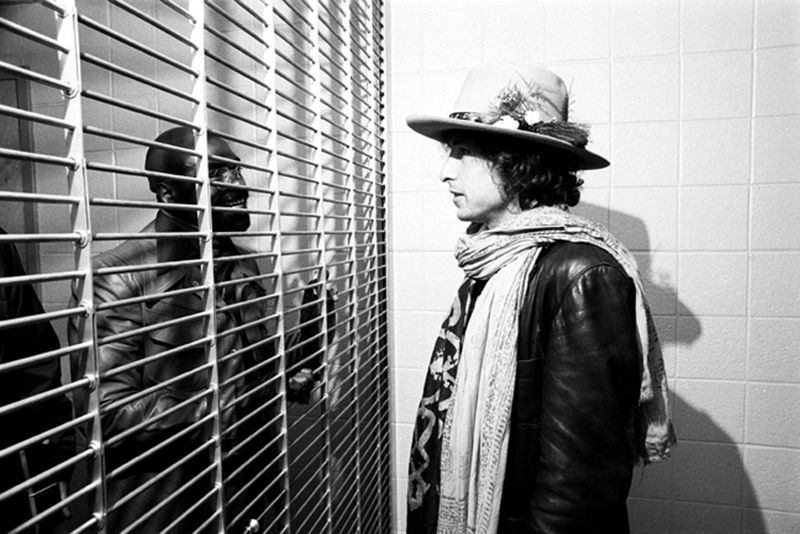
Fast violin lines and urgent vocals make this track feel like a race against injustice. Bob Dylan tells the story of boxer Rubin Carter, whose murder convictions became the focus of a major public campaign.
Carter spent more than eighteen years in prison before a federal judge overturned his convictions. Dylan’s song helped spread awareness, but some details were disputed or dramatized.
Pair a listen with reliable reporting to separate the powerful protest from the record.
5. I Don’t Like Mondays by The Boomtown Rats: A Chilling Contrast
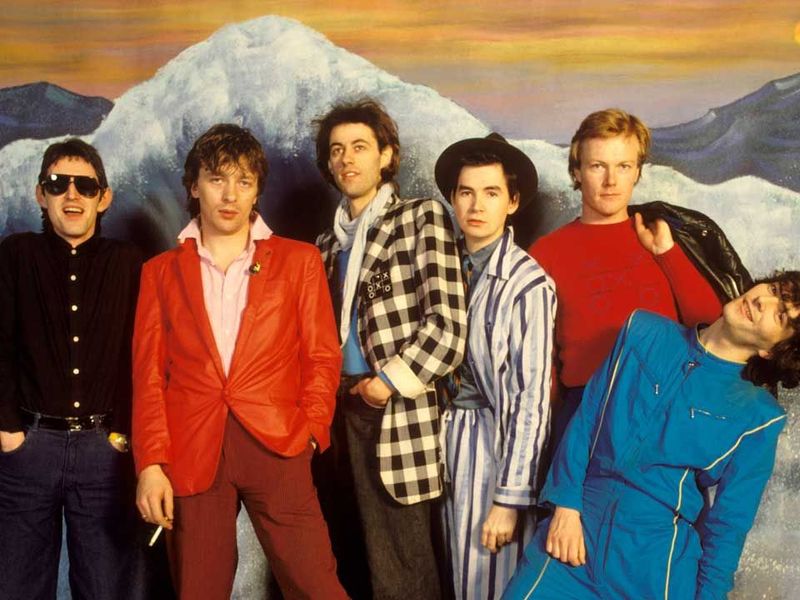
Bright piano chords give way to a story that is anything but cheerful. Bob Geldof wrote this song after hearing about the 1979 San Diego school shooting carried out by sixteen year old Brenda Ann Spencer.
Its title comes from her reported explanation for the attack, which killed two adults and injured others. Rather than treating that phrase as a joke, hear the contrast between the catchy arrangement and the terrible human cost behind its creation.
6. Jeremy by Pearl Jam: Hearing the Pain Behind Silence
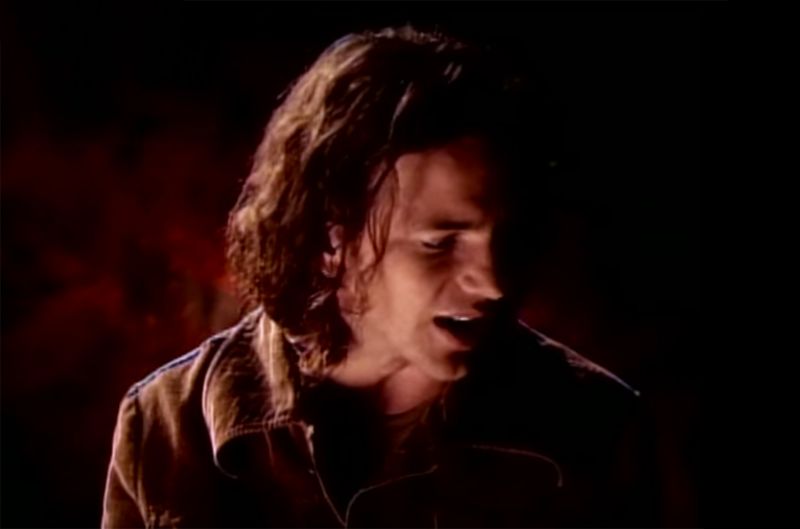
A short newspaper report pushed Eddie Vedder to write about a teenager whose pain had gone unseen. Pearl Jam’s song drew from the death of Jeremy Wade Delle, a Texas student who died by suicide in 1991.
The lyrics also include Vedder’s memories and imagined scenes, so they are not a complete biography. Beneath the forceful sound is a reason to notice isolation, take distress seriously, and encourage someone who is struggling to seek trusted support.
7. Vincent by Don McLean: A Painter Seen With Kindness

Swirling skies become something you can almost hear in Don McLean’s tender portrait of Vincent van Gogh. Written after McLean read about the painter, the song connects vivid colors and natural scenes with a life marked by hardship.
Keep images of Van Gogh’s paintings nearby while listening, especially The Starry Night. The references become easier to spot.
Remember, though, that this moving tribute offers an emotional reading of his life rather than a full medical explanation.
8. Rasputin by Boney M.: History Hits the Dance Floor
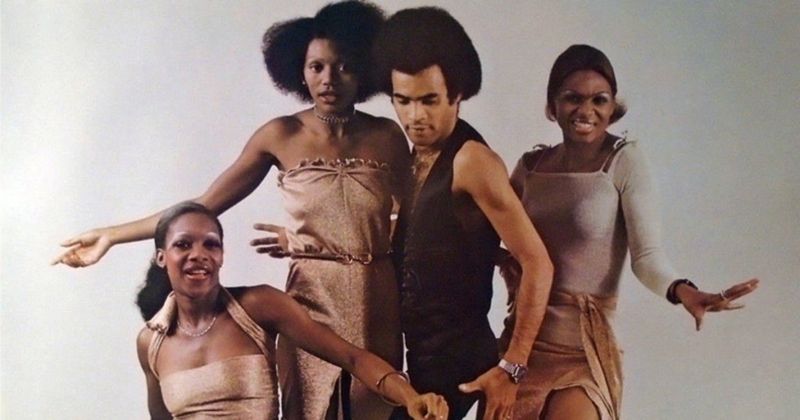
Who expected a Russian court figure to become a disco star? Boney M.’s lively hit turns Grigori Rasputin into a larger than life character, complete with palace influence, scandal, and a dramatic ending.
The real Rasputin gained the trust of Russia’s imperial family before his murder in 1916. However, the song repeats legends and sensational claims alongside history.
Enjoy its unstoppable beat, then check a history source before accepting every colorful detail as the plain truth.
9. Hey Jude by The Beatles: Comfort for a Child
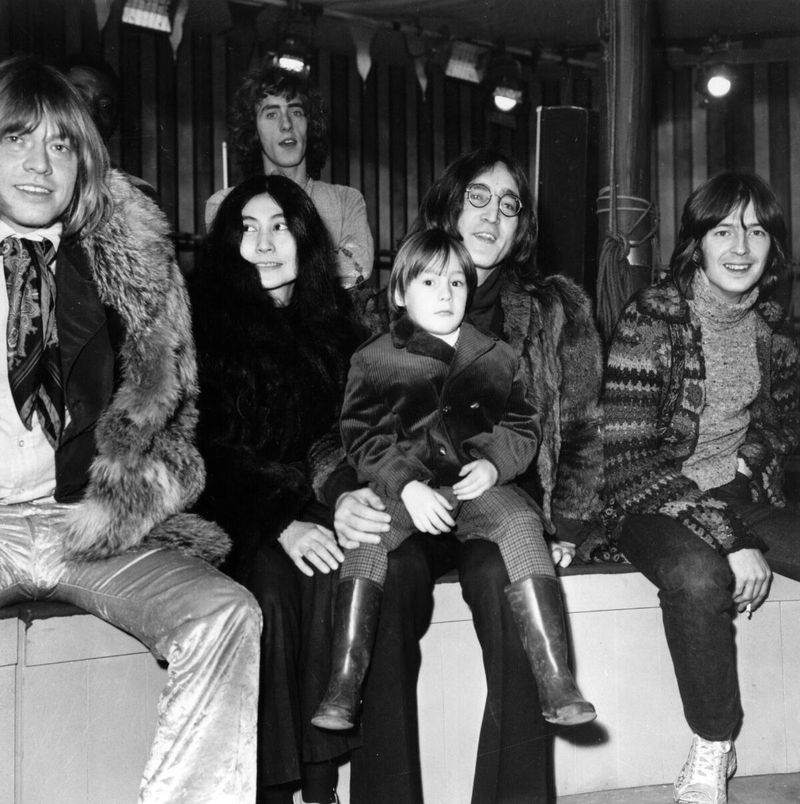
Before stadium crowds sang along, this was a message meant to comfort one little boy. Paul McCartney began writing it with Julian Lennon in mind as Julian’s parents, John and Cynthia, were separating.
The early title was Hey Jules, which later became Hey Jude. Rather than explain the family’s problems, the song offers hope and encouragement.
Its long closing singalong turns private kindness into a shared experience, showing how a personal starting point can reach almost anyone.
10. Man on the Moon by R.E.M.: A Wink to Andy Kaufman
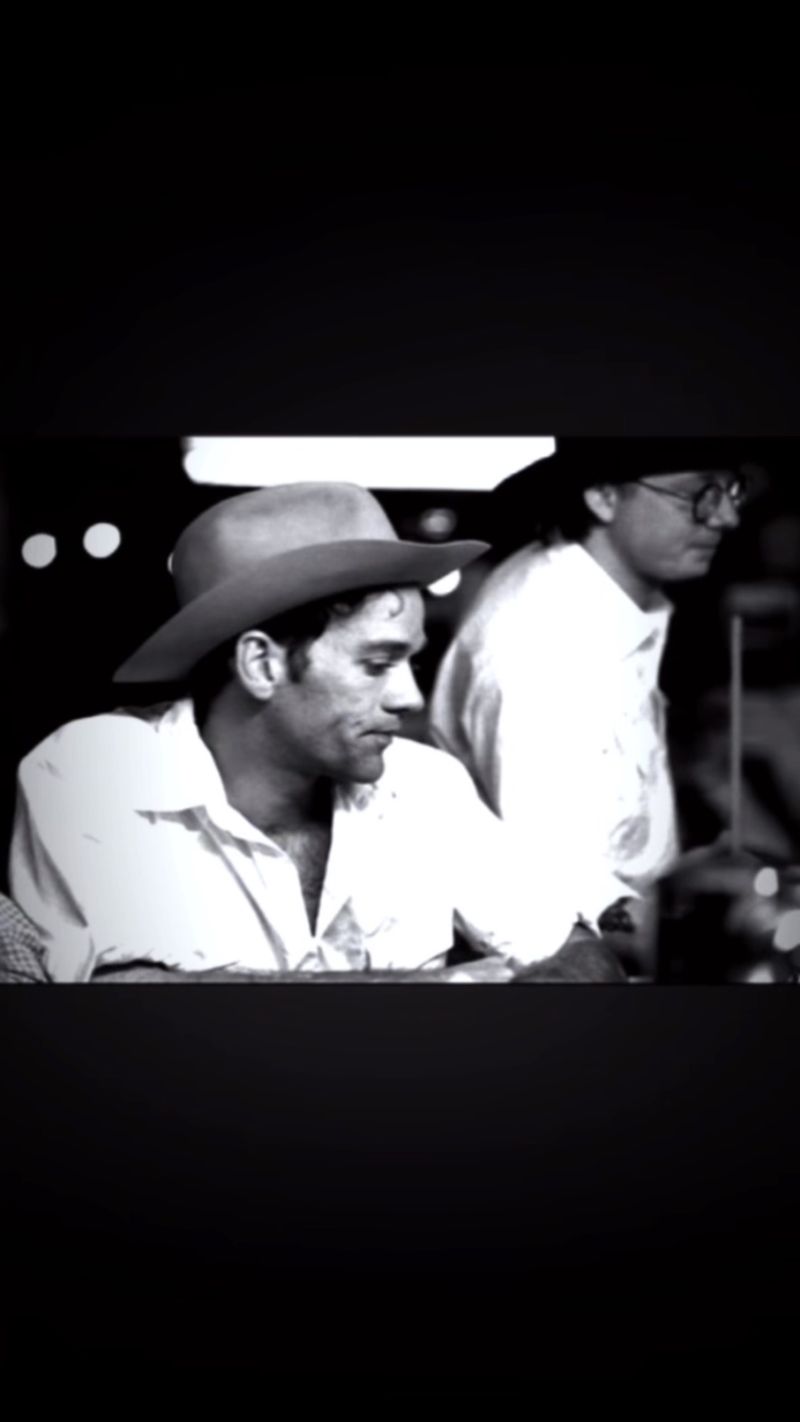
With Andy Kaufman, the audience could never be completely sure where the joke ended. R.E.M. celebrates that playful uncertainty in a song filled with references to the comedian’s performances, Elvis impressions, and wrestling adventures.
Kaufman died in 1984, but rumors that he had staged his death became part of his legend. The lyrics play with belief rather than prove those rumors.
Listen for the mix of affection and mischief that makes the tribute feel so fitting.
11. The Empty Chair by Sting: Absence Made Personal
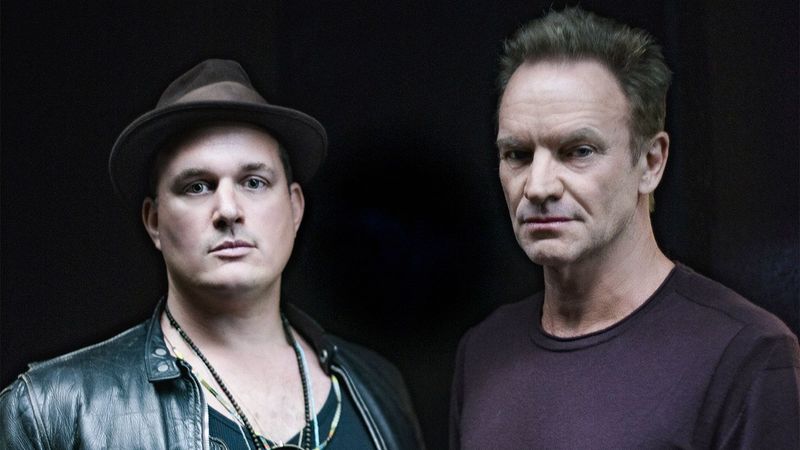
An unused seat at a family table can say more than a crowded room. Sting and composer J.
Ralph use that simple image to honor American journalist James Foley, who was kidnapped in Syria and killed in 2014.
Written for the documentary Jim: The James Foley Story, the song imagines words of reassurance for loved ones left behind. Its quiet approach keeps attention on connection rather than violence, giving listeners space to think about courage and remembrance.
12. Mr. Bojangles by Jerry Jeff Walker: Dignity in a Dance
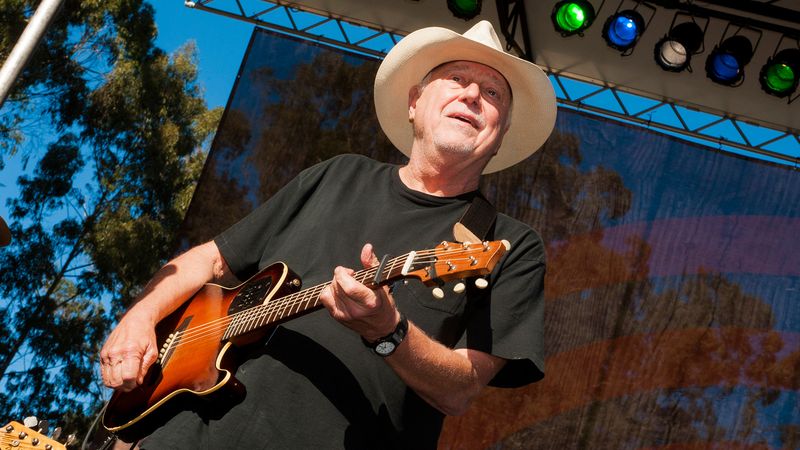
One brief meeting gave an unknown man a lasting place in popular music. Jerry Jeff Walker based this song on a street performer he met in a New Orleans jail, where stories and dancing briefly lifted the mood.
The man used the name Mr. Bojangles, but he was not famed dancer Bill Robinson. Details about worn clothes, travel, and a beloved dog make the portrait feel close.
Notice how small memories reveal dignity without turning hardship into spectacle.
13. Biko by Peter Gabriel: A Name That Became a Call
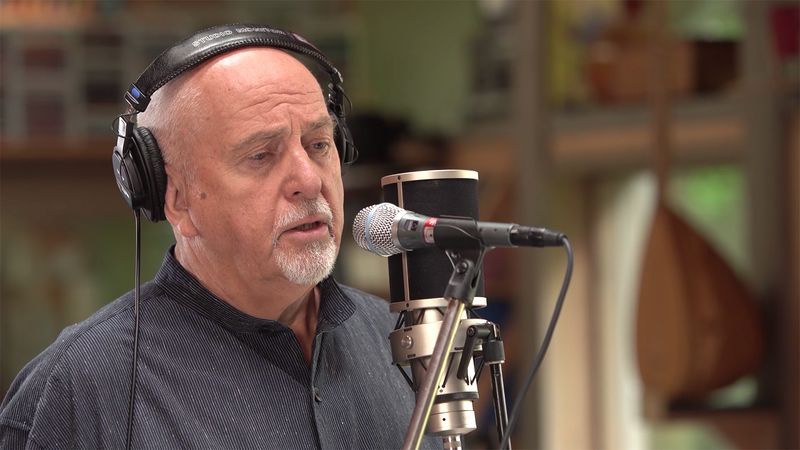
A steady rhythm carries a name that authorities could not silence. Peter Gabriel’s tribute honors Steve Biko, the South African activist who opposed apartheid and died after suffering injuries in police custody in 1977.
Released in 1980, the song helped introduce Biko’s story to listeners around the world. Its repeated chants feel built for people singing together.
Learning about apartheid alongside the track makes its message clearer: remembering one person can strengthen a much wider demand for justice.
14. Wake Me Up When September Ends by Green Day: Grief Returns
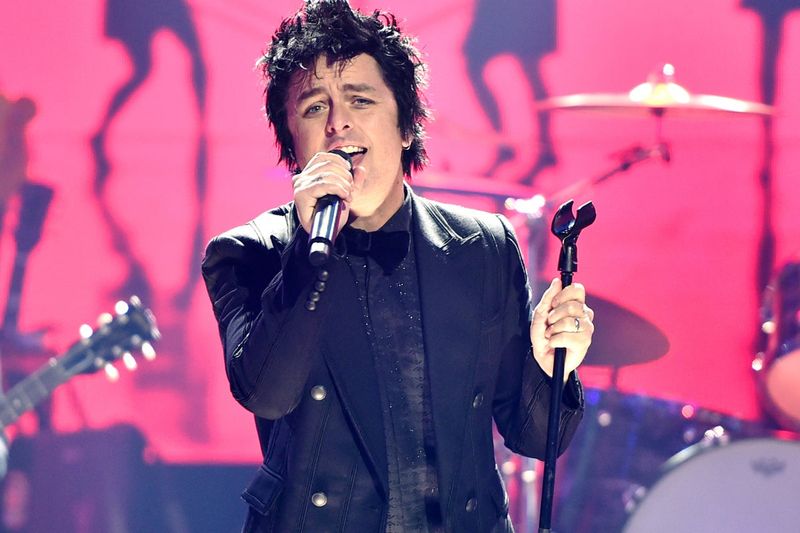
Some months carry memories that return before you are ready. Billie Joe Armstrong wrote this Green Day song about losing his father, Andrew, to cancer in September 1982, when Billie Joe was ten.
The quiet opening grows into a heavier release, much like grief moving between stillness and anger. Although its video tells a wartime story, the song’s roots are personal.
Separate those two layers when listening, and notice how the changing sound gives sadness room to breathe.
15. Dear John by Taylor Swift: A Letter With Sharp Edges
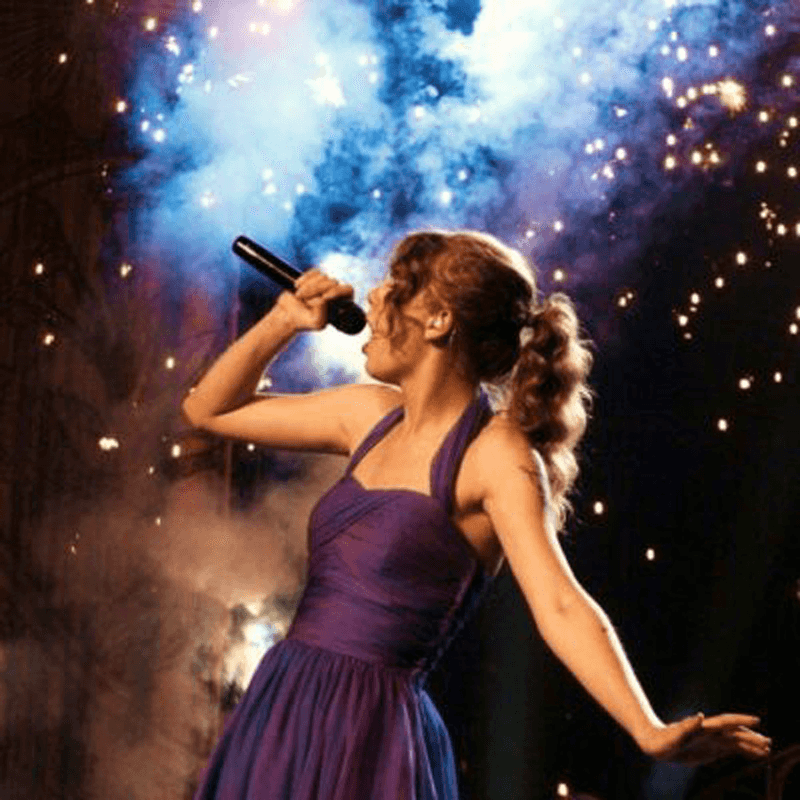
A slow guitar opening sets the stage for a painful look back at a relationship. Taylor Swift’s Dear John describes confusion, an age gap, and the moment a young narrator begins recognizing unhealthy patterns.
Listeners widely connect the song to John Mayer, but Swift has not publicly confirmed that identification. Treat it as personal songwriting, not a verified report about someone else.
Its clearest lesson is about trusting your feelings and noticing when affection comes with emotional uncertainty.
16. Jolene by Dolly Parton: Jealousy Finds Its Voice
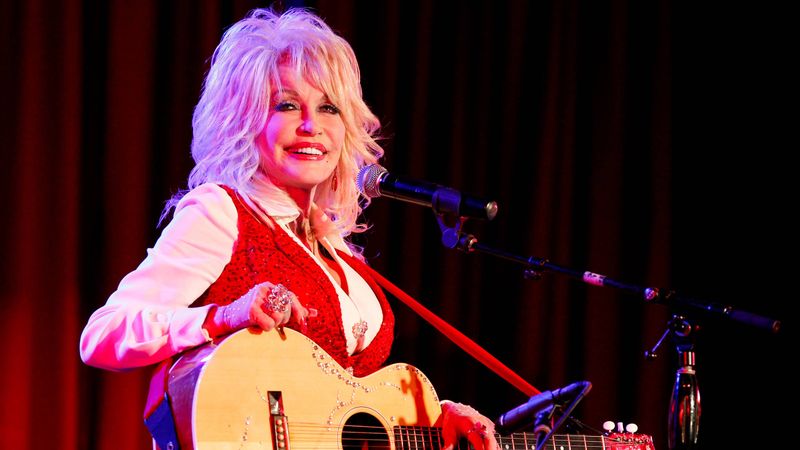
Instead of picking a fight, Dolly Parton’s narrator makes a desperate request. The song grew partly from Parton’s story about a bank worker who paid attention to her husband, Carl Dean.
Another encounter supplied the name: a young fan named Jolene impressed Parton with her looks and memorable name. Those separate sparks became one vivid character.
The result shows how songwriting can reshape real moments, turning ordinary jealousy into a scene listeners understand without knowing every private detail.
17. Lovely Rita by The Beatles: A Parking Ticket Turned Playful
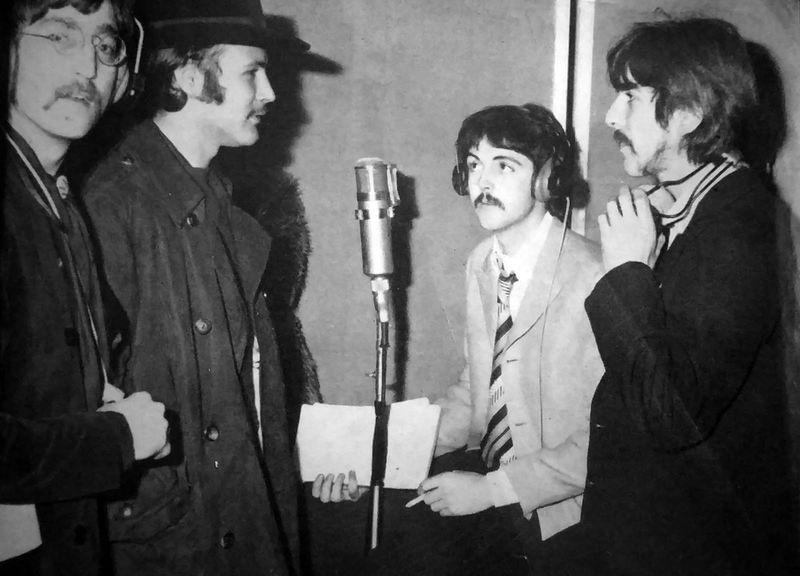
Even parking rules can become pop music with enough imagination. Paul McCartney turned the idea of a female parking officer into a cheerful romantic scene on the Beatles’ Sgt.
Pepper album.
A warden named Meta Davies later linked herself to the song, but McCartney’s accounts do not firmly confirm that familiar story. Calling Rita a documented portrait would stretch the evidence.
Enjoy it instead as a playful character sketch whose possible real inspiration remains less certain than legend.
18. Walk on the Wild Side by Lou Reed: Portraits From the Factory
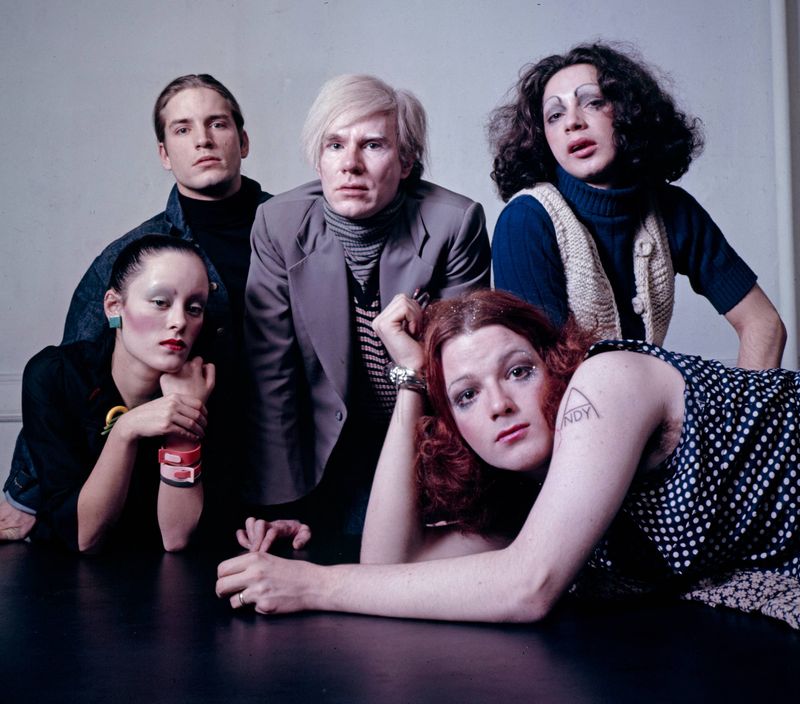
That sliding bass line opens a doorway into a particular New York circle. Lou Reed sketches people connected to Andy Warhol’s Factory, including Holly Woodlawn, Candy Darling, Joe Dallesandro, Jackie Curtis, and Joe Campbell, nicknamed the Sugar Plum Fairy.
Each verse offers a quick glimpse rather than a full life story. Some language reflects its era and may feel dated today.
Learning about the people separately adds depth to a song that made unconventional lives part of mainstream radio.
19. All Those Years Ago by George Harrison: Friendship After Loss
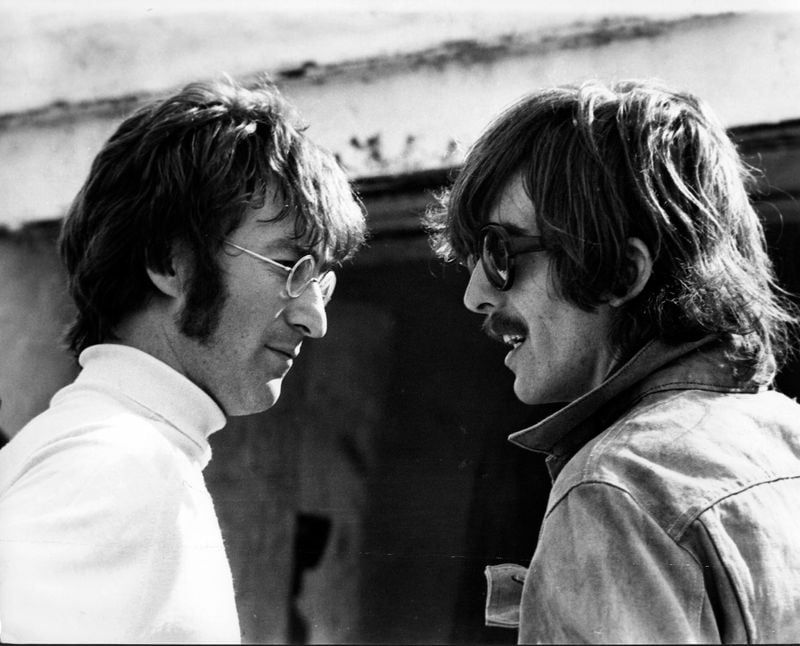
A lively beat can carry sorrow without hiding it. After John Lennon’s murder in 1980, George Harrison reshaped an existing song into a tribute to his former bandmate, reflecting on friendship, belief, and loss.
Ringo Starr played drums, while Paul McCartney contributed backing vocals alongside Linda McCartney and Denny Laine. Those connections give the recording extra weight.
Hear it as a surviving friend’s response rather than a complete biography, with warmth and hurt sharing the same musical space.