
Not so long ago, British families gathered around the table every evening with habits that felt as normal as brushing your teeth. Many of those customs have quietly faded away, replaced by busy schedules, takeaways, and meals eaten in front of screens.
Looking back at them is fun, but it also reminds us why sharing food together matters. Some of these old habits might even be worth bringing back to your own kitchen.
1. The Sunday Roast at One O’Clock Sharp
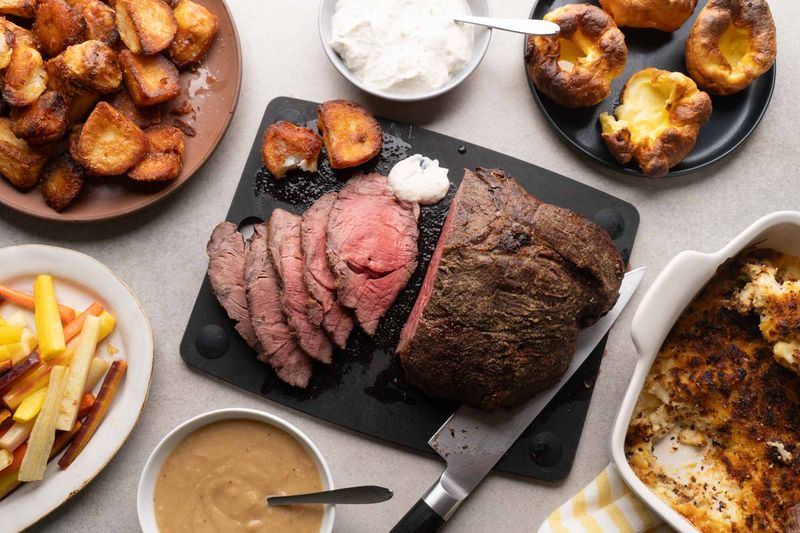
Grandma’s kitchen clock ruled the whole weekend. In many homes, the roast landed on the table at exactly one o’clock, and nobody dared be late.
Today, plenty of families skip the big Sunday meal or eat it at a pub instead. Busy weekends with sports, shopping, and screens have pushed it aside.
Want to revive it? Pick one Sunday a month, cook a simple chicken, and ask everyone to show up hungry and on time.
2. Saying Grace Before Eating
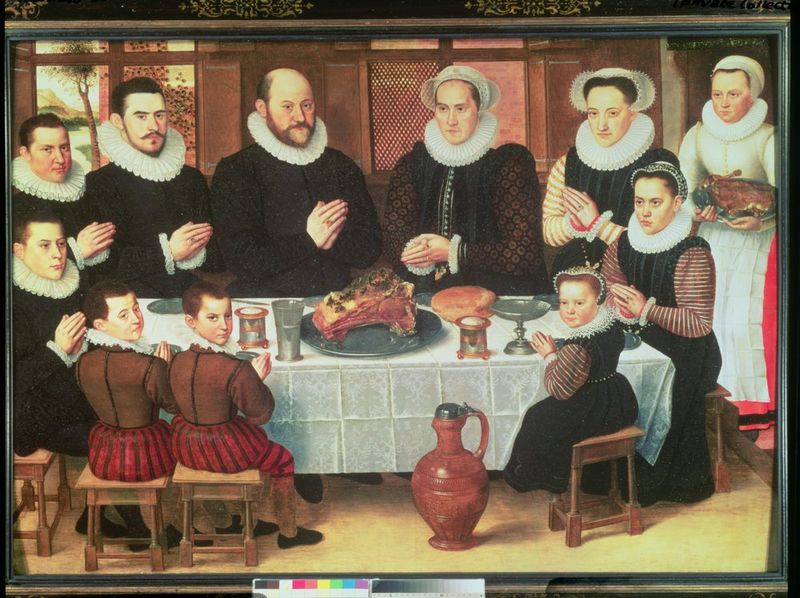
Heads bowed, hands folded, and a hungry stomach rumbling loudly. That was the scene in countless British homes before anyone lifted a fork.
Saying grace was once common, whether families were very religious or not. It was a short pause to be thankful for the food.
Few households do it now. Even so, a quick moment of thanks, religious or simply grateful, can calm a noisy table and help everyone appreciate the cook.
3. Calling It Tea Instead of Dinner
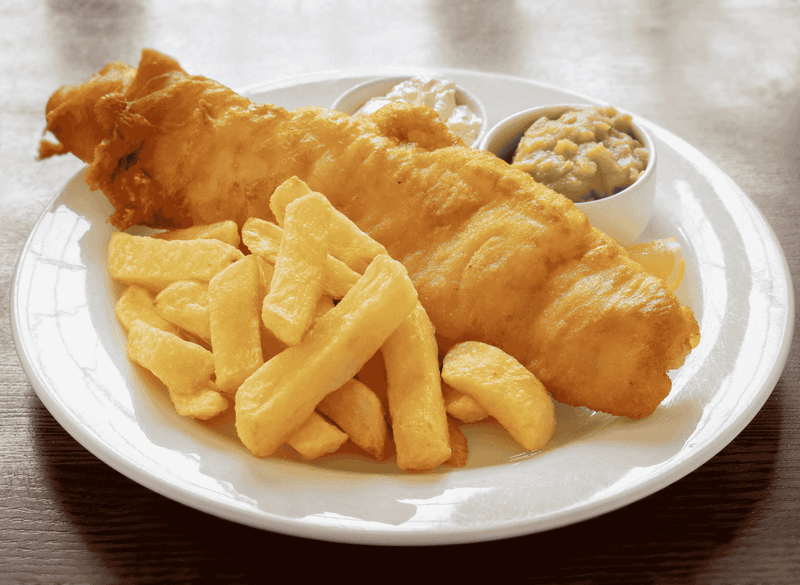
“Come in, your tea’s ready!” If you grew up in northern England, you probably heard that shout from the back door.
For working families, the evening meal was called tea, while dinner meant lunch. Wealthier folks used dinner for the evening.
The old naming is fading as younger people adopt dinner everywhere. It’s a fun bit of history, though, and asking grandparents what they called meals can spark great stories.
4. Dressing Up for the Evening Meal
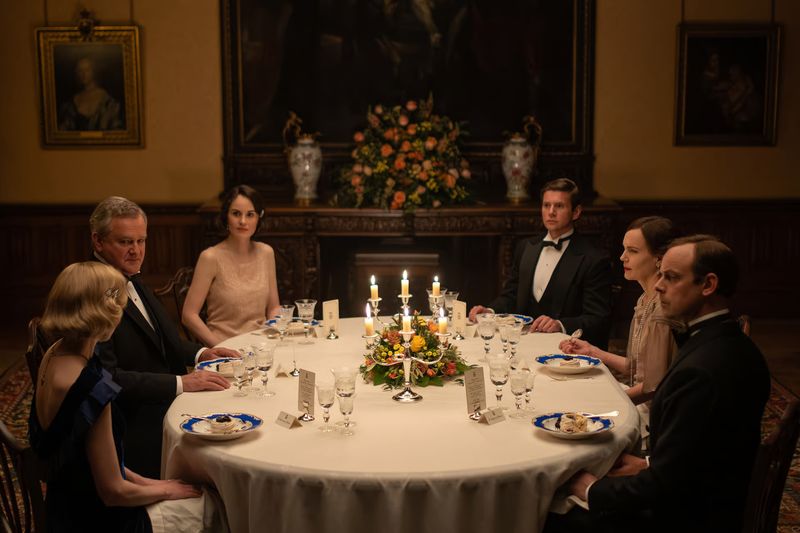
Picture swapping your comfy hoodie for a jacket and tie just to eat soup. In wealthier British homes, changing for dinner was expected every single night.
Even ordinary families often tidied up, combed their hair, and washed their faces before sitting down.
Pajamas and tracksuits rule now. Still, putting on a clean shirt for a special meal makes it feel like an occasion, and it costs nothing at all.
5. The Gravy Boat on the Table
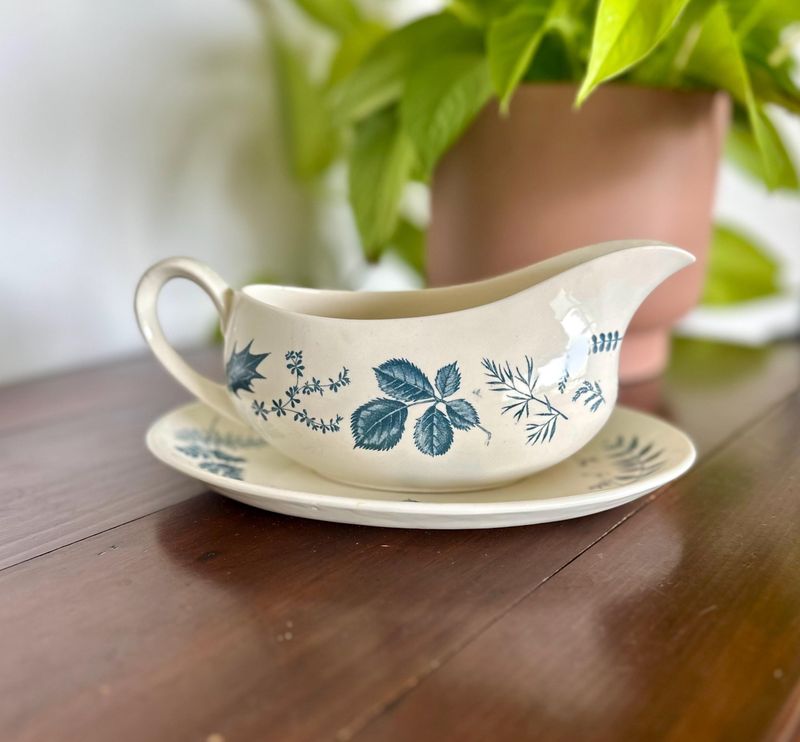
Few objects say proper British dinner like a gravy boat. That little china jug with a spout and saucer once sat proudly beside every roast.
Many people now pour gravy straight from a pan or a measuring jug. Some use instant granules in a mug.
Fun fact: gravy boats became popular in the 1700s, often made of silver. Charity shops sell lovely old ones cheaply if you fancy adding some charm.
6. Pudding Every Single Night
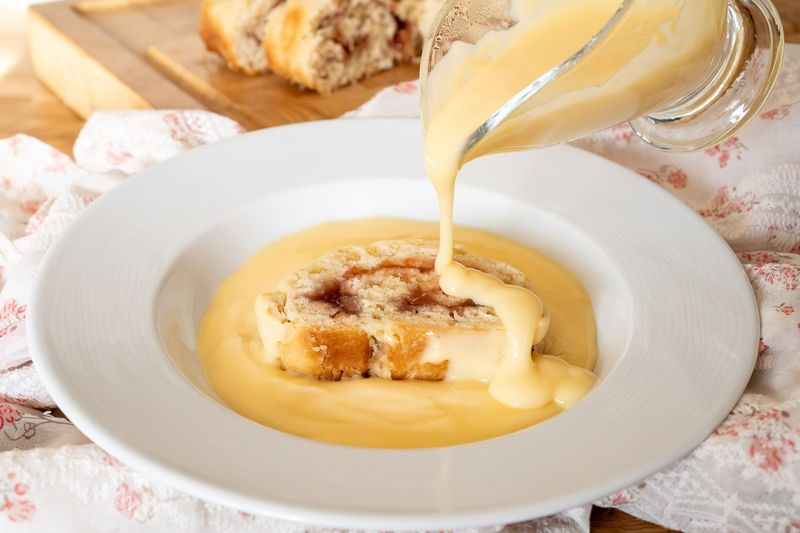
Spotted dick, jam roly-poly, rice pudding with a skin on top. For decades, a hot pudding followed the main course nearly every evening.
Nobody asked whether there was dessert. There always was, usually swimming in custard.
Health worries and time pressure have made nightly puddings rare. A fair middle ground might be a homemade crumble on Fridays, using whatever fruit is lying around, so the treat feels earned and special again.
7. Asking Permission to Leave the Table
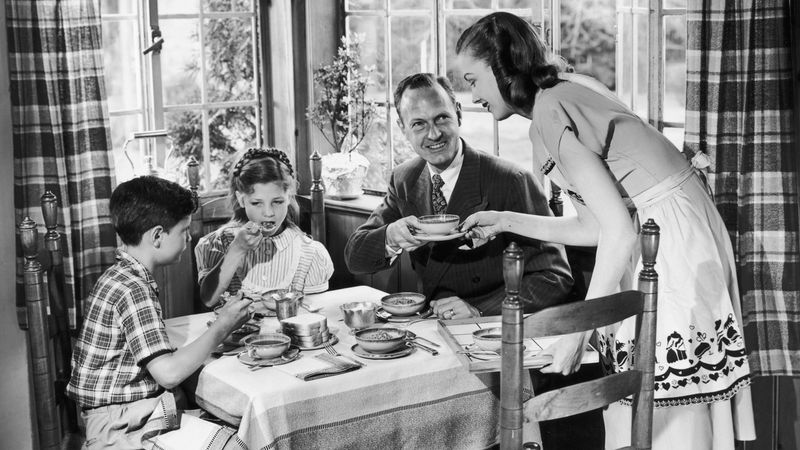
“Please may I leave the table?” Generations of British kids recited that line before escaping to play outside.
Leaving without asking was considered rude, and you usually waited until everyone had finished.
Nowadays, children often wander off once their plate is clean. Bringing back this small habit teaches patience and respect without being strict.
It also keeps conversations going a little longer, which many parents secretly love.
8. Bread and Butter With Every Meal
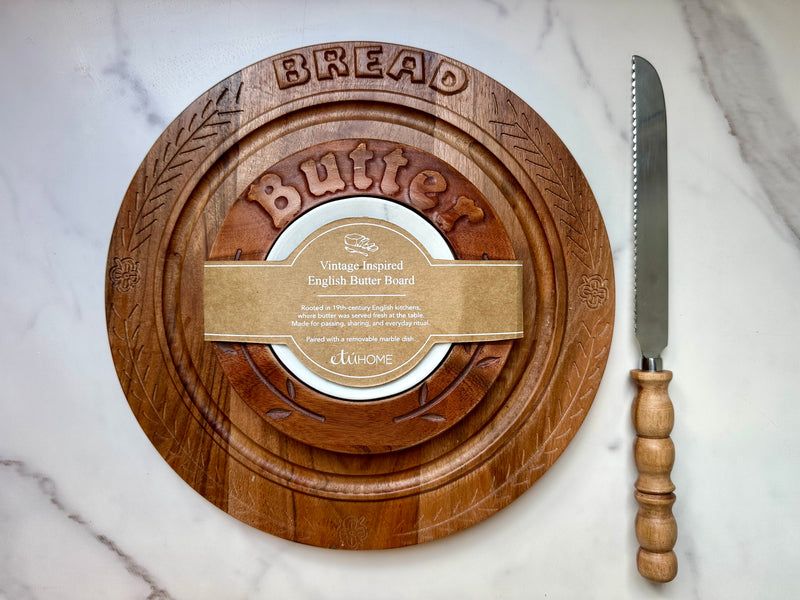
Stew, fish, even chips came with a plate of buttered bread on the side. It was cheap, filling, and perfect for mopping up every last drop of sauce.
Older Brits remember slices stacked high in the middle of the table.
The habit faded as diets changed and portions grew. Honestly, a warm crusty slice next to a bowl of soup still beats almost anything for simple comfort.
9. Fish on Fridays
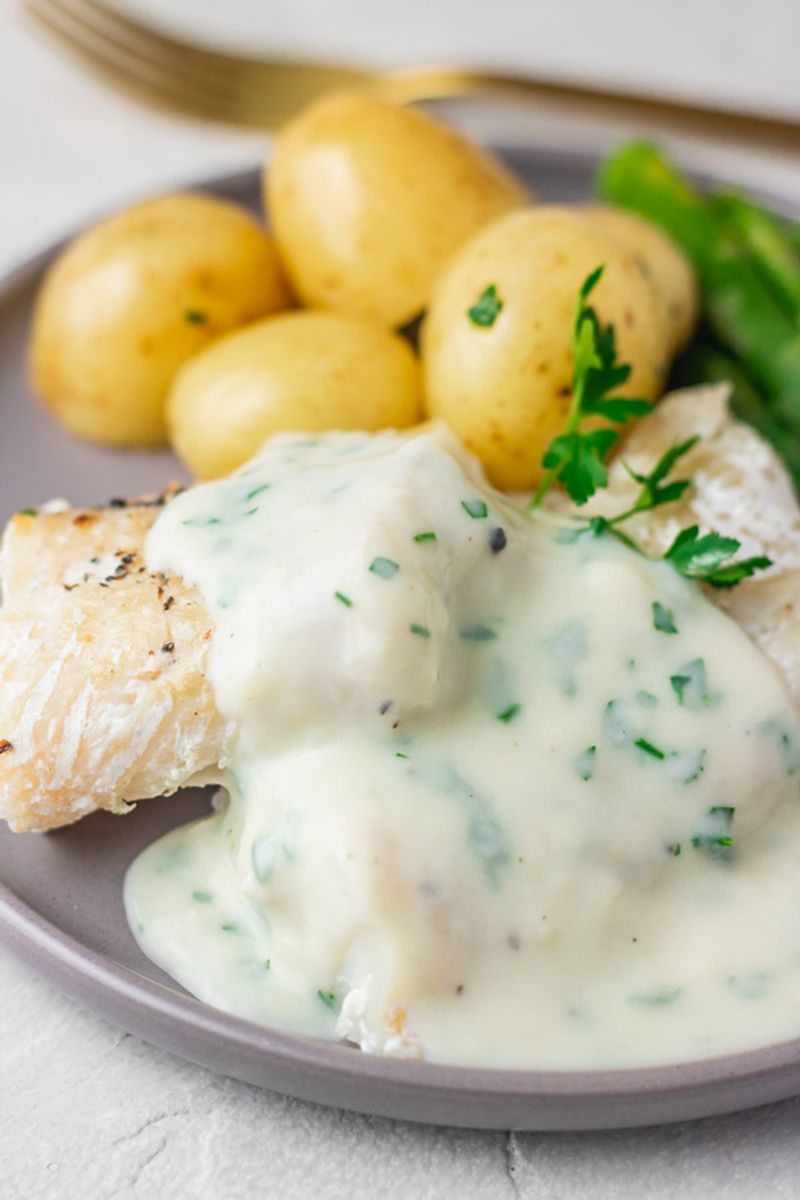
Friday meant fish. That rule came from Christian tradition, where eating meat on Fridays was avoided, and it stuck in British homes for centuries.
Boiled cod with parsley sauce was a classic, though chippy suppers grew popular too.
Many families have dropped the weekly routine. Yet keeping a fish night is an easy way to eat healthier, and kids often enjoy homemade fish fingers more than shop ones.
10. Laying the Table Properly
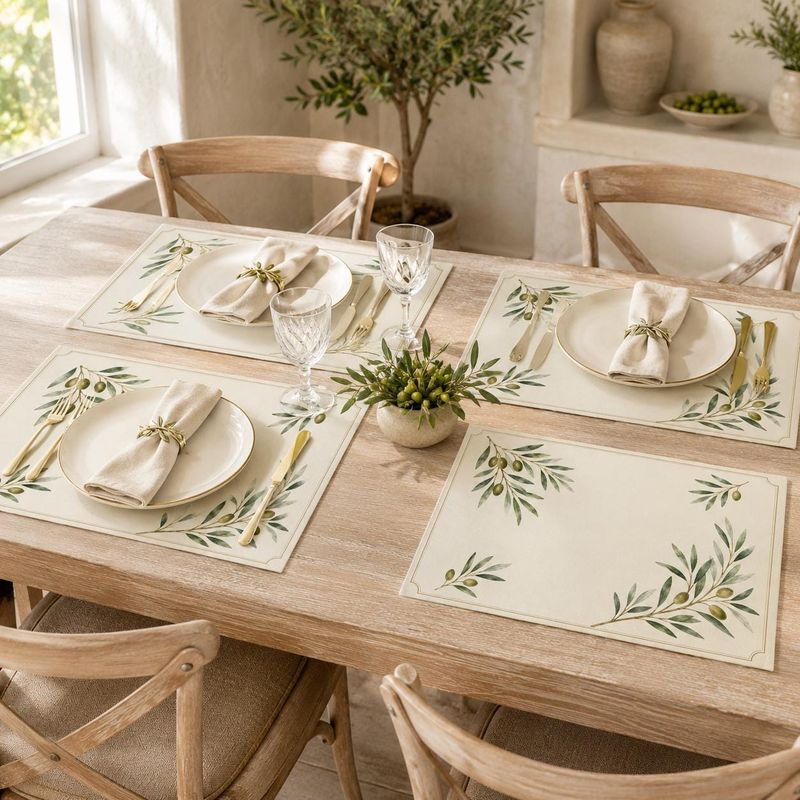
Knife on the right, fork on the left, pudding spoon across the top. Laying the table was often a child’s first household job.
A salt and pepper cruet, tablemats, and folded napkins completed the look.
Many homes now grab cutlery from the drawer as plates come out. Giving kids this simple chore again builds responsibility, and a properly set table makes even beans on toast feel a bit fancy.
11. The Weekly Leftover Bubble and Squeak
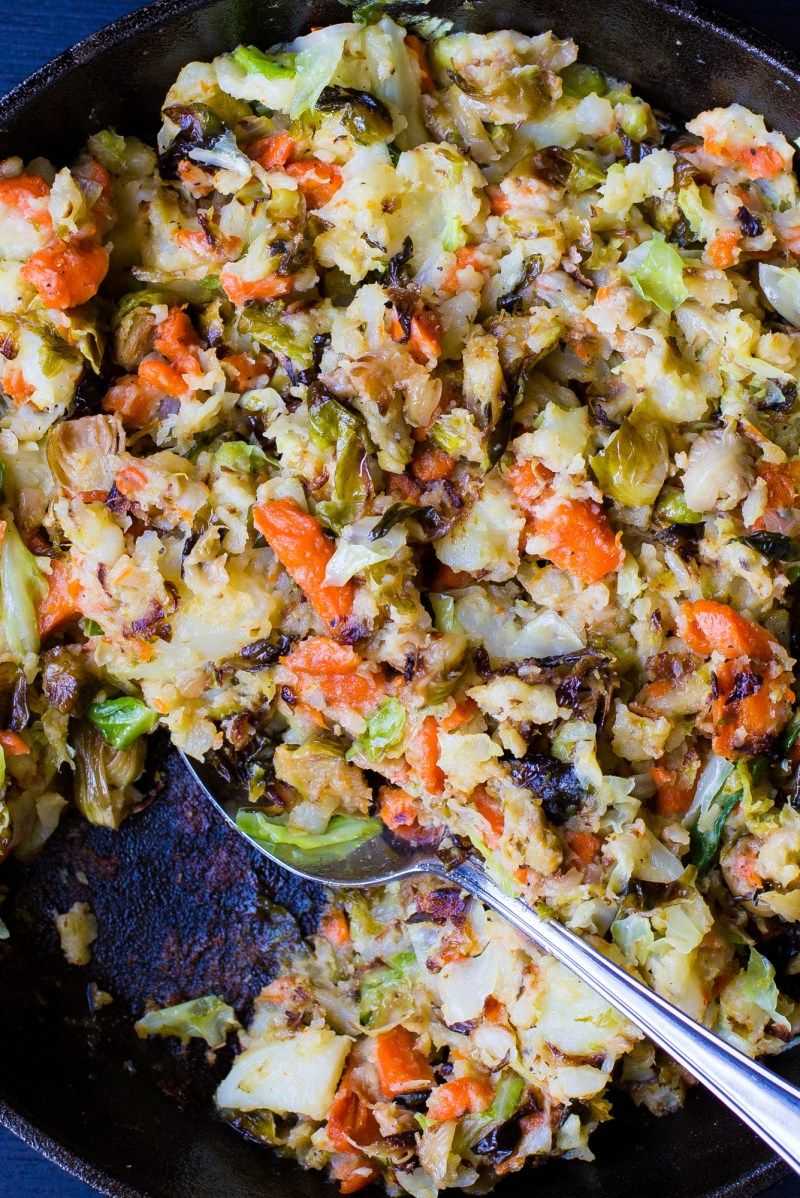
Monday’s dinner was basically Sunday’s dinner in disguise. Leftover potatoes and cabbage got fried into crispy bubble and squeak, named for the sounds it makes in the pan.
Cold roast meat was sliced for sandwiches or minced into cottage pie.
Food waste is a big problem today, so this thrifty habit deserves a comeback. Fry up your leftovers with a little butter and see how tasty saving money can be.
12. Children Seen and Not Heard
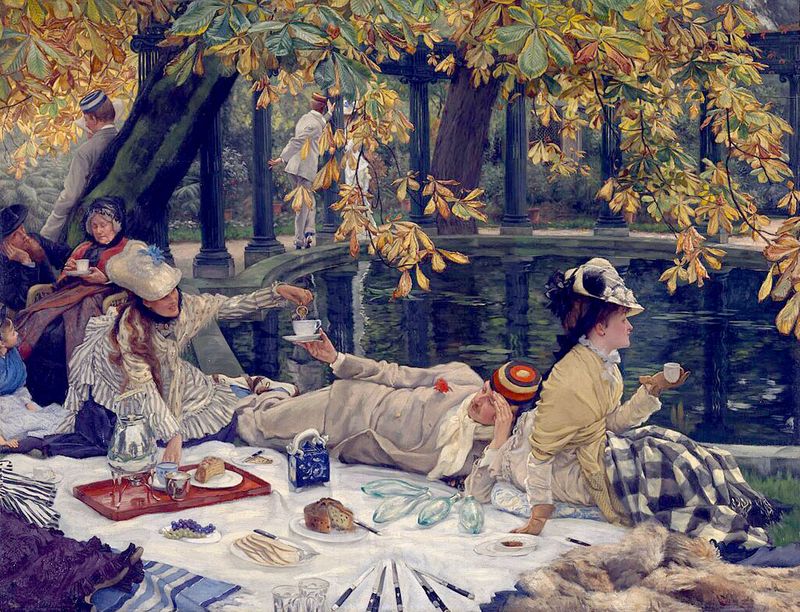
Back in the day, kids at the dinner table were expected to stay quiet unless spoken to. Chatting was mostly for grown-ups.
Thankfully, this one has nearly vanished, and for good reason.
Experts now say family meals help children build vocabulary and confidence through conversation. So instead of silence, try asking everyone to share the best and worst parts of their day.
You might be surprised what you learn.
13. Home-Cooked Suet Dishes
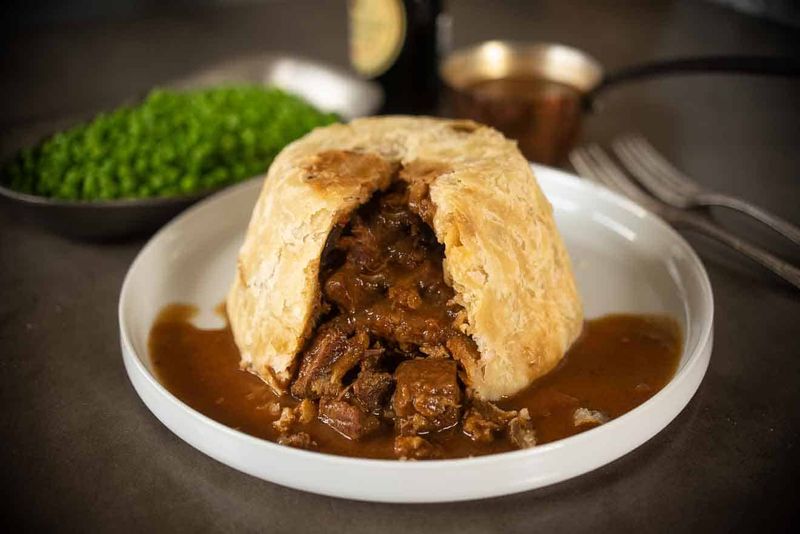
Ever tried steak and kidney pudding? It was a winter favorite, wrapped in a soft suet crust and steamed for hours.
Suet, a type of beef fat, also went into dumplings that floated on top of stews.
Long cooking times and changing tastes mean few people make these now. If you have a slow cooker, fluffy suet dumplings are surprisingly simple and turn any plain stew into a hearty feast.
14. Eating at the Dining Table Every Night
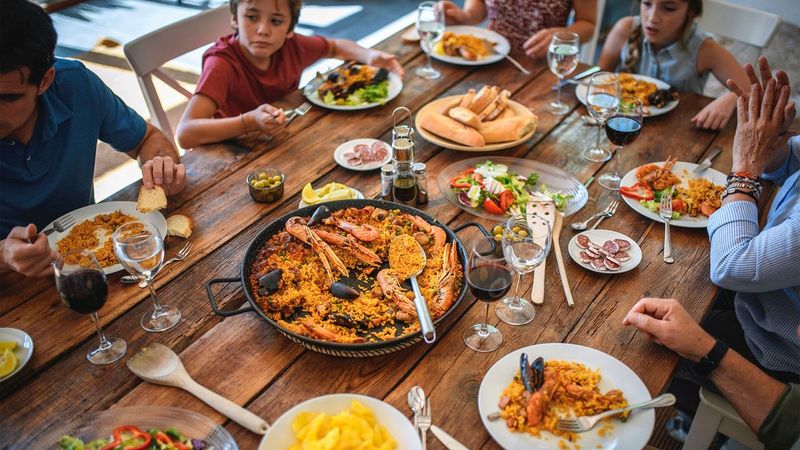
Surveys suggest many British families now eat in front of the TV most nights. Not long ago, that would have shocked most parents.
The dining table was the center of evening life, with everyone facing each other.
Eating together helps people slow down, notice when they are full, and actually talk. Even three table dinners a week, with phones in another room, can make a real difference to family life.
15. Mint Sauce Made From Scratch
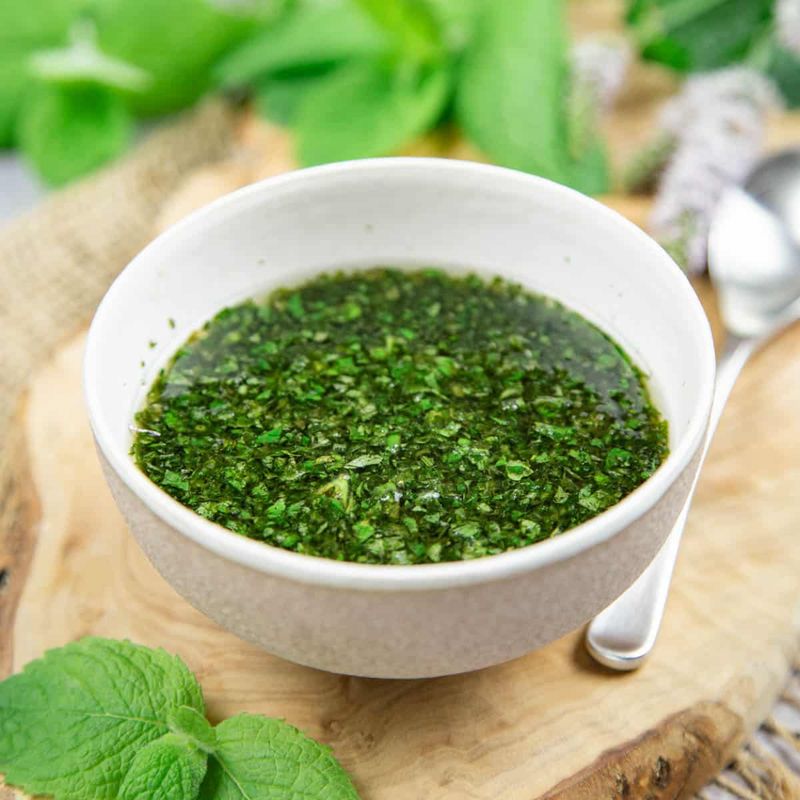
Fresh mint from the garden, a splash of vinegar, and a spoonful of sugar. That was all it took to make proper mint sauce for roast lamb.
Grandparents often chopped it by hand while the meat rested.
Jars from the supermarket have mostly taken over. Making your own takes five minutes and tastes far brighter.
Plus, mint grows like crazy in a pot, so one plant will keep you supplied.
16. A Starter of Soup or Grapefruit
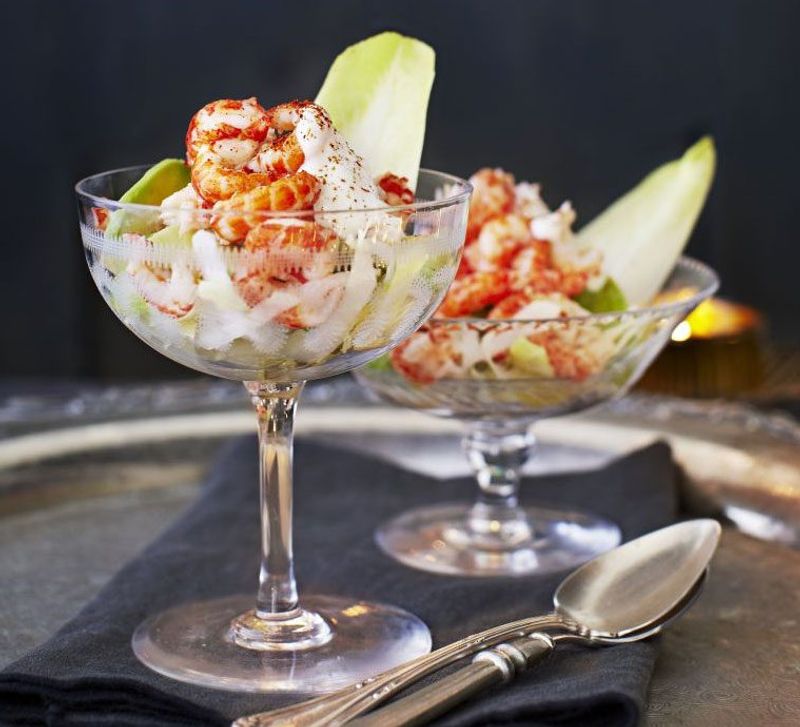
Half a grapefruit with a glacé cherry on top. Strange as it sounds, that was a stylish starter in 1970s Britain!
Prawn cocktail and tomato soup were other popular openers before the main meal.
Everyday starters have almost disappeared as families save them for restaurants. Bringing back a simple soup course on cold nights is cheap, warming, and helps everyone fill up on vegetables before the main event.
17. Washing Up Together After Dinner
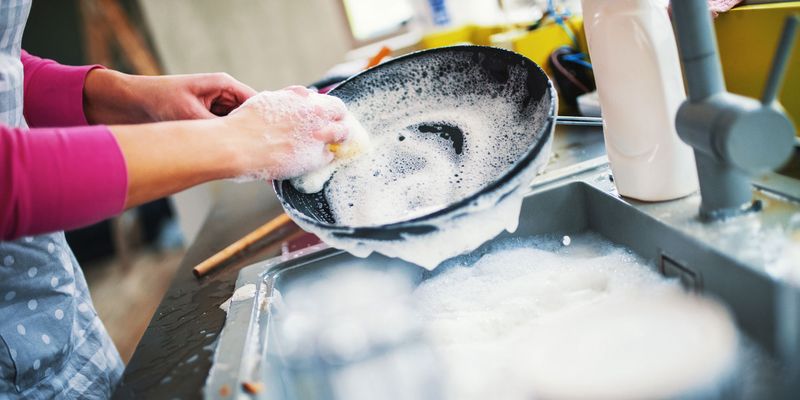
One washed, one dried, and someone always grumbled. After dinner, families often lined up at the sink with a tea towel in hand.
Those few minutes became a time for jokes, gossip, and the occasional splash fight.
Dishwashers have made the ritual far less common. Still, washing a few pans side by side can be a relaxed chance to chat, especially with teenagers who open up while their hands are busy.