
British food has some of the funniest and strangest names in the world. Spotted dick, toad in the hole, and bubble and squeak sound more like jokes than dinner.
But behind those odd names are warm, tasty meals that families have loved for hundreds of years. Once you learn what they really are, you might want to try every single one.
1. Spotted Dick
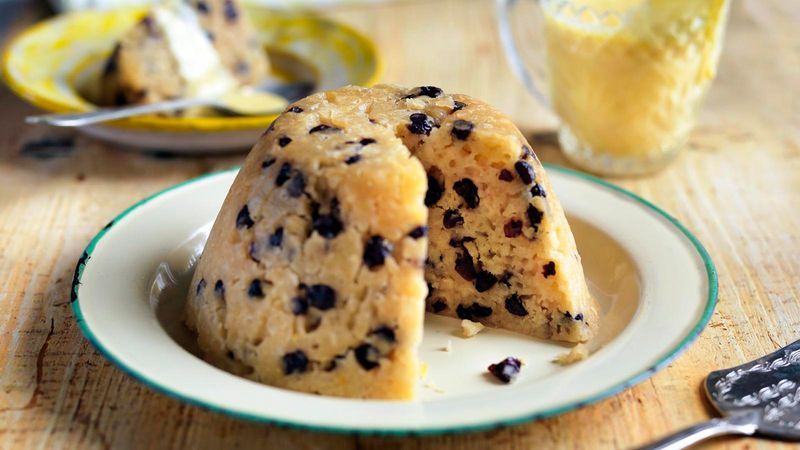
Plenty of people giggle the first time they hear this name. The truth is much sweeter.
Spotted dick is a soft steamed sponge pudding packed with raisins or currants.
The spots are the dried fruit, and the second word may come from an old term for pudding. Bakers often add a little lemon zest for brightness.
Serve it hot with plenty of custard on a chilly evening and watch it disappear fast.
2. Toad in the Hole
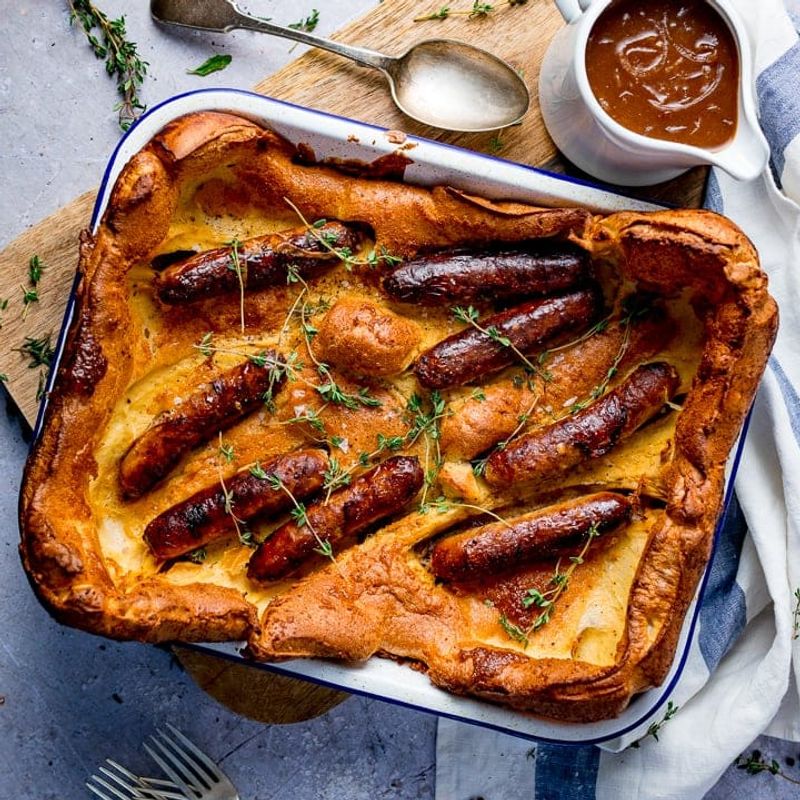
No toads were harmed in the making of this dinner, we promise. Instead, juicy pork sausages sit inside a big, puffy Yorkshire pudding batter.
The sausages peek out of the golden crust like little frogs hiding in a pond, which explains the silly name.
Here is a handy tip: get your oil smoking hot before pouring in the batter. That trick helps it rise tall and crispy.
Onion gravy finishes it perfectly.
3. Bubble and Squeak
Ever wonder what to do with leftover Christmas dinner? Grandmas across Britain solved that problem long ago.
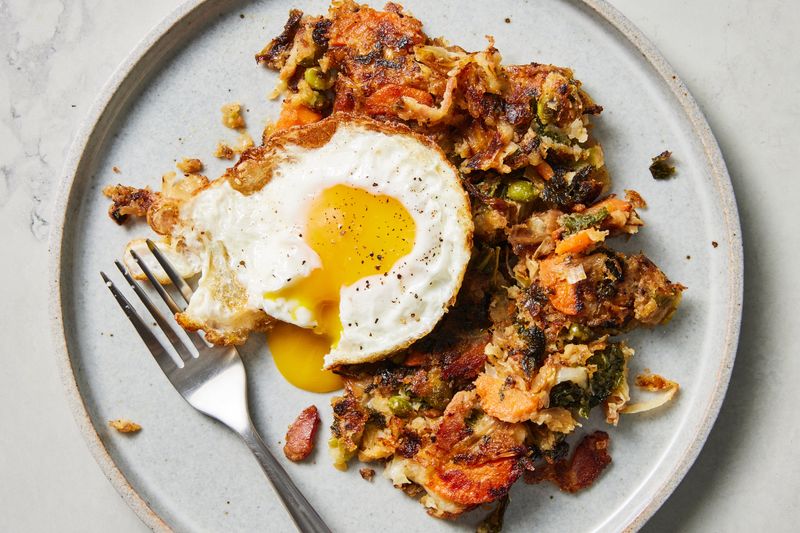
Bubble and squeak is mashed potato mixed with cooked cabbage, sprouts, or other veggies, then fried in a pan until crispy. The name comes from the bubbling and squeaking sounds it makes while cooking.
Press it flat and leave it alone so a crunchy crust forms. Top it with a fried egg for a cheap, cheerful breakfast.
4. Black Pudding
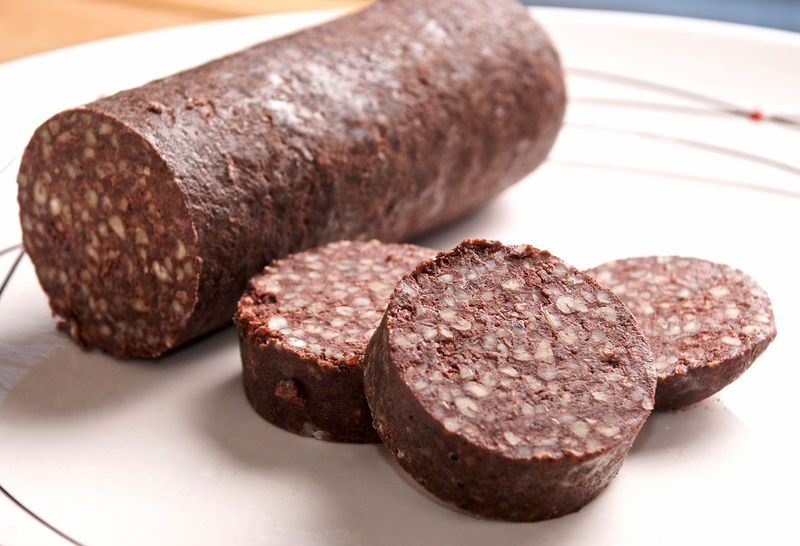
Brace yourself, because this one is made with blood. Pork blood, oats, fat, and spices are cooked together into a dark sausage.
Before you run away, give it a chance. Sliced and fried, black pudding turns crisp outside and rich and peppery inside, a bit like a savory oat cake.
Fun fact: the town of Bury in Lancashire is so proud of it that people hold a yearly black pudding throwing contest there.
5. Stargazy Pie
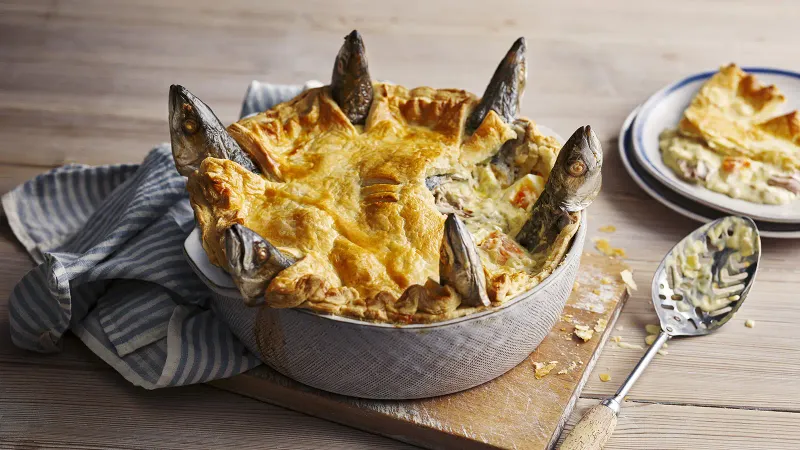
Fish heads staring up at the sky from a pie crust? Yes, really.
This Cornish classic looks wild but tastes wonderful.
Pilchards, eggs, bacon, and potatoes bake under flaky pastry, with the heads sticking out so their oils drip back into the filling.
Legend says a brave fisherman named Tom Bawcock sailed out in a storm to feed his starving village of Mousehole. Locals still celebrate him every December 23rd with this pie.
6. Faggots
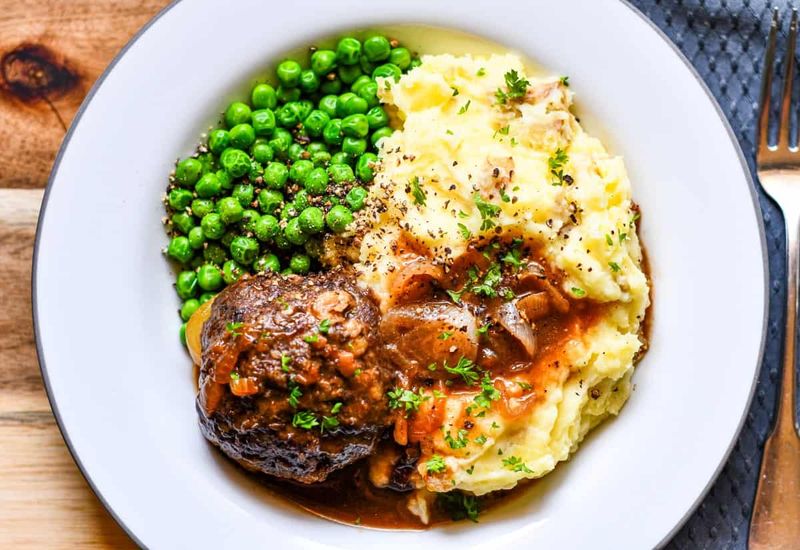
Picture a giant, hearty meatball soaked in gravy. That is basically what you get here.
Faggots are made from pork, liver, onions, herbs, and breadcrumbs, wrapped up tightly and baked. They became popular in the Midlands and Wales, where working families needed filling, low-cost meals.
The flavor is deep, meaty, and comforting. Pair them with mushy peas and mash, and you have a plate that will keep you full for hours.
7. Cock-a-Leekie Soup
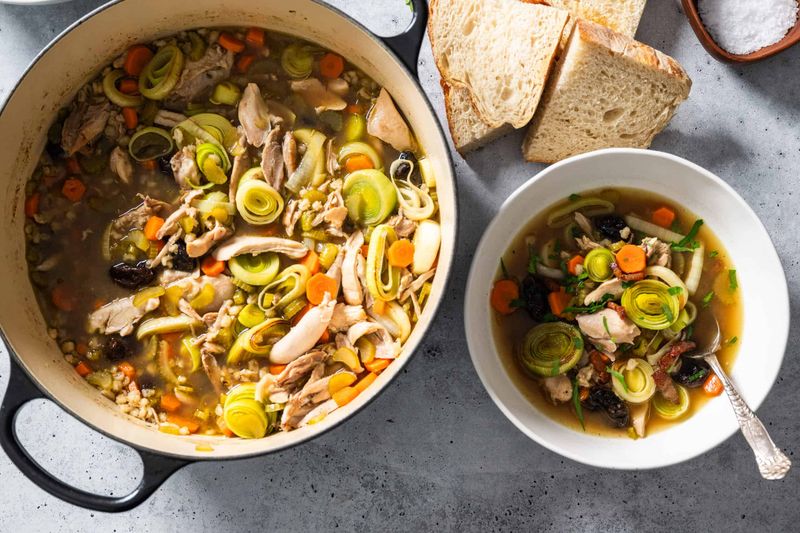
Scotland gave the world this cozy soup with a name that sounds like a nursery rhyme.
It is simple at heart: chicken, leeks, and a clear broth simmered slowly. The surprising twist is a handful of prunes, which add a gentle sweetness that balances the savory flavors.
Many Scots serve it on Burns Night in January. Make a big pot on a rainy weekend, and leftovers taste even better the next day.
8. Haggis
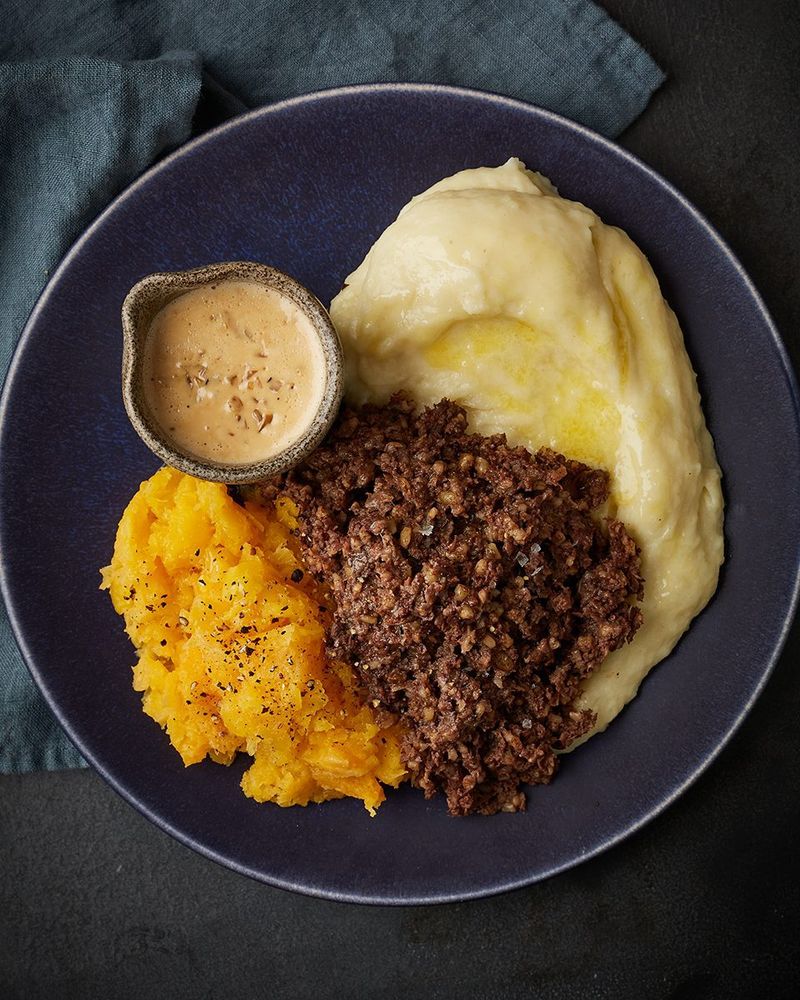
Some tourists still think haggis is a small furry Highland animal. Scottish jokers love to keep that story going.
In reality, it is sheep heart, liver, and lungs mixed with oats, onions, and lots of pepper. It cooks inside a casing until tender.
The taste is nutty, spicy, and crumbly, a lot like a savory stuffing. Try it with neeps and tatties, meaning turnips and potatoes, for the full experience.
9. Jellied Eels
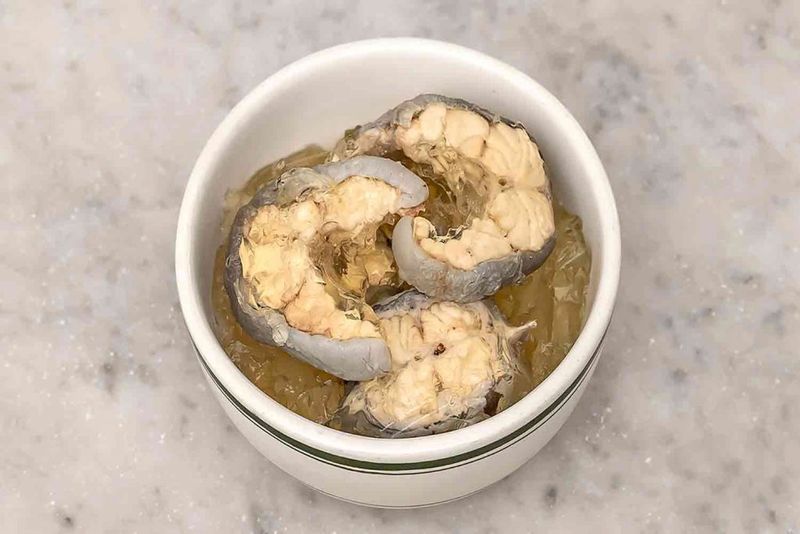
East Londoners have been slurping this one since the 1700s, when eels were cheap and plentiful in the River Thames.
Chopped eel pieces are boiled in a spiced stock, which cools and sets into a soft jelly. Locals add a splash of chili vinegar for extra kick.
The fish itself is mild and tender. If you visit an old pie and mash shop in London, order a small cup and be brave.
10. Bedfordshire Clanger
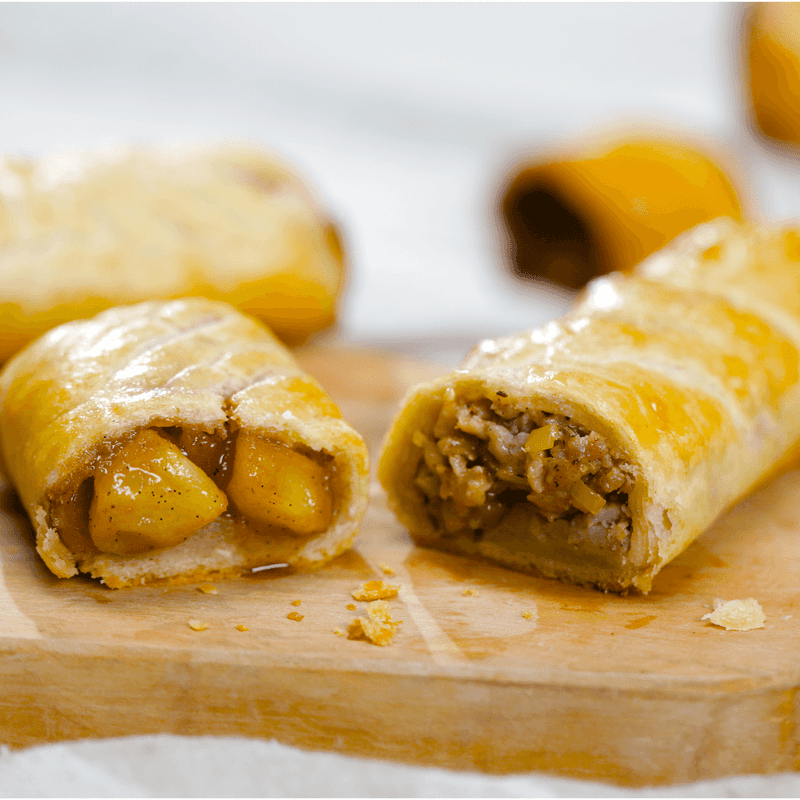
Dinner and dessert in one pastry? Farm workers in Bedfordshire loved that idea.
A clanger is a long suet pastry roll with a savory filling, like pork and potato, at one end. The other end holds something sweet, such as jam or apple.
Wives baked them so their husbands could carry a whole meal into the fields. Today, a few local bakeries still sell them.
Just remember which end to eat first.
11. Rumbledethumps
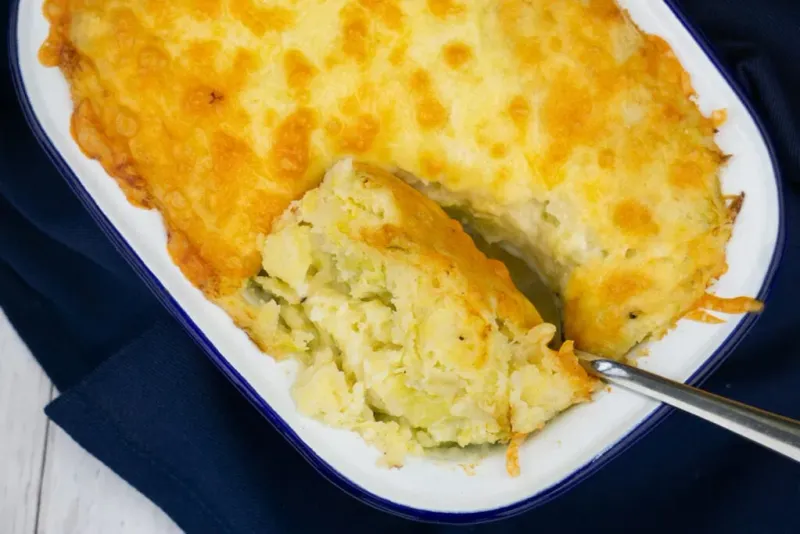
Say it out loud. Rumbledethumps!
Kids in the Scottish Borders must have loved hearing this was for supper.
The dish mixes mashed potatoes, cabbage, and sometimes turnip with butter and onions. Then it goes into the oven with a thick layer of cheddar on top until bubbly.
Rumbling means mixing and thumping means bashing, describing how it is made. Think of it as a cheesy, veggie-loaded cousin of shepherd’s pie.
12. Spotted Leopard Cake… no, Singing Hinnies
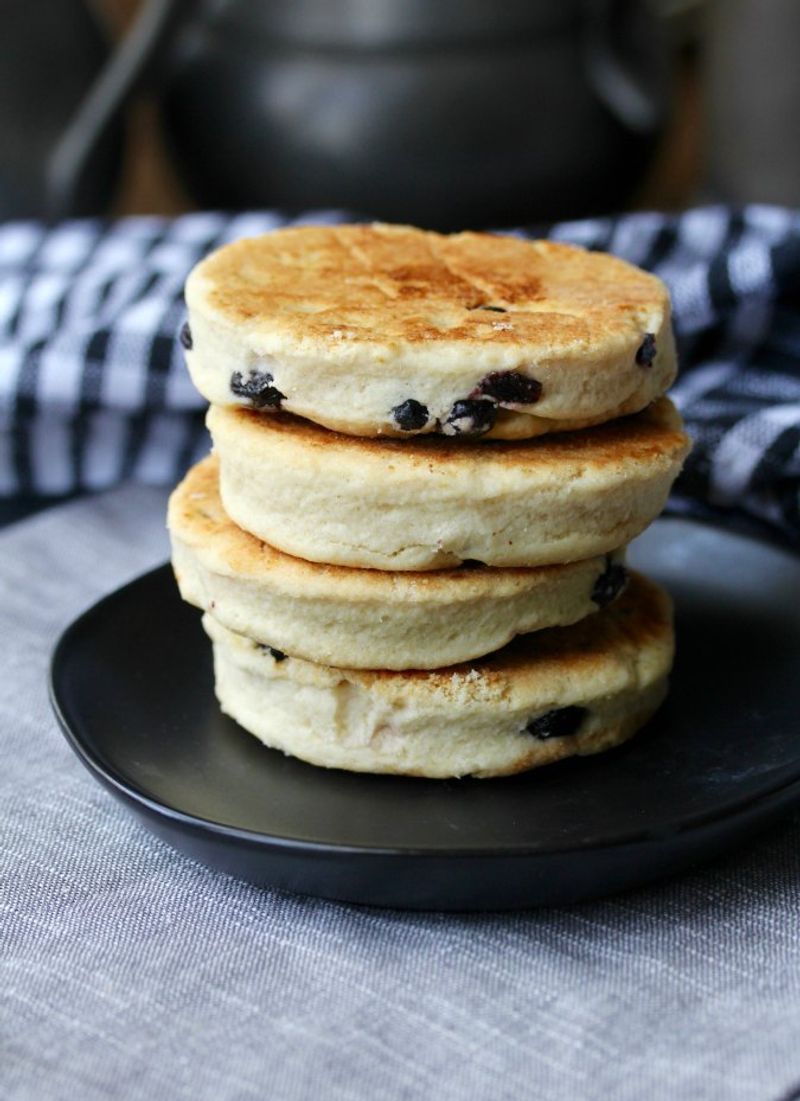
Grab a griddle and listen closely. These little cakes from Northeast England actually sing while they cook.
Singing hinnies are flat scones made with flour, butter, lard, and currants. As the fat melts on the hot pan, it sizzles and hums, giving them their name.
Hinny is a local word for honey or sweetheart.
Eat them warm, split open, with butter melting inside. They are perfect with an afternoon cup of tea.
13. Pease Pudding
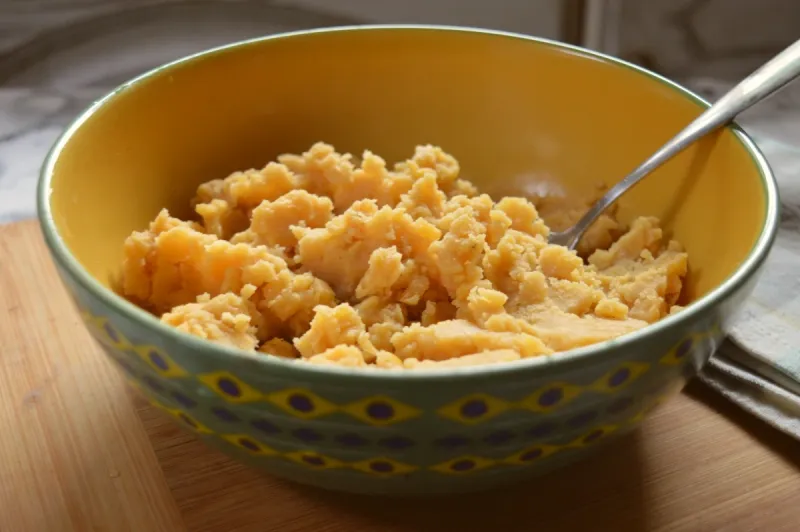
Remember the old rhyme about pease porridge hot and pease porridge cold? This is the real thing.
Yellow split peas are slowly cooked with ham stock until thick and spreadable. It has a smooth, smoky taste, a bit like British hummus.
In Newcastle, people love it spread inside a stottie, a big soft bread roll, with slices of ham. It is cheap to make, healthy, and great for lunchboxes.
14. Scotch Woodcock
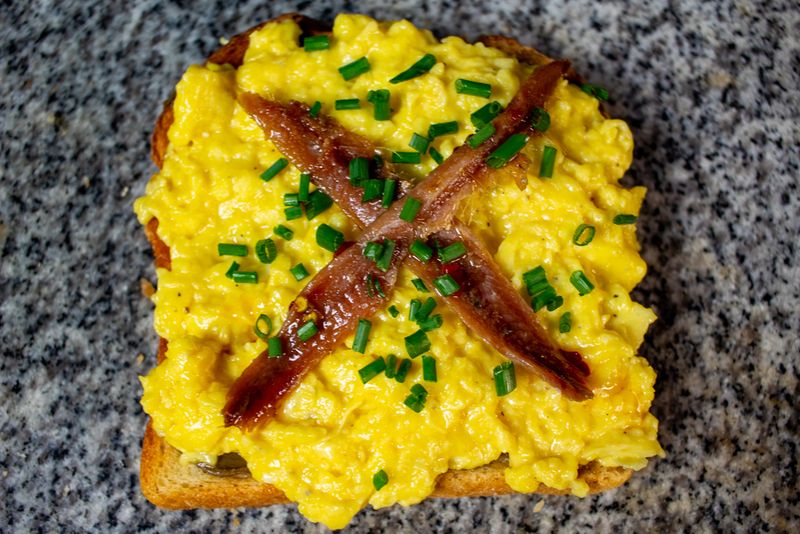
Hunters might be disappointed, since there is no bird anywhere in sight. Victorians simply liked giving fancy names to cheap dishes.
Scotch woodcock is creamy scrambled eggs piled onto toast spread with anchovy paste, then topped with crossed anchovy strips. It was a popular snack served at the end of grand dinners.
The salty fish and soft eggs work surprisingly well together. Try it as a quick, fancy-feeling weekend breakfast.
15. Welsh Rarebit
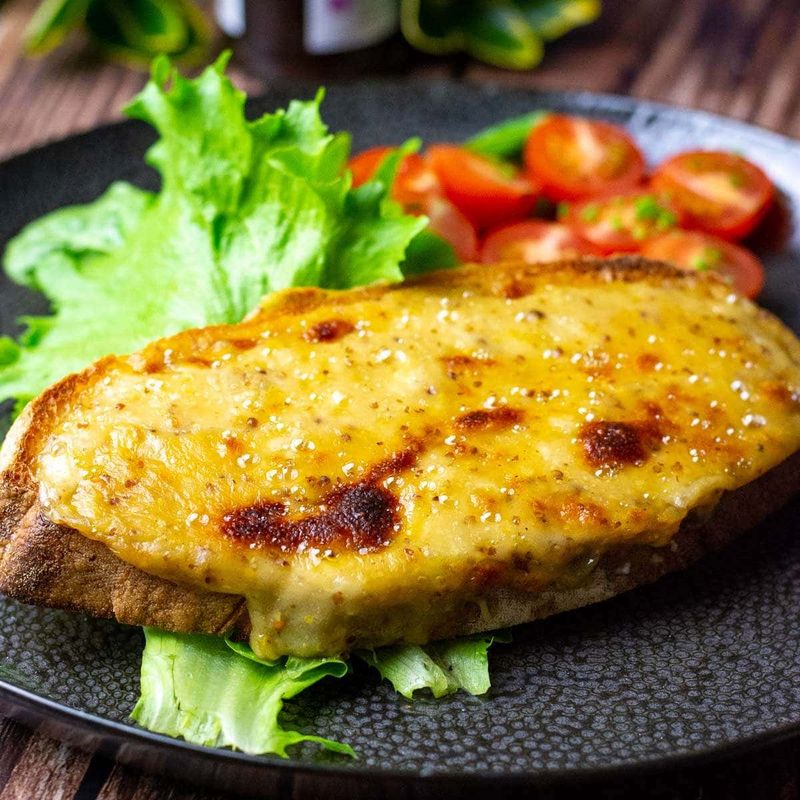
Rabbit lovers can relax. Welsh rarebit has never had any bunny in it.
The original name was Welsh rabbit, likely a joke about poor families who could only afford cheese instead of meat. Over time, it changed to rarebit.
What you actually get is toast smothered in a rich sauce of cheddar, mustard, Worcestershire sauce, and sometimes ale, then grilled until bubbly. Basically, it is the best cheese on toast ever.
16. Eton Mess
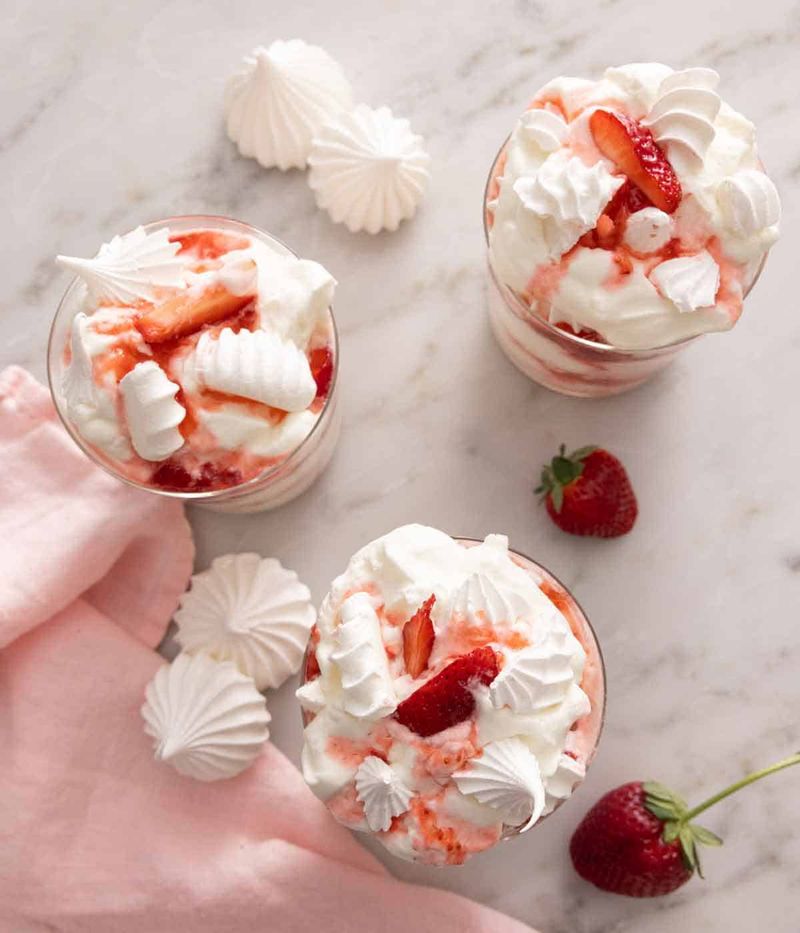
Sometimes a mess is the best part. Legend says a meringue dessert was dropped at Eton College, and someone scooped it up and served it anyway.
Whether that story is true or not, the result is pure summer joy. Crushed meringue, whipped cream, and fresh strawberries get stirred together into a pink, crunchy, creamy bowl.
It takes about ten minutes to make. No baking skills needed, just a spoon and big appetite.
17. Bath Chaps
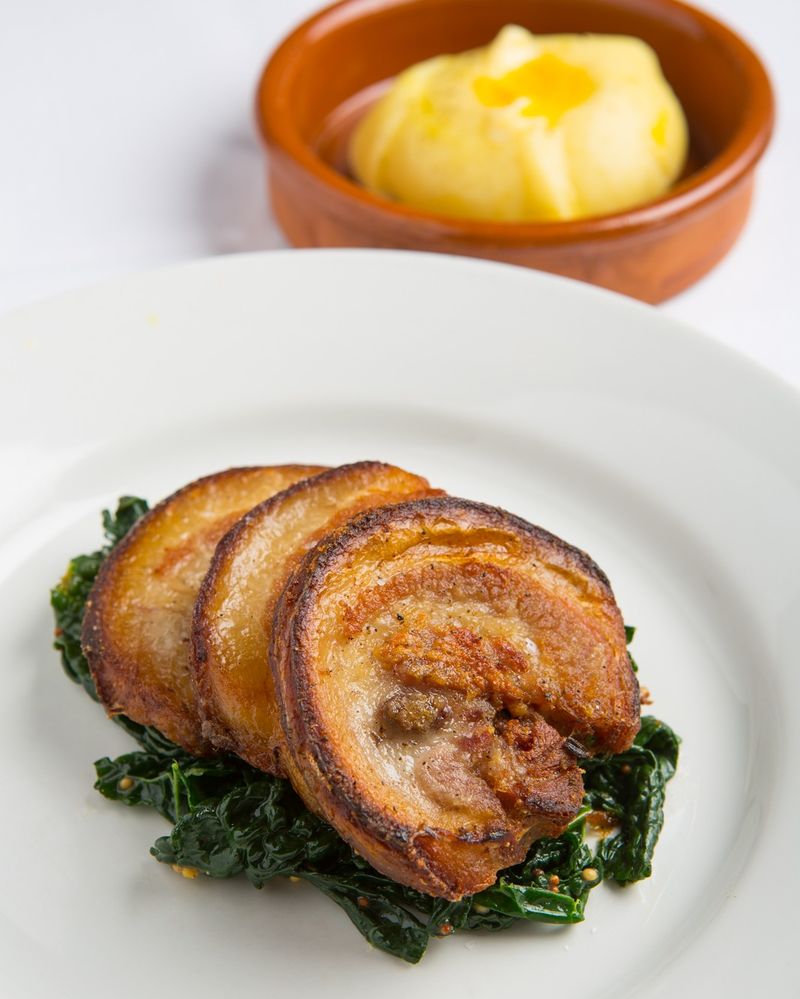
Here is a dish only the city of Bath could name. A chap is an old word for cheek, and these are pig cheeks.
The cheeks are cured, cooked, pressed, then often breaded and fried until golden. The meat turns soft and rich, almost like extra-tasty bacon.
Chefs in modern British restaurants have brought them back into fashion. Serve slices with sharp mustard and pickles to cut through the richness.
18. Laverbread
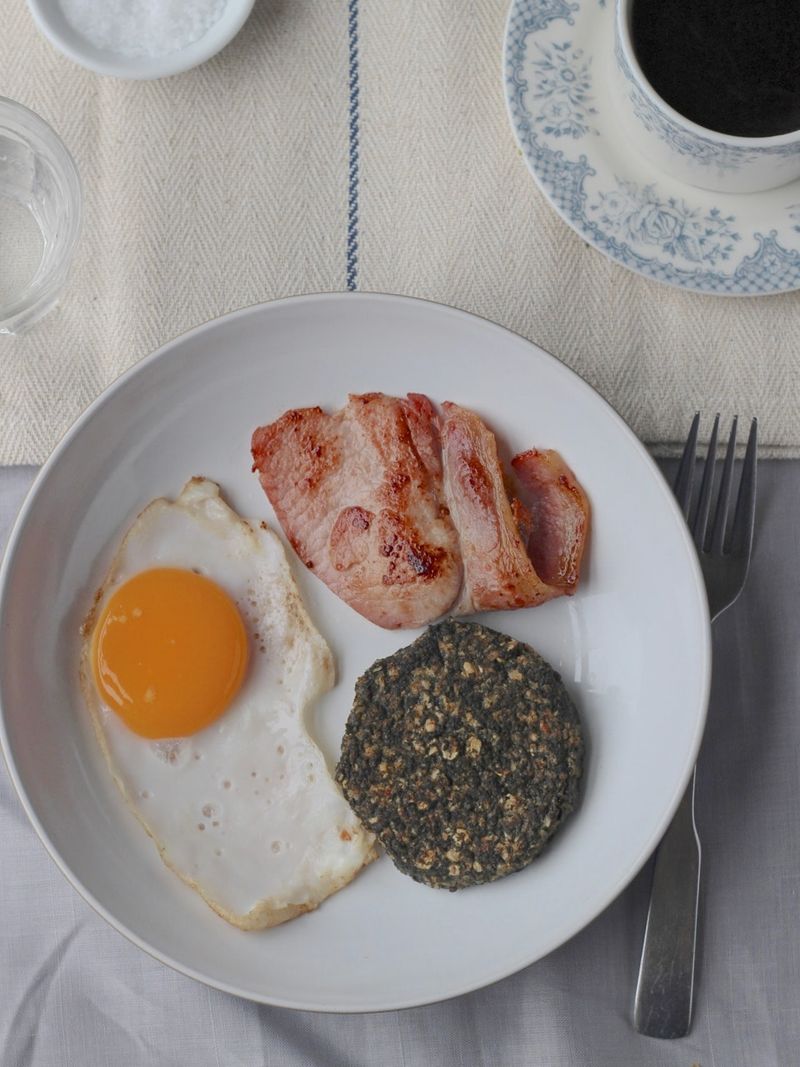
Bread? Not quite.
Laverbread is actually seaweed collected from the Welsh coastline.
The laver is washed and boiled for hours until it becomes a dark, soft paste. People often mix it with oats and fry it into little cakes.
Welsh actor Richard Burton once called it Welshman’s caviar. It has a salty, ocean-like flavor packed with iron and vitamins.
Try it in a traditional Welsh breakfast with cockles and bacon.
19. Cullen Skink
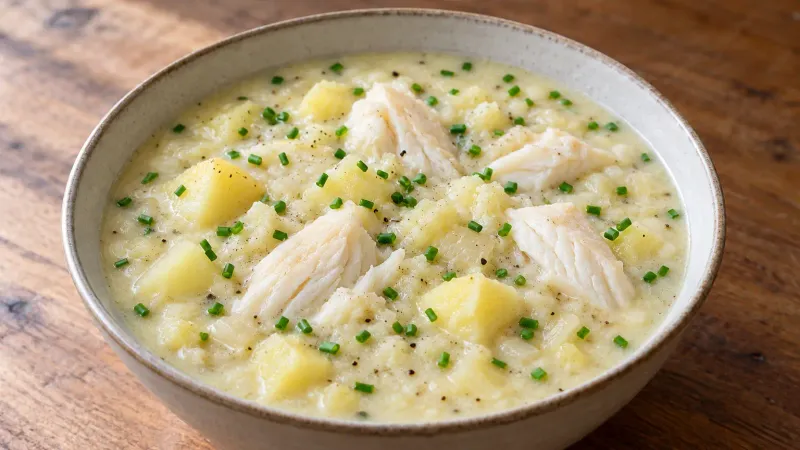
A name that sounds like a lizard hides one of Scotland’s creamiest soups.
Cullen is a fishing village in the northeast, and skink is an old Scots word for broth. The soup combines smoked haddock, potatoes, onions, and milk into a thick, smoky bowl of comfort.
Quick tip: use undyed smoked haddock for the most natural flavor. Serve with crusty bread for dunking, and you will forget all about lizards.
20. Brown Windsor Soup
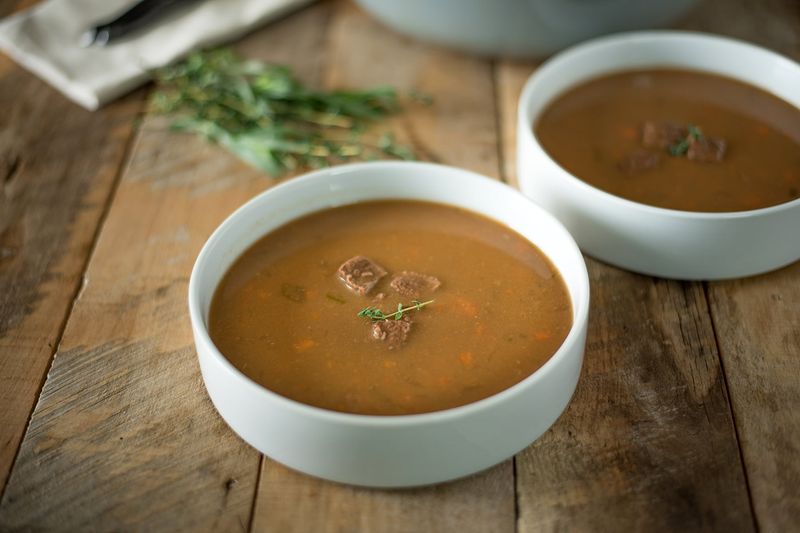
Brown is not the most exciting word for food. Still, this soup was once served to fancy travelers on British trains and ocean liners.
It is a thick, hearty soup made with beef or lamb, root vegetables, rice, and a splash of Madeira wine. The flavor is rich and slightly sweet.
It fell out of fashion in the 1970s, but home cooks are rediscovering it. Think of it as a cozy, old-school beef stew.
21. Fat Rascals
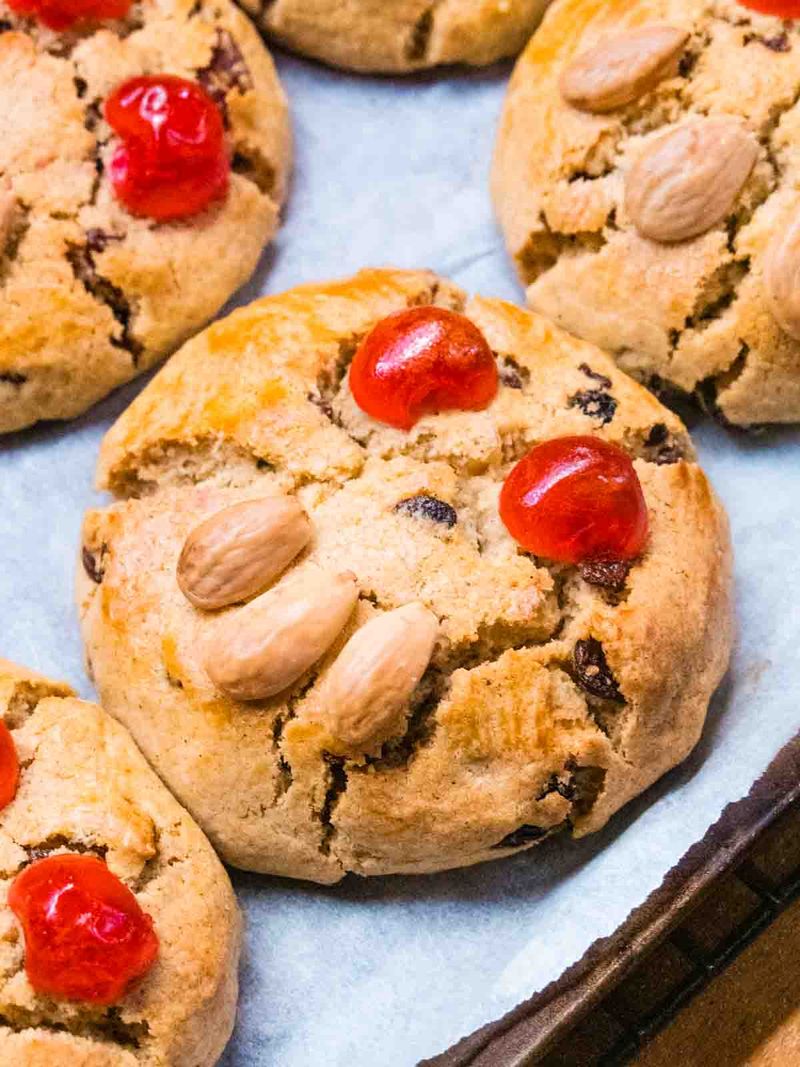
Cheeky faces stare back at you from these big Yorkshire treats. Bakers decorate them with glacé cherries for eyes and almonds for teeth.
Fat rascals are a cross between a scone and a rock cake, full of dried fruit, citrus peel, and warm spices.
The famous Bettys Tea Rooms in Harrogate made them popular again in the 1980s. Warm one up, add butter, and enjoy it with a hot drink.
22. Kedgeree
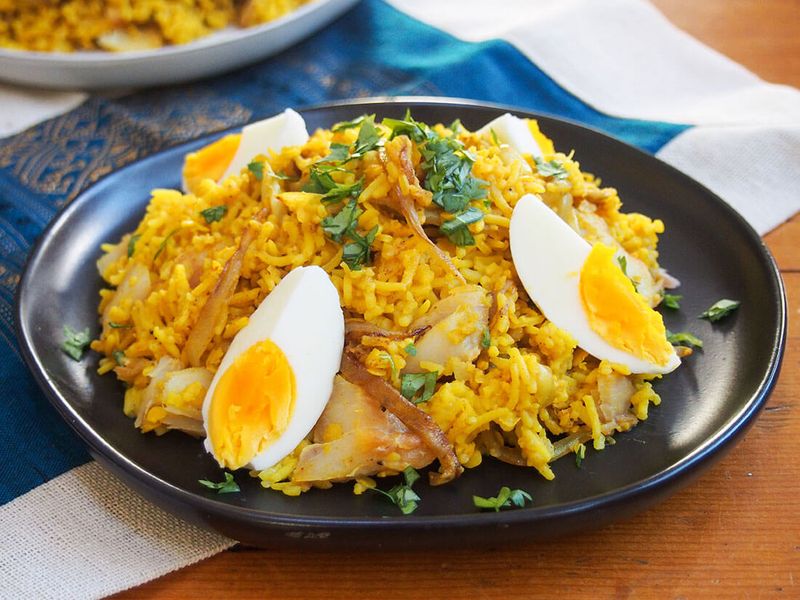
Breakfast with curry might sound odd, but Victorian families adored it.
Kedgeree started from an Indian rice and lentil dish called khichdi. British cooks added smoked fish, hard-boiled eggs, butter, and mild curry powder.
The result is fluffy, smoky, and lightly spiced, perfect for brunch. A smart idea is to use leftover rice, which makes it faster and keeps the grains from going mushy.
Squeeze some lemon on top before serving.
23. Lardy Cake
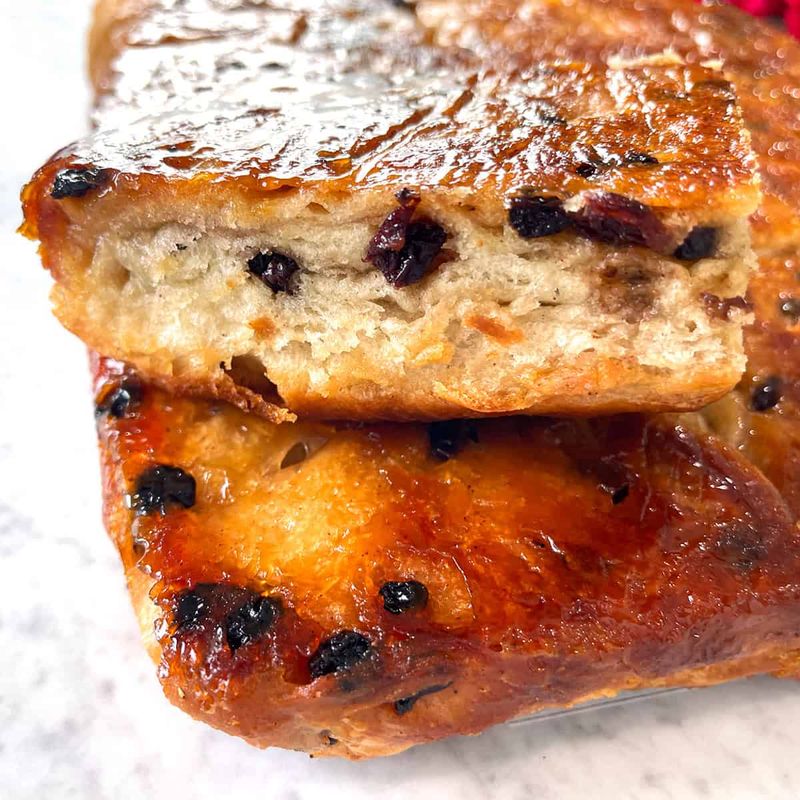
Nobody would call this one a health food, and that is part of its charm.
Lardy cake is a sweet bread from Wiltshire, folded with layers of lard, sugar, and dried fruit. While baking, the sugar melts into a sticky, caramel coating on the bottom.
Farm families made it as a special treat on feast days. Eat it warm, upside down, so the gooey side hits your tongue first.
Save it for occasional celebrations.