
Food is one of the best ways to learn about a country and its people. Every nation in Europe has a dish that locals proudly call their own, often with stories going back hundreds of years.
Some are hearty stews, while others are sweet treats or simple street snacks. Get ready to take a tasty trip across the continent, one plate at a time.
1. Paella from Spain
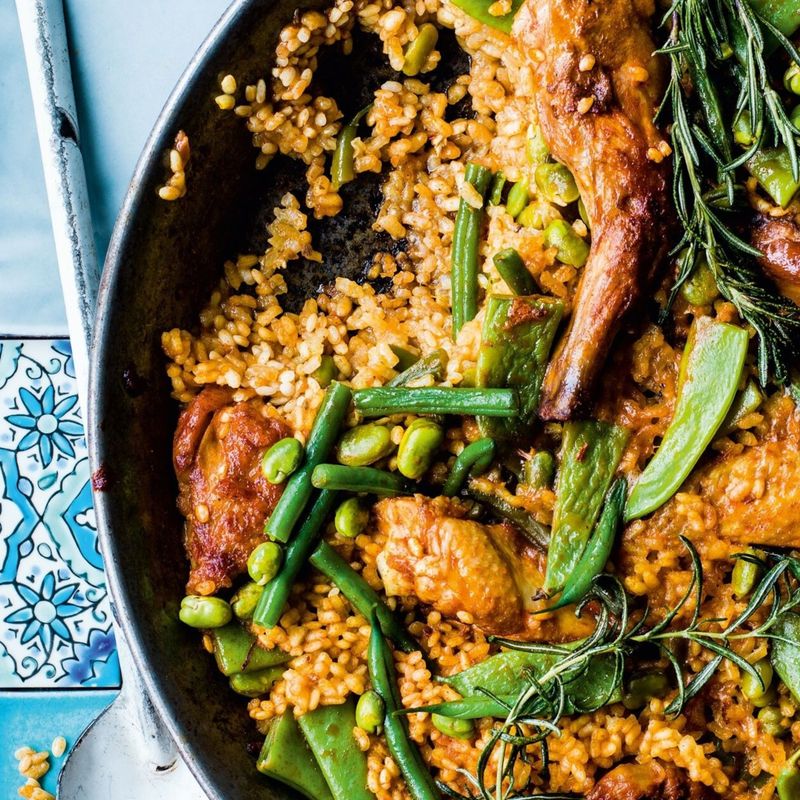
Picture a giant pan bubbling over an open fire in Valencia. Farmers first cooked paella in the fields, tossing in rice, rabbit, chicken, and beans they had nearby.
Saffron gives the rice its golden color. The best part might be the socarrat, a crispy layer stuck to the bottom of the pan.
When ordering in Spain, ask for paella valenciana for the classic version. Seafood paella is also popular along the coast.
2. Pizza Margherita from Italy
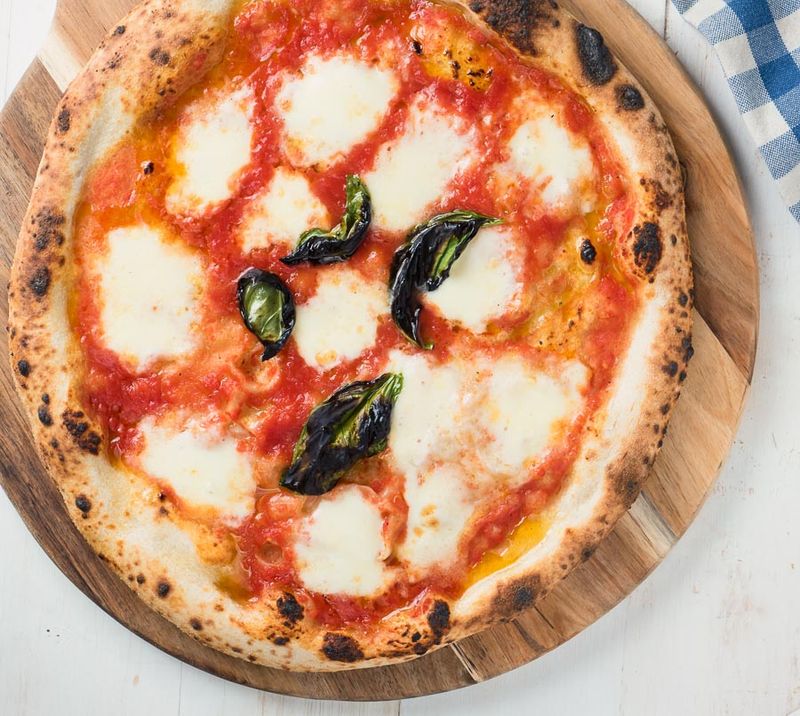
Legend says a pizza maker in Naples created this pie in 1889 to honor Queen Margherita. Red tomato, white mozzarella, and green basil match the colors of the Italian flag.
Real Neapolitan pizza bakes in a wood-fired oven for only about 90 seconds. That quick heat makes the crust puffy, soft, and a little charred.
Visiting Naples? Fold your slice in half like the locals do.
It makes eating much easier.
3. Fish and Chips from England
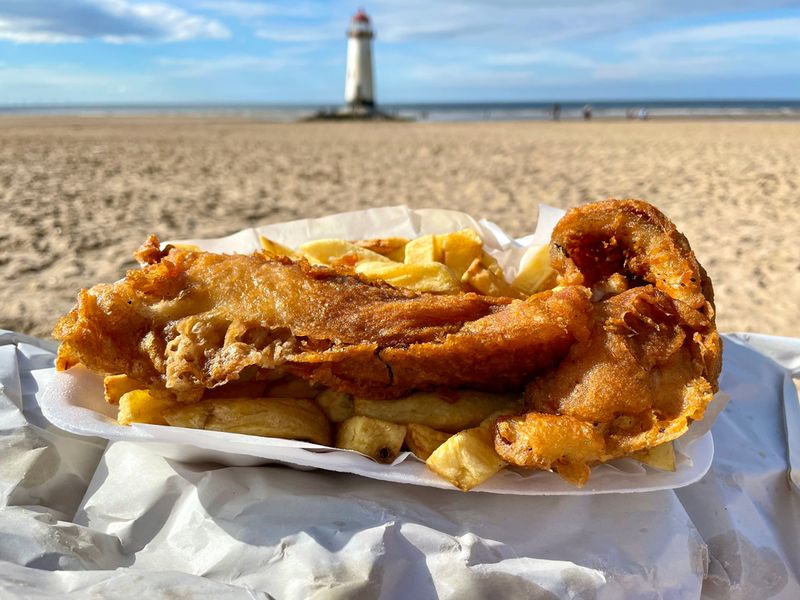
Crunchy batter, flaky white fish, and thick fries wrapped in paper. Few meals feel more British than this one, especially when eaten by the seaside on a windy day.
Shops started selling it together in the 1860s, and it became a cheap favorite for working families.
Try it the classic way with salt, malt vinegar, and a side of mushy peas. Cod and haddock are the most common fish choices.
4. Goulash from Hungary
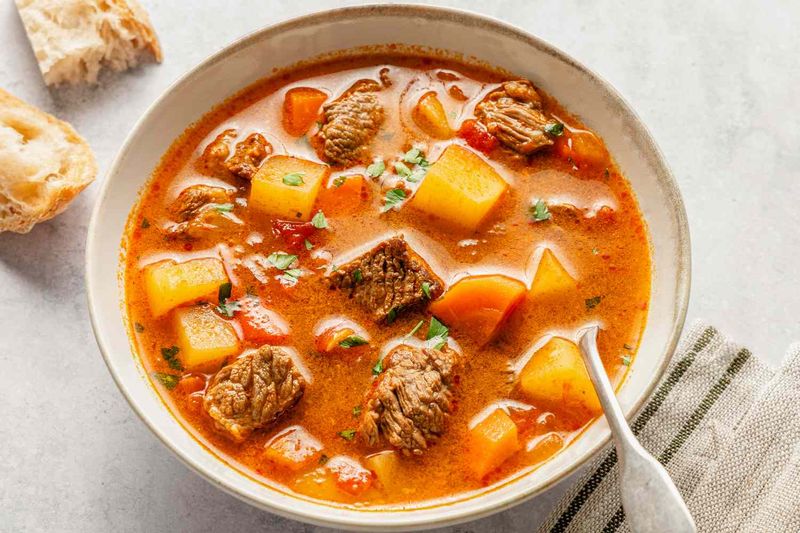
Hungarian cattle herders, called gulyás, cooked this soup in big kettles while working on the plains. Their job title eventually became the name of the dish.
Goulash is a rich soup full of beef, potatoes, onions, and lots of sweet paprika. Hungary is famous for growing some of the world’s best paprika.
Surprised it is a soup? Many people outside Hungary think of it as a thick stew, but locals usually sip it from a bowl.
5. Wiener Schnitzel from Austria
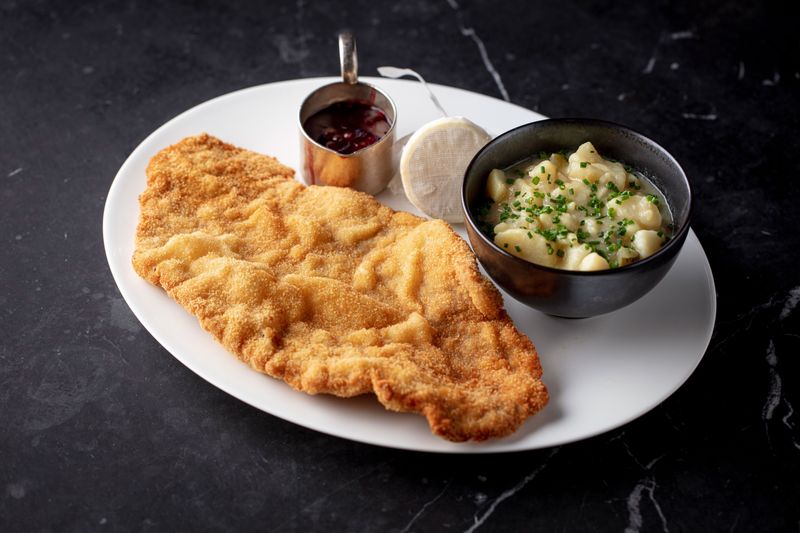
Bigger than the plate it sits on, a proper Wiener Schnitzel is a sight to see. Cooks pound veal very thin, coat it in breadcrumbs, and fry it until golden.
The breading should puff up and ripple away from the meat. Austrians take this detail very seriously!
By law in Austria, only veal versions can be called Wiener Schnitzel. Squeeze lemon on top and enjoy it with potato salad.
6. Moussaka from Greece
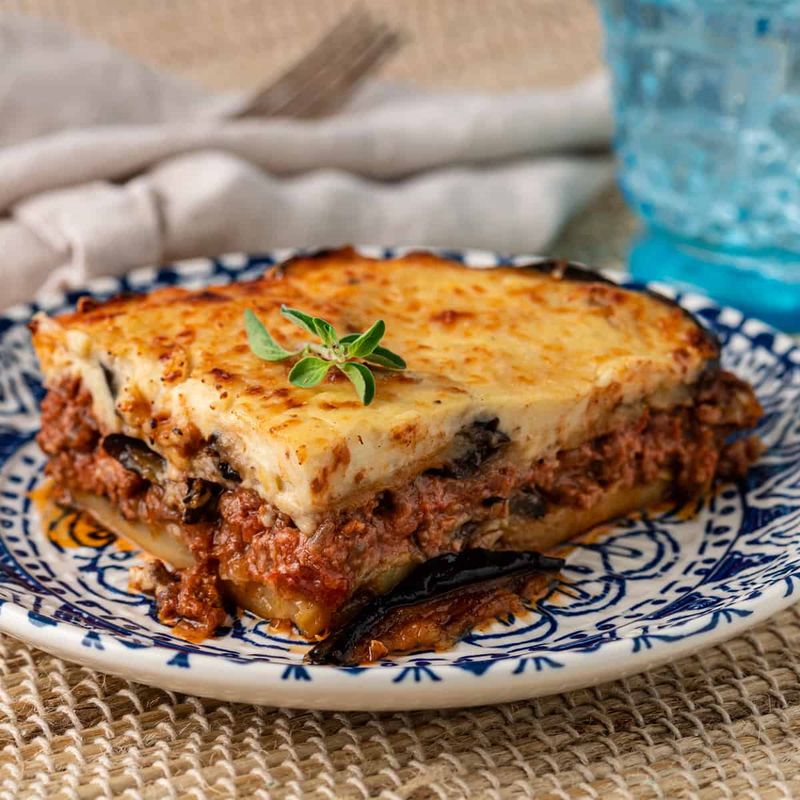
Think of moussaka as a Greek cousin of lasagna, but with eggplant instead of pasta. Layers of fried eggplant, spiced meat sauce, and creamy béchamel bake together until bubbly.
Cinnamon and allspice give the meat a warm, slightly sweet flavor that surprises many first-timers.
Here is a tip from Greek grandmothers: let it rest before cutting. Waiting about 30 minutes keeps the layers neat.
7. Pierogi from Poland
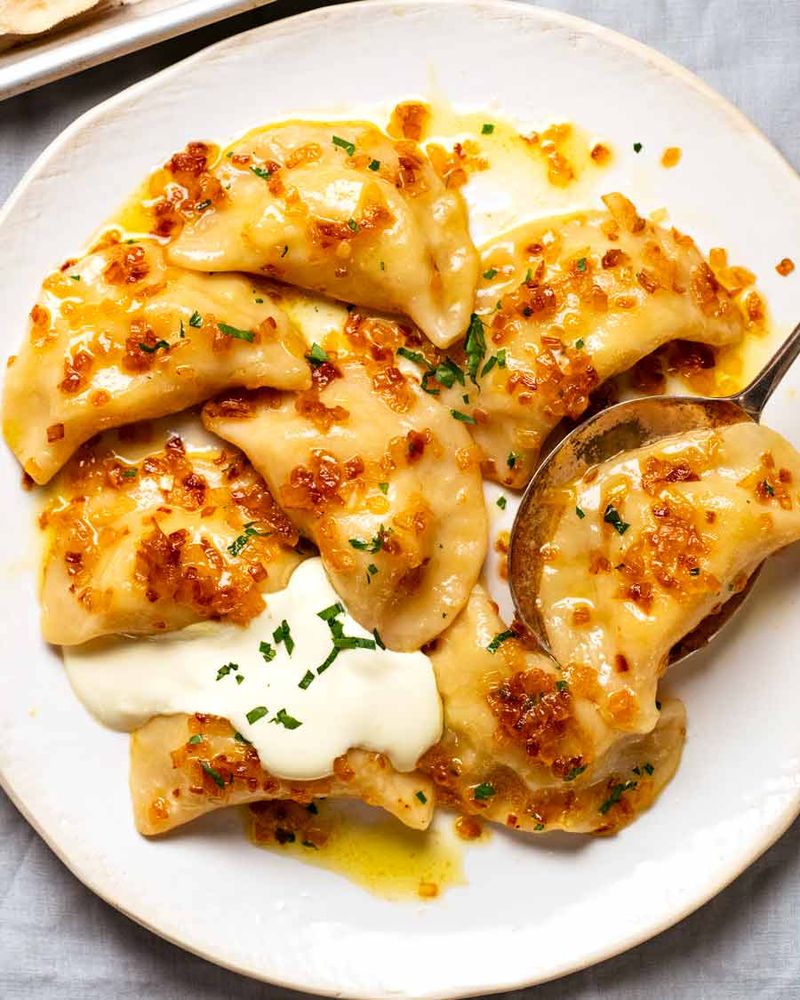
Pinch, fold, and boil. Polish families often gather around the kitchen table to make hundreds of pierogi together, especially during holidays.
These half-moon dumplings hold all kinds of fillings. Potato and cheese, called ruskie, is the most loved, but sauerkraut, meat, and even blueberries are common.
Many are pan-fried after boiling for a crispy edge. Add sour cream and fried onions on top, and you will see why Poles adore them.
8. Bratwurst from Germany
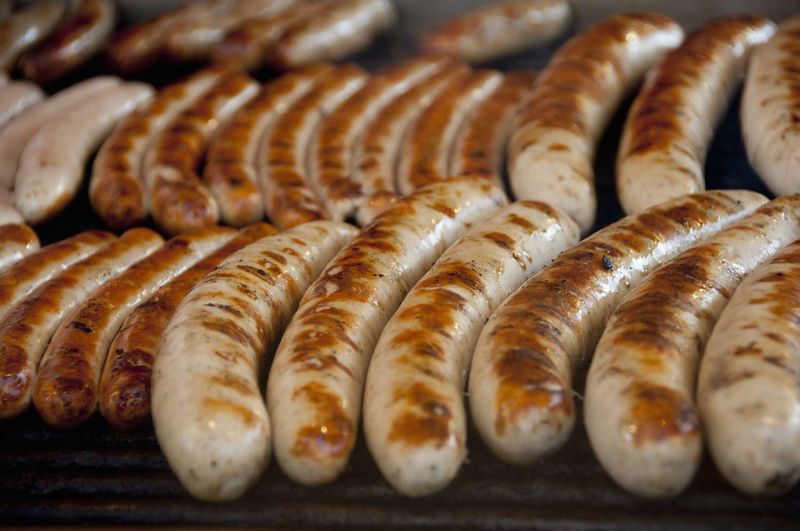
Germany has over 1,500 kinds of sausage, but bratwurst may be the star. The smell of these sausages sizzling on a grill fills street markets all year long.
Every region has its own style. Nuremberg makes tiny ones, while Thuringia’s are long and seasoned with marjoram.
Grab one in a crusty roll with spicy mustard. Pair it with sauerkraut or potato salad for a meal that feels truly German.
9. Coq au Vin from France
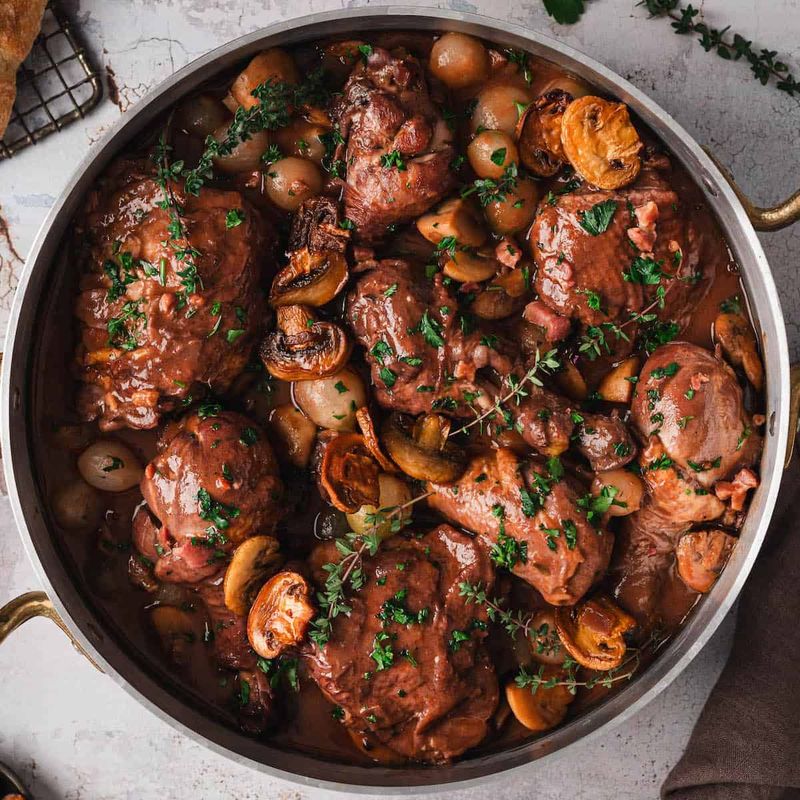
Some say Julius Caesar inspired coq au vin, though that tale is probably just a fun legend. What we know for sure is that farmers in Burgundy made it famous.
Chicken simmers slowly in red wine with mushrooms, bacon, and small onions. The long cooking turns tough meat tender.
Serve it with crusty bread or mashed potatoes. You will want something to soak up every drop of that dark, glossy sauce.
10. Bacalhau à Brás from Portugal
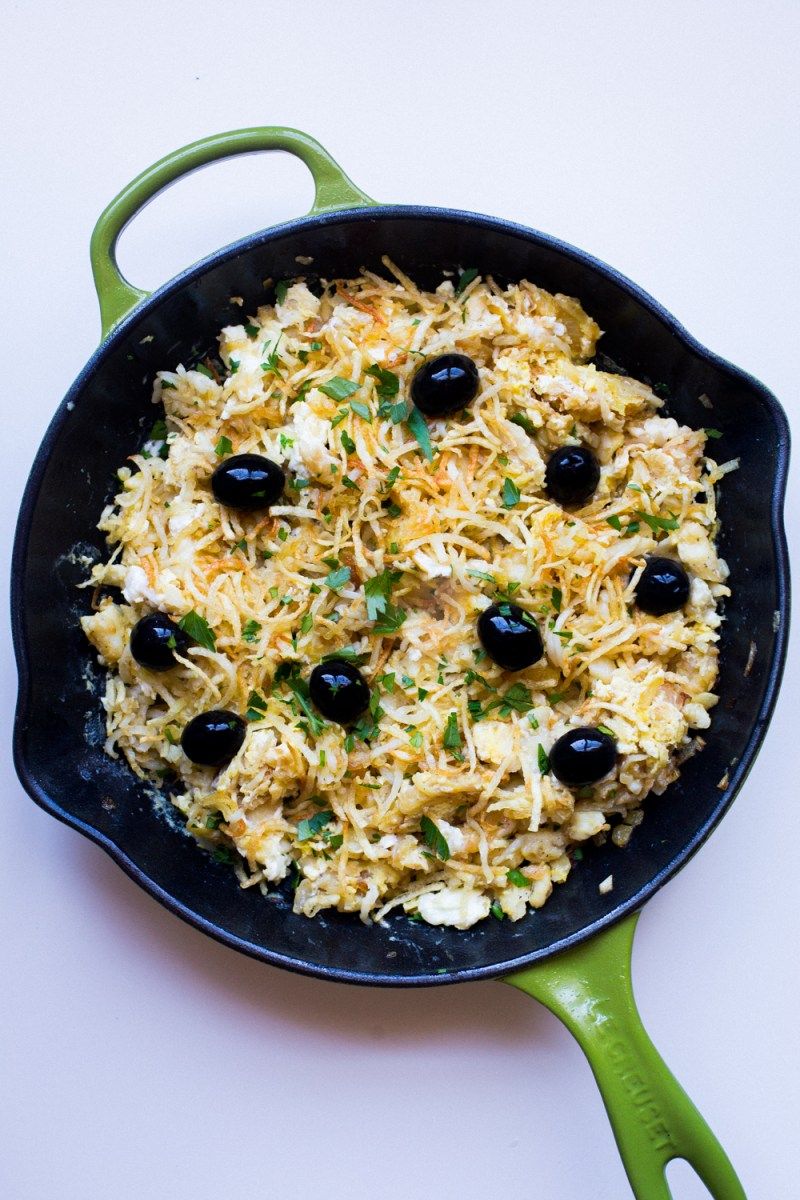
Portuguese people joke that there are 365 ways to cook bacalhau, one for every day of the year. Bacalhau is dried, salted cod, and it is a national treasure.
Bacalhau à Brás mixes shredded cod with thin fried potatoes, onions, and soft scrambled eggs. Black olives and parsley go on top.
It comes from Lisbon’s old Bairro Alto neighborhood. Look for it in small family restaurants called tascas.
11. Irish Stew from Ireland
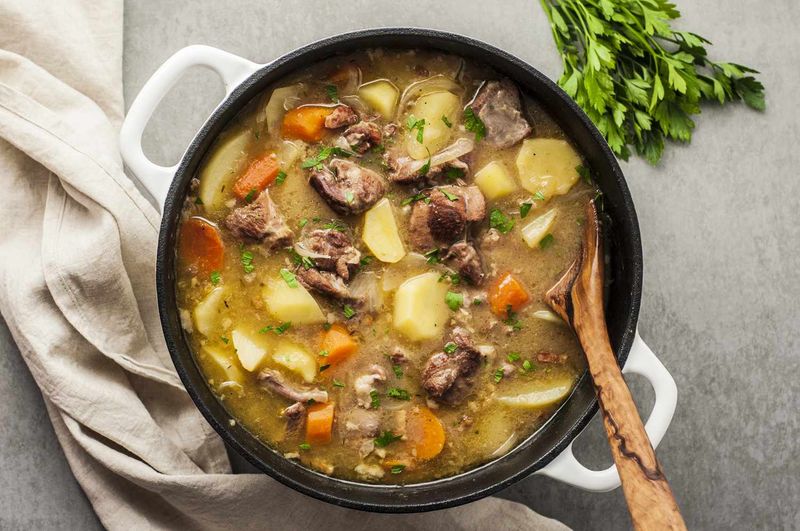
On a cold, rainy evening in Dublin, nothing warms you up quite like a bowl of Irish stew. It is comfort food at its finest.
The oldest recipes used just lamb or mutton, potatoes, onions, and water. Over time, cooks added carrots and herbs.
Simple ingredients, slow cooking, and big flavor make it a favorite in pubs. Enjoy it with a thick slice of soda bread on the side.
12. Haggis from Scotland
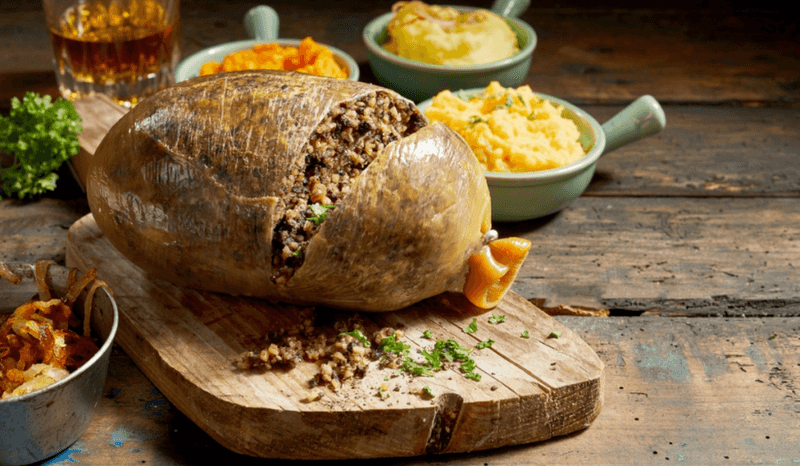
Brave eaters, this one is for you. Haggis is made from sheep heart, liver, and lungs mixed with oats, onions, and spices, then cooked inside a casing.
It may sound strange, but the taste is peppery, nutty, and surprisingly delicious.
Every January 25, Scots celebrate Burns Night by reading a poem to the haggis before eating it. Serve it with neeps and tatties, which means mashed turnips and potatoes.
13. Swedish Meatballs from Sweden
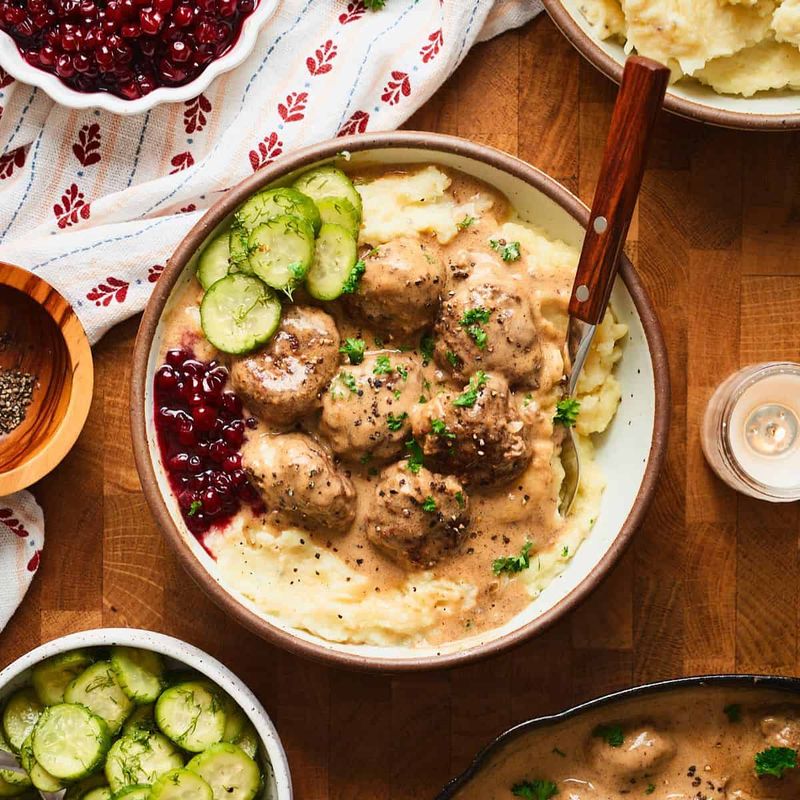
Thanks to a certain furniture store, millions know Swedish meatballs, called köttbullar. Yet the homemade kind tastes even better.
Small and tender, they come covered in creamy brown gravy. Sweet-tart lingonberry jam on the side makes the flavor pop.
Fun fact: in 2018, Sweden admitted the recipe probably came from Turkey. King Charles XII brought it home in the early 1700s.
Swedes still happily claim it as their own!
14. Cheese Fondue from Switzerland
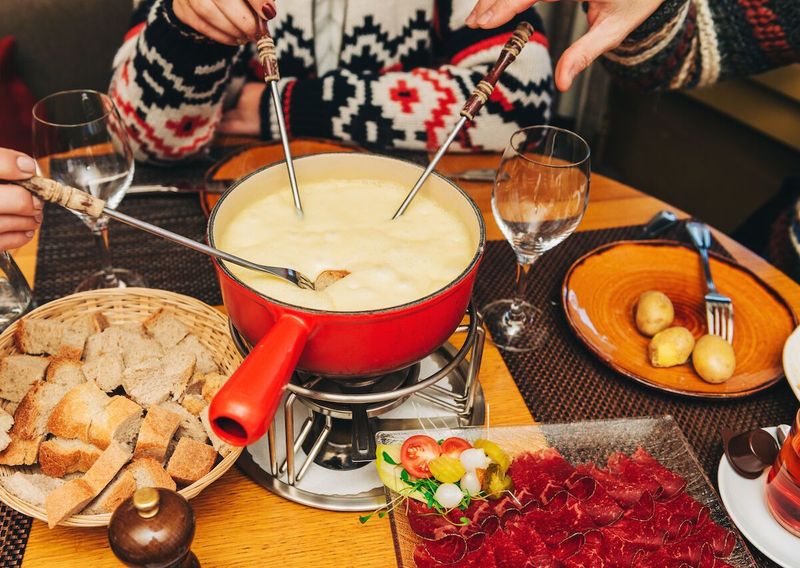
Long forks, melted cheese, and good friends. Swiss fondue is less a meal and more a fun event shared around one pot.
Gruyère and Vacherin cheeses melt with garlic and a splash of liquid. Diners dip cubes of bread and swirl them slowly.
Watch out for tradition! Drop your bread in the pot, and you might have to buy drinks or sing a song.
The crispy cheese left at the bottom is a prized treat.
15. Stamppot from the Netherlands
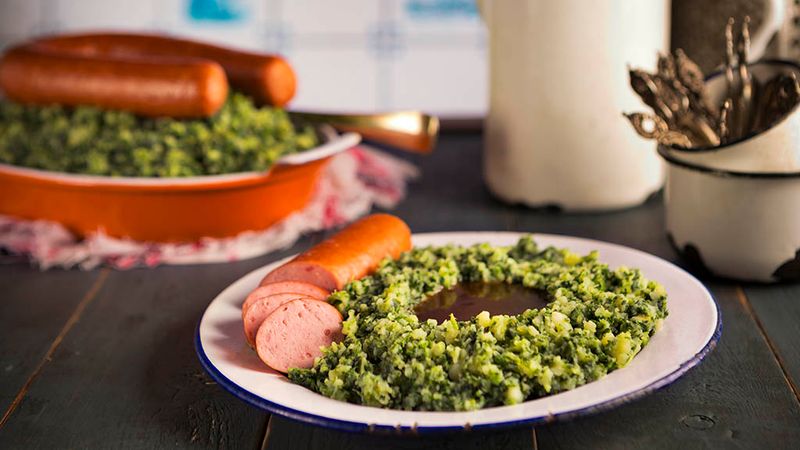
Mash it, mix it, and top it with a sausage. Dutch stamppot is about as simple and cozy as winter food gets.
Potatoes are mashed together with vegetables like kale, carrots, or sauerkraut. Boerenkool, the kale version, is the most popular.
Locals make a little hole in the middle to hold gravy, called a kuiltje. A juicy smoked sausage, or rookworst, finishes the plate.
It is cheap, filling, and perfect after skating.
16. Moules-Frites from Belgium
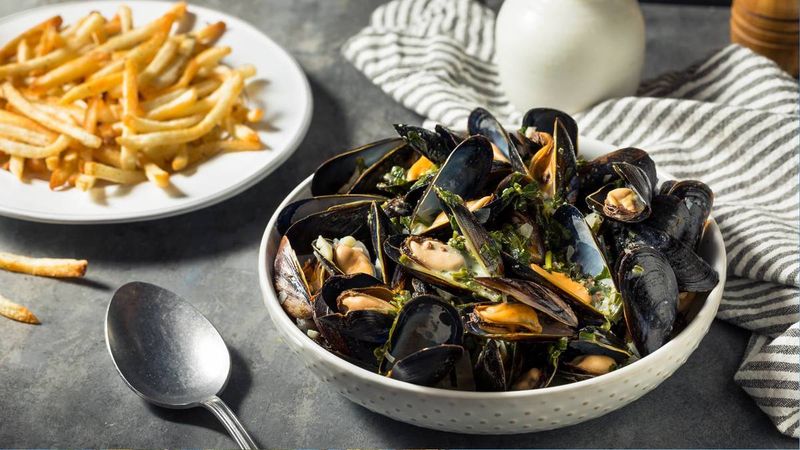
Mussels and fries might seem like an odd pair. Belgians would disagree, and one bite will show you why.
Mussels are steamed in a pot with white wine, garlic, celery, and herbs. A big cone of crispy fries sits right beside them.
Here is a clever trick: use an empty mussel shell like tweezers to pull out the next one. Belgian fries are fried twice and usually dipped in mayonnaise, not ketchup.
17. Svíčková from Czech Republic
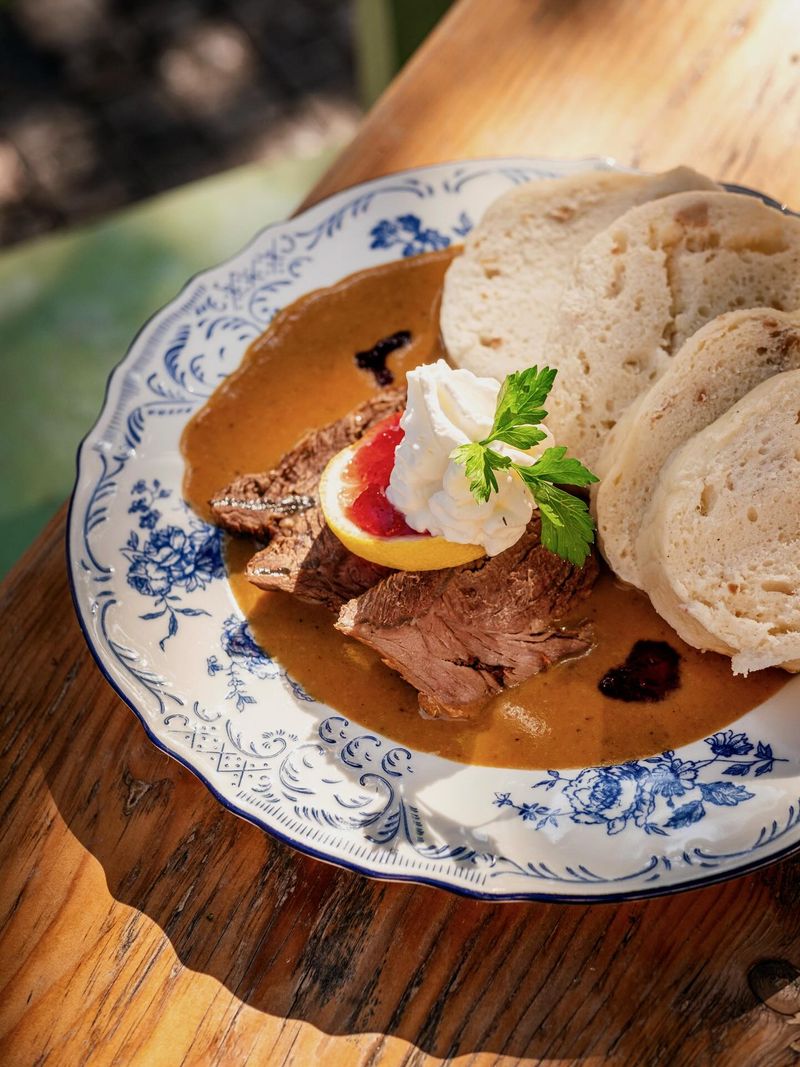
Whipped cream on beef? In the Czech Republic, that is completely normal!
Svíčková is marinated beef covered in a smooth sauce made from carrots, celery root, and cream. It comes with fluffy bread dumplings, a spoonful of cranberries, and a dollop of whipped cream.
Czech families often save it for Sunday lunch or weddings. The sweet, sour, and creamy flavors blend in a way that feels like a warm hug.
18. Borscht from Ukraine
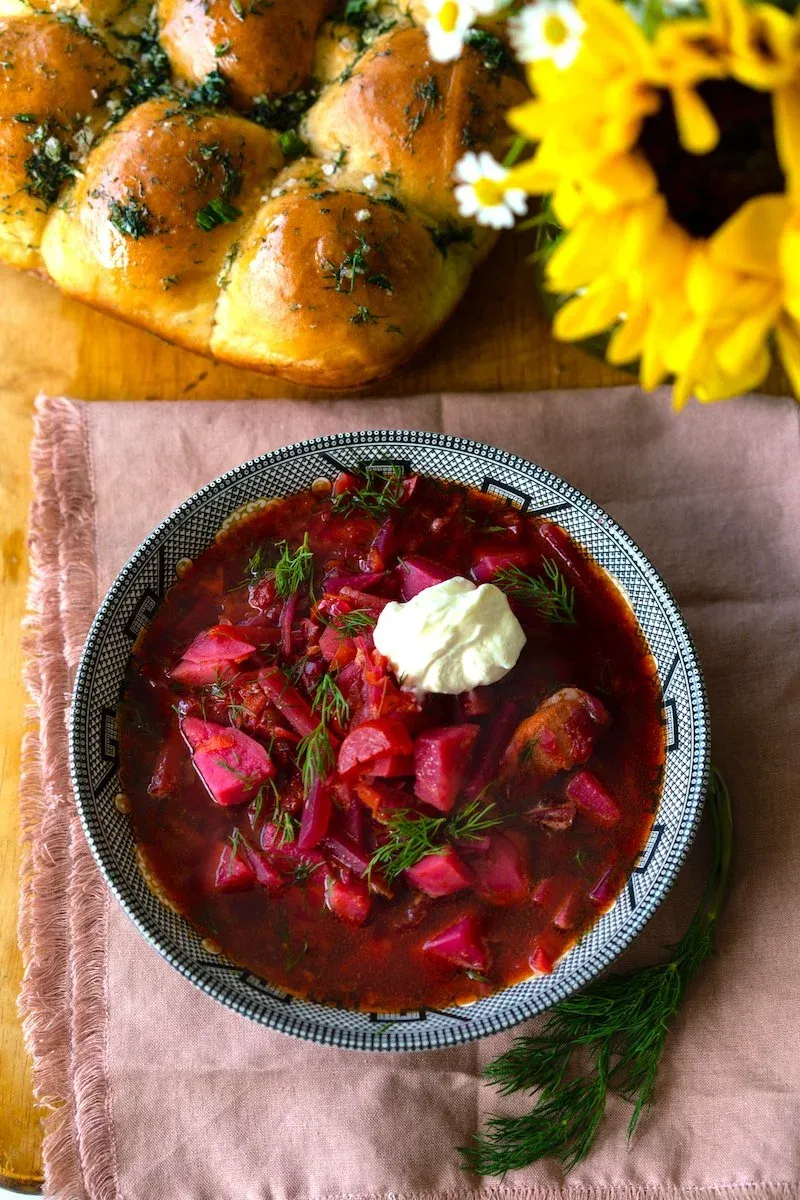
That deep ruby color comes from beets, the heart of every bowl of borscht. In 2022, UNESCO listed Ukrainian borscht culture as a heritage treasure.
The soup also holds cabbage, potatoes, carrots, and often beef. It tastes earthy, slightly sour, and very comforting.
Every Ukrainian family seems to have its own secret recipe. Add a spoon of sour cream and fresh dill, then grab a garlic bun called pampushka.
19. Smørrebrød from Denmark
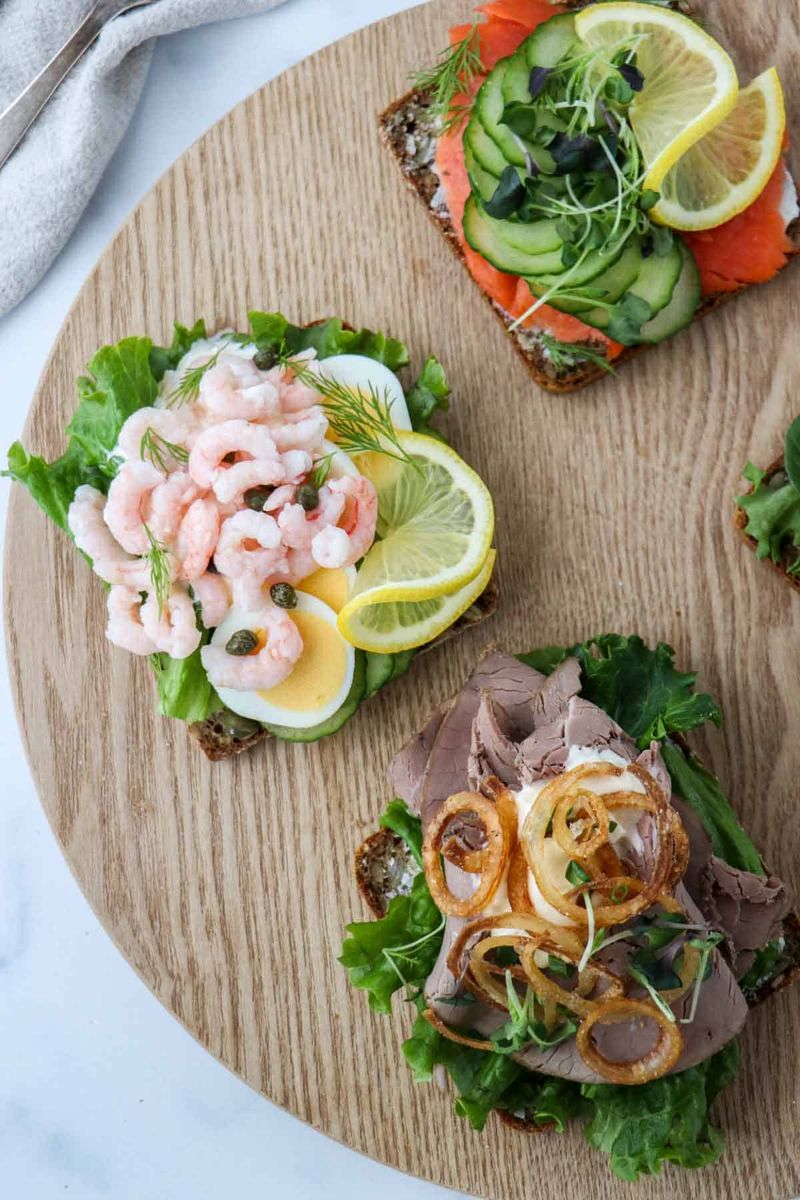
Danes turned the humble sandwich into an art form. Smørrebrød are open-faced sandwiches built on dense, dark rye bread.
Toppings range from pickled herring and tiny shrimp to roast beef, egg, and liver pâté. Each one looks almost too pretty to eat.
Eat them with a knife and fork, never with your hands. Danes also follow an order: start with fish, then meat, and finish with cheese.
20. Fårikål from Norway
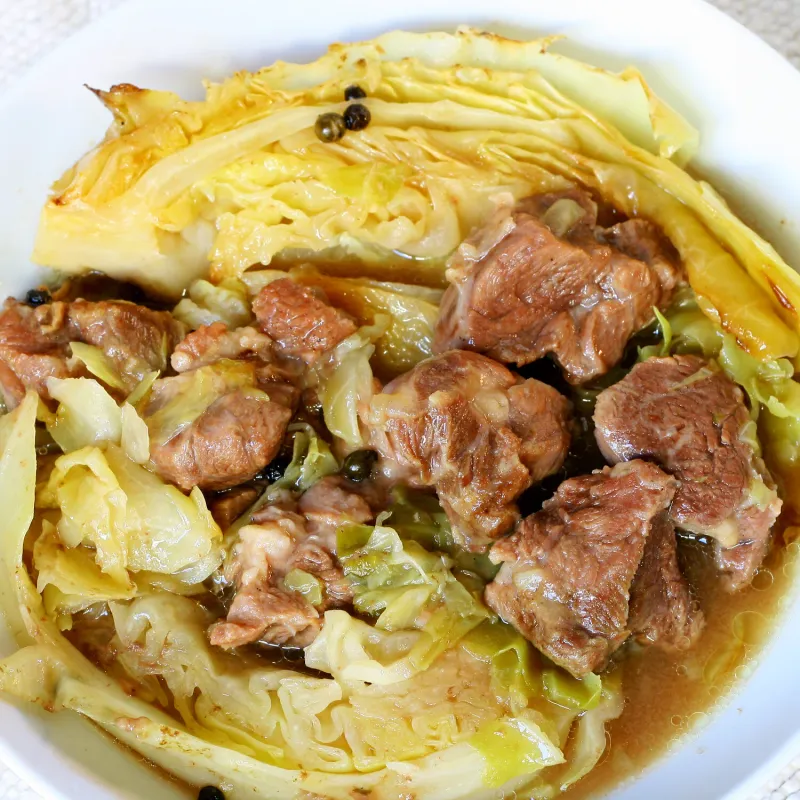
Only four ingredients go into Norway’s national dish: lamb, cabbage, black pepper, and salt. That’s it!
Cooks layer the meat and cabbage in a big pot and let it simmer for hours. The lamb becomes tender, and the cabbage soaks up the rich flavor.
Norwegians love it so much they gave it its own holiday. Fårikål Day falls on the last Thursday of September, right when lamb season peaks.
21. Karjalanpiirakka from Finland
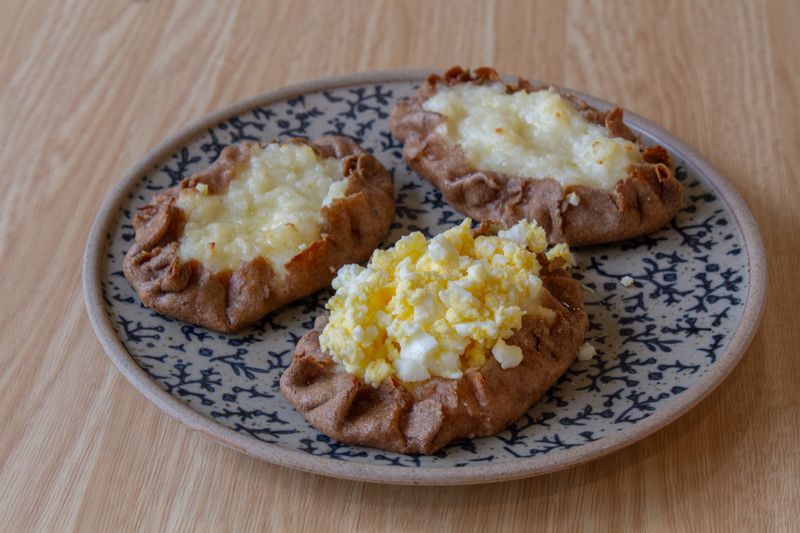
Small, oval, and wrapped in a crinkly rye crust, Karelian pies are Finland’s favorite snack. The filling is usually creamy rice porridge.
These came from Karelia, a region on the border with Russia. Bakers pinch the edges by hand, which gives each pie its special wavy shape.
Spread munavoi on top while they are warm. That is a simple mix of butter and chopped boiled egg.
You will find them in almost every Finnish café.
22. Sarma from Croatia
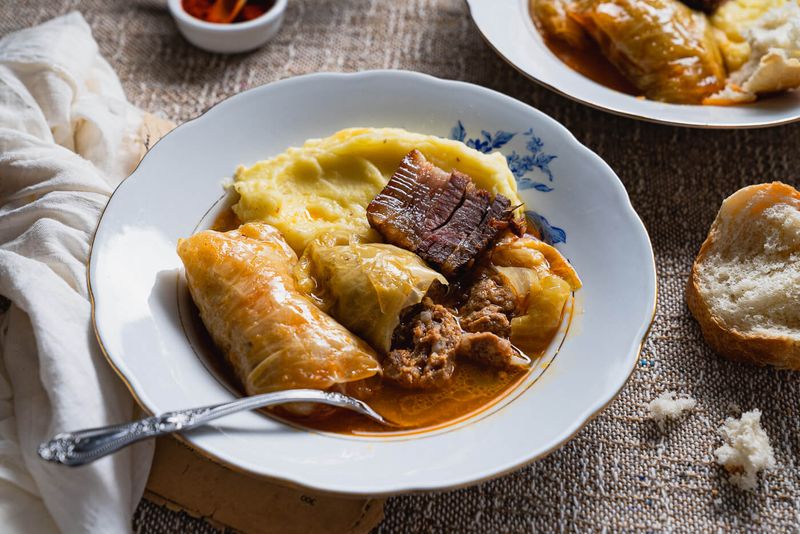
Sour cabbage leaves wrapped tightly around meat and rice create sarma, a dish Croatians love most in winter.
The rolls simmer for hours with smoked bacon or ribs. Many cooks say it tastes even better when reheated the next day.
Variations appear across the Balkans and Turkey. In Croatia, sarma is a must at Christmas and New Year’s gatherings.
Mashed potatoes on the side catch all the smoky juices.
23. Plov from Russia and Central Asia
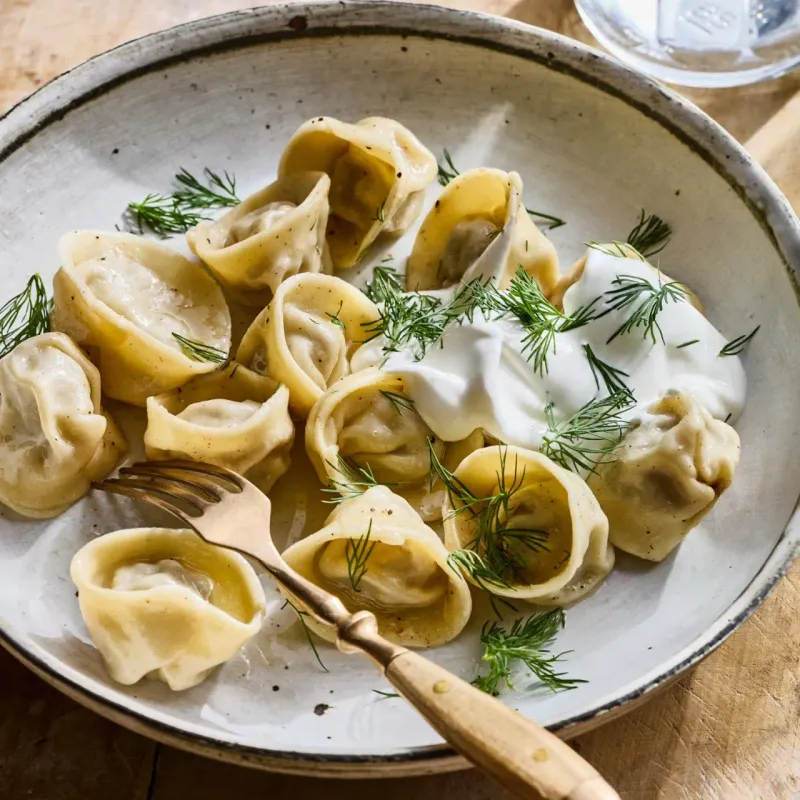
Siberian hunters once froze pelmeni in the snow to keep them fresh for long trips. Smart, right?
These little Russian dumplings are filled with ground pork, beef, or lamb. They are boiled until plump and tender.
Many Russian families spend whole afternoons making pelmeni together and freezing big batches. Serve them in broth or with butter, a spoon of sour cream, and fresh dill.
They are perfect on snowy nights.
24. Sarmale-Cousin Mici from Romania
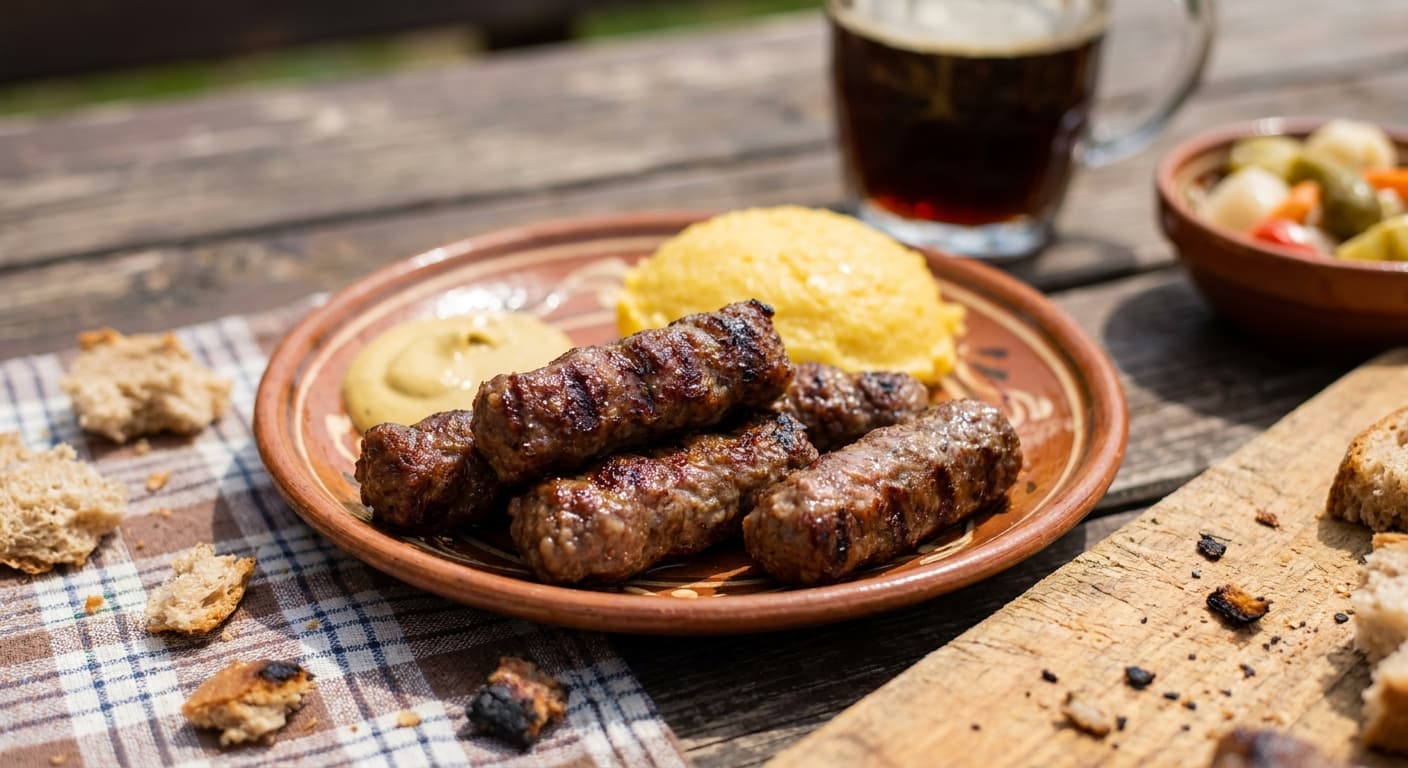
Legend says a Bucharest restaurant ran out of sausage casings in the 1800s, so the cook simply grilled the meat as is. Mici were born!
These small skinless rolls mix beef, lamb, and pork with garlic and spices. A little baking soda keeps them juicy.
Romanians eat millions of them on May 1, Labor Day, at outdoor barbecues. Enjoy them with mustard and fresh bread, just like locals do.
25. Cevapi from Bosnia and Herzegovina
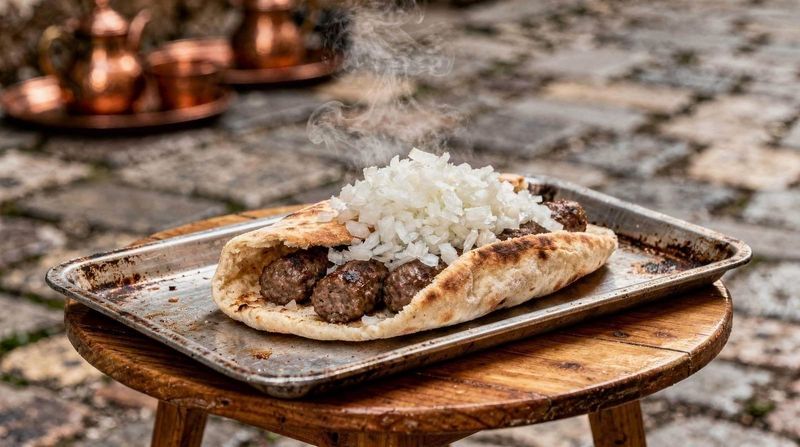
Walk through Sarajevo’s old bazaar, and the smoky smell of ćevapi will lead you straight to a grill house.
Small fingers of minced beef are grilled over charcoal. They are tucked into soft, fluffy flatbread called somun.
Order them in fives or tens. Chopped raw onion and kajmak, a creamy dairy spread, go on top.
Locals argue fiercely about which shop makes the best ones, so try a few!