
A familiar song can have a past you never expected. Some of music’s biggest hits began with another singer, a different beat, or even lyrics in another language.
Hearing the earlier recordings gives the original artists credit and reveals how much a new voice can change a song. Your favorite singalong might sound very different by the time you reach its roots.
1. I Will Always Love You: Dolly Before Whitney
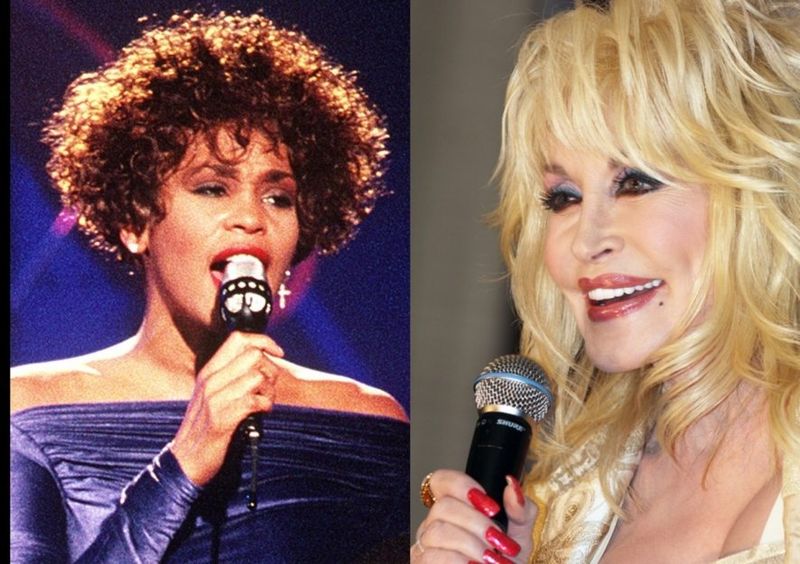
Before that soaring movie moment, there was a quiet country goodbye. Dolly Parton wrote and recorded the song in 1973, then released it in 1974.
Her version reached number one on the country chart, as did her 1982 recording.
Whitney Houston made it a worldwide smash for The Bodyguard in 1992. Compare Dolly’s gentle delivery with Whitney’s powerful finish to hear how the same farewell can feel both deeply personal and larger than life itself.
2. Blinded by the Light: A Springsteen Song in Disguise
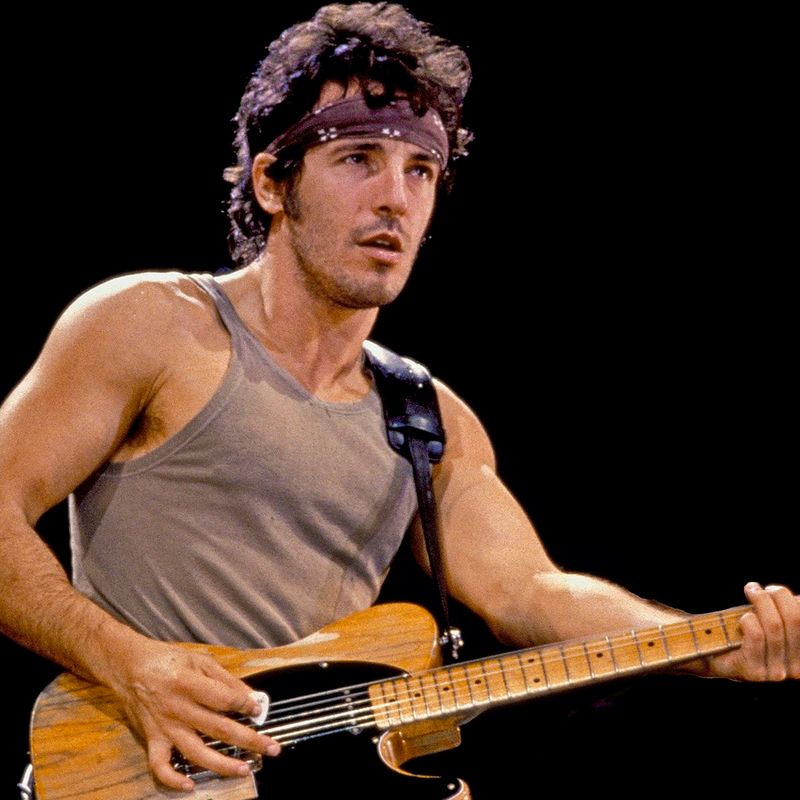
Those famously puzzling lyrics started with Bruce Springsteen, not Manfred Mann’s Earth Band. Springsteen released the song on his 1973 debut album, Greetings from Asbury Park, N.J.
His recording moves with a loose, busy street corner energy.
The Earth Band’s 1976 cover added sweeping keyboards and became an American number one in 1977. They also changed the line about a deuce.
Play both openings together: the musical makeover is almost as surprising as the songwriting credit.
3. Hound Dog: Big Mama Thornton Had the First Bite
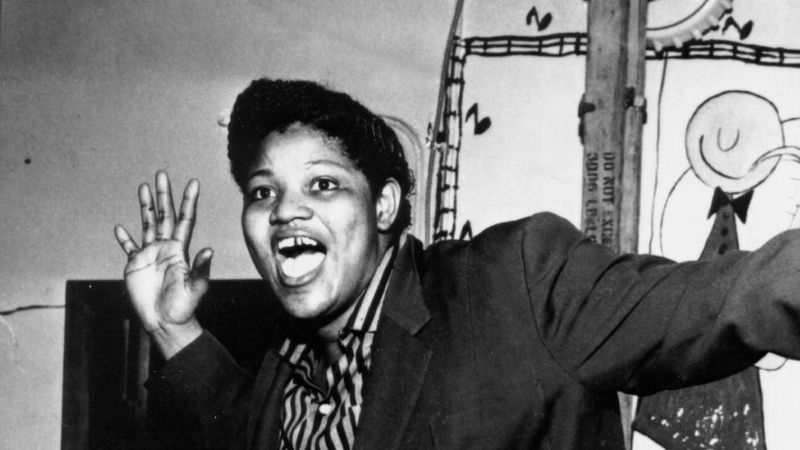
A fierce blues voice gave this dog its first bark. Big Mama Thornton recorded Hound Dog in 1952, and it became a major R&B hit in 1953.
Songwriters Jerry Leiber and Mike Stoller created it specifically for her.
Elvis Presley’s 1956 recording took a different route, drawing partly on Freddie Bell and the Bellboys’ version. Thornton’s original sounds tougher and more direct.
Give it a listen before assuming the famous rock recording tells the whole story.
4. Girls Just Want to Have Fun: A Demo Gets a New View
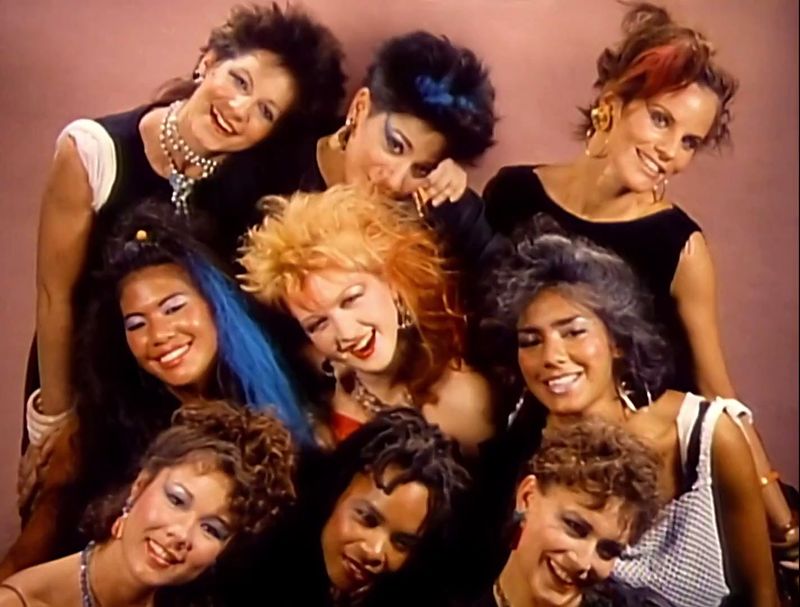
Believe it or not, this joyful anthem began with a man’s demo. Robert Hazard wrote and recorded Girls Just Want to Have Fun in 1979.
His lyrics told the story from a male point of view.
Cyndi Lauper reshaped parts of the song for her 1983 release, turning it into a bright demand for freedom and fun. The lesson for curious listeners: a cover can change more than the sound.
It can change who gets heard.
5. Tainted Love: Soul Music Under the Synths
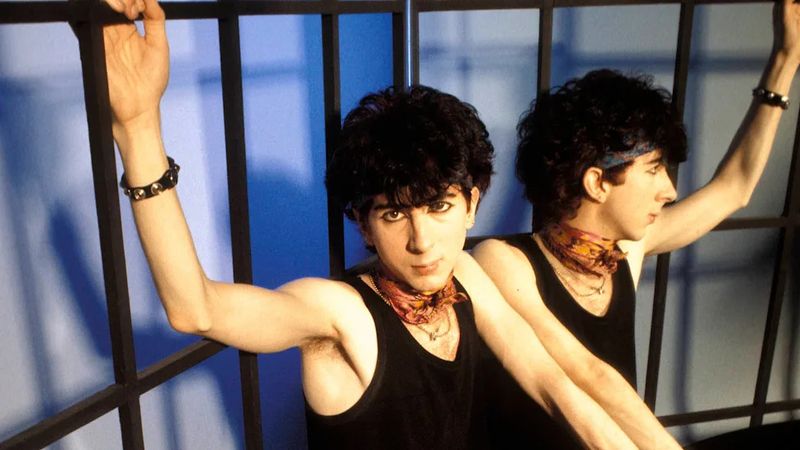
Under Soft Cell’s icy keyboards sits a lively soul record. Gloria Jones recorded Tainted Love in 1964, and it appeared as a single’s B-side in 1965.
It missed mainstream success but later found devoted fans in Britain’s Northern Soul clubs.
Soft Cell’s 1981 version traded that driving soul sound for spare electronic beats. Follow the rhythm rather than just the melody when comparing them.
You can hear how changing the backing transforms longing into something colder.
6. Twist and Shout: Two Stops Before the Beatles
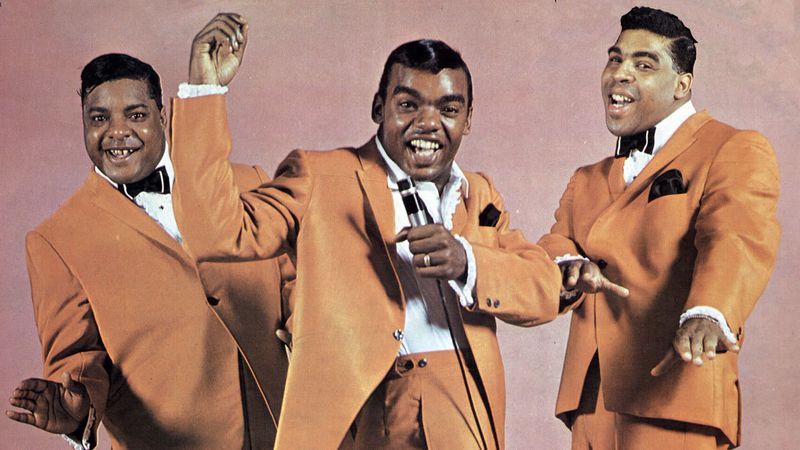
John Lennon’s raw vocal can make this sound like a Beatles original. Yet the Top Notes recorded Twist and Shout in 1961, before the Isley Brothers made it a hit in 1962.
That second version helped shape the Beatles’ approach.
The Beatles recorded their take in 1963 for Please Please Me. Listen for the rising group vocals and the push of the beat across versions.
Its history shows how one recording can build on another’s ideas.
7. Always on My Mind: A Hit With Several Lives
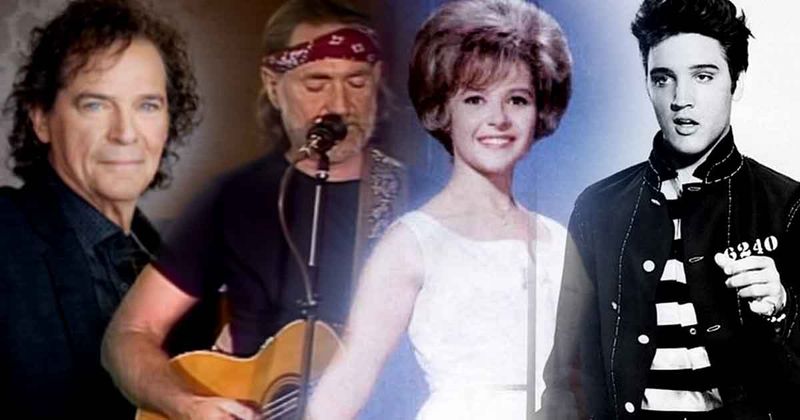
Few songs fit so many musical wardrobes. Brenda Lee recorded Always on My Mind in 1971, while Gwen McCrae’s version reached listeners first in 1972.
Elvis Presley also released his familiar recording that year.
Willie Nelson brought it into the American pop top five in 1982, and Pet Shop Boys turned it into a dance hit in 1987. Try those versions in order.
The words stay regretful, but each arrangement gives the apology a different shade.
8. Red, Red Wine: Neil Diamond Beneath the Reggae
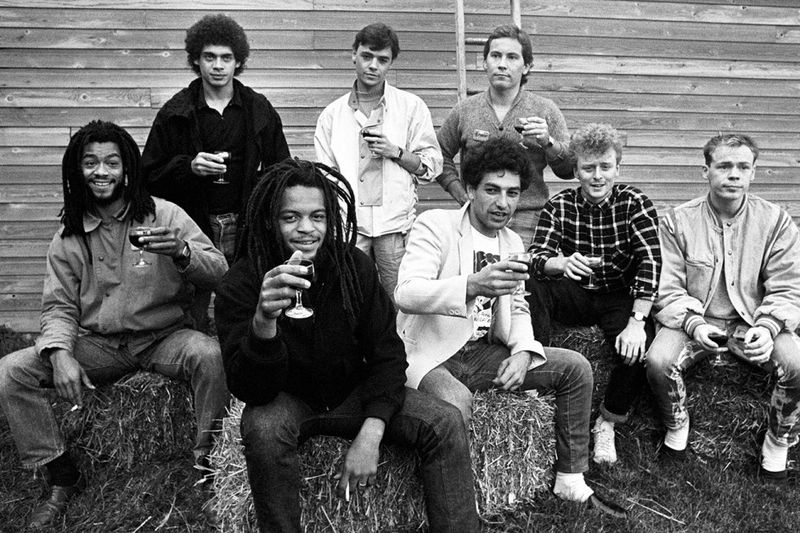
The relaxed reggae beat hides a rather different beginning. Neil Diamond wrote and released Red, Red Wine in 1967 as a mournful pop song.
Jamaican singer Tony Tribe later recorded a reggae version in 1969.
UB40 followed Tribe’s approach for their 1983 recording, reportedly without realizing Diamond wrote it. Their cover eventually topped the American chart in 1988.
Compare Diamond’s sadness with UB40’s easy groove: a cheerful setting does not always mean the lyrics are happy.
9. Respect: Aretha Changed the Conversation
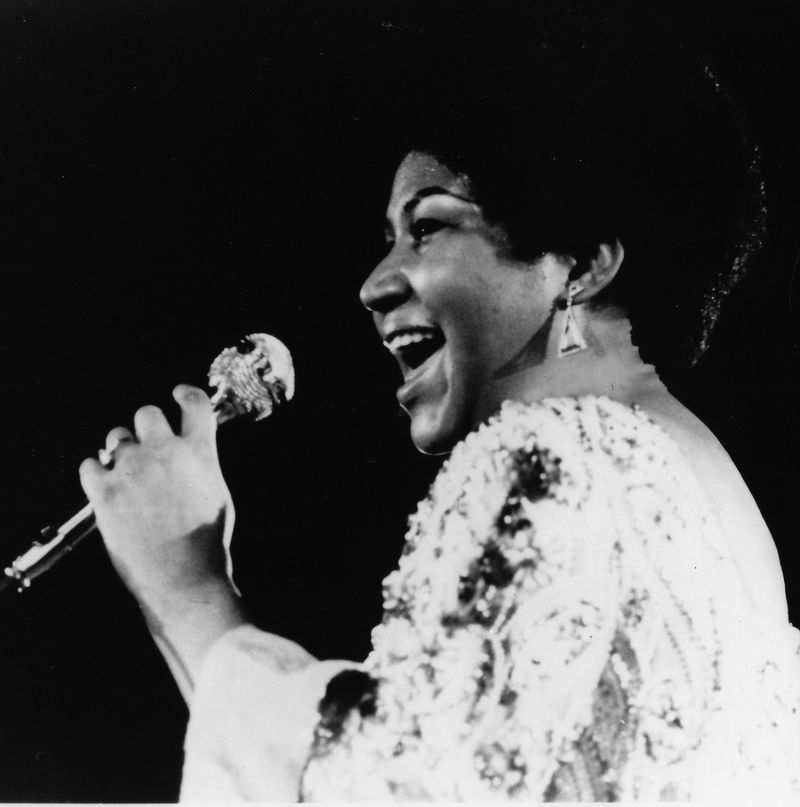
One voice turned a request into a declaration. Otis Redding wrote and recorded Respect in 1965, but Aretha Franklin gave it a new force in 1967.
Her version added the famous spelling section and unforgettable backing vocals.
Franklin’s recording became closely linked with women’s rights and the civil rights era. Hear Redding’s original alongside hers to catch the shift in viewpoint.
Keeping a song’s basic message does not stop a singer from changing its meaning dramatically.
10. Nothing Compares 2 U: Prince Wrote the Heartbreak
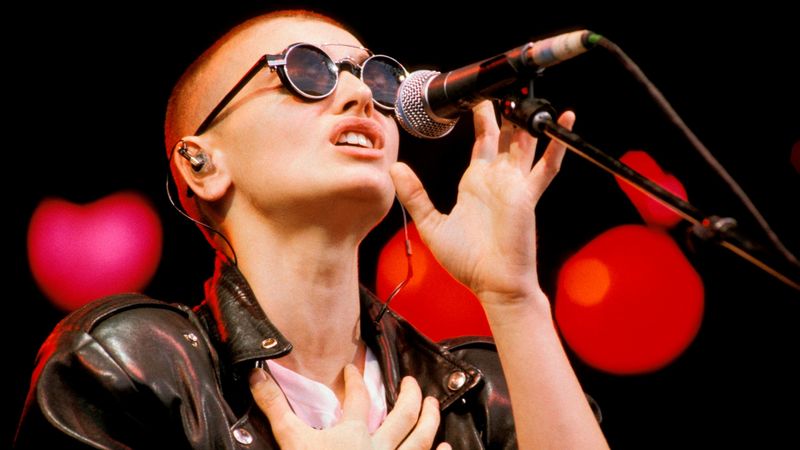
That unforgettable voice was singing someone else’s words. Prince wrote Nothing Compares 2 U, and the Family released the first version on their 1985 album.
Sinéad O’Connor’s 1990 recording brought the song to a far wider audience.
Her spare delivery and striking video made the heartbreak feel close enough to touch. Seek out the Family’s recording to hear a fuller band setting.
The contrast reveals how leaving room around a voice can make its emotion stronger.
11. Hurt: Johnny Cash Found a Different Kind of Pain
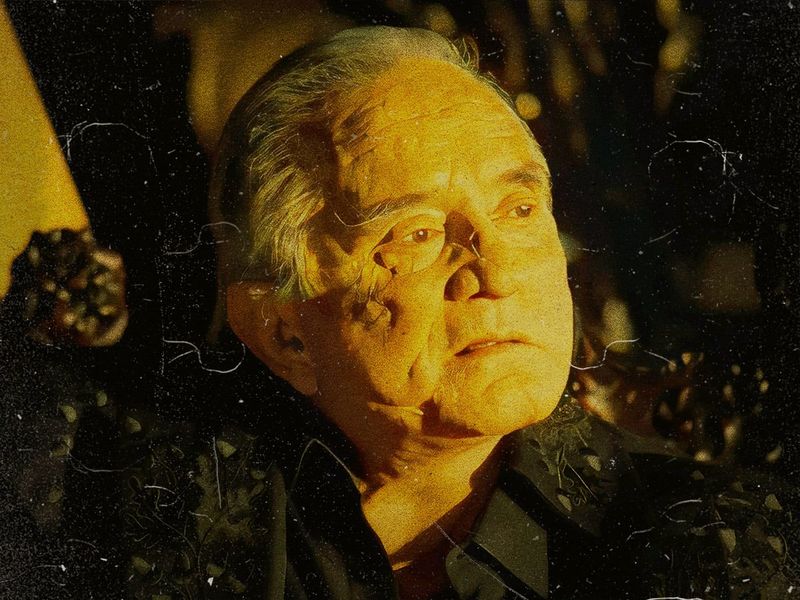
An aging voice gave this song a startling second life. Trent Reznor wrote Hurt for Nine Inch Nails’ 1994 album The Downward Spiral.
Johnny Cash recorded his cover in 2002, bringing a lifetime of weight to the words.
The simple backing and Cash’s worn voice changed how many listeners heard its pain. Reznor praised the result.
Compare the uneasy tension of the original with Cash’s plain delivery, and notice how a performer’s history can shape your response.
12. Torn: A Pop Hit With Danish Roots
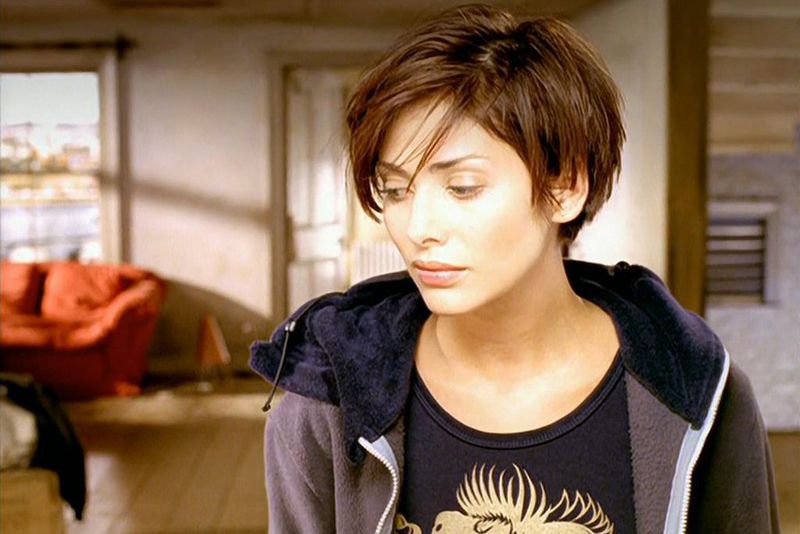
A Danish recording came before the version many fans call the original. Lis Sørensen released the song as Brændt in 1993.
Ednaswap, whose members helped write it, released their English recording in 1995, before Natalie Imbruglia’s breakthrough cover arrived in 1997.
Imbruglia’s polished pop sound made Torn a radio favorite, while Ednaswap’s take has a rougher edge. Add all three to a playlist.
Following the song across languages and styles makes its winding journey easier to hear.
13. It’s My Life: No Doubt Revisited Talk Talk
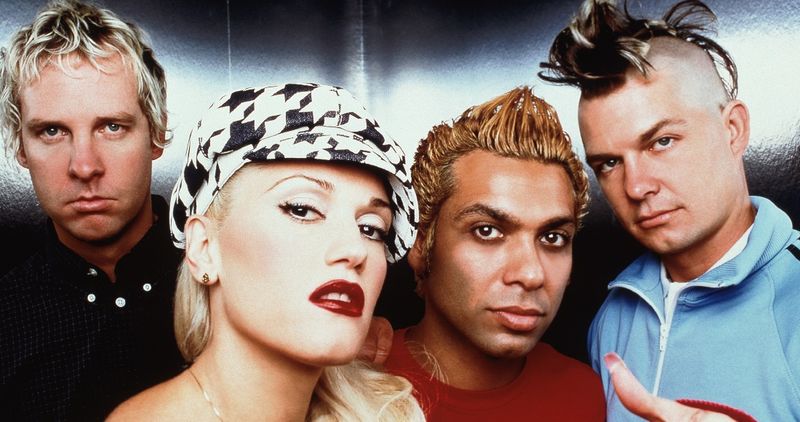
Radio listeners in 2003 heard No Doubt give an older song fresh shine. Talk Talk had released It’s My Life in 1984, pairing Mark Hollis’s distinctive voice with a sleek electronic sound.
The original already had a strong identity.
No Doubt kept its central hook while adding Gwen Stefani’s bold delivery and the band’s own polish. Start with the bass line when comparing recordings.
It helps connect two versions that belong to very different pop music eras.
14. I Love Rock ‘n Roll: Arrows Lit the Fuse
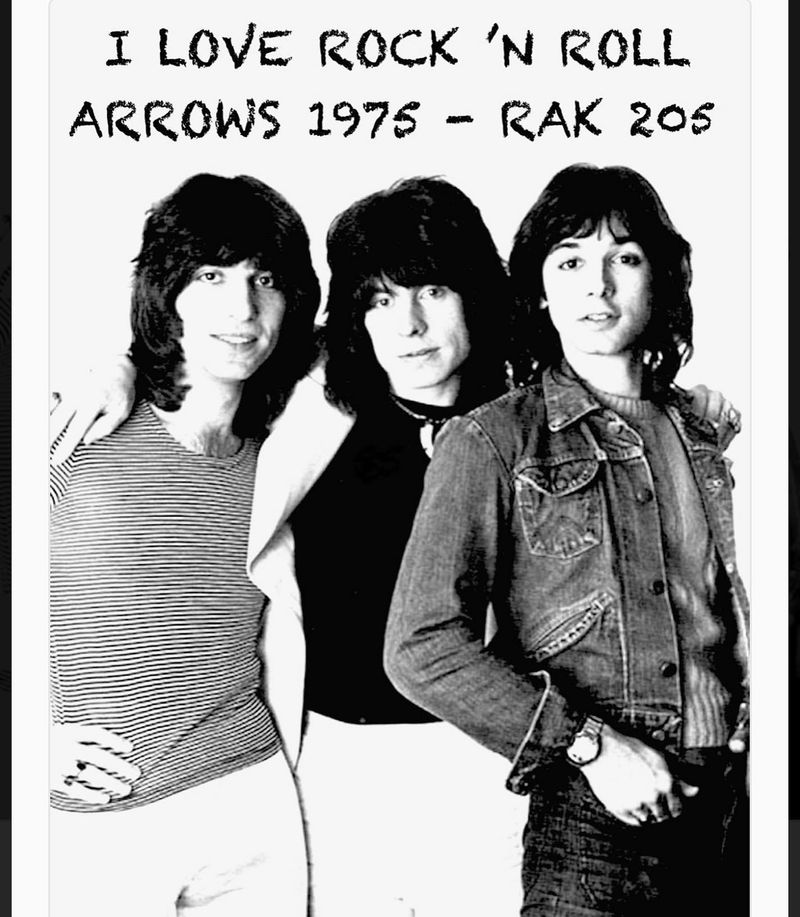
That stomping jukebox favorite did not begin with Joan Jett. Arrows released I Love Rock ’n Roll in 1975, with Alan Merrill singing lead.
Jett discovered the song through a British television performance and later made it her own.
Her 1981 recording with the Blackhearts became a huge hit in 1982. The chorus barely needs an introduction now.
Hear the Arrows version for the same catchy bones, then notice how Jett’s confident attitude makes the cover land.
15. Mad World: A Dance Beat Becomes a Whisper
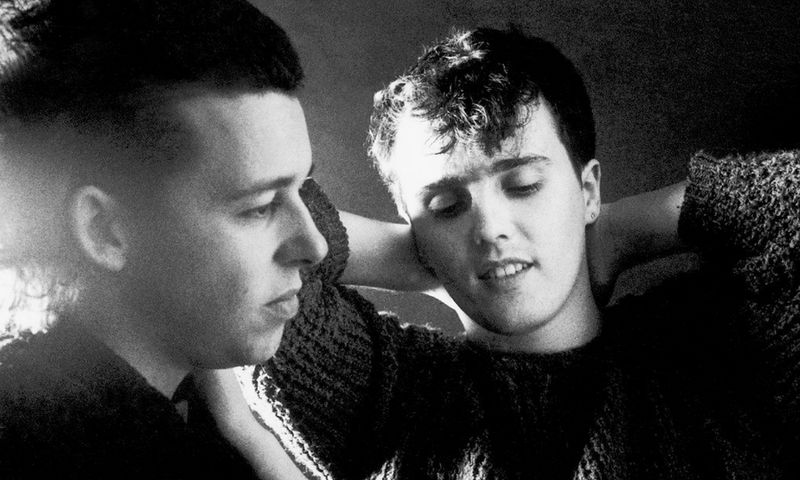
A song can sound busy while describing a lonely world. Tears for Fears released Mad World in 1982 with a brisk electronic beat and Curt Smith’s lead vocal.
Its uneasy words sit beneath surprisingly lively music.
Michael Andrews and Gary Jules slowed it down for the 2001 film Donnie Darko, using piano and a hushed voice. Their version became a British Christmas number one in 2003.
Switch between recordings to hear the sadness move into the spotlight.
16. Whiskey in the Jar: A Folk Tale Turns Up the Volume
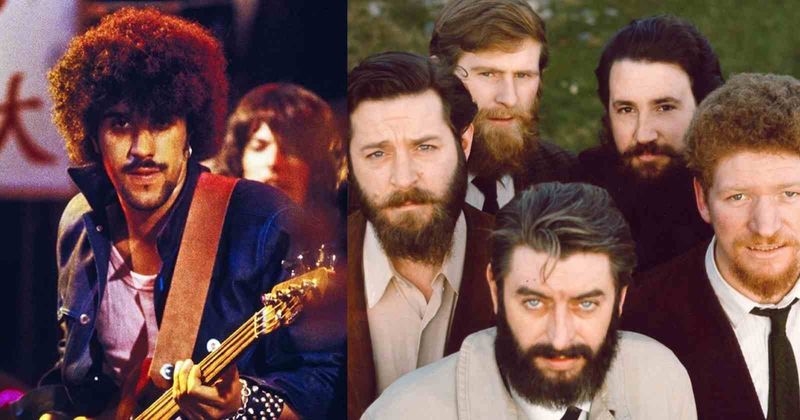
Long before electric guitars, this story traveled through Irish folk music. Whiskey in the Jar is a traditional song, so there is no single confirmed original recording or artist.
The Dubliners helped bring it to modern folk audiences.
Thin Lizzy scored a hit with their rock version in 1972, and Metallica released a heavier take in 1998. Follow the tale across those recordings.
Different instruments change the mood, but the old story keeps finding new listeners everywhere.