
Old recipe boxes tell a story about how Americans once ate. Creamy casseroles, molded salads, and thrifty suppers helped families stretch budgets and welcome guests.
Many of these dishes have faded from everyday meals, though some still have loyal fans. A look back might bring back a family memory or inspire something different for dinner.
1. Tomato Aspic: The Savory Centerpiece
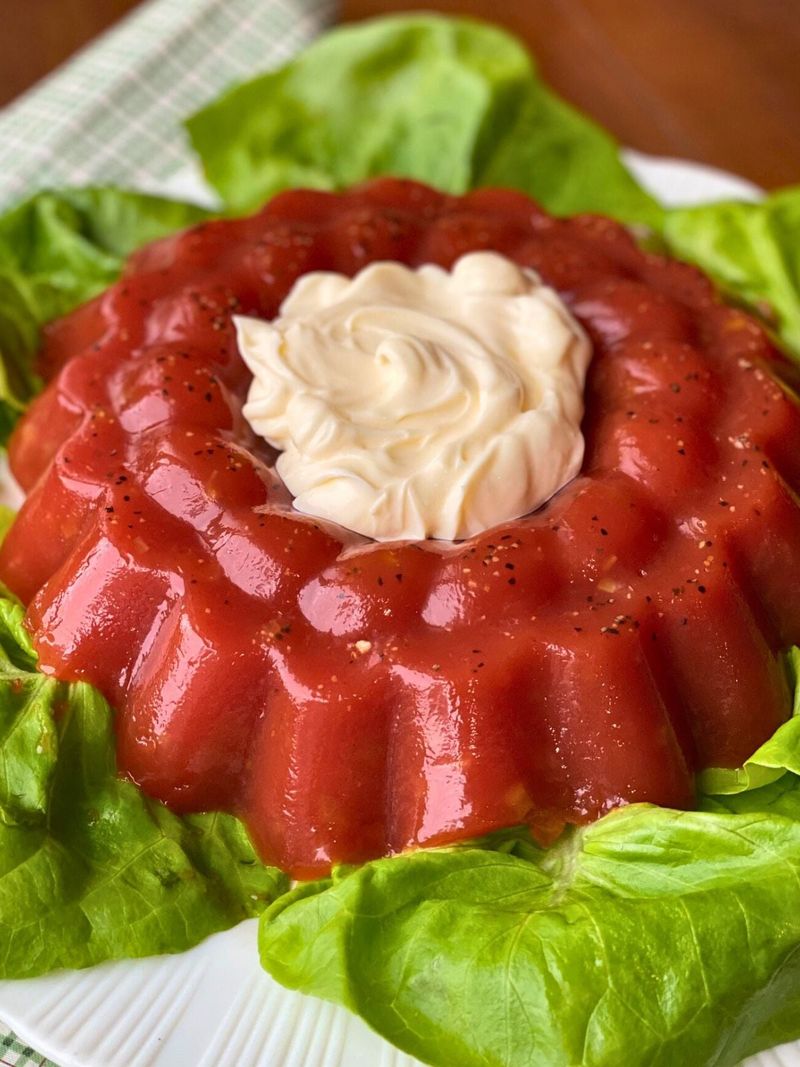
A bright red gelatin ring once signaled that company was coming. During the 1950s and 1960s, tomato aspic brought tomato juice, celery, onions, or olives together in a chilled mold.
Unlike dessert gelatin, it tasted savory and often came with mayonnaise and parsley. Its firm wobble may surprise modern diners, but the appeal was simple: cooks could prepare it ahead.
Try a small portion alongside crisp greens if you enjoy tangy tomato flavors and cold salads.
2. Welsh Rarebit: Cheese Toast With Character

No rabbit appears in this cozy supper, despite its sometimes confusing name. Welsh rarebit is toast covered with a warm cheese sauce, often sharpened with mustard, beer, or Worcestershire sauce.
American homes and taverns embraced it from the late 1800s into the twentieth century. Think of it as cheese toast with extra personality.
Use sturdy bread, choose a flavorful cheddar, and serve immediately so the toast keeps some crunch beneath its rich topping until dinner ends.
3. Chicken à la King: Fancy Without the Fuss

Leftover chicken could dress for dinner when a creamy sauce entered the picture. Diced chicken, mushrooms, peppers, and pimentos made this dish colorful enough for guests without requiring a costly cut of meat.
It became a familiar choice on American menus and home tables during the twentieth century. Spoon it over rice, toast, or pastry shells.
For a fresher balance, add a green vegetable on the side rather than another rich dish to complete the meal.
4. Ambrosia Salad: A Sweet Potluck Memory

Somewhere between a side dish and dessert sits a bowl of fluffy, fruity nostalgia. Ambrosia began with simpler combinations of citrus and coconut before many versions welcomed canned fruit, marshmallows, and creamy dressing.
It became especially familiar at holiday meals and potlucks during the twentieth century. Drain canned fruit well to prevent a watery bowl.
A little sour cream can balance the sweetness, while toasted coconut adds texture without changing the dish’s playful spirit too much.
5. Liver and Onions: A Budget Supper
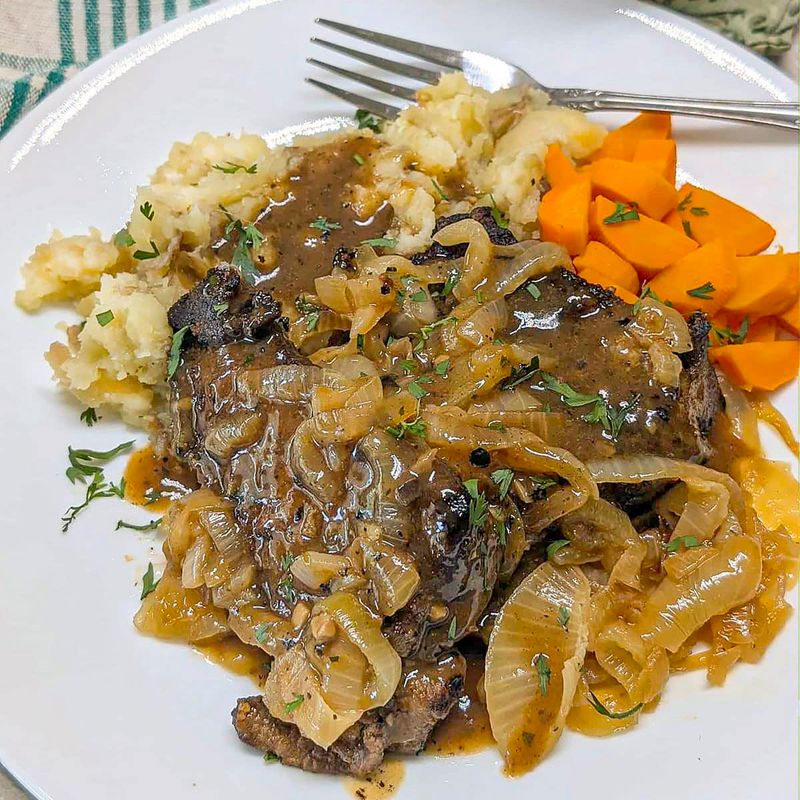
The smell of onions sizzling could announce a supper that divided the whole family. Liver offered iron, protein, and value, making it useful during the Depression and wartime years.
Its strong flavor and distinctive texture later lost ground to other meats. If you want to revisit it, follow reliable cooking guidance and avoid overcooking, which can make liver tough.
Slowly browned onions add sweetness, while mashed potatoes provide a mild partner for every flavorful forkful served.
6. Beef Stroganoff: Dinner Party Comfort
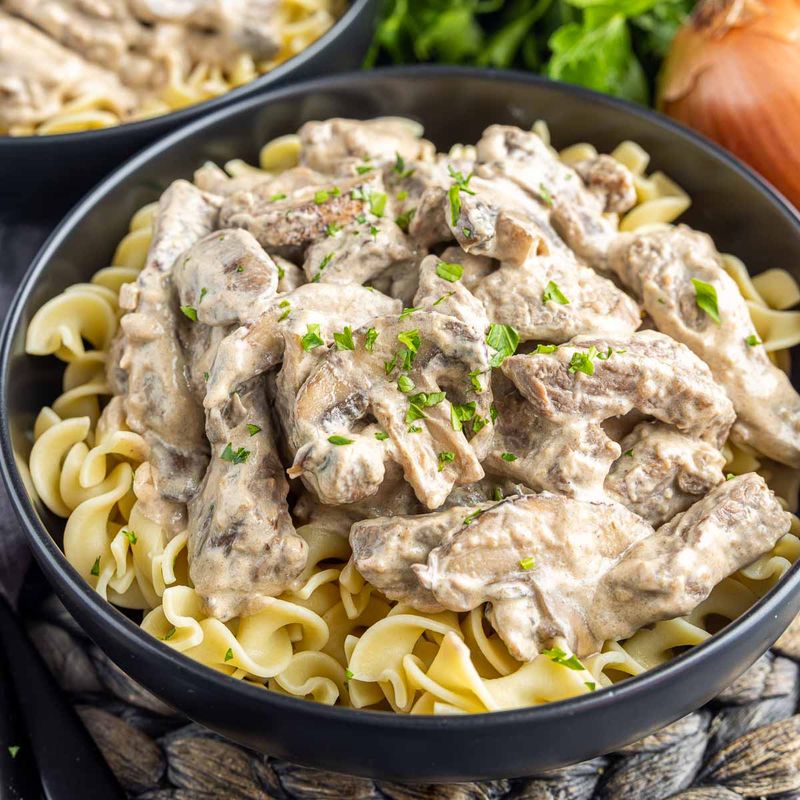
A swirl of sour cream helped turn beef and noodles into dinner party fare. With roots in nineteenth century Russia, stroganoff found a warm welcome in American kitchens during the 1950s and later decades.
Mushrooms and onions gave the creamy sauce extra depth, while egg noodles made it filling. Brown the mushrooms well for better flavor.
Stir sour cream in gently over low heat so the sauce stays smooth rather than separating before it reaches the table.
7. Waldorf Salad: Crunch From a Hotel Classic
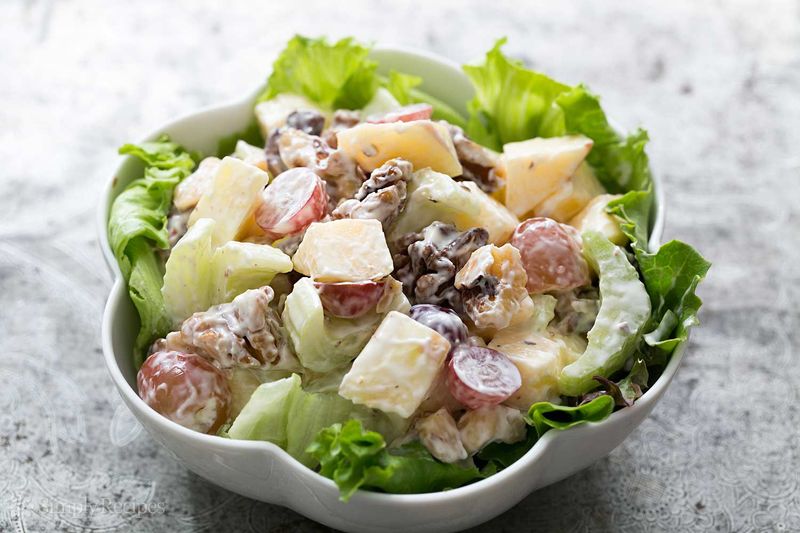
Crisp apples gave this dressed salad a crunch that still feels refreshing. Created at New York’s Waldorf Hotel in the 1890s, the original combined apples, celery, and mayonnaise; walnuts became a familiar addition later.
Many home versions also include grapes. Although it survives on some menus, it is less common than it once was.
Choose firm apples and dress them shortly before serving. A modest coating lets the fruit and celery shine without weighing everything down.
8. Salisbury Steak: Gravy Takes the Lead
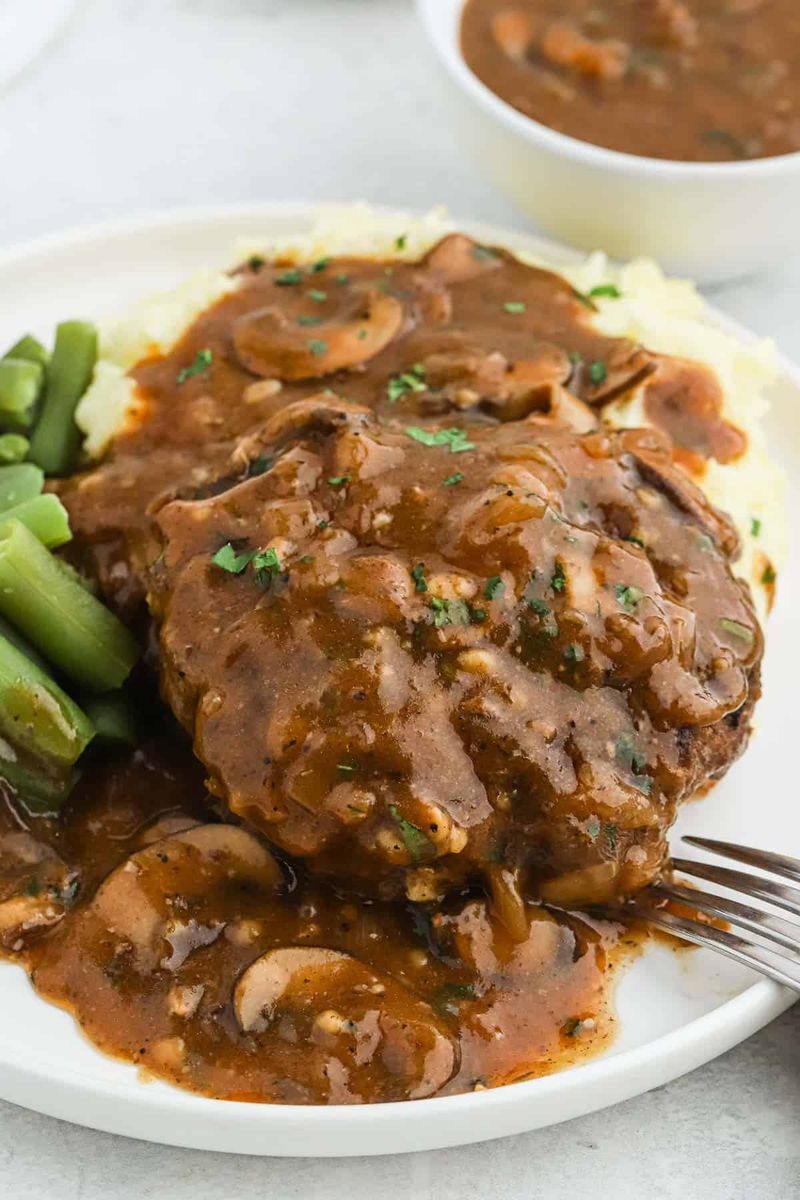
Gravy did much of the heavy lifting in this dependable dinner. Seasoned ground beef patties offered a cheaper alternative to whole steaks, especially when paired with mashed potatoes and vegetables.
Salisbury steak became closely linked with diners, school lunches, and frozen dinners during the twentieth century. Homemade versions can taste quite different from freezer meals.
Shape the patties gently, brown them well, and use the pan drippings to build a savory onion or mushroom gravy afterward.
9. Poke Salad: A Foraging Tradition With Risks

Foraging once helped Appalachian families fill the gap between stored food and fresh harvests. Poke salad, also called poke sallet, belonged to that tradition, but its history comes with a serious warning.
Pokeweed is poisonous, and home preparation can leave dangerous toxins behind. Do not eat it raw or assume repeated boiling makes it safe.
For a similar plate of cooked greens without that risk, choose cultivated collards, mustard greens, or turnip greens from the market.
10. Turtle Soup: A Surviving Regional Specialty
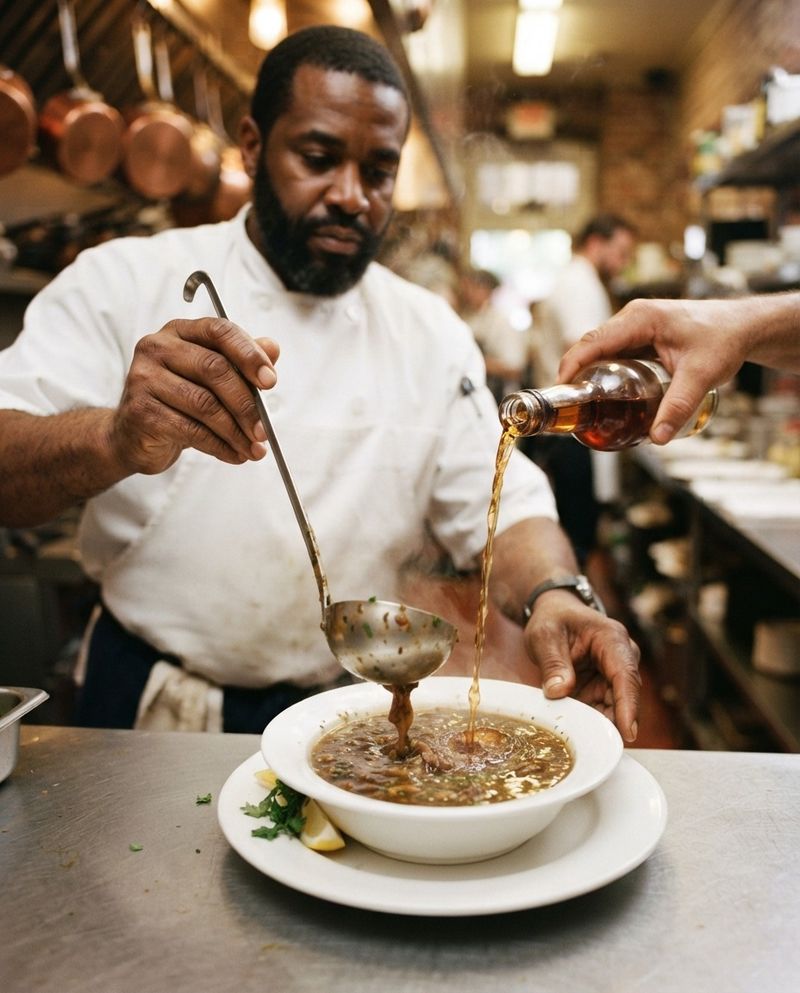
Elegant American menus once made room for a soup many diners now find surprising. Turtle soup appeared in homes, clubs, and restaurants, with recipes varying by region and available species.
It remains associated with New Orleans, where some restaurants still serve it. Conservation laws and changing tastes helped narrow its place at the table.
Never use protected wildlife. Anyone curious about its history can explore old menus or try a clearly labeled mock turtle soup instead.
11. Creamed Chipped Beef: Toast Goes to Work
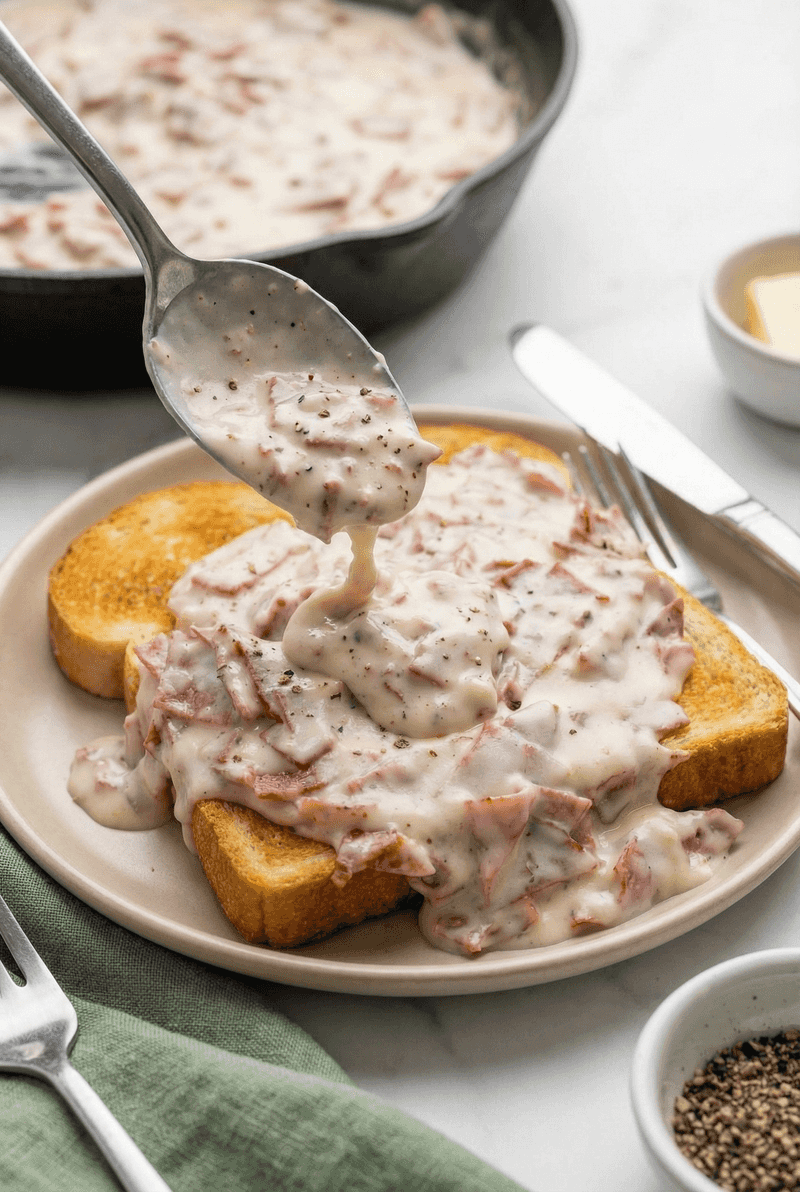
A few slices of dried beef could stretch surprisingly far under a blanket of white gravy. Served over toast, this economical meal became familiar in military mess halls and budget minded American homes.
Veterans often knew it by the nickname S.O.S. Its salty, creamy character needs little extra seasoning.
Taste the beef before adding salt, and follow package directions if rinsing is suggested. Freshly toasted bread gives the soft gravy a welcome bit of crispness underneath.
12. Limburger Sandwich: Big Aroma, Simple Lunch

One whiff could tell you what was packed for lunch. Limburger’s bold smell made it memorable, while rye bread and raw onion supplied the backbone of a simple sandwich.
European immigrant food traditions helped bring the cheese to American tables. Milder options eventually attracted more shoppers, though devoted fans remain.
Start with a thin slice if you are curious about the flavor. Mustard and a crunchy pickle can provide a sharp contrast to its creamy texture.
13. Vinegar Pie: Dessert From the Pantry

No fresh lemons? Resourceful bakers could reach for the vinegar bottle instead.
This pantry pie used everyday ingredients such as sugar, eggs, butter, and vinegar to create a sweet filling with a tart edge.
Recipes varied, and some included flour or cornmeal for texture. It belongs to a broader family of thrifty desserts made without fresh fruit.
Use a tested recipe rather than guessing the vinegar amount, since balance matters more than the unusual ingredient suggests.
14. Jell-O Salad: The Molded Table Showpiece
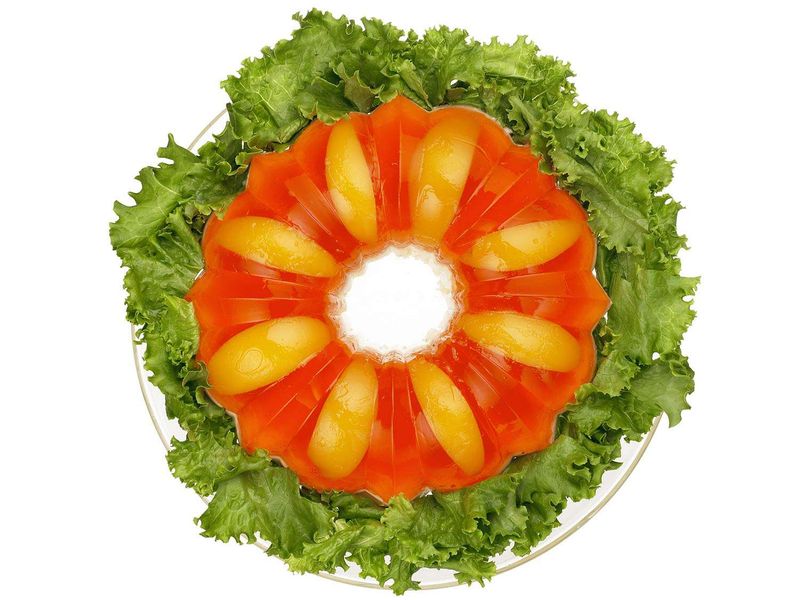
Colorful molds turned the dinner table into a small display case. Gelatin salads reached a peak of popularity in midcentury America, holding fruit, shredded vegetables, cottage cheese, or other additions in place.
Some leaned sweet; others were meant as savory sides. Their appeal included convenience and a tidy shape that looked ready for guests.
If making a fruit version, follow the recipe carefully. Fresh pineapple can prevent ordinary gelatin from setting because it contains a powerful enzyme.
15. Chicken Divan: Broccoli Gets the Guest Treatment

Broccoli wore its best outfit under a creamy sauce and golden topping. Named for the Divan Parisien restaurant in New York, this chicken dish moved from restaurant dining into American home kitchens.
Convenient versions often used canned soup, making it a practical casserole for busy families. Its appeal has never vanished completely.
To keep a homemade batch from becoming mushy, cook the broccoli only briefly before baking and leave the topping uncovered so it can brown.
16. Liverwurst Sandwiches: An Old Deli Favorite

At many old deli counters, lunch needed little more than bread, mustard, and liver sausage. Liverwurst brought a soft texture and rich flavor, often joined by raw onion on rye.
Recipes vary, but pork liver, meat, fat, and spices are common ingredients. The sandwich became less familiar as lunch choices expanded, although it still has fans.
Try thin slices or a light spread first, and keep the sausage refrigerated according to the package instructions after opening.
17. Roast Goose: The Holiday Bird Before Turkey
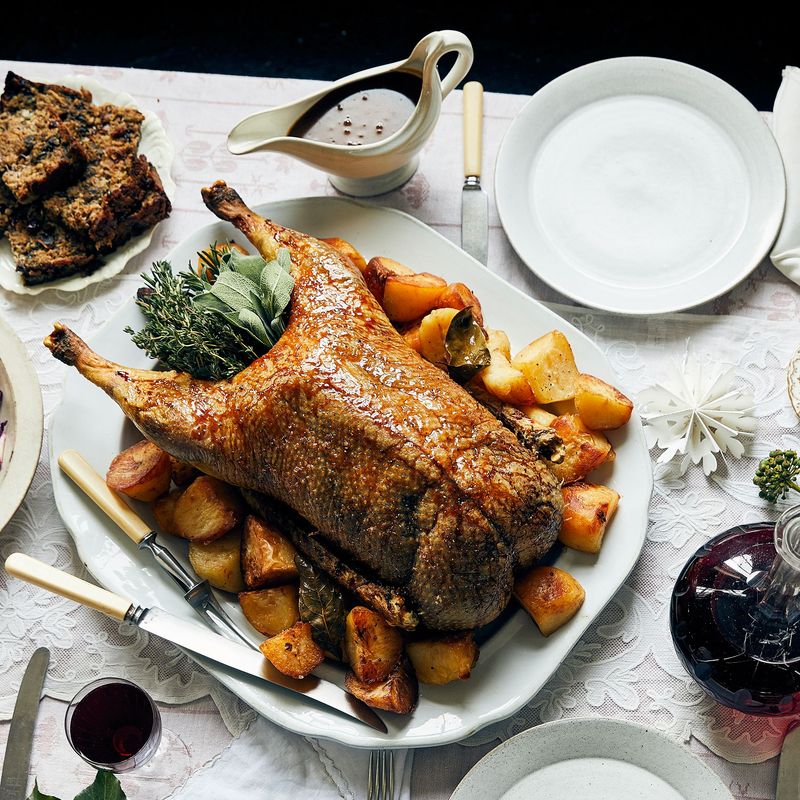
A goose on the holiday table once promised a feast worth gathering for. European traditions helped make roast goose part of American celebrations, especially Christmas, before turkey became the more familiar choice.
Its dark meat and generous fat set it apart from leaner birds. Cooking one requires planning because fat collects during roasting.
Follow a reliable recipe and safe temperature guidance, then save properly handled rendered fat for potatoes if you want another taste of tradition.