
Manipulation can leave you confused, drained, and unsure of your own judgment. People sometimes call these patterns narcissistic mind games, but they do not prove someone has narcissistic personality disorder, and not everyone with that diagnosis is abusive.
Learning to spot harmful behavior can help you protect your confidence, set limits, and find support. You deserve relationships where respect is steady, not something you must earn.
1. Gaslighting: Making You Doubt Your Reality

You remember the argument clearly, yet someone insists it never happened. Gaslighting is a repeated pattern of twisting facts or denying events that can weaken trust in your own memory.
A simple disagreement or honest mistake is not automatically gaslighting. When confusion keeps growing, write down events somewhere safe and check your understanding with a trusted person.
You do not need the other person’s agreement to take your distress seriously or seek outside support today.
2. Love Bombing: Rushing Into Intense Affection

Flowers, constant messages, and big declarations can feel wonderful at first. The warning sign is not kindness itself, but intense attention paired with pressure to commit quickly or give up your boundaries.
Someone using love bombing may become cold when you ask to slow down. Keep your usual routines, friendships, and private time while trust develops.
Healthy affection leaves room for your choices and does not turn gifts into debts you must repay through obedience.
3. Projection: Placing Their Behavior on You

Suddenly, you are defending yourself against something the other person has been doing. Projection can involve accusing you of dishonesty, selfishness, or disloyalty while avoiding a close look at their own behavior.
Not every accusation is projection, so focus on clear facts rather than guessing motives. Ask for specific examples and avoid chasing endless claims.
You can acknowledge your real mistakes without accepting responsibility for another person’s choices, feelings, or repeated refusal to be accountable.
4. Playing the Victim: Turning Accountability Into Sympathy

A conversation about your hurt somehow becomes a story about how unfairly they are treated. By centering their own suffering, a manipulative person may pull attention away from the harm you wanted addressed.
Genuine pain deserves care, but it does not erase responsibility. Try separating the issues: their feelings can matter while your concern still needs an answer.
If every discussion ends with you comforting them, notice whether anything actually changes after the tears stop.
5. Triangulation: Pulling Someone Else Into the Conflict

Hearing that everyone agrees with them can make you feel outnumbered before a discussion even starts. Triangulation brings another person, real or claimed, into a conflict to create pressure, jealousy, or competition.
A partner might compare you with an ex or repeat private comments to stir tension. Avoid competing for approval or arguing through messengers.
When safe, speak directly with the people involved and keep attention on the actual issue rather than someone else’s supposed opinion.
6. Hoovering: Drawing You Back After You Leave
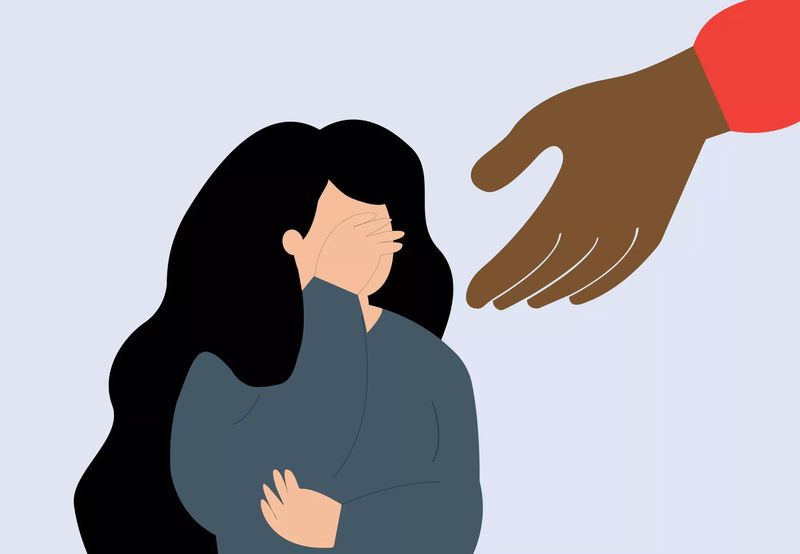
Just when distance starts to feel peaceful, an apology or urgent message arrives. Often called hoovering, this pattern involves attempts to pull someone back into a harmful relationship after separation or firmer boundaries.
Contact may include gifts, sudden promises, or claims that only you can help. Judge change by steady behavior over time, not emotional intensity.
If contact feels unsafe, consider blocking messages, saving unwanted communications securely, and planning next steps with a support worker.
7. Smear Campaigns: Damaging Your Reputation

Rumors can reach your friends before you know a story is being told. A smear campaign uses lies, twisted details, or private information to damage your reputation and weaken the support around you.
Trying to answer every claim can become exhausting. Save relevant evidence safely, correct important falsehoods briefly, and speak privately with people you trust.
Workplace harassment or serious threats may require professional advice. Your energy is better spent protecting yourself than convincing every listener.
8. Isolation: Shrinking Your Support Circle

Missing one gathering may seem harmless, especially when a partner says they need you. Isolation becomes a pattern when someone repeatedly discourages friendships, criticizes your family, or makes outside contact difficult.
With fewer trusted voices nearby, their version of events can grow harder to question. Keep safe connections alive through small check ins, private conversations, or community activities.
If your movements or devices are monitored, ask a domestic abuse advocate about safer ways to reconnect.
9. Blame-Shifting: Making Their Choices Your Fault

Somehow, their shouting becomes your fault because you brought up a problem. Blame shifting moves responsibility away from the person who acted and onto whoever questioned, challenged, or upset them.
Arguments can involve mistakes on both sides, but each person remains responsible for their own conduct. Name the action clearly and resist debating whether you deserved it.
You can reflect on your words without accepting blame for threats, insults, or another person’s decision to hurt you.
10. Invalidation and Belittling: Wearing Down Your Confidence

A joke about your abilities can sting long after everyone stops laughing. Repeated insults, mocking, and dismissive comments can make your feelings seem foolish and your achievements seem worthless.
Useful feedback addresses a specific action without attacking your value as a person. Notice whether speaking up leads to understanding or more ridicule.
Where safe, state that insults end the conversation, then follow through. Supportive friends or a counselor can help you rebuild trust in your judgment.
11. Withholding: Turning Access Into Leverage

Basic cooperation should not feel like a prize you must win. Withholding becomes controlling when someone deliberately blocks needed information, shared money, or agreed support to pressure you into doing what they want.
Everyone has the right to decline affection or intimacy; consent always matters. The concern is a broader pattern of punishment and control.
If necessities are restricted, seek confidential advice about practical options, including financial help, safe document storage, and access to essential services.
12. Silent Treatment: Using Silence as Punishment

The room goes quiet, but the silence feels anything but peaceful. Refusing contact to punish you or force an apology can leave you anxious and desperate to restore connection.
A healthy break is different: someone explains that they need space and agrees when to return. Stonewalling may also reflect overwhelm rather than a planned tactic.
Look at the pattern, request a clear time to talk, and avoid sacrificing your boundaries simply to end the silence.
13. Baiting: Provoking a Reaction They Can Use

One sharp comment follows another until you finally snap. Baiting involves repeated pokes, unfair accusations, or sensitive topics used to provoke a reaction that can later be presented as proof you are the problem.
You cannot always stay perfectly calm, and being provoked does not excuse harmful actions from anyone. Notice your early warning signs and pause when possible.
Short replies, ending the exchange, or leaving safely may protect you better than proving your point.
14. Future Faking: Keeping You Attached to Promises

The dream sounds beautiful: a shared home, a fresh start, or finally getting help. Future faking describes big promises used to keep someone invested without meaningful effort to make those plans real.
Changed plans alone do not prove manipulation, because life can interfere with honest intentions. Watch for repeated promises that appear whenever you consider leaving, then disappear once you stay.
Base decisions on present behavior, clear steps, and follow through rather than imagined possibilities.
15. Threats and Intimidation: Creating Fear to Maintain Control

Fear can make ordinary choices feel dangerous, including saying no or leaving. Threats against you, children, pets, property, or the person’s own life can become tools of control and deserve serious attention.
You do not have to judge alone whether a threat is real. Contact emergency services for immediate danger, or seek a local crisis service for guidance.
Take suicide threats seriously, but involve trained help rather than accepting sole responsibility for keeping another person alive.
16. Emotional Blackmail: Turning Care Into Obligation

Your kindness should not become a contract you never agreed to sign. Emotional blackmail uses guilt, fear, or duty to push you into choices that ignore your needs and limits.
Someone may question your love whenever you refuse a favor or demand constant proof of loyalty. Pause before answering, and separate caring from compliance.
A simple refusal does not make you cruel. People who respect you can feel disappointed without punishing you for having boundaries.
17. Diversion and Deflection: Dodging the Real Issue

You ask about a broken agreement and end up debating something from last year. Diversion and deflection steer attention away from the current issue so accountability never gets a clear place in the conversation.
Side topics may deserve discussion, but they do not have to replace your original concern. Bring the focus back once or twice, using a short statement.
If the conversation keeps circling, pause it instead of working harder to untangle every distraction.
18. Personal Attacks: Targeting You Instead of Your Point

Instead of answering your concern, they call you stupid, selfish, or impossible. An ad hominem attack targets the person speaking rather than the facts or problem being discussed.
Such attacks can tempt you to spend the whole conversation defending your character. You are allowed to refuse that detour.
State that you will discuss the issue without insults, and step away if safe when they continue. Respectful disagreement never requires you to prove that you deserve dignity.
19. Minimizing Abuse: Making Harm Seem Unimportant

Being told it was only a joke can make a painful experience feel hard to explain. Minimization shrinks the seriousness of harmful behavior through excuses, comparisons, or claims that you are simply too sensitive.
Intent does not cancel impact, and someone else’s worse experience does not erase yours. Notice repeated behavior and its effect on your safety, sleep, and confidence.
You can seek help without finding a perfect label or waiting for the harm to escalate.