
Some great songs started on the back of a record, far from the spotlight. Fans flipped those singles over and found music too good to stay hidden.
A few became huge hits, while others remained favorites shared between devoted listeners. Their stories show why the song picked for promotion is not always the one that lasts.
1. The Rolling Stones: A Choir on the Flip Side
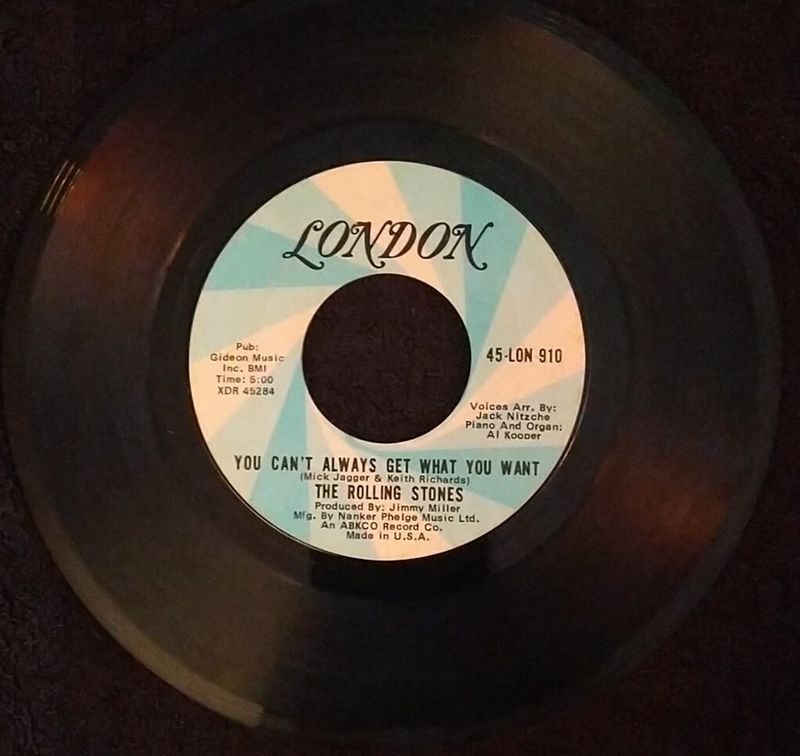
A choir is hardly the usual opening for a rock band’s hidden gem. Yet that unexpected sound helps make You Can’t Always Get What You Want unforgettable.
It appeared behind Honky Tonk Women in 1969, with a shorter version on the single.
The song grows from quiet reflection into a grand singalong. Try the longer album recording to hear its full shape.
Its lasting appeal shows how disappointment can become something hopeful, rather than bitter.
2. The Smiths: The Guitar Sound Nobody Could Ignore
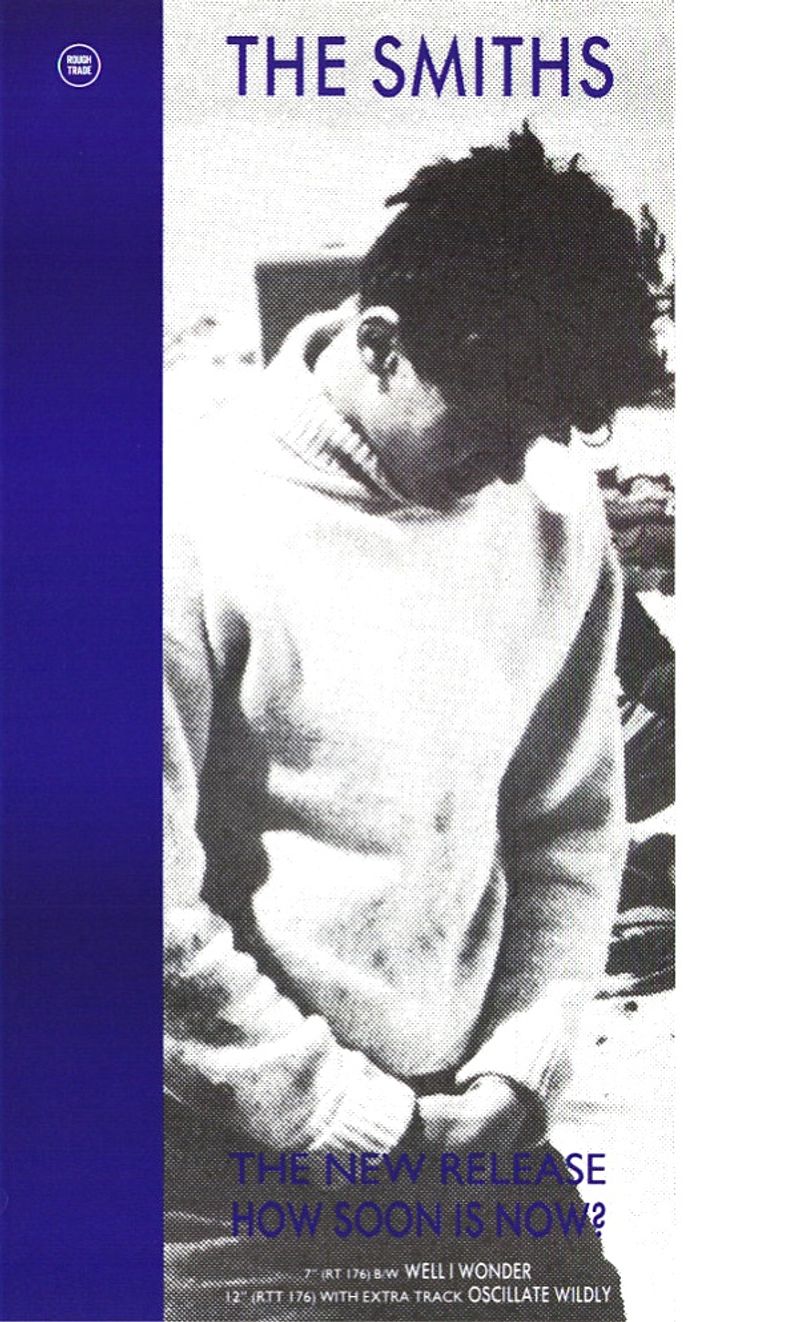
One trembling guitar note can make a room feel different. How Soon Is Now? builds its world around Johnny Marr’s pulsing guitar and Morrissey’s lonely words.
First released on the reverse of William, It Was Really Nothing in 1984, it soon demanded attention.
A separate single release followed in 1985, proving its appeal reached beyond collectors. Listen through headphones for the layers beneath the beat.
The music makes isolation sound strangely powerful, even inviting at times.
3. Green Day: An Early Glimpse of a Future Favorite

Before graduations claimed it, Good Riddance was a much rougher recording. An early version appeared on a German Brain Stew/Jaded single in 1996.
That matters because the familiar version from Nimrod arrived later, in 1997, with a fuller arrangement.
Comparing both recordings reveals how much presentation can change a song. The earlier take feels like a private sketch; the later one opens outward.
Fans heard a strong melody hiding beneath the band’s usual loud guitar attack.
4. The Stone Roses: A Groove That Changed the Billing
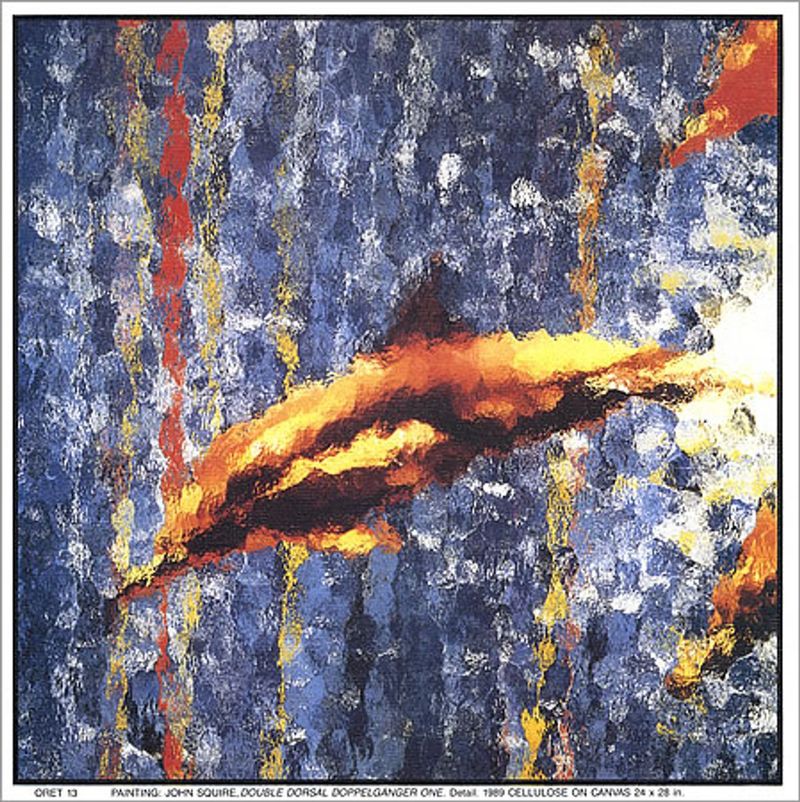
Forget the usual quick chorus: Fools Gold wants you moving first. Its rolling bass and busy drums stretch across an extended recording that rewards patience.
Released alongside What the World Is Waiting For in 1989, it quickly earned shared spotlight as a double A-side.
That release history makes it more than a simple forgotten extra. Play the long version when you have room to listen.
Its blend of rock and dance captures Manchester’s adventurous club spirit.
5. Oasis: Two Voices, One Huge Chorus
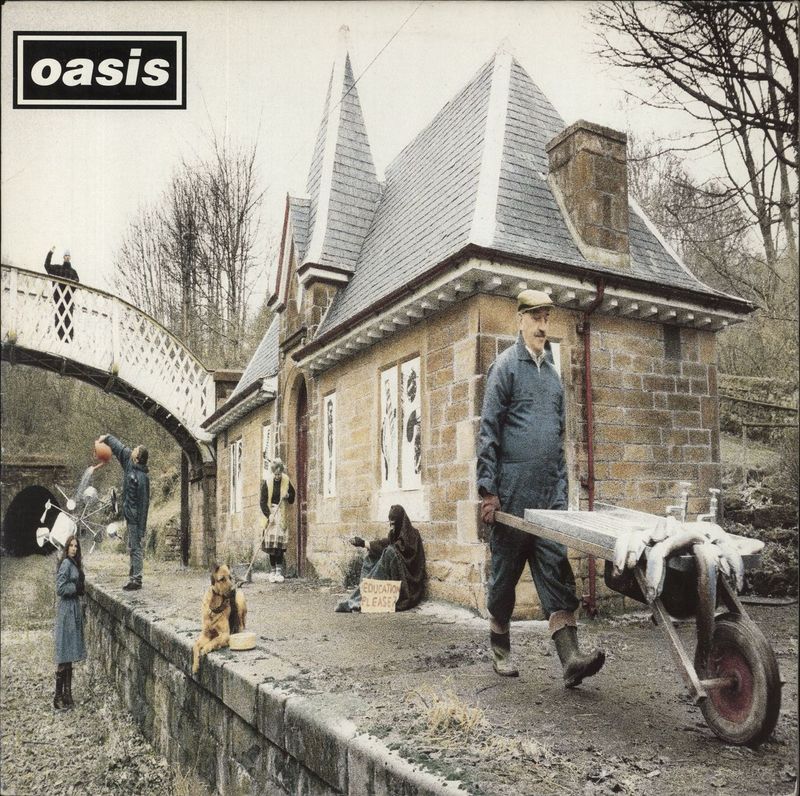
Liam takes the verses, Noel takes the chorus, and suddenly a bonus track feels enormous. Acquiesce appeared on the Some Might Say single in 1995.
The brothers’ different voices give it a push and pull that suits its message of needing someone.
Fans often place it beside the band’s biggest hits, not beneath them. Find it on The Masterplan compilation for an easy starting point.
Its chorus offers the kind of release that makes crowds sing together.
6. Ritchie Valens: The Flip Side That Crossed Borders
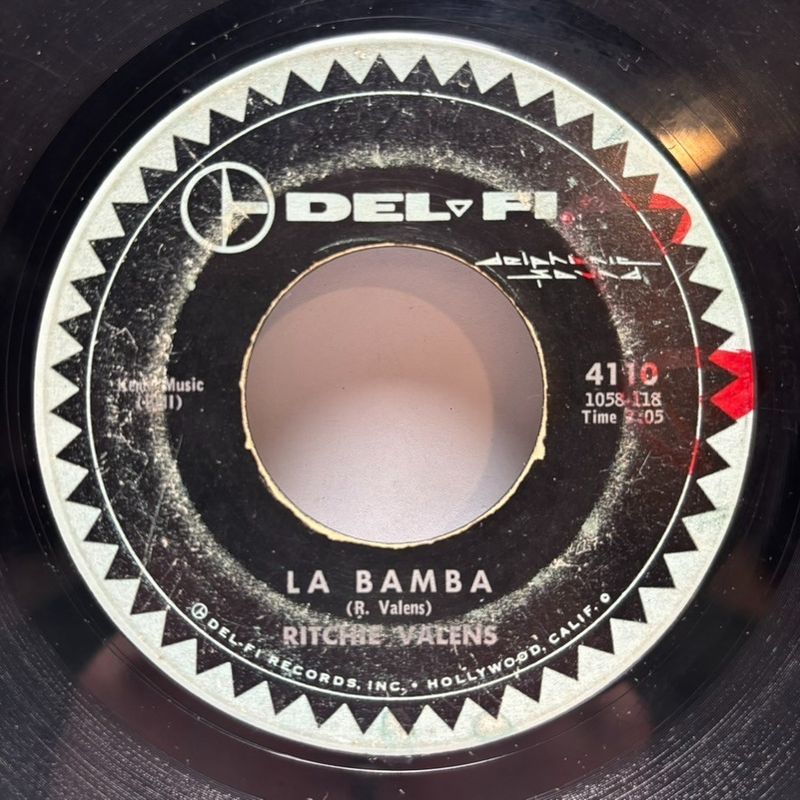
A burst of guitar turns a traditional Mexican song into an invitation to dance. Ritchie Valens released La Bamba opposite Donna in 1958, bringing Spanish lyrics into American rock’s early spotlight.
Donna initially reached a higher position on the American singles chart.
Over time, the flip side became a signature recording with a life far beyond that pairing. Listen for the quick rhythm and joyful delivery.
Neither needs translation to explain why audiences keep coming back.
7. The Righteous Brothers: A Ballad That Would Not Stay Hidden
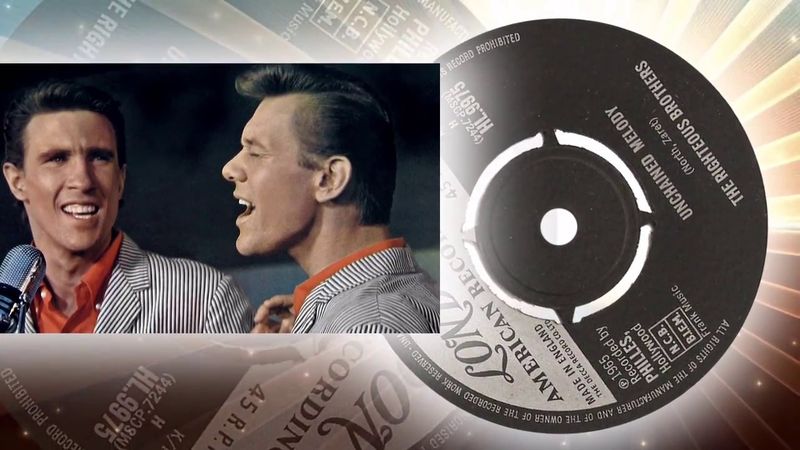
Few opening lines stop conversation quite like Bobby Hatfield’s entrance here. The Righteous Brothers placed Unchained Melody behind Hung on You in 1965, but listeners responded strongly to the ballad.
Although credited to the duo, the lead vocal belongs to Hatfield alone.
The song itself existed before their recording, so its story reaches beyond this single. Hear how the performance rises without rushing.
Each held note helps explain why this version became such a lasting romantic favorite.
8. Booker T. & the M.G.’s: No Words Needed
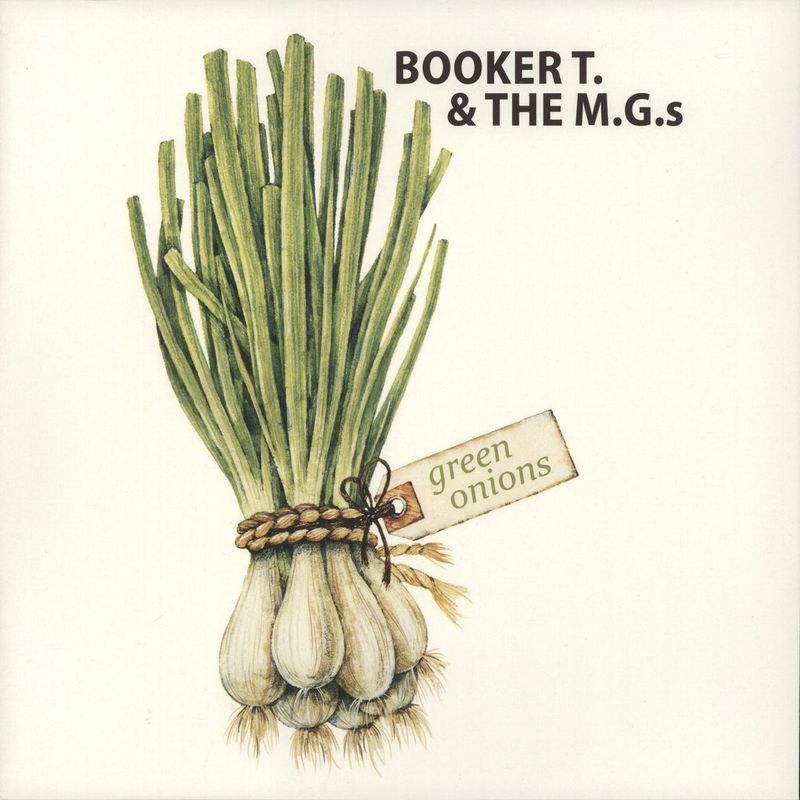
No singer steps forward, and nobody needs to. Green Onions lets an organ riff do the talking, backed by a rhythm section that never wastes a beat.
It first appeared behind Behave Yourself in 1962 before becoming the promoted side.
The switch makes sense as soon as the groove begins. Notice how the guitar answers the organ instead of crowding it.
For anyone exploring instrumental soul, this recording offers a clear lesson in keeping things simple.
9. Gloria Gaynor: The Dance Floor Made the Decision
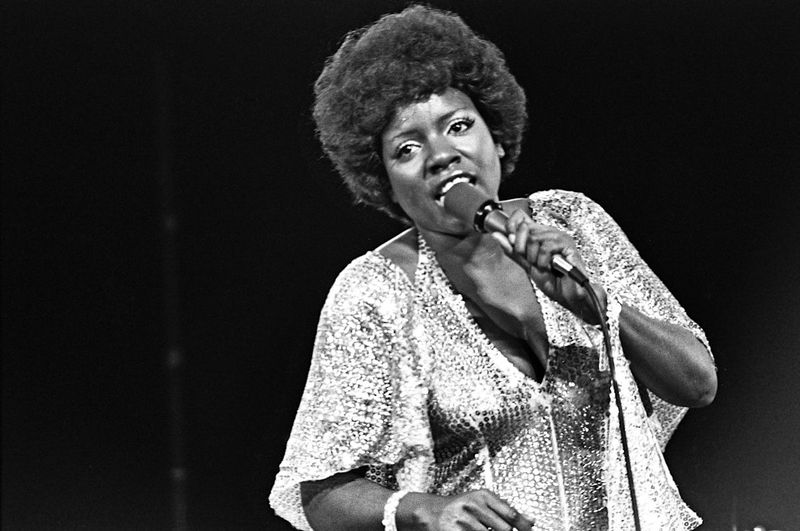
Sometimes the crowd knows better than the release plan. I Will Survive began as the B-side of Substitute in 1978, until club play helped bring it forward.
Gloria Gaynor’s firm delivery turns a breakup into a statement of strength.
Its rise is a reminder that DJs could reshape a single’s future. Follow the opening piano into the beat, then notice how confidence builds.
The song works because its courage feels earned, rather than pasted over heartbreak.
10. The Beatles: Weird Enough to Deserve the Spotlight
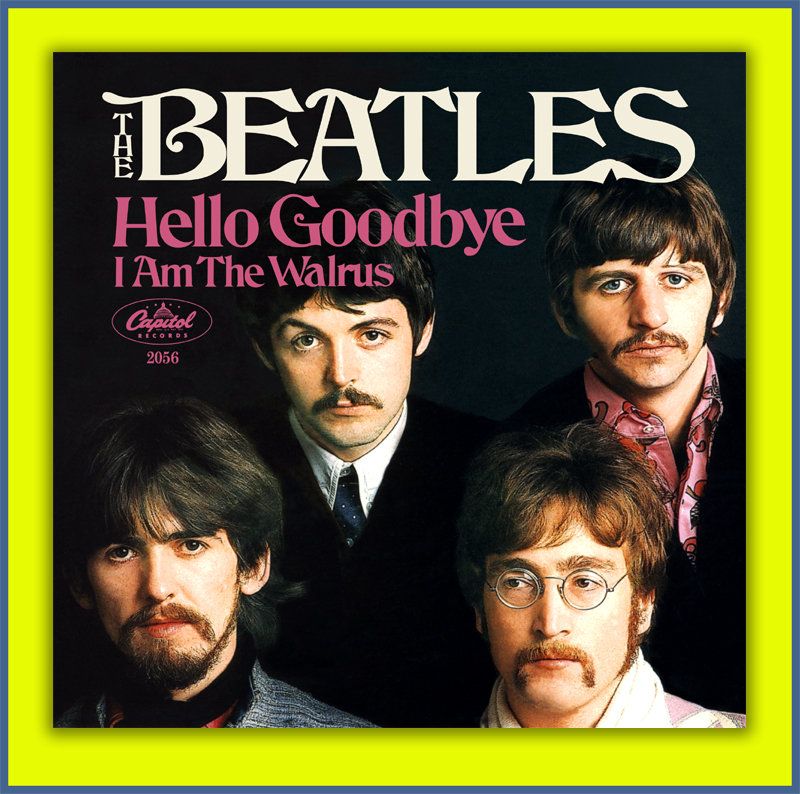
Radio pop rarely sounds this strange, which is exactly the attraction. I Am the Walrus backed Hello, Goodbye in 1967, pairing cheerful clarity with John Lennon’s wild wordplay.
Strings, voices, and a heavy rhythm make the recording feel crowded in the best way.
Instead of hunting for one tidy meaning, enjoy its changing textures. The song rewards curiosity more than explanation.
Its place on the reverse shows how adventurous music could sit inches away from mainstream success.
11. Rod Stewart: Radio Found the Real Attraction
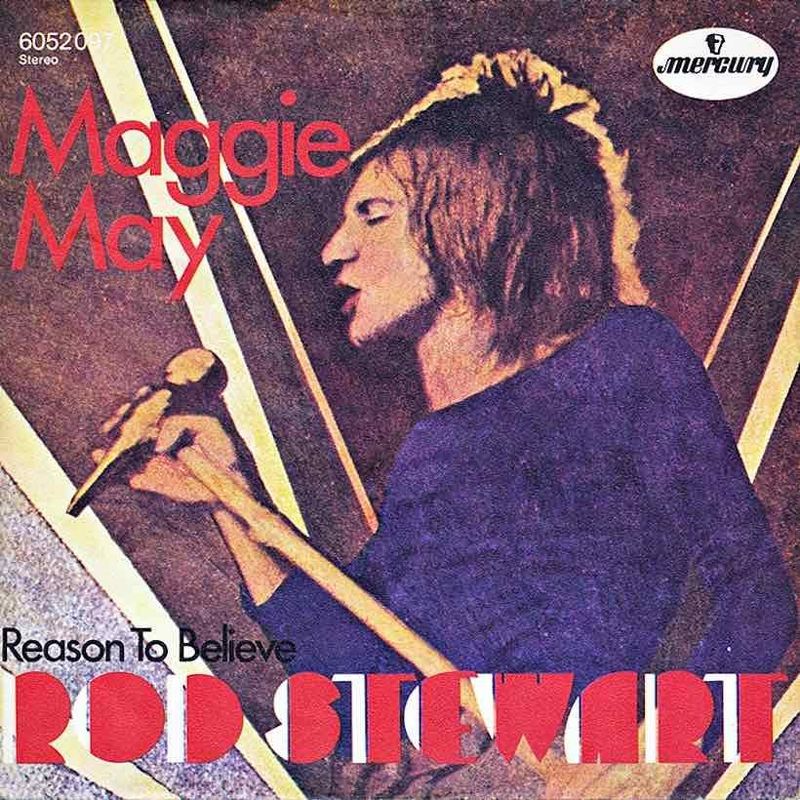
A scratchy voice and a mandolin helped turn the record over. Maggie May was originally paired behind Reason to Believe in 1971, but radio attention helped make it the main attraction.
The song reached number one in both Britain and America.
Its appeal comes partly from an uneasy story told without a polished hero. Listen for the mix of affection, regret, and confusion.
Those tangled feelings give the catchy tune weight, making its success feel less surprising.
12. Pearl Jam: The Words Blur, the Feeling Stays

You might miss the words and still understand the mood. Yellow Ledbetter appeared on the Jeremy single in 1992, with Mike McCready’s guitar giving it a warm, bluesy glow.
Eddie Vedder’s loose delivery leaves parts of the lyric famously hard to catch.
That mystery has not kept it from becoming a concert favorite. Start with the studio recording, then compare a live performance.
The changing vocals and expressive guitar make its emotional pull stronger than any neat explanation.
13. Led Zeppelin: An Acoustic Treasure Outside the Albums
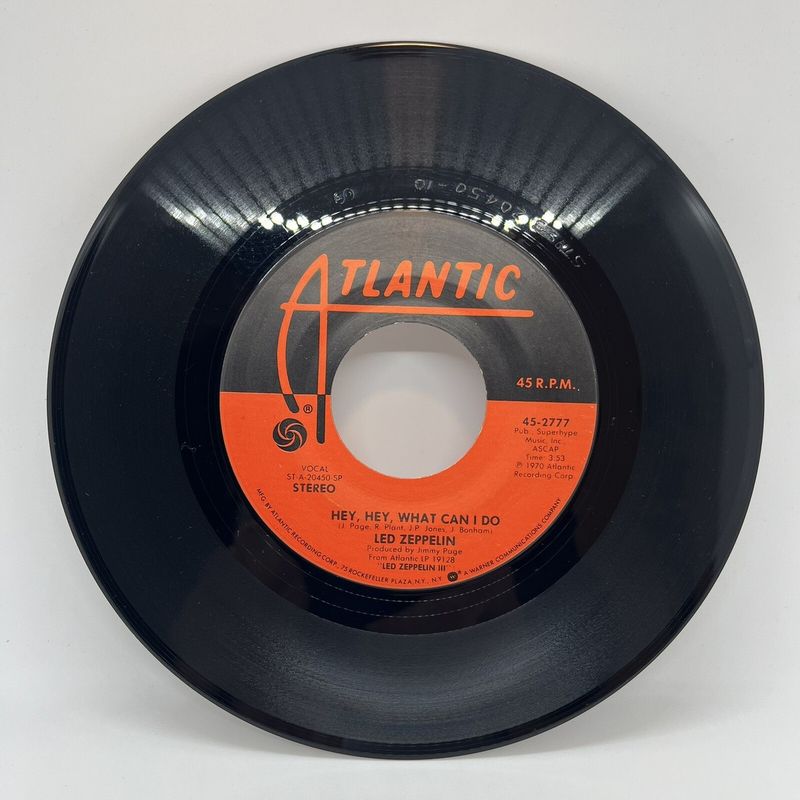
Behind a thunderous single sat a much earthier surprise. Hey Hey What Can I Do accompanied Immigrant Song in 1970, but did not appear on Led Zeppelin’s original studio albums.
Its acoustic instruments offer a different doorway into the band’s sound.
Collectors treasured that separation long before later releases made the track easier to find. Put both sides together in a playlist.
The contrast between roaring attack and relaxed strumming reveals how wide the band’s musical range was.
14. Fleetwood Mac: The Song That Came Back Stronger
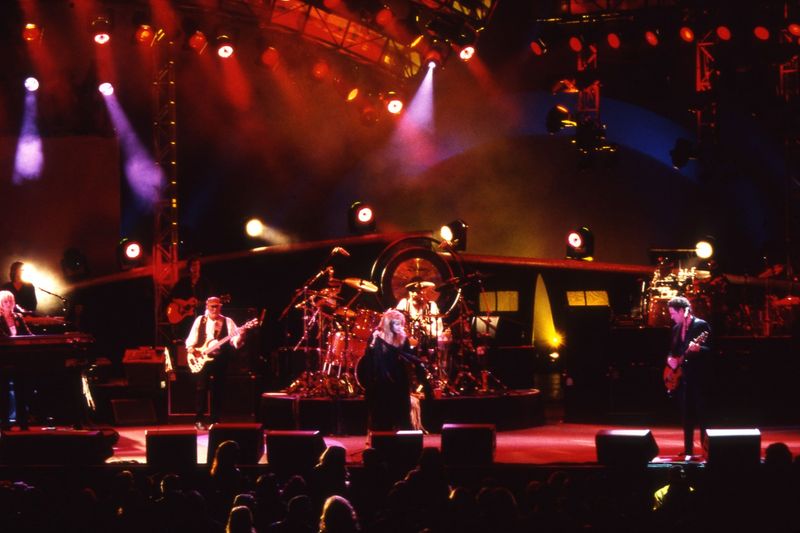
Being left off Rumours did not make Silver Springs disappear. Stevie Nicks’s song became the B-side of Go Your Own Way in 1976, leaving fans with a powerful track outside the album.
Its calm opening slowly gives way to sharper emotion.
The band’s 1997 performance on The Dance brought it renewed attention. Hear the original before watching that version to appreciate the difference.
What begins as sadness grows into a refusal to be forgotten, which explains its grip.
15. The Beach Boys: A Quiet Side with Lasting Power
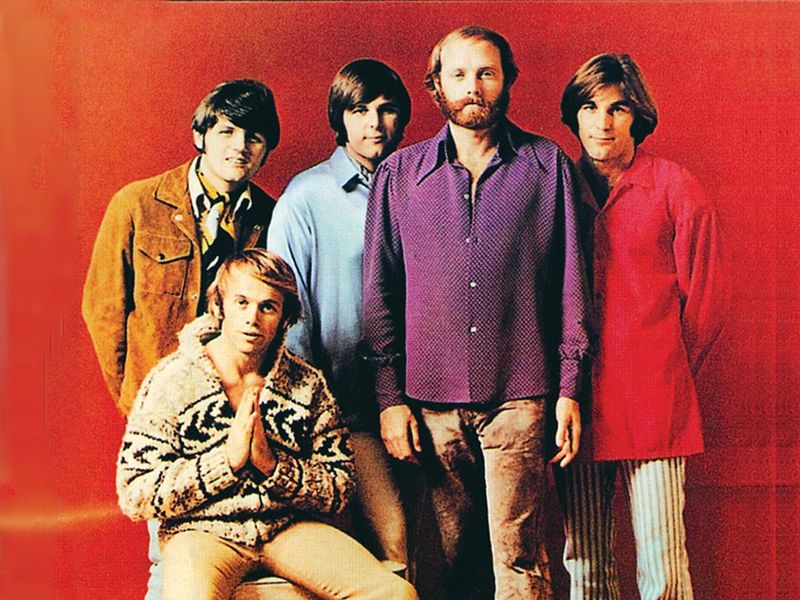
Love sounds uncertain before it sounds sure in God Only Knows. Released behind Wouldn’t It Be Nice in America in 1966, the song combines Carl Wilson’s lead vocal with Brian Wilson’s rich arrangement.
In Britain, it received billing as the A-side.
That difference shows why release territory matters when discussing B-sides. Listen closely to the closing voices as they overlap and circle.
The beauty comes from small musical details working together, not from one huge, attention-grabbing chorus alone.