
Ireland’s magic stretches far beyond the streets of Dublin, from wild ocean cliffs to quiet woods and ancient castles. Exploring these places brings you closer to the island’s landscapes, history, and local life.
Here are the spots that make a return trip feel tempting before the first visit ends. The list covers the whole island, including Northern Ireland, plus Howth, which lies outside Dublin city but within County Dublin.
1. Cliffs of Moher: Atlantic Drama
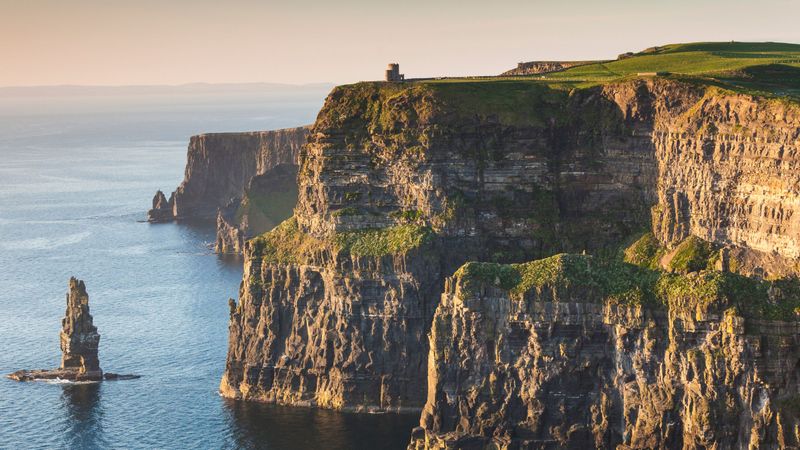
Nothing prepares you for the Atlantic stretching beneath these enormous cliffs. Rising to 214 meters at their highest point, the Cliffs of Moher bring a powerful sense of scale to Ireland’s western coast.
Pack a windproof jacket, even when the morning looks sunny. Use designated viewing areas, follow barriers, and check current path closures before walking farther.
A clear day rewards patience with distant island views, while shifting clouds create their own memorable coastal show.
2. Killarney National Park: Lakes and Woodland
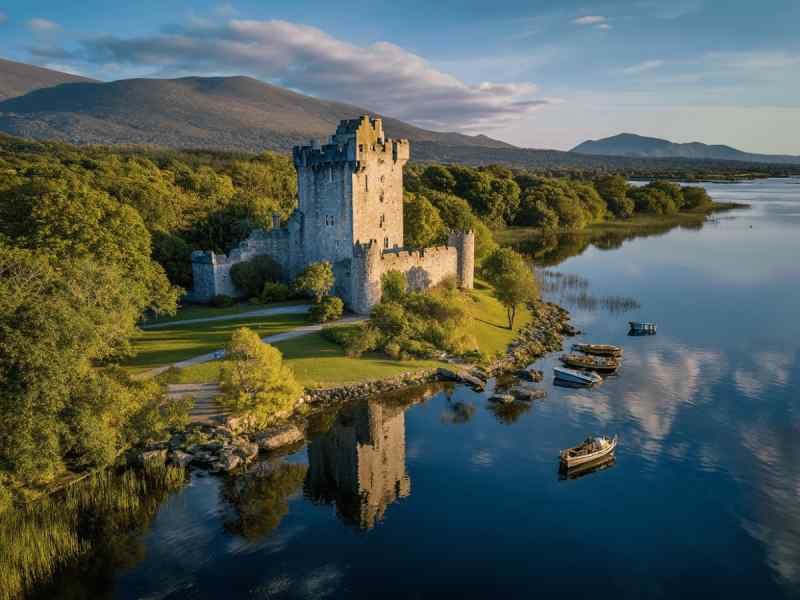
A waterfall walk can turn into a full day of exploring here. Killarney National Park combines wooded paths, mountain scenery, and peaceful lakes, with Torc Waterfall offering an easy starting point for many visitors.
Choose one area rather than rushing between every attraction. Muckross House and Ross Castle add history to the landscape, while longer trails suit experienced walkers.
Keep your distance from deer, wear sturdy shoes, and carry rain gear for sudden weather changes.
3. Galway City: Music Around Every Corner
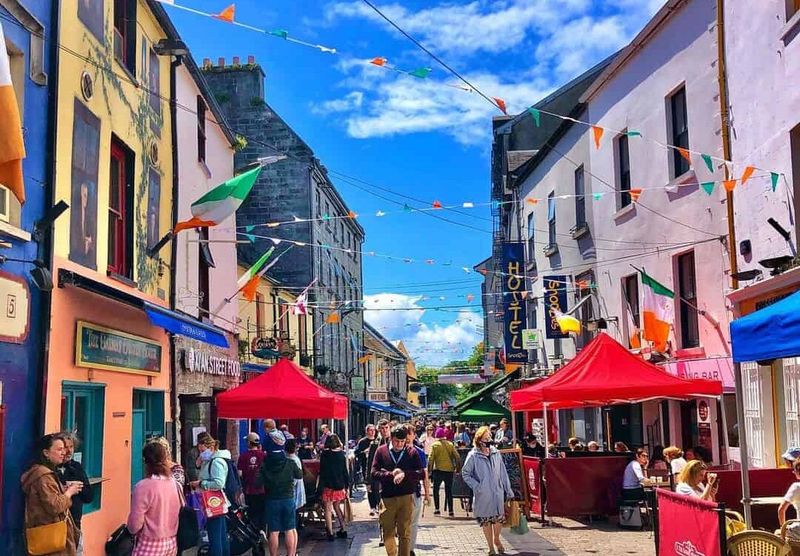
Music drifting along a narrow street is often Galway’s best welcome. Colorful shopfronts, busy cafés, and street performers give this Atlantic city an energy that feels lively without demanding a packed schedule.
Wander the Latin Quarter, then follow the waterfront toward the Claddagh. For traditional music, check local listings rather than assuming every pub has a session.
Galway also makes a useful base for regional trips, but leave time simply to enjoy the city itself.
4. Aran Islands: Stone Walls and Sea Air
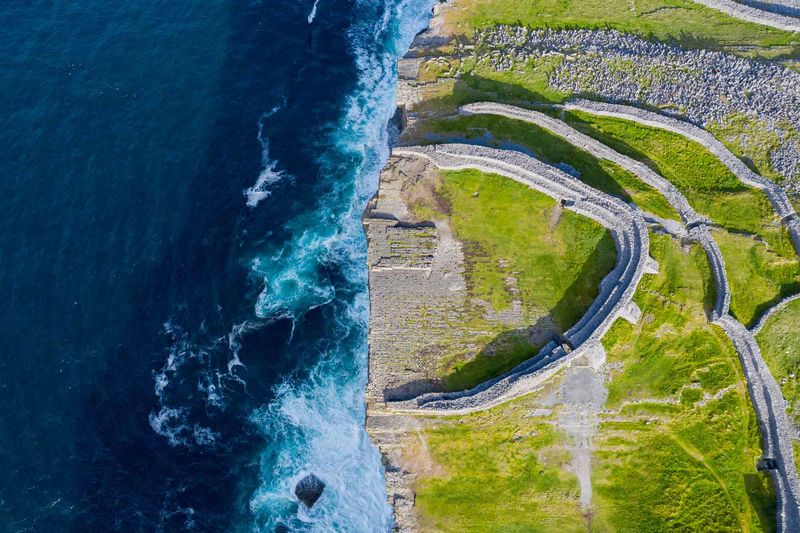
Stone walls stitch these islands into a landscape unlike anywhere else. Inis Mór, Inis Meáin, and Inis Oírr each offer a different pace, with Irish language traditions woven into daily life.
Pick an island before booking transport, and allow for weather delays. On Inis Mór, Dún Aonghasa is a remarkable prehistoric fort with exposed cliff edges.
Rent a bicycle only if you feel comfortable with wind and uneven roads; a local guided tour works well.
5. Connemara National Park: Wide Open Wonder
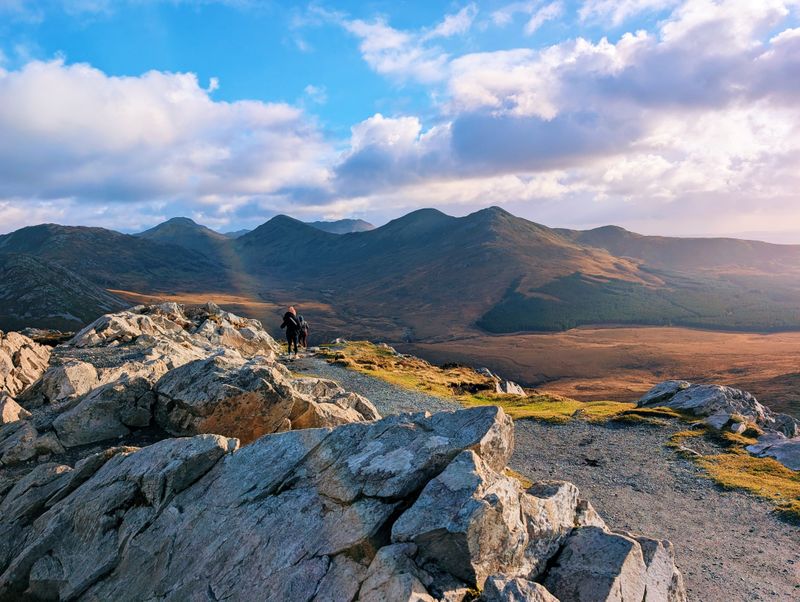
Wide skies make even a short walk feel like an adventure. Near Letterfrack, Connemara National Park protects a landscape of grassland, bog, and mountains, with Diamond Hill providing its best known walking routes.
Start at the visitor area and choose a trail that matches your fitness. Higher paths become more demanding, especially in wind or rain.
Bring water and layers, and watch how changing light turns the surrounding hills from muted brown to glowing gold.
6. Glendalough and the Wicklow Mountains: Quiet History
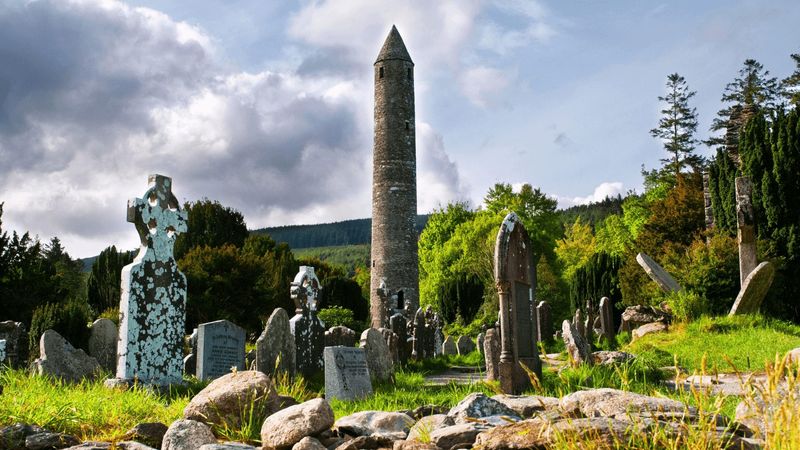
An old round tower stands quietly beneath the Wicklow hills. At Glendalough, the remains of an early monastic settlement sit close to woodland trails and two lakes, making history and nature easy to enjoy together.
Arrive early when possible, since parking can fill on busy days. Explore the ruins first, then choose a lakeside stroll or a longer mountain route.
More demanding walks need proper footwear, food, and weather checks, not just a phone map.
7. Blarney Castle: More Than a Famous Kiss
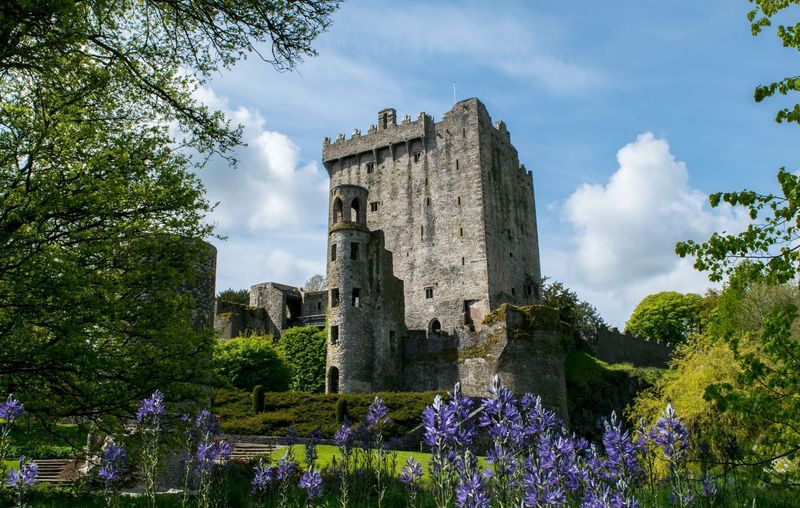
The famous stone gets attention, but the gardens deserve equal billing. Blarney Castle’s ruined tower rises above spacious grounds filled with wooded walks, unusual rock features, and a carefully marked Poison Garden.
Kissing the Blarney Stone involves leaning backward with staff assistance, so decide whether that experience suits you. Narrow stairs may also challenge some visitors.
Book ahead during busy periods, allow several hours, and never touch or taste plants in the garden’s poisonous collection.
8. Rock of Cashel: A Skyline From the Past
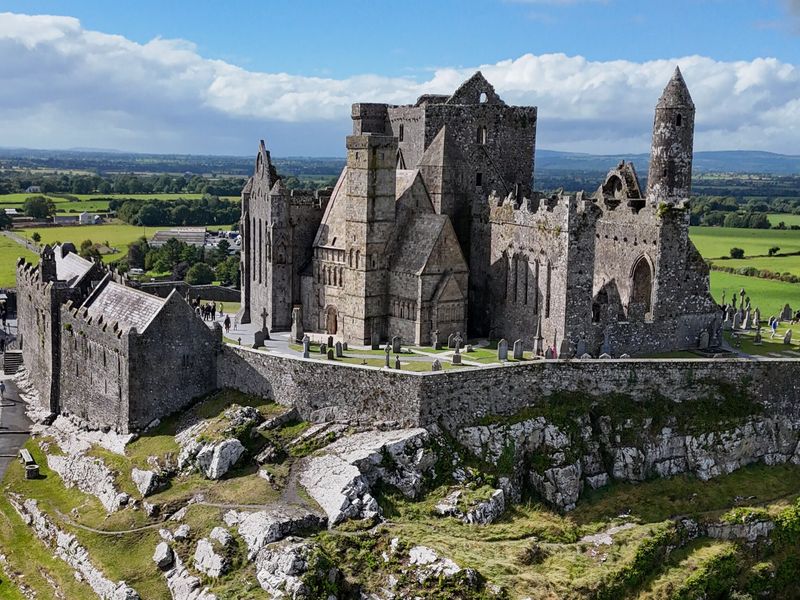
Few historic places make such a striking first impression from below. The Rock of Cashel crowns a limestone hill in County Tipperary, gathering a round tower, cathedral ruins, and a medieval chapel into one dramatic setting.
Check ticket arrangements before traveling, especially if you want access to Cormac’s Chapel. A guided visit helps explain the site’s royal and religious past.
Outside, take your time with the sweeping countryside views, but expect wind on the hilltop.
9. Dingle Peninsula: Roads Worth Taking Slowly
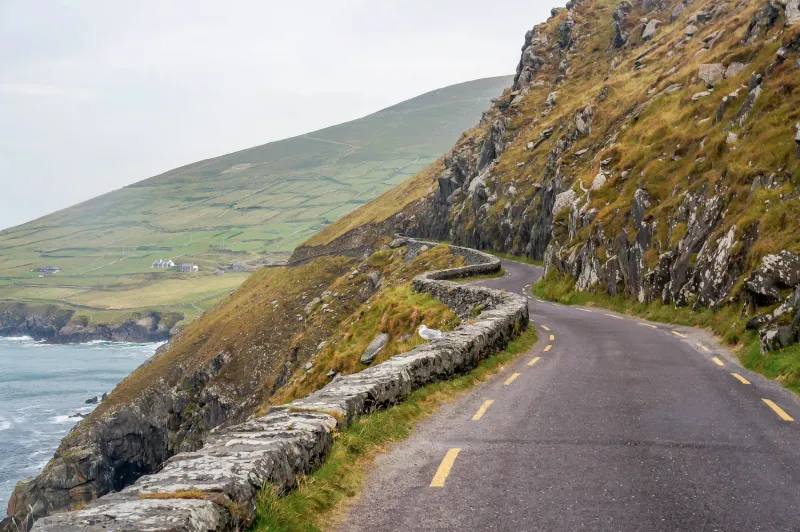
Every bend seems to reveal another reason to stop. The Dingle Peninsula pairs sandy beaches and rugged headlands with a town full of colorful buildings, seafood restaurants, and welcoming music venues.
Drive the Slea Head route slowly and use proper pullouts for photographs. Roads can be narrow, so avoid squeezing too much into one day.
Check conditions before beach walks, respect private land, and save an evening for Dingle town rather than treating it as a stopover.
10. Kilkenny City: Medieval Streets With Modern Life
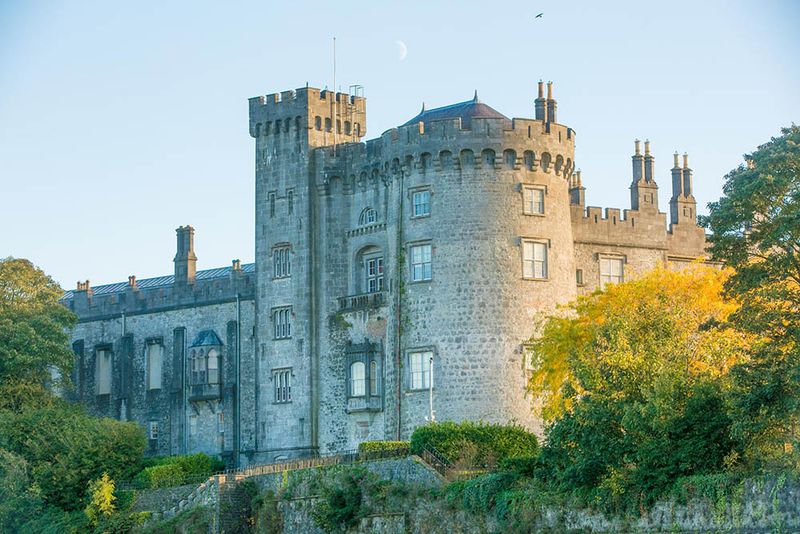
History feels close enough to touch along Kilkenny’s compact streets. Its castle, old churches, and lanes create a rewarding walking route, while cafés and craft shops keep the city feeling lively rather than frozen in time.
Follow the Medieval Mile at your own pace, leaving room for an indoor visit if rain arrives. Castle interiors require admission, while park access has separate arrangements.
Comfortable shoes help on uneven surfaces, and staying overnight offers quieter streets after day visitors leave.
11. Boyne Valley and Newgrange: Older Than the Pyramids
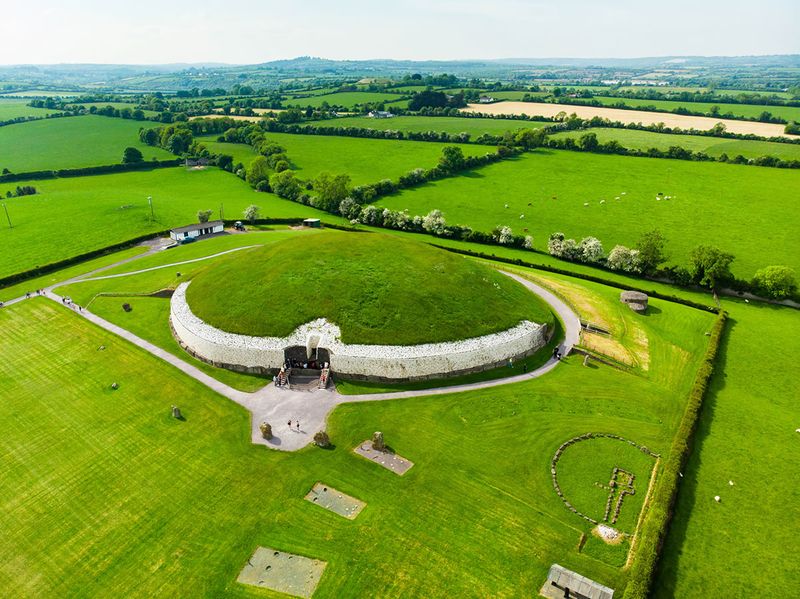
More than five thousand years of history rest beneath Newgrange’s grassy mound. Part of the Brú na Bóinne World Heritage Site, this passage tomb is famous for its connection to the winter solstice sunrise.
Book through the official visitor system, since access is managed and popular tours can sell out. Do not expect to drive directly to the tomb for entry.
Across the wider Boyne Valley, other historic sites reward travelers who leave space for discovery.
12. Howth Cliff Walk: A Coastal City Escape
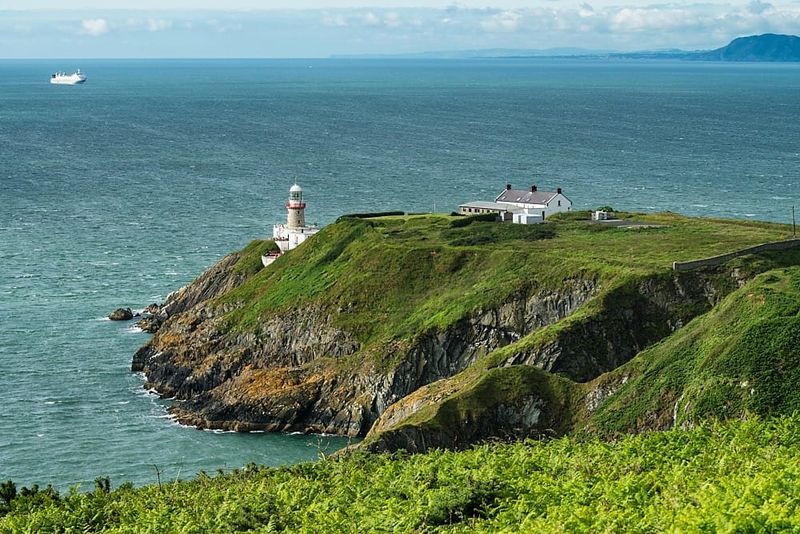
A train ride can swap city streets for salty air. Howth’s cliff paths reveal rocky shores, sea views, and glimpses of Baily Lighthouse, with several route options rather than one single walk.
Although outside Dublin city, Howth remains in County Dublin. Choose your loop before setting off, wear shoes with grip, and stay back from exposed edges.
Sunny weekends can be busy, so an early start helps. Finish near the harbor for food and a rest.
13. Skellig Michael: An Island Apart
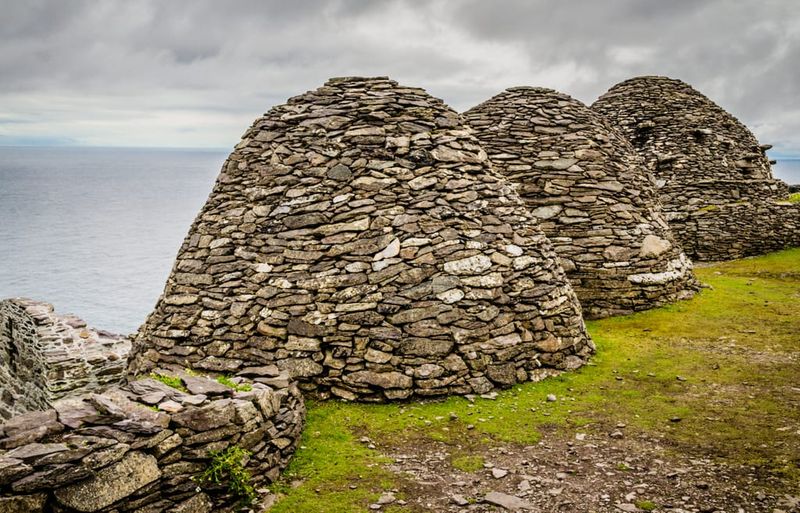
Stone huts cling to a rocky island far from ordinary life. Skellig Michael’s early monastic settlement earned UNESCO recognition long before its appearance in Star Wars brought a new wave of attention.
Landing trips operate seasonally and depend heavily on sea conditions, so cancellations are possible. Book with an authorized operator and understand the physical demands beforehand.
The steep steps have serious exposure, making this unsuitable for some travelers. A boat tour without landing offers another perspective.
14. Ring of Kerry: Make Room for Detours
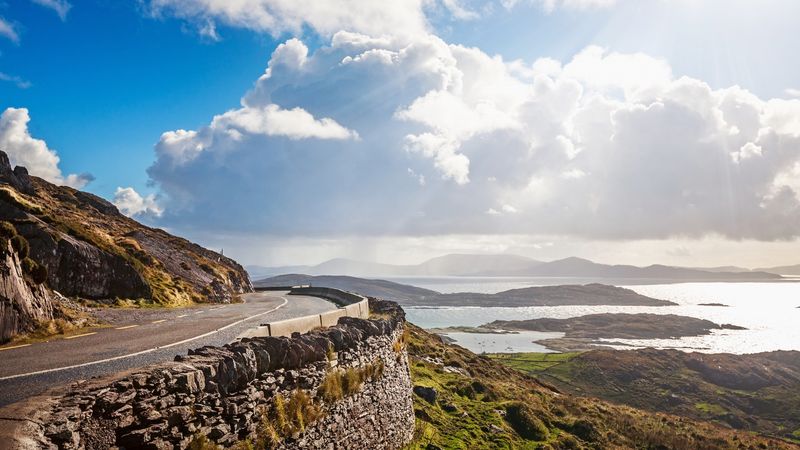
The best moments often happen between the famous stops. Circling the Iveragh Peninsula, the Ring of Kerry links mountain views, coastal villages, beaches, and historic places along a celebrated driving route.
Allow a full day at minimum, or split the journey with an overnight stay. Narrow sections and busy traffic can slow progress, especially in summer.
Plan a few priorities instead of chasing every viewpoint, and pull over only where parking is safe and clearly allowed.
15. Giant’s Causeway: Nature’s Stone Puzzle
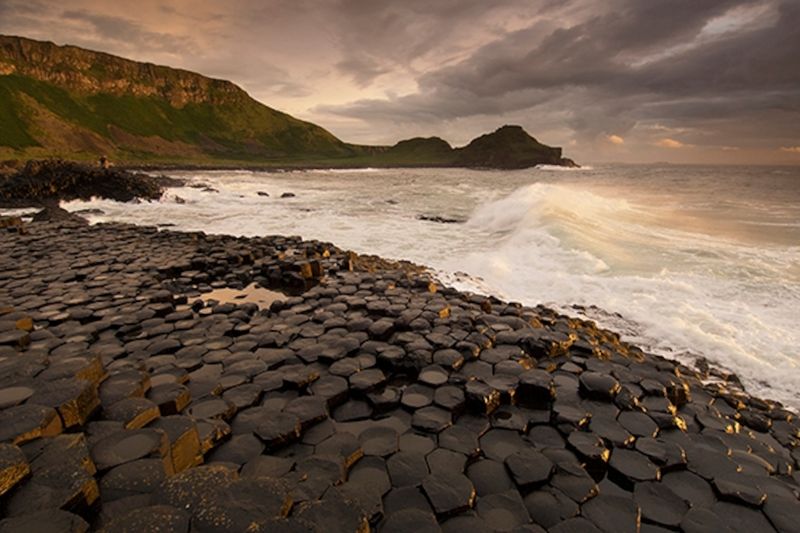
At first glance, the stones look almost too tidy for nature. Ancient volcanic activity formed the Giant’s Causeway’s famous basalt columns, creating a remarkable shoreline in County Antrim, Northern Ireland.
Check current parking and visitor center arrangements before arrival, since these differ from access to the stones themselves. Wear footwear that grips wet rock, and keep clear of rough waves.
Nearby coastal walks offer broader views, but follow signs carefully and avoid paths closed for safety.
16. Cork City: Follow Your Appetite
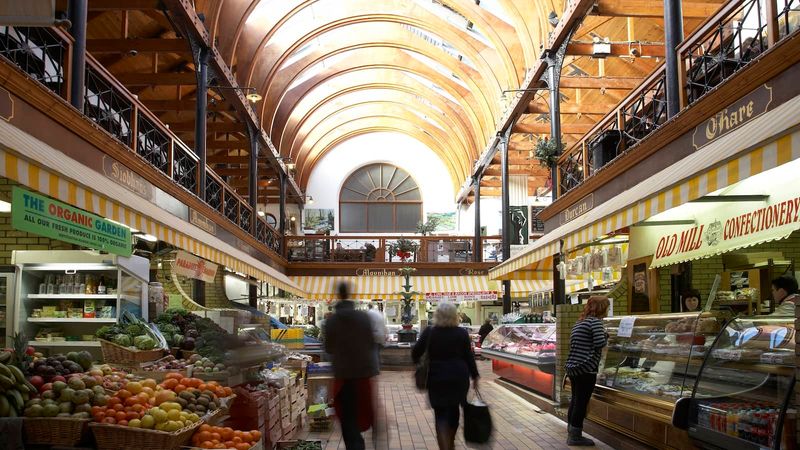
Lunch can become the highlight of a day in Cork. The English Market brings local produce, seafood, and tempting food stalls together beneath a historic roof, making it a rewarding place to browse slowly.
Check opening hours before visiting, particularly around Sundays and holidays. Across the city, Shandon’s St Anne’s Church offers a chance to ring its bells when access permits.
Mix these stops with riverside wandering, and leave your schedule loose enough for an unexpected café.
17. Kylemore Abbey: Reflections and Garden Paths
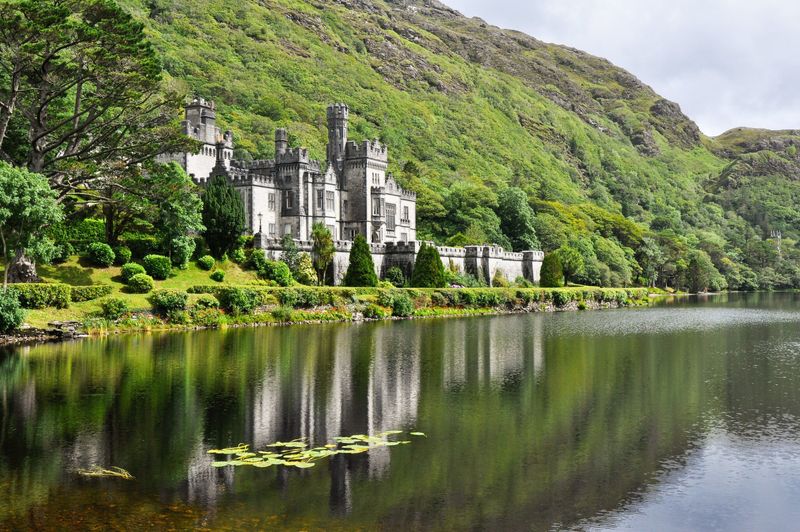
A castle reflected in still water makes a lasting first impression. Kylemore Abbey sits beside Pollacapall Lough in Connemara, where its grand building, wooded surroundings, and Victorian walled garden create a richly layered visit.
The estate is home to a Benedictine community, so respect areas reserved for private use. Check which attractions your ticket includes and allow time for the garden transfer or walk.
Rain suits the setting surprisingly well, provided you bring a waterproof layer.
18. Ballinastoe Woods: A Forest With Storybook Light
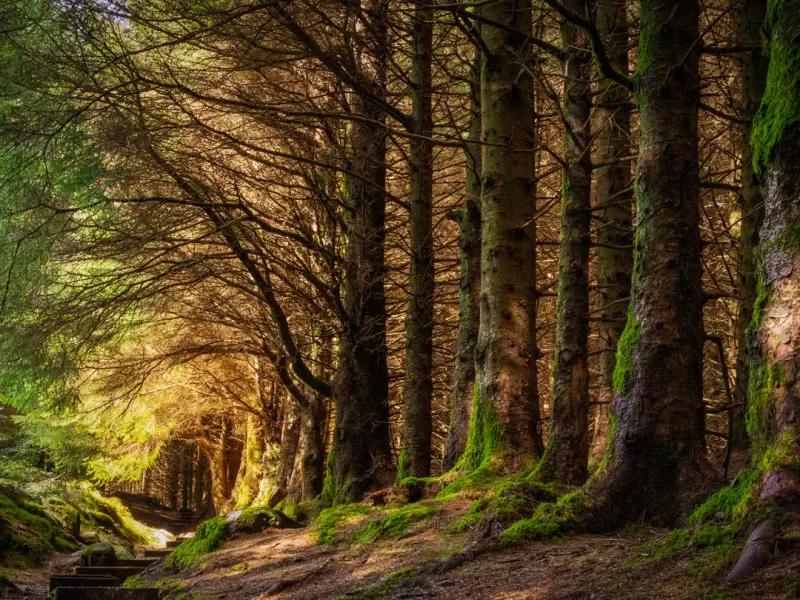
Filtered light and mossy ground give these woods a storybook mood. Ballinastoe, in County Wicklow, attracts walkers seeking forest scenery, but it also contains mountain biking trails that require care around other users.
Choose a clearly marked walking route and check local access guidance before arriving. Avoid wandering onto bike trails for a photograph, and keep dogs under control.
Mud and slippery timber can make footing uncertain, so sturdy shoes matter more than getting the perfect picture.
19. Achill Island: Keem Bay and Wild Horizons
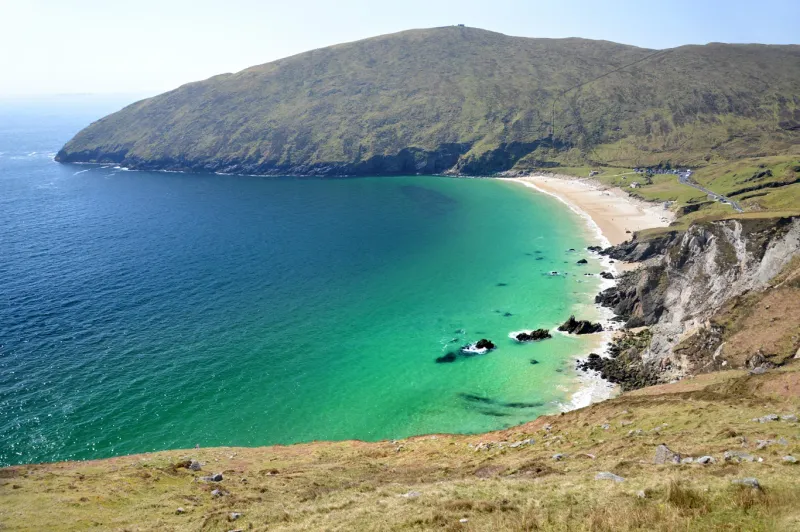
Bright water at Keem Bay can stop a conversation mid sentence. Achill Island, linked to County Mayo’s mainland by a bridge, combines sheltered beaches with exposed mountains and some astonishing Atlantic cliff scenery.
Take the narrow approach to Keem slowly and park only in designated areas. Clear water does not mean safe swimming conditions, so follow local warnings.
For cliff hikes, choose routes within your ability and seek reliable guidance; changing weather can hide both views and hazards.