
Some foods work better as a team than they do alone. When you eat certain foods together, your body can soak up more vitamins and minerals from your meal.
You do not need fancy ingredients or a chef’s skills to make it happen. With a few smart combos, your everyday snacks and dinners can give you a bigger health boost.
1. Spinach and Strawberries
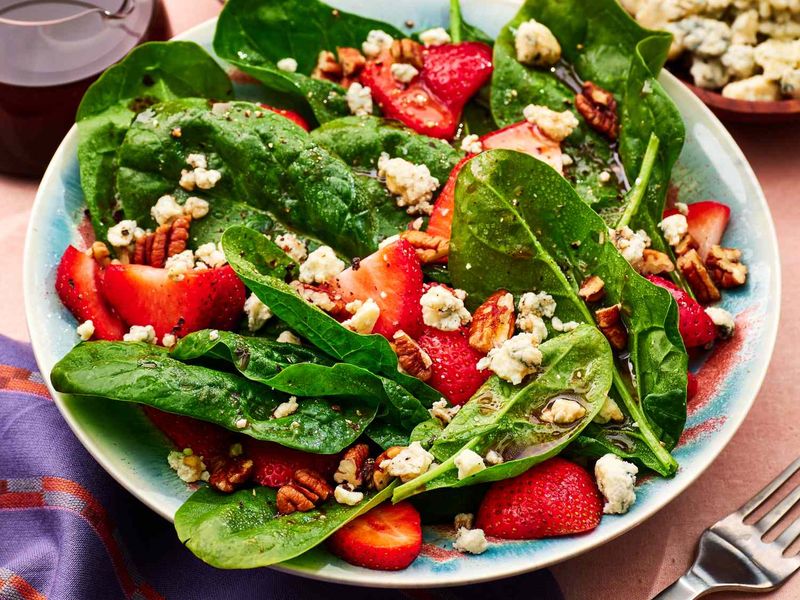
Popeye loved spinach, but he missed a trick. Spinach is packed with iron, yet the plant kind of iron is tricky for your body to grab on its own.
Strawberries bring vitamin C to the rescue. That vitamin changes iron into a form your gut can absorb much more easily.
Toss sliced berries into a spinach salad with a sprinkle of nuts. You get sweet, crunchy, and leafy all in one bowl, plus a real iron upgrade.
2. Tomatoes with Olive Oil
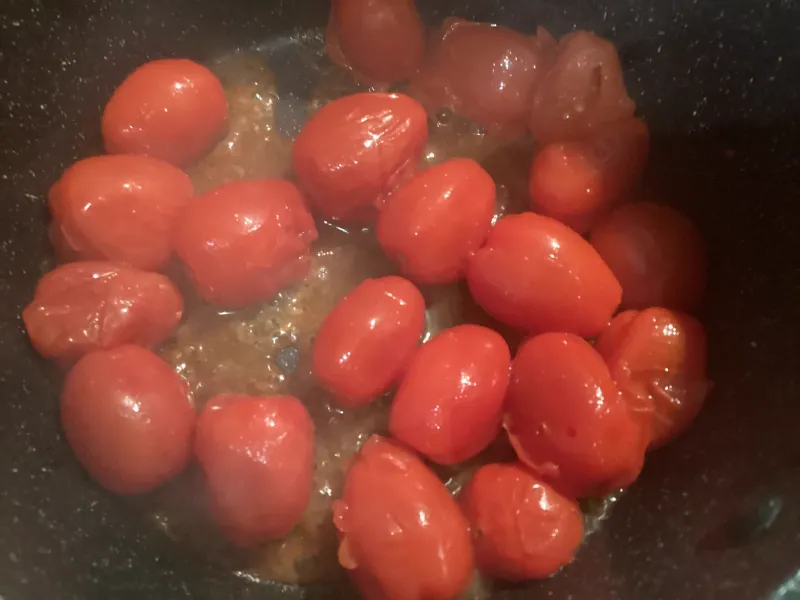
Italian grandmothers have been onto something for centuries. Tomatoes hold lycopene, a bright red plant compound linked to heart health.
Here is the catch: lycopene dissolves in fat, not water. A drizzle of olive oil helps your body pull much more of it from each bite.
Cooking tomatoes helps too, since heat breaks down their cell walls. So that simple pasta sauce simmering with olive oil is secretly one of the smartest dishes in your kitchen.
3. Turmeric and Black Pepper
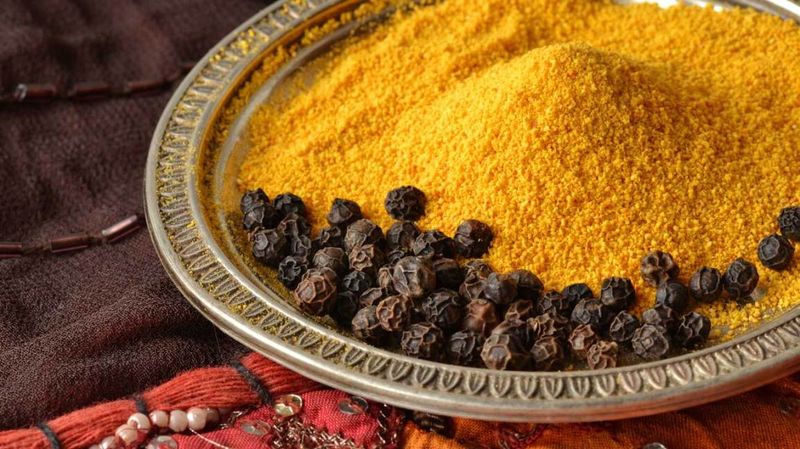
Did you know black pepper can boost turmeric absorption by up to 2,000 percent? That number comes from a famous study, and it surprised a lot of people.
Turmeric contains curcumin, which your body usually flushes out fast. Piperine, found in pepper, slows that process down.
Add a pinch of pepper whenever you cook with turmeric. Curries, roasted veggies, scrambled eggs, and golden milk all taste great with this warm, spicy duo.
4. Carrots and Hummus
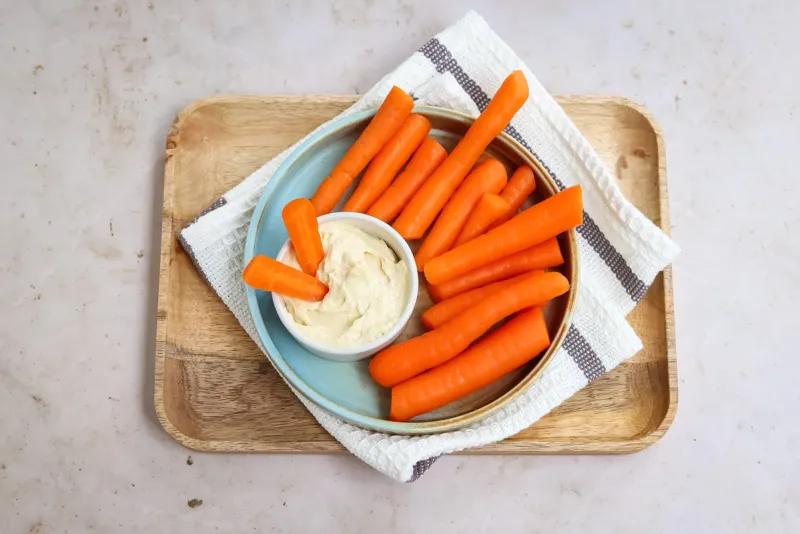
Crunch, dip, repeat. Carrot sticks and hummus make an after-school snack that does more than fill you up.
Carrots are loaded with beta-carotene, which your body turns into vitamin A for healthy eyes and skin. Like many vitamins, it needs a little fat to be absorbed well.
Hummus brings that fat from tahini and olive oil. Pack a small container for lunch, and your eyes will thank you later.
5. Oatmeal with Orange Slices
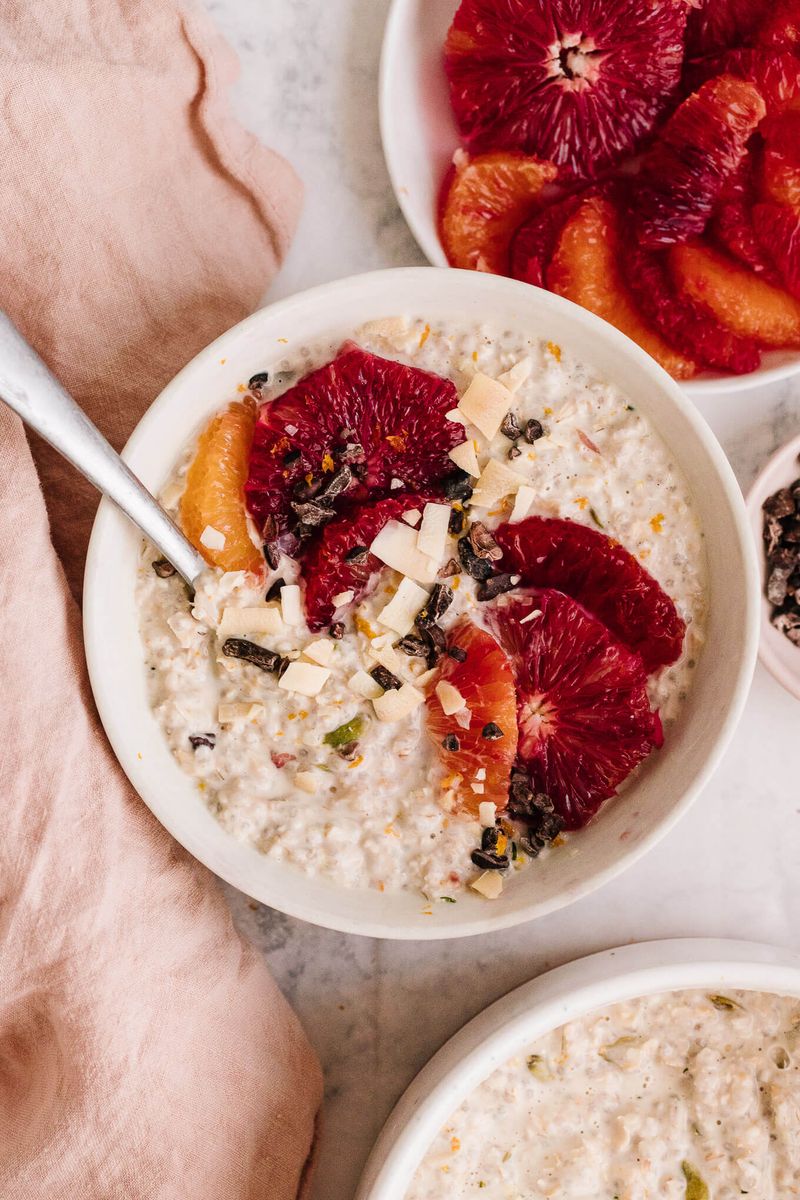
Breakfast can quietly set you up for the whole day. Oats contain iron, but just like spinach, it is the plant type that your body finds hard to use.
Eating an orange or drinking a small glass of orange juice with your oatmeal changes the game. The vitamin C makes that iron easier to absorb.
Kids, teens, and anyone skipping meat can especially benefit from this sunny morning habit.
6. Salmon and Leafy Greens
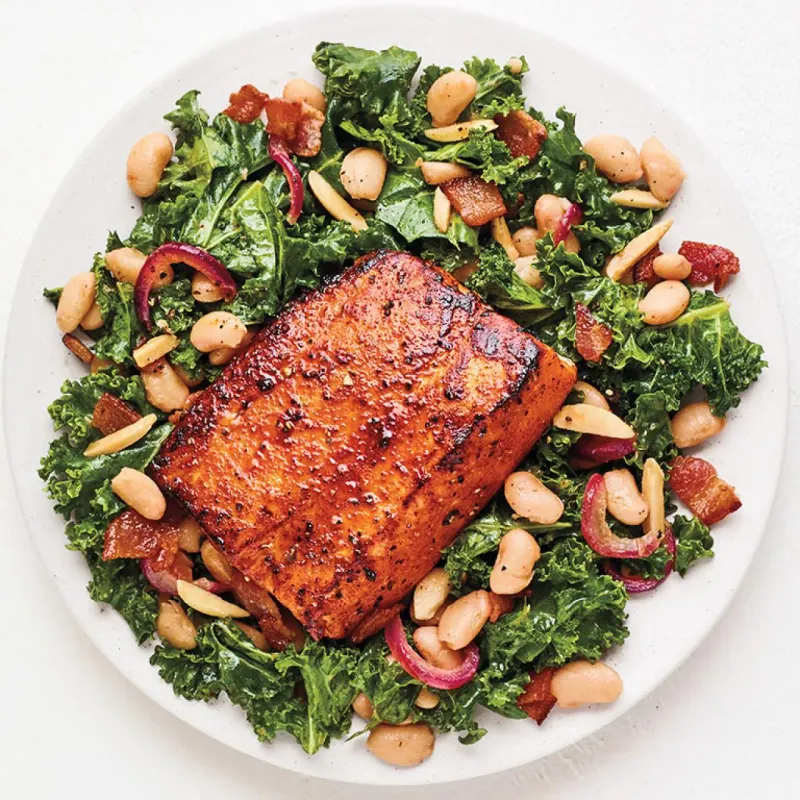
Picture a plate that works like a team of superheroes. Salmon is one of the few foods naturally rich in vitamin D.
Leafy greens like kale and bok choy carry calcium. Vitamin D acts like a key that opens the door for calcium to get into your bones.
Together, they help build a strong skeleton. Try baked salmon over sauteed greens with lemon for an easy weeknight dinner that feels a little fancy.
7. Beans and Rice
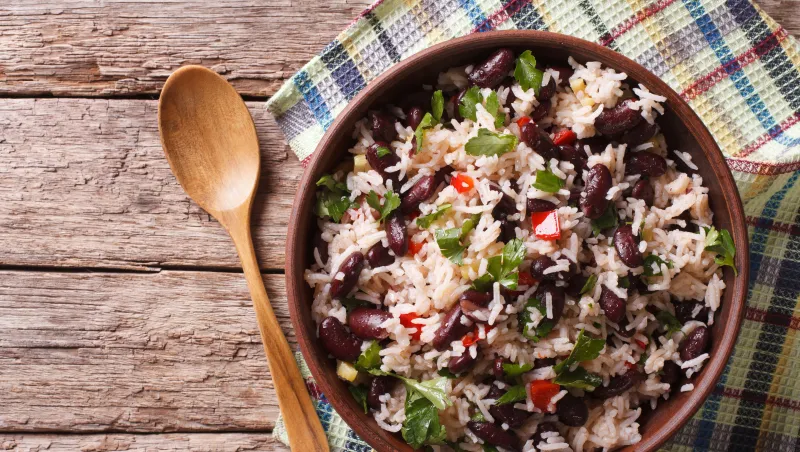
Families around the world, from Mexico to the Caribbean to India, have eaten beans and rice for generations. Turns out they had science on their side.
Protein is made of building blocks called amino acids. Beans are low in one called methionine, while rice is low in lysine.
Eaten together, they fill each other’s gaps and form a complete protein. It is cheap, filling, and wonderful with salsa on top.
8. Yogurt and Bananas
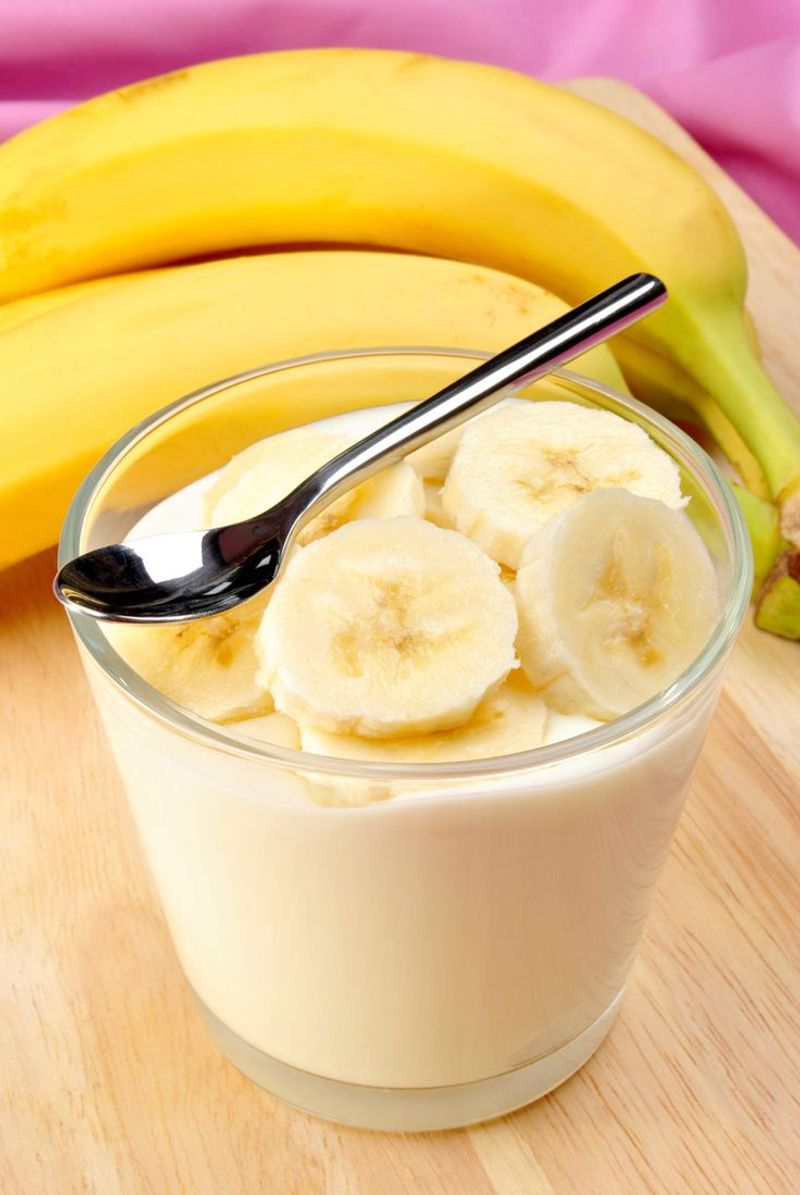
Your belly is home to trillions of tiny helpers. Yogurt delivers friendly bacteria, called probiotics, that support digestion.
Those bacteria need food too. Bananas, especially slightly green ones, contain prebiotic fiber that feeds the good guys so they can thrive.
Slice a banana into your yogurt bowl or blend them into a smoothie. It tastes like dessert while giving your gut a cheerful little party.
9. Avocado and Salsa
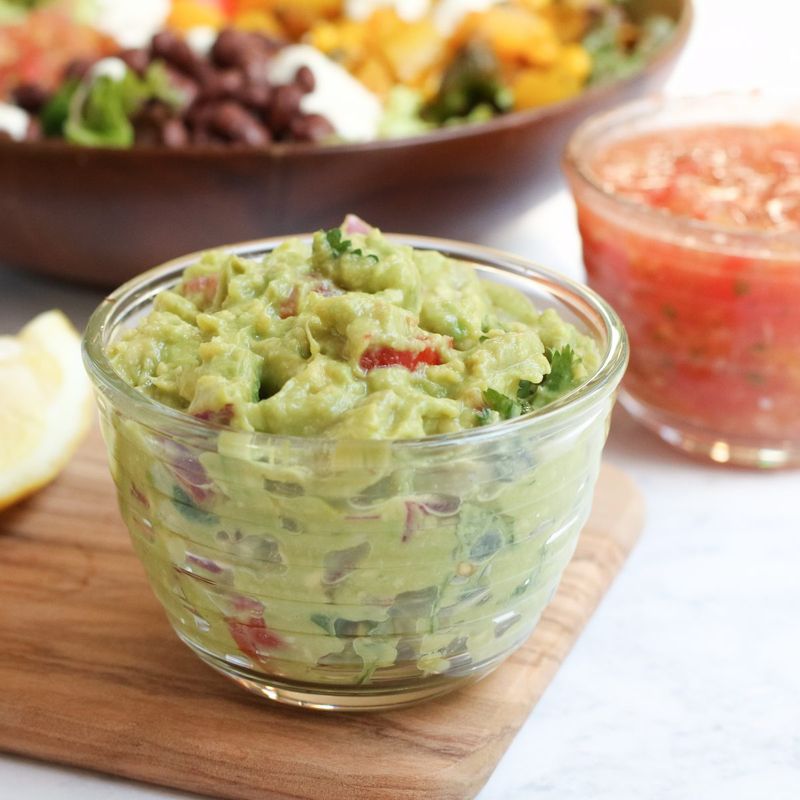
Guacamole lovers, rejoice. Researchers found that adding avocado to salsa helped people absorb several times more carotenoids from the tomatoes.
Carotenoids are colorful nutrients that protect your cells. They need healthy fat to sneak into your bloodstream, and avocado is full of it.
Next taco night, pile both on top. Your tastebuds get creamy and zesty flavors, while your body grabs extra nutrition without any extra effort.
10. Green Tea with Lemon
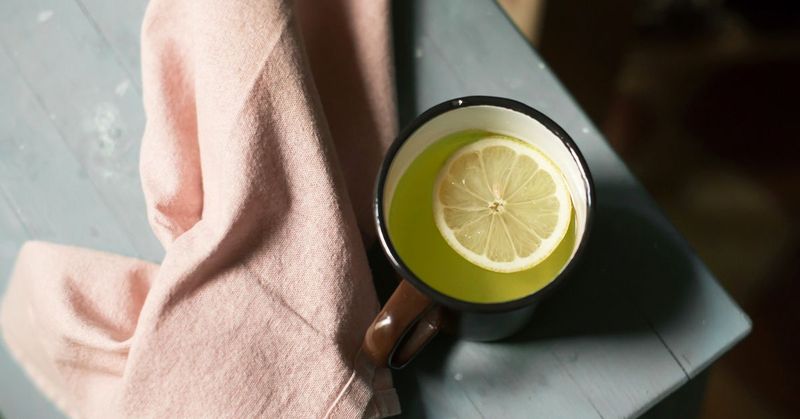
A squeeze of lemon does more than brighten your cup. Green tea is famous for catechins, antioxidants that help guard your cells.
Sadly, most catechins break down during digestion. Studies show citrus juice helps more of them survive the trip through your stomach.
So add a lemon wedge to warm or iced green tea. Fun fact: green tea has been sipped in China for over 4,000 years.
11. Eggs and Bell Peppers
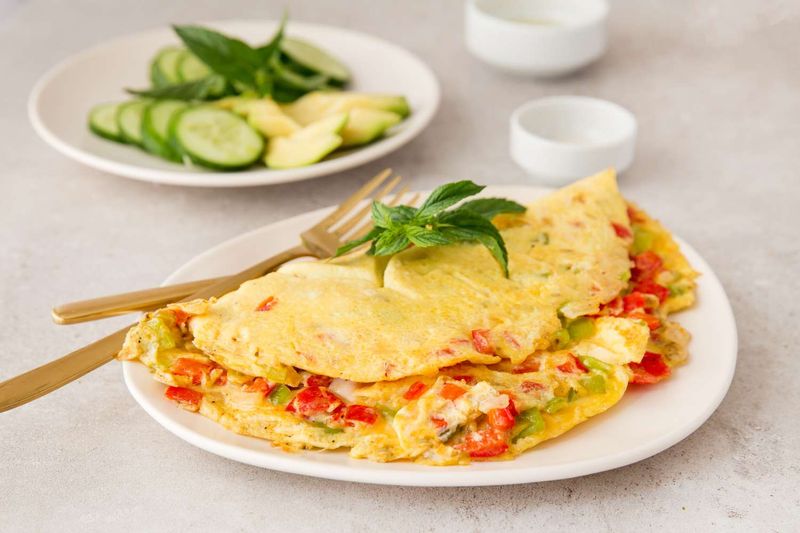
Weekend omelets just got a serious upgrade. Egg yolks contain iron, while bell peppers are surprisingly loaded with vitamin C.
In fact, one red bell pepper has more vitamin C than an orange. That vitamin helps your body take in the iron from the eggs.
Sautee chopped peppers before pouring in your eggs. The colors look gorgeous, and the flavor is sweet, savory, and totally worth waking up for.
12. Broccoli and Mustard
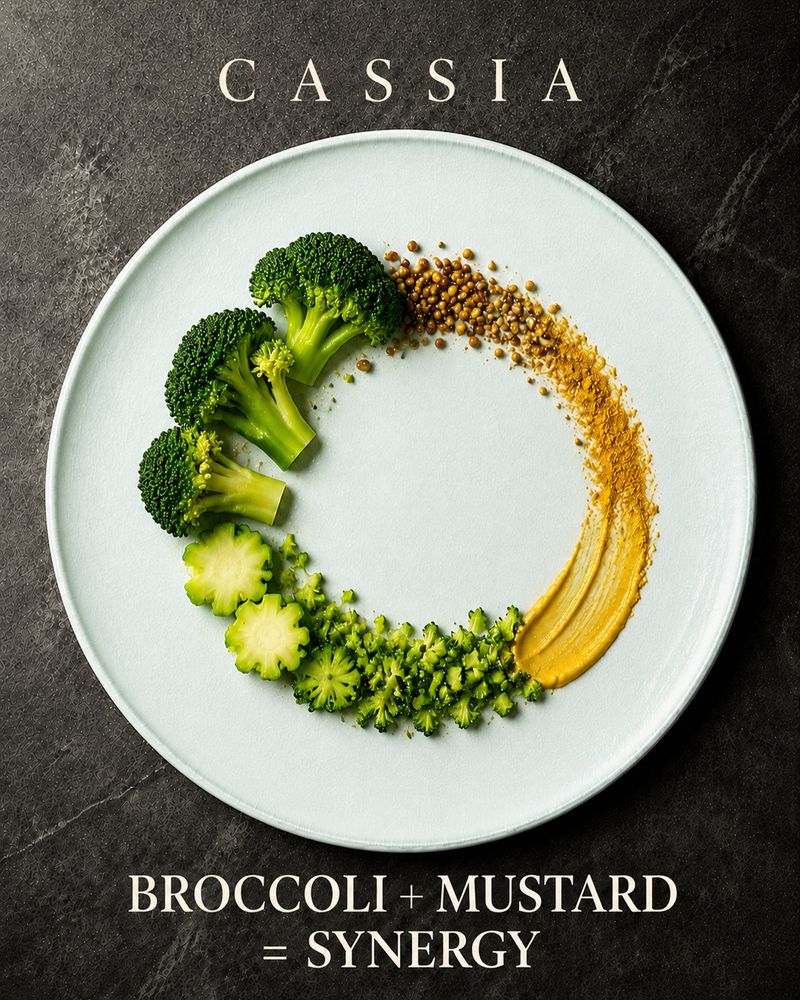
Here is a strange but clever trick. Broccoli contains a compound that turns into sulforaphane, a powerful nutrient, with help from an enzyme.
Cooking destroys much of that enzyme. Mustard seeds, however, contain the same helpful enzyme and can restart the process.
Toss cooked broccoli with a bit of mustard dressing or sprinkle on mustard powder. It adds a tangy kick and brings back benefits the stove took away.
13. Sweet Potatoes and Butter
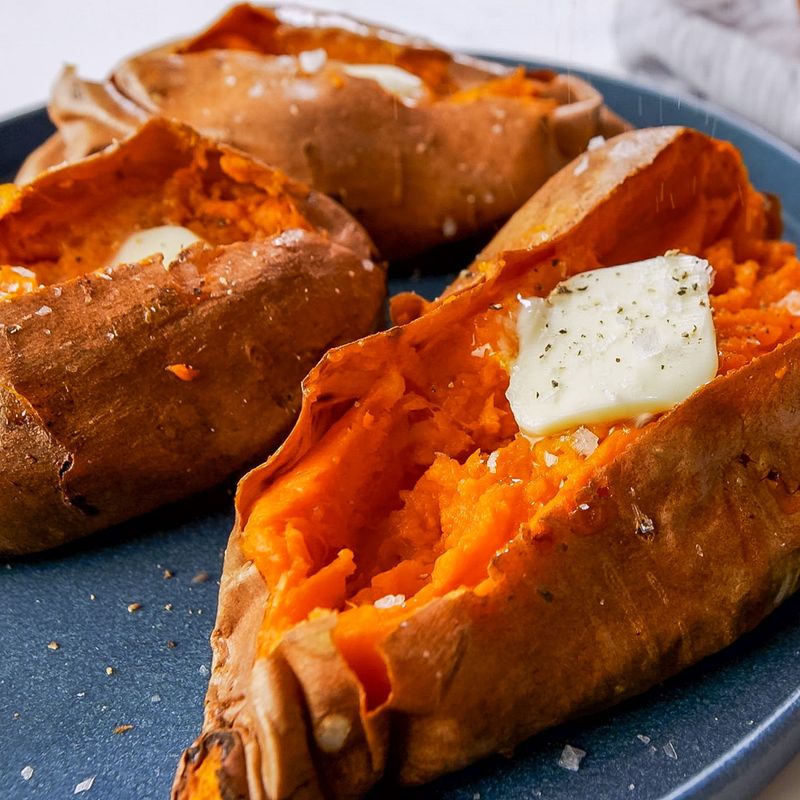
That melting pat of butter is not just for flavor. Sweet potatoes are bursting with beta-carotene, the same nutrient that gives them their orange glow.
Without fat, much of that beta-carotene slips right past your body. A small amount of butter, olive oil, or coconut oil helps you absorb it.
Bake one, split it open, and add a little fat plus cinnamon. Cozy, simple, and nourishing all at once.
14. Chickpeas and Lemon Juice
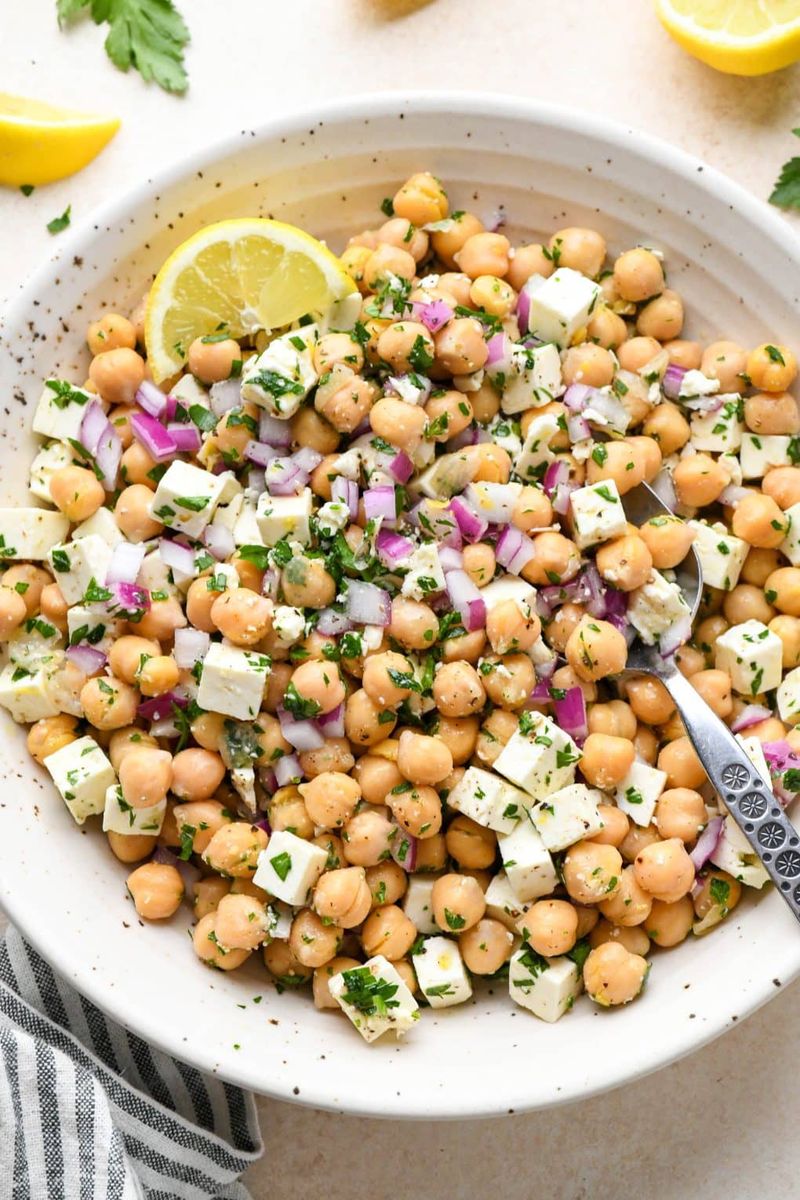
Mediterranean cooks squeeze lemon on almost everything, and your body benefits. Chickpeas offer iron and zinc, two minerals that help with energy and fighting off colds.
The vitamin C and acid in lemon juice help free those minerals so you absorb more.
Make a quick chickpea salad with cucumber, parsley, olive oil, and plenty of lemon. It keeps well in the fridge, which makes it handy for packed lunches.
15. Kale and Almonds
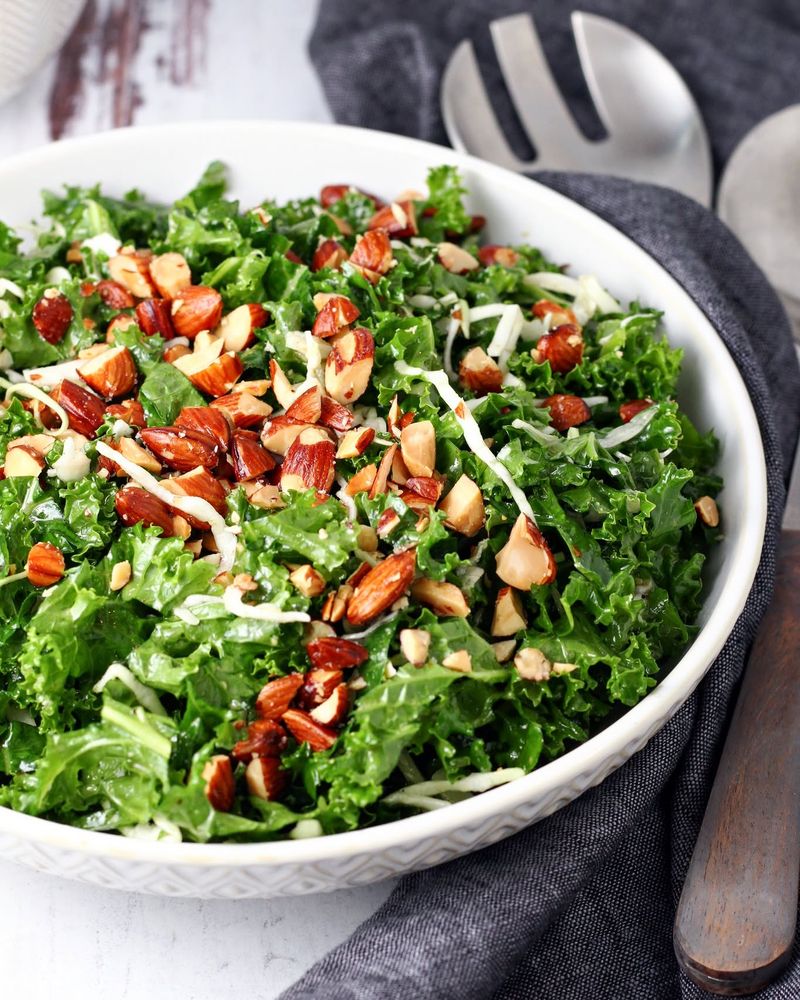
Kale gets a lot of hype, and honestly, it earns it. This leafy green is rich in vitamin K, which helps your blood clot and supports bones.
Vitamin K is fat-soluble, so it absorbs best with some fat. Almonds add healthy fats, vitamin E, and a satisfying crunch.
Massage chopped kale with dressing to soften it, then scatter toasted almonds on top. Even kale skeptics might ask for seconds.
16. Lentils and Tomatoes
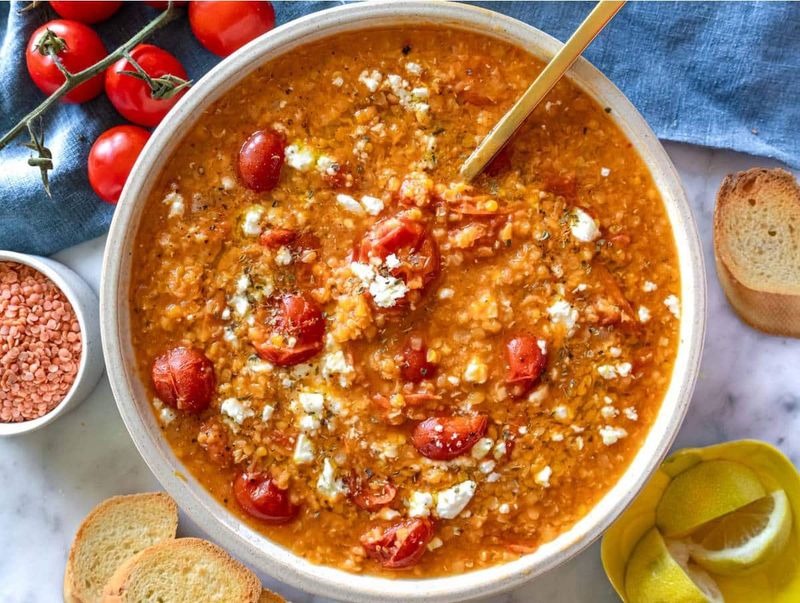
On a chilly evening, few things beat a steaming bowl of lentil soup. Lentils are a budget-friendly source of protein, fiber, and iron.
Tomatoes add vitamin C, which helps your body unlock that iron. They also bring tangy flavor and a lovely red color.
Simmer lentils with canned tomatoes, onions, garlic, and cumin. Make a big pot on Sunday, and you will have warm lunches ready all week.
17. Apples and Dark Chocolate
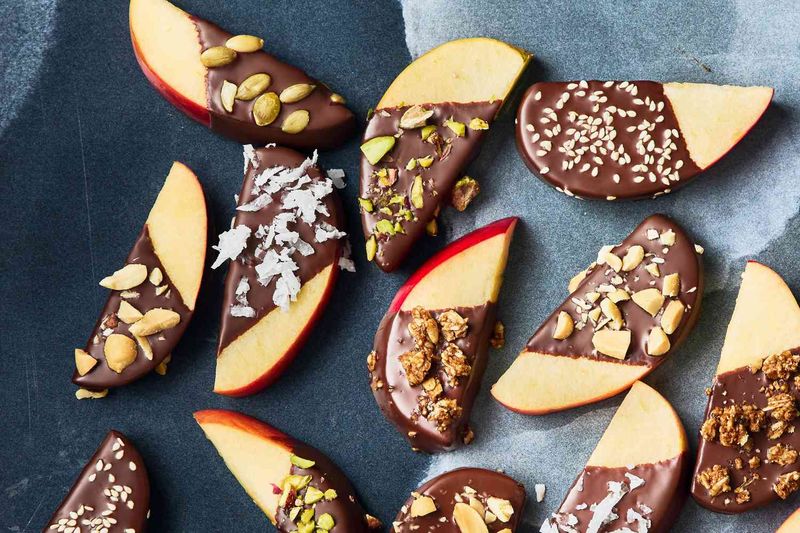
Yes, chocolate made the list. Dark chocolate and apples both contain flavonoids, plant compounds that support heart health.
Apples are rich in quercetin, while cocoa offers catechins. Some research suggests these two work together to help keep blood vessels relaxed and healthy.
Pick chocolate with at least 70 percent cacao for more benefits and less sugar. A few apple slices and a square or two make a treat you can feel good about.
18. Garlic and Whole Grains
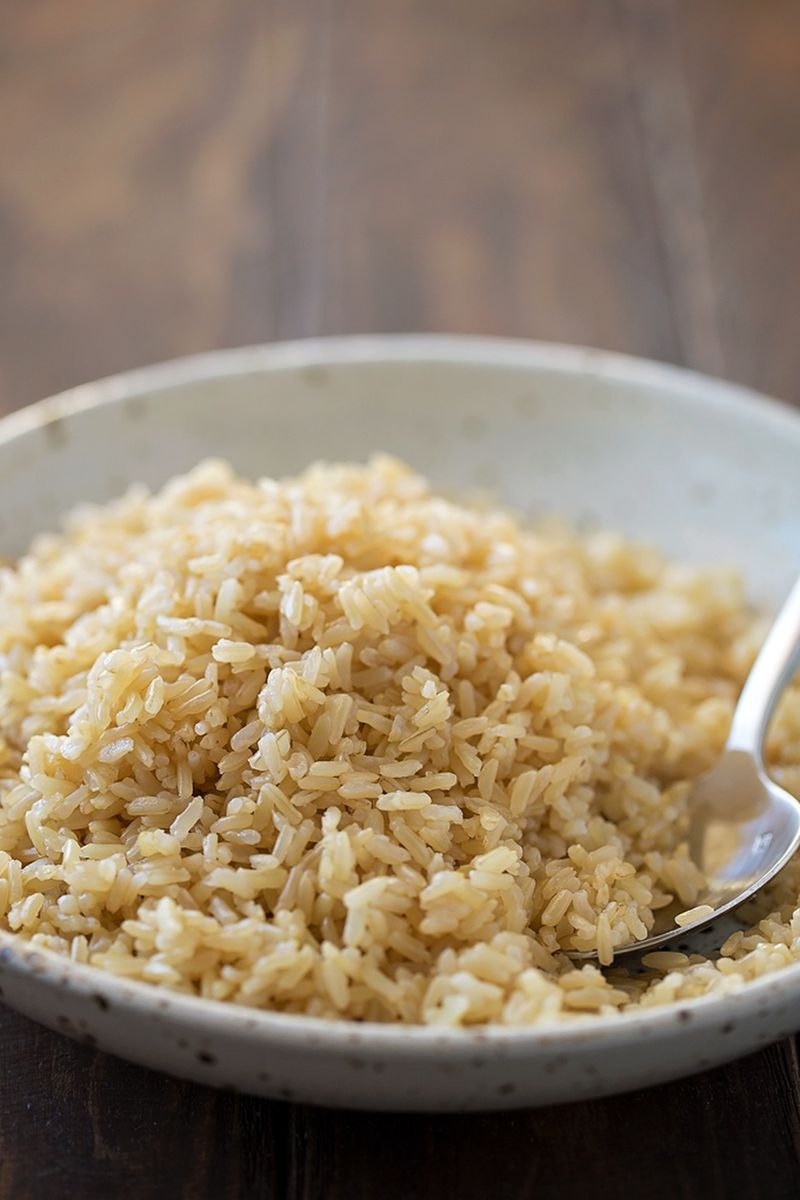
Garlic breath might be worth it. Studies have found that garlic and onions can help your body absorb more iron and zinc from grains.
Whole grains like brown rice and wheat contain these minerals, but natural compounds called phytates tend to lock them up. Garlic’s sulfur compounds seem to help loosen that grip.
Saute minced garlic before adding cooked rice or quinoa. The smell alone will bring everyone to the kitchen.
19. Cereal with Milk and Berries
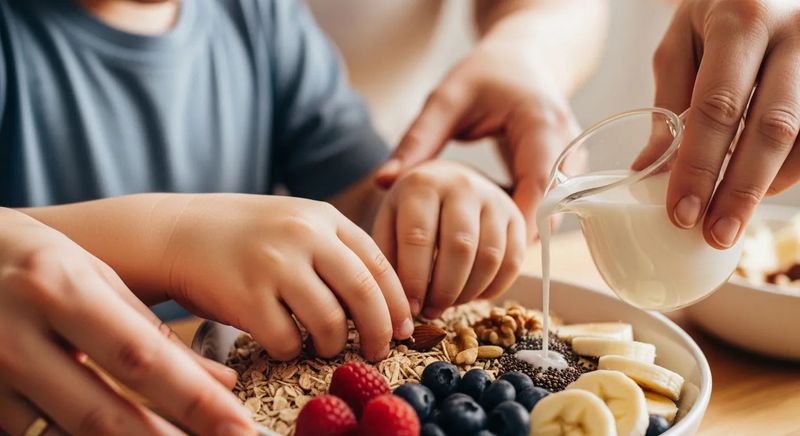
Saturday morning cartoons and a big bowl of cereal, remember that feeling? Many cereals are fortified with iron, and milk adds calcium and vitamin D.
Toss on blueberries or raspberries for vitamin C to help absorb that added iron. Berries also bring fiber, which keeps you full longer.
Choose a cereal low in sugar and let the fruit add sweetness. It is a nostalgic breakfast with a smart, grown-up twist.
20. Chicken and Spinach

Meat has a hidden superpower called the meat factor. When you eat chicken, beef, or fish, your body absorbs more plant iron from foods eaten at the same meal.
Scientists are still studying exactly why, but the effect is well known.
Pair grilled chicken with sauteed spinach, or add shredded chicken to a spinach wrap. You get protein for muscles and a stronger iron boost than either food could give alone.
21. Mushrooms and Cheese
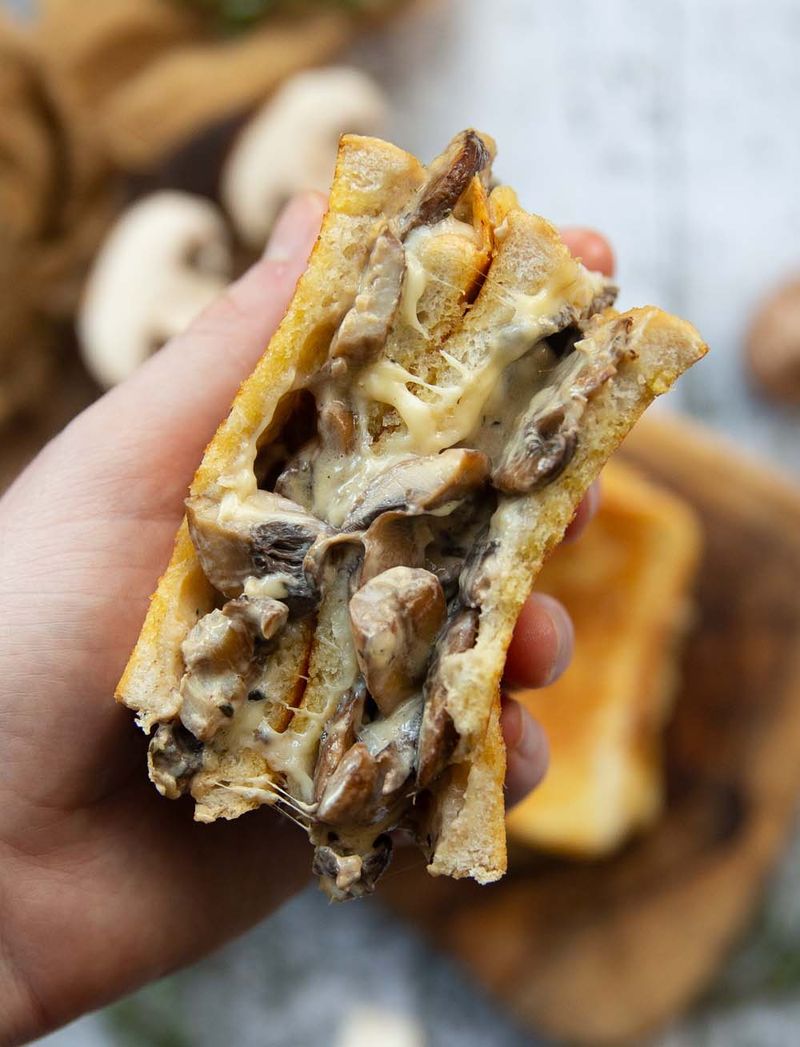
Mushrooms are quirky little things. When exposed to sunlight, they make vitamin D, much like human skin does.
Cheese brings calcium, and vitamin D helps your body move that calcium into your bones. Bonus tip: set store-bought mushrooms gill-side up in the sun for an hour to raise their vitamin D.
Melt cheese over sauteed mushrooms on toast, or tuck both into a quesadilla. Simple, savory, and bone-friendly.