
Your bones are alive, and they keep rebuilding themselves every single day. As we get older, that rebuilding slows down, which can leave bones thinner and easier to break.
The good news is that what you put on your plate can make a real difference. Here are some tasty, everyday foods that give your skeleton the building blocks it needs to stay strong for years to come.
1. Plain Greek Yogurt
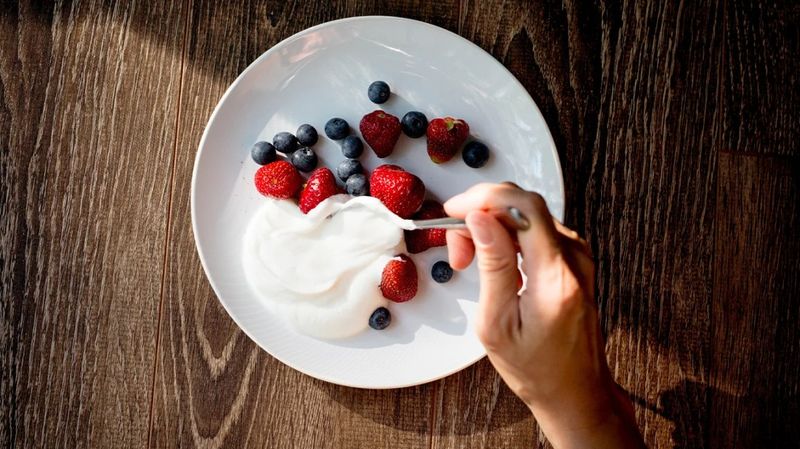
Grandma was onto something when she ate yogurt every morning. One cup of plain Greek yogurt can give you around 20 percent of your daily calcium, plus a big helping of protein.
Protein matters because bones are not just minerals. They have a soft framework inside that needs protein to stay sturdy.
Pick plain versions to skip extra sugar. Then add fruit, nuts, or a sprinkle of cinnamon for flavor you control.
2. Canned Salmon With the Bones
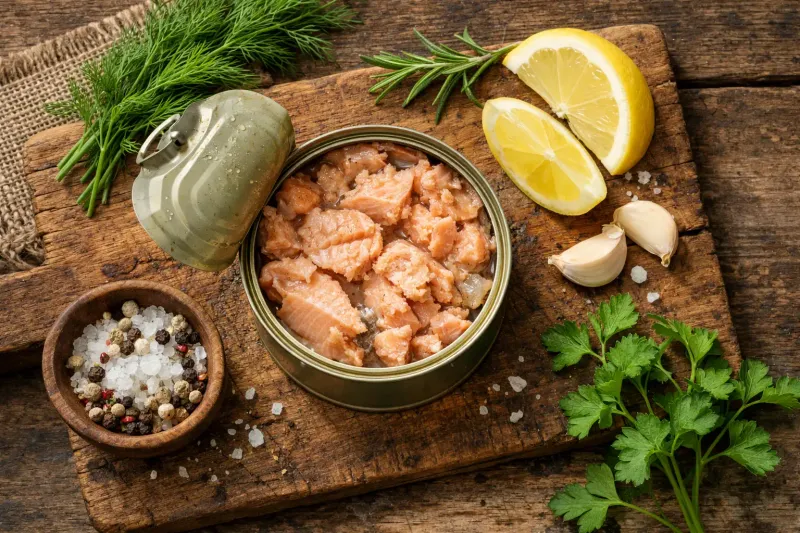
Those tiny, soft bones in canned salmon might look strange, but they are pure gold for your skeleton. You can mash them right in, and nobody will even notice.
Salmon also brings vitamin D, which helps your body actually absorb calcium. Without it, much of that calcium just passes through.
Try mixing canned salmon with a little mayo and celery for an easy sandwich. It costs less than fresh fish, too.
3. Sardines, the Little Fish With Big Power
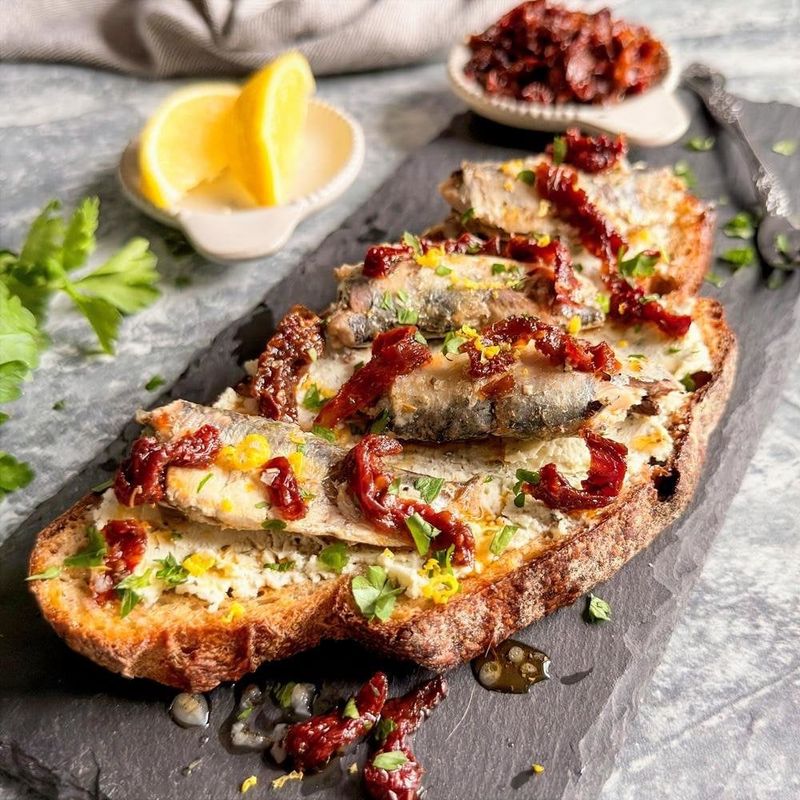
Small but mighty! Sardines pack calcium, vitamin D, and healthy omega-3 fats into one tiny tin.
Fun fact: sardines got their name from the island of Sardinia in Italy, where they were once caught in huge numbers. Because they eat plankton, they also tend to be lower in mercury than bigger fish.
Not a fan of the taste? Mash them onto toast with lemon juice and pepper.
The tangy flavor softens the fishiness nicely.
4. Leafy Kale
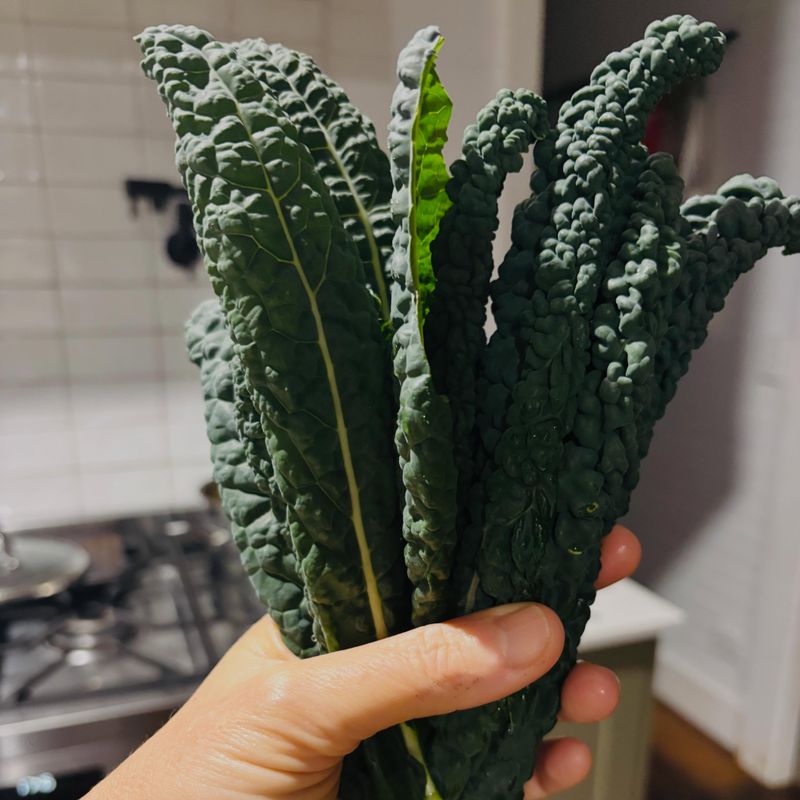
Kale went from plate garnish to superstar, and your bones are happy about it. Each leafy cup offers calcium plus a huge dose of vitamin K.
Vitamin K helps make a protein that locks calcium into your bones. Think of it as the glue holding everything in place.
Unlike spinach, kale is low in oxalates, so your body absorbs its calcium well. Toss it into soups, smoothies, or bake it into crunchy chips.
5. Calcium-Set Tofu
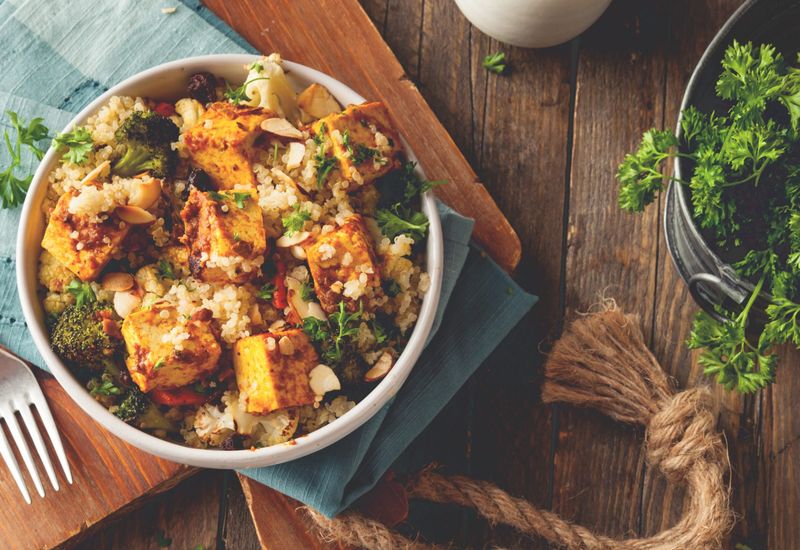
Check the label before you buy tofu. If it says calcium sulfate, you have found a bone-building treasure.
Half a cup of calcium-set tofu can offer more calcium than a glass of milk. It also contains plant compounds called isoflavones, which some studies link to better bone density in older women.
Tofu soaks up any flavor you give it. Marinate it in soy sauce and garlic, then pan-fry until golden and crispy.
6. Good Old Milk
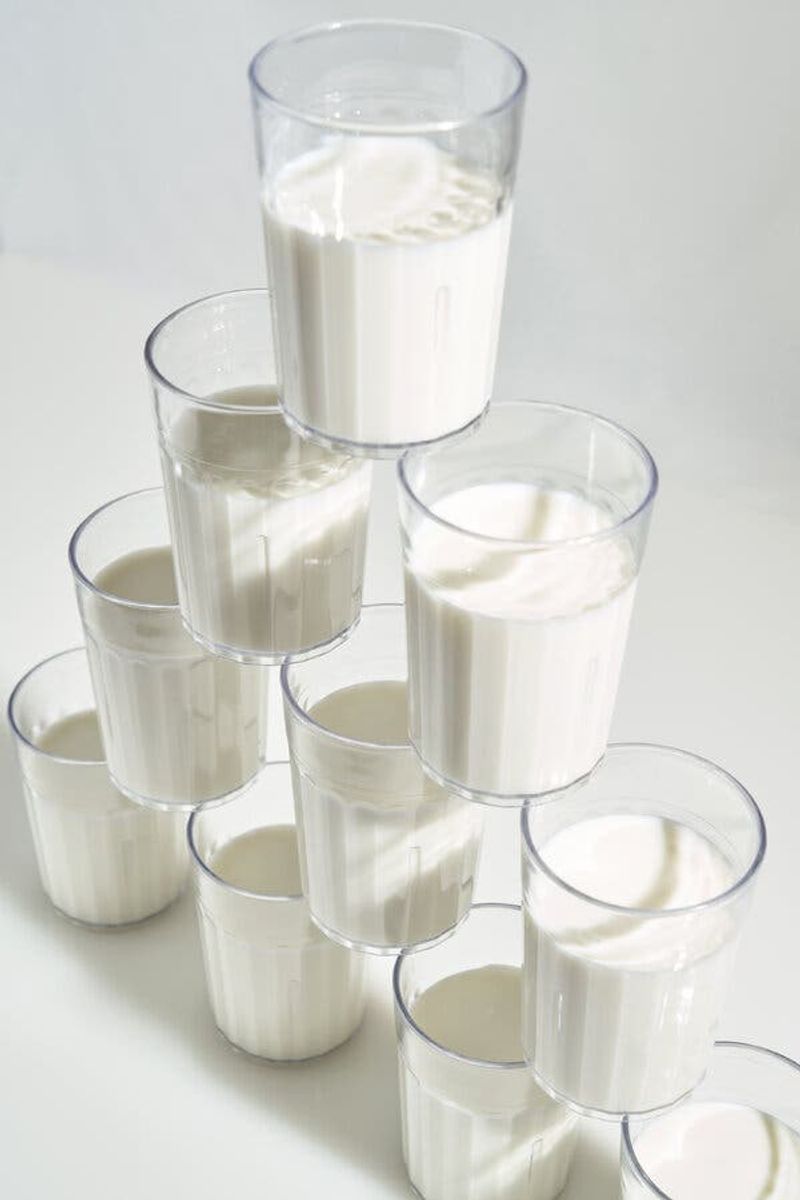
Remember those milk mustache ads? They were not wrong.
A single cup of milk gives you about 300 milligrams of calcium, roughly a quarter of what most adults need daily.
Most milk in stores is also fortified with vitamin D, making it a two-in-one deal.
If plain milk bores you, blend it into a smoothie or use it in oatmeal. Lactose-free versions work just as well for sensitive stomachs.
7. Almonds by the Handful
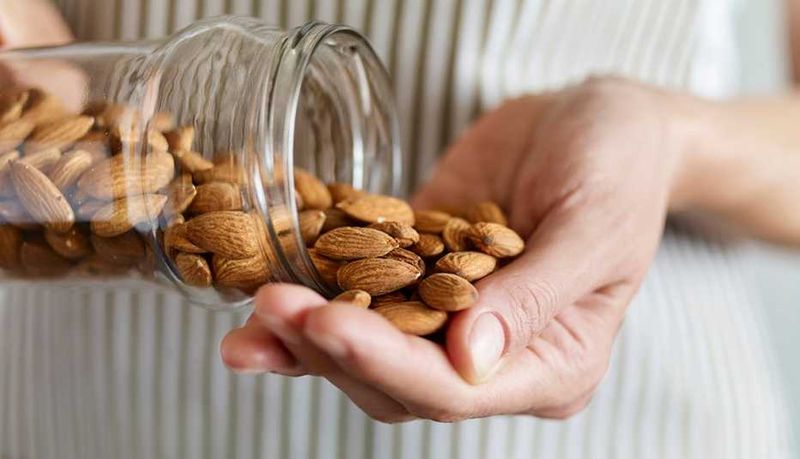
Craving a crunchy snack? Grab a handful of almonds instead of chips.
About 23 almonds give you calcium, magnesium, and a bit of protein all at once.
Magnesium is a quiet helper. It turns vitamin D into its active form so your body can use calcium properly.
Keep a small bag in your purse or car for busy days. Almond butter on apple slices is another delicious option.
8. Sunny Egg Yolks
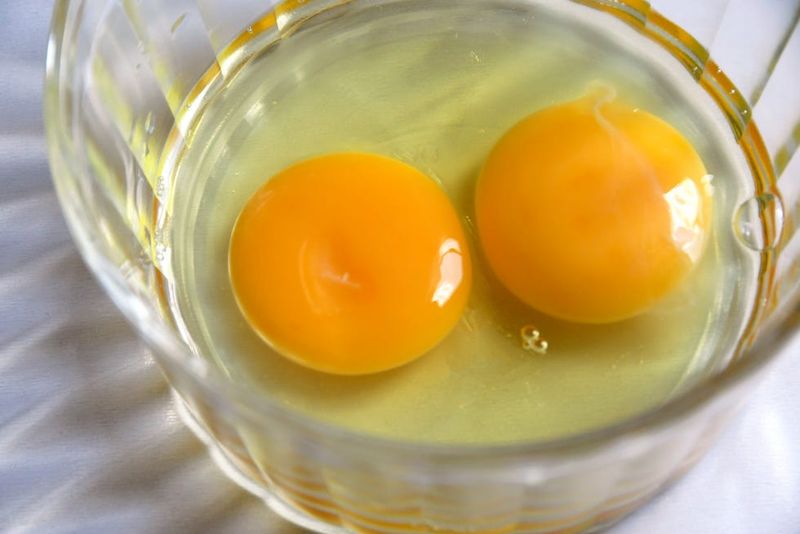
Skipping the yolk to save calories? You might be tossing out the best part.
Egg yolks are one of the few foods that naturally contain vitamin D.
Eggs also deliver high-quality protein, which helps protect both bones and the muscles that support them. Strong muscles mean fewer falls.
Hard-boil a batch on Sunday for quick breakfasts all week. Pair them with whole grain toast for a filling start.
9. Prunes, a Surprising Bone Hero
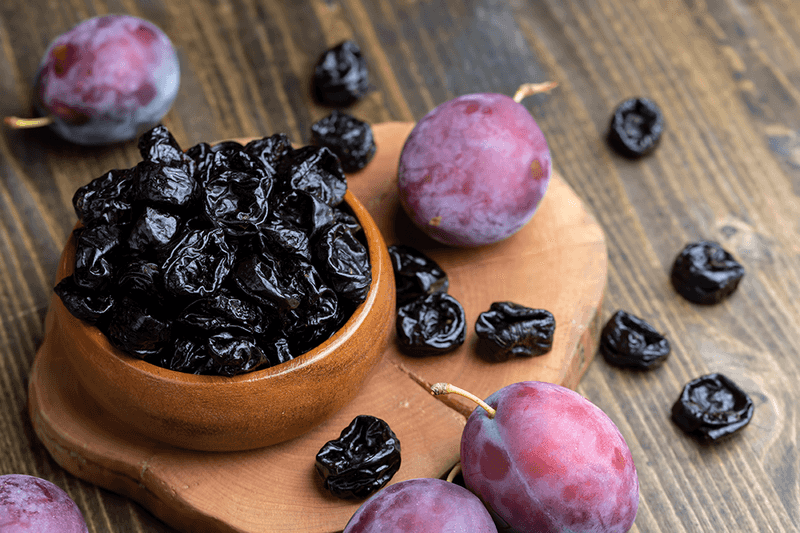
Prunes have a funny reputation, but researchers have discovered something exciting. Studies show that eating five or six prunes daily may help slow bone loss in older women.
Scientists think it comes from their potassium, vitamin K, and natural plant antioxidants working together.
Chop them into oatmeal, add them to salads, or simply eat them as a sweet treat. Start slowly, though, since prunes are famous for helping digestion.
10. Crunchy Broccoli
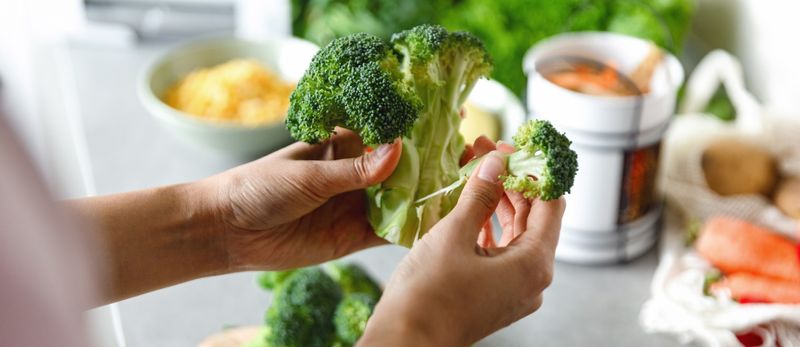
Picture those little green trees on your dinner plate. Broccoli brings calcium, vitamin K, and vitamin C, which helps build collagen inside your bones.
Collagen gives bones a little bend, so they are less likely to snap. Minerals alone would make bones brittle, like chalk.
Steam broccoli lightly instead of boiling it to keep more nutrients. A squeeze of lemon and a pinch of salt makes it shine.
11. Fortified Orange Juice
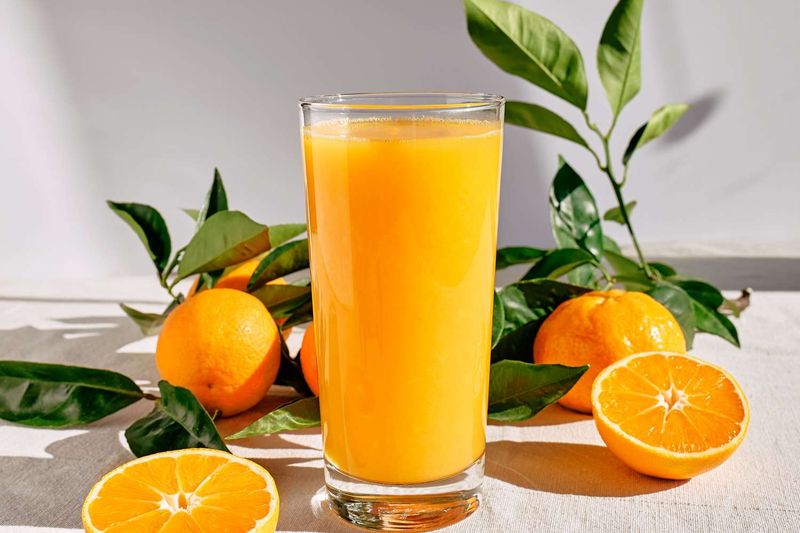
Not a milk drinker? No problem.
Many orange juice brands now add calcium and vitamin D, giving you a dairy-free way to protect your bones.
One glass can match the calcium found in milk. Plus, you get a healthy splash of vitamin C.
Just read the carton carefully, since not every brand is fortified. Stick to one small glass a day, because juice contains plenty of natural sugar.
12. White Beans
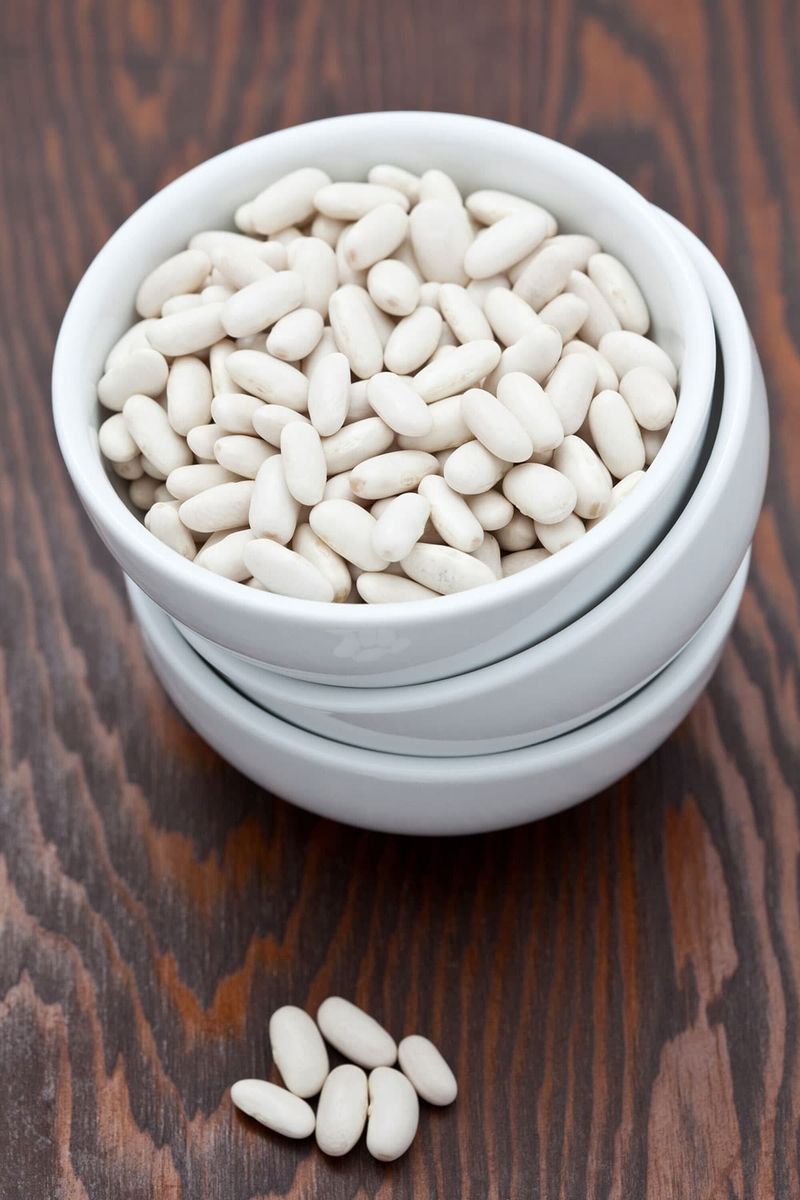
Humble, cheap, and filling, white beans deserve more love. One cup offers around 160 milligrams of calcium along with magnesium, potassium, and fiber.
Soaking dried beans overnight helps reduce phytates, natural compounds that can block calcium absorption. Canned beans are fine too, just rinse them well.
Toss white beans into soups, stews, or mash them with garlic for a creamy dip. Your wallet and your bones will both thank you.
13. Parmesan Cheese
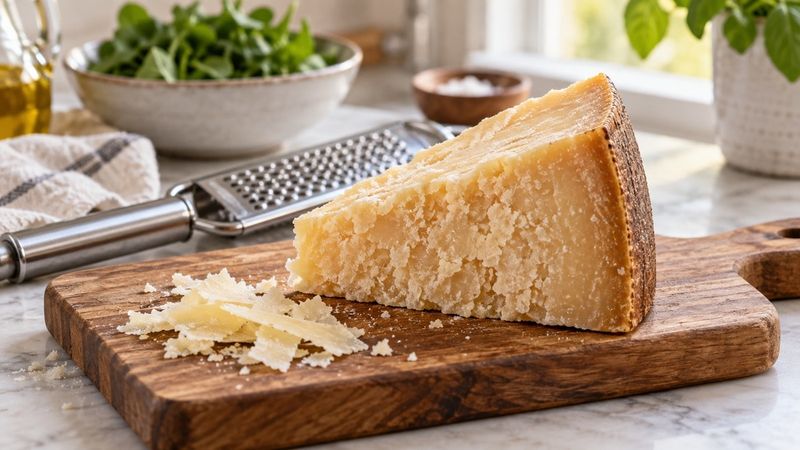
Hard cheeses are calcium champions, and Parmesan leads the pack. Just one ounce delivers about a third of your daily calcium needs.
Did you know? Real Parmigiano-Reggiano is aged at least a year in Italy, and the long aging makes it naturally low in lactose.
A little goes a long way thanks to its bold, salty flavor. Sprinkle it over veggies, soups, or salads for an easy boost.
14. Chia Seeds
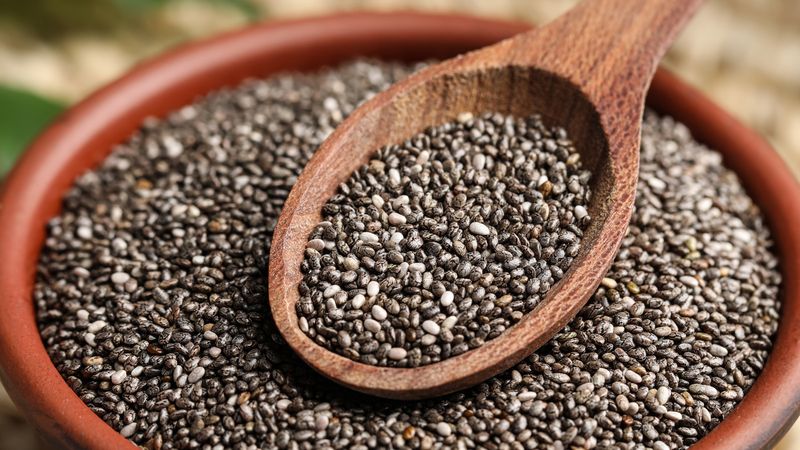
Tiny seeds, giant results. Just two tablespoons of chia seeds give you nearly 180 milligrams of calcium, plus phosphorus and magnesium.
Phosphorus partners with calcium to form the hard crystals that make up your bones. You really need both.
Here is a fun trick: stir chia into milk overnight and wake up to a creamy pudding. You can also sprinkle them on cereal or blend them into smoothies.
15. Collard Greens
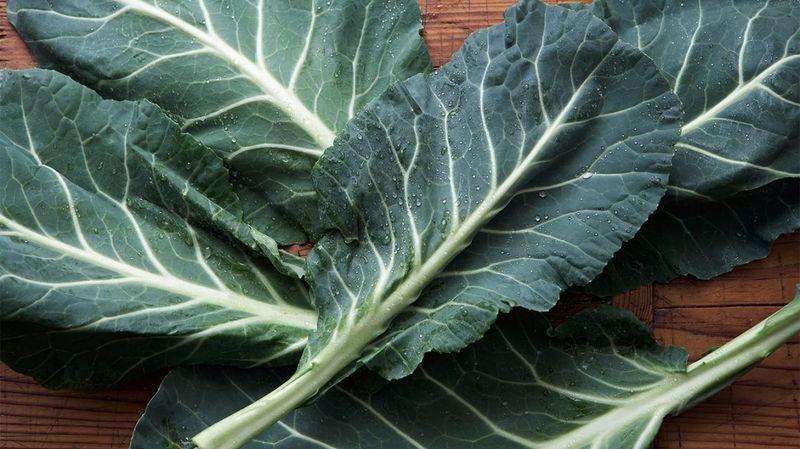
Down South, collard greens have graced family tables for generations, and for good reason. One cooked cup gives you around 270 milligrams of calcium.
That is almost as much as a glass of milk, all from a leafy vegetable. Collards also overflow with vitamin K.
Skip the heavy ham hocks sometimes and sauté them with garlic and olive oil instead. A dash of vinegar brightens the flavor beautifully.
16. Bananas
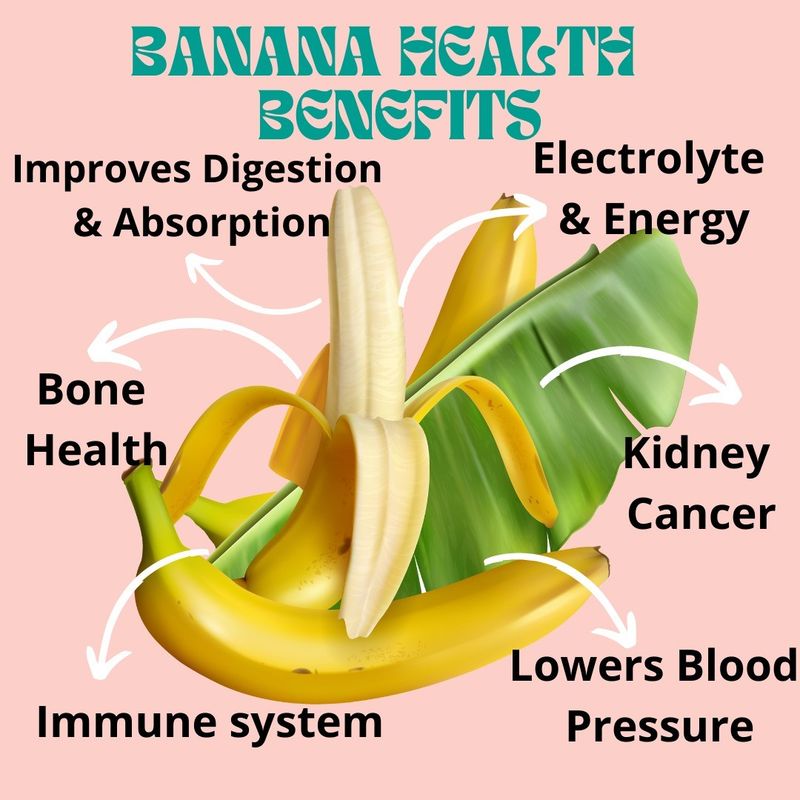
Easy to peel and easy to pack, bananas bring a mineral many people forget about: potassium.
Potassium helps balance acids in your body. When your diet is too acidic, your body may pull calcium from your bones to fix it, so potassium helps keep calcium where it belongs.
Slice bananas onto peanut butter toast or freeze them for a creamy, ice cream-like treat. Kids and grandkids love that one too.
17. Mushrooms Kissed by Sunlight
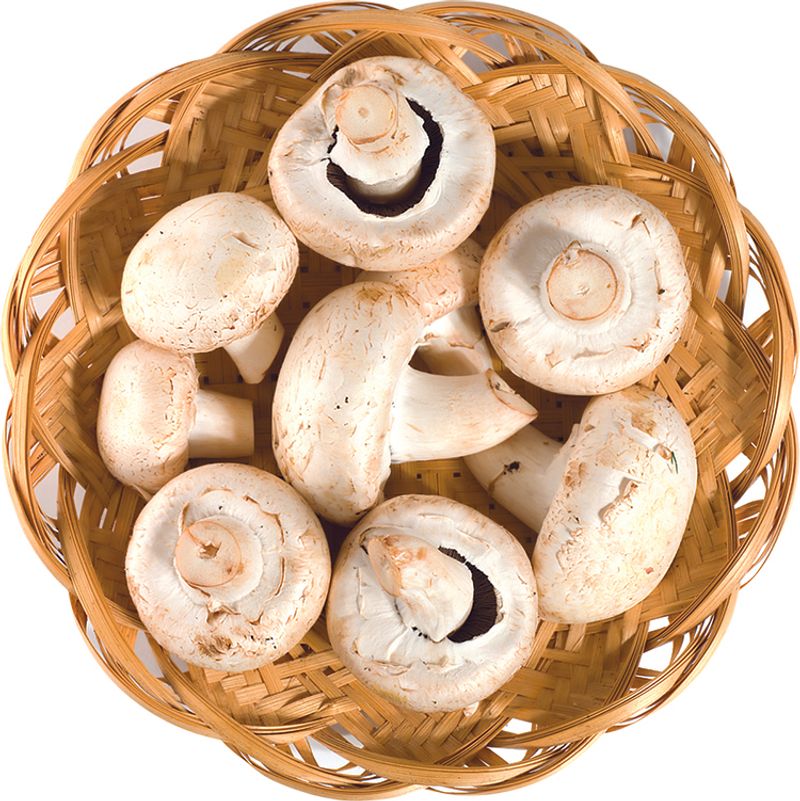
Mushrooms have a cool secret. Much like human skin, they create vitamin D when exposed to sunlight or UV light.
Some grocery stores sell UV-treated mushrooms with labels showing high vitamin D levels. You can even try it at home by setting sliced mushrooms in the sun for about an hour.
Add them to omelets, stir-fries, or pasta sauce. They are a smart pick for vegetarians needing more vitamin D.