
When the leaves turn orange and the air gets crisp, kitchens everywhere start smelling like cinnamon, apples, and roasted nuts. Every culture has its own way of celebrating the fall harvest with something sweet.
Trying these treats is a fun way to travel the world without leaving your table. Grab a fork and get ready to find your next favorite fall bite.
1. American Pumpkin Pie
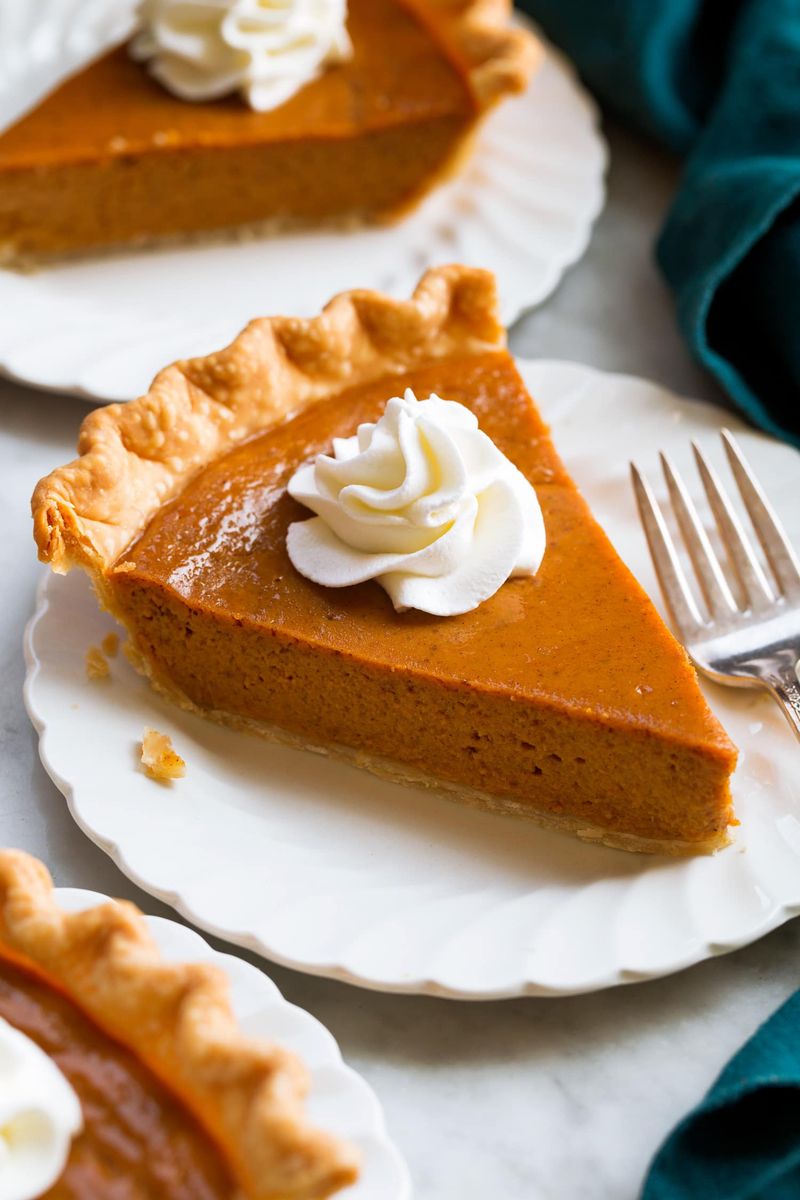
Picture a Thanksgiving table without pumpkin pie. Hard to do, right?
This creamy custard pie has been a fall favorite in the United States for centuries.
The filling mixes pumpkin with eggs, milk, cinnamon, ginger, and nutmeg. It bakes into a smooth, spiced slice that tastes like autumn itself.
Tip: let it cool fully before cutting so the center sets nicely. A spoonful of whipped cream on top makes it even better.
2. French Tarte Tatin
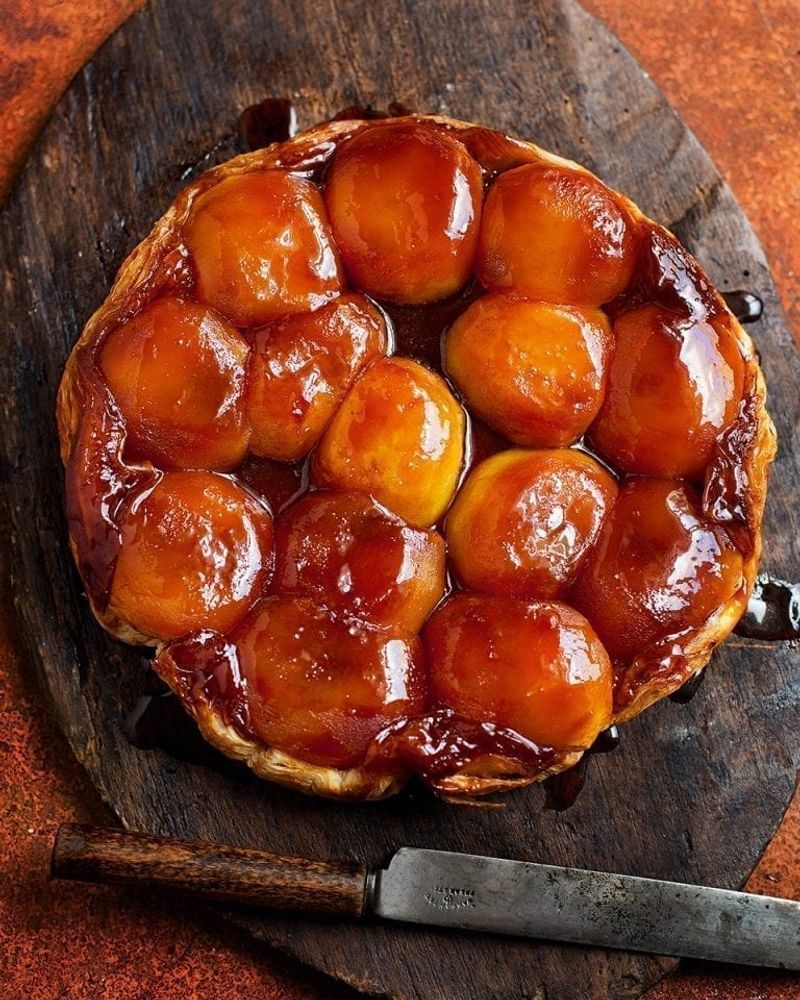
Legend says two French sisters made a happy mistake in the 1880s. One of them dropped a tart, or forgot the crust, and baked it upside down.
The result became famous.
Tarte Tatin is made by cooking apples in butter and sugar until they turn deep amber. Pastry goes on top, and after baking, the whole thing gets flipped.
The shiny caramel apples look fancy, yet the recipe is surprisingly simple.
3. German Apfelstrudel
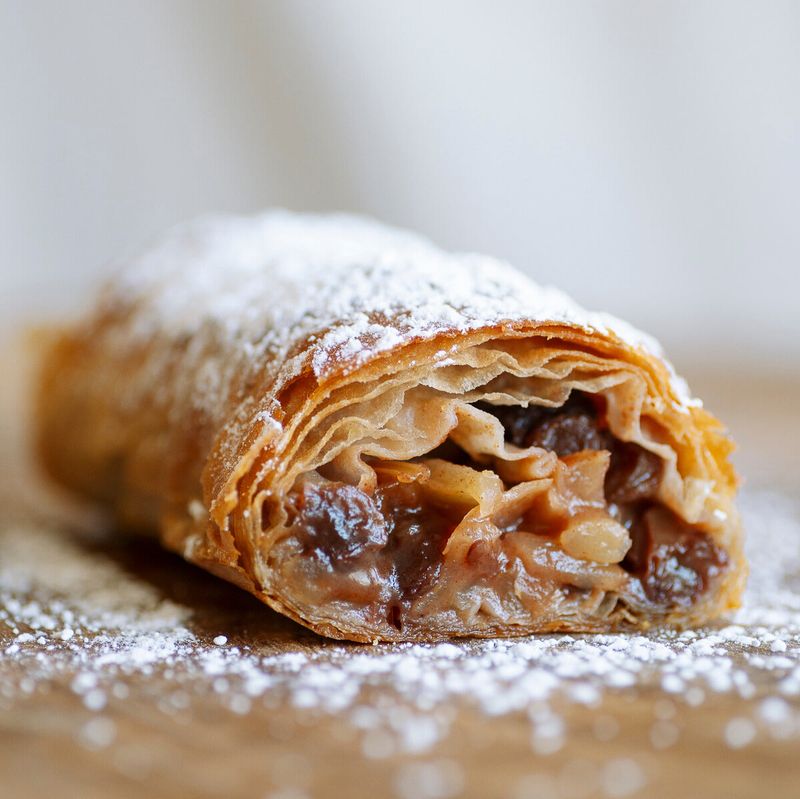
Bakers in Austria and Germany have a fun test for strudel dough. They say it should be stretched so thin you could read a newspaper through it.
That paper-thin pastry wraps around apples, raisins, cinnamon, and buttery breadcrumbs. Once rolled and baked, it turns golden and crackly.
Locals love it warm with vanilla sauce or a scoop of ice cream. Store-bought phyllo dough works well if you want an easier homemade version.
4. British Sticky Toffee Pudding
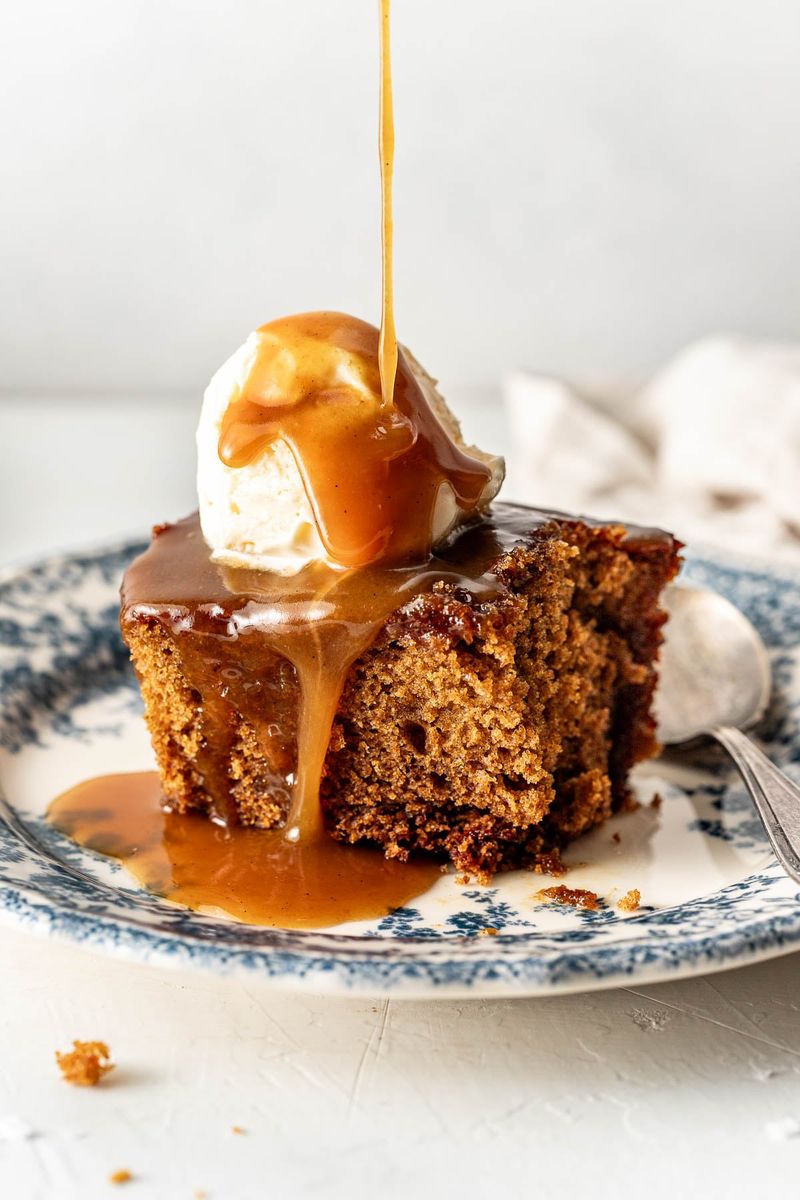
Rainy British afternoons practically beg for sticky toffee pudding. It is the dessert equivalent of a warm blanket.
The secret ingredient might surprise you: chopped dates. They melt into the soft sponge cake, keeping it moist and rich.
Then a buttery toffee sauce gets poured all over the top.
Many English pubs serve it with custard or cream. Bake it a day early, since the flavor gets deeper overnight.
5. Japanese Mont Blanc
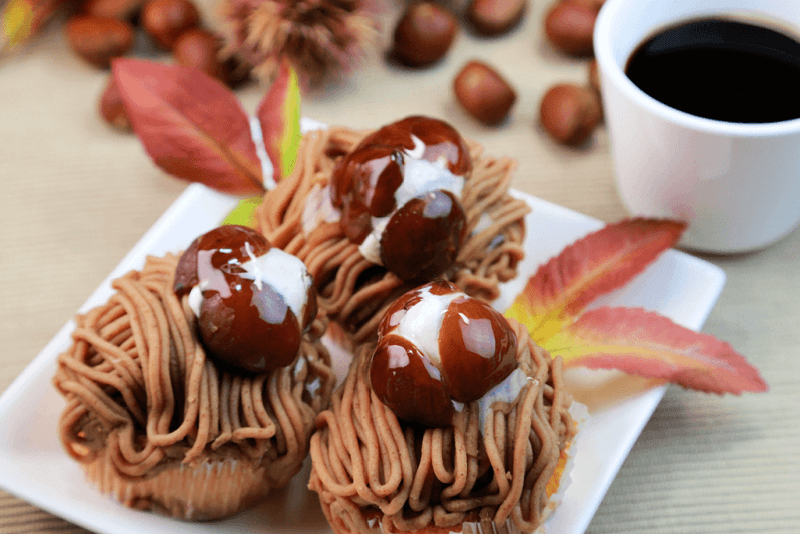
Autumn in Japan means chestnut season, and bakeries go wild for it. Mont Blanc is the star of the show.
Named after a snowy mountain in Europe, this pastry has a base of sponge or meringue. Whipped cream sits on top, covered with swirly noodle-like strands of sweet chestnut paste.
Japanese versions are lighter and less sugary than European ones. If you visit Tokyo in October, look for seasonal flavors everywhere.
6. Chinese Mooncakes
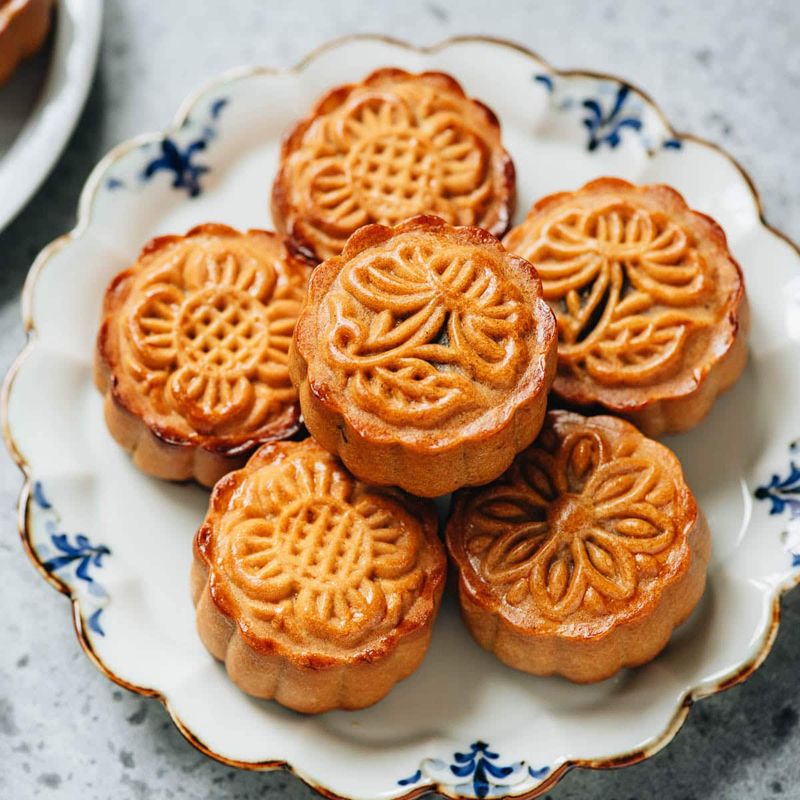
Under the bright full moon of the Mid-Autumn Festival, families across China share mooncakes. The round shape stands for togetherness and being complete.
Each cake has a thin pastry shell stamped with beautiful designs. Inside, you might find lotus seed paste, red bean, or even a salted egg yolk that looks like the moon.
They are rich, so cut them into small wedges. Sharing pieces with friends is part of the tradition.
7. Italian Castagnaccio
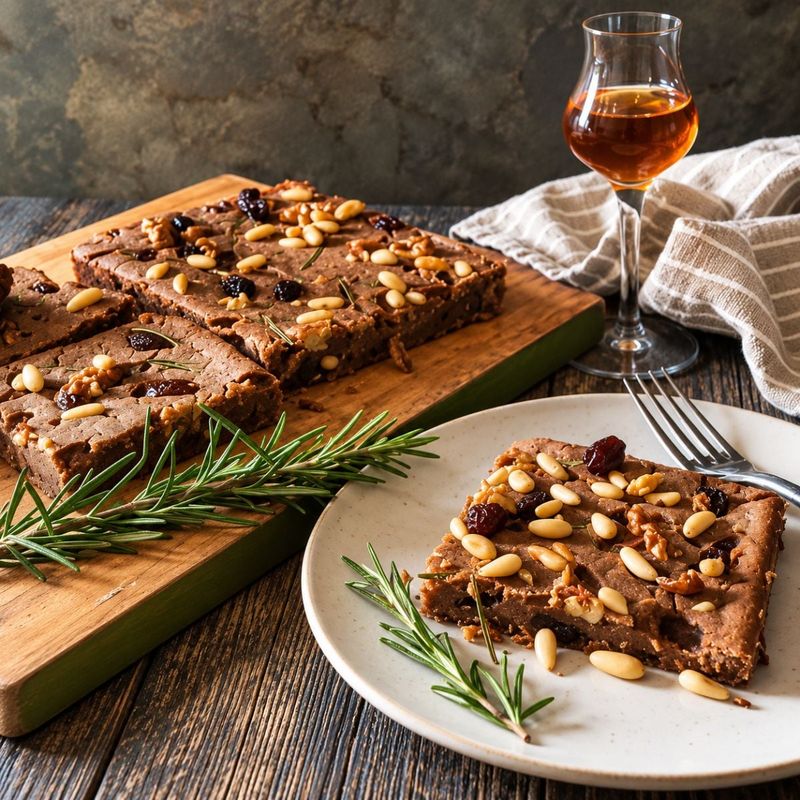
Long ago, poor farmers in the Tuscan hills could not afford wheat. Chestnuts, though, grew everywhere, so they ground them into flour.
Castagnaccio was born from that clever idea. This flat, dense cake uses chestnut flour, water, olive oil, pine nuts, raisins, and a sprig of rosemary.
There is usually no added sugar at all.
The taste is earthy and gently sweet. It is also naturally gluten-free, which surprises many people.
8. Turkish Ayva Tatlısı
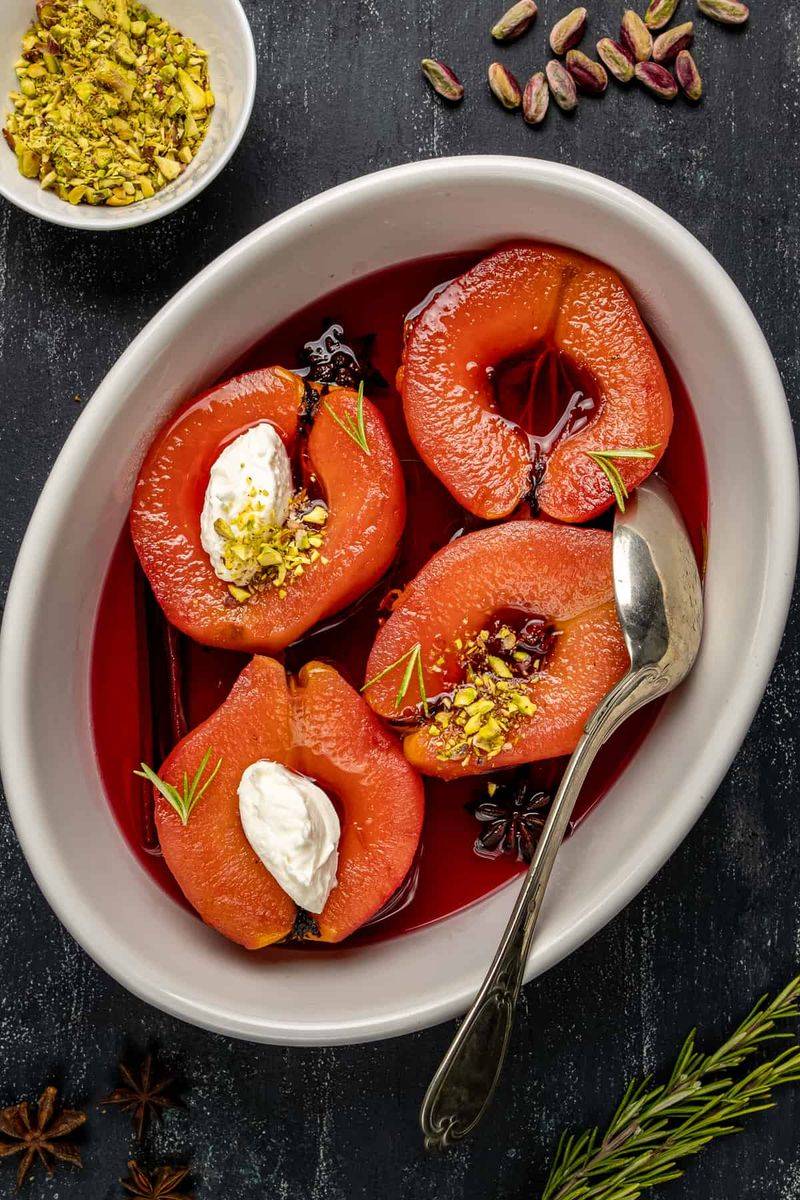
Quince looks like a lumpy yellow pear and tastes sour when raw. Turkish cooks, however, know exactly how to tame it.
For ayva tatlısı, halved quinces simmer slowly in sugar syrup with cloves. As they cook, the pale fruit magically turns a deep ruby red.
The dessert is served with thick clotted cream called kaymak and a sprinkle of pistachios. Look for quinces at farmers markets from October to December.
9. Mexican Calabaza en Tacha
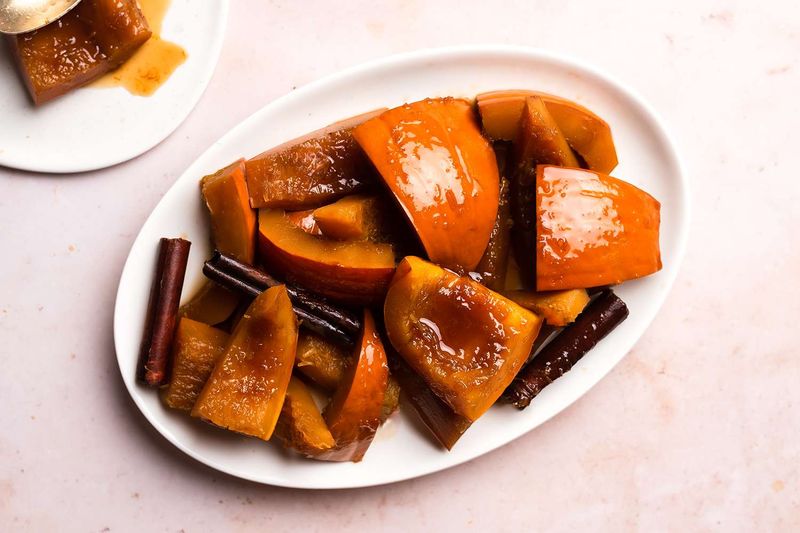
Visit a Mexican home around Day of the Dead and you may spot a clay pot of candied pumpkin. It is often placed on family altars as an offering.
Calabaza en tacha is pumpkin simmered in piloncillo, a dark unrefined sugar, plus cinnamon and orange peel. The pieces soak up the syrup and turn glossy brown.
Enjoy it warm with a splash of milk poured over. Simple, sweet, and full of meaning.
10. Swedish Kanelbullar
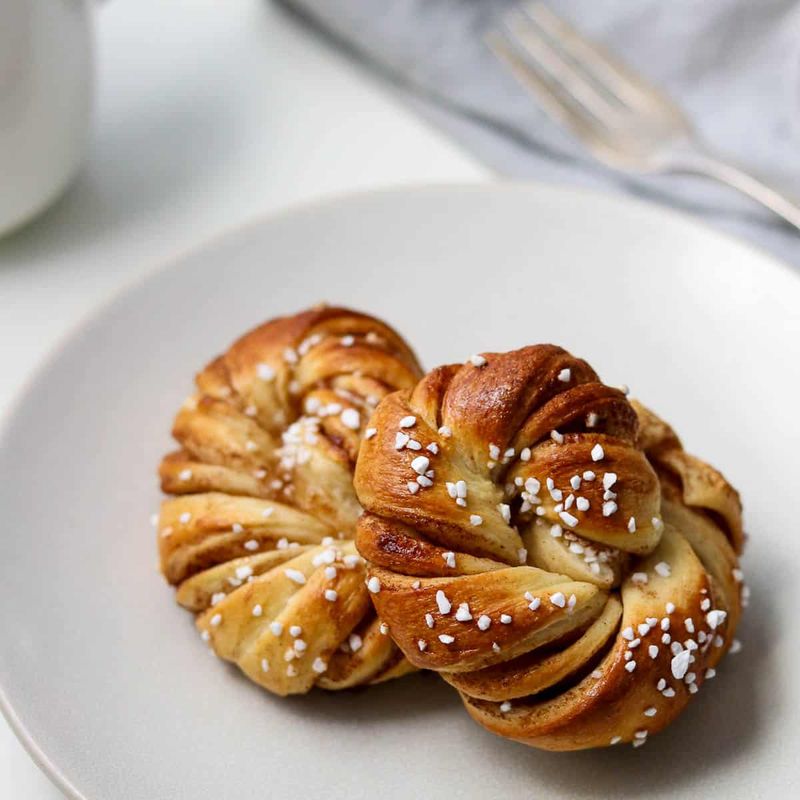
Sweden loves cinnamon buns so much that October 4th is officially Cinnamon Bun Day. People line up at bakeries all over the country.
Kanelbullar are twisted knots of soft dough spiced with cardamom and filled with cinnamon butter. Instead of icing, they get sprinkled with crunchy pearl sugar.
Swedes pair them with coffee during fika, a cozy break with friends. Try adding fika to your own weekend routine.
11. Brazilian Bolo de Fubá
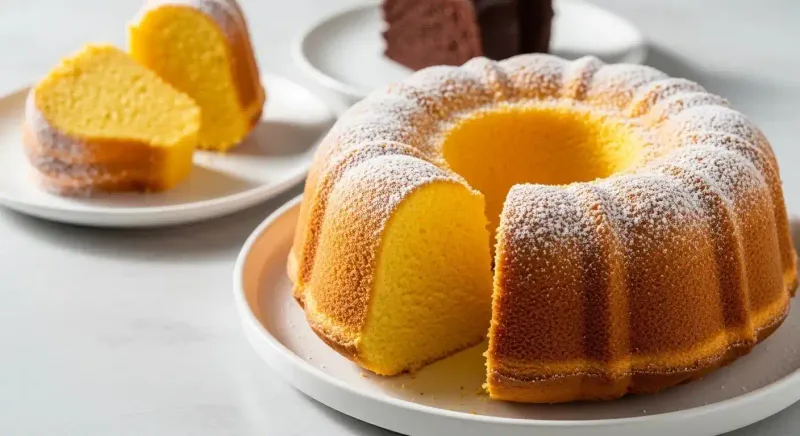
Grandmothers in Brazil have been baking bolo de fubá for generations. Ask almost any Brazilian about it, and you will hear a sweet childhood memory.
Made with cornmeal, milk, eggs, and sugar, this golden cake is fluffy with a slightly grainy bite. Some cooks add fennel seeds or a gooey layer of cheese.
Brazil celebrates the corn harvest in June, which is autumn there. That makes this a true seasonal classic.
12. Korean Hotteok
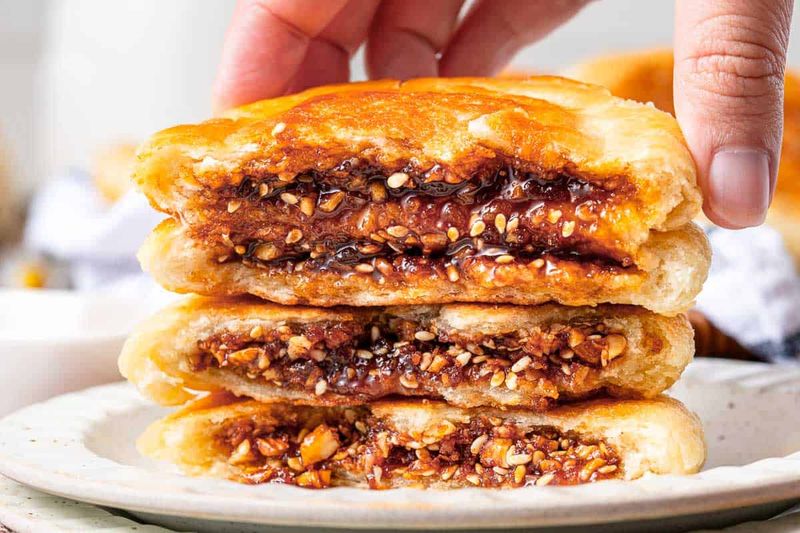
Careful, that first bite is hot! Street vendors in Seoul sell hotteok on chilly days, and the sugary filling inside gets bubbly.
These chewy pancakes are stuffed with brown sugar, cinnamon, and chopped nuts. The cook presses them flat on a hot griddle until crispy outside.
Walking through a market with one in a paper cup feels like pure autumn joy. Boxed hotteok mixes are sold at many Asian grocery stores too.
13. Greek Karydopita
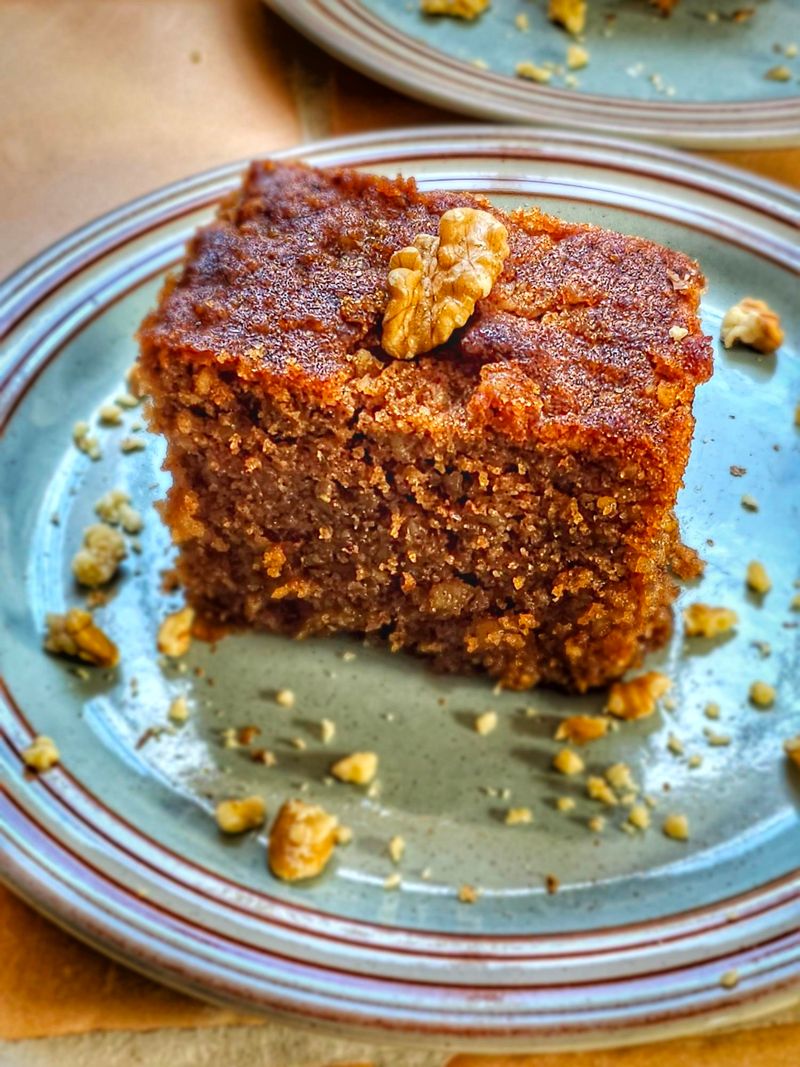
Walnuts fall from Greek trees in autumn, and smart bakers turn them into karydopita. The name simply means walnut cake.
Ground walnuts, cinnamon, and cloves give the cake a warm, nutty flavor. Right out of the oven, it gets soaked in a sweet syrup flavored with orange or lemon.
Here is a helpful tip: pour cool syrup over hot cake. That way, it soaks in without turning soggy.
14. Indian Gajar Ka Halwa
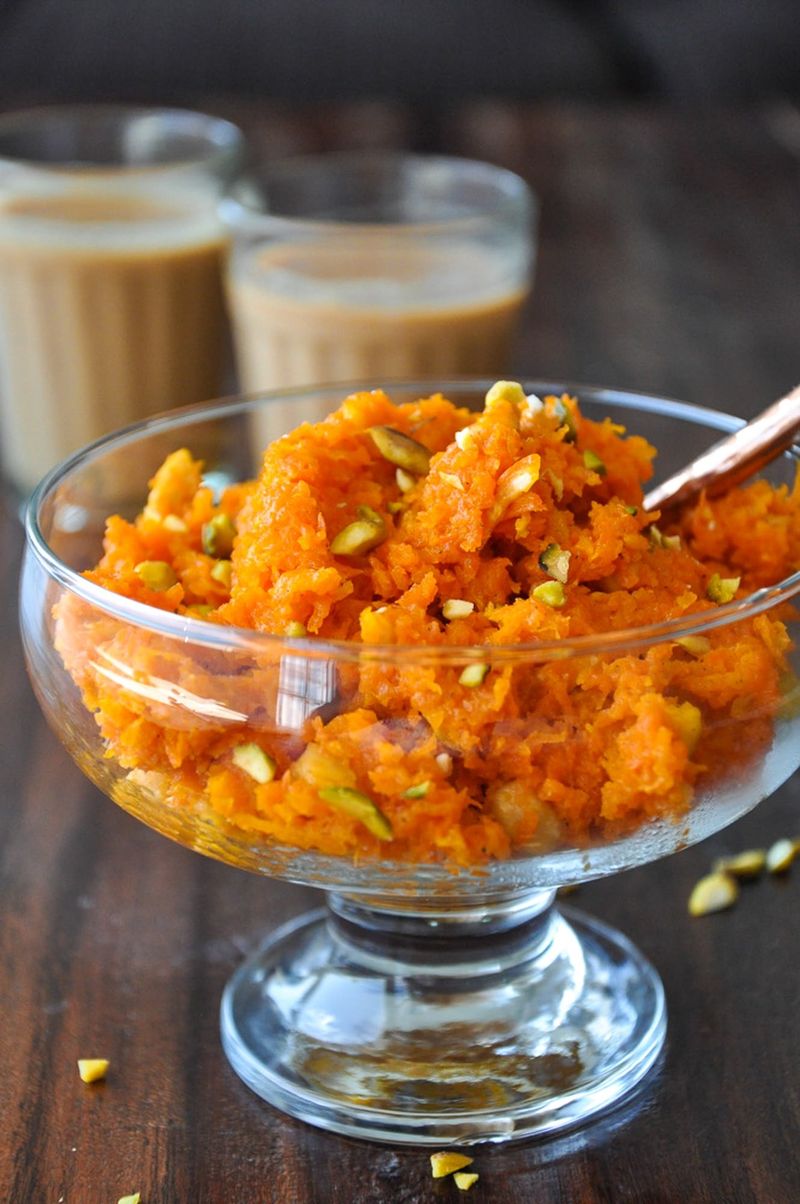
Who knew carrots could become such a treat? In India, gajar ka halwa shows up as the weather cools and Diwali lights fill the streets.
Grated carrots cook slowly in milk for a long time. Then come ghee, sugar, and cardamom, plus a handful of almonds and cashews.
The final dish is soft, rich, and bright orange. Leftovers keep well in the fridge, and many people say it tastes even better reheated.
15. Dutch Appeltaart
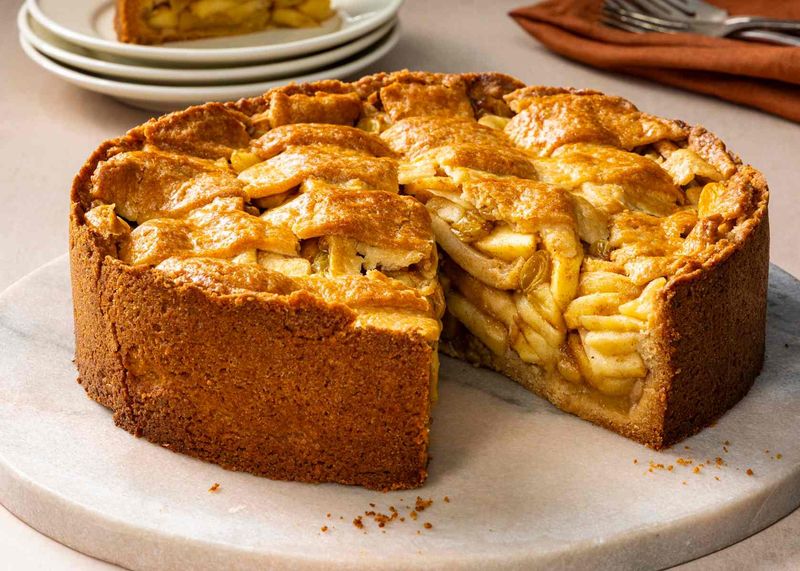
Forget thin, flat pies. Dutch appeltaart is tall and proud, piled high with chunky apples inside a buttery, cookie-like crust.
Bakers mix the apples with cinnamon, raisins, and sometimes lemon juice. A pretty lattice top lets you peek at the filling.
Cafes in Amsterdam serve big slices with a mountain of whipped cream called slagroom. Use a springform pan at home so the tall cake slides out easily.
16. Portuguese Castanhas Assadas
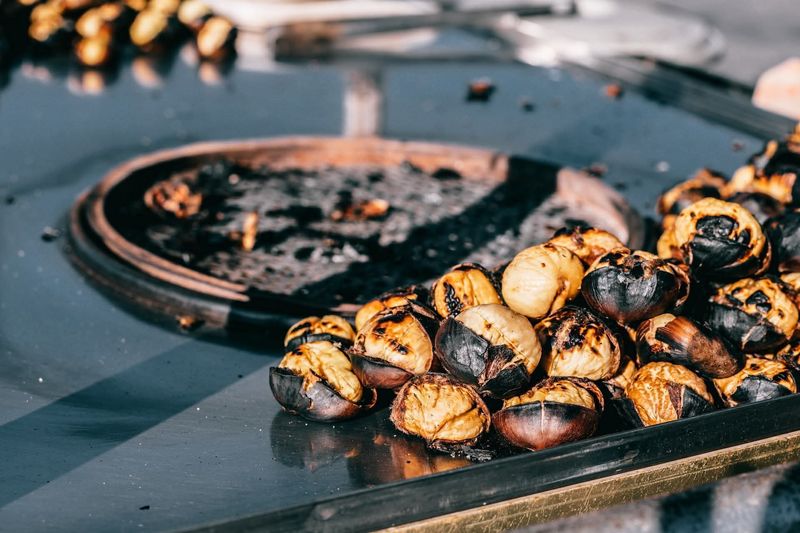
Smoke curling from little carts is a sure sign of fall in Lisbon. Vendors roast chestnuts right on the street and sell them in paper cones.
On November 11th, Portugal celebrates Saint Martin’s Day with roasted chestnuts and family gatherings. It is called Magusto.
To roast them at home, cut an X into each shell first. That stops them from popping and makes peeling the sweet, soft nut much easier.
17. Russian Sharlotka
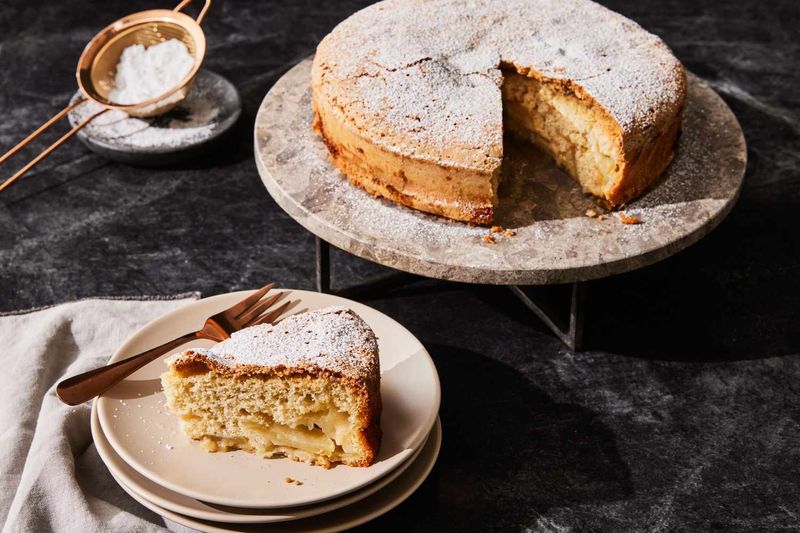
Short on time but craving something sweet? Russian families have relied on sharlotka for years because it takes just minutes to mix.
The batter needs only eggs, sugar, and flour. Pour it over sliced tart apples, bake, and you get a light, airy cake.
Many people grew up eating it after picking apples at their country cottages. A dusting of powdered sugar and a cup of tea complete it.
18. Filipino Ube Halaya
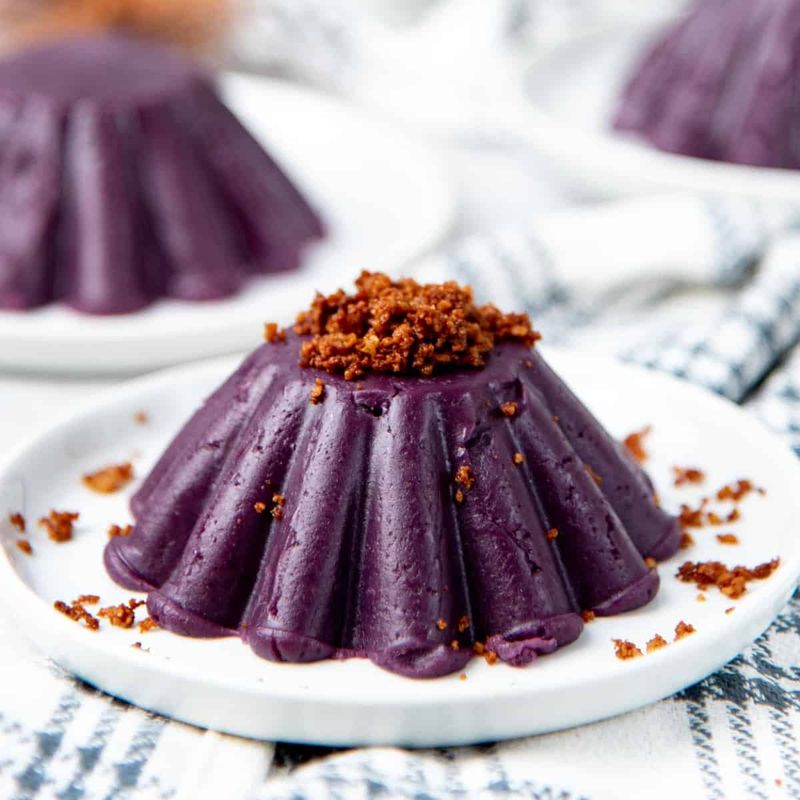
That bright purple color is totally natural. It comes from ube, a purple yam grown in the Philippines.
Ube halaya is made by mashing the yam and stirring it with coconut milk, condensed milk, and butter. It thickens into a smooth, sweet jam with a nutty, vanilla-like taste.
Filipinos often enjoy it during holiday gatherings that start as early as September. Spread some on toast, or add it to ice cream.
19. Canadian Maple Butter Tarts
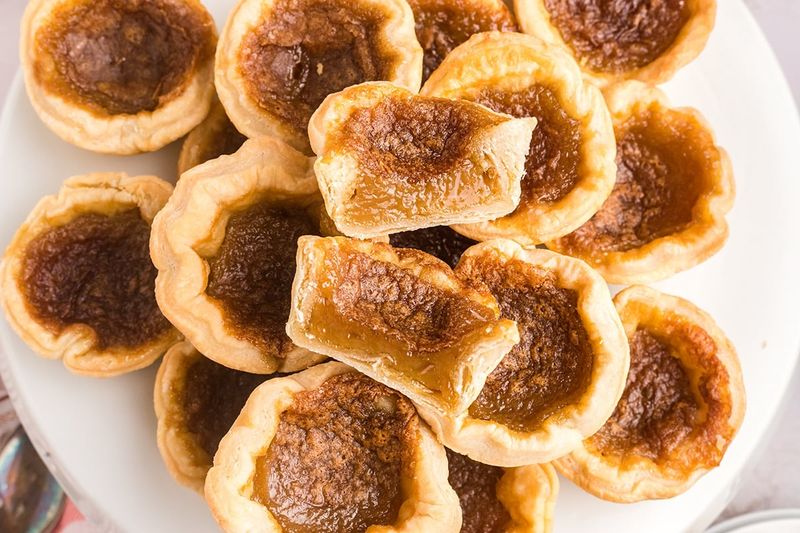
Canadians argue loudly about one big question: raisins or no raisins in butter tarts? Everyone has an opinion.
These little tarts have flaky pastry cups filled with butter, sugar, eggs, and maple syrup. The center bakes up gooey while the top gets slightly crunchy.
Ontario even has a Butter Tart Trail with dozens of bakeries. Pecans make a tasty twist if you are not team raisin.
20. Polish Szarlotka
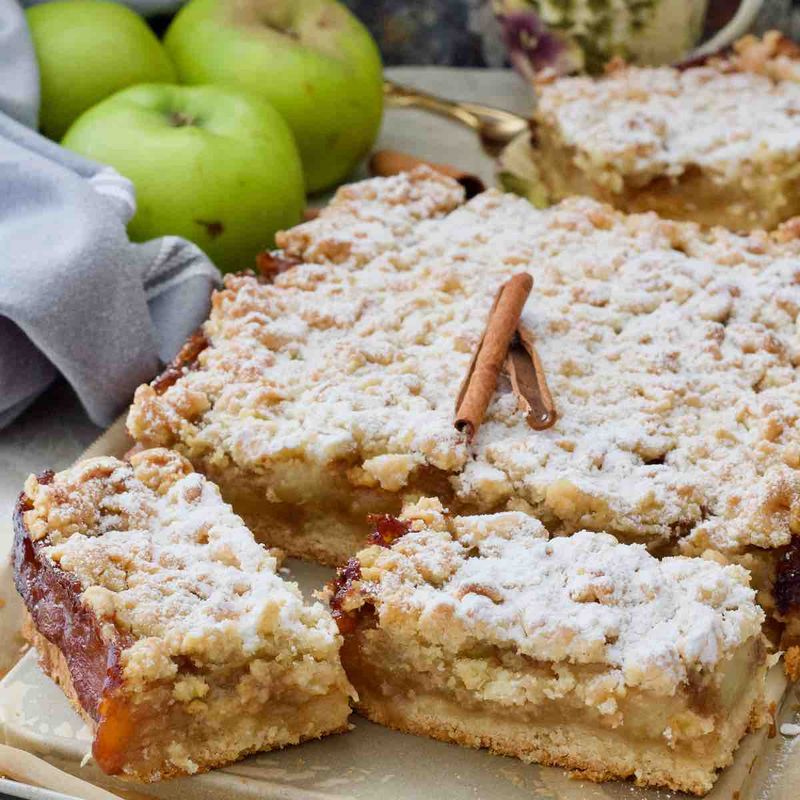
Not to be confused with its Russian cousin, Polish szarlotka is a heavier, crumbly delight. Think of it as apple pie meeting shortbread.
A buttery crust holds a thick layer of grated or stewed apples flavored with cinnamon. On top, a sweet streusel crumble adds crunch.
Polish grandmothers often serve it warm with ice cream when guests drop by. Tart apples like Granny Smith work best for balance.
21. Irish Barmbrack
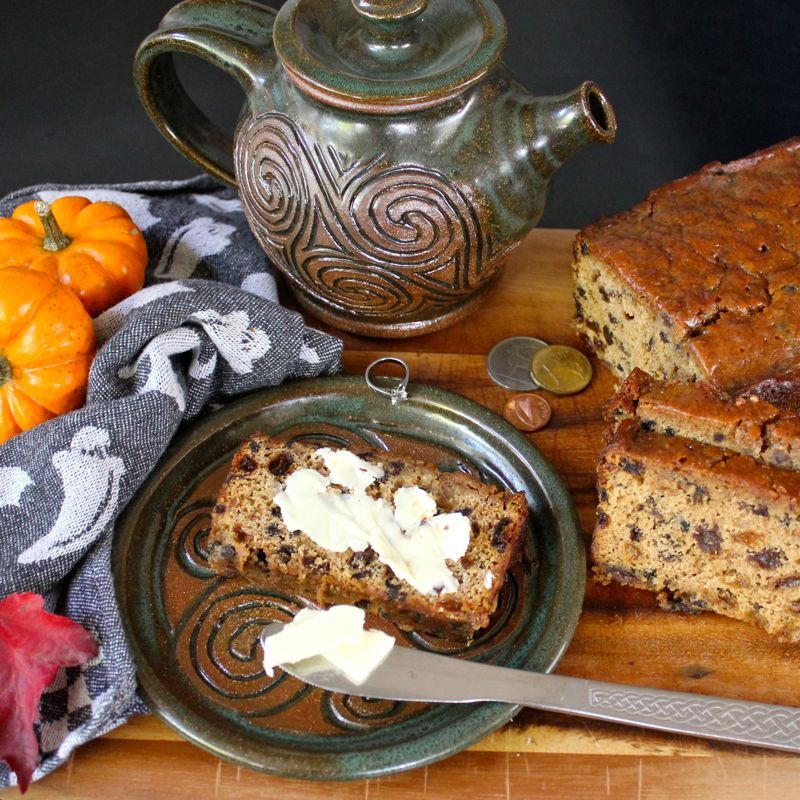
Bite carefully into barmbrack on Halloween. Irish families bake a ring inside, and whoever finds it is said to marry soon.
This sweet bread is packed with raisins and dried fruit soaked overnight in tea. The tea makes the fruit plump and juicy.
Halloween actually began in Ireland, so the tradition runs deep. Toast a thick slice and spread butter on top for a cozy snack.