
Most of us think we eat pretty well, but small daily choices can quietly add up over time. A quick snack here or a skipped meal there might not seem like a big deal.
Yet these little habits can affect your energy, mood, sleep, and long-term health. Read on to spot the sneaky patterns hiding in your routine and learn easy ways to fix them.
1. Skipping Breakfast on Busy Mornings
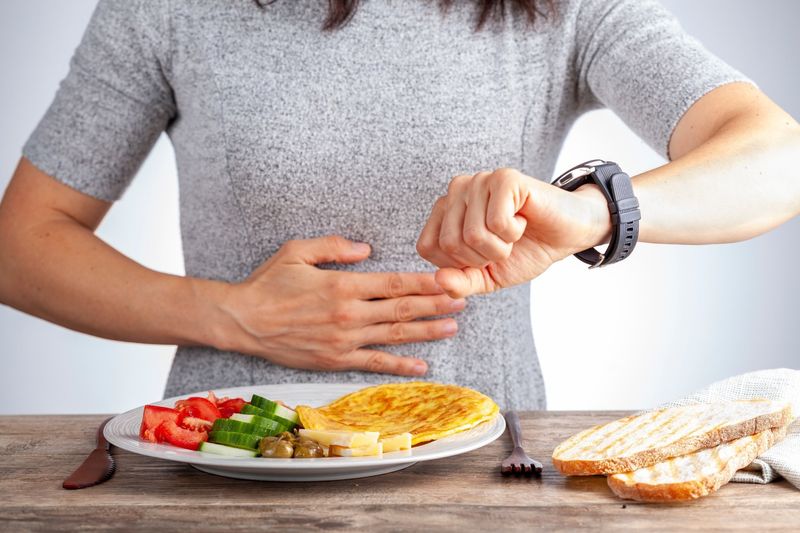
Picture yourself running out the door with nothing but coffee in your hand. By ten o’clock, your stomach growls and the vending machine starts calling your name.
Skipping breakfast often leads to overeating later in the day. Your body wakes up needing fuel to focus and stay steady.
Try something simple, like a banana with peanut butter or yogurt with oats. Even five minutes of eating can change your whole morning.
2. Eating in Front of a Screen

Ever looked down during a show and found your snack bowl suddenly empty? You’re definitely not alone.
Screens pull your attention away from food, so your brain misses signals that you’re full. Studies show people eat more when distracted by TV or phones.
Make one meal a day screen-free. Sit at a table, notice the flavors, and chew slowly.
You might find that a smaller portion actually feels more satisfying than before.
3. Drinking Your Calories

A large sweet coffee drink can hold as much sugar as three donuts. Surprising, right?
Sodas, juices, energy drinks, and fancy lattes sneak in loads of sugar without filling you up. Liquid calories slide down easily, so your body barely notices them.
Swap one sugary drink each day for water, sparkling water, or unsweetened tea. Add lemon, cucumber, or berries for flavor.
Your teeth and waistline will thank you.
4. Eating Way Too Fast
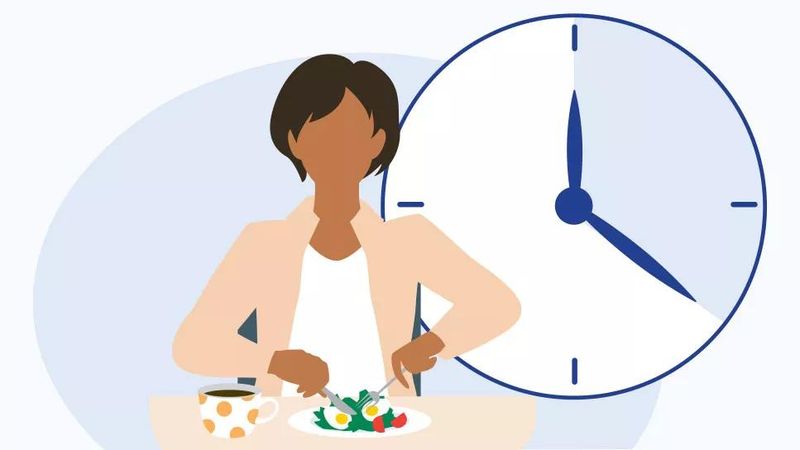
Your brain needs about twenty minutes to realize your stomach is full. Speedy eaters often finish before that message even arrives.
Gulping meals can cause bloating, heartburn, and eating more than you need. It also robs you of actually enjoying your food.
Put your fork down between bites. Take a sip of water now and then.
Chat with someone at the table. Slowing down feels strange at first, but it quickly becomes a pleasant habit.
5. Trusting Every Health Label
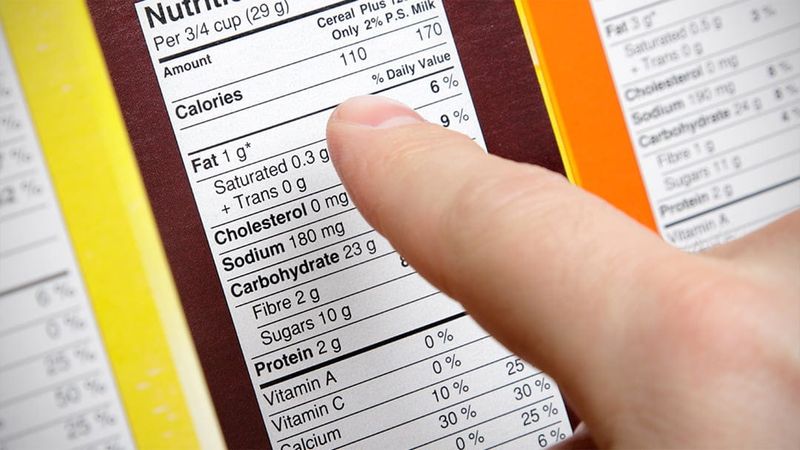
Words like natural, light, and low-fat look great on a box. Sadly, they don’t always mean healthy.
Many low-fat foods replace fat with extra sugar or salt to keep the taste. Granola bars and flavored yogurts are common sneaky offenders.
Flip the package over and read the nutrition facts instead. Check sugar, sodium, and serving size.
A short ingredient list with words you recognize is usually a much better sign.
6. Grazing All Day Long
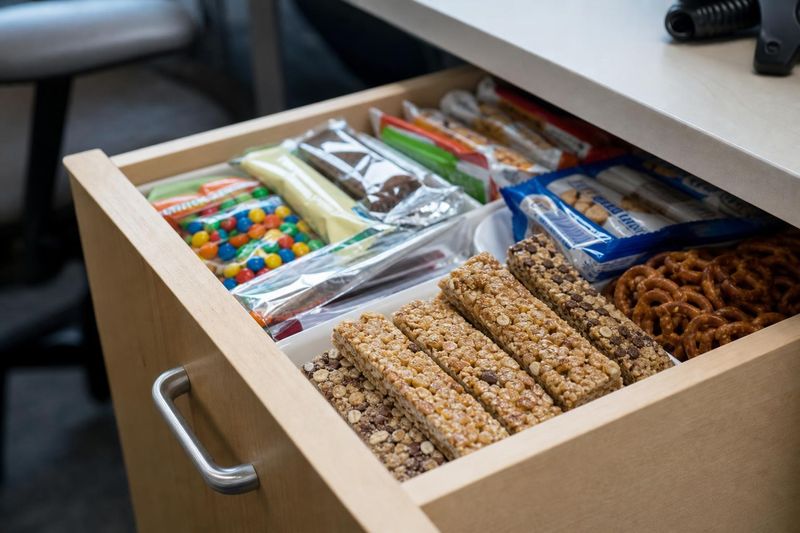
Nibble, nibble, nibble. A handful of crackers at nine, some candy at eleven, chips by two o’clock.
Constant snacking makes it hard to know how much you’ve really eaten. It can also keep your blood sugar bouncing up and down all day.
Plan regular meals with one or two planned snacks in between. Keep treats out of sight.
When hunger hits, ask yourself if you’re truly hungry or simply bored.
7. Forgetting to Drink Water
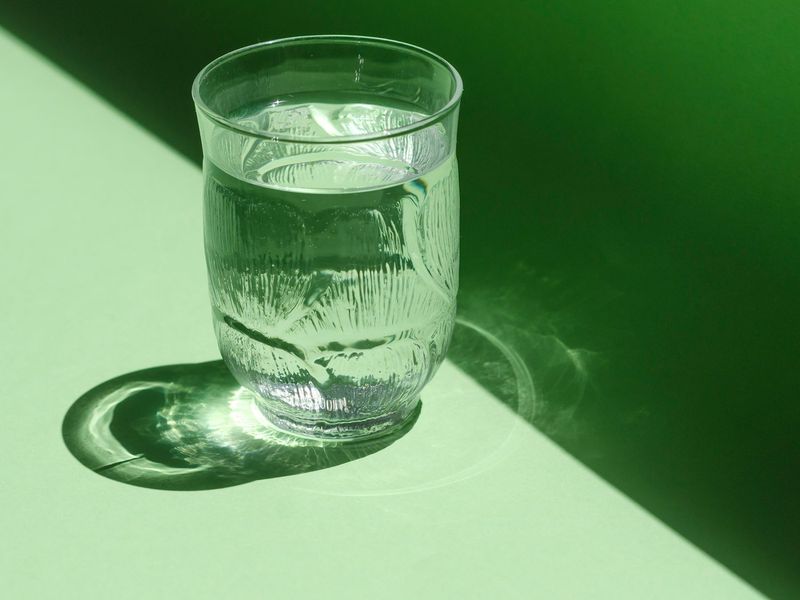
Feeling hungry an hour after lunch? You might actually be thirsty.
Thirst and hunger signals feel surprisingly similar, so many people grab food when their body just wants water. Mild dehydration can also cause headaches and tiredness.
Keep a reusable bottle nearby and sip throughout the day. Fun fact: your body is about sixty percent water.
Try drinking a glass before each meal and see how your energy changes.
8. Late-Night Fridge Raids
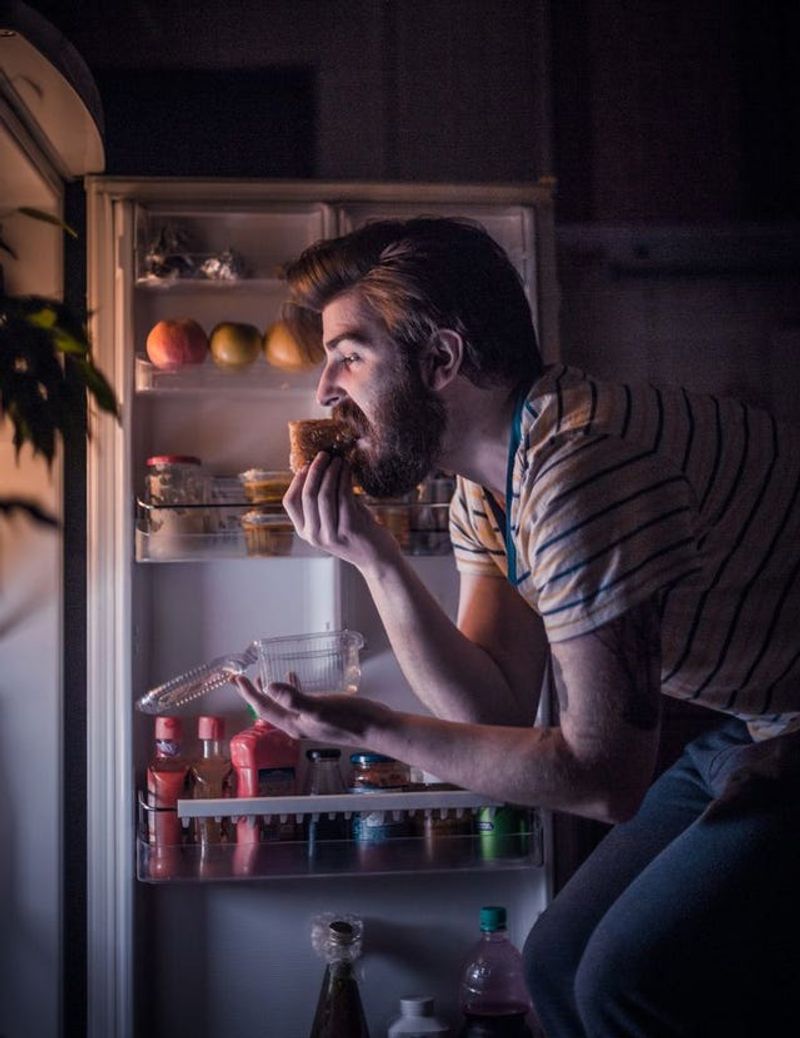
The house is quiet, the fridge light glows, and suddenly leftover pizza sounds amazing.
Eating heavy food late at night can disturb your sleep and cause indigestion. Often, midnight snacking comes from tiredness or stress rather than true hunger.
Eat a balanced dinner with protein and fiber so you feel full longer. If you still need something, choose a light option like a small apple or a few nuts.
Then brush your teeth to signal the kitchen is closed.
9. Piling On Oversized Portions
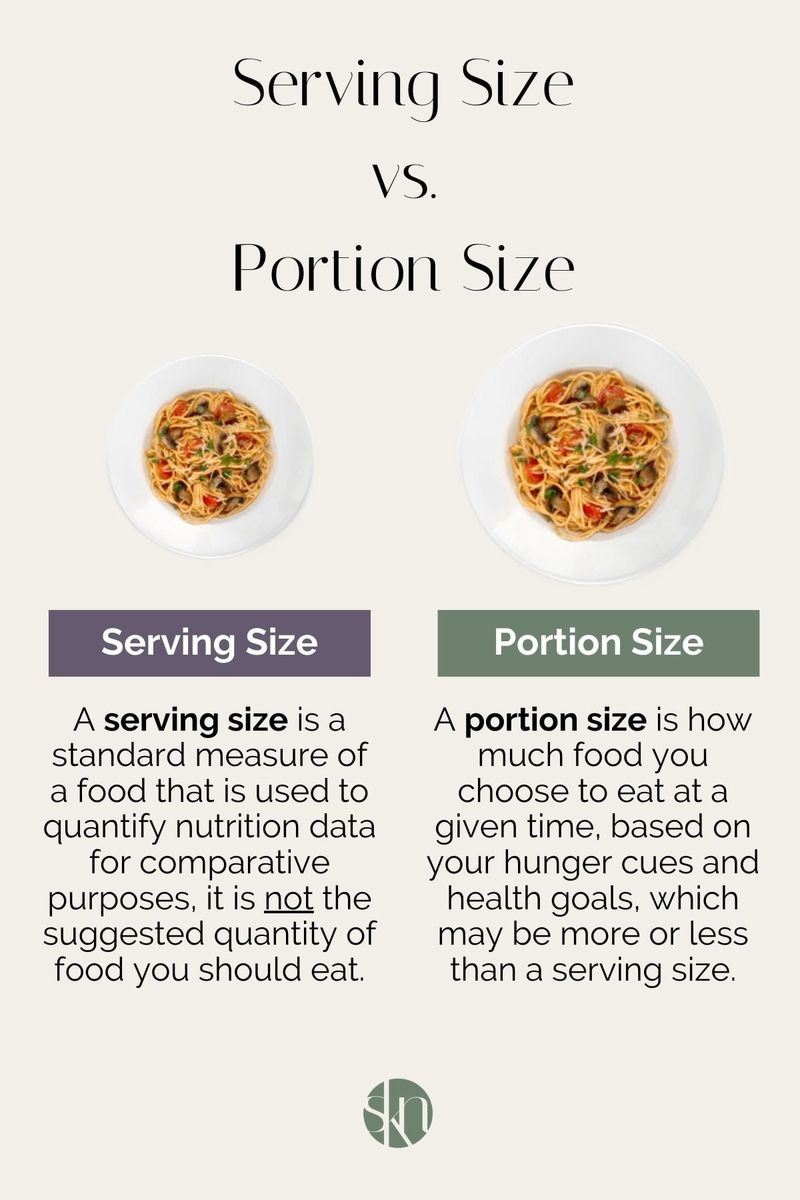
Dinner plates today are much bigger than they were fifty years ago. Bigger plates often mean bigger portions without us noticing.
Eating huge servings regularly can lead to weight gain and that sluggish, overstuffed feeling.
Here’s a clever trick: use smaller plates and bowls. Fill half your plate with veggies, a quarter with protein, and a quarter with grains.
Wait a few minutes before going back for seconds. You may realize you’re already satisfied.
10. Saving Up Calories for Later
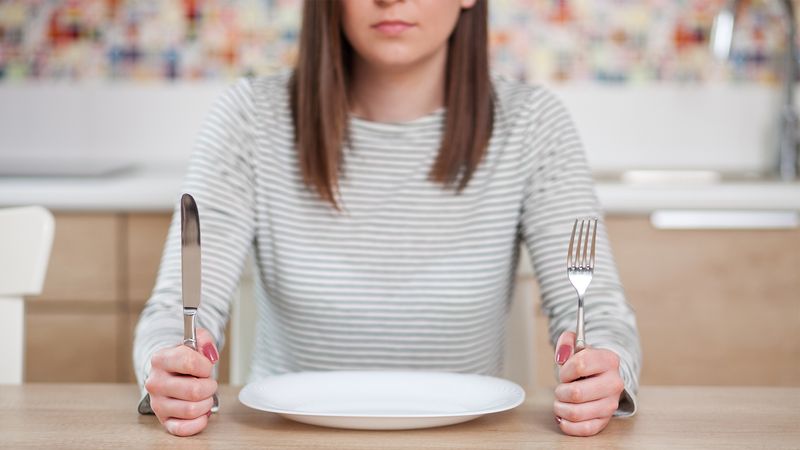
Planning a big dinner out? Many people skip meals all day to make room for it.
Unfortunately, this plan usually backfires. You show up starving and end up eating far more than you would have otherwise.
Your mood and focus suffer during the day too.
Eat normal, lighter meals before a big event. A small snack beforehand helps you make calmer choices at the table and actually enjoy the occasion.
11. Reaching for Food When Stressed

Bad day at school or work? A tub of ice cream suddenly feels like a best friend.
Emotional eating is super common. Stress hormones can make us crave sugary, salty, and fatty foods.
The comfort lasts a few minutes, but the problem stays.
Try other ways to calm down first. Go for a walk, call a friend, listen to music, or write in a journal.
Food should fuel you, not fix your feelings.
12. Overloading on Hidden Salt

Most of the salt we eat doesn’t come from the shaker. Around seventy percent hides inside packaged and restaurant foods.
Bread, canned soups, deli meats, and frozen meals can be loaded with sodium. Too much salt may raise blood pressure over time.
Cook at home more often and season with herbs, garlic, lemon, or spices. When buying canned goods, look for low-sodium versions.
Rinsing canned beans also washes away some extra salt.
13. Ignoring Fruits and Veggies
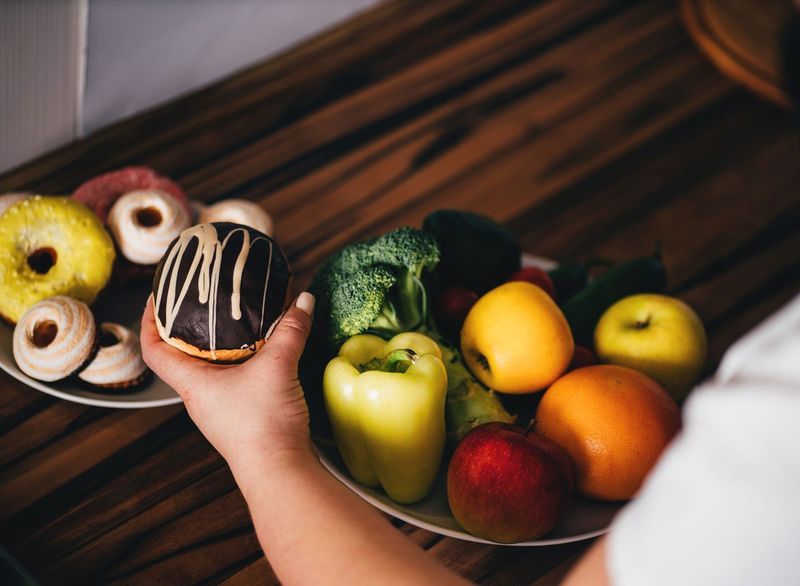
Look at your plate right now. Is it mostly beige?
Fries, bread, pasta, and nuggets all share the same color.
Fruits and vegetables give your body vitamins, fiber, and protection against illness. Most people eat far fewer than they should.
Start small. Toss spinach into a smoothie, add berries to cereal, or keep baby carrots handy for snacking.
Aim to eat a rainbow of colors each day. Your plate will look prettier too.
14. Cleaning Your Plate Out of Habit

Many of us grew up hearing, finish your plate, there are hungry kids in the world. That lesson stuck around for decades.
Eating until the plate is empty teaches us to ignore our body’s fullness cues. Over time, that can lead to regular overeating.
Listen to your stomach instead of the plate. Serve smaller amounts and save leftovers for tomorrow.
Wasting less food and eating mindfully can go hand in hand.
15. Falling for Sneaky Sugars
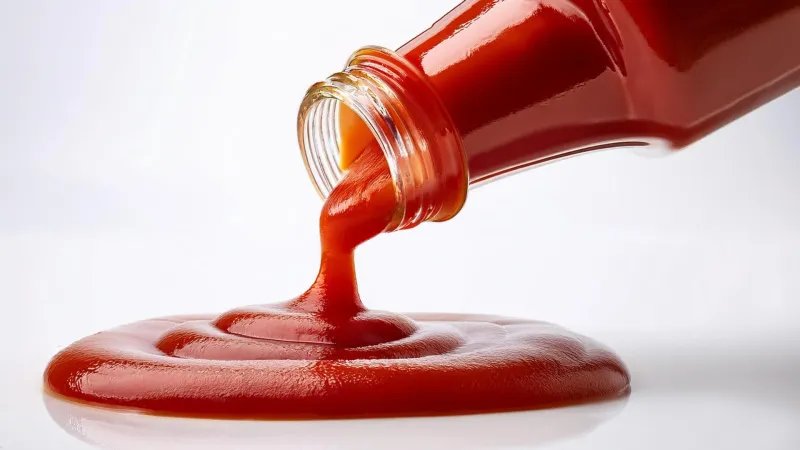
Ketchup, pasta sauce, salad dressing, and bread can all hide surprising amounts of sugar. It’s sneakier than you think.
Sugar goes by more than fifty different names on labels, including corn syrup, dextrose, and maltose. Eating too much can affect energy, teeth, and heart health.
Read ingredient lists and watch for words ending in ose. Choose plain yogurt and add your own fruit.
Making sauces at home gives you full control.
16. Fearing All Fats
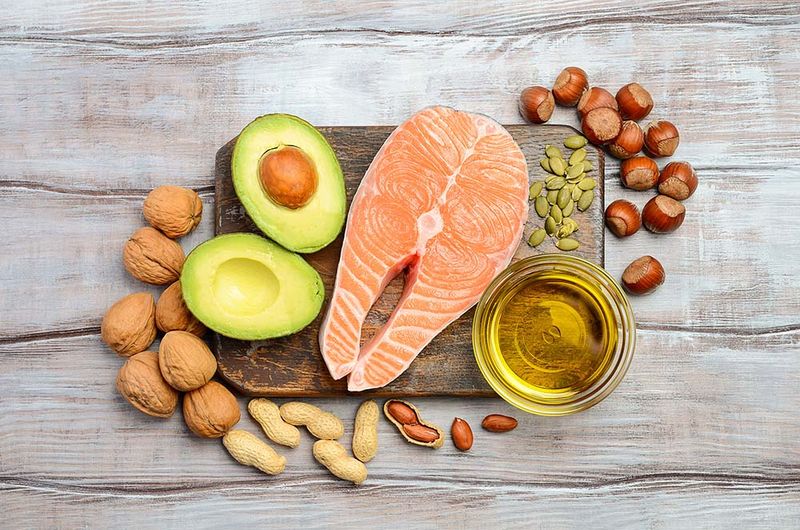
Back in the nineties, fat was treated like the ultimate food villain. Turns out, that wasn’t quite fair.
Your body needs healthy fats to absorb vitamins, support your brain, and keep you full. Avocados, nuts, olive oil, and fish are great choices.
The fats to limit are mostly found in fried foods and heavily processed snacks. So go ahead and drizzle olive oil on your salad without feeling guilty.
17. Living on Takeout
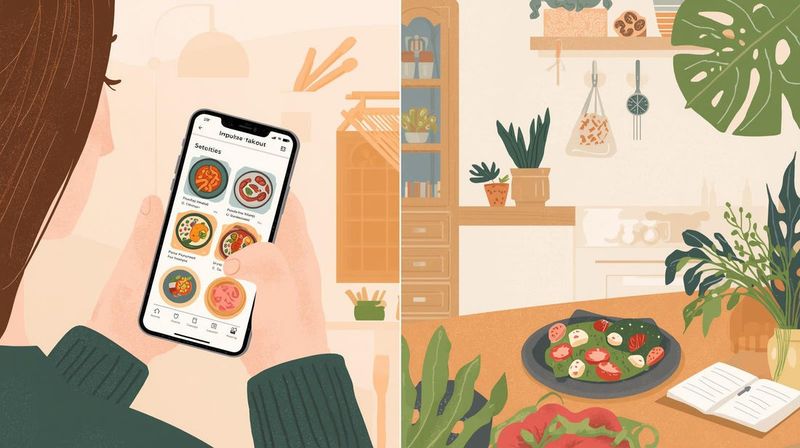
Tap, tap, order placed. Food delivery apps make dinner almost too easy.
Restaurant meals usually contain more salt, oil, and sugar than home cooking. Portions also tend to be much larger, and the costs add up fast.
You don’t have to quit takeout completely. Try cooking at home three nights a week.
Simple meals like stir-fries, tacos, or sheet pan dinners take about thirty minutes and taste fantastic.
18. Shopping While Hungry

Ever walked into a grocery store starving and left with three bags of cookies? Hunger is a terrible shopping buddy.
When your stomach is empty, junk food looks extra tempting and impulse buys sneak into your cart. Those snacks then live in your pantry, calling your name.
Eat a snack before heading out and bring a written list. Stick mostly to the outer edges of the store, where fresh foods usually live.
19. Skimping on Protein
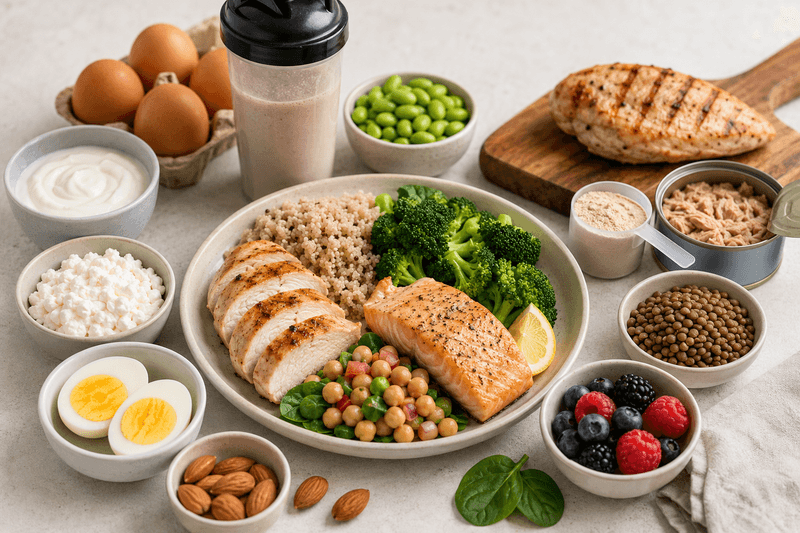
Toast for breakfast, pasta for lunch, crackers for a snack. Sound familiar?
Protein often gets left out.
Protein helps build muscles, repair your body, and keep you feeling full longer. Without enough, you might feel hungry soon after eating.
Add a protein source to every meal. Eggs, beans, chicken, fish, tofu, Greek yogurt, and lentils are all easy options.
Even a handful of nuts with your afternoon snack makes a difference.
20. Rewarding Yourself With Junk Food

Finished a tough project? Time for a cupcake!
Many of us learned as kids that treats mean good job.
Using food as a reward builds a strong link between sugar and happy feelings. That habit can be hard to break as an adult.
Celebrate wins in other ways. Watch a favorite movie, buy a new book, take a relaxing bath, or plan a fun outing.
Treats are fine sometimes, just not as prizes.
21. Following Extreme Diet Trends
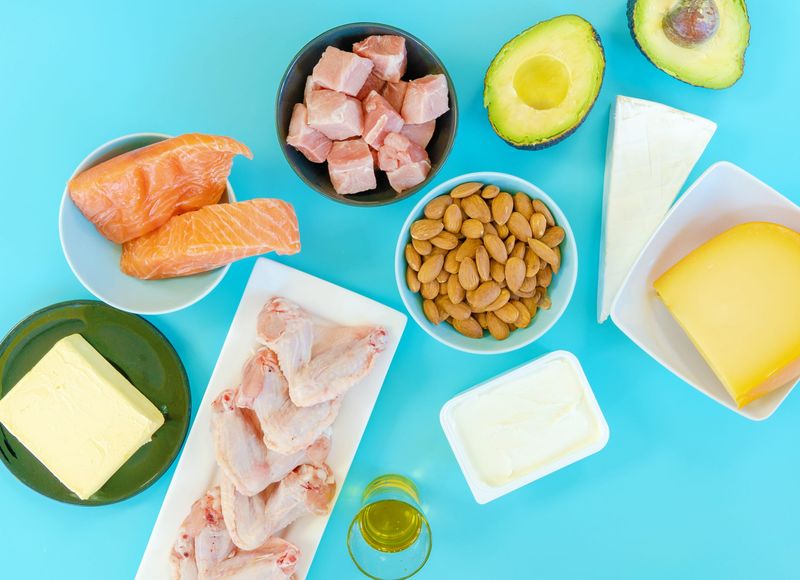
Juice cleanses, no-carb plans, cabbage soup diets. Every month, social media buzzes about a new miracle trend.
Extreme diets often cut out important nutrients and are hard to stick with. Many people regain lost weight once the diet ends, sometimes even more.
Real progress usually comes from small, steady changes you can keep forever. Focus on balance, variety, and enjoyment.
If you need guidance, talk to a doctor or registered dietitian.