
A great Italian meal can turn simple ingredients into something you remember for years. But a famous name on a menu does not always mean you will love what arrives.
Here are eight dishes worth seeking out and seven that may disappoint because of their taste, texture, or a mix-up when ordering. Food is personal, so the less appealing choices might still be someone else’s favorites.
1. Pizza Margherita: Simplicity Worth Every Bite
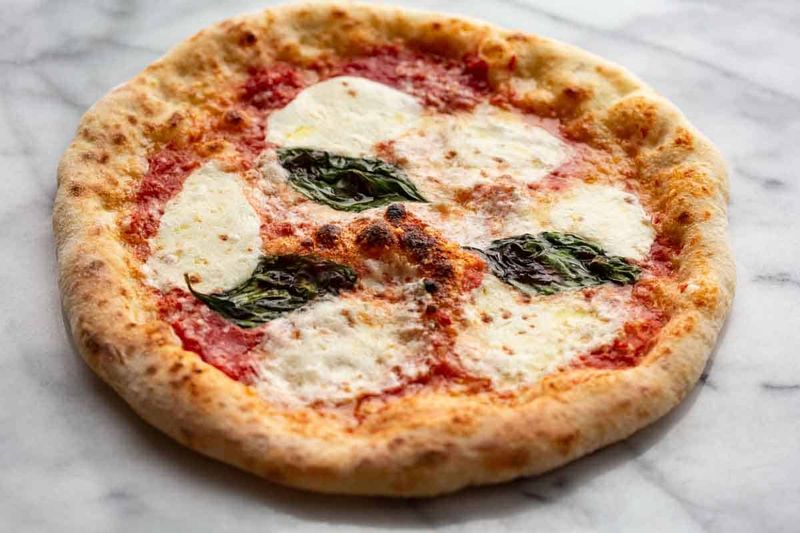
A few good ingredients can steal the whole show. Born in Naples, pizza Margherita pairs tomato, mozzarella, and basil with a crust that should feel soft inside and lightly charred outside.
Look for a place that bakes pizzas quickly in a very hot oven. Eat yours while it is fresh, before the center gets soggy.
Skip extra toppings on your first try so you can enjoy the balance that makes this classic such a favorite.
2. Lasagna: Layers of Comfort That Deliver
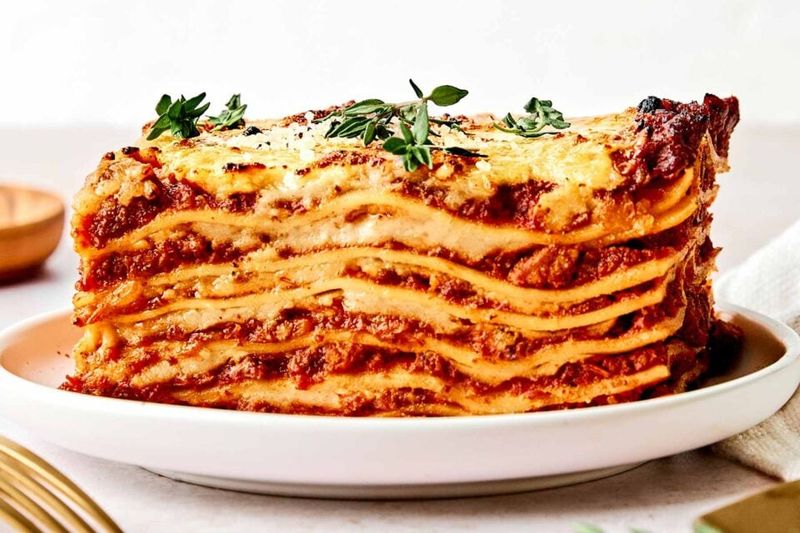
Sunday dinner feels built into every warm, bubbling slice. Lasagna from Emilia-Romagna often brings together pasta sheets, meat ragù, béchamel, and cheese, creating rich layers rather than a pile of heavy toppings.
A good serving holds its shape but stays tender when your fork slides through. Let homemade lasagna rest briefly after baking for cleaner slices.
Pair it with a crisp green salad, and consider a smaller portion if you want room for dessert afterward.
3. Cacio e Pepe: A Tiny Ingredient List, a Big Reward
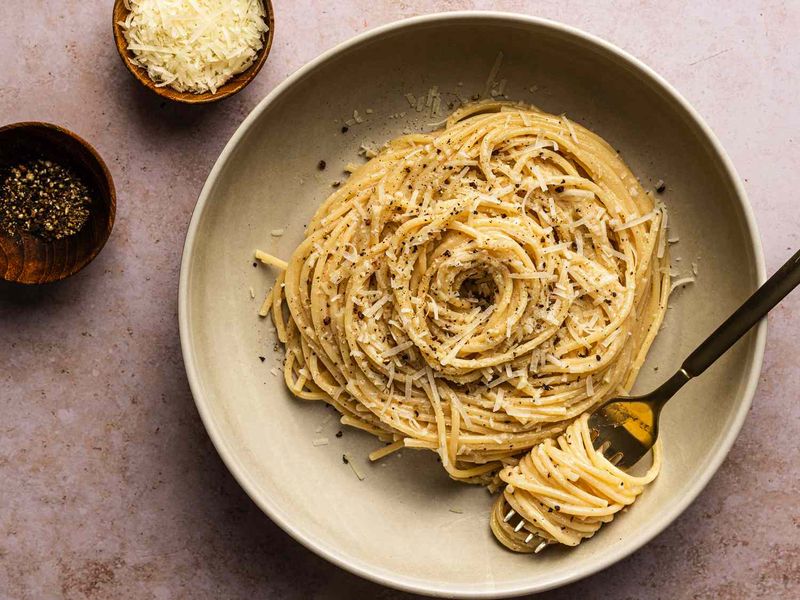
Three basic ingredients sound almost too easy, until you try making the sauce. Rome’s cacio e pepe uses pasta, Pecorino Romano, and black pepper, with starchy cooking water helping everything turn smooth.
The magic depends on careful heat control, not cream. At home, take the pan off strong heat before adding cheese to reduce clumping.
Order it where pasta gets attention, and expect a salty, peppery bite that feels surprisingly rich without needing much else.
4. Spaghetti Carbonara: Richness Without the Cream
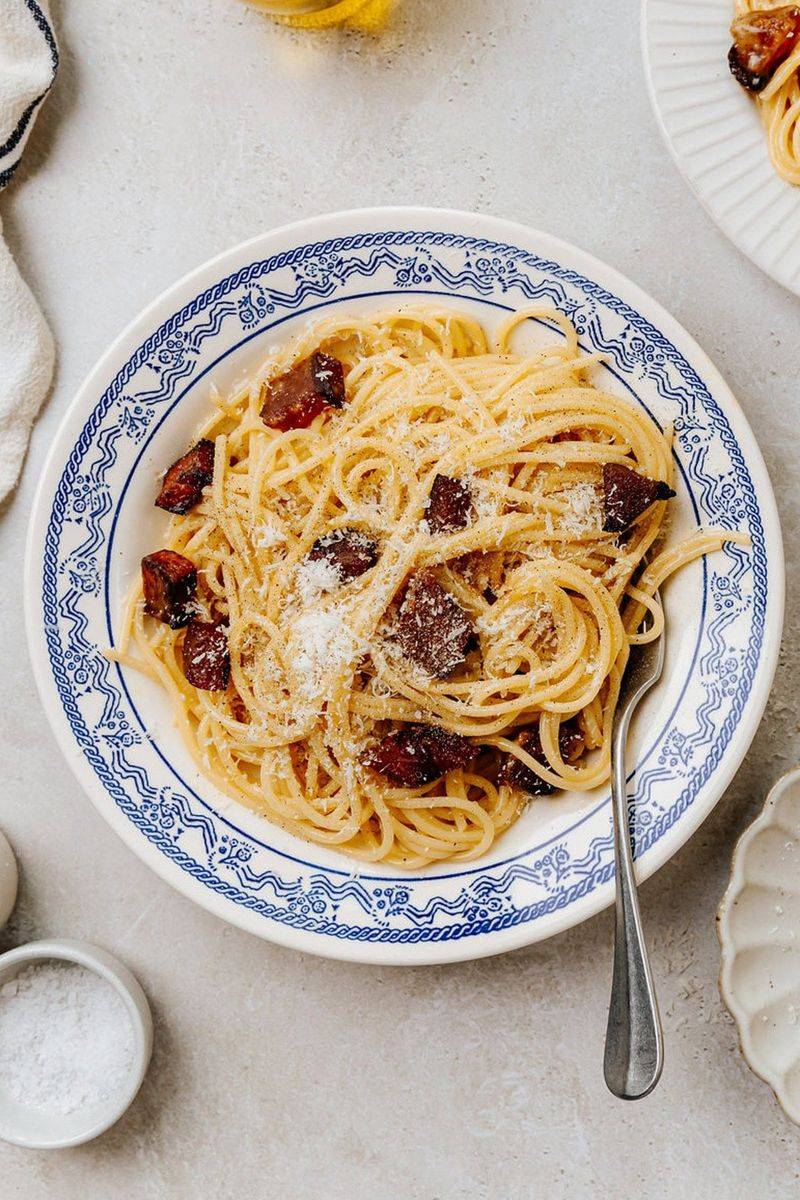
Forget the cream jug; eggs do the heavy lifting here. Traditional Roman carbonara combines pasta with guanciale, cheese, eggs, and black pepper for a sauce that coats each strand.
Guanciale is cured pork jowl, and its rendered fat adds much of the flavor. When cooking, mix the eggs away from direct heat so they do not scramble.
Ask about ingredients before ordering if authenticity matters to you, since restaurant versions can vary quite a lot.
5. Risotto alla Milanese: Golden Rice That Earns Its Place
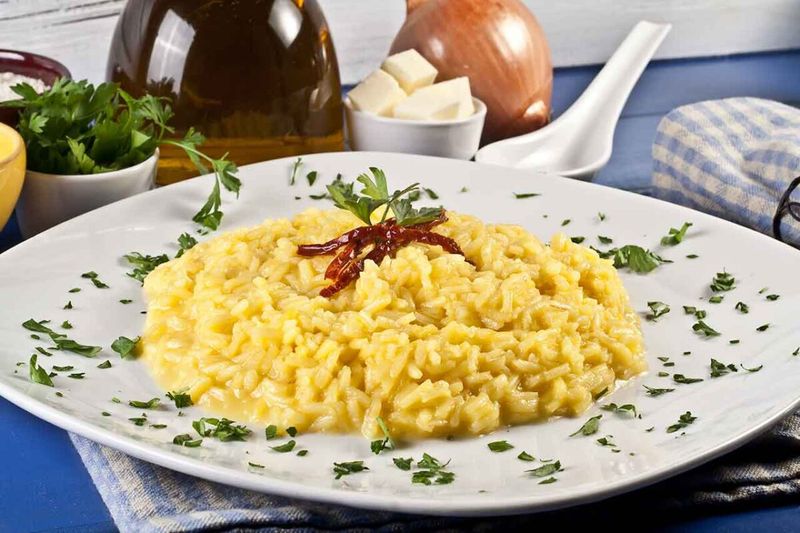
That golden color is more than decoration. Saffron gives Milan’s famous risotto its warm hue and a delicate flavor that can seem earthy and slightly floral.
Well-made risotto spreads gently on the plate instead of standing in a stiff mound. The rice should stay slightly firm at its center.
Enjoy it alone to notice the saffron, or beside ossobuco for a richer meal. Serve immediately at home, because waiting changes the texture faster than expected.
6. Arancini: Crunchy Sicilian Treasure

One crunchy bite reveals a soft rice center hiding something delicious. Sicily’s arancini are fried rice snacks, often filled with meat ragù, peas, and mozzarella, though fillings and shapes vary.
Choose freshly cooked ones with a crisp coating rather than snacks sitting around until their crust turns soft. They make a handy lunch, but the filling can be very hot.
Break one open before biting, and share different varieties if you spot several tempting choices.
7. Ossobuco alla Milanese: Slow Cooking at Its Best
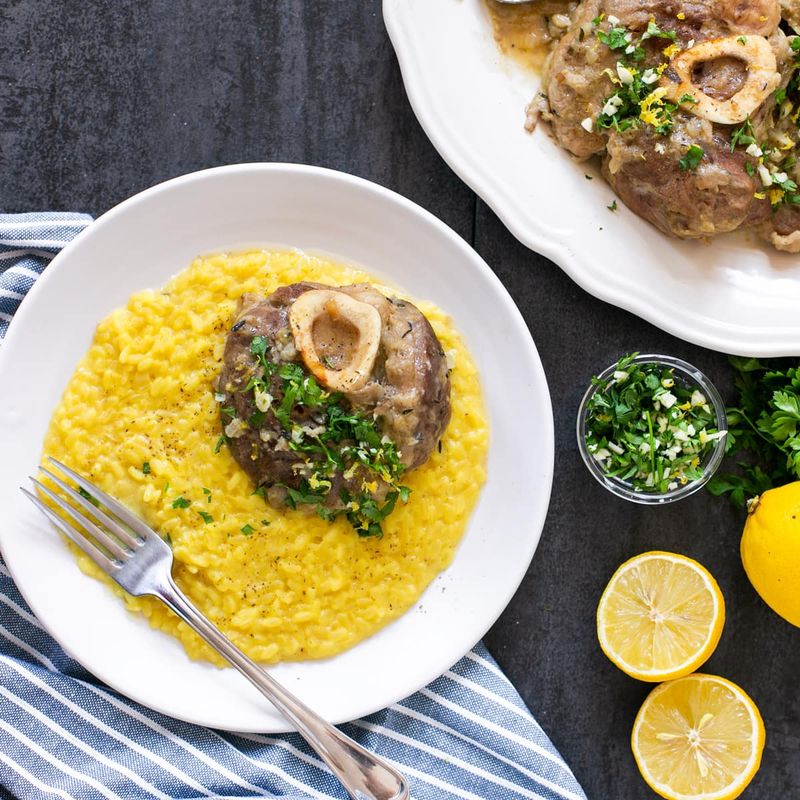
Patience pays off when a tough cut becomes tender enough for a fork. Ossobuco alla Milanese features veal shanks slowly braised with vegetables, white wine, and broth, leaving a marrow bone at the center.
A finishing sprinkle of gremolata, usually parsley, lemon zest, and garlic, brightens the rich meat. Look for tender pieces that still hold together.
Spoon out the marrow if you enjoy it, and choose saffron risotto alongside for a classic Milanese pairing.
8. Tiramisu: A Sweet Finish Worth Saving Room For
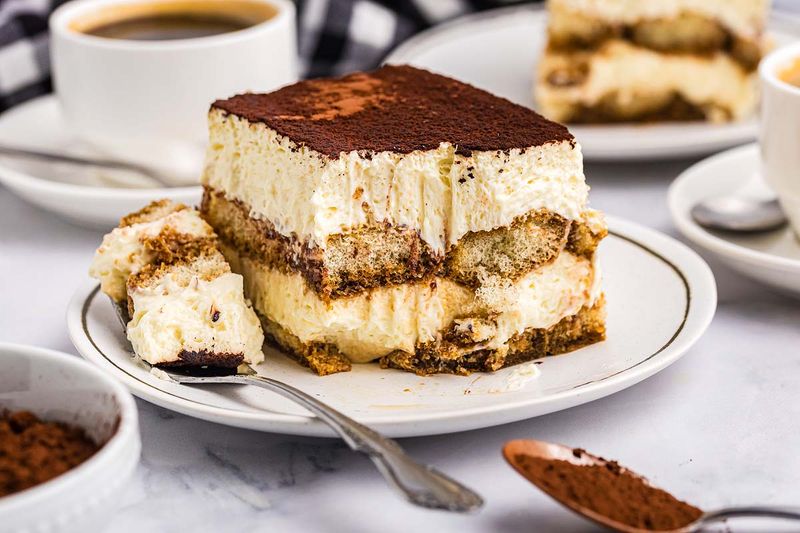
Coffee and cocoa make dessert feel grown up without losing its comfort. Tiramisu layers soaked ladyfingers with mascarpone cream, creating a soft treat that balances sweetness with a pleasant bitter edge.
The best versions taste airy rather than greasy, with biscuits that are moist but not swimming in liquid. Recipes may contain alcohol and raw eggs, so ask when those matter.
Keep homemade servings chilled, and use pasteurized eggs if your recipe leaves them uncooked.
9. American Penne Alfredo: A Heavy Detour
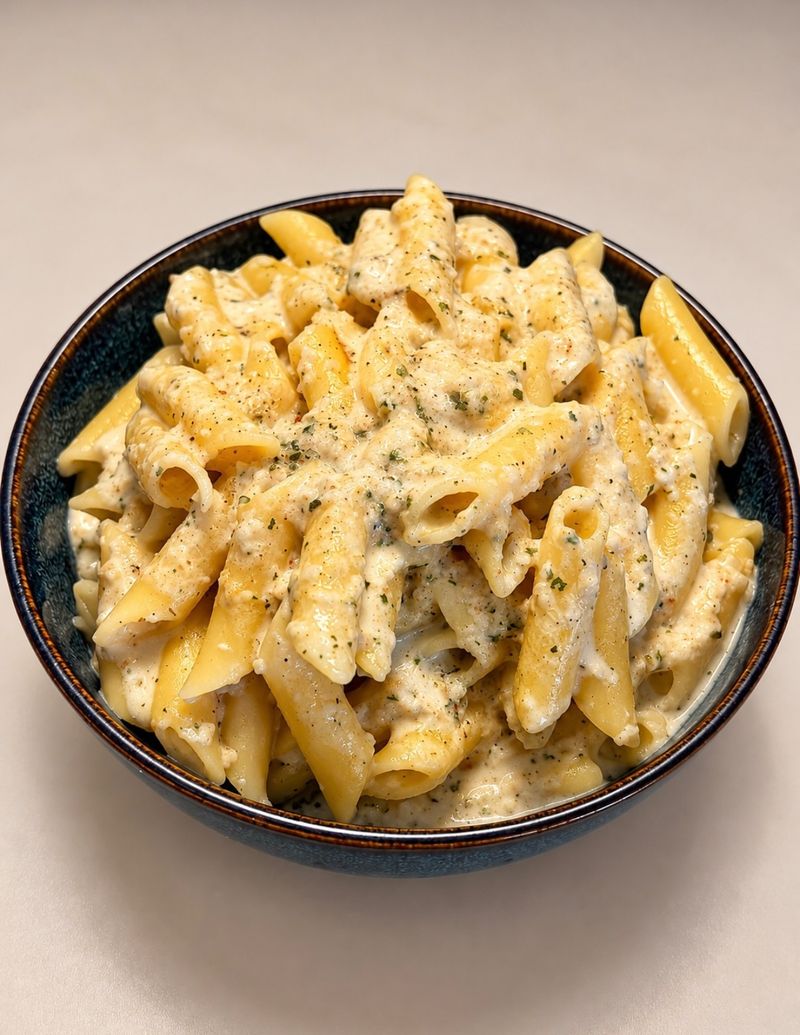
A blanket of thick sauce can hide the pasta underneath. American penne Alfredo often includes cream and garlic, unlike the Roman butter-and-cheese fettuccine that inspired the name.
That does not make it bad food, but it can disappoint anyone seeking a lighter, traditional Italian meal. Heavy portions may also feel tiring after a few bites.
If you enjoy it, order a smaller serving and add vegetables alongside. For a different experience, seek butter-and-cheese fettuccine instead.
10. Spaghetti with Meatballs: Familiar, but Not the Expected Classic
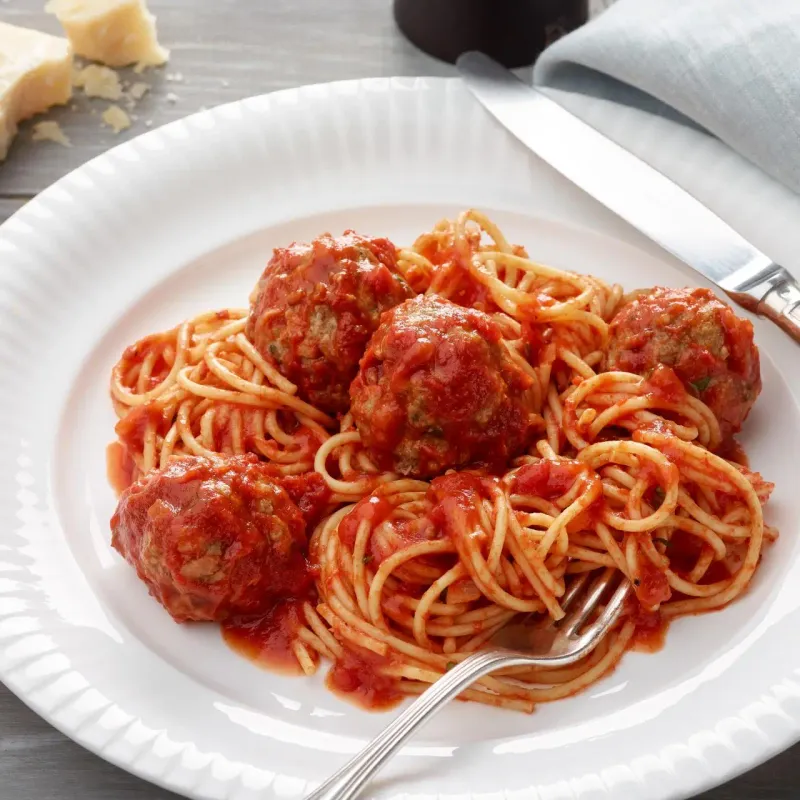
Movie-night comfort and Italian tradition are not always the same thing. Large meatballs piled onto spaghetti are strongly linked to Italian-American cooking, although some Italian regional dishes pair pasta with smaller meatballs.
In Italy, polpette are often served separately rather than on spaghetti. Expecting the familiar American plate can therefore lead to confusion.
Enjoy it for what it is, but check menu descriptions when traveling. A giant portion may also leave little room for anything else.
11. Pepperoni Pizza: An Ordering Trap in Italy
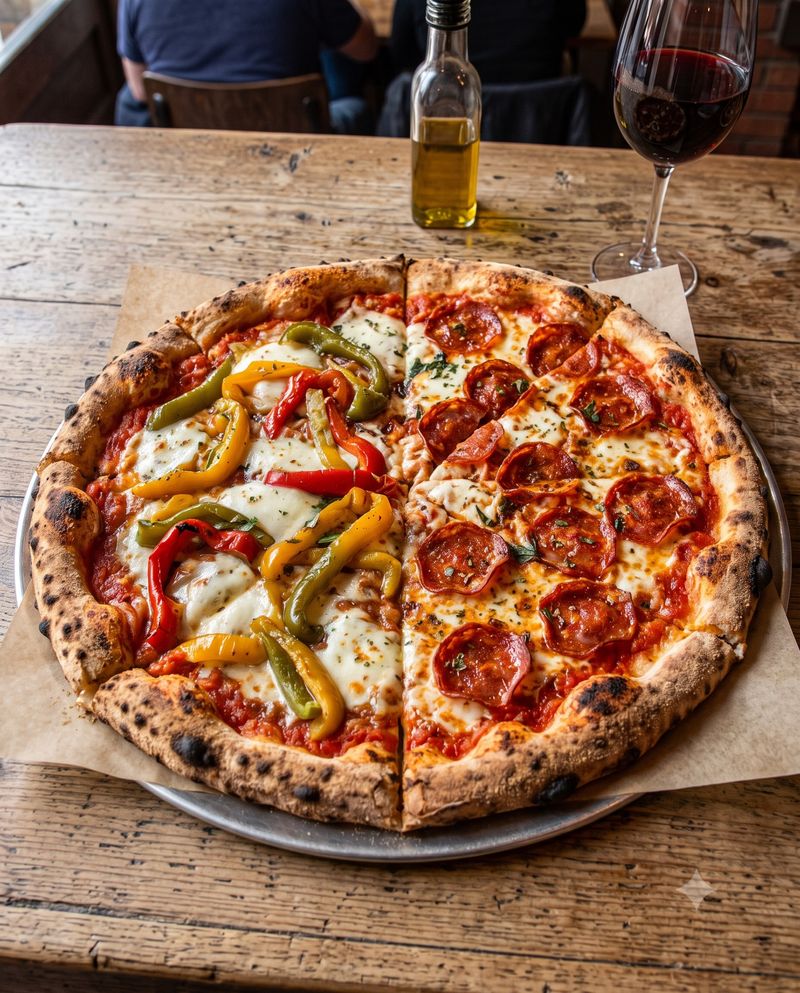
Your pizza order can take an unexpected turn with one word. In Italian, peperoni means bell peppers, while the American word pepperoni usually describes a spicy sausage topping.
Spelling and language matter more than pizza quality in this case. Ask for salame piccante when you want spicy salami, and check the menu before assuming a familiar name means the same thing.
Pepper pizza can be lovely, but it will not satisfy a craving for smoky sausage.
12. Pasta e Alici: A Bold Bite for Anchovy Fans
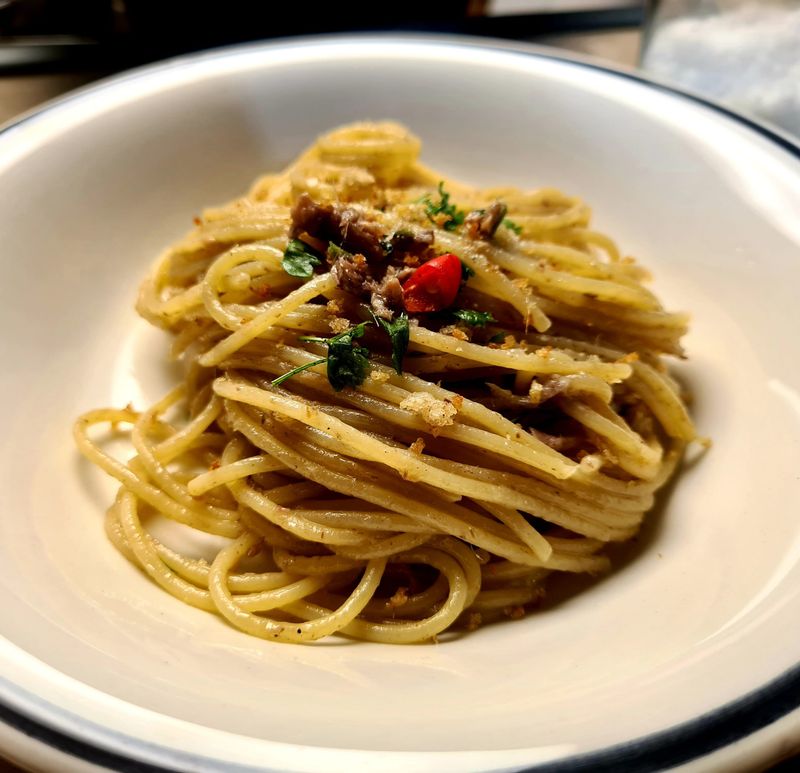
Anchovies announce themselves before everyone at the table is ready. Pasta e alici pairs pasta with these small fish, often alongside olive oil, garlic, or breadcrumbs, depending on the recipe.
Fans enjoy the deep savory flavor, but fishiness and salt can overwhelm diners who prefer mild sauces. Ask whether the kitchen uses fresh or preserved anchovies, since the experience differs.
Try a shared portion first rather than rejecting the dish outright or committing your whole dinner.
13. Mostarda: Sweet Looks, Mustard Surprise
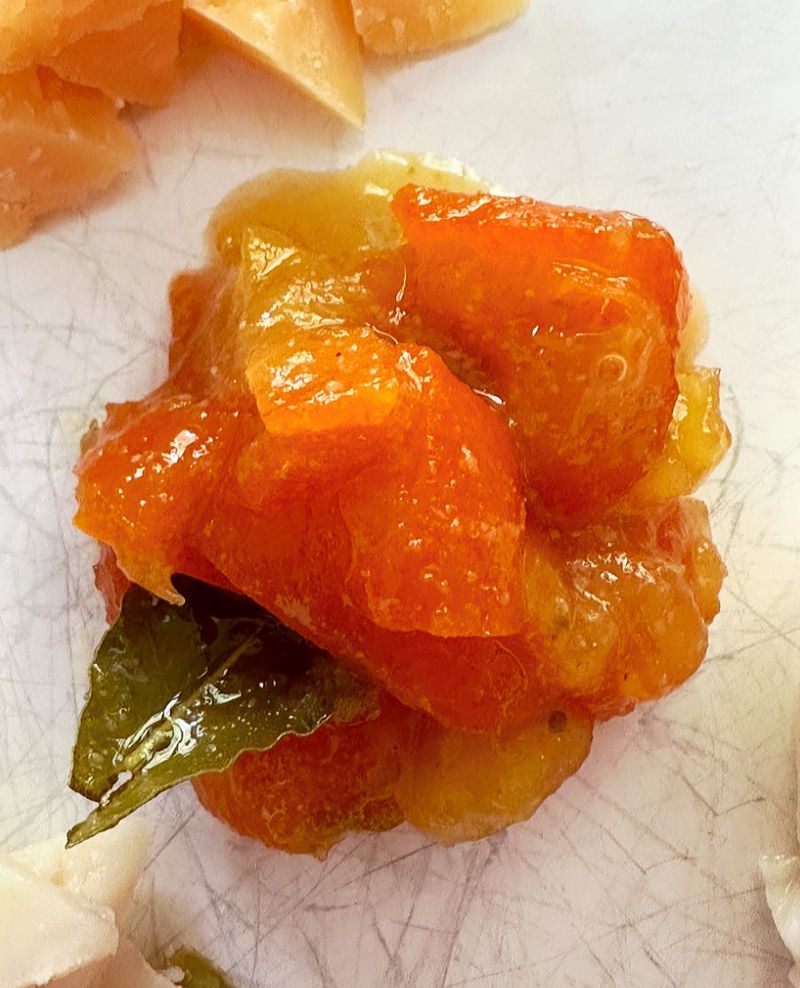
Those shiny pieces of fruit are not an ordinary dessert. Mostarda combines preserved fruit with mustard flavoring, delivering sweetness followed by a sharp kick that may catch you off guard.
It is a condiment, especially associated with northern Italy, rather than a dish to eat by the bowlful. Taste a small amount with cheese or boiled meat, where the contrast makes more sense.
Anyone expecting jam may feel disappointed, but adventurous eaters might love the surprise.
14. Lampredotto: Florence’s Challenging Street-Food Favorite
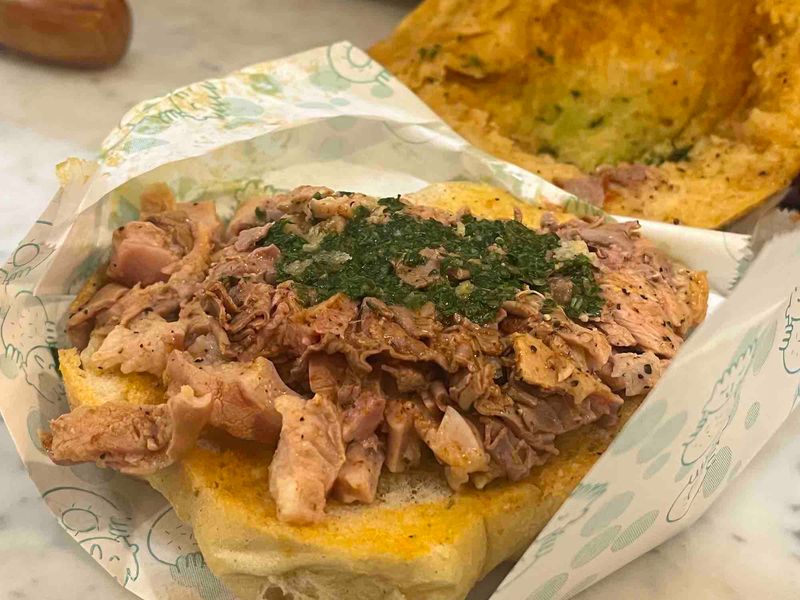
Florence has a sandwich that asks you to be brave. Lampredotto uses the cow’s fourth stomach, slowly cooked until tender, then tucked into bread, often with green sauce.
Its soft texture and earthy taste can challenge anyone unfamiliar with organ meats. Still, it is a valued local tradition, not a cooking mistake.
Choose a busy stall, ask about spicy sauce, and share your first sandwich. Knowing the ingredient beforehand helps prevent an unpleasant surprise at lunch.
15. Trippa alla Romana: A Texture That Divides the Table
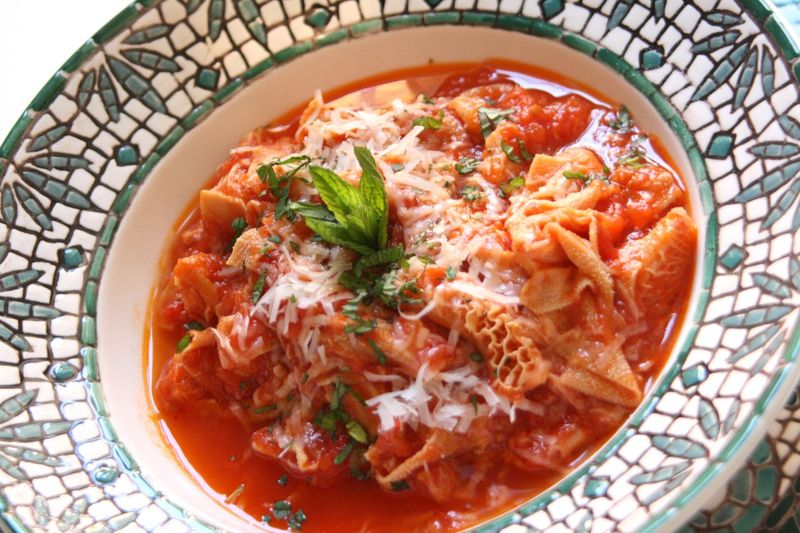
Sometimes texture matters more than the sauce surrounding it. Trippa alla Romana cooks beef tripe in tomato sauce, commonly with mint and Pecorino Romano, giving a humble ingredient plenty of flavor.
The ridged pieces can feel springy or chewy, which is where some diners lose interest. Good preparation should leave the tripe tender, not rubbery.
If you are curious, start with a small serving and bread alongside. Skip it if unusual meat textures already bother you.