
A new band member can change much more than the faces on stage. A different voice, a fresh guitar style, or a stronger beat can send familiar music in a surprising direction.
Some groups found their biggest hits after a major shakeup, while others discovered a whole new sound. These stories show how change can open doors that once seemed closed.
1. Fleetwood Mac Finds Its Pop Spark
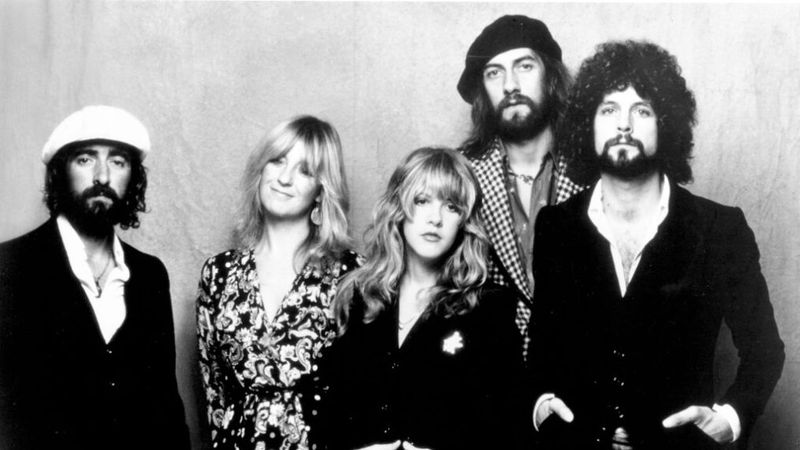
Two newcomers helped turn a British blues group into a pop giant. Stevie Nicks and Lindsey Buckingham joined Fleetwood Mac in 1975, bringing strong songwriting, rich harmonies, and a different musical outlook.
Their arrival built on changes already underway.
By 1977, Rumours combined catchy tunes with deeply personal stories. Compare an early Peter Green recording with Dreams to hear the distance traveled.
The lesson is simple: fresh voices can expand a band’s identity without erasing its roots.
2. Pink Floyd Opens a Wider Musical World
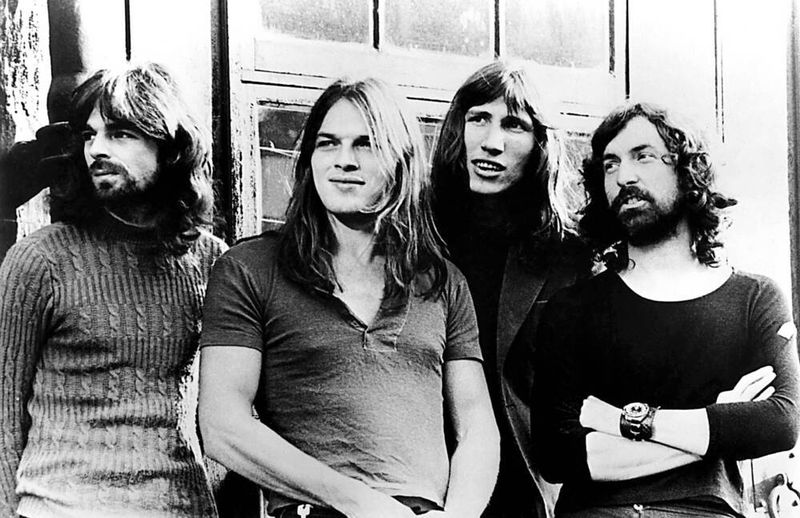
Spacey sounds became something larger after David Gilmour arrived in 1968. Syd Barrett had shaped Pink Floyd’s early psychedelic songs, but health struggles led to his departure.
Gilmour’s expressive guitar gave the remaining musicians another way to build atmosphere.
Roger Waters increasingly guided the lyrics and album concepts. The Dark Side of the Moon showed how tightly their ideas could connect.
Listen with headphones to notice how guitar, keyboards, and sound effects work together like a movie soundtrack.
3. Genesis Moves Its Drummer to Center Stage
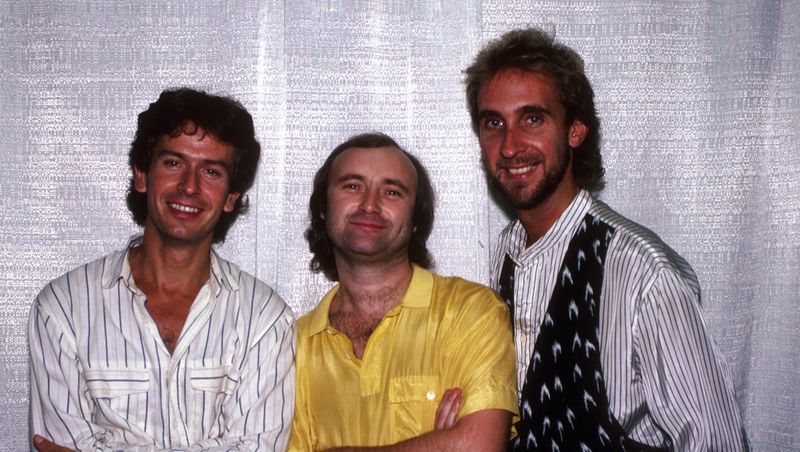
The next singer was already sitting behind the drums. When Peter Gabriel left Genesis in 1975, Phil Collins eventually took over lead vocals.
His familiar presence helped the group continue rather than start from scratch with a stranger.
After guitarist Steve Hackett departed in 1977, the remaining trio gradually favored shorter, more direct songs. Invisible Touch later captured their pop success.
Try comparing that hit with earlier material to hear how a band’s storytelling can become more compact.
4. Black Sabbath Gains Dio’s Dramatic Power
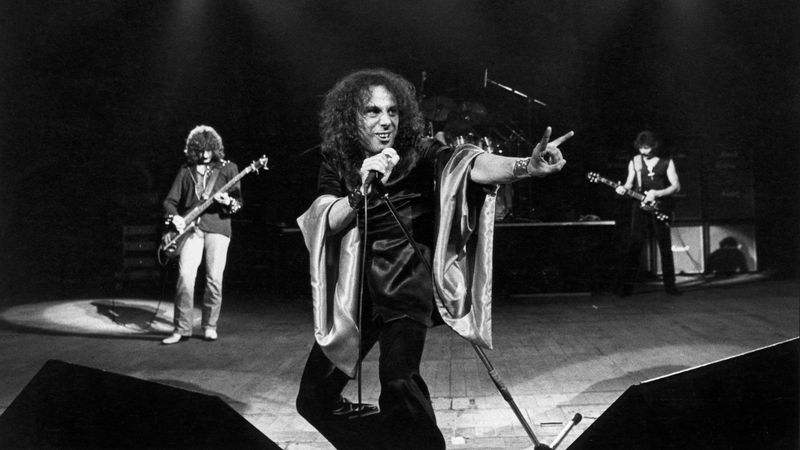
A smaller singer brought a mighty new presence. Ronnie James Dio replaced Ozzy Osbourne in Black Sabbath in 1979, pairing a powerful voice with lyrics full of mystery and fantasy.
His approach differed sharply from Ozzy’s eerie, unmistakable delivery.
Heaven and Hell arrived in 1980 and gave the band renewed purpose. Tony Iommi’s heavy guitar remained central, but the melodies opened up.
Play the title track to hear how a new singer can reshape familiar musical building blocks.
5. Red Hot Chili Peppers Balance Bounce and Melody
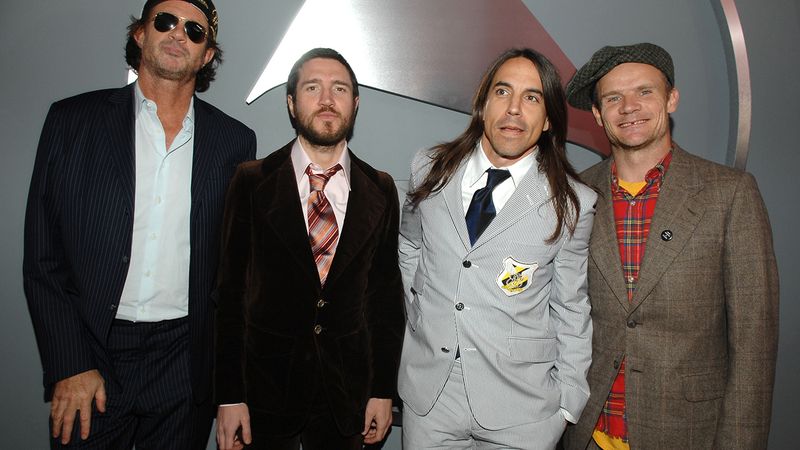
Funk stayed at the heart of the music, but melody gained room. After guitarist Hillel Slovak died in 1988 and drummer Jack Irons left, John Frusciante and Chad Smith joined the Red Hot Chili Peppers.
Their chemistry helped reshape the group.
Frusciante added expressive guitar lines, while Smith supplied a firm rhythmic base. Following Frusciante’s later return, Californication highlighted their range.
Compare Scar Tissue with earlier tracks to hear tenderness sharing space with the band’s playful, restless energy.
6. Journey Discovers a Voice Built for Arenas

One soaring voice changed the size of the room. Journey began with a mix of rock and jazz influences, but Steve Perry’s arrival in 1977 helped steer them toward songs made for huge crowds.
His clear, emotional delivery became their calling card.
Albums like Escape paired strong hooks with Neal Schon’s guitar work. Don’t Stop Believin’ shows that partnership at its best.
Notice how the patient opening builds excitement before the song finally reaches its famous chorus.
7. Deep Purple Turns Up the Heat
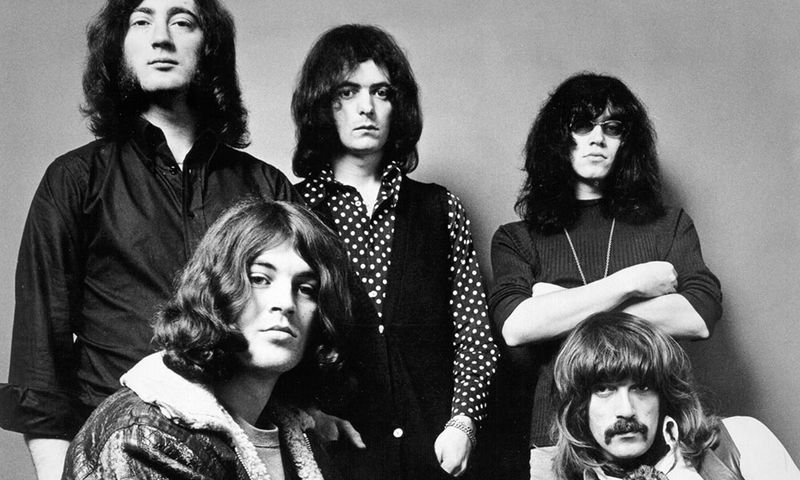
Volume alone did not make the difference; the right players did. Ian Gillan and Roger Glover joined Deep Purple in 1969, replacing singer Rod Evans and bassist Nick Simper.
The new lineup pushed the band’s music toward fierce hard rock.
In Rock captured that change in 1970, with Gillan’s dramatic singing matching the force of guitar and organ. Start with Speed King for a quick comparison.
Its restless attack reveals a group finding confidence through a sharper identity.
8. Iron Maiden Gives Its Epics More Lift
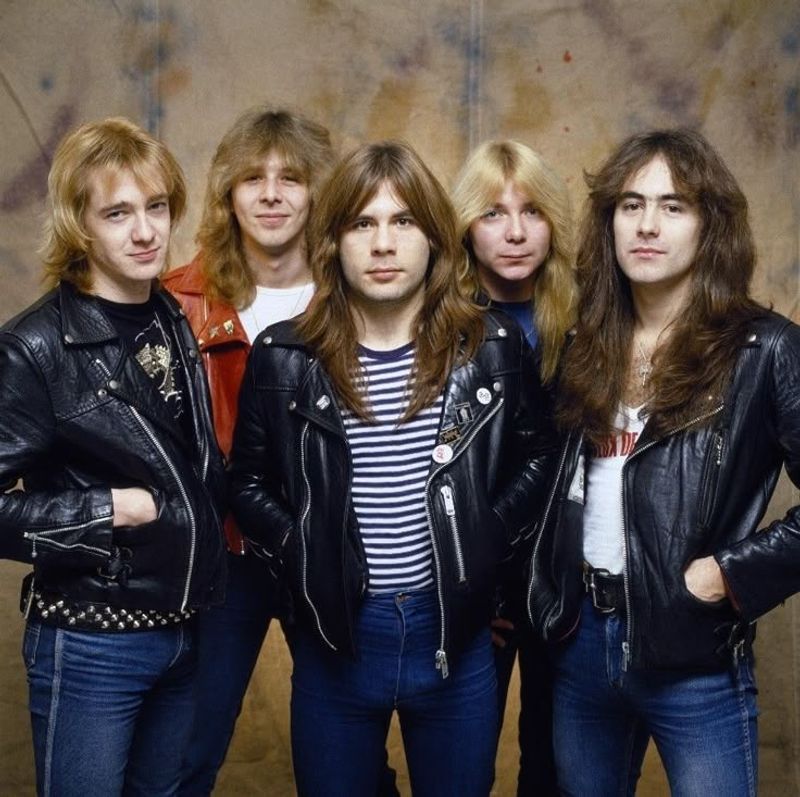
Long musical adventures needed a voice that could soar above them. Bruce Dickinson joined Iron Maiden in 1981, replacing Paul Di’Anno.
His wide range suited the band’s growing interest in dramatic stories and larger song structures.
Guitarist Adrian Smith, who had arrived earlier, also helped shape their sound. The Number of the Beast brought the new lineup major attention in 1982.
Listen to Hallowed Be Thy Name for the gradual build from quiet tension to a thrilling finish.
9. The Moody Blues Trade Beat Music for Big Dreams
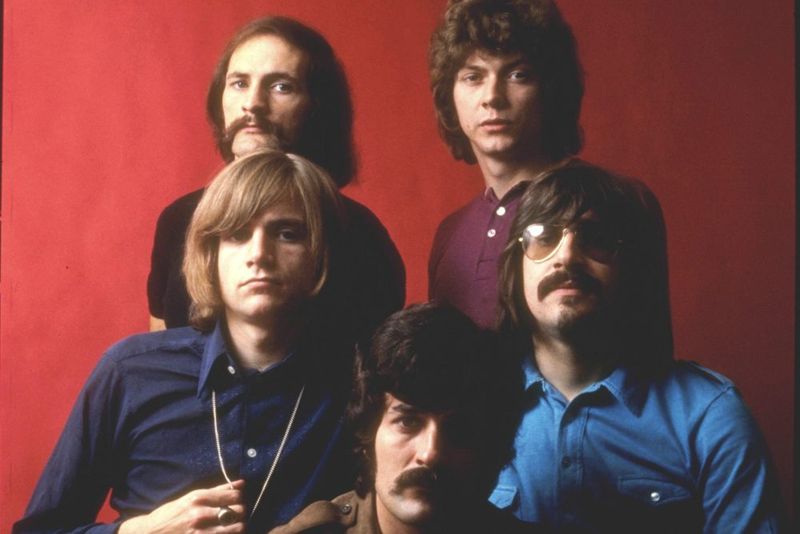
An orchestra was not the obvious next step for a beat group. Yet the Moody Blues found a fresh direction after Justin Hayward and John Lodge joined in 1966.
Their songwriting helped move the band beyond its early rhythm and blues style.
Days of Future Passed combined rock songs with orchestral passages in 1967. Mike Pinder’s Mellotron also added sweeping textures.
Nights in White Satin offers an easy starting point for hearing rock become both intimate and grand.
10. Yes Adds a Keyboard Wizard
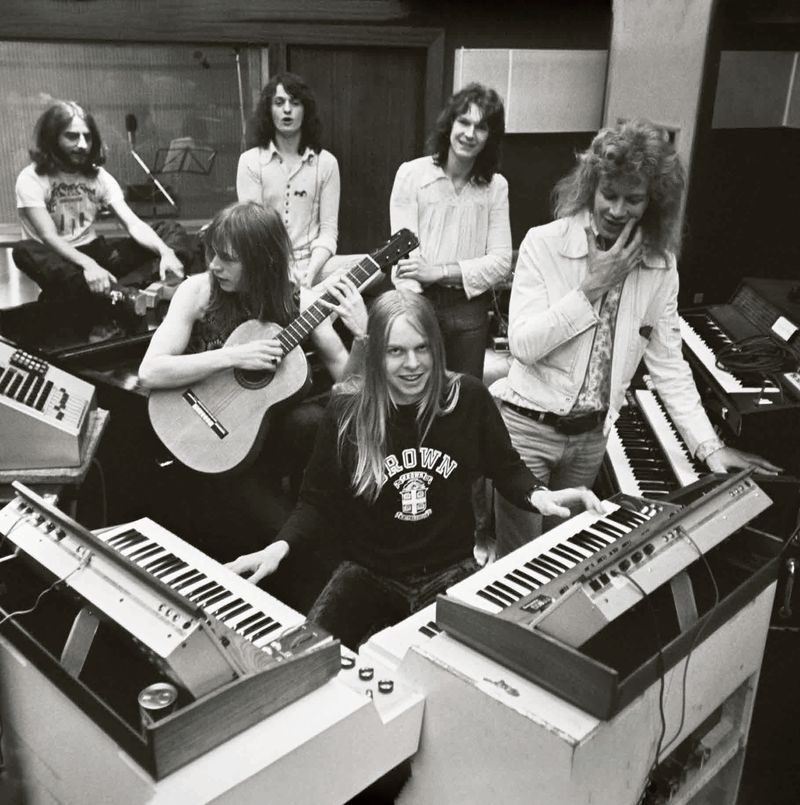
Keyboards became a whole landscape when Rick Wakeman joined Yes in 1971. Replacing Tony Kaye, he brought classical training and a wide selection of sounds.
Those skills matched a band eager to stretch beyond ordinary rock song shapes.
Fragile and Close to the Edge featured intricate playing that still left space for memorable melodies. Begin with Roundabout before exploring longer pieces.
Following each instrument separately can make the busy arrangements easier to enjoy and reveal their careful teamwork.
11. AC/DC Rebuilds Without Losing Its Punch
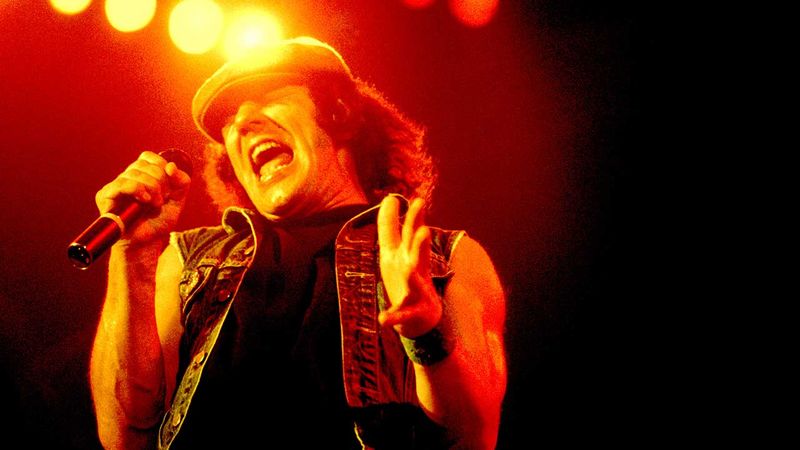
Grief could have ended the story after Bon Scott died in 1980. Instead, AC/DC recruited Brian Johnson, whose rough, powerful voice fit their direct approach.
The band kept its driving guitar sound while finding a way forward together.
Back in Black became both a tribute and a fresh start. Johnson did not copy Scott; he supplied his own gritty character.
Compare Highway to Hell with Hells Bells to hear continuity in the riffs and contrast in the singing.
12. Van Halen Expands Its Sound with Sammy Hagar
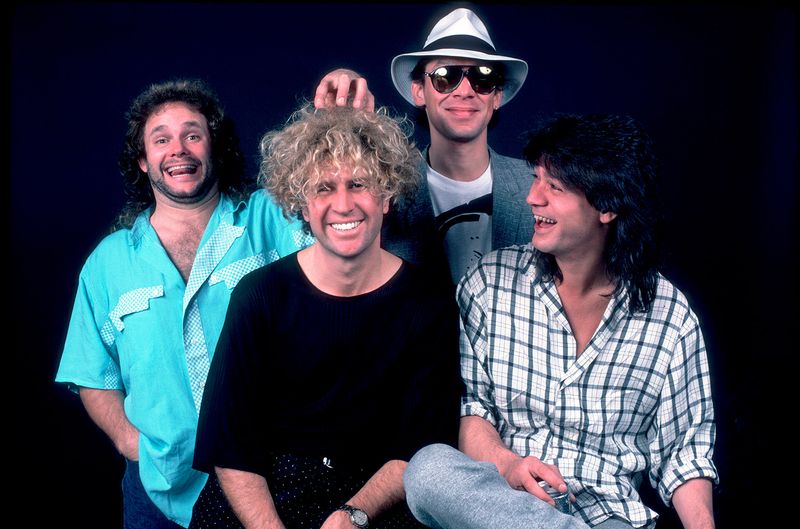
A new frontman brought more than a different stage personality. Sammy Hagar joined Van Halen in 1985 after David Lee Roth’s departure, adding a strong singing range and guitar skills.
His arrival opened another chapter for Eddie Van Halen’s restless creativity.
The album 5150 mixed hard rock with prominent keyboards and broad melodies. Dreams makes the change especially clear.
Rather than choosing one era as better, listen for how each singer draws different colors from the same musicians.
13. Metallica Finds a Crucial Writing Partner
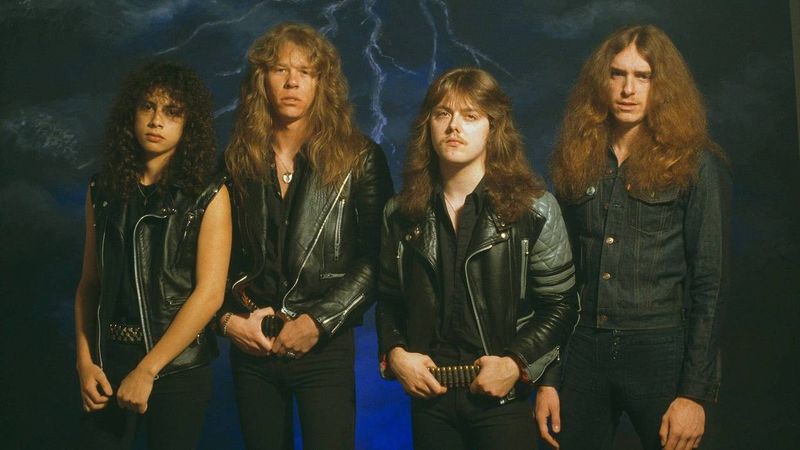
A bassist helped widen the possibilities of heavy music. Cliff Burton joined Metallica in late 1982, bringing musical knowledge, bold bass playing, and an interest in sounds beyond straightforward speed.
Kirk Hammett’s arrival in 1983 completed another key lineup shift.
Across Ride the Lightning and Master of Puppets, the group developed richer arrangements without sacrificing force. Try the instrumental Orion to hear Burton’s influence.
It shows why a supporting instrument can become a major source of creative direction.
14. Nirvana Locks Into a Powerful New Beat
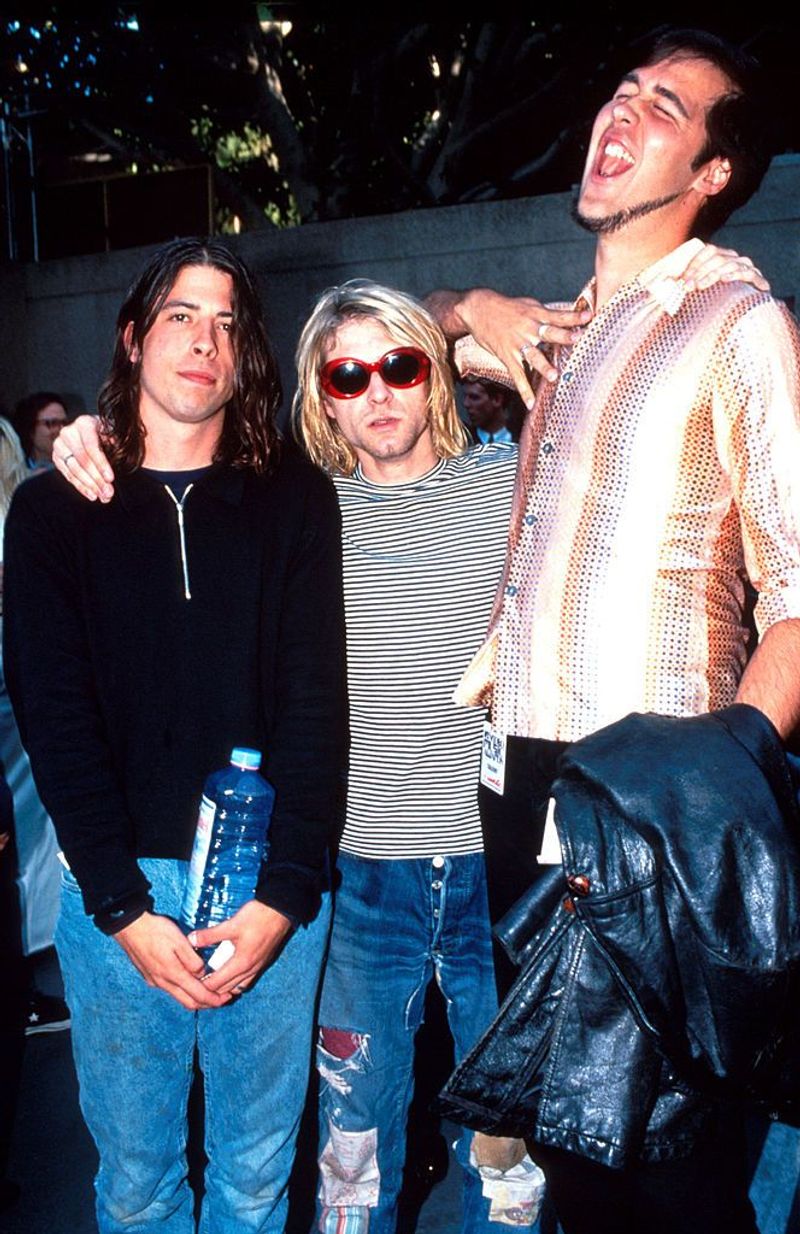
The drums suddenly hit with a different kind of certainty. Dave Grohl joined Nirvana in 1990 after the band had worked with several drummers.
His forceful playing gave Kurt Cobain’s songs a sturdy frame without smoothing away their rough edges.
Nevermind paired that energy with sharp melodies and sudden shifts between quiet and loud. Listen to In Bloom for the balance.
Grohl’s arrival shows how a rhythm player can change a band’s impact as much as a singer.
15. Foo Fighters Gains a Spirited Musical Partner
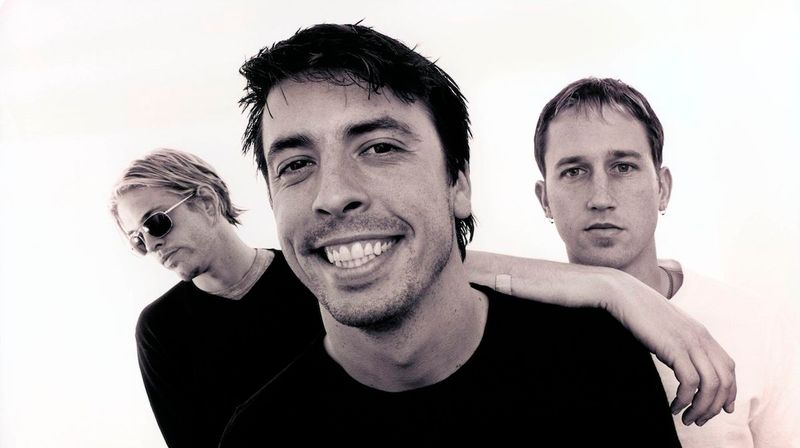
What began as Dave Grohl’s recording project grew into a lasting band. Taylor Hawkins joined Foo Fighters in 1997, bringing lively drumming, vocal ability, and an outgoing stage presence.
His musical friendship with Grohl became part of the group’s identity.
There Is Nothing Left to Lose followed in 1999 with a warmer, more open sound. Learn to Fly captures that approachable spirit.
Watch performances from this era to see how shared enthusiasm can turn strong songs into something communal.
16. Alice in Chains Reconnects Through Shared Harmonies
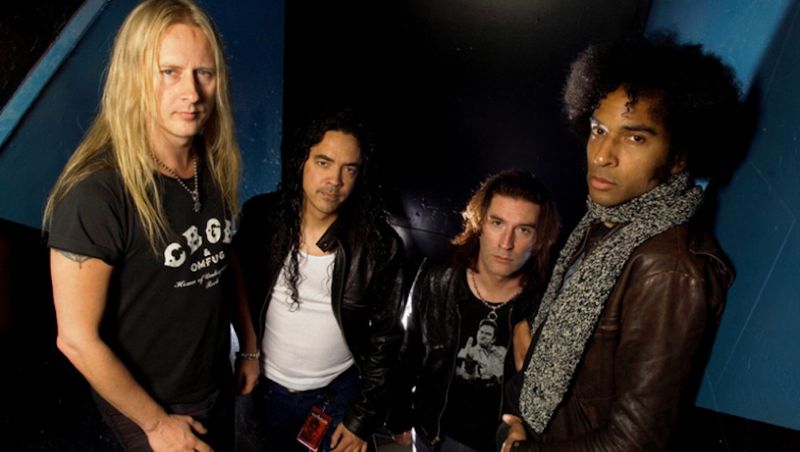
Returning required care, not simply finding a replacement. Following Layne Staley’s death in 2002, Alice in Chains eventually welcomed William DuVall, who joined in 2006.
He shared vocal duties with Jerry Cantrell and added guitar, helping the group build new material.
Black Gives Way to Blue arrived in 2009, preserving their dark harmonies while acknowledging loss. Check My Brain offers a clear introduction.
The comeback shows that honoring a band’s past can coexist with giving another musician a voice.
17. Faith No More Embraces a Fearless Vocal Wild Card
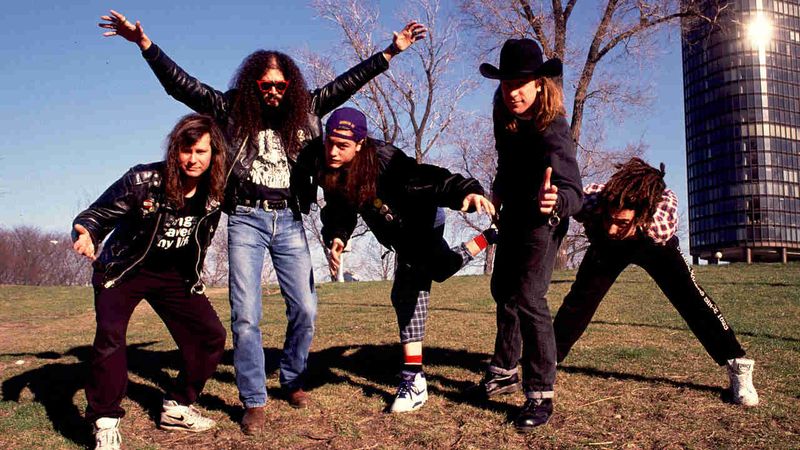
Few singers could jump between smooth melodies and strange noises so boldly. Mike Patton joined Faith No More in 1989, replacing Chuck Mosley.
His flexible voice suited their unusual blend of metal, funk, keyboards, and sharp musical turns.
The Real Thing brought wider attention, while Angel Dust pushed their experiments further. Start with Epic, then try Midlife Crisis to hear the growing range.
Patton’s arrival illustrates how an adventurous personality can encourage an entire band to take bigger chances.