
Fame can open doors, but building a business takes more than a familiar face. Black actresses are turning their ideas into haircare brands, restaurants, media companies, and more.
Their stories show how ownership can create jobs and bring overlooked customers into focus. Alongside actresses, this list includes several women best known for music, sports, media, or business, whose work shares that same spirit.
1. Oprah Winfrey: Turning Trust Into Ownership
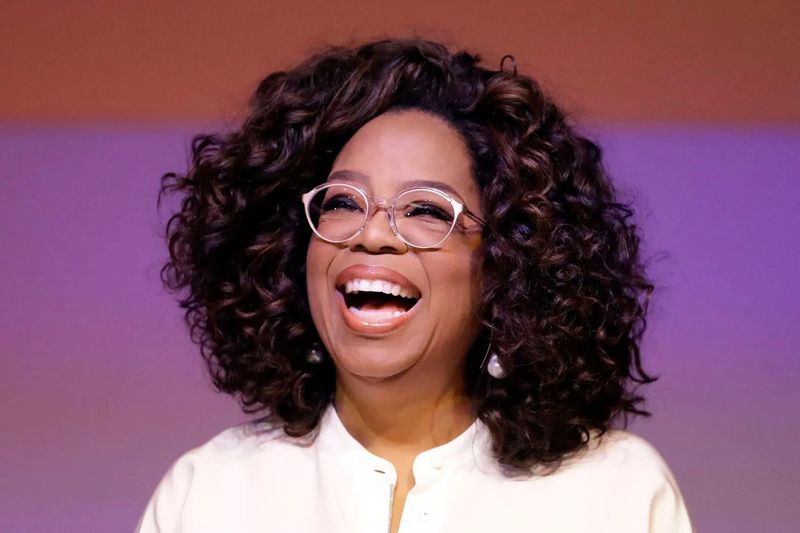
A familiar voice can become the foundation of a much bigger business. Oprah built Harpo Productions and helped launch OWN, turning her connection with viewers into opportunities across television and media.
Her earlier investment in WeightWatchers also showed her reach beyond entertainment, though she left its board in 2024. For aspiring owners, the lesson is simple: earn trust, understand your audience, and remember that business partnerships can change as your goals grow over time and circumstances.
2. Tracee Ellis Ross: Giving Curls Center Stage
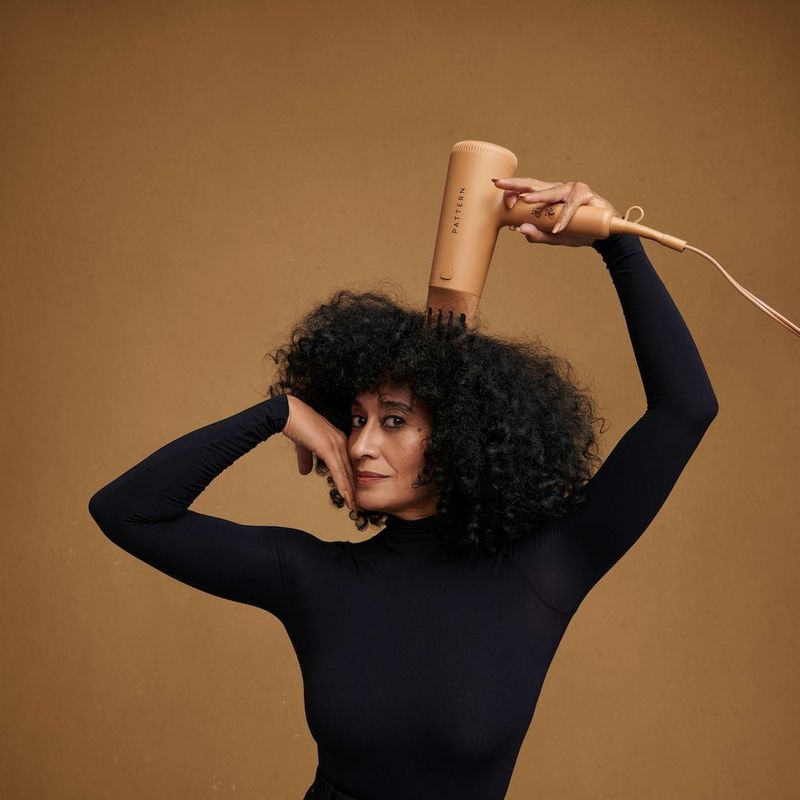
Finding products that understand your hair should not feel like a treasure hunt. That need helped inspire Tracee Ellis Ross to launch Pattern Beauty in 2019, serving curly, coily, and tightly textured hair.
The actress built a brand around customers who had often felt overlooked. Its products include conditioners, styling tools, and treatments.
Her approach offers a useful starting point for entrepreneurs: listen closely to a community, then create something that meets its actual everyday needs.
3. Taraji P. Henson: Starting at the Scalp
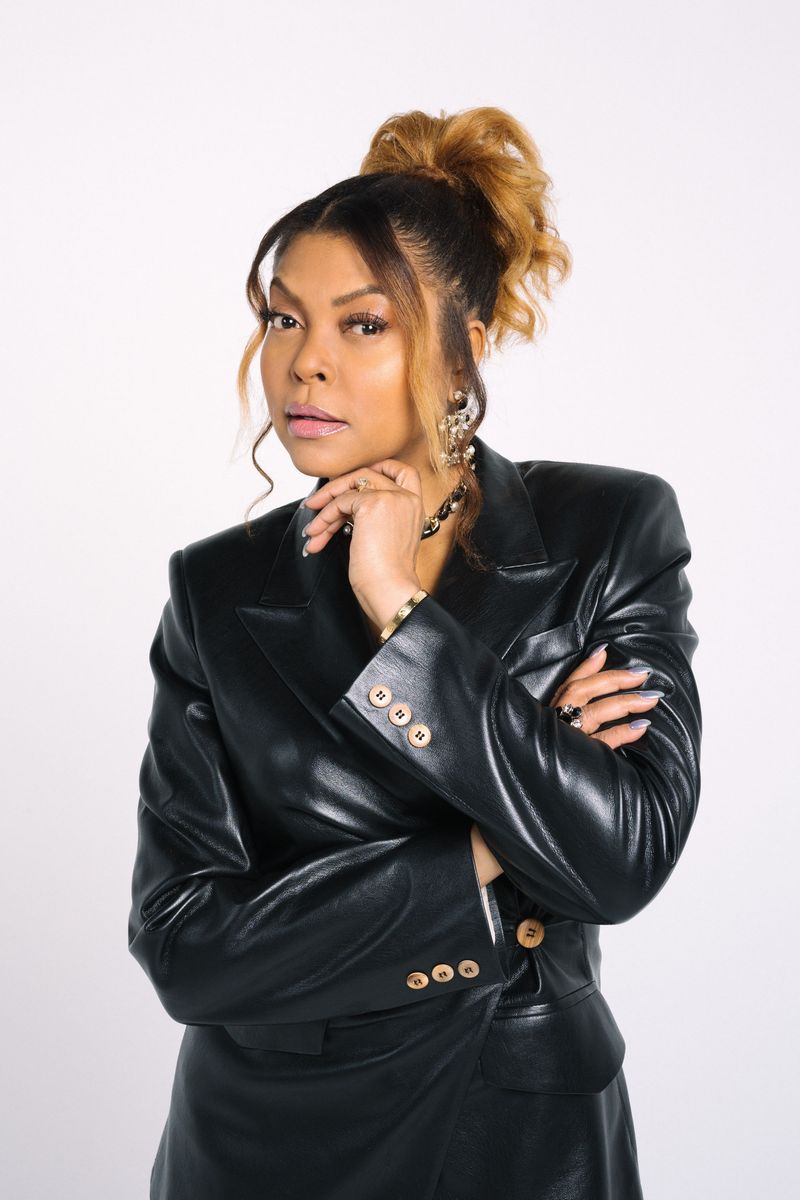
Great hair days often begin somewhere less glamorous: the scalp. Taraji P.
Henson brought that idea into TPH by Taraji, a haircare brand launched in 2020 and inspired by her own care routines.
Rather than focusing only on how hair looks, the line also addresses cleansing and scalp care. Readers comparing products can learn from that focus: consider the problem you want to solve, check ingredients, and choose a routine that fits your needs and budget.
4. La La Anthony: Making Haircare Personal
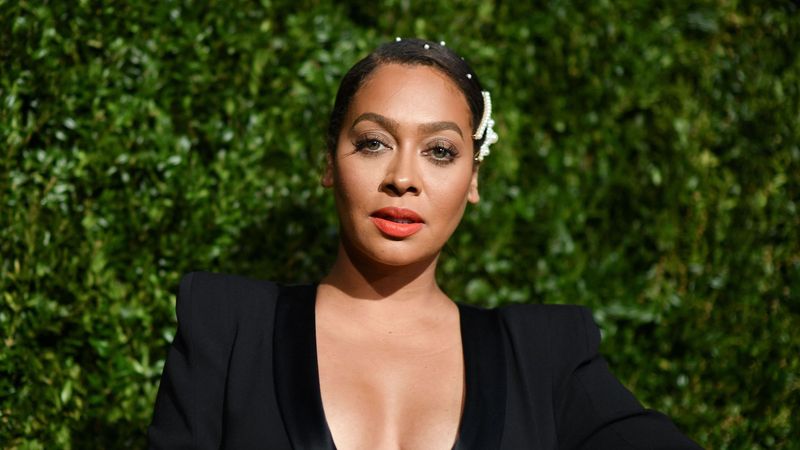
A personal beauty routine can spark an idea worth sharing. La La Anthony launched Inala in 2022, bringing her interest in haircare into a business built around products inspired by rice water.
Her move connects celebrity visibility with a specific customer concern: caring for stronger looking hair. Before buying any hair product, compare its claims with its ingredients and instructions.
A famous founder may attract attention, but usefulness and customer experience help a brand earn lasting loyalty.
5. Rihanna: Making Inclusion a Business Standard
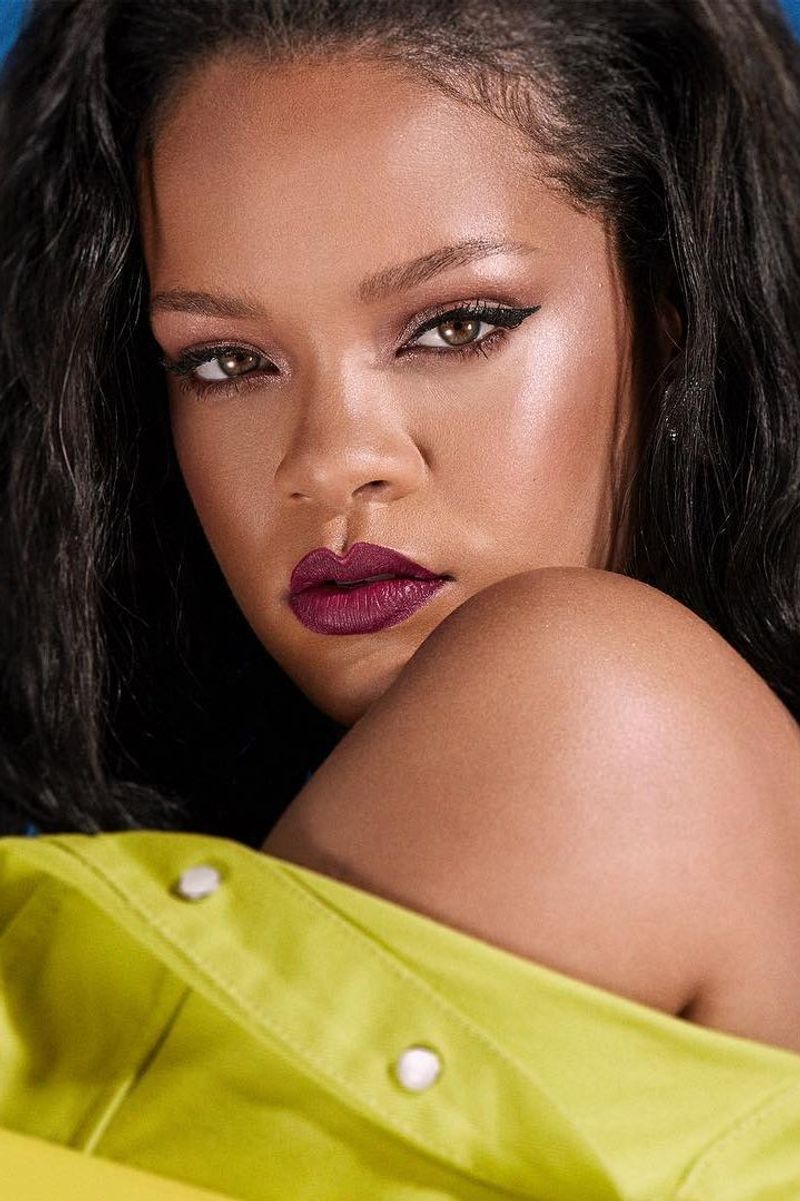
Forty foundation shades made a loud statement when Fenty Beauty launched in 2017. Rihanna, known primarily for music but also an actress, helped push beauty brands to serve a wider range of skin tones.
Her ventures include Fenty Skin and Savage X Fenty, extending that focus into skincare and lingerie. The separate Fenty fashion house paused operations in 2021.
Her business story shows why serving ignored customers can be more powerful than copying an existing competitor.
6. Issa Rae: Investing in Community Spaces
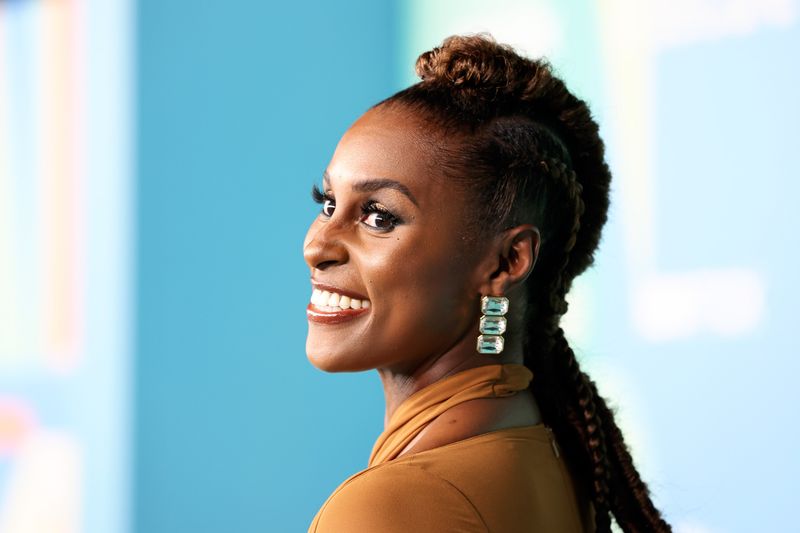
Some business ideas begin with a simple wish: more welcoming places to gather. Issa Rae has expanded beyond acting through Hoorae, ownership interests in Hilltop Coffee + Kitchen, and her partnership in Sienna Naturals.
Her portfolio also includes the wine brand Viarae and involvement in Los Angeles restaurant Somerville. Together, these ventures connect storytelling, beauty, and community life.
For readers, her example suggests building around genuine interests while choosing partners who bring skills you do not have.
7. Queen Latifah: Creating Opportunities Behind the Scenes
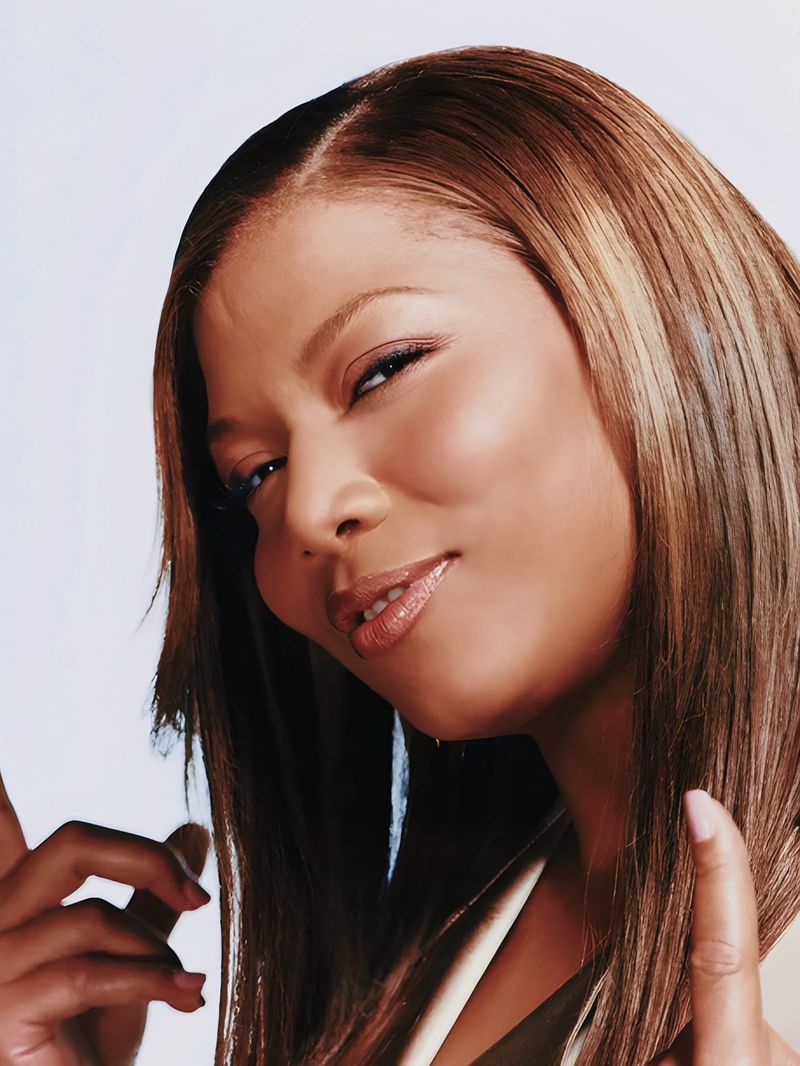
Owning a seat behind the camera changes who gets heard. Queen Latifah cofounded Flavor Unit Entertainment with Shakim Compere, building a company that develops and produces film and television projects.
Beyond production, her past CoverGirl Queen Collection helped address makeup needs among women of color. That history matters even though the collection is not a current independent business.
Her path encourages creators to seek ownership, understand contracts, and use their influence to open doors for others too.
8. Megan Thee Stallion: Matching Ventures With Personality
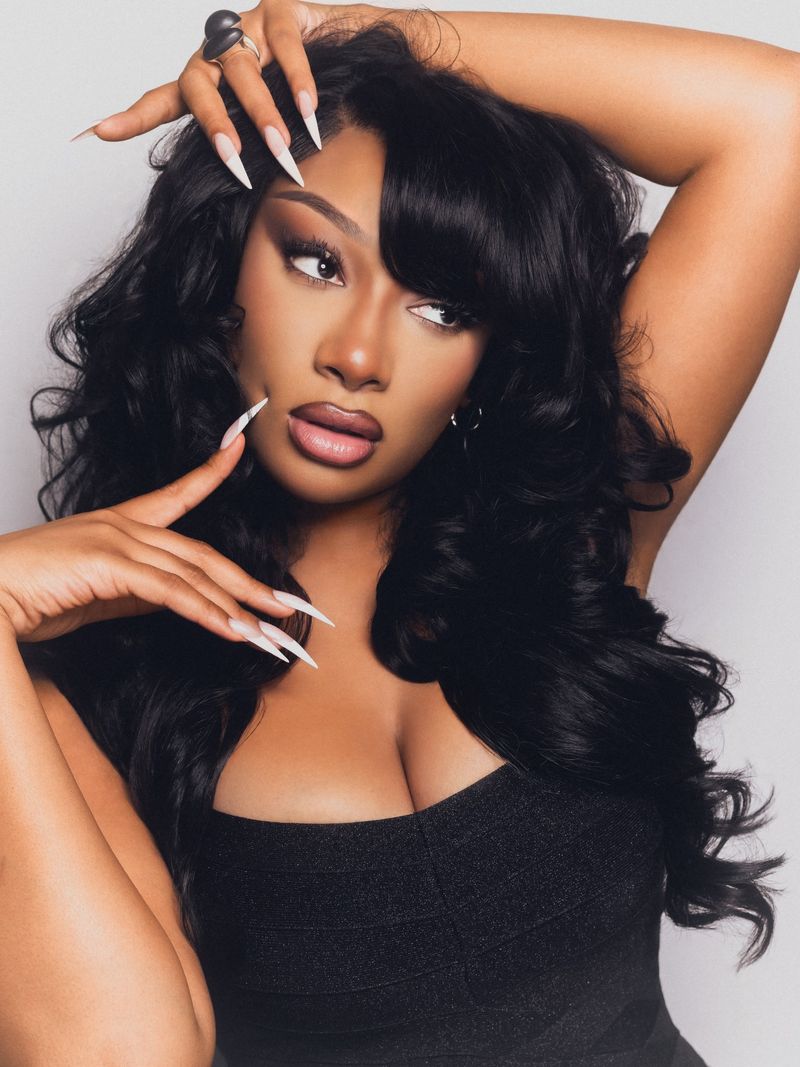
Bold style can carry from the stage into the shopping aisle. Megan Thee Stallion, primarily a rapper with acting credits, has pursued ventures including Hot Girl Swim and her Chicas Divertidas tequila brand.
Her Popeyes partnership included plans for franchise ownership, while the Pete & Thomas Foundation supports community needs. Those efforts represent different models: products, partnerships, and charity.
Anyone following her example should separate business goals from nonprofit missions, since each needs its own budget and structure.
9. Serena Williams: Backing the Next Generation
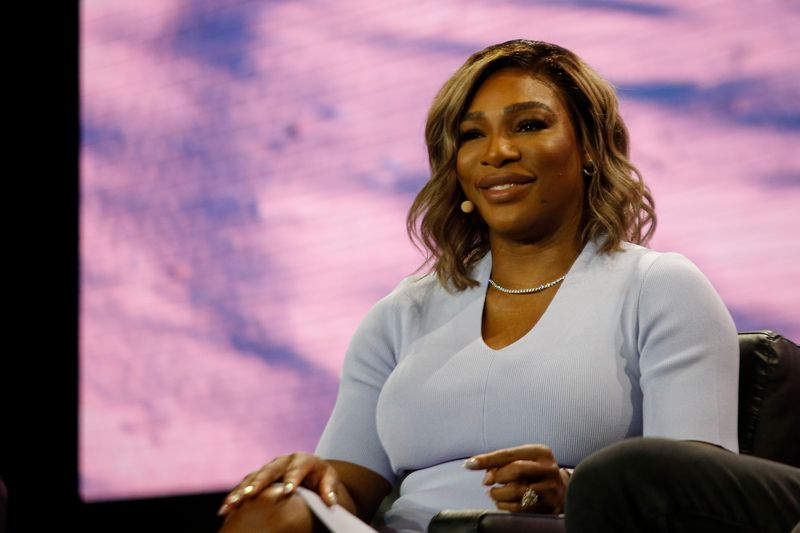
Winning on the court is only one part of her story. Serena Williams, best known as a tennis champion rather than an actress, founded Serena Ventures to invest in promising young companies.
Her interest grew partly from seeing how little investment reached women and founders of color. Venture capital involves real risk, so backing startups requires research and patience.
Her work highlights another route to ownership: support skilled founders instead of starting every new company yourself alone.
10. Shonda Rhimes: Building a Storytelling Company
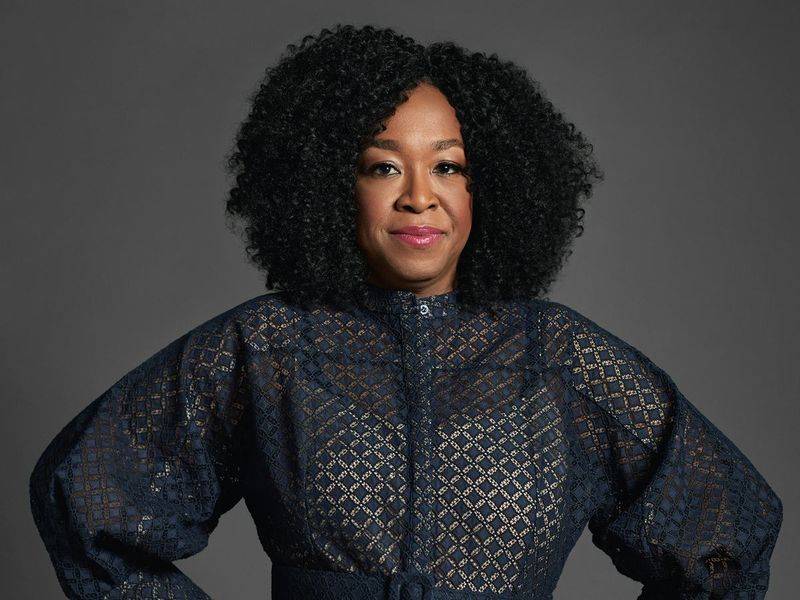
Behind a beloved television show sits a business that manages people, ideas, and rights. Shonda Rhimes founded Shondaland in 2005, building a company associated with Grey’s Anatomy, Scandal, and Bridgerton.
She belongs here as a writer, producer, and entrepreneur, not primarily as an actress. Her company also extends into digital storytelling and audio.
Creative readers can take a clear lesson from her growth: protect your work, develop reliable teams, and think beyond a single successful project launch.
11. Marsai Martin: Taking Ownership Early
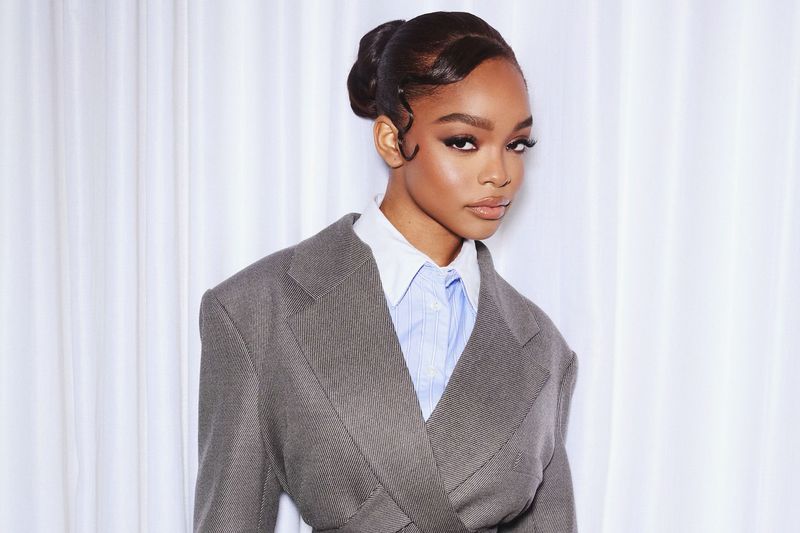
Age did not stop a young performer from thinking like a producer. Marsai Martin helped bring the film Little to life and became its executive producer while still a teenager.
Through Genius Productions, she moved toward developing projects rather than only auditioning for them. The company signed a first look deal with Universal in 2019.
Her journey reminds young creators to record their ideas, find trustworthy guidance, and learn how decisions get made behind the camera too.
12. Regina King: Choosing Which Stories Move Forward
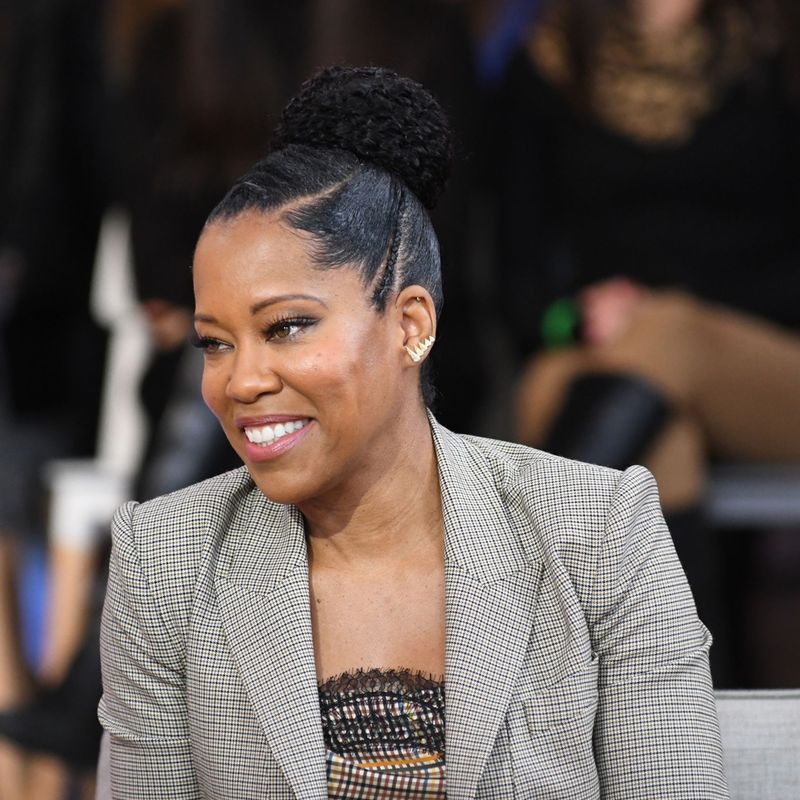
A powerful performance can inspire viewers, but producing can shape the whole story. Regina King cofounded Royal Ties with her sister, Reina, creating another way to influence what reaches the screen.
Royal Ties announced a multiyear first look agreement with Netflix in 2019. That historical deal should not be mistaken for proof of its current terms.
King’s example shows how performers can broaden their role by developing material, choosing collaborators, and building a company around their judgment.
13. Viola Davis: Making Room for Overlooked Voices
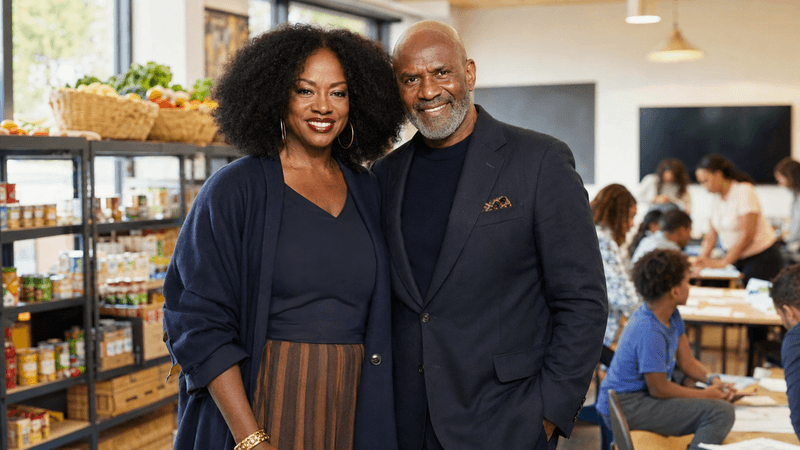
Not every meaningful story gets an easy path to the screen. Viola Davis and her husband, Julius Tennon, cofounded JuVee Productions to develop projects and create opportunities for voices that are often overlooked.
The company has worked across film, television, and other storytelling formats, with past partnerships including Amazon Studios. Their approach pairs a clear mission with practical production work.
For small business owners, that balance is useful: define your purpose, then build systems that support it.
14. Sheila Johnson: Bringing Vision to Hospitality
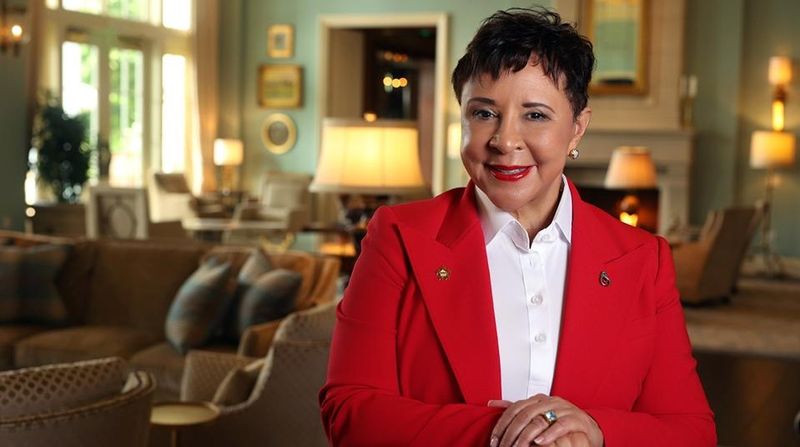
A hotel stay depends on hundreds of details guests may never notice. Sheila Johnson, a business leader rather than an actress, founded the hospitality company now known as Salamander Collection after cofounding BET.
Her move from media into hotels shows how leadership skills can travel across industries. Hospitality requires careful attention to staffing, service, and local surroundings.
Readers considering a new field can borrow her broader lesson: study the daily operations, not just the appealing public image.
15. Angela Yee: Giving Coffee a Bigger Purpose
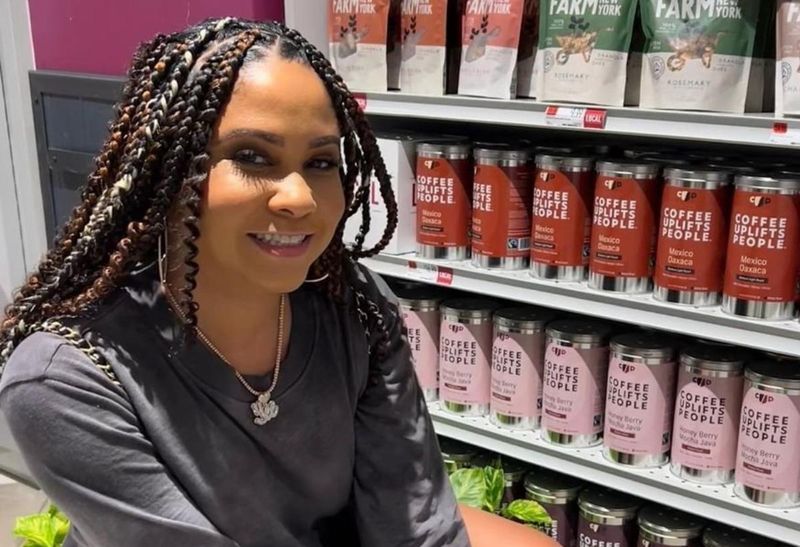
Your morning cup can carry a story about people and opportunity. Angela Yee, known for radio rather than acting, cofounded Coffee Uplifts People, often shortened to CUP, bringing an inclusive outlook to the coffee business.
The brand connects its identity with representation and awareness of the people behind coffee. Shoppers can look beyond attractive packaging by checking sourcing details and company practices.
Her venture shows how an everyday product can become a platform for broader business values.