
You can sing a favorite song for years before learning that you have the words wrong. Loud guitars, stretched vowels, and quick singing can turn a simple line into something wildly different.
These mix-ups are called mondegreens, and even careful listeners fall for them. See which familiar songs have fooled your ears, then try listening again with the real words in mind.
1. The Beatles: Lucy in the Sky with Diamonds
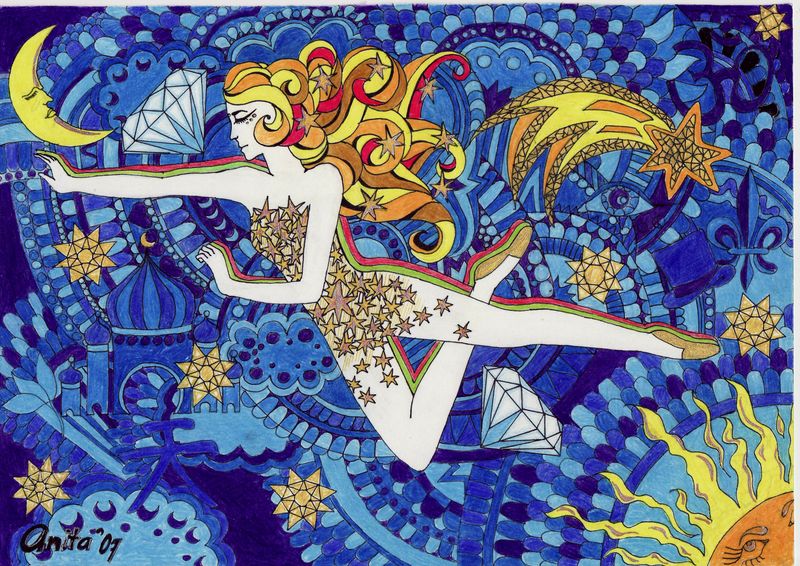
A dreamy Beatles song takes a strange medical turn when listeners hear “the girl with colitis goes by.” The actual words are “the girl with kaleidoscope eyes,” which fit the colorful, fantasy world of the song much better.
John Lennon’s flowing delivery makes the longer word easy to scramble. Picture the shifting patterns inside a kaleidoscope while listening, and the phrase becomes clearer.
That simple mental image can help replace the mistaken version in your memory.
2. Manfred Mann’s Earth Band: Blinded by the Light
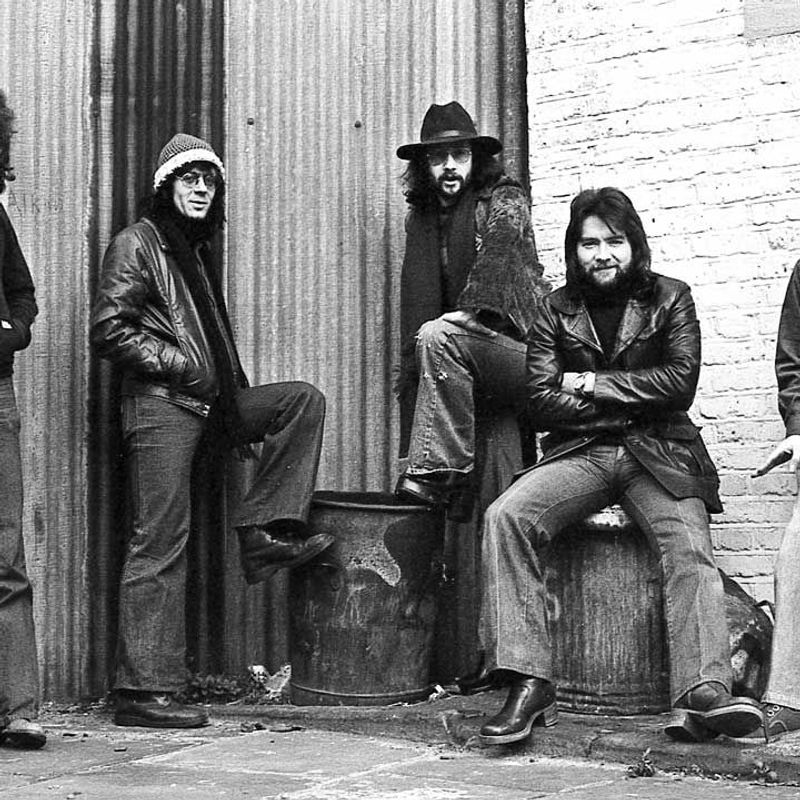
Car talk gets lost in the noise of this rock favorite. Many people hear “wrapped up like a douche” instead of “revved up like a deuce,” followed by “another runner in the night.”
A deuce refers to a 1932 Ford, often turned into a hot rod. Knowing that detail gives “revved up” a clear meaning.
Bruce Springsteen wrote the original song, but Manfred Mann’s Earth Band made the famously confusing version a major hit in 1977.
3. ABBA: Dancing Queen
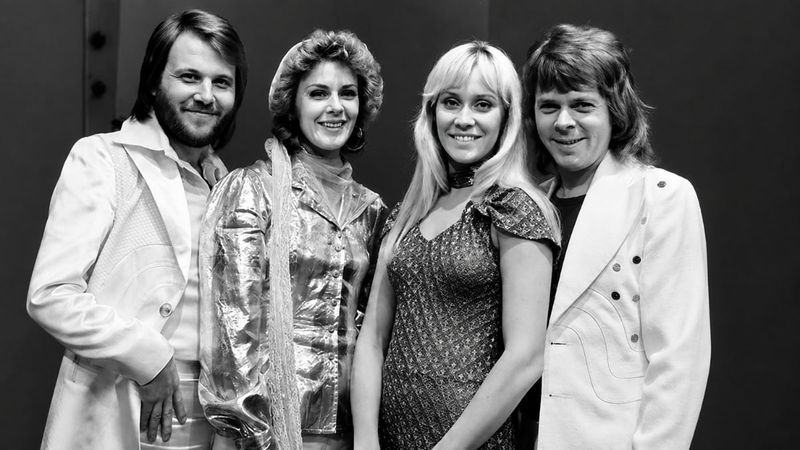
Suddenly, a piece of fruit joins the dance floor. “Feel the beat on the tangerine” is a playful mishearing of “feel the beat from the tambourine” in ABBA’s sparkling hit.
The real line names a percussion instrument, not a snack. Listen for the middle syllable of “tambourine” beneath the layered singing.
Once you imagine someone shaking that instrument to the rhythm, the lyric makes sense, although the fruit version might still sneak into your next singalong.
4. Bon Jovi: Livin’ on a Prayer
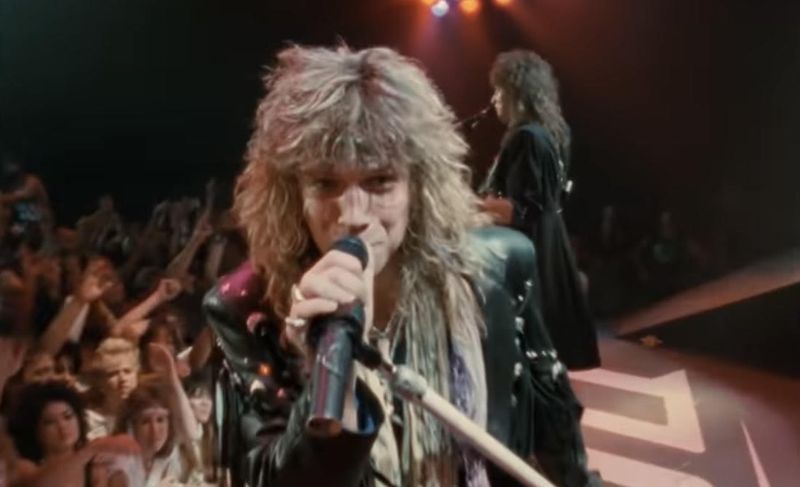
An arena full of fans can confidently sing the wrong thing together. Some hear “it doesn’t make a difference if we’re naked or not” when Bon Jovi actually sings “if we make it or not.”
The correct line connects to Tommy and Gina, the struggling couple at the center of the song. Their story is about sticking together through hard times.
Follow those verses before the chorus, and the hopeful message becomes easier to hear without surprises.
5. Creedence Clearwater Revival: Bad Moon Rising

Need directions during a rock concert? “There’s a bathroom on the right” sounds helpful, but the actual warning is “there’s a bad moon on the rise.”
John Fogerty’s quick delivery helps the two phrases blur together. The real song describes trouble ahead, with storms and danger rather than restroom signs.
Fogerty has even played along with the bathroom joke in performances. Try focusing on “bad moon” as two separate words when the chorus comes around again.
6. Elton John: Tiny Dancer

A television star accidentally steals the spotlight in this famous mix-up. Elton John’s “hold me closer, tiny dancer” often becomes “hold me closer, Tony Danza” in listeners’ heads.
The similar sounds make the joke easy to remember, especially when the melody stretches across the words. Bernie Taupin wrote the lyrics, and Elton supplied the music.
For a useful listening trick, pay attention to the opening “tiny” sound before the stronger word “dancer” lands in the chorus.
7. NSYNC: It’s Gonna Be Me
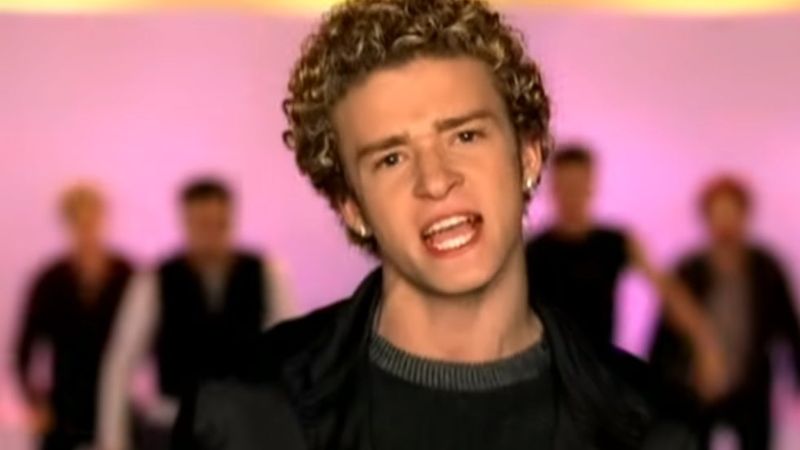
Every spring, one stretched vowel gets its moment online. Justin Timberlake sings “it’s gonna be me,” but his delivery sounds enough like “it’s gonna be May” to fuel a yearly joke.
Fans share the phrase as April ends, turning a lyric mix-up into a calendar tradition. The song itself is about romance, not the months of the year.
Compare the spoken word “me” with the sung version to hear how a pop vocal can reshape vowels.
8. The Monkees: I’m a Believer
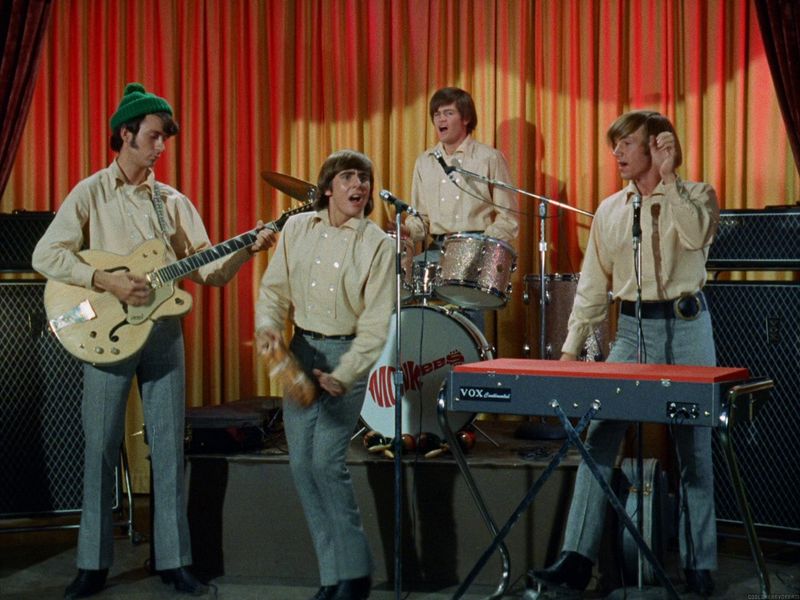
Love arrives in the real lyric, but leaves in the mistaken one. “Then I saw her face, now I’m gonna leave her” flips the meaning of “then I saw her face, now I’m a believer.”
The Monkees made this Neil Diamond song a huge hit. Its quick rhythm can hide the small sounds between words.
Keep the love story in mind while singing: seeing her face changes the narrator’s doubts into belief, not a sudden goodbye.
9. Jimi Hendrix: Purple Haze
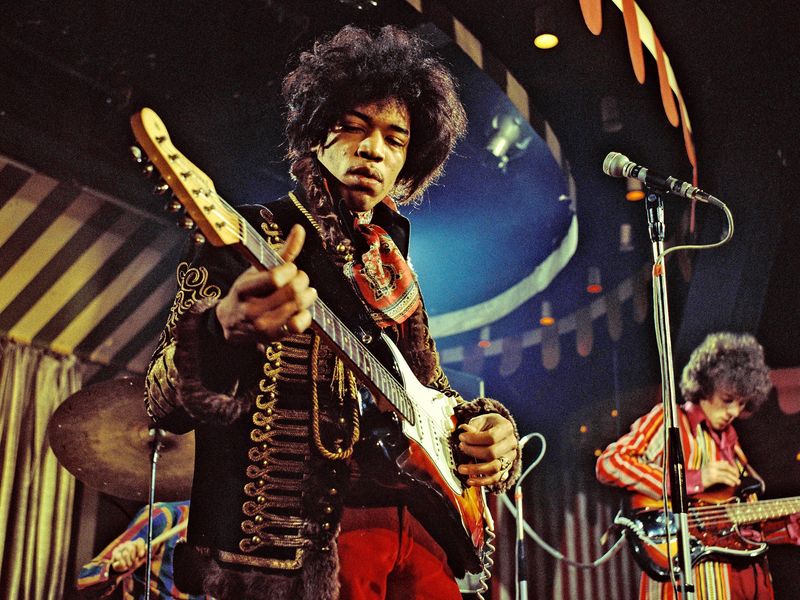
Electric guitars and a dreamy vocal create the perfect setting for a sound-alike mistake. Jimi Hendrix sings “excuse me while I kiss the sky,” though many listeners hear “kiss this guy.”
Only a tiny change separates the two versions, which helps explain why the joke lasts. The sky image suits the song’s strange, hazy mood.
Listen closely to the connection between “the” and “sky,” preferably with headphones, rather than relying on what you remember from singalongs.
10. Fleetwood Mac: Say You Love Me

A cup of tea sounds comforting, but it isn’t what Christine McVie requests. Listeners sometimes turn “I’m begging you for a little sympathy” into “I’m begging you for a little sip of tea.”
The mistake breaks one longer word into several familiar ones. That is a common way our brains handle unclear singing.
Hear the line as a plea for kindness, and its meaning clicks into place. The warm harmonies make this misunderstanding especially easy to forgive.
11. Johnny Nash: I Can See Clearly Now
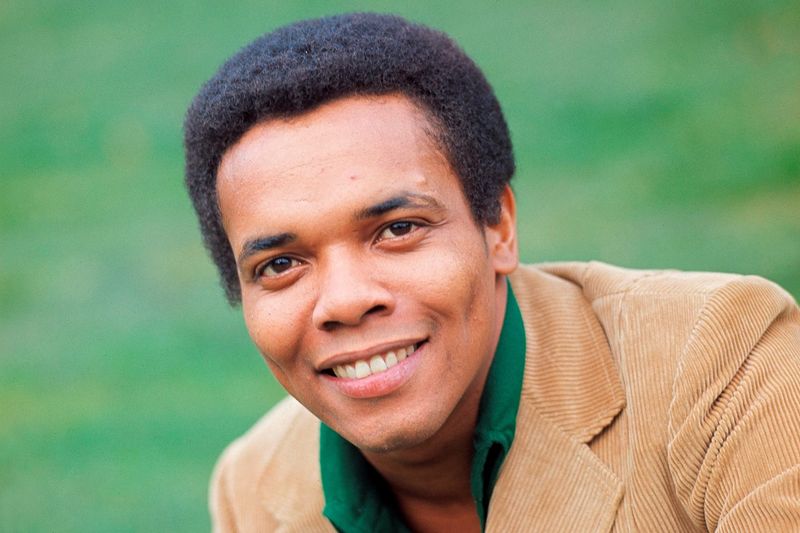
Someone named Lorraine seems to leave the scene in this cheerful mix-up. Johnny Nash actually sings “I can see clearly now, the rain is gone,” not “Lorraine is gone.”
The song uses clearing weather as a picture of renewed hope. Hearing a person’s name instead changes that picture into a breakup story.
Notice the other references to sunshine and obstacles as you listen. Those clues support the weather reading and help your ears find the missing rain.
12. AC/DC: Dirty Deeds Done Dirt Cheap

Thunder chiefs and sheep have both wandered into this hard rock chorus. Those strange versions replace the actual phrase “dirty deeds done dirt cheap,” which is also the song’s title.
Bon Scott’s rough voice and the repeated consonants make the words crowd together. Here, “dirt cheap” simply means very inexpensive, while “dirty deeds” suggests shady work.
Read the title once before pressing play, then tap along with each word to separate the sounds from the heavy guitars.
13. Bee Gees: More Than a Woman
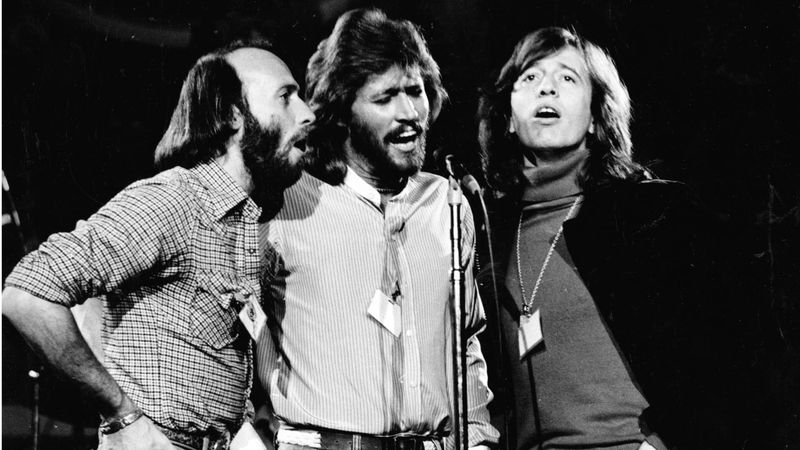
A romantic disco chorus becomes an unexpected hairstyle report when fans hear “bald-headed woman.” The Bee Gees are actually singing “more than a woman,” followed by “more than a woman to me.”
Their high voices and close harmonies can soften the edges of each word. Instead of hunting for every consonant, follow the repeated phrase as a whole.
Its affectionate meaning fits the surrounding song, while the mistaken version adds a detail that the lyrics never intended.
14. Robert Palmer: Addicted to Love
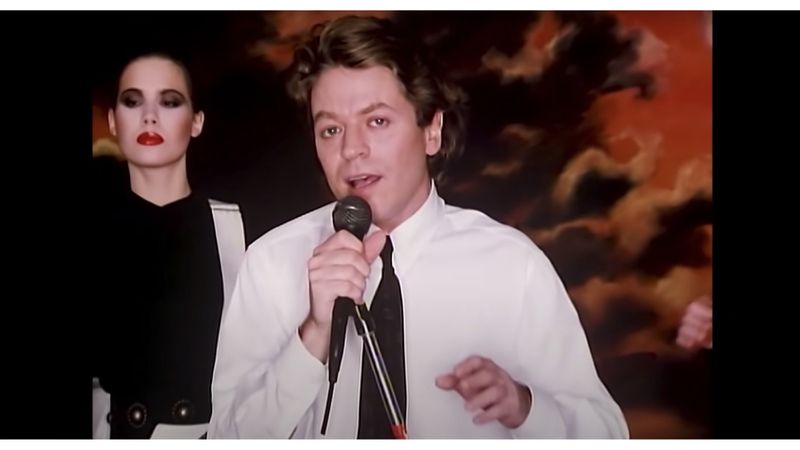
Robert Palmer’s smooth delivery hides a surprisingly messy listening trap. Some ears turn “you’re addicted to love” into the rude phrase “you’re a dick with a glove,” giving the chorus a completely different meaning.
The actual line follows “you know you’re gonna have to face it” and describes a powerful attraction. Try hearing “addicted” as one complete word instead of breaking it apart.
The steady beat can help you track the syllables without inventing an extra accessory.
15. The Rolling Stones: Beast of Burden

Dinner suddenly needs rescuing when “I’ll never be your beast of burden” becomes “I’ll never leave your pizza burning.” Mick Jagger’s loose phrasing helps this unlikely kitchen promise sneak into the song.
A beast of burden is an animal used to carry loads or do heavy work. The real phrase suggests refusing to be treated that way in a relationship.
Remember that meaning during the opening line, and you can trade the imaginary pizza for the actual message.
16. Taylor Swift: Blank Space

Coffee lovers found an accidental shout-out in Taylor Swift’s pop hit. “Got a list of Starbucks lovers” is the famous mix-up, while the real line is “got a long list of ex-lovers.”
The fast connection between “list” and “of” helps create the imagined brand name. Swift plays an exaggerated romantic character in the song, so former partners fit the story.
Slow that section slightly during playback and notice where “long” sits before “list” in the original recording.