
Ancient Rome may feel far away, but many of its buildings still stand on busy streets and quiet hillsides. You can walk through old arenas, follow stone roads, and look up at temples built nearly two thousand years ago.
These places show how Romans lived, worked, and entertained huge crowds. From Britain to Jordan, each stop brings a different piece of their world into view.
1. The Colosseum: Rome’s Famous Arena
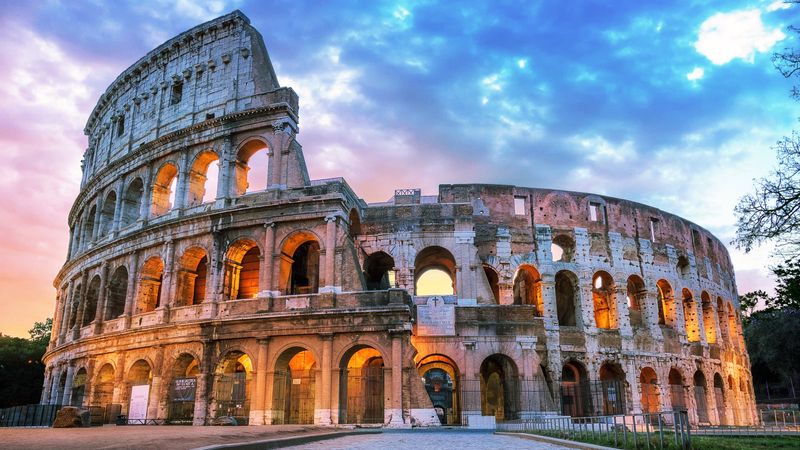
Imagine the roar of thousands of spectators rising from these stone seats. Completed in AD 80, Rome’s Colosseum hosted gladiator fights, animal hunts, and other public shows.
Walking inside reveals how carefully the Romans managed enormous crowds. Underground chambers show where people and animals waited, but access requires the right ticket.
Book through the official website, check your entry time, and wear comfortable shoes for stairs and uneven surfaces throughout this vast ancient entertainment complex.
2. The Pantheon: A Dome Open to the Sky
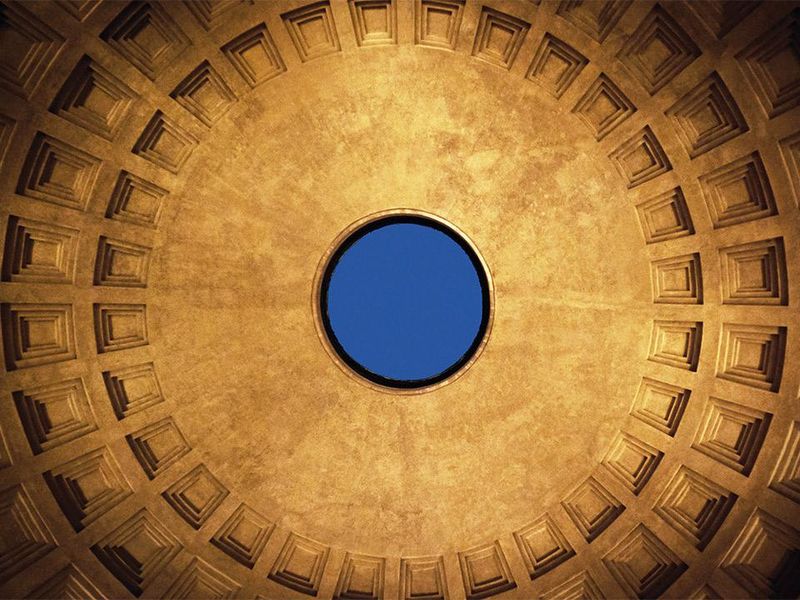
A circle of open sky sits at the center of one of Rome’s greatest buildings. The Pantheon’s huge dome remains the world’s largest made from unreinforced concrete, and its opening lets sunlight and rain inside.
Conversion into a church in AD 609 helped preserve the structure. Visitors generally need paid admission, with some exemptions, so check official booking details.
Keep your voice low, dress appropriately, and pause beneath the dome to appreciate its remarkable scale.
3. The Roman Forum: Streets Where History Happened
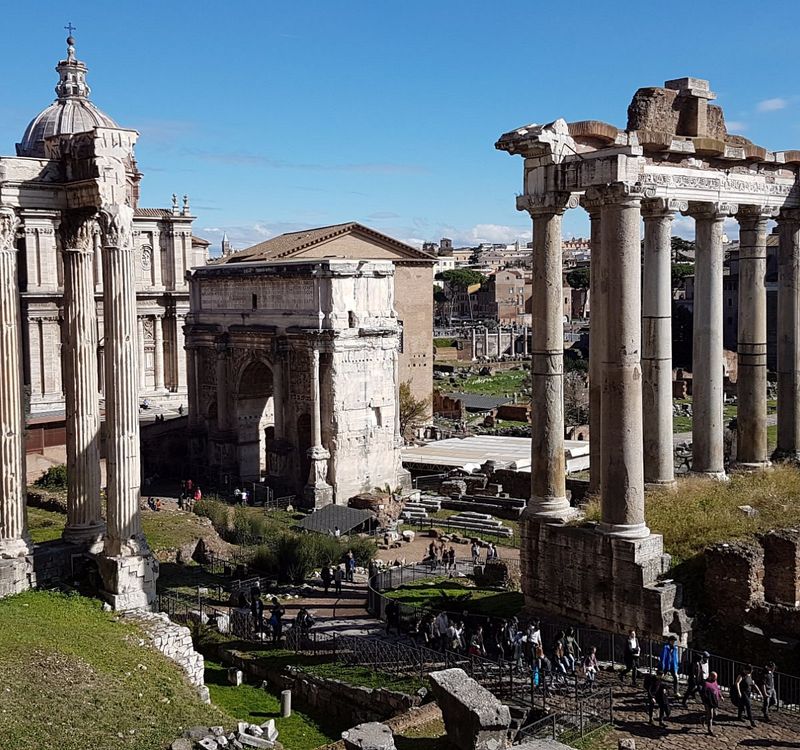
Politics, shopping, religion, and gossip once shared these crowded streets. Today, the Roman Forum is a spread of ruined temples, arches, and public buildings below Rome’s surrounding hills.
Follow the Via Sacra and look for the Temple of Saturn and the Arch of Septimius Severus. A guide or audio tour makes scattered stones easier to understand.
Admission is often bundled with Colosseum tickets; bring water and allow enough time to explore without rushing between landmarks.
4. Hadrian’s Wall: Rome’s Northern Frontier
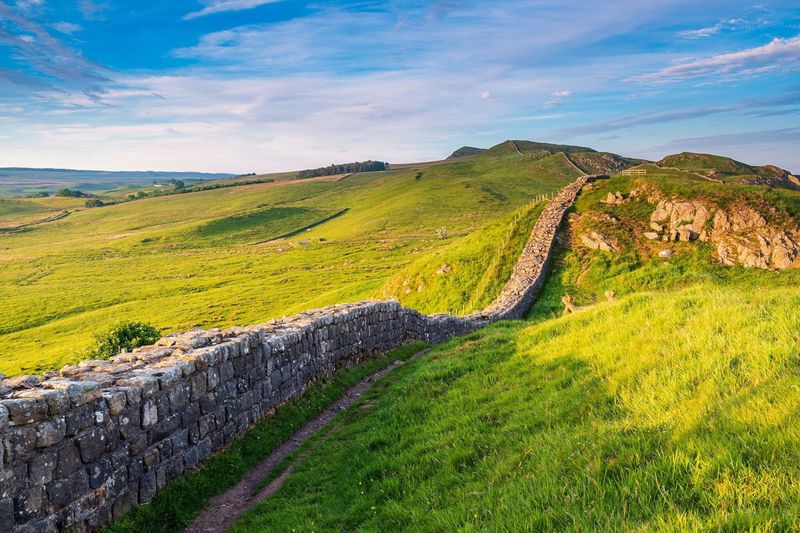
Across northern England, a low stone wall still traces the edge of Roman power. Construction began around AD 122, and the frontier stretched roughly 117 kilometers from coast to coast.
Choose a manageable walking section rather than trying to see everything. Housesteads offers fort remains, while nearby Vindolanda reveals everyday life through remarkable finds.
Waterproof clothing and sturdy footwear help on exposed paths. Respect farm gates and remember that surviving stones should never become climbing equipment.
5. The Roman Baths: Ancient Life Around Hot Water
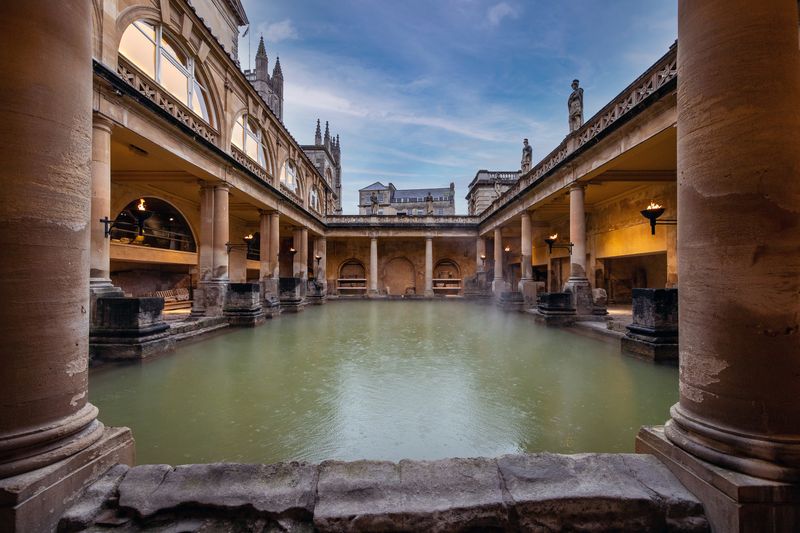
Warm spring water made Bath a special place long before modern spa weekends. The Romans built a bathing complex and temple here, creating a center for relaxation, worship, and social life.
You can explore the Great Bath, ancient objects, and displays explaining how the site worked. Swimming is not allowed in the historic pools.
Reserve admission ahead during busy periods, and use the audio guide to connect the impressive remains with the people who visited.
6. Pont du Gard: A Bridge Built for Water
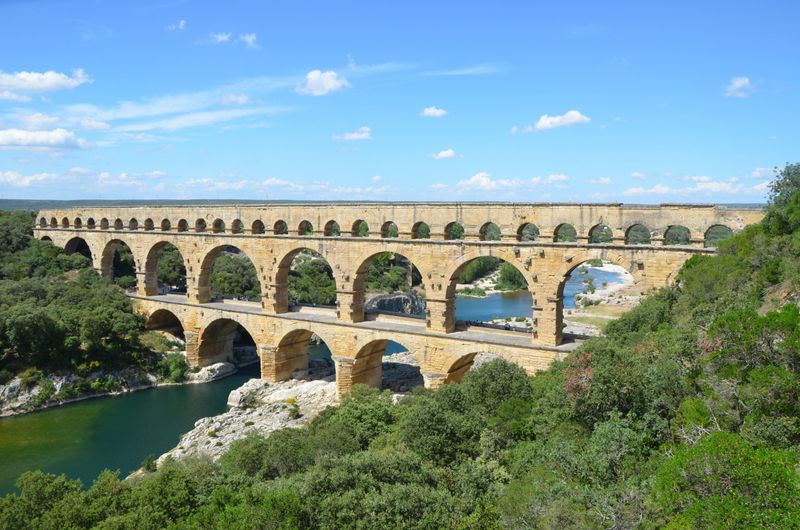
Water, not wagons, was the precious cargo carried across this towering bridge. Built in the first century AD, Pont du Gard formed part of an aqueduct supplying the Roman city of Nimes.
Its three levels of arches rise above the Gardon River, making the engineering easy to admire from below. Walk the marked paths for different viewpoints and visit the museum for context.
Check access arrangements before arriving, especially if you want a guided upper passage.
7. Arena of Nimes: An Ancient Venue Still Working
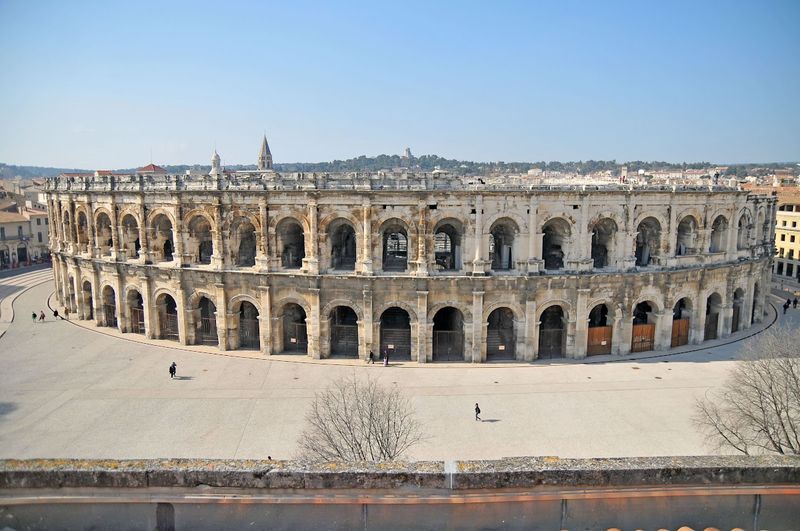
Few ancient arenas feel so ready for another crowd. Built around the end of the first century AD, the Arena of Nimes preserves much of its oval shape and tiered stone seating.
Modern concerts and other events keep the building active, though schedules can affect sightseeing access. Explore the passages to see how spectators reached their places.
An audio guide helps explain arena life, and checking the event calendar can prevent an unexpected change of plans.
8. Theatre of Orange: A Stage With Staying Power
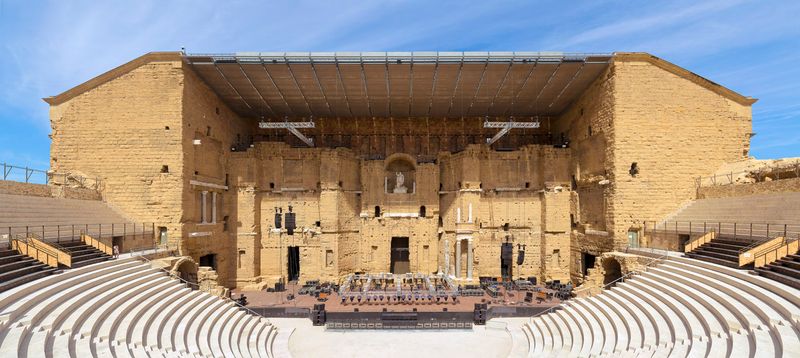
The enormous stage wall steals the show before anyone performs. Orange’s Roman theater dates to the early first century AD and preserves a feature that many ancient theaters have lost.
From the seating, picture actors addressing a crowd beneath the open sky. The venue still hosts performances, including the Chorégies d’Orange opera festival.
Check whether your visit overlaps with rehearsals or events. Bring sun protection, since exploring the stone seating can mean spending considerable time outdoors.
9. Aqueduct of Segovia: Stone Arches Above the City
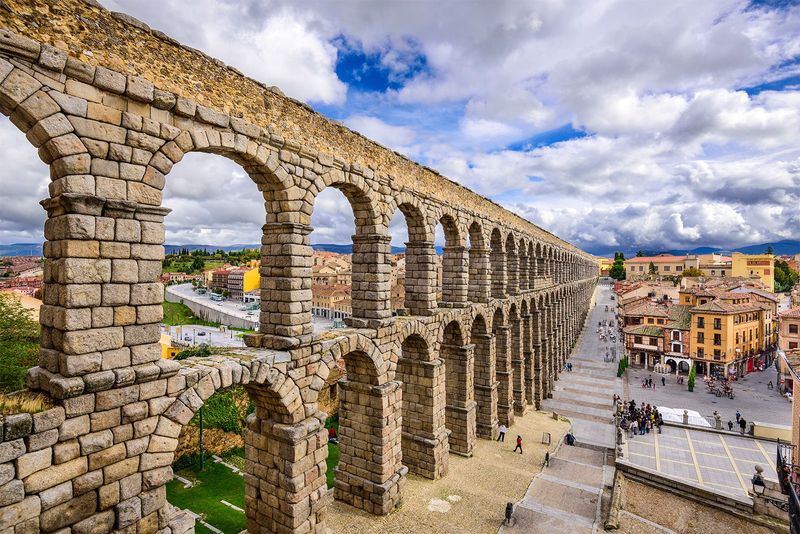
Above a busy Spanish square, stacked arches turn an ordinary walk into a history lesson. Segovia’s Roman aqueduct carried water into the city and survives as a striking example of careful stone construction.
The blocks hold together without mortar, relying on precise placement and weight. Start around Plaza del Azoguejo for the classic view, then follow nearby streets for different angles.
Early morning offers softer light and fewer people, making the structure easier to photograph clearly.
10. Diocletian’s Palace: A Roman Home That Became a City
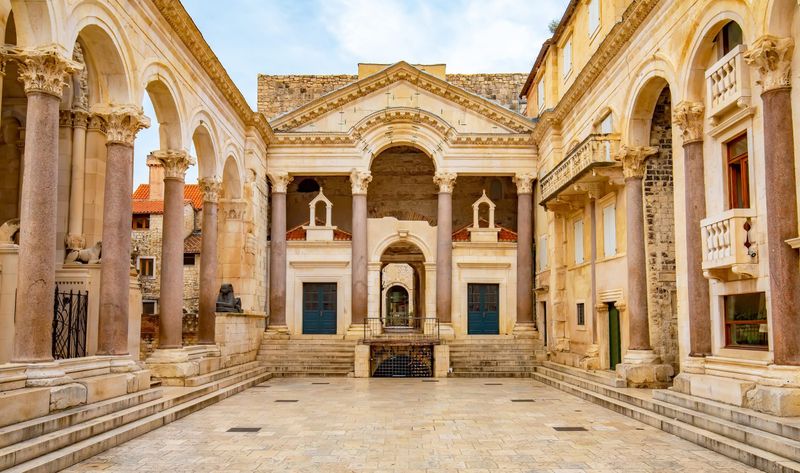
People still live, shop, and drink coffee inside an emperor’s retirement home. Diocletian’s Palace, built around the start of the fourth century AD, became the heart of Split’s old town.
Rather than a single museum, it is a neighborhood woven through Roman walls and courtyards. Explore the Peristyle and palace substructures, noting that some attractions charge separate fees.
Wander early for quieter lanes, then return later to enjoy the lively contrast between ancient stone and everyday life.
11. Amphitheatre of El Jem: Tunisia’s Towering Arena
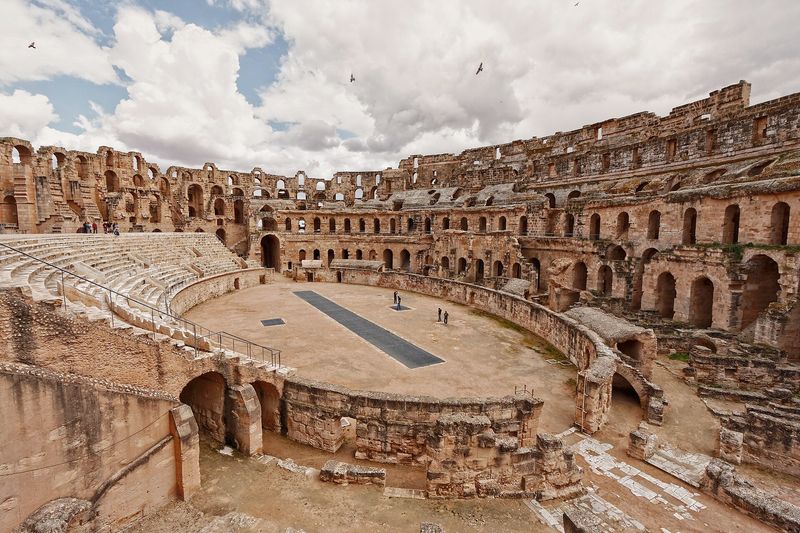
Golden stone arches rise unexpectedly above a small Tunisian town. The third century amphitheater at El Jem shows how Roman entertainment reached far beyond Italy, with room for tens of thousands of spectators.
Surviving underground passages and seating areas reveal the building’s impressive design, although accessible sections may vary. Climb carefully for broad views across the arena and town.
Carry water, avoid the strongest midday heat, and leave time for the nearby museum and its mosaics.
12. Ephesus: A Grand City of Marble Streets
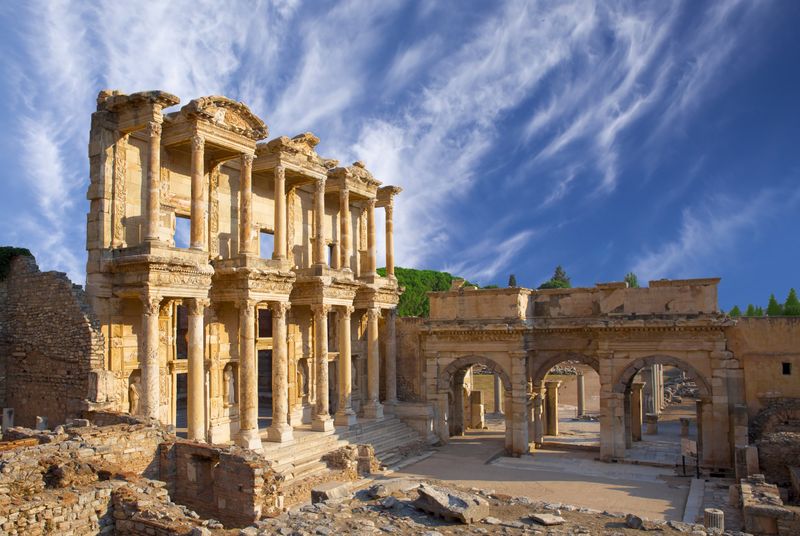
A grand library front makes this ruined city feel surprisingly alive. Near Selcuk in Turkey, Ephesus preserves major buildings from its years as a wealthy city under Roman rule.
The Library of Celsus and Great Theatre are highlights, but ordinary streets also reveal city life. Start early because exposed marble paths become hot and crowded.
Wear shoes with good grip, bring drinking water, and check whether the Terrace Houses require an additional ticket before you enter.
13. Jerash: Columns Along an Ancient City Street
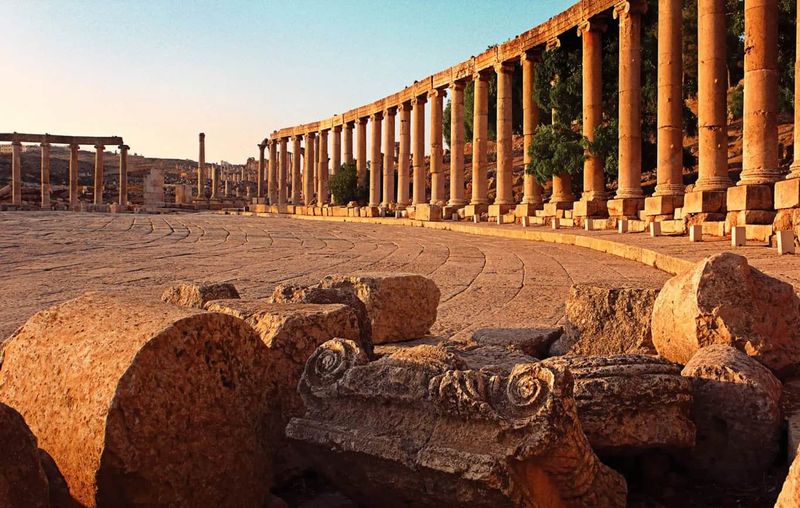
Long rows of columns invite you to follow an ancient city’s main street. Jerash, in Jordan, preserves theaters, temples, gateways, and public spaces shaped during its thriving Roman period.
The Oval Plaza offers an especially memorable introduction to the site’s layout. Look closely at paving stones for traces of wheeled traffic, then explore beyond the obvious landmarks.
A local guide can explain the buildings’ roles. Plan several hours and carry sun protection, since shade is often limited.
14. Baalbek: Temples on a Giant Scale
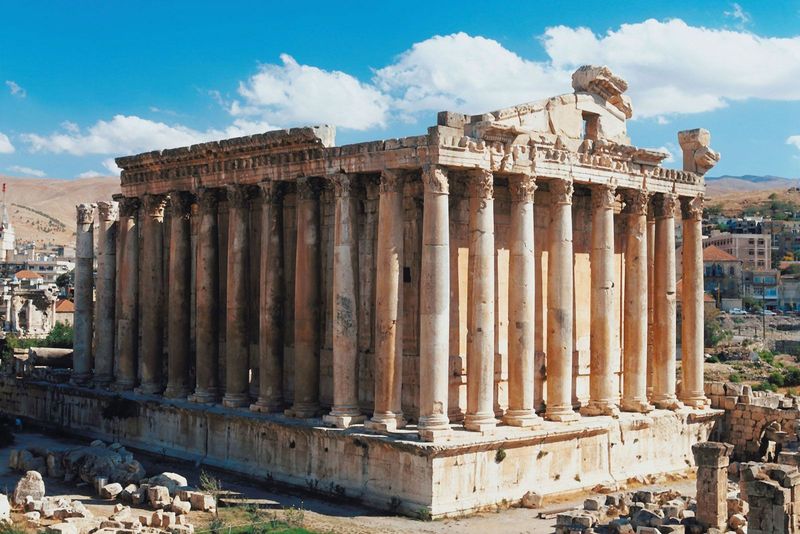
Standing beside these columns can make a person feel very small. Baalbek’s Roman sanctuary in Lebanon includes the richly decorated Temple of Bacchus and towering remains of the Temple of Jupiter.
Much of the monumental construction dates to the first three centuries AD. Carved details reward a slow look, but travel planning deserves equal attention.
Check current government travel advice and local access conditions before arranging a visit, because regional security can affect whether travel is advisable.
15. Pompeii: Daily Life Preserved by a Volcano
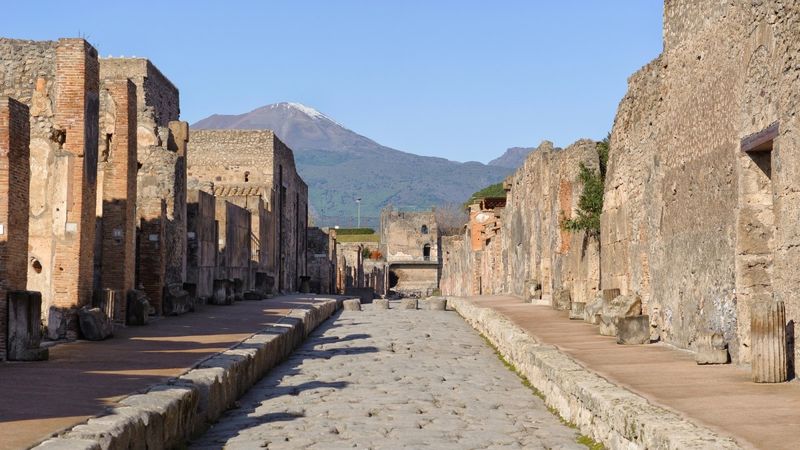
A bakery, a painted room, or a street crossing can suddenly make ancient people feel familiar. Pompeii was buried during Mount Vesuvius’s eruption in AD 79, preserving extraordinary evidence of everyday Roman life.
The site is large, so choose a route instead of expecting to see everything. Check which houses are open, carry water, and wear supportive shoes for rough paving.
Treat wall paintings and artifacts with care; their survival depends partly on respectful visitors today.
16. Herculaneum: Small Details With Powerful Stories
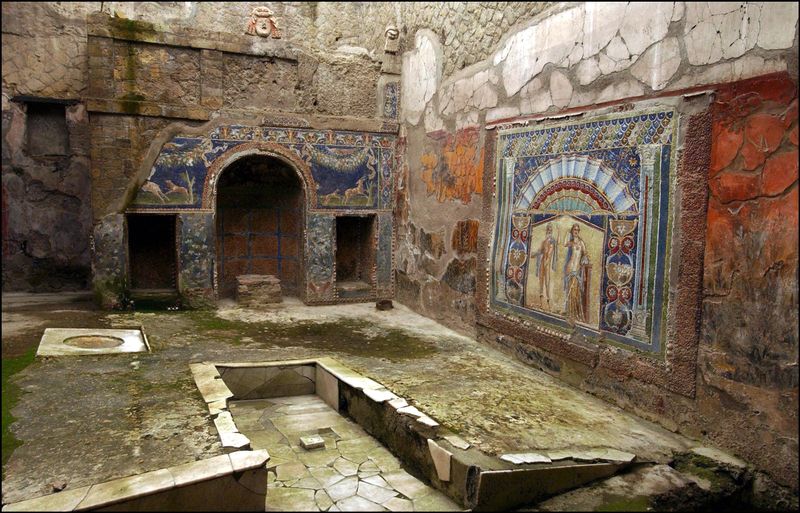
Wooden objects rarely survive from Roman times, but this buried town holds remarkable exceptions. Herculaneum suffered the same AD 79 eruption as Pompeii, yet different volcanic conditions preserved unusual building details and household materials.
Its smaller excavated area makes a focused visit easier than at its famous neighbor. Look for painted walls and surviving upper floors where accessible.
Arrange enough time to study individual homes, and remember that fragile rooms may close for conservation without much notice.
17. Castel Sant’Angelo: An Emperor’s Tomb Reimagined
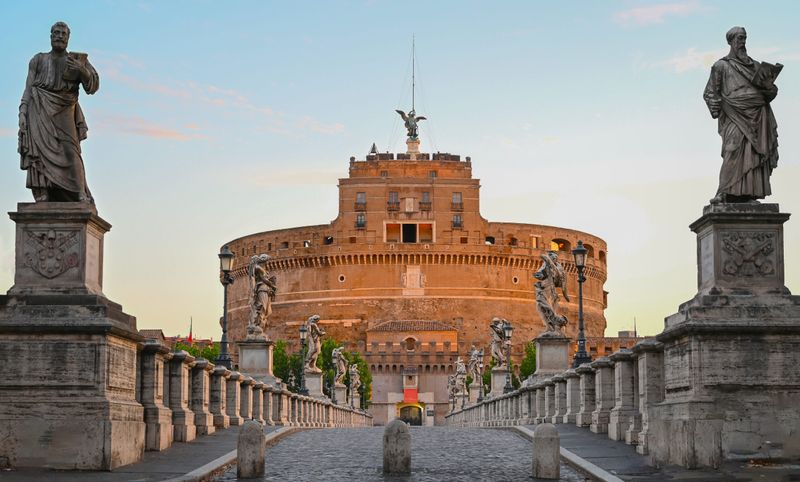
Not every Roman landmark stayed true to its original purpose. Hadrian’s grand tomb later became a fortress, a papal refuge, and the museum now known as Castel Sant’Angelo.
That layered history makes a visit feel like moving through several different ages. Explore the ancient core, decorated rooms, and defensive passages, then head toward the terrace for views of Rome.
Expect stairs and changing exhibition access, and check official opening information before planning your route through the building.
18. Pula Arena: Roman Arches Beside the Adriatic
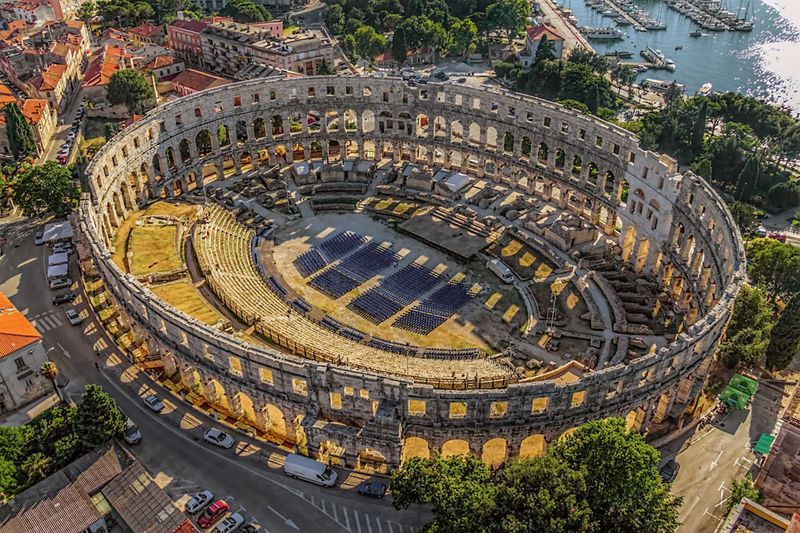
Concert music now echoes where Roman crowds once watched arena spectacles. Pula’s amphitheater in Croatia took shape during the first century AD and retains a remarkably complete outer wall.
Walk around its exterior to appreciate the arches, then explore inside for a closer sense of its size. Underground displays explain aspects of ancient local production, including olive oil and wine.
Check performance dates before visiting, since modern events can change access to parts of the arena.